Clinical Skills OSCE prep semester 3
 Call Kai
 Learn
 Practice Test
 Spaced Repetition
 Match
 Flashcards
 Knowt Play
1/127

There's no tags or description
Looks like no tags are added yet.
128 Terms
Small dog vitals
HR 120-160
RR 10-30
temp 100-102.5
Large dog vitals
HR 60-120
RR 10-30
temp 100-102.5
Equine vitals
HR 28-40
RR 8-16
temp 99-101.5
Bovine vitals
HR 40-80
RR 12-36
temp 100.5-102.5
What size needle do you use for equine IM and IV injections and blood draws
20 G 1.5”
What size needle do you use for a SQ injection in a 500lb cow
18-16 G 5/8”
What size needle do you use for a SQ injection in a 900 lb cow
16 G 5/8”
What needle size do you use for a SQ injection in a 700 lb cow if the injection is viscous
16 G 5/8'“
What needle size do you use for an IM injection in a 1000lb cow if the injection is viscous
16 G 1”
What needle gauge do you use for any injection in a 300-700 lb cow
18-16 G
What size needle do you use for an IV injection in an 800lb cow
16 G 1”
What are the borders for IM injections in LAs
Cranial border of the scapula, nuchal ligament, cervical vertebrae
What needle size do you use for a SQ injection in a 100lb calf
18G 5/8”
What needle size do you use for a viscous IM injection in a 400lb cow
16G 1”
What needle size do you use for most vaccines in a SA
22 G 1”
What needle size do you use for a cephalic blood draw in a canine
22 G 1”
How should you recap a needle for SA medicine
scoop method
What needs to be included when writing a prescription
drug name, mg strength, directions for administration including frequency and duration, significant side effects, and quantity dispensed
What should be done before injecting anything into a SA or equine patient but doesn’t need to be done in bovines
aspirate
When performing a PCV which way should the microhematocrit be facing in the centrifuge
the clay should be facing out
Where should you break the microhematocrit tube when measuring a TP (TS)
in the middle of the plasma layer (above the buffy coat)

How should you place the microhematocrit tube on this card to read the PCV
The top of the clay (beginning of RBC layer) should be placed on the bottom lined and then rolled until the meniscus of the plasma layer is lined up with the top line
Timeframe for reading dipstick reagent pad
60-120 sec
When placing an IVC in a dog your first piece of tape should be
a narrow piece of tape placed sticky side up close to the hub then wrap it around the dogs leg
Where do you place an IVC in a horse
jugular vein, pointing towards the heart
How would you prep a horse for an IVC
(shave for a long dwelling catheter), alternate scrubbing with betadine or chlorhexidine scrub and alcohol over the insertion site (scrub until no dirt is coming off on your gauze), we want at least 5 minutes of contact time, place lidocaine SQ superficial to the jugular vein, scrub one more time after blocking
When using a clean hand dirty hand technique to place an IVC in a horse how should you hold the IVC with your clean hand
hold the hub between your thumb and middle finger, place your index finger over the stylet hub
When inserting an IVC into a horse jugular vein where should you insert the catheter
into the center of the vein
At what angle should you place a IVC in a horse
20-30 degrees
Once in the jugular vein how should you continue to place an IVC in a horse using a clean hand dirty hand technique
flatten your angle and advance your IVC another inch, check to make sure you are still in the vein by lifting your index finger off the hub, reach around with your dirty hand and grab the plastic part of the stylet, slide the plastic IVC to the hub into the vein while holding the stylet still, remove the stylet after the IVC is fully placed to the hub
When clamping an ovarian pedicle what order should the clamps be placed
distal clamp, proximal clamp, middle clamp
When ligating the ovarian pedicle where should your first ligature be placed
into the crush of the proximal clamp
When placing your second ligature on the ovarian pedicle where should it be placed and what should you tell your assistant to do
the second ligature should be placed in between the first ligature and the middle clamp, start to tighten your second ligature then tell your assistant to flash the middle clamp and while holding consistent tension tell them to reclamp the middle clamp
When clamping the uterine pedicle what order should your clamps be placed
proximal, middle, distal
When placing the 1st ligature on the uterine pedicle where should you place it
into the crush of the proximal clamp
When placing the second ligature on the uterine pedicle, what kind of ligature should be placed
transfixation
When entering the body wall where should you make your reverse stab incision if opening with a scalpel blade
cranial
When entering the body wall where should you make your reverse stab incision if opening with scissors
caudal
When making a reverse stab incision to enter the body it is necessary that you
lift up on the body wall with forceps, flip the scalpel blade in your hand so the blade is facing up, rest your stabbing hand on the patient, enter the body wall at a shallow angle
When entering the body wall with scissors what is one thing you should not do until the end of the incision
fully snip close the scissors
Horse lung field borders
caudal to the scapula and triceps muscles, ventral to the epaxial muscles, to the 17th ICS, draw a curved line back to the point of the elbow
Where should you place the stethoscope to auscultate the heart on a horse
at the level of the point of the elbow and push in between the triceps muscle and the thoracic wall
When completing a full respiratory auscultation on a horse where should you listen
craniodorsal lung field, caudodorsal lung field, middle lung field, and cranioventral lung field on both sides and the trachea
Where should you place the weight tape on a horse
overtop of the withers and around the heart girth
Where should you listen for sand impaction in a horse and what would you hear if they had it
1 hands width caudal to the xiphoid on ventral midline of the abdomen, you would hear sounds of the ocean
What LNs can you palpate on a horse
submandibular
What are the borders of the frontal sinuses in the horse
draw semicircles originating from midline between both eyes
What are the borders of the maxillary sinus in the horse
dorsal to the facial crest from the medial canthus of the eye to the straps of the halter
How do you percuss the sinuses in a horse, what should they sound like, and what is wrong if they do not sound like that
knock on each of the frontal sinuses and compare the sound then knock on each maxillary sinus and compare the sounds. It should sound hollow, open the horses mouth to amplify the sound. If it does not sound hollow their may be a mass in the sinus or an infection
Anatomical borders of the guttural pouch
base of the ear, most of the guttural pouch is under the ramus of the mandible (about ½ way down), throat latch region on both the right and left side
Where will you see swelling of the guttural pouch
throat latch region
Function of the guttural pouch
cools blood running through the carotid arteries
What might cause swelling of the guttural pouch
guttural pouch tympany or infection
How should you approach and lift a 35 lb dog onto the exam table
approach from the side and take a knee next to the patient, allow the to smell you and use a touch gradient starting at the shoulder before placing an arm around the dogs head and an arm around the dogs abdomen to lift them onto the table
At what weight should you ask for assistance before lifting a dog onto a table
40-50 lbs
How do you palpate a dogs abdomen using a large dog technique
place one hand in between the dogs back legs and the other on the outside of the dogs abdomen, starting in the cranial abdomen using prayer hands apply pressure to either side of the dogs abdomen and drag your hands from dorsal to ventral, continue to do this working caudally until the entire abdomen has been palpated. Palpate the urinary bladder with 1 hand.
If a dog has a CRT < 2sec, their skin tent snaps back quickly, and they have pink moist gums how dehydrated are they
<5% dehydrated
If a patient has a CRT of 2 seconds, they’re skin tent is slightly delayed, and they have tacky pink MMs how dehydrated are they
5-8%
If a dogs skin is tenting 3 seconds or greater, they have sunken eyes, dry MMs, and tachycardia how dehydrated are they
8-10%
What LNs can be palpated in a dog
submandibular, prescapular, and popliteal
When performing a full cardiac exam on a dog what should you do
listen to both the right and left side of the heart, assess femoral pulses, and get a HR
What size otoscope cone should you use in a dog <20 lbs
small
What size otoscope cone should you use in a dog 20-80 lbs
medium
What otoscope cone should you use in a dog >80 lbs
large
How should you place an otoscope into the ear
insert the cone into the lumen of the vertical canal, once centered advance the cone deeper into the ear, grasp the ear pinna and move it outward and downward to straighten out the ear canal, advance the speculum into the horizontal ear canal until the eardrum can be visualized
How should you move the ear pinna when using an otoscope
outward and downward
What finger should you use to do a prostate exam
index finger of your dominant hand
When performing a complete respiratory auscultation on a dog you should listen to
cranial ventral lung field, middle lung field, cranial dorsal lung field, and caudal dorsal lung field on each side and the trachea
Normal sounds you should hear when ausculating the lungs of a SA patient
bronchovesicular sounds
You are about to do an exam on a dog you walk into the exam room and notice they are licking their lips and avoiding eye contact <4 times per minute. They are still taking treats and interacting with you. What is there FAS
1
You are about to do an exam on a dog you walk into the exam room and notice they have their tail down, and have their ear back slightly. You notice these signs <4 times per minute and they are still taking treats and interacting with you. What is their FAS
2
You are about to do an exam on a dog you walk into the exam room and notice they have their ears back slightly, their tail down, a furrowed brow, and are moving quite slowly. They are showing these signs more than 4 times per minute and are hesitant to take treats but they still do. What is their FAS
3
You are about to do an exam on a dog you walk into the exam room and notice they are immobile, with dilated pupils, and trembling. They will not take treats and they are trying to avoid you. What is their FAS.
4
You are about to do an exam on a dog you walk into the exam room and notice they are growling and lunging at you. What is their FAS
5
You are about to do an exam on a dog you walk into the exam room and notice they have their tail up and wagging and they are interacting with you and taking treats. What is their FAS.
0
Mild signs of FAS
licking lips, avoiding eye contact, lifting their paw, panting
Moderate signs of FAS
ears back or to the side, tail down, furrowed brow, slow movements, panting with mouth slightly closed
Severe signs of FAS
immobility, fidgeting, escape behavior, dilated pupils, excessive panting, trembling, tense closed mouth, tail tucked, not taking treats, growling, lunging, barking, hissing, snarling, snapping
You are attempting to body condition score a dog. You can’t see there ribs but you can feel them easily. When viewed from above you can see a waist and when viewed from the side you can see an abdominal tuck.
4-5
You are attempting to body condition score a dog. You can start to see their ribs and the tops of the lumbar vertebrae. Waist and abdominal tuck apparent.
3
You are attempting to body condition score a dog. You can see their ribs, the top of the lumbar vertebrae, and the pelvic bones with a slight loss in muscle mass evident
2
You are attempting to body condition score a dog. You can easily see their ribs, lumbar vertebrae, pelvic bones, and other bony prominences from a distance with an obvious loss in muscle mass
1
You are attempting to body condition score a dog. You can’t see their ribs but you can feel them with a slight covering of fat. They have a waist but it is not obvious, their abdominal tuck is still seen easily
6
You are attempting to body condition score a dog. You can not see the ribs, you can feel them if you push pretty hard. They don’t have a waist and you noticed a little deposit of fat on the tail base. Abdominal tuck is still present
7
You are attempting to body condition score a dog. The ribs are not visible or palpable and you notice fatty deposits along the lumbar vertebrae and tail base. No waist or abdominal tuck
8
You are attempting to body condition score a dog. The ribs are not visible or palpable with massive fat deposits, abdominal distension, and no waist or abdominal tuck
9
What should you expect when performing a palpebral and menace response
the patient should blink
What is the dazzle reflex
when you shine a bright light in the patients face they should squint, blink, and react to the light
What should you see when performing a PLR
pupillary constriction of both eyes
Stage 1 dental disease
red, inflamed gum line
Stage 2 dental disease
inflamed swollen gum line, bad breath, painful
Stage 3 dental disease
bright red bleeding gums, sore, bad breath, affecting behavior
Stage 4 dental disease
infection destroying gum, teeth, and bone and distant organs
When performing a PCV how should you place the microhematocrit tube in the centrifuge
with the clay facing out and balanced with another filled microhematocrit tube across from it
What color tube should you fill for a CBC
purple top
What color tube should you fill for a chemistry profile
tiger top or red/yellow top with serum separator

Name the artifact
acoustic enhancement
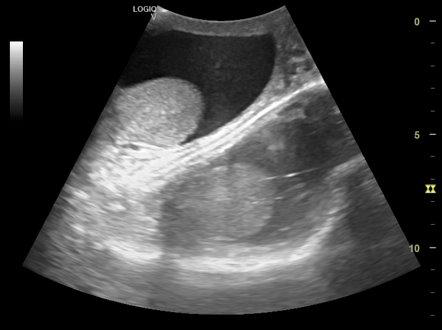
Name the artifact
mirror image
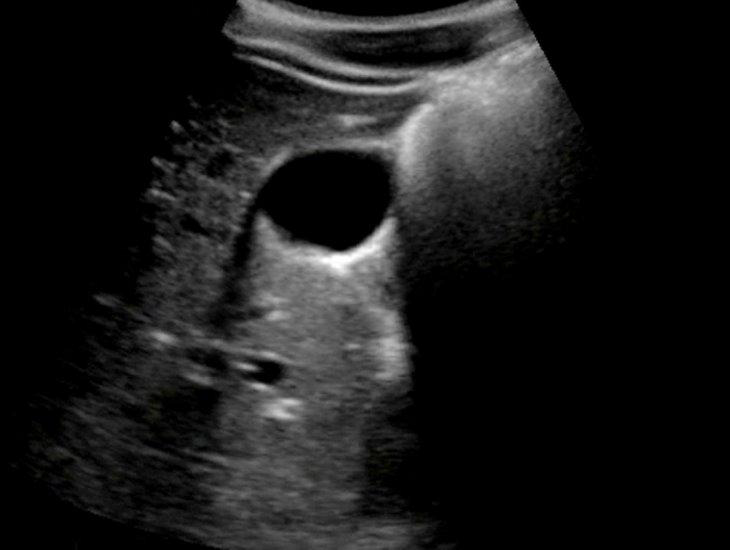
Name the artifact
edge shadowing

Name the artifact
comet tail / reverberation