Parasitic liver disease
 Call Kai
 Learn
 Practice Test
 Spaced Repetition
 Match
 Flashcards
 Knowt Play
1/23

There's no tags or description
Looks like no tags are added yet.
24 Terms
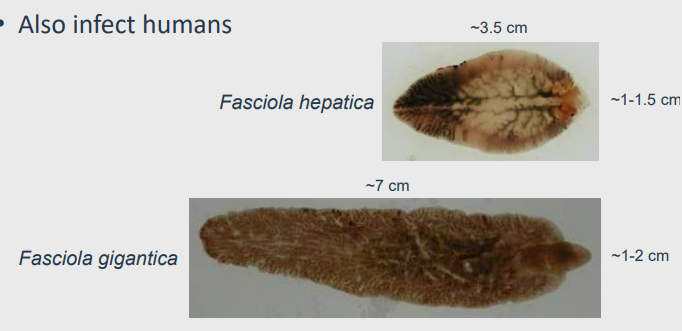
fasciola - liver fluke
• Trematode parasites, cause disease fasciolosis
• Very important infections of ruminants worldwide
• Also infect humans


fasciola life stages
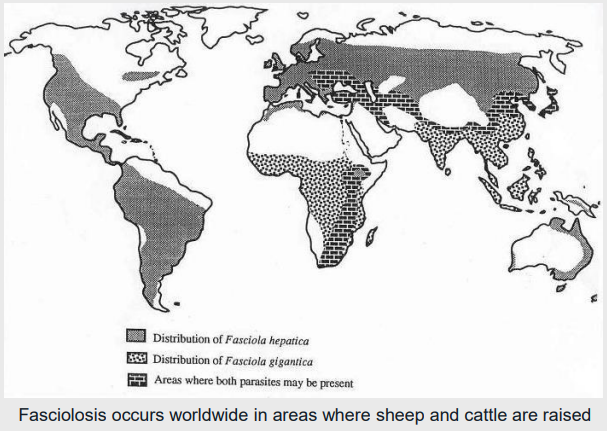
global distribution of fasciola
snail intermediate host - F.hepatica
Amphibious snail intermediate hosts e.g. Galba truncatula
(AKA Lymnaea truncatula) – “mud snails”
Likes slightly acidic wet mud
in the hand its not poop its a snail

fasciola epidemiology
• Mean day/night temp ≥10oC & moisture needed for snail breeding &
parasite development – May-Oct in UK (but patterns changing)
• ↑ metacerceriae on pasture in:
o July-Oct (summer infection of snails) – but lower numbers if May & June are colder
o Spring (winter infection of snails)
• Seasonality different in other regions & changing in the UK
• Animals not immune to reinfection, increasing prevalence with age

seasonality

epidemiology and transmission in humans
• ~2.4 million people infected with Fasciola spp. in >75
countries (WHO, 2025)
• Infection through consumption of freshwater vegetables,
infected water
• Requires animal reservoir to maintain infection in humans
consequences of infection - sheep
Disease depends on how many metacercariae ingested & over what period
Acute disease
• 1000+ fluke, mainly immature; July-Dec; FEC=0 epg
• Destruction of liver parenchyma & haemorrhage due to young fluke
migration
• Sudden death or dullness, anaemia, dyspnoea, ascites abdominal pain
Subacute disease
• 500-1000 adults/immature fluke; Oct-Jan; FEC<100
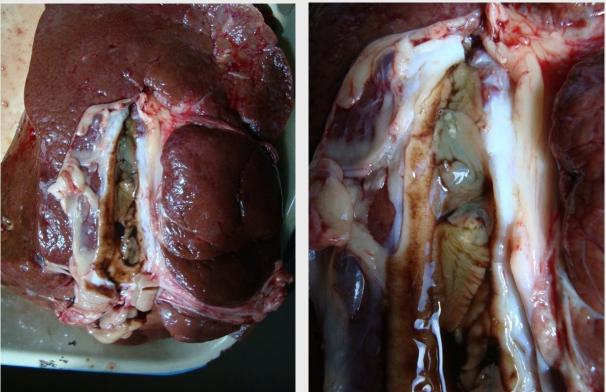
• Enlarged liver – necrotic or haemorrhagic tracts
• Rapid weight loss, anaemia, submandibular oedema, ascites in some
cases
Chronic disease
• 200+ adults; Dec-April; FEC>100 epg
• Most common form
• Progressive weight loss, anaemia
• Submandibular oedema, diarrhoea, ascites
• Effects on production (even in light infections)
consequences of infection - cattle
• Generally chronic disease – loss of weight, condition, sometimes
anaemia & diarrhoea
• Acute disease rare in the UK
• Lower fluke numbers → sub-clinical effects, reduced milk yield & quality,
reduced FCRs, poor growth, liver condemnation
• Biliary hyperplasia, calcification of bile ducts and enlargement of gall
bladder
• Winter/early spring
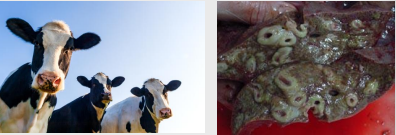
economic consequences
Annual costs to UK cattle industry £40-£300 million
Combined annual cost of liver fluke infections in European livestock is estimated at EUR620 million
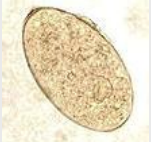
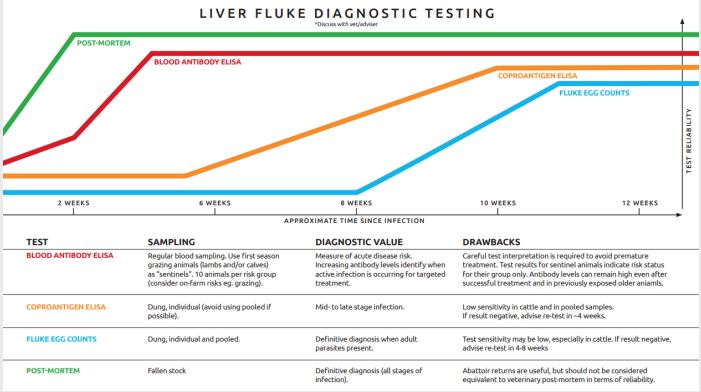
diagnosis in animals
• Clinical signs
• Seasonal occurrence
• Postmortem examination of livers/abattoir reports
• Haematological tests
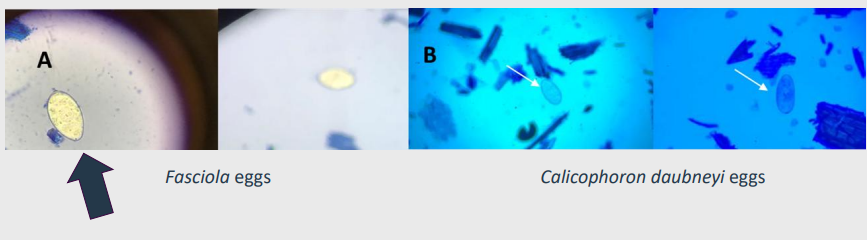
• Examination of faeces for fluke eggs
• Plasma levels of enzymes released by damaged liver cells
• Anti-fluke antibodies in serum and milk samples e.g. by ELISA
• Copro-antigen ELISA
• PCR etc. only works on purified eggs

fasciola eggs
F. hepatica in sheep liver
control of fasciolosis
• Assess fasciolosis risk on farm
• Meterological forecasting
• Grazing and environmental management
• Flukicide treatment
• Quarantine incoming cattle & sheep
• Control programmes should take into account farm history, topography, location & weather

managing grazing and environment
• Survey of snail habitats – localised or widespread?
• Drainage – expensive and environmental impact!
• Keep animals off wettest fields in Autumn/Winter
• Fence off high-risk areas, e.g. drinking areas or streams - replace by
water troughs
• Prevent/repair leaks from pipes and water troughs – leaks can create
habitat for mud snails
• Housing animals to remove them from high-risk pastures – extreme
strategy
• Graze treated animals on “low risk” pastures
fluke forecasting
• Forecasting system estimates timing & severity of disease
• Two simple models:
1) Ground surface wetness – effects summer infection of snails
2) “Wet-day” forecast – number of wet days over summer months
• More complex computer-based systems now developed
flukicide treatment
• Treatment commonly used as part of control programmes
• Aims to prevent disease & pasture contamination
• Fluke forecasts guide treatment decisions
• Risk assessment and/or diagnostic testing to determine if treatment
needed
• Triclabendazole (TBZ) widely used
• TBZ resistance – need check resistance status on farm
• Avoid repeatedly using same flukicide

treatment options for fluke in sheep
flukicide treatment for cattle
• Consider meat & milk withdrawal periods
• Difficult in milking herds


four-point plan
fasciola and immunomodulation

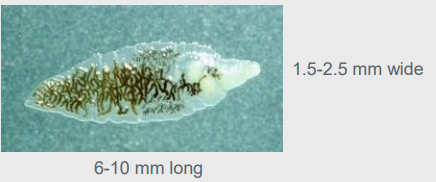
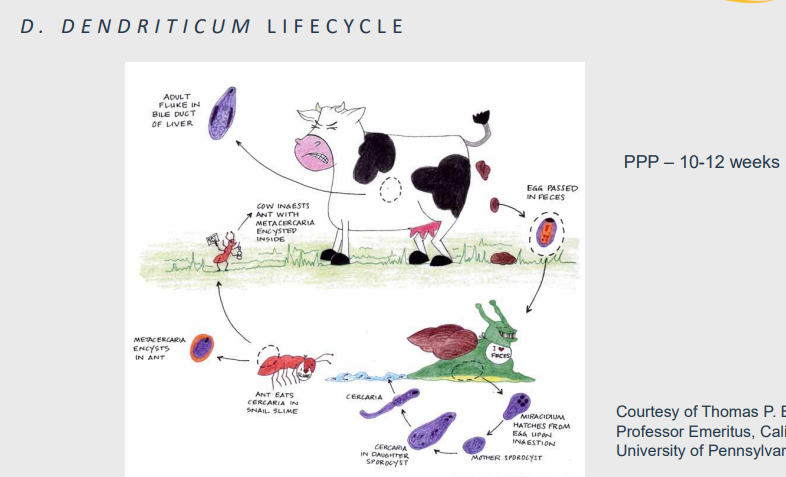
dicrocoelium dendriticum
• AKA Dicrocoelium lanceolatum
• Trematode
• Parasite of ruminants, deer & rabbits
• Adults found in bile ducts of liver
• High prevalence in parts of Europe but rare in the UK, only Western Isles
clinical signs and diagnosis
• Infected livers often normal & clinical signs absent
• Heavy infections – fibrosis of bile ducts & cirrhosis
• Anaemia, oedema, emaciation, reduced wool growth
• Diagnosis – eggs in faeces & PM examination for adult flukes

epidemiology and control
• Intermediate hosts independent of water, evenly distributed
• Eggs can survive for months on pasture – reservoir of
infection
• Control depends on regular anthelmintic treatment

taenia hydagitena (tapeworm)
taenia hydagitena
• Intermediate host infected by ingesting eggs when grazing pastures
contaminated with dog faeces
• Oncospheres carried via blood to liver, migrate for 4 weeks
• Emerge onto surface of liver & attach to peritoneum
• Develops to large metacestode over 4 weeks
disease, diagnosis and control
• Loss of condition, emaciation & ascites may be present
• Heavy infections in lambs can lead to hepatitis & death
• Infection may → liver/carcass condemnation at slaughter
• Diagnosis at meat inspection – larval cysts on organs, liver may contain haemorrhagic tracts & developing metacestodes
• No treatment
• Control – disposal of ruminant carcasses & offal
• Deworming treatment of farm dogs?
summary
• Liver parasites, particularly Fasciola, are important animal pathogens
• Have economic and animal health impacts
• Snails play involved in transmission of Fasciola & Dicrocoelium
• Anthelmintic treatment and environmental management important for control
• Understanding epidemiology and effect of weather conditions very helpful for management of Fasciola