8/28 - Plant Toxicology Cardiovascular
 Call Kai
 Learn
 Practice Test
 Spaced Repetition
 Match
 Flashcards
 Knowt Play
1/18

There's no tags or description
Looks like no tags are added yet.
19 Terms
Sweet Clover
What plant, with the genus Melilotus, comes in both white and yellow varieties? It has a component called coumarin which is converted to toxic dicoumarol, which inhibits vitamin K epoxide reductase, preventing regeneration of active vitamin K, leading to depletion of prothrombin and factors VII, IX, and X. Signs include hemorrhage, intractable bleeding, hematoma, and prolonged prothrombin time. Treatment in severe cases requires a whole blood transfusion, while vitamin K supplication and feeding good quality alfalfa are also helpful.

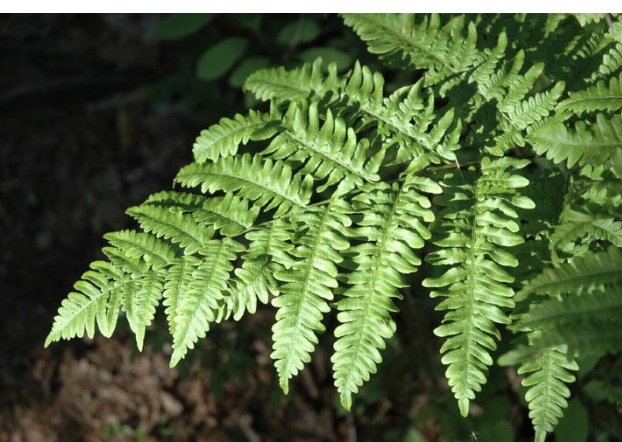
Bracken Fern
What plant is also known as Pteridium aquilinum and has the toxic compound ptaquiloside, especially in young plants? This substance alkylates purine bases in DNA, disrupting transcription and causing strand breaks, leading to bone marrow depression. It also activates the H-ras protooncogene in the upper GI and urinary tract, causing neoplasms. It is associated with bone marrow depression in ruminants, specifically enzootic hematuria if ingested chronically. Signs include acute fever, lethargy, anorexia, hemorrhages, thrombocytopenia, neutropenia, pancytopenia, and epistaxis/increased bleeding time. The toxic substance can be excreted in milk, leading to esophageal and GI cancers in humans. It also contains thiaminase 1 and 2, destroying vitamin B1, a condition more common in monogastric species as ruminants can produce their own thiamine. Equine bracken staggers is an example of this complication (crouching stance, weight loss, anorexia, incoordination). Treatment is with supportive care, antimicrobials, blood transfusion, and thiamine supplementation.
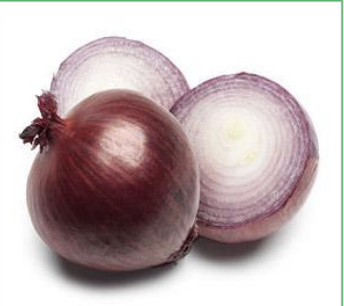
Onion
What plant/food, also known as Allium cepa, is most toxic in cats and dogs, and less so in horses and ruminants? Cumulative toxicity can occur after repeated ingestion of large amounts, and it contains highly reactive oxidants, disulfides, and thiosulfides. These cause denaturation of hemoglobin, deformation of RBCs, hemolysis, and phagocytosis. Signs include abrupt onset, dark colored urine, depression, anorexia, weakness, pale mucous membranes, strong odor, and good recovery in large animals. In dogs and cats, PCV will be 10-15%, Heinz bodies will be seen in the RBCs, and a regenerative response with polychromasia, reticulocytes, and nucleated RBCs will be seen.
Red Maple
Toxicity from ingestion of the leaves of what tree (Acer rubrum) is most common in horses and has a slow progression? It contains reactive oxidants, damaging the RBC glutathione reducing system, and causing abrupt lysis of RBCs after 1-2 days of eating them. Wilted leaves are the ones causing the toxicity. Signs include depression, anorexia, dark urine, anemia, Heinz bodies, methemoglobin levels up to 50%, PCV of 8-10%, and hemoglobin of 5 g/dl. Oliguria and icterus can also occur, along with enlarged spleen and kidneys, tubular nephrosis, and hemoglobin casts in urine. Treatment is with supportive care, fluids, blood transfusion, and ascorbic acid IV or orally to treat methemglobinemia.

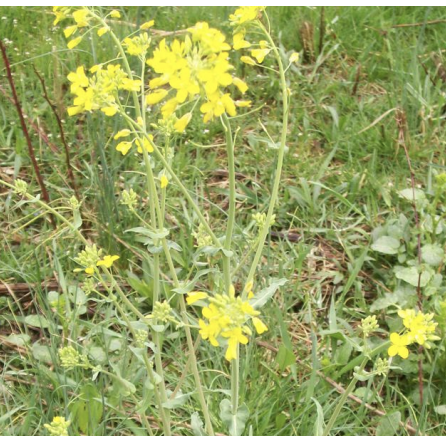
Field Mustard
What plant (Brassica rapa) is most dangerous to ruminants and is cultivated worldwide as food or fodder? Signs include anemia after eating plants for 2-3 weeks, glucosinolates from SMCO (dimethyl sulfide only forms in ruminants), heinz bodies, and severe hemolytic anemia. Treatment is with immediate withdrawal of feed and administration of activated charcoal and laxatives, plus symptomatic treatment. It can also damage the GI and cause liver hemorrhages, as well as changes to thyroid metabolism and enlargement of the gland. The thiocyanate ions will have an inhibitory effect on biogenesis of thyroid hormones, causing the enlargement.
Nitrate
What type of poisoning can occur due to ingestion of sorghum, pearl millet, and sudan grass? Ruminants are most susceptible, due to conversion of this to nitrite (horses can do this through the cecum). This accumulates in these plants after prolonged dry periods due to high content in the soil, as well as in immature plants. Factors affecting severity include amount eaten and the amount released and reduced to nitrite. It is rapidly absorbed and oxidizes hemoglobin to methemoglobin, which can cause abortion, and once methemoglobinemia occurs prognosis is grave. 30-40% methemoglobinemia will produce clinical signs and 80% conversion is fatal. Methylene blue can be given to help treat this. Signs include abrupt onset, laboured respiration, muscle trembling/weakness, sinking to the ground, and abortions. Tissues and blood will be dark colored with petechial hemorrhages. Take samples from forage/silage and send in airtight containers as soon as possible. Prevention is possible by giving oral propionobacterium paste before feeding forage to reduce nitrite production.

Prunus
What genus of plants includes cherries, peaches, apricots, and plums, which contain cyanogenic glycosides released after chewing? Amygdalin is found in the seeds and prunasin in the leaves, bark, and shoots. The glycosides are metabolized by glycosidase enzymes into cyanide. This inhibits mitochondrial enzyme cytochrome c oxidase, inhibiting cellular respiration. Hemoglobin cannot then release oxygen due to supersaturation of blood with oxyhemoglobin. Cherry red blood will be seen, and signs usually include sudden death due to rapid development of respiratory failure. Necropsy is usually nonspecific, including slow blood coagulation, generalized congestion, and centrilobar liver necrosis due to hypoxia. Toxicity is rapid and prognosis is poor. Surviving animals can be given hydroxocobalamin, sodium nitrite, and sodium thiosulfate.

Lectins
What plant toxins are found in peanuts, soybeans, lentils, peas, and beans? They include abrin, concanavalin A, peanut agglutinin, phytohemagglutinin, and soybean agglutinin. They are composed of amino acids which bind to sugar molecules of glycoproteins attached to the cell membrane of blood cells. These are also absorbed into the bloodstream from the stomach, causing anaphylactic shock.
Abrin
Which lectin toxin is derived from Jequirity beans/rosary peas? It is composed of 2 peptide chains with a disulfide bridge (A chain is toxic and inactivates ribosomes by removing elongation factors and B chain attaches the toxin to the cell surface). It causes endothelial cell damage causing vascular leakage and edema.

Milkweed
Which plant is part of the genus Asclepias? Signs of toxicity include depression, weakness, abdominal pain, odontoprisis, diarrhea, irregular labored breathing, groaning, and arrhythmias. It causes inhibition of Na-K-ATPase. Treatment is with atropine, anti-arrhythmic drugs, and supportive treatment.

Foxglove
Which plant is in the genus Digitalis? It contains cardenolide glycosides which inhibit Na-K-ATPase, increasing intracellular calcium. Signs include weakness, diarrhea, bloody diarrhea, excess salivation and vomiting in dogs/cats, colic, labored respiration, bradycardia, and AV block. Treatment is with supportive care, atropine, and propranolol.

Oleander
What plant (Nerium oleander) is a steroidal toxin, with cardenolide glycosides (oleandrin), with greater toxicity in dry leaves? Signs include depression, anorexia, excess salivation, bloody diarrhea, vomiting in dogs and cats, soreness around the mouth, colic signs in horses, bradycardia, paroxysmal tachycardia, ST-segment depression, and AV block arrhythmias. It causes inflamed gastric mucosa, and has distinct tough leathery leaves in the stomach with a trout skeleton appearance. Treatment is with supportive care, atropine, and antiarrhythmic drugs.

Yew
What plant is in the genus Taxus? It is considered the most hazardous plant and is dangerous to livestock and pets. It includes cardiotoxic taxines A and B, which inhibit cardiac impulse conduction, causing heart blocks, bradycardia, and QRS widening. Sudden death is common, especially in horses. Often leaves will be seen in the rumen/stomach and treatment is with supportive care and atropine.

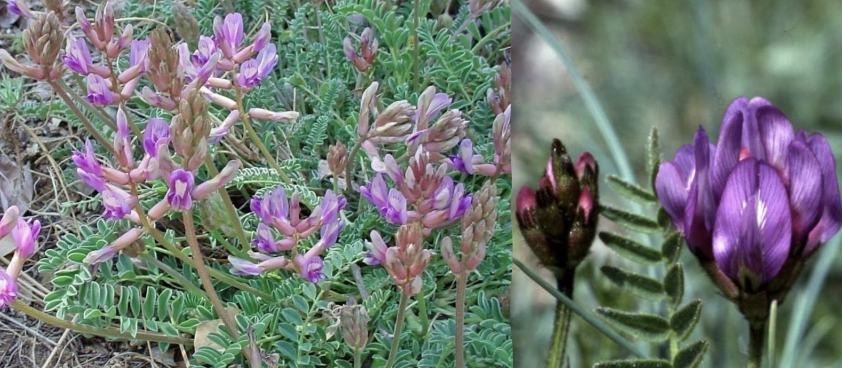
Locoweed
What plant is in the genus Astragalus and contains the toxic alkaloid swainsonine? This causes cardiomyopathy, edema with heart failure, and arrhythmias.
White Snakeroot
What plant (Ageratina altissima) contains trematone, causing cardiomyopathy, edema with heart failure, and arrhythmias?

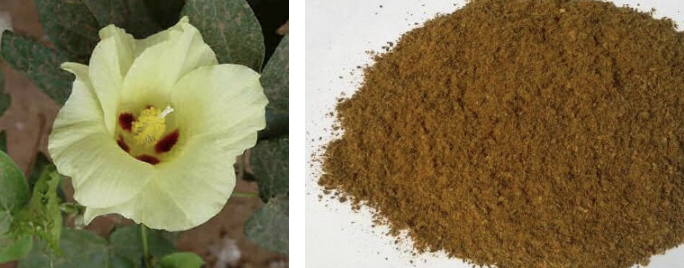
Cottonseed
What plant is in the genus Gossypium? Signs include cardiac failure, abrupt onset of muscular weakness, frothy salivation, generalized edema, severe respiratory distress, intoxication and death within a few days after onset of signs, mortality over 50%, and high risk in ruminants. It is also called gossypol and is dangerous to swine, pre-ruminant calves and lambs. Liver mottling (nutmeg), heart dilation and edema, pulmonary edema, and separation/degeneration of myofibers in the heart can be seen. Prevention is by removing it from the diet or limiting it to 9% of less than 100 ppm.
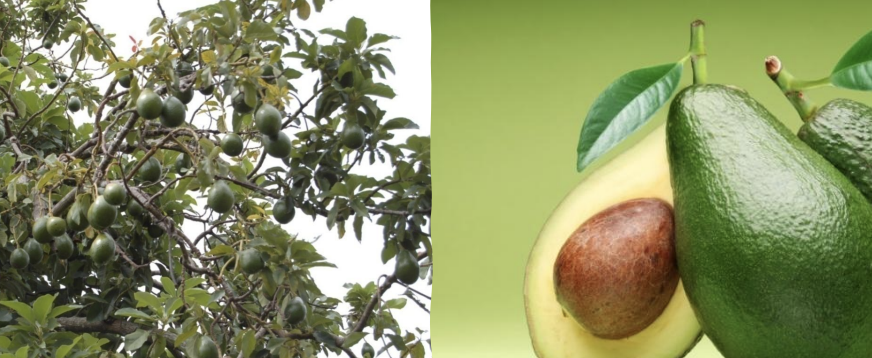
Avocado
What plant (Persea americana) has the toxin persin, causing swollen-red mammary glands and sterile mastitis in lactating animals? There will be watery-curdled milk with clots, and myocardial degeneration of the heart with necrosis of the ventricular walls and septum and arrhythmias. The heart will be pale and flabby, with edema in the gallbladder, thorax, abdomen, and pericardial sac. Weakness and depression, and elevation of LDH, CPK, and AST can be seen.
Hoary Alyssum
What plant (genus Berteroa) causes laminitis/limb edema in horses, colic, bloody diarrhea, fever, increased heart/respiration rate, dehydration, hemolysis, and red-colored urine, as well as abortion in mares and morbidity over 50%? Treatment is with supportive care, phenylbutazone, and flunixin meglumine.

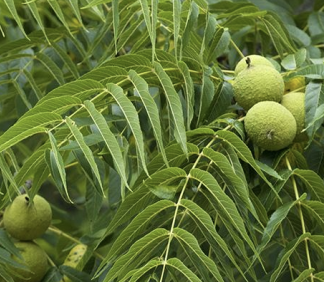
Black Walnut
What plant (genus Juglans) causes toxicity only in horses, when 20% or more of this plant’s shavings are used for bedding? Signs occur 1-2 days after new shavings are placed and the toxin may be Juglone. Vasospasm can occur resulting in ischemia in laminar capillaries with subsequent reperfusion. Signs include abrupt depression, lower limb edema, distress signs, laminitis with weight bearing on hind limbs, ventral edema, increased temperature, increased respiration, and increased heart rate. Treatment is with immediate removal of shavings, administering NSAIDs and adrenergic or Ca-channel blockers, administering mineral oil to promote gut elimination, and allowing shavings to age before using them.