Introduction to Physiology & Homeostasis
 Call Kai
 Learn
 Practice Test
 Spaced Repetition
 Match
 Flashcards
 Knowt Play
1/24

There's no tags or description
Looks like no tags are added yet.
25 Terms
THE BASIC ORGANISATION OF THE BODY
chemicals
cells
tissues
organs
body systems
organism

Cell
Basic unit of life

Tissue
A group of similar cells that perform a specific function.
4 tissue types
- Muscle (contraction)
- Nervous (transmitting electrical impulses)
- Epithelial (exchanging materials between cells and their environment)
- Connective (Connects, supports and anchors body parts (tendons, bones, blood)

organs
Groups of tissues that work together to perform a specific function or related functions

body systems
groups of organs interacting together to perform activities essential for the survival of the whole body
organism
A living thing
Body systems list
Skeletal
Muscular
Cardiovascular
Nervous
Endocrine
Respiratory
Renal/Urinary

cardiovascular system
Transports oxygen, nutrients, hormones to tissues, removes waste products

respiratory system
Exchanges oxygen and carbon dioxide between the air and blood

Renal/Urinary
Removes waste products from the blood, regulate volume and pH of blood and tissue fluid
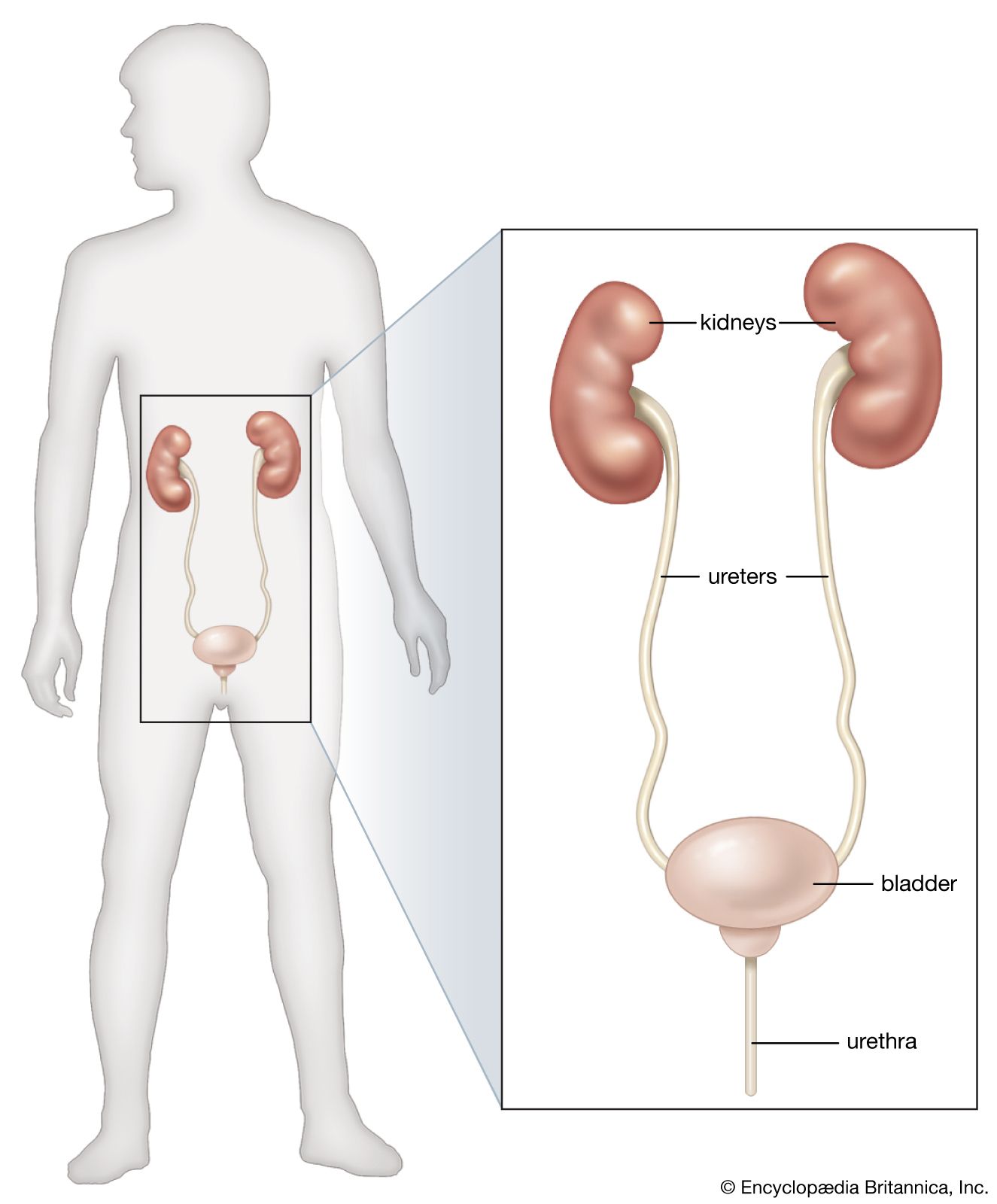
skeletal system
- Supports the body
- Protects internal organs
- Provides a framework to be moved by muscles

Muscular System
- Moves the skeleton
- Produces heat

nervous system
- Interprets sensory information
- Regulate body functions (e.g. movement) by means of electrochemical impulses
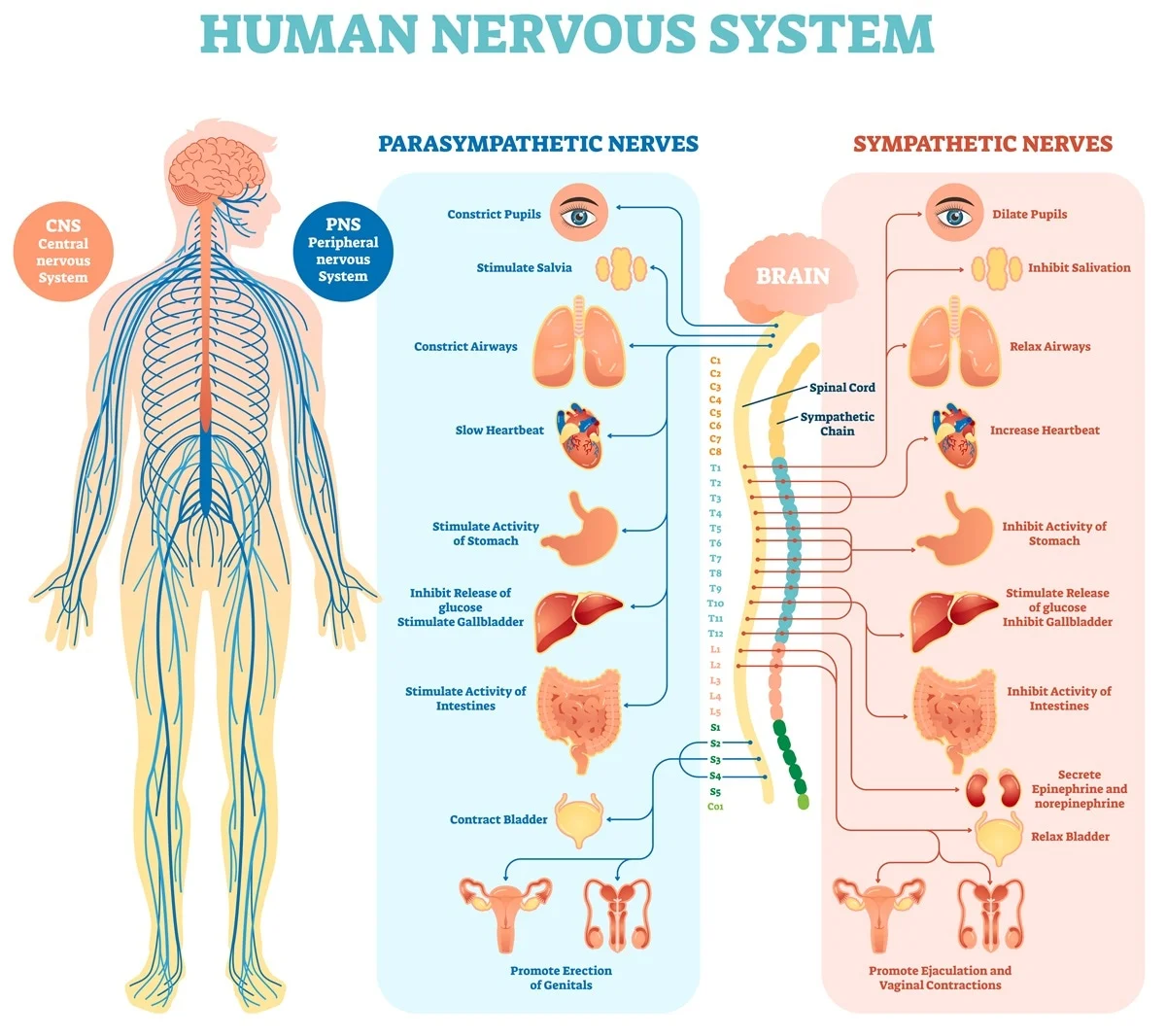
endocrine system
- Regulates body functions (e.g. growth, reproduction) by means of hormones
- Regulates day-to-day metabolism

intracellular fluid (ICF)
fluid within cells (40% of body weight)
contains nutrients and ions needed by cells to maintain life

extracellular fluid (ECF)
fluid outside cells (20% of body weight)
Environment that cells live in
contains nutrients and ions needed by cells to maintain life

how are different compositions maintained between ICF and ECF?
Semi - permeable membranes
cells plasma membrane

Blood Plasma
ECF within blood vessels

interstitial fluid
fluid between cells

Homeostasis
process by which organisms maintain a relatively stable internal environment
Homeostasis positive feedback
- Childbirth
- Blood Clotts
Homeostasis negative Feedback
- Internal body temperature
- Concentrations of nutrient molecules, water, salt, electrolytes
- Concentrations of O2 and CO2
- Concentration of waste products
- pH - Blood pressure
BMI formula
weight (kg) / height^2 (m^2)

BMI classifications
underweight: <18.5
normal: 18.5-24.9
overweight: 25-29.9
obese class I : 30 - 34.9
obses class II: 35 - 39.9
obese class III > 40
