Theory Unit 2 Study Guide
 Call Kai
 Learn
 Practice Test
 Spaced Repetition
 Match
 Flashcards
 Knowt Play
1/58

There's no tags or description
Looks like no tags are added yet.
59 Terms
LMP (Last Menstrual Period)
The first day of menstrual flow.
When does menarche usually begin?
Between 10 and 15 years old.
When should clinical breast exams be done according to the study guide?
Clinical breast exams should be done annually for women starting at age 40, and every 1-3 years for women aged 25-39.
What is Naegele’s rule?
Estimate the delivery date by taking the first day of the LMP, subtracting 3 months, and adding 7 days and 1 year.
What is the purpose of amniocentesis?
To investigate suspected genetic or metabolic defects in a fetus.
What is colostrum?
The first milk produced after delivery.
What is effacement?
Thinning and softening of the cervix.
What is dilation?
Widening of the cervix.
What is a D&C?
Dilation and curettage; widening the cervix and scraping the uterine lining.
What is cystometry?
Measurement of urinary bladder capacity and pressure.
What is BPH?
Benign prostatic hypertrophy; nonmalignant enlargement of the prostate gland.
What are uterine fibroids?
Benign tumors that grow in the uterine wall.
What is hysterosalpingography?
An X-ray examination of the uterus and fallopian tubes using contrast medium such as dye or air.
How does a neonate’s head compare in size to the rest of the body?
The head is large in comparison with the rest of the body.
What are two treatments for infant jaundice listed in the guide?
Breast milk/formula and in more moderate cases phototherapy
What can a 15-month-old child typically do independently according to the guide?
Walk independently.
True or false: Babies have 12 routine visits during their first year of life.
False; the study guide lists 7 visits.
What is the pediatric Hepatitis B vaccine schedule listed in the guide?
Birth, 1–2 months, and 6–18 months.
What is RSV?
Respiratory syncytial virus; an infection that can cause cough, sneezing, runny nose, fever, loss of appetite, wheezing, and dyspnea.
What is the usual full-term infant birth weight listed in the guide?
7–9 pounds.
What is impetigo?
A staphylococcal or streptococcal infection commonly found in children that causes lesions on the face or lower leg.
What is SIDS?
Sudden infant death syndrome; the death during sleep of a seemingly healthy baby younger than 1 year.
At what age does SIDS usually occur according to the guide?
Between 2 and 4 months of age.
What is a stye and how is it treated?
An eyelash follicle infection treated with a warm, moist compress.
What is strabismus?
A deviation or misalignment of one eye.
What is amblyopia?
Lazy eye.
What are cataracts?
Cloudy, opaque areas in the lens of the eye that block light from passing through.
What is glaucoma?
A condition in which fluid pressure builds up in the eye.
What is Ménière’s disease?
Increased fluid in the labyrinth that disturbs balance and may rupture the labyrinth wall.
What is tinnitus?
Ringing in the ears.
What is presbycusis?
Sensorineural hearing loss most common in older adults.
Why apply pressure to the inner lower eyelid when instilling eye medication?
To help prevent systemic absorption.
What is the RAST (radioallergosorbent test) used for?
Detecting IgE antibodies in the blood to identify what someone is allergic to.
What is a stress test?
Recording an ECG while the patient exercises on a stationary bicycle, treadmill, or stair-stepping ergometer.
What are varicose veins?
Twisted, dilated veins.
How are varicose veins treated according to the guide?
Elastic stockings, weight loss, leg elevation, or surgery.
What are symptoms of hyperthyroidism?
Anxiety, irritability, elevated heart rate and blood pressure, tremors, weight loss, increased appetite, and exophthalmia (bulging eyes).
How should a patient prepare for a colonoscopy according to the guide?
Follow a liquid diet for 24–48 hours beforehand and use a prepackaged enema the night before or the day of the procedure.
What is cholecystitis?
Inflammation of the gallbladder caused by gallstones, a tumor, or bile duct blockage.
What is normal blood pressure according to the study guide?
Less than 120 systolic and less than 80 diastolic.
What is elevated blood pressure according to the study guide?
Systolic 120–129 and diastolic less than 80.
What is Stage 1 hypertension according to the study guide?
Systolic 130–139 or diastolic 80–89, as listed in the guide.
What is Stage 2 hypertension according to the study guide?
Listed as greater than 140 systolic and greater than 90 diastolic.
What is a hypertensive crisis according to the study guide?
Listed as greater than 180 systolic and greater than 120 diastolic.
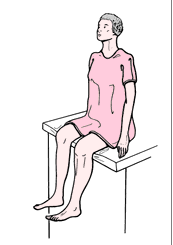
What is the sitting position?
The patient sits upright on the examination table with legs hanging down.
What is the supine position?
The patient lies flat on their back, face upward.

What is the dorsal recumbent position?
The patient lies on their back with knees bent and feet resting on the examination table.

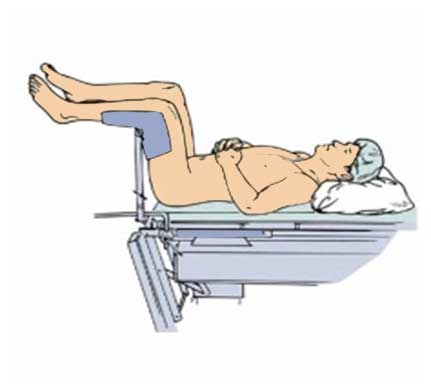
What is the lithotomy position?
The patient lies on their back with hips and knees flexed and legs supported apart.
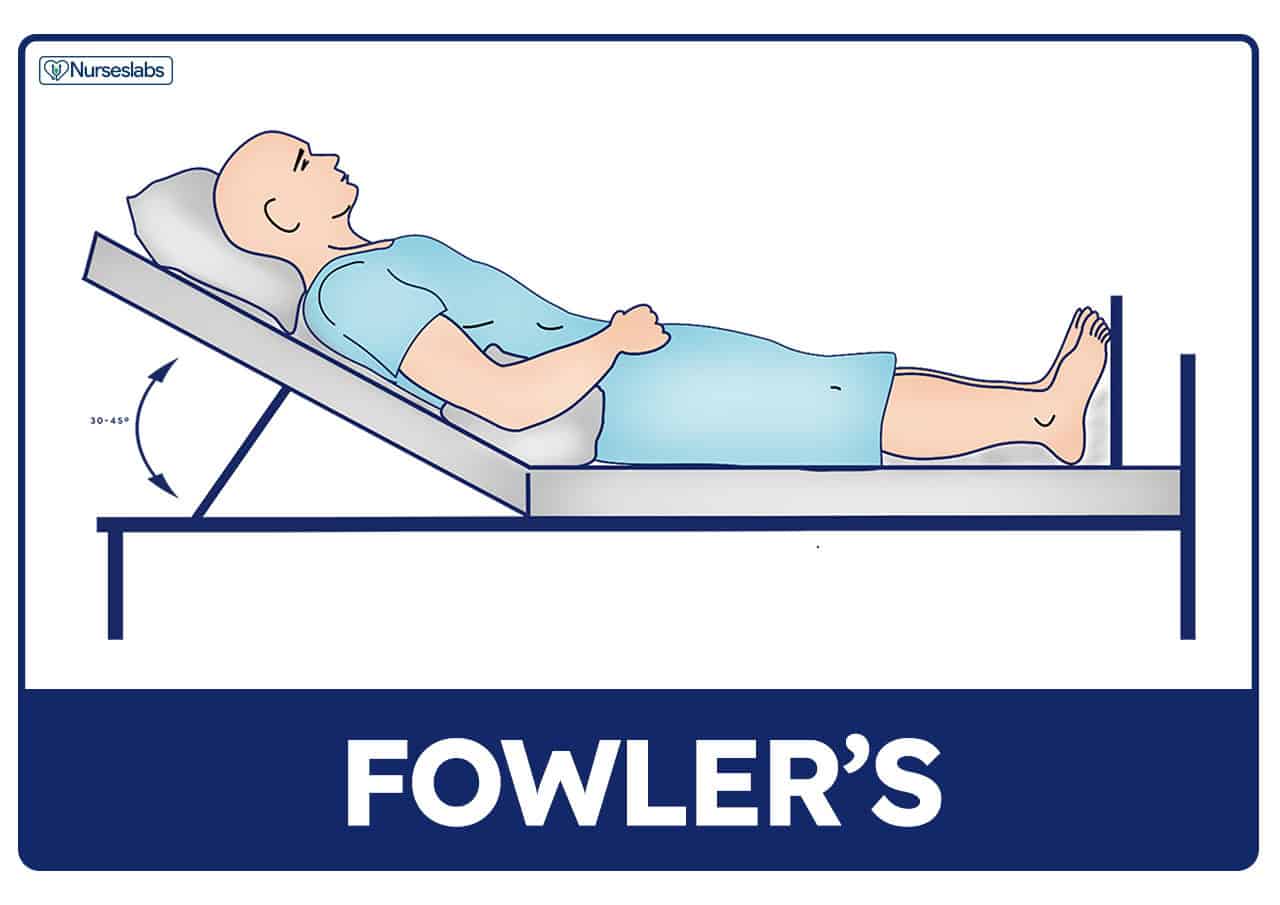
What is Fowler’s position?
The patient lies on their back with the upper body elevated.
What is the prone position?
The patient lies face down on the abdomen.

What is the Sims’ position?
The patient lies on their side, partially turned toward the abdomen, with the upper leg flexed.

What is the knee-elbow position?
The patient kneels and rests on the elbows, with the hips elevated.

What is the proctologic position?
The patient is positioned with the body bent forward and hips elevated for a rectal or proctologic examination.

What is auscultation?
Listening to body sounds.
What is manipulation?
Systematically moving a patient’s body parts.
What is palpation?
Using touch extensively during a general physical examination.
What is a clinical diagnosis?
A diagnosis based on signs and symptoms and the results of ordered laboratory tests.
What is a differential diagnosis?
The process of determining the correct diagnosis when two or more diagnoses are possible.
What is a prognosis?
A prediction of the probable course of a disease and the chances of recovery.