clinic theory III final (previous study guides)
 Call Kai
 Learn
 Practice Test
 Spaced Repetition
 Match
 Flashcards
 Knowt Play
1/349

There's no tags or description
Looks like no tags are added yet.
350 Terms
SDF treatment without restoration placement
1. Provide protective eyewear. Apply Vaseline to lips and surrounding tissues to avoid staining skin.
2. Isolate the affected area with a cotton roll(s) and/or dri-angle.
3. Dry the lesion or surface.
4. Dispense 1 drop into a disposable dish (1 drop treats up to 5 tooth surfaces).
5. Apply Advantage Arrest to the lesion.
6. Allow it to soak in for 60 seconds and up to 3 minutes for cooperative patients.
7. Remove excess with a cotton pellet or roll and then cover the treated area with a thin layer of fluoride varnish. This will create a barrier and keep the silver in contact for as long as possible. It will also give your patient a nice flavor rather than the metallic taste of SDF.
8. Initial application arrests approximatively 74.1%, a second application within 1–2 weeks arrests ~91%.
9. To optimize caries arrest, reapply at intervals of every 3–6 months OR apply a self-curing Glass Ionomer restoration to help prevent bacterial reinfection.
10. There are no SDF post-op patient instructions.
advantages of SDF
silver acts as a powerful antimicrobial to kill bacteria, while fluoride the tooth and stops further decay
provides immediate relief from dental hypersensitivity
minimally invasive, requires no drilling, anesthesia, or water
application takes less than 5 minutes
role of silver in SDF
acts as a powerful antimicrobial to kill caries-causing bacteria
role of fluoride in SDF
works to remineralize the tooth and stop further decay
SDF gel formulation
alongside traditional liquid, a tinted blue gel formula is available
is thick and stays exactly where applied, preventing it from dripping on to adjacent healthy teeth or surrounding tissue
D1354
interim caries arresting medicament application
covers SDF application per tooth (roughly $20-50)
disadvantages of SDF
permanent black staining of the decayed or demineralized areas of tooth
temporary skin staining due to accidrental exposure. harmless dark stain that typically fades within a few days
does not restore structure, while it arrests the decay it does not fill the physical hole left by the cavity. A composite filling may still be needed later for cosmetic or structural purposes
potential reapplication needed every 6-12 months. lesions must be monitored, and follow-up or reapplication by a dentist may be required
advantage arrest 38%
brand name of FDA approved SDF concentration
74.1%
initial application of SDF arrests _% of caries
91%
second application within 1-2 weeks of SDF arrests _% of caries

eruption of primary teeth
mandibular anterior central incisors followed by maxillary anterior central incisors around 6-12 months
maxillary lateral incisors followed by mandibular lateral incisors around 7-14 months
maxillary first molar followed by mandibular first molar
maxillary canine followed by mandibular canine
mandibular second molar followed by maxillary second molar
around 20-30 months, eruption of all primary teeth has occurred
NXI

early childhood caries
presence of one or more decayed, missing, or filled tooth surface in the primary tooth in children younger than 71 months
caused by prolonged and repeated exposure of tooth to fermentable carbohydrates
strive for the appointment to be fun and stress free
maxillary anterior teeth most susceptible to damage
infant oral care
around 20-30 months, eruption of all primary teeth has occurred
during eruption of primary teeth, infants and toddlers can become uncomfortable (teething- suggest approved teething aids or a soft bristle brush, avoid benzocaine and topical analgesic gels in children under 2)
healthy feeding/eating habits and oral habits must be practiced
children are most susceptible to S. Mutans between 19 and 33 months
advise parents or guardians to schedule preventative oral care appointments at least twice a year
third and fourth weeks
oral structures begin to develop in __ and __weeks of embryonic development
vertical transmission of caries
source of initial infection is through mother; occurs through saliva
horizontal transmission of caries
occurs indirectly of exposure of saliva
siblings, friends, etc.
herpetic infections
Symptoms: fever, crying, oral pain, and unwillingness to eat or drink
Gingiva may appear red and painful; blisters on tongue and lips
parents with lip sores can infect babies by mouth kissing
toddler to preschool (2-6) oral health
by 2 years old, a dental home should be well-established
anticipatory guidance should include dietary habits, homecare, and growth and development
during ages 2-3 children are most susceptible to dental trauma
age- appropriate injury prevention counseling
nonnutritive oral habits (thumbsucking, pacifier, bruxism) should be discussed
advise parents or guardians to schedule preventative oral care appointments at least twice a year
strategies to decrease early childhood caries
advise parents or guardians to schedule preventative oral care appointments at least twice a year
using small amounts of fluoridated toothpaste inhibits decay and minimizes chance of developing fluorosis when used after age 2-3
candies and gums should only be given to children who can manage them properly
educate children on limiting highly refined carbohydrates
encourage child to discuss fears about oral health visits
school ages (6-12 years) children and oral health
As child enters primary school, primary teeth will begin to exfoliate
Obtain preventive dental services at minimum twice a year
Sports involvement
31% of all orofacial injuries are related to sports with 50-90% of injuries involving the incisors, maxilla, or or upper lip
Ensure child has properly fitted mouth guard
Inquire about dental sealants once first permanent molars erupt, around 6-7 years of age
first primary teeth to exfoliate
mandibular central incisors around 6-7 years
adolescent stages of oral health (13-18)
susceptible to
high caries incidence
traumatic injury
periodontal disease
poor nutritional habits
esthetic appearance and desire
orthodontic and restorative care
exposure to tobacco, drugs, and alcohol
social and psychological needs
Therapeutic modalities include topical corticosteroids; frequent periodontal debridement, scaling, and root planing; antimicrobial mouth rinses; fluoride rinses, gels, and varnish; and use of xylitol products.
older adolescents may need to consider 3rd molars, vaping/nicotine and tobacco, HPV, cariogenic drinks such as energy drinks
communal water fluoridation
optical concentration is 0.7 mg/L
is a cost-effective mechanism that benefits all individuals regardless of demographic background
has benefited US citizens for approximately 70 years
fluoride toxicity
Can occur if recommended doses for fluoride additives are not followed
acute and chronic
While most U.S. communities have water fluoridation, there are still communities without a water fluoridation system
Providers can recommend fluoride supplements
Dietary fluoride supplements in the United States are available only in prescription form
fluoride varnish
replaced acidulated phosphate fluoride (APF) gels and foams in the 2000s
ADA recommends 2.26% for caries risk for children younger than 6
5% for adults
used for caries prevention in clinical setting
APF gels with fluoride
concentration of 1.23% or 12,300 ppm benefit children and adolescents in reducing incidence of dental caries in primary and permanent teeth
DMFT
decayed, missing, filled teeth indices
well-established and documented index used to measure dental caries in epidemiologic research
(DMFT) used for permanent dentition; (dmft) used for primary
expressed in total number of teeth decayed, missing, or filled in individual
decayed teeth include
carious tooth
filled tooth with recurrent decay
only the roots are left
defect filling with caries
temporary filling
filled tooth surface with other surface decayed
behavioral management of pediatric patients during dental hygiene care
During assessment phase, dental hygienist collects information about child’s health and dental history. Once procedure is planned dental hygienist will gain consent from guardian
communication is key!
AAPD guideline recommends documentation in dental record of:
informed consent
Instructions and information provided to parent
Health history, vital signs, and oral assessment
Objective observations of pediatric patient’s behaviors
Time-based record that includes name, route, site, time, dosage, and patient effect of administered drugs
Adverse effects (if any) and their treatment
acute fluoride toxicity
is dependent on dose or intake and patients weight
small ingestion of fluoride leads to gastrointestinal irrigation while large doses can lead to organ damage
chronic exposure to fluoride
leads to fluorosis, crippling skeletal fluorosis, and bony outgrowths
generally occurs after 10 or more years of exposure to high levels of fluoride which is not associated with the optimal level in drinking water
benefits of early dental intervention
implementing preventive measures minimizes the child’s risk for oral diseases
trajectory of a child’s oral health is dependent on the caregiver’s oral health behaviors, beliefs, and attitudes so proper education on preventative measures is imperative
first dental visit
should occur around the time of the eruption of the first primary tooth, and no later than age 2 to establish dental home
first “check” assists parents with learning the tools they need to help their children remain caries free and ideally occurs before the development of dental disease
prescribing radiographs for new child patient with primary dentition
individualized radiographic exam consisting of selected periapical/occlusal views and/ or posterior bitewings if proximal surfaces cannot be visualized or probed
patients without evidence of disease and with open proximal contacts may not require a radiographic exam
prescribing radiographs for recall child patient with primary dentition and clinical/increased risk for caries
posterior bitewing exam at 6-12 month intervals if proximal surfaces cannot be examined visually or with a probe
prescribing radiographs for recall child patient with primary dentition and no clinical caries/and no increased risk
posterior bitewings exam at 12-24 month intervals if proximal surfaces cannot be examined visually or with a probe
prescribing radiographs for (new and recall) child patient with primary/transitional dentition and dentofacial growth/ development/assessment
clinical judgement as to need and for type of radiographic images for evaluation and/or monitoring of dentofacial growth and development or assessment of dental and skeletal relationships
prescribing radiographs for new child patient with transitional dentition
individualized radiographic exam consisting of posterior bitewings with panoramic exam or posterior bitewings and selected periapical images
prescribing radiographs for recall child patient with clinical caries/increased risk
posterior bitewing exam at 6-12 month intervals if proximal surfaces cannot be examined visually or with a probe
prescribing radiographs for recall child patient with no clinical caries/and no increased risk
posterior bitewings exam at 12-24 month intervals if proximal surfaces cannot be examined visually or with a probe
prescribing radiographs for new adolescent patient
individualized radiographic exam consisting of posterior bite wings with panoramic exam or posterior bitewings and selected periapical images
full mouth of intraoral radiographic exam is preferred when the patient has clinical evidence of oral disease or history of extensive dental treatment
prescribing radiographs for recall adolescent patient with clinical caries/ increased risk
posterior bitewing exam at 6-12 month intervals if proximal surfaces cannot be examined visually or with a probe
prescribing radiographs for recall adolescent patient with no clinical caries/ and no increased risk
posterior bitewing exam at 18-36 month intervals
prescribing radiographs for (new and recall) adolescent patient with permanent dentition and dentofacial growth/ development/assessment
clinical judgement as to need for and type of radiographic images for evaluation/monitoring of development
panoramic or periapical exam to assess developing third molars
prescribing radiographs for new adult/ partially edentulous patient
individualized radiographic exam consisting of posterior bite wings with panoramic exam or posterior bitewings and selected periapical images
full mouth of intraoral radiographic exam is preferred when the patient has clinical evidence of oral disease or history of extensive dental treatment
prescribing radiographs for recall adult/ partially edentulous patient with clinical caries/increased risk
posterior bitewing exam at 6-18 month intervals
prescribing radiographs for new adult/ partially edentulous patient with no clinical caries/and no increased risk
posterior bitewing exam at 24-36 month intervals
prescribing radiographs for (new and recall) adult patient with permanent dentition and dentofacial growth/ development/assessment
usually not indicted for monitoring of growth and development
clinical judgement indicated
patient management and compliance for x-rays
for diagnostic quality
parent holding patient/stabilizing
desensitization techniques
“tell, show, do” with child friendly terms
allow to touch
use mirror
distraction!
use radiographic child friendly terms
frequency of dental radiographs
not taken routinely, dependent on age, number of images, caries risk, and dentition
review previous radiographs and try to obtain if possible for new patients
use of lead apron or thyroid collar (check state requirements)
ALARA
adjustment of brightness, contrast, and negative/positive image
magnification use
digital/phosphor plates/film
types of pediatric medical emergencies
syncope
mild and anaphylactic allergic reactions
acute asthmatic attack
local anesthetic and vasoconstrictor toxicity
hypoglycemia and hyperglycemia
seizures
respiratory distress
drug overdoses- benzodiazepines, narcotics
cardiac arrest
flow of oxygen for pediatric patients
4-6 L/ minutes with 90-100%
in all office medical emergencies
discontinue dental treatment
activate the office emergency system
call for assistance
the oxygen and emergency drug kit are brought to the site of emergency
attend to the patient
position the patient to ensure and open and unobstructed airway
monitor vital signs
support respiration and circulation
provide definitive treatment (what were going to do for the SPECIFIC emergency)
notify 911 if it is determined to be needed
pediatric vital signs
BP rates lower until adolescence
heart rate higher until adolescence
EMS information to provide
the location of the emergency with the name of cross streets, the office, and the room number
the telephone numbers from where to call is being made
what happened- an accident, a medical condition, a reaction during treatment?
how many people need help?
what is the condition of the victim?
what aid is being given to the victim (CPR, drugs, AED?)
any other information
oxygen
the most frequently used drug in the management of dental emergencies
ysed for almost any medical emergency except for hyperventilation
4-6 L/ minutes with 90-100%
pulse oximeter is used in surgical/ sedation offices
PALS or ACLS
raise the tail
if the face is pale
raise the head
if the face is red
epinephrine
anaphylaxis, asthma unresponsive to albuterol/ salbutamol
1:1000 (1 mg/ ml)
auto injector 0.3 mg/ml (EpiPen) or 0.15 mg/ml (EpiPen Jr for peds patients)
nitroglycerin
angina pain
0.4 mg sublingual every 3-5 minutes
diphenhydramine (Benadryl)
mild allergic reactions
dosage depends on age
1 mg/ kg IM/IV
max 50 mg
albuterol
asthmatic bronchospasms
2 puffs and repeat as needed
metered dose inhaler 2.5 mg/3ml nebulized solution
asprin
myocardial infarction
81 mg chewable tablet
glucose
hypoglycemia (low blood sugar)
37.5 glucose sources for conscious patient (or snacks such as orange juice, sugared soft drinks etc)
glucagon injection IM with advanced training for unconscious patients
used of epipen
remove capsule surrounding Epipen
place on orange side down on outer middle thigh and remain in place for 3 seconds
blue to the sky orange to the thigh
0.3 mg for adult, 0.15 mg for child
administered every 15 minutes until recovery or help arrives
team leader 1
provides and activates BLS, alerts other office staff members and STAYS WITH VICTIM
evaluates vital signs
initiates CPR
positions patient
manages airway
directs emergency care
administers oxygen
administers drugs
team member 2
starts stopwatch
brings emergency cart and oxygen
assists with oxygen and BBLS
prepares medications
assists team leader
assists with CPR
team member 3
calls for medical aid
monitors vital signs
records data
assists team leader
suctions
loosens tight clothing
relieve other in CPR
syncope
is the most common emergency seen in dental offices and compromises of approximately 53% of all emergencies
pale, grey face
dilated pupils, weakness, dizziness, faintness, nausea
profuse cold perspiration (sweating)
rapid and then slow pulse, drop in BP, LOC
may be cause by anxiety, sudden unanticipated pain, sight of blood, exhaustion, hunger
immediately place in Trendelenburg position, open and assess airway, loosen tight clothing, administer oxygen
PCAB
position> circulation>airway>breathing
allergic reactions
hypersensitive responses by the body’s immune system to antigens that are recognized as foreign bodies, with subsequent formation of antibodies
anaphylaxis (immediate, antigenic-induced, antibody mediated)
cytotoxic (antimembrane)
immune complex (serum-sickness, 4-10 days)
T-cell mediated (delayed, 2-3 days)
anaphylacitic reactions
primarily due to release of histamine from IgE sensitized mast cells which produces inflammation and vascular effects
urticaria, angioedema, bronchospasm, rhinitis, circulatory collapse due to vasodilation, cardiac arrest
1 symptoms first present on skin
2. eyes, nose, GI
3. respiratory
4. cardiovascular
mild or delayed allergic reactions
present as less severe reactions to allergens
reacts to things such as oral antibiotics, latex, and acrylic resins
urticaria, angioedema, and respiratory signs such as rhinitis, laryngeal edema, and bronchospasm
asthma
extrinsic (allergic) and intrinsic (non-allergic)
extrinsic occurs more often in children triggered by pollens, dust, molds, and highly allergenic foods such as milk, eggs, fish, chocolate, shellfish, etc
intrinsic attacked are precipitated by physical exertion, environmental factors, and air pollution
may manifest as shortness of breath, wheezing, coughing, dyspnea, cyanosis, hypoventilation, tightness in chest
narcotic overdose
may appear with decreased responsiveness, respiratory depression, respiratory arrest, and cardiac arrest
administer oxygen and with severe respiratory depression establish IV access and reverse with naloxone (Narcan) 0.1 mg/kg
up to 2 mg may be repeated every 2-3 minutes until patient becomes responsive
hyperglycemia
blood glycose levels are extremely elevated due to low or absent plasma insulin levels for a long period of time
cells begin to metabolize fat and proteins to produce glucose→ can lead to ketoacidosis
because it takes several days, patients do not exhibit acute emergency symptoms
hypoglycemia
insulin shock
caused by an excessively high level of insulin due to the patient taking their daily dose of insulin with inadequate intake of carbohydrates
can also occur when excessive amounts of carbohydrates are utilized during increased exercise
lethargy, change in mood, nausea, strange behavior, tachycardia, hypertension, anxiety, sweating
comfortably position patient and administer glucose if conscious or glucagon if unconscious
seizures
are temporary alterations in brain function resulting in an abrupt onset of motor, sensory, or psychic symptoms
prevent injury during seizure and supportive therapy post seizure
grand mal (tonic-clonic)
petit mal (absense seizure)
status epilepiticus
interpersonal violence
refers to family and community violence
global problem and has no economic, geographic, or social boundaries - can happen anywhere!
dental team must advocate for those experiencing family violence by identifying and reporting suspected cases
major types of family maltreatment
physical neglect
physical violence
sexual violence
emotional abuse
physical neglect
willful or unwilful failure of the caregiver or parents to provide necessities to individuals in their care;
abandonment
medical, dental, and deprivation neglect
categories of family violence
also called intimate partner violence, domestic violence, child abuse/ neglect, and elder abuse/ neglect
highest risk : children, elderly, people with disabilities, indigenous people, LGBTQ+ individuals, and women
human trafficking
physical violence
nonaccidental injuries on family members by parents, caregivers, spouses, or siblings
emotional abuse
mental anguish and despair caused by ridicule, threats, intimidation, and humiliation
controlling behavior and isolation
sexual violence
non consensual or exploitive sexual contact, including sexual intercourse, oral sex, fondlings, or pornographic activities on one family member by another
maltreatment
abuse and neglect
abuse
violent physical, sexual, emotional, or verbal acts
neglect
acts of omission, failure to procude adequate care
dental neglect
not seeking care of known treatment for freedom from pain or infection
P.A.N.D.A
dental focused educational and awareness program
Prevent
Abuse and
Neglect through
Dental
Awareness
physical abuse signs
signs may include imprints or marks, bite marks, burns, fractures, lacerations, abrasions, head injuries, and delay of treatment
bite marks:
adult bite rather than an animal or another child
care-giver fabricated illness in a child
munchausen syndrome by proxy
when a caregiver falsifies and subjects a child to unnecessary and potentially harmful medical care
sexual abuse signs
most victims and perpetrators know each other
immediate reactions include shock, fear, or disbelief
oral indicators
condyloma acuminatum (venereal warts)
syphilis emerging as an ulcerated chancre or mucous patch
gonorrhea may appear as pharyngitis, tonsilitis, or gingivitis
herpes can manifest as gingivostomatitis
emotional maltreatment signs
pattern of behavior, such as constant criticizing or belittling, or not providing love or guidance, that can seriously harm a child’s development or self esteem
expressions of aggression
disruptive behavior
anger; rage
unusual anxiety or fear
neglect signs
typically, a failure by the parent, caregiver, or guardian to provide for basic physical, educational, or emotional needs
oral manifestations may include
poor oral hygiene
untreated dental disease
caregivers willful failure to ensure continuity of care after being alerted to child’s oral health needs
conditions that mimic abuse
bruising
accidental injuries, idiopathic thrombocytopenia purpura, hemophilia
burns/red lesions
port wine stain, accidental burns
skin lesions
bullous impetigo, birthmarks
risk factors for childe abuse and neglect
under 1 y/o highest rate (child), female
relational factors for abuse/neglect
community and social factors; stress
consequences of child abuse
death
craniofacial, head, and neck injuries
abuse should be considered in the differential diagnosis for any injury involving a child
STI’s
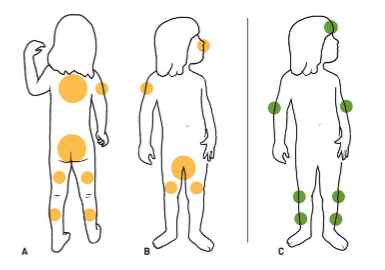
common extraoral sites to observe for children’s injuries
edema (swelling) and ecchymosis (bruising)
“racoon sign” nose fracture
retinal hemorrhaging - head trauma
scarring
lichenification (skin issues - scarring on top of scarring)
common intraoral signs of abuse and neglect
lip and tongue lacerations or scarring, buccal mucosa, burns, fractured/ displaced/ broken tooth
signs of sexual abuse may include extreme dental anxiety, intraoral traumas such as palatal bruising, STI signs, triggers with stimuli of dental tx
munchausen syndrome by proxy
general considerations
parent/caregiver fabricates or induces disease on a child
difficult to diagnose
disease does not follow normal history of clinical presentation
perpetrator may INDUCE symptoms
perpetrators wants to progress to more invasive procedures
initiated by mother in 90% of cases
the perpetrator wants to become sick by way proxy
perpetrators have history of child mistreatment
half are in health-care related fields
most often children up to 2 years old and no older than 6