(4) Rome / Byzantines: Notable Writers (and their Most Famous Works and Notable Biographical Information and Information about their Works), Literary Terms and Concepts (inc. Genres), Notable Orators / Rhetoricians (and their Most Famous Works, Contributions, Concepts, and Notable Biographical Information), and Anonymous Founding Legends
 Call Kai
 Learn
 Practice Test
 Spaced Repetition
 Match
 Flashcards
 Knowt Play
1/78

There's no tags or description
Looks like no tags are added yet.
79 Terms
753 BCE - Legendary Foundation of Rome (Greek Version) (All Facts)
Plot:
Had Aeneas sailing about the Mediterranean like Odysseus
“Alba Longa” - the city founded by Aeneas, not far from the later site that was the actual establishment of the namesake city
Was used to deal with the chronological inconsistency of the legend of the foundation of the namesake city with it actually being founded by Aeneas’s distant descendants
Characters:
Anchises - Trojan warrior who fled from the burning city of Troy
Aeneas - Hero of the Trojan army
His travels take him to Carthage, where he has a love affair with Queen Dido, but then abandons her in his continuing quest for a new home
Eventually he and his people settle near the Tiber River in Italy and establish the city
Aphrodite (Venus) - Mother of Aeneas
753 BCE - Legendary Foundation of Rome (Roman Version) (All Facts)
Characters
Numitor - Legitimate king of “Alba Longa”, 13th in descent from Aeneas
Amulius - Brother of Numitor
Drove out his brother and usurped the throne
Compels Rhea Sylvia (Numitor’s daughter) to become a Vestal Virgin in order that she does not have sons who might challenge him for the throne
When he finds out that Rhea Sylvia had Romulus and Remus, he orders them to be killed so that they could not lay claim to the throne
But the executioner did not have the heart to kill them, so he sent them down the Tiber River in a basket
Rhea Sylvia - Daughter of Numitor
Compelled by Amulius to become a Vestal Virgin in order that she does not have sons who might challenge him; however, she ends up getting pregnant anyway with two sons: Romulus and Remus
Romulus and Remus
Twins that Rhea Sylvia gave birth to
Were raised as shepherds
As young men, the two discovered their true heritage and killed their uncle Amulius
Because they murdered a relative, they incurred a “blood guilt” and had to leave town, so they decided to found a new city on a site with “seven hills” on the southern bank of the lower Tiber River
After arguing with each other over which twin would have the right to found the city, Romulus killed Remus, and hence, the namesake city, named after him, was established; and in which, he, Romulus, became the first “King of Rome” in the “Archaic Period”
Believed to have introduced many of the most time-honored customs of the namesake city
Faustulus
The shepherd who found the twins Romulus and Remus being suckled under a fig tree by a wolf
Tiber River
Where the namesake city was, according to this legend, first established, in the mid-700’s BCE
According to the legend, its people were on one side of the river, and the Etruscans were on the other; but the Etruscans began to expand across in the late 600’s BCE, coming into conflict with the Greeks of Southern Italy as a result
“Seven Hills”
Legendary site at which the new namesake city was founded by its namesake people after Romulus had killed his twin brother Remus according to the namesake legend
April 21, 753 BCE - Considered, in legend, when it was founded
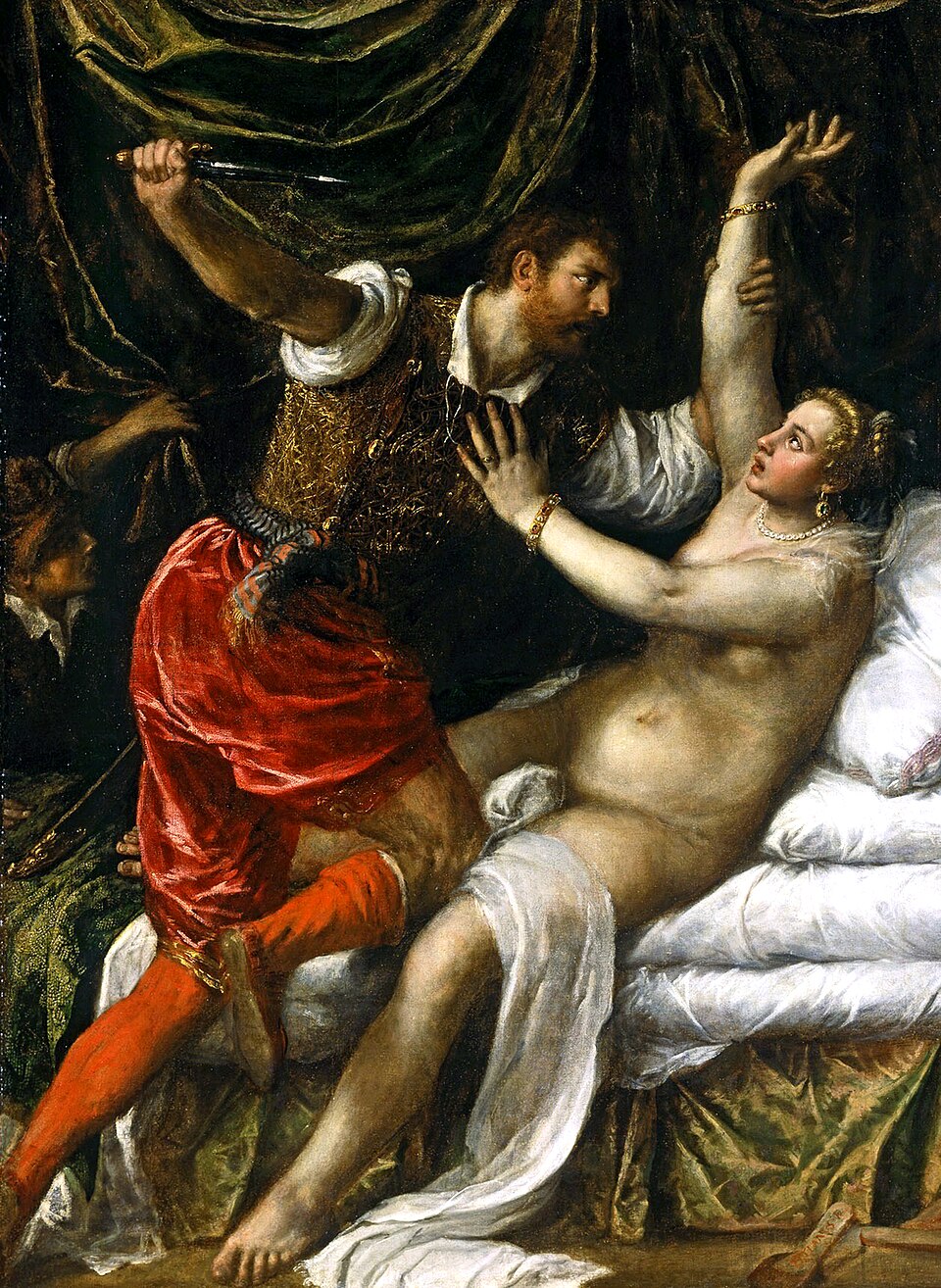
509 BCE - Legendary Foundation of the Roman Republic (All Facts)
Sextus Tarquin, the son of the last King of the Roman Kingdom, Tarquinius Superbus, raped a virtuous, aristocratic woman named Lucretia
As a result, she committed suicide for dishonoring her family as a result of the assault by Sextus
Her rape, and the sight of her dead body displayed in the market place, causes the people of Rome to rise up against the King and revolt
Her story reveals how Romans thought about women during that time in terms of their rights, position in society, etc.
Ultimately, the story is a mythical patriotic tradition of Rome that explains the namesake phenomenon
100’s BCE - Legends on the Defense against Etruscans (All Facts)
Etruscans tried to conquer Rome at the beginning of the Republic
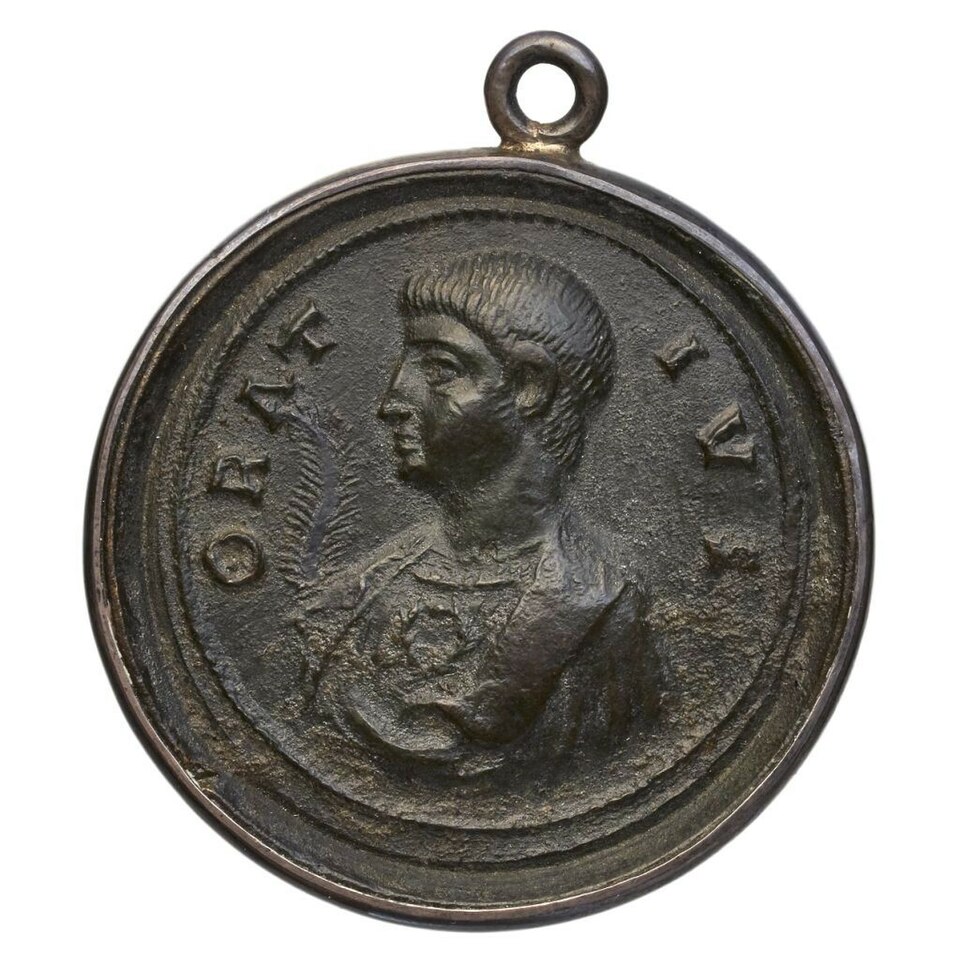
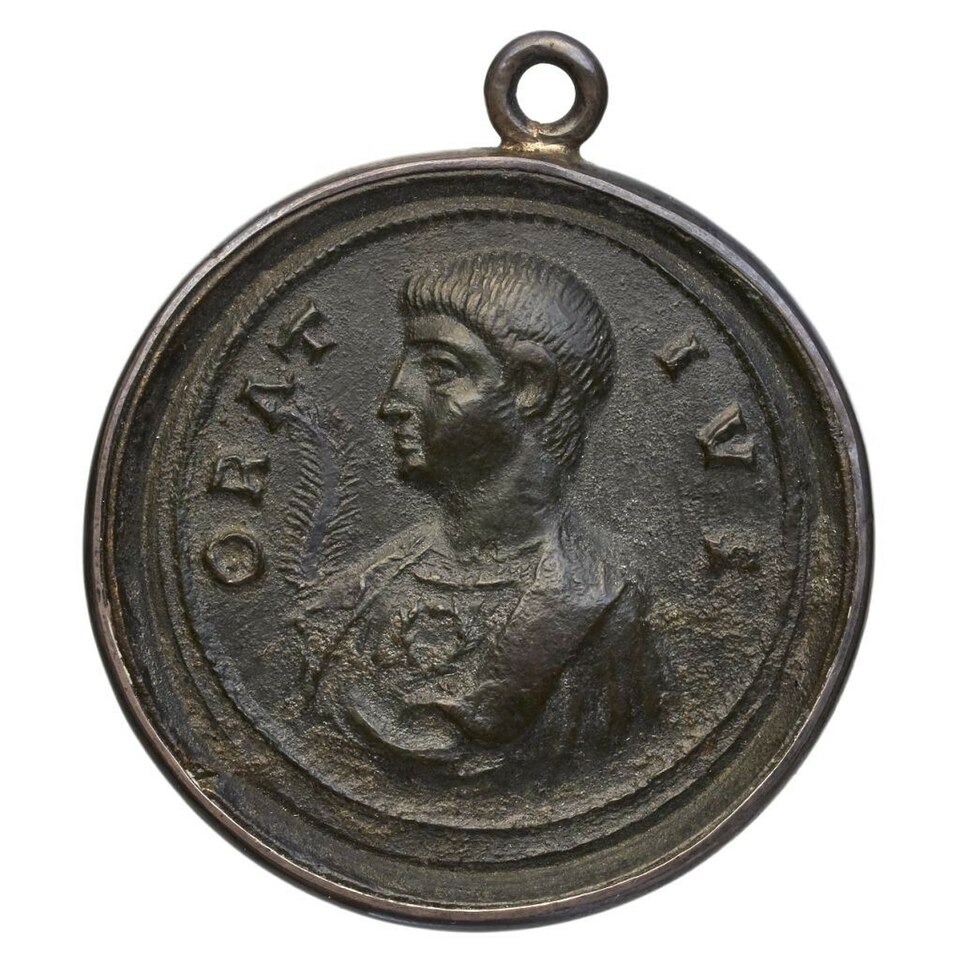
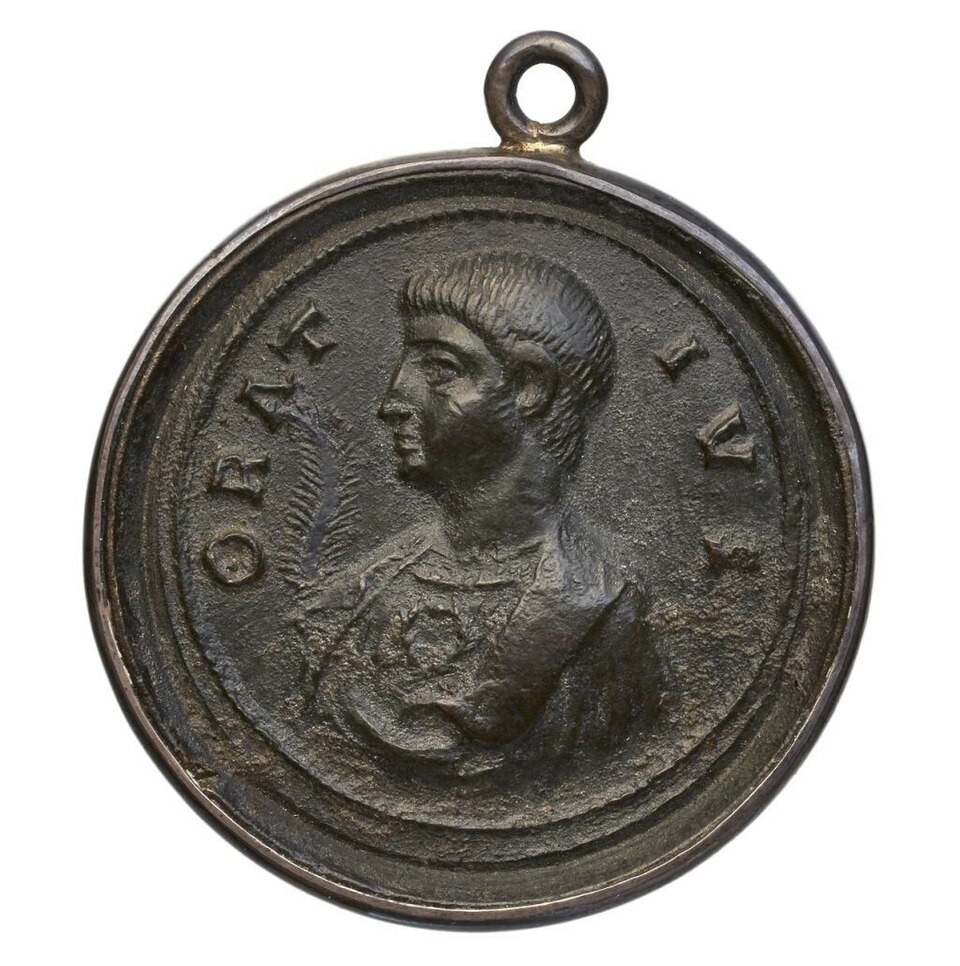
One story involved races at the bridge where one heroic Roman held off the Etruscans from crossing the bridge while the Romans are trying to cut the bridge down and the bridge collapses
The heroic “Horatius” jumps into the Tiber River, fully armed, and manages to make his way across
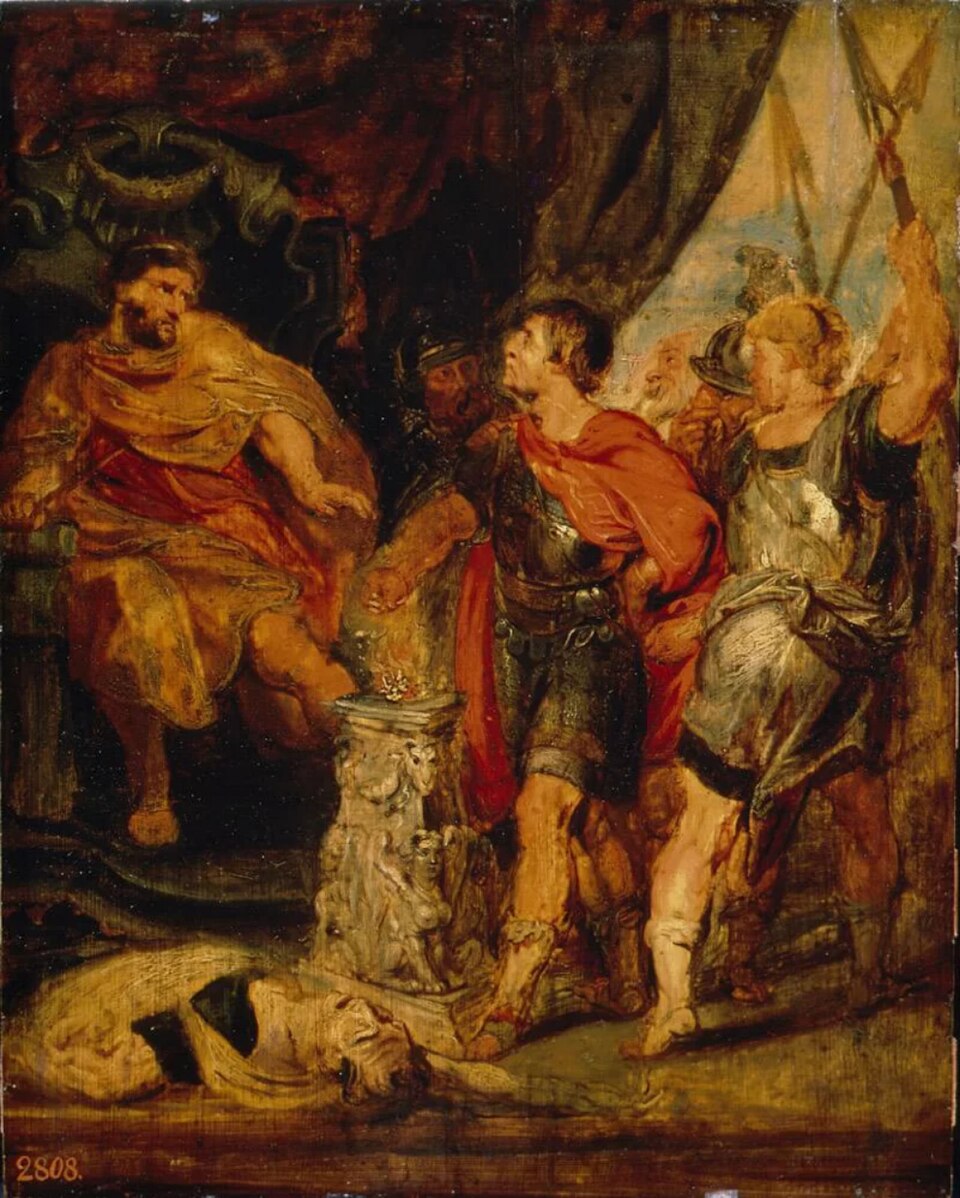
100’s BCE - The Legend of Manlius Scaevola (All Facts)
Heroic legend in which King Lars Porsenna of Clusium besieged Rome in an attempt to capture the city
A young Roman patrician named Gaius Mucius was sent by the Senate to assassinate Porsenna, but he failed and was captured by Porsenna
Mucius told the king that 300 Roman young men had sworn an oath to kill him and even if he had failed one of them surely would succeed
To demonstrate his commitment, he put his right hand into a fire, not flinching, and was burned to a crisp
Porsenna was so impressed by his resolve at the time that he let him go and set him free and then made peace with the Romans
Mucius gained the namesake nickname of “lefty” for his feat and is credited for “saving” Rome from the Etruscans
284 BCE - 204 BCE - Livius Andronicus (All Facts)
Roman Poet
Produced the first Roman “tragedy”
Staged the first comedies in Latin literature, which were the “Trojan Horse” and “Achilles”
This import of Greek art forms into Rome was a huge success
Famous for his translation of Homer’s “Odyssey” into Latin
Work which invents much out of the original Greek script
For example, the Muses become fountain goddesses
However, the style in Latin lacked much of Homer’s original graceful tone
271 BCE - 201 BCE - Gnaeus Navius (All Facts)
Roman Poet and Dramatist
Was an actor early on in his literary career
Served in the First Punic War
After he returned from the war, he spoke out and held views that made him singularly unpopular with the Metelli noble family
This culminated in his being imprisoned and exiled for libel
271 BCE - 201 BCE - Gnaeus Navius: Bellum Poenicum / The Punic War (All Facts)
Epic poem involving a curious mixture of fact and fiction
Was about the Punic War
Its author wrote about Troy and Carthage as fictional cities
Was the first real Roman attempt at a classic poem in the Greek tradition
Roman Republic: Literature (All Facts)
The namesake tradition / movement began to emerge around 200 BCE in Rome
Was heavily influenced by Greek classicism - with the emphasis on tragedy and the epic
Its namesake type of culture has always been intertwined with Greece since Etruria welcomed its first Greek traders and during which Hellenic communities flourished in southern Italy
Works of this kind reflected Rome’s history
270 BCE - 200 BCE - Quintus Fabius Pictor (All Facts)
Roman writer and senator
Considered the earliest / first Roman historian
Famous for his “The History of Rome,” it was written in Greek
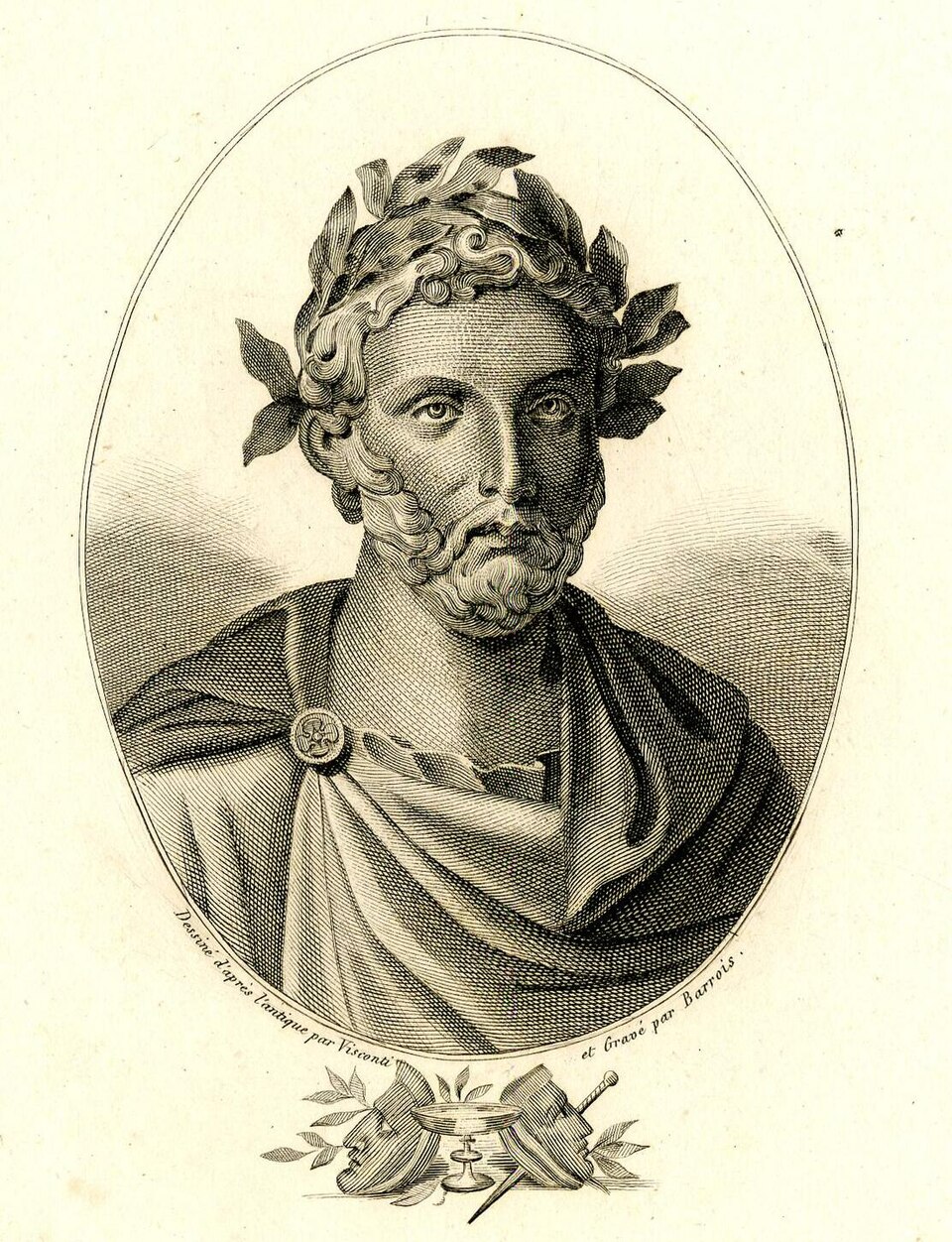
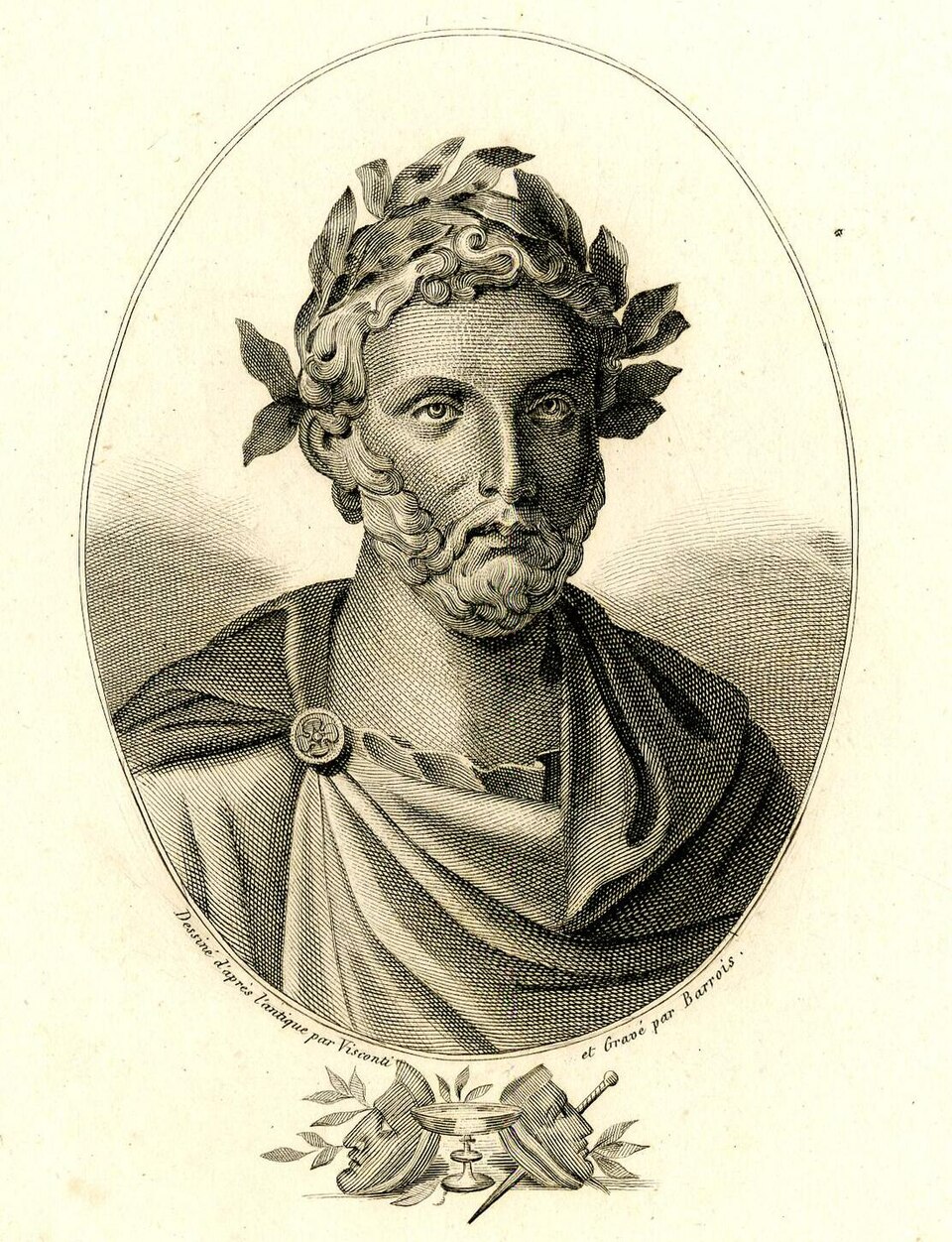
254 BCE - 184 BCE - (Titus Maccius) Plautus (All Facts)
Roman playwright
Was known for his works in “New Comedy,” a form of entertainment in which live actors performed as gods and mortals in absurd situations
He was notorious for his audacious treatment of once-sacred Greek myths
In most of his work, stock characters / figures include the crafty slave, the errant son, the cuckolded husband, and the motherly whore
The magic of his writing lay in his treatment of such familiar material
By his death, this form of entertainment because established in Rome as a favorite hobby
His comedies are the earliest Latin literary works to have survived in their entirety
They were modeled on Greek originals by Menander, the pioneer of the genre
Unlike the Greeks, however, he removes the “intervals” of earlier Greek plays
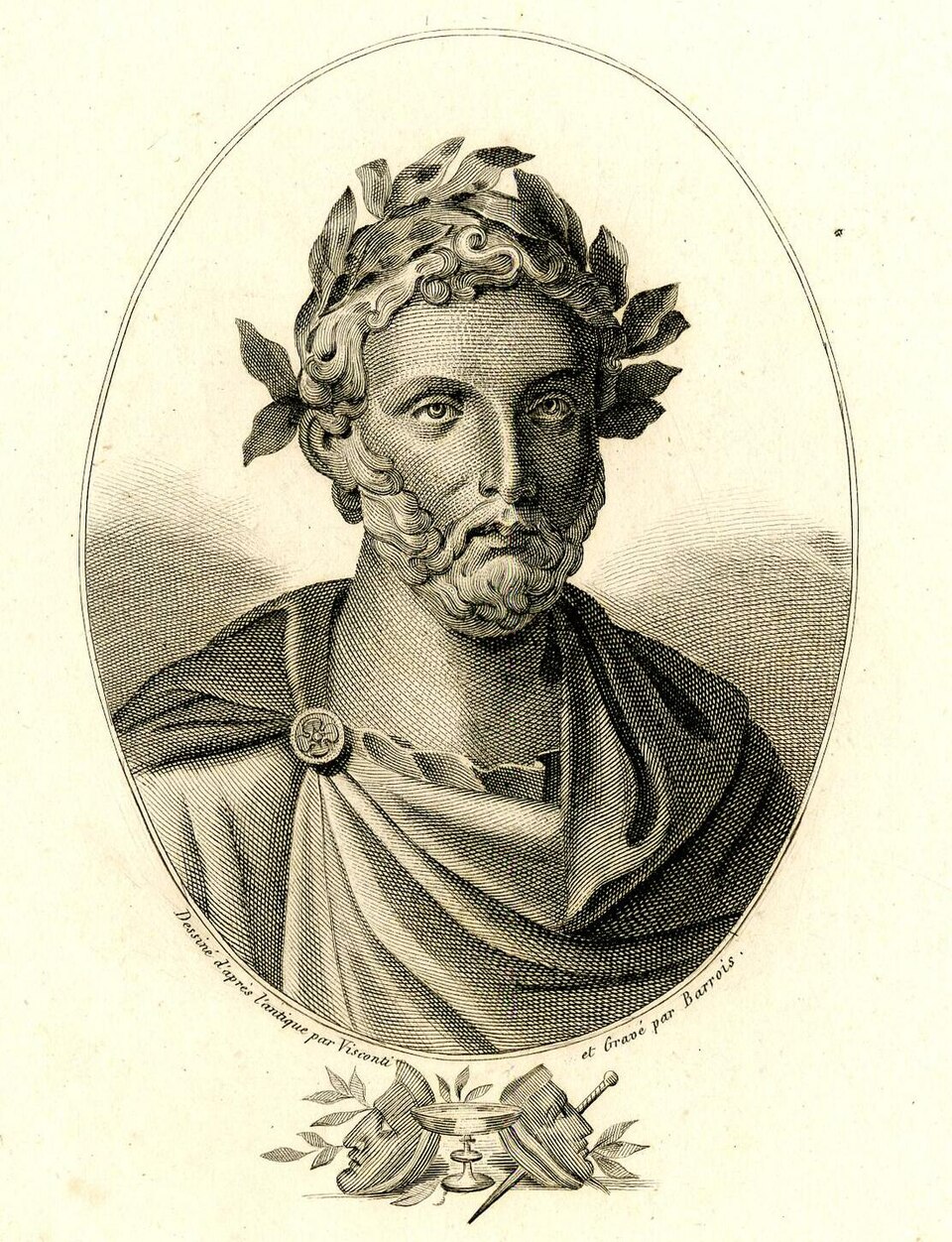
254 BCE - 184 BCE - (Titus Maccius) Plautus: Amphitryon (All Facts)
Play about the namesake Theban general who has gone campaigning with his servant Sosias, leaving their womenfolk, including his own wife Alcmene, unattended
Next, the gods Jupiter and Mars (father and son) adopt the likeness of the namesake and his servant Sosias where Alcmene shared her bed with her “husband” (really Jupiter)
Then, her real husband, the namesake, and his servant Sosias return the next day; in which Sosias, arriving ahead of his master, is shocked when he is greeted at the door by his doppelganger
Play whose plot was laced with song and reed music
Play whose plot thickens and features non-stop action
254 BCE - 184 BCE - (Titus Maccius) Plautus: Miles Gloriosus (All Facts)
Play about a swaggering hero boasting of his war exploits
Was written during the time of the Second Punic War
“New Comedy” (All Facts)
Form of entertainment in Rome in which live actors performed as gods and mortals in absurd situations
Popularized in Rome by (Titus Maccius) Plautus, they were modelled off of their Greek originals invented by Menander
239 BCE - 169 BCE - Quintius Ennius (All Facts)
Roman poet
Born at Rudiae in Calabria
Served with the Roman army in Sardinia and was brought from there to Rome by Cato the Elder
Was best remembered for his historical epic called “Annales,” in which he introduced the hexameter into Latin (Roman) literature
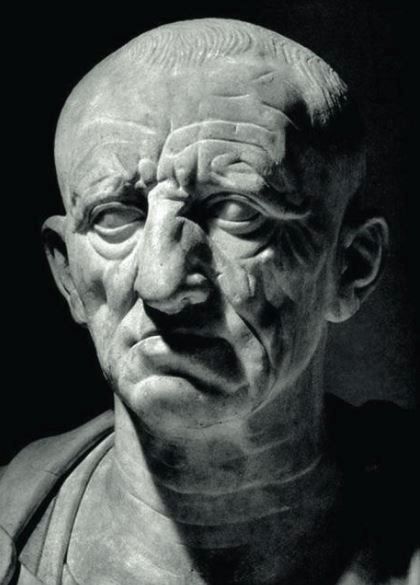
234 BCE - 149 BCE - Cato the Elder, as Historian (All Facts)
Conservative Roman historian who was weary of Greek culture and Hellenistic influence on Rome
Insisted on writing his own history of Rome in Latin instead of Greek, with later writers following in his footsteps
Thus, by this point, Latin became an established literary language for Rome in its own right
Wrote several books, including one on agriculture
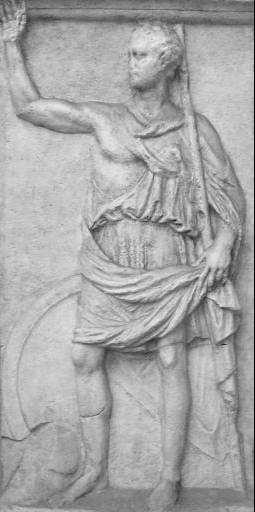
200 BCE - 118 BCE - Polybius, as Historian (All Facts)
Roman historian of Greek origin during the middle Hellenistic period
His most famous work, “The Histories”, is a universal history documenting the rise of Rome in the Mediterranean in the third and second centuries BC and notably covered the events of both the Punic and Macedonian Wars
He also wrote about the legends of Manlius Scaevola and the Roman-Etruscan Wars
He was a Greek hostage who accompanied Scipio Aemilianus at the fall of Carthage in 146 BCE
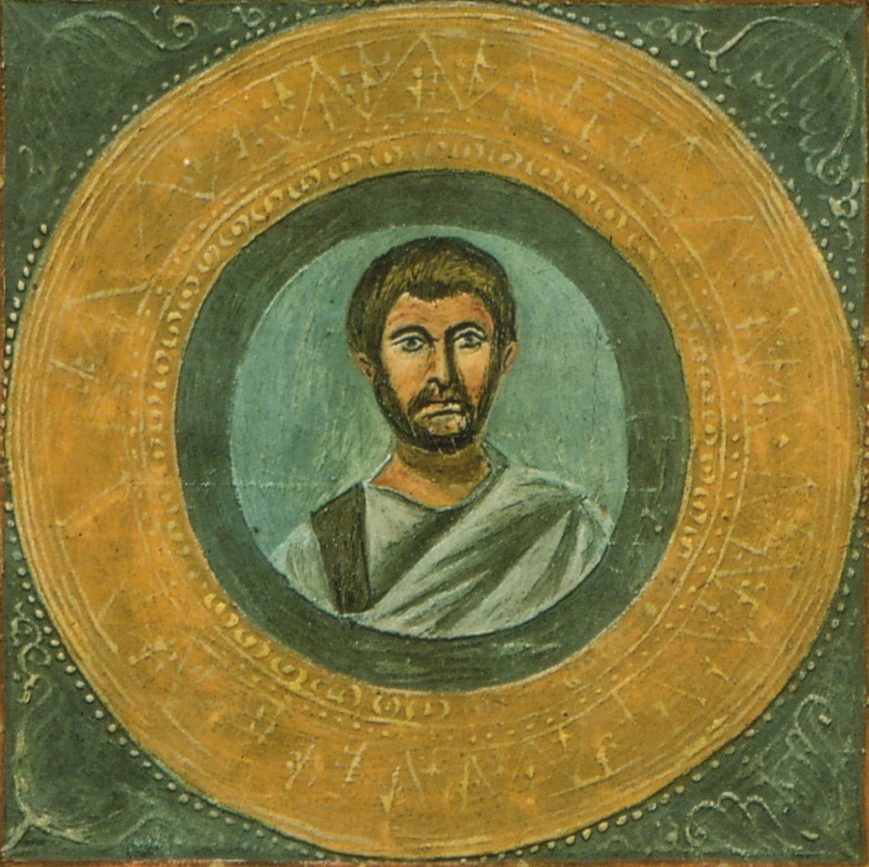
195 BCE - 159 BCE - Terence (All Facts)
Playwright and dramatist during the Roman Republic
Was the author of six comedies based on Greek originals by Menander; all of which currently survive
He presented Greek plays to Latin-speaking audiences in Rome
While his work was highly derivative because of this, he was / is distinguished for the purity and elegance of his use of the Latin language (instead of Greek)
Produced roughly one play per year once his career began
He wrote his first comedy “Andria”
Was born in North Africa
Given a Greek education
He was brought to Rome as a slave
He was freed when his talents were discovered
Died while on a journey to Greece
180 BCE - 112 BCE - Lucius Calpurnius Piso Frugi, as Historian (All Facts)
Roman historian
Completed seven books of “Annales,” which cover the history of Rome from its origins until the 100’s BCE in which he
rationalized Roman legends
Sets the ancient virtues against contemporary vices
His daughter of the same name was married to Julius Caesar
180 BCE - 103 BCE - Gaius Lucilius (All Facts)
Developed (or invented) the Roman national literary genre of Satire, which took a critical but humorous look at society, morality, and personal behavior
His work gave illuminating critical insight into his times
Written in both poetry and prose
Was full of parody and obscenity
His work comprised 30 books written in hexameters
Known for his extensive use of autobiography
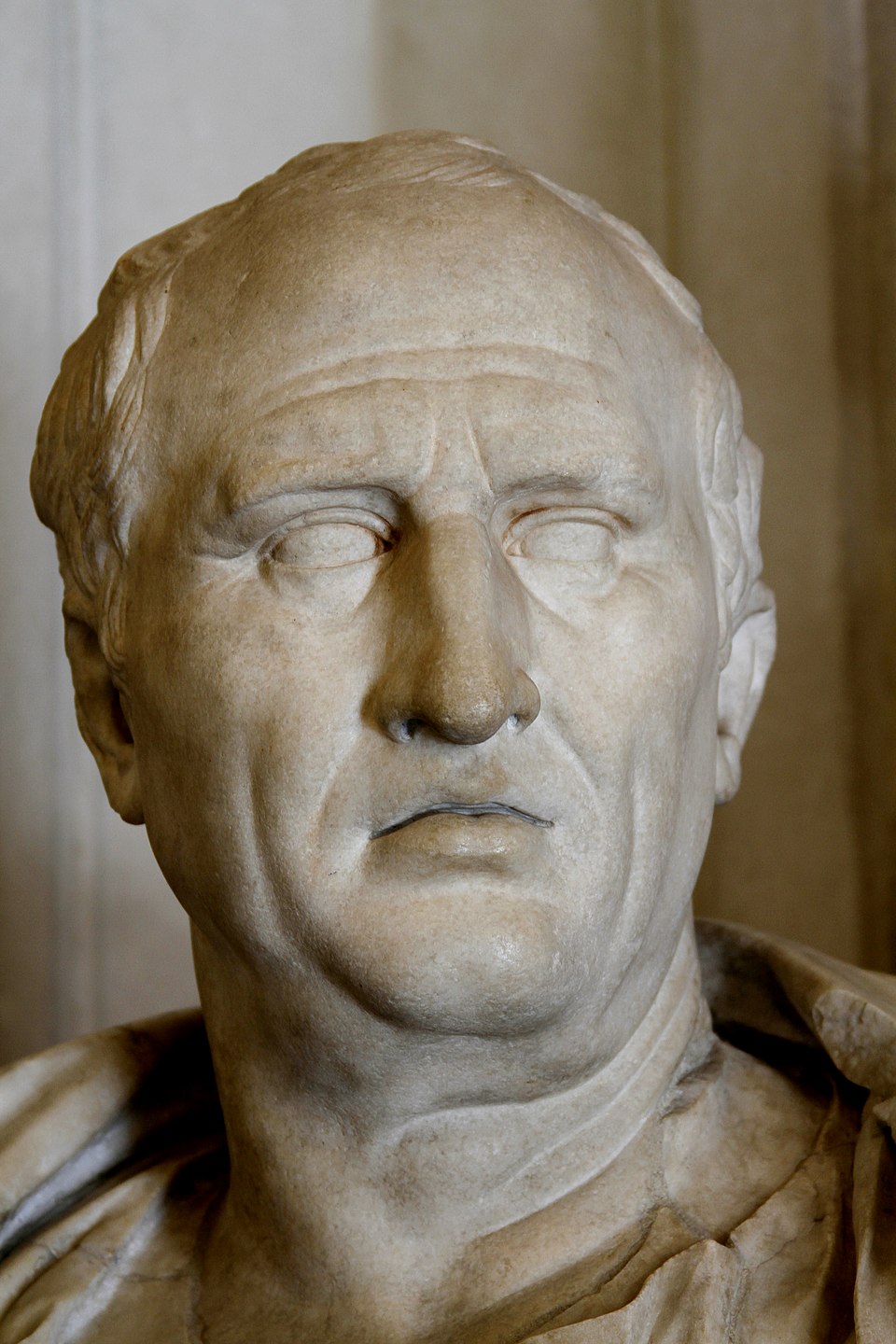
106 BCE - 43 BCE - Cicero, as Orator, Public Speaker, and Writer (All Facts)
Roman orator, public speaker, and writer
Employed all his oratorical skills in a campaign to improve the standards of debate in Roman society
Achieved the very feat he describes in his “De Oratore”
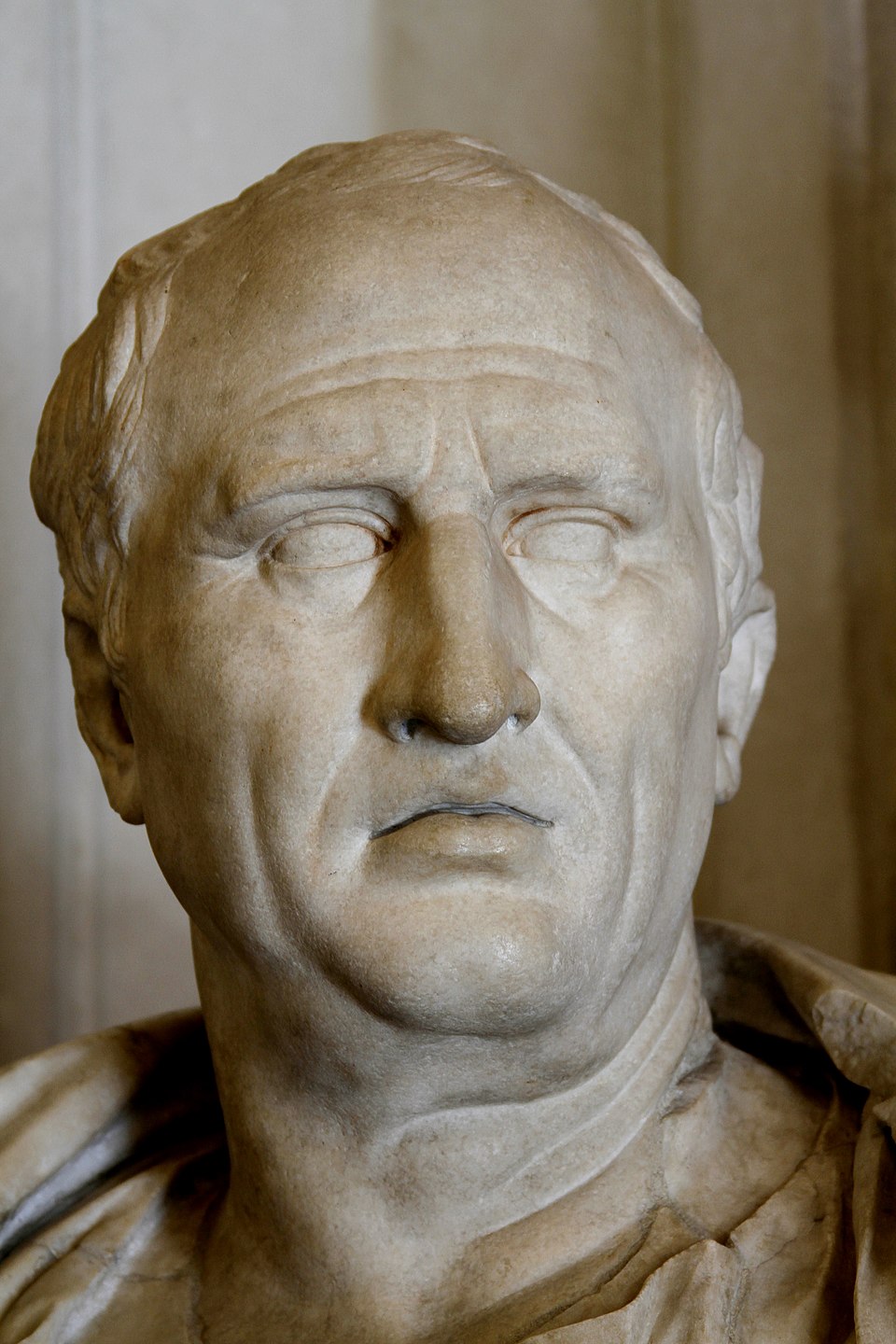
106 BCE - 43 BCE - Cicero: De Oratore (All Facts)
Three-volume dialogue in which the author delivers a scathing attack on the poverty and paucity of speech-makers among Rome’s leaders as he set out a codified view of oratory capable of being taught as an academic discipline to would-be orators
Outlines his fundamental principles of oratory including the belief that the successful public speaker requires a broad-based education with a thorough grounding in philosophy, law, and history
Adopts the rhetoricians’ classification of oratory into five elements, the use of
Invention
Disposition
Memory
Elocution
Actions or Gestures
Calls for orators to develop lines of argument using more
imagination
flexibility
scientific planning
Defines aims of oratory which are to
Prove
Please
Stir
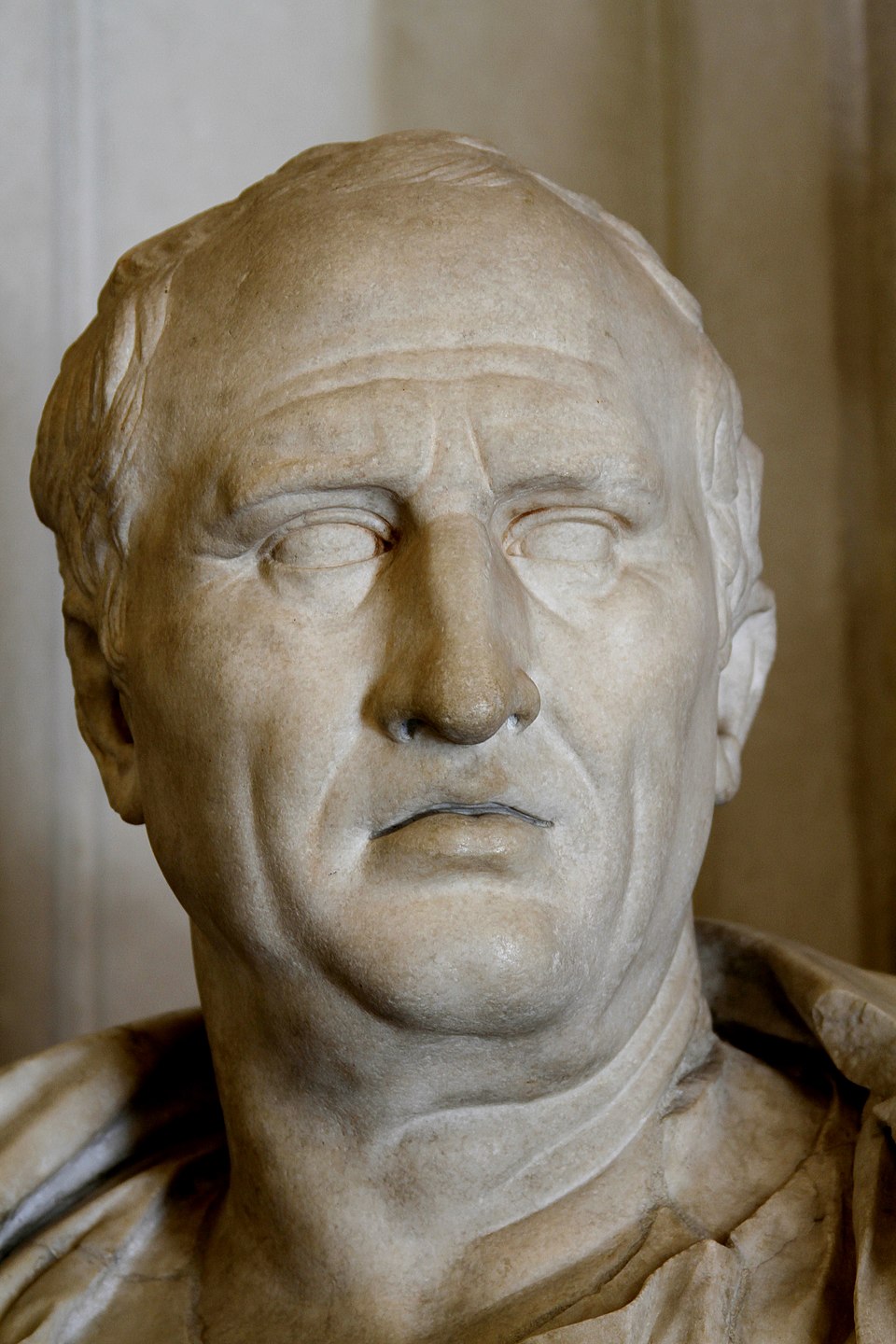
106 BCE - 43 BCE - Cicero: Philippics (All Facts)
Work in which the author has no qualms about revealing his preferred choice to succeed Julius Caesar
Work in which the author strongly denounces Marcus Antonius and his followers
99 BCE - 55 BCE - Titus “Lucretius” Carus, as Poet (All Facts)
Roman poet
Enjoyed the friendship and support of Gaius Memmius
99 BCE - 55 BCE - Titus “Lucretius” Carus: De Natura Rerum (All Facts)
Didactic Poem in which the poet
explains the atomic view of the universe: that an infinite number of atoms move constantly in space, creating things by combining together, and ending by splitting apart
argues that man is mortal because he is made up of atoms
enlivens Epicurus with his imagery and wit
Was praised by Cicero for the poet’s artistry and genius
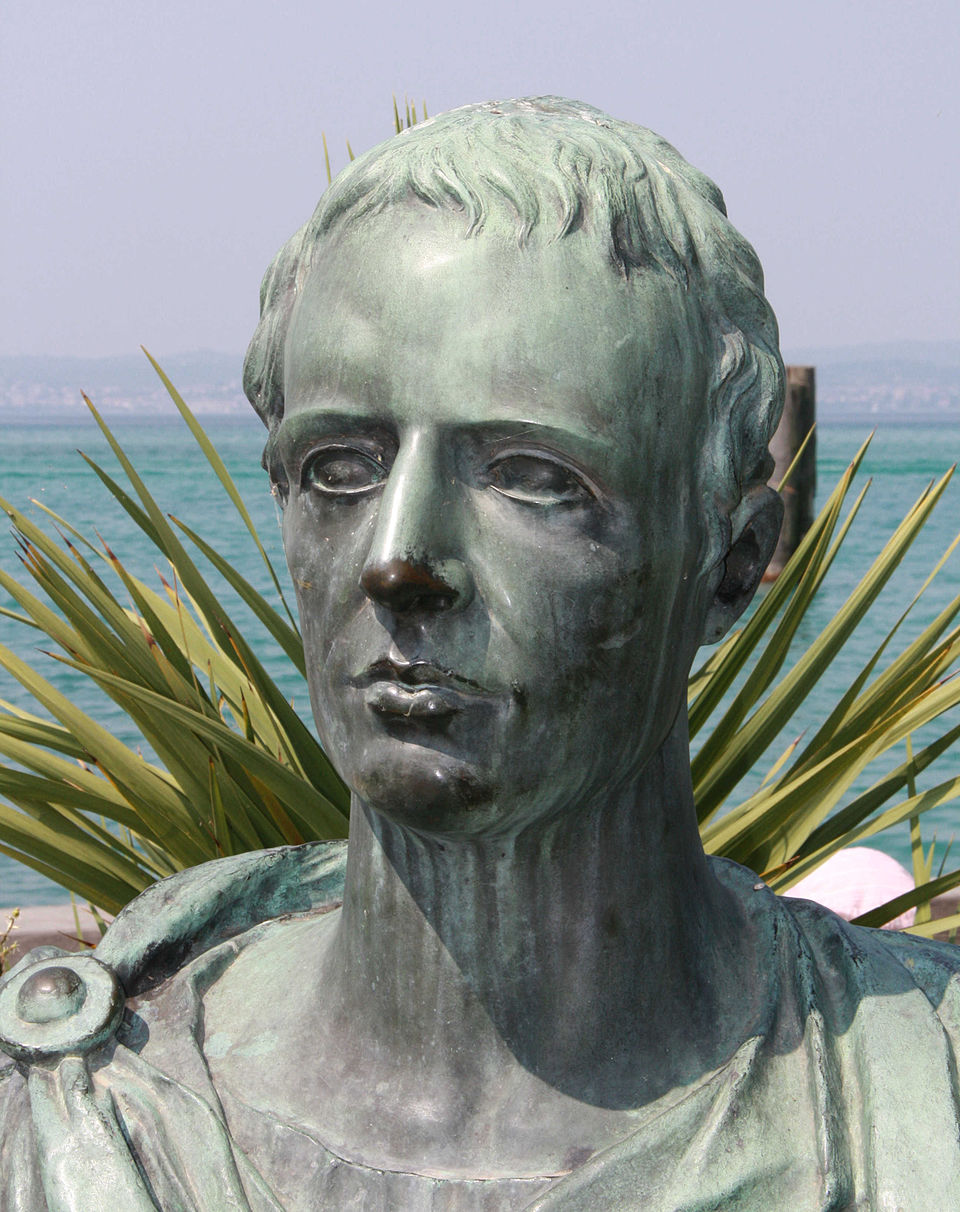
84 BCE - 54 BCE - Gaius Valerius “Catullus” (All Facts)
Roman Poet
Born in Verona
His poems represented a new wave in Roman literature
His surviving works remain widely read due to their
popularity as teaching tools
personal and sexual themes
He drew inspiration from Callimachus of Cyrene, the Hellenistic poet
He developed a great admiration for Callimachus
Obliged to borrow heavily from Callimachus due to there being scarcely any tradition of small-scale Roman poetry
This is seen in poems of his such as “The Lock of Berenice”
His poems are distinctly Roman because of his Italian passion and originality, although he consciously imitated Greek syntax and diction
He enjoyed poling fun at his literary rivals despite being a learned man
He became a cultured man of leisure, fond of literary banter
He made poetry out of trivial, everyday subjects, subjects that conservative Romans would not have considered sufficiently serious
Enjoyed the friendship and support of Gaius Memmius
114 BCE - 50 BCE - Quintus Hortensius Hortalus (All Facts)
Flamboyant Roman Orator who unsuccessfully defended his friend Verres against Cicero
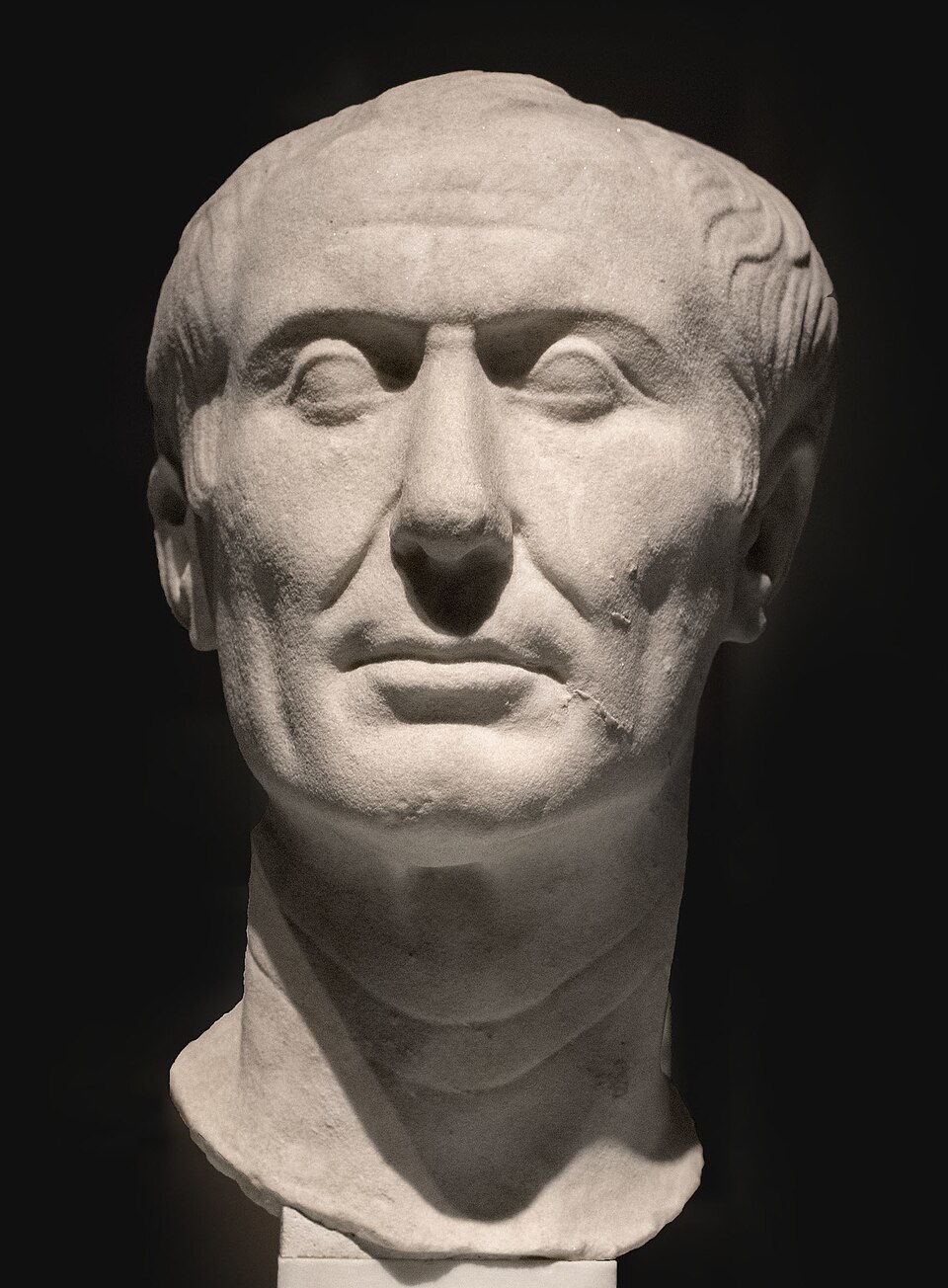
100 BCE - 44 BCE - Julius Caesar, as Writer: De Bello Gallico (All Facts)
Work in which the author makes a monumental account of his accomplished task of conquering and defeating Gaul
Characterized by its dry and elegant style, it is reminiscent of communiques from staff headquarters
Work in which the author’s firsthand accounts of battles were described in full, with an eye for dramatization and theatrical detail
Despite the author’s claims of objectivity, the author has a motive for writing his namesake memoirs of leading the Gallic Wars, which was to make him into a national hero for Rome
86 BCE - 35 BCE - Gaius Sallustius “Sallust” Crispus (All Facts)
Roman historian and solider
Served in Caesar’s campaign in Numidia in 46 BCE
Became the first governor of (the enlarged province of) Africa
Was acquitted of oppression during his governorship in Africa
He made enough money at that time to lay out imposing gardens on the Quirinal and to build a fine mansion for himself
Published a history of the Jugurthine War which covered both the Roman campaigns in Numidia and events in Rome at the time of those campaigns
Published a history of the Catiline Conspiracy
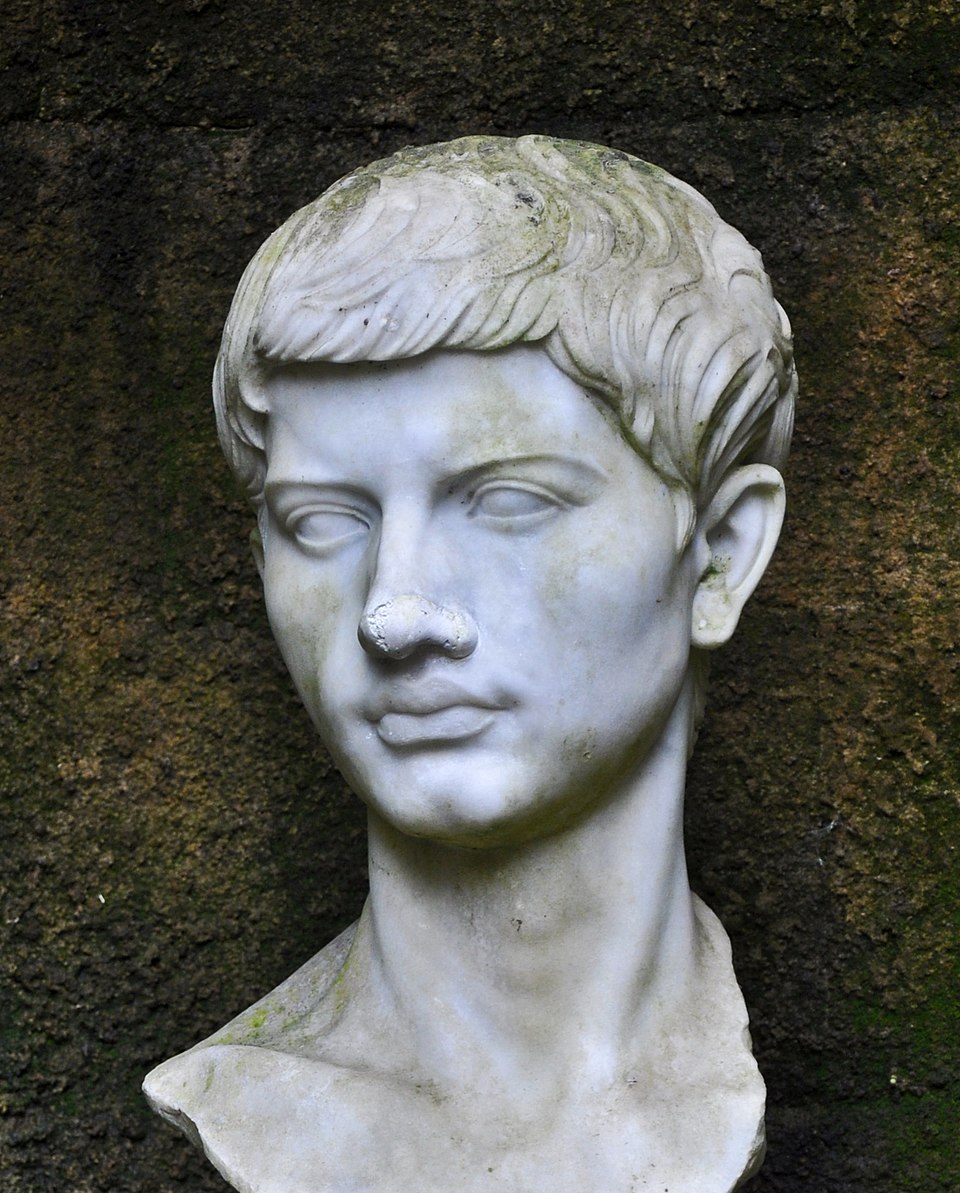
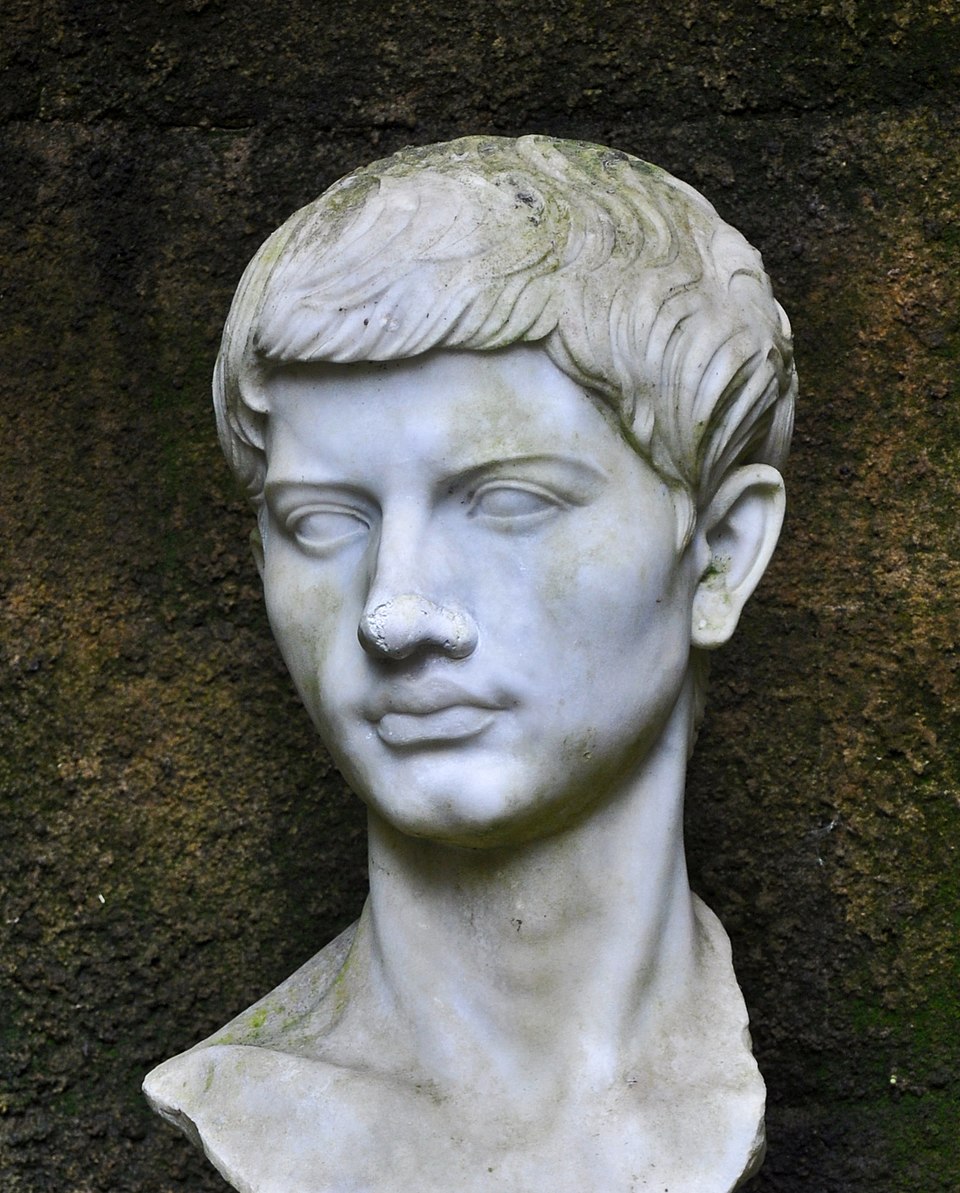
70 BCE - 19 BCE - Publius Vergilius “Virgil” Maro (All Facts)
Roman Poet
Was a protégé of the knight Maecenas
His father was a farmer who was wealthy enough to send him to complete his education in Milan and Rome
While in Rome, he came under the influence of the Epicurean Philosophy, where he went on to live in an Epicurean colony in the Bay of Naples
He developed a new style of poetry, which painted a romantic picture of the lives of ordinary Italian shepherds and peasants
He was also a realist, introducing actual people into his poems
He made a passionate plea for those who had been dispossessed of their land in the region of the Po Valley near Mantua around 70 BCE
He made a hero of a godlike youth who helped them, who was obviously meant to be Octavian
His own farm was confiscated by the Second Triumvirate
Confirmed his position as the foremost poet of the age with his publication of “Georgics”
Died after a journey to Greece, in which he fell ill with sunstroke
Shortly after his return to Italy, he died at Brundisium
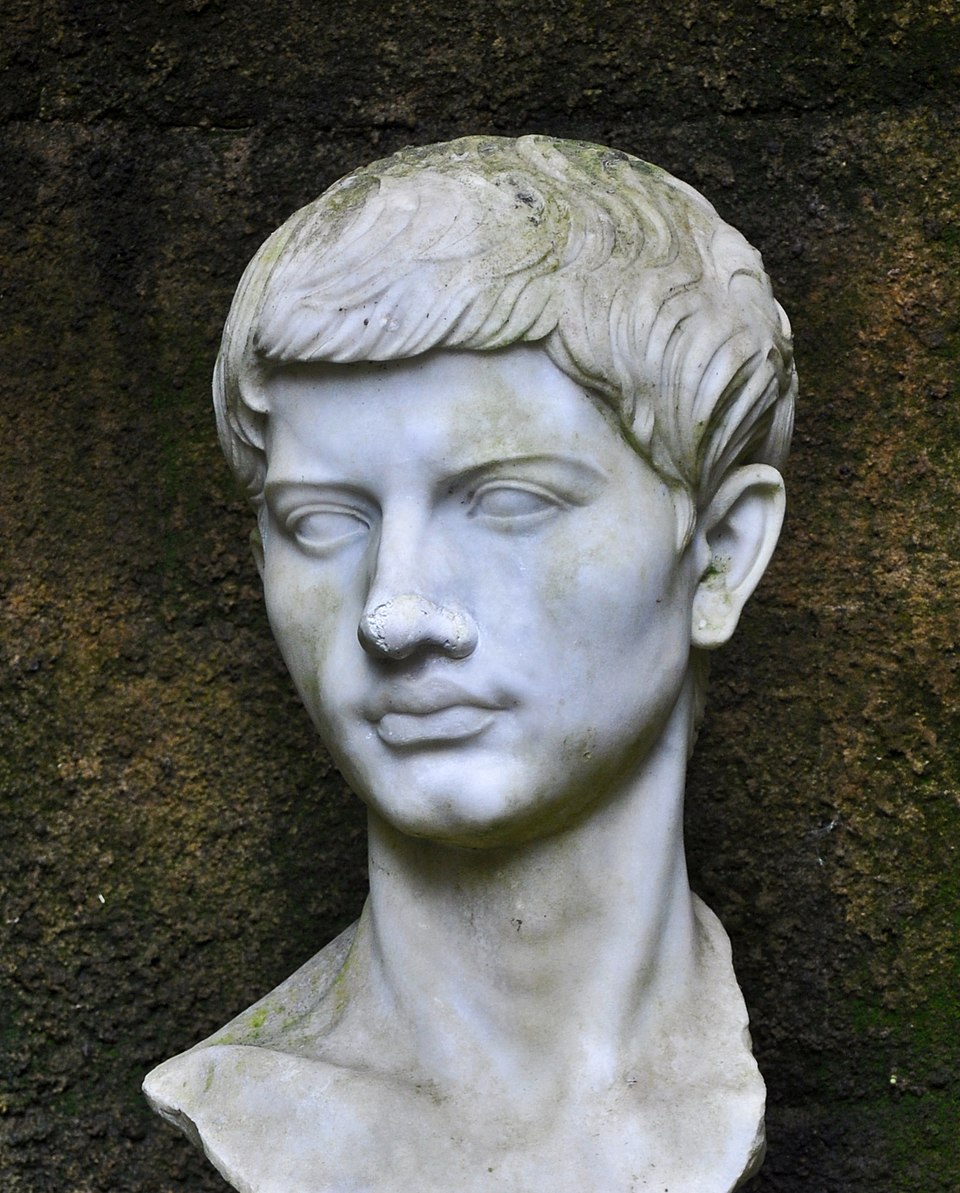
70 BCE - 19 BCE - Publius Vergilius “Virgil” Maro: Eclogues / Bucolics (All Facts)
Anthology of ten poems which took the author about 5 years total to write and for which he prominently gained recognition
About shepherds who suffer the pangs of love and political oppression and find happiness in inner peace
The shepherds are in fact poets who address their mistress in song
The countryside is portrayed as an idyllic “Arcadia”
Were inspired by the Idylls of Theocritus
However, the author went much further, since he
gives the peasants tender and sentimental feelings
creates an imaginative pastoral world
The Fourth poem of this set of poems was intended by the namesake author to refer to Augustus, but Christians took it as foreshadowing Christ
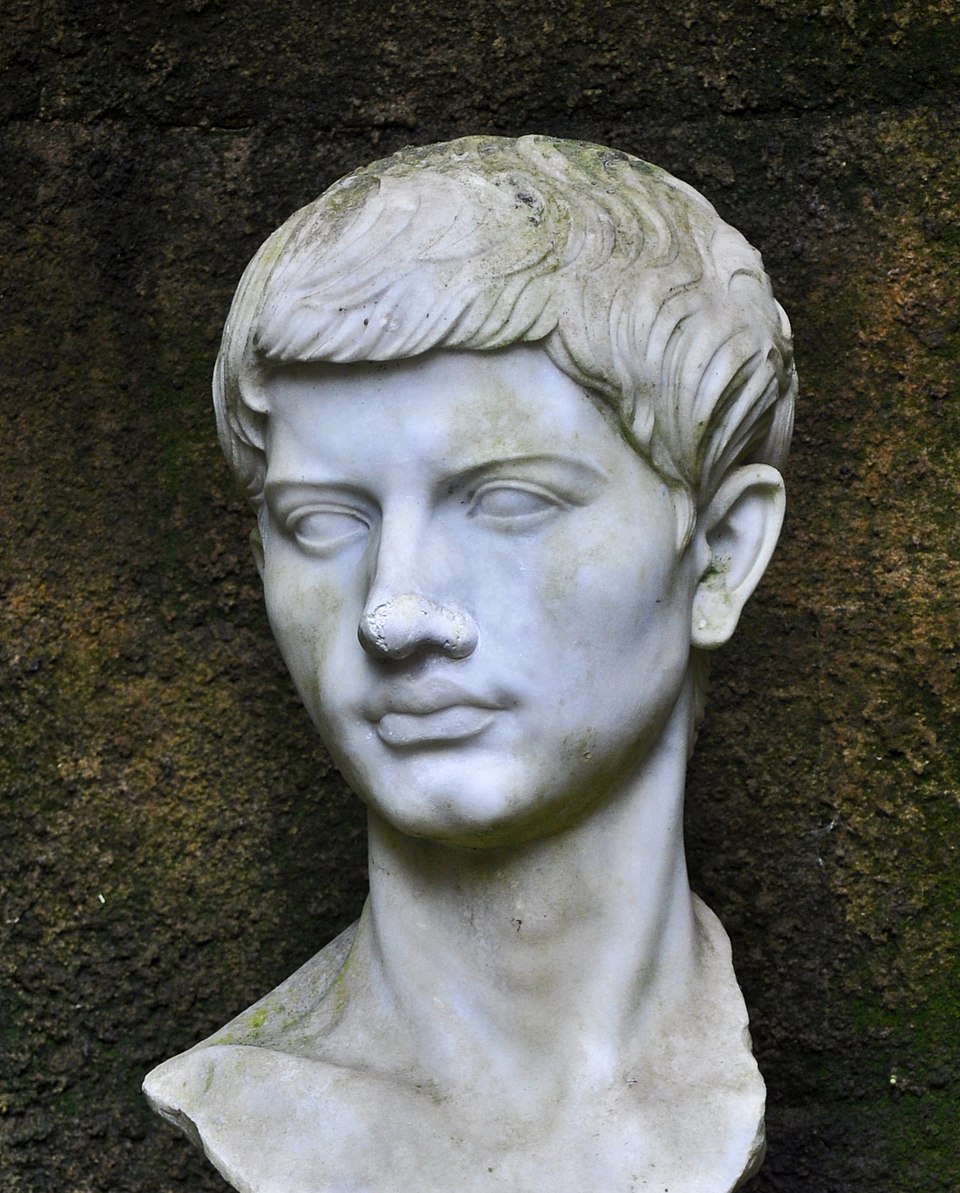
70 BCE - 19 BCE - Publius Vergilius “Virgil” Maro: Aeneid (All Facts)
Epic poem in 12 books which took the author nearly 10 years total to write
It builds on the legends about the foundation of Rome, it inspired all Roman citizens upon its publication
It showed how the poet can give patriotic service to his country equally important to that of the soldier and the statesman
According to the writer’s own account, the god Apollo at one point warned him to stick to pastoral poetry
Was inspired by the Iliad and the Odyssey by Homer
The namesake hero, the Trojan, was a relative of Hector, an important character in the Iliad
The namesake hero leaves Troy for long wanderings over the sea, though for different reasons than those laid out in the Odyssey
Work about the namesake hero and protagonist and his founding of “Alba Longa”
He was near Italy when a storm begun by the goddess Juno cast him onto the shore of Africa
Then, Venus puts a spell on him which makes him fall in love with Dido, the Queen of Carthage
He tells Dido the story of the fall of Troy and his wanderings
But the god Jupiter tells him to get on with his mission of founding a new kingdom
Grief-stricken, Dido kills herself when he leaves
After many battles, he arrives in Latium and founds Rome with the help of the Arcadians and Etruscans
He was famous for his sense of duty exemplified by the Roman virtues
Work which became the Roman national epic
Sections of it were memorized by every Roman schoolchild
70 BCE - 19 BCE - Publius Vergilius “Virgil” Maro: Georgics (All Facts)
Work in which the poet dealt in verse with agricultural matters and animal husbandry and wrote about the joys of rural life
65 BCE - 27 BCE - Quintus Horatius “Horace” Flaccus (All Facts)
Roman Poet
He was the most influential and popular writer of his day since he wrote in the language of the common people
Without appearing to moralize, his poems advocate the virtues of the simple life
His poems simultaneously amuse and instruct
Famed for his many works including his “Satires,” “Epodes,” “Odes,” “Epistles,” and “Ars Poetica”
Born in Apulia in Southern Italy to a modest family
Went to university in Athens
Served in the Roman army under Brutus, such as in the Battle of Philippi
He had rapidly gained entry to Augustus’ entourage
His poetic gifts were noticed by Maecenas, who
made him part of the writers’ circle around Augustus
gave him a Sabine farm, to which he often refers in his poems
He claimed that his models were the early Greek lyric poets Sappho and Alcaeus
Owed to Maecenas his good fortune in becoming the poet of the national renaissance
In 17 BCE, he wrote a hymn in honor the Secular Games
65 BCE - 27 BCE - Quintus Horatius “Horace” Flaccus: Satires (All Facts)
Work which contrasts the pleasures of country life with the hectic, frustrating life in the city
Work in which the author relates conversations from life and mixes dialogue with irreverent observations on people and the way they behave
65 BCE - 27 BCE - Quintus Horatius “Horace” Flaccus: Odes and Epodes (All Facts)
Work which shows the author’s concern with form
The author adheres rigidly to the constraints of meter but his lightness of touch never leaves him
Written in a satirical vein, the author borrows from Archilochus
Addressed to Maecenas
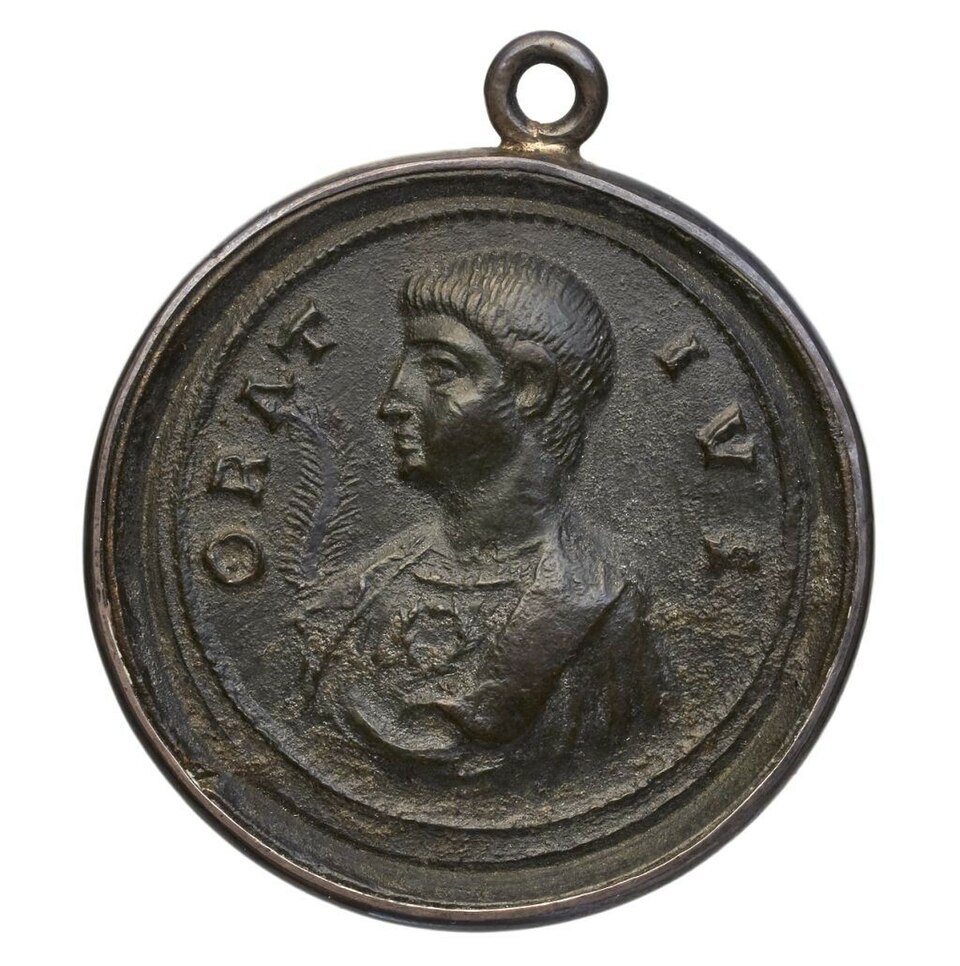
65 BCE - 27 BCE - Quintus Horatius “Horace” Flaccus: Epistles (All Facts)
Work in which the author rejects the Platonic theory of inspiration, declaring that poetry should be the work of reason, written with care and modesty and made to be useful and pleasing
Work in which the author offers some down-to-earth hints on avoiding folly, vice, and guilt
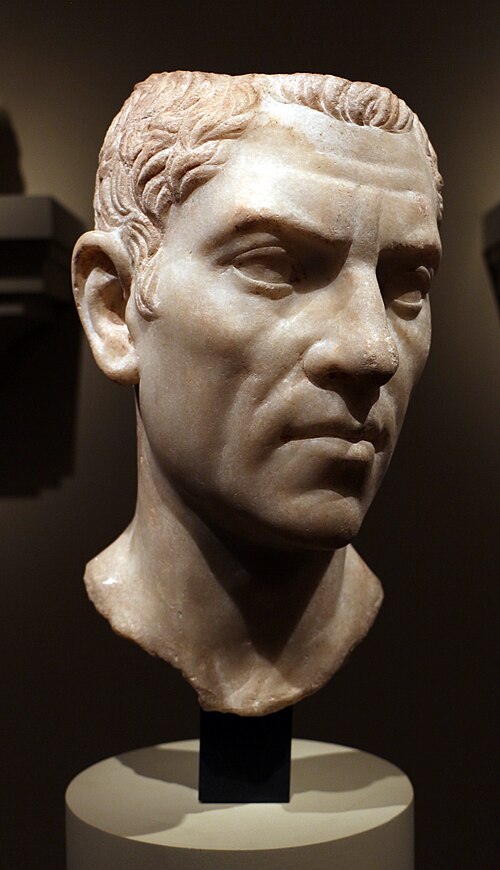
70 BCE - 26 BCE - Cornelius Gallus (All Facts)
Roman Poet
Was best known for his love poems he made to his mistress, the actress Cytheris
Friend of Virgil
Made a name for himself on the battlefield
Committed suicide under threat of a treason charge
He incurred the wrath of Augustus, perhaps because of the namesake’s high opinion of himself, which he was not ashamed nor afraid to make public
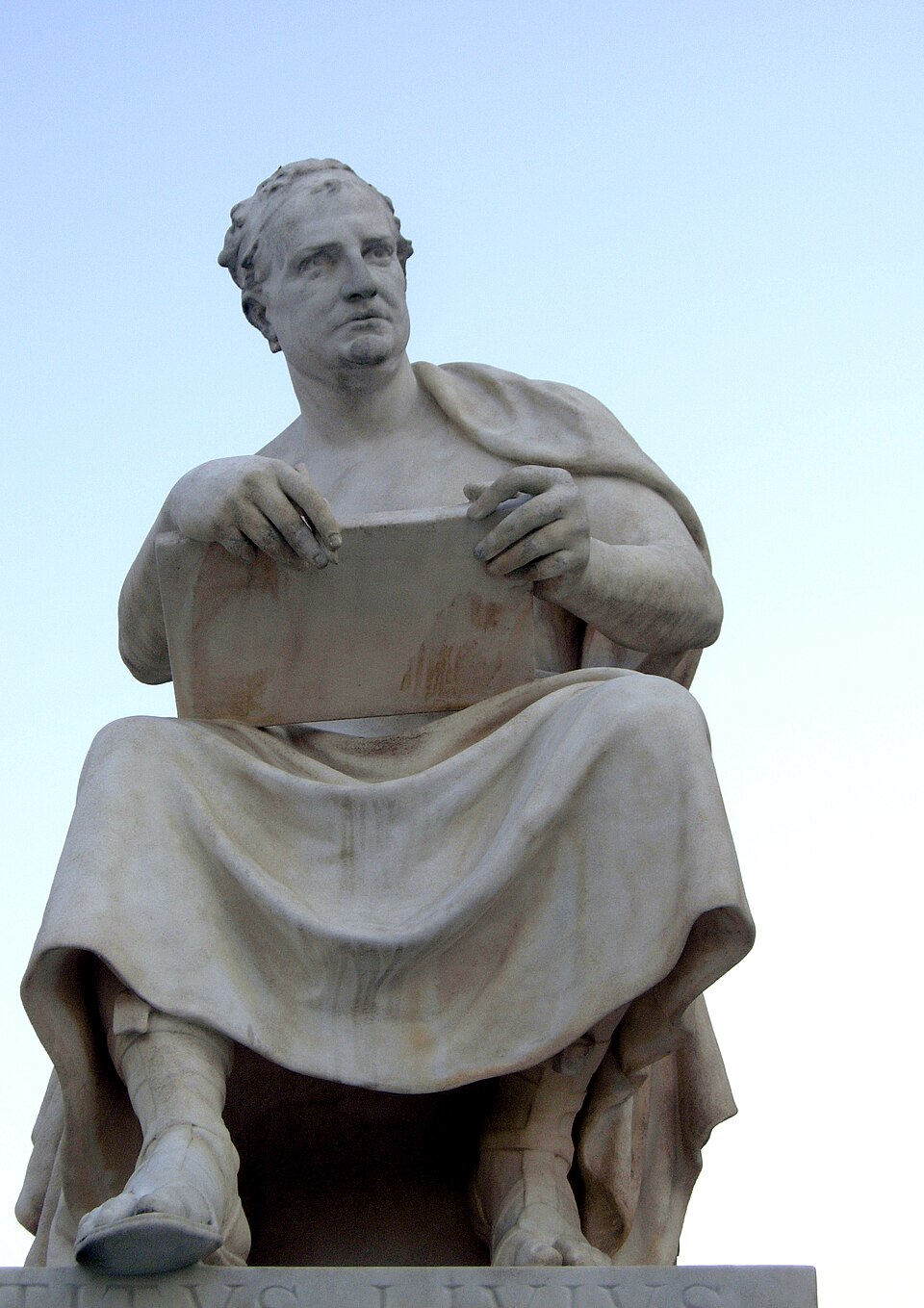
59 BCE - 17 CE - Titus “Livy” Livius (All Facts)
Roman Historian
Born in Padua, in north-east Italy
Died in Padua
Unlike other annal-writers, he was not a public figure dabbling in history for political ends, but as a serious, dedicated historian
He decided that Rome deserved a new history, to be worthy of the prosperity and imperial greatness of the new Augustan era under which he wrote, which he hoped would see a restoration of old Roman moral virtues
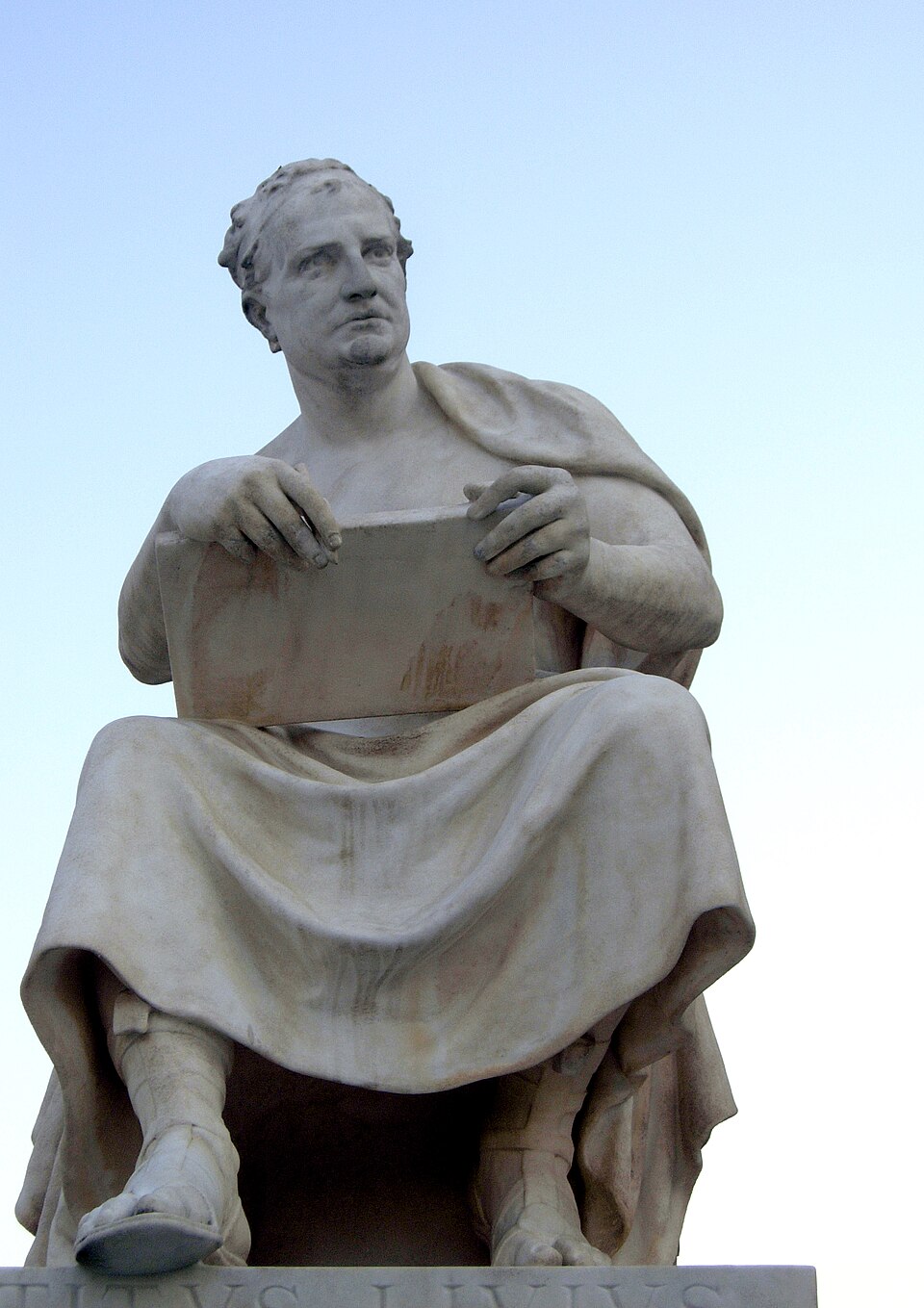
59 BCE - 17 CE - Titus “Livy” Livius: History of Rome (All Facts)
142-book chronicle of the Rome and its history
Recounts the glorious deeds of the Romans
Chronicles from the city’s foundation to the age of Augustus, in which it was published
Despite the deep serious and overall moral tone, it is rich in humanity and variety
The author uses a wide range of Latin styles, depending on the circumstances:
orators use elaborate rhetoric
military men talk in the colloquialisms of a solider
For most Romans, it was the liveliest and most realistic history that they have yet read
Work which, along with its author, came under fie for alleged provincialism
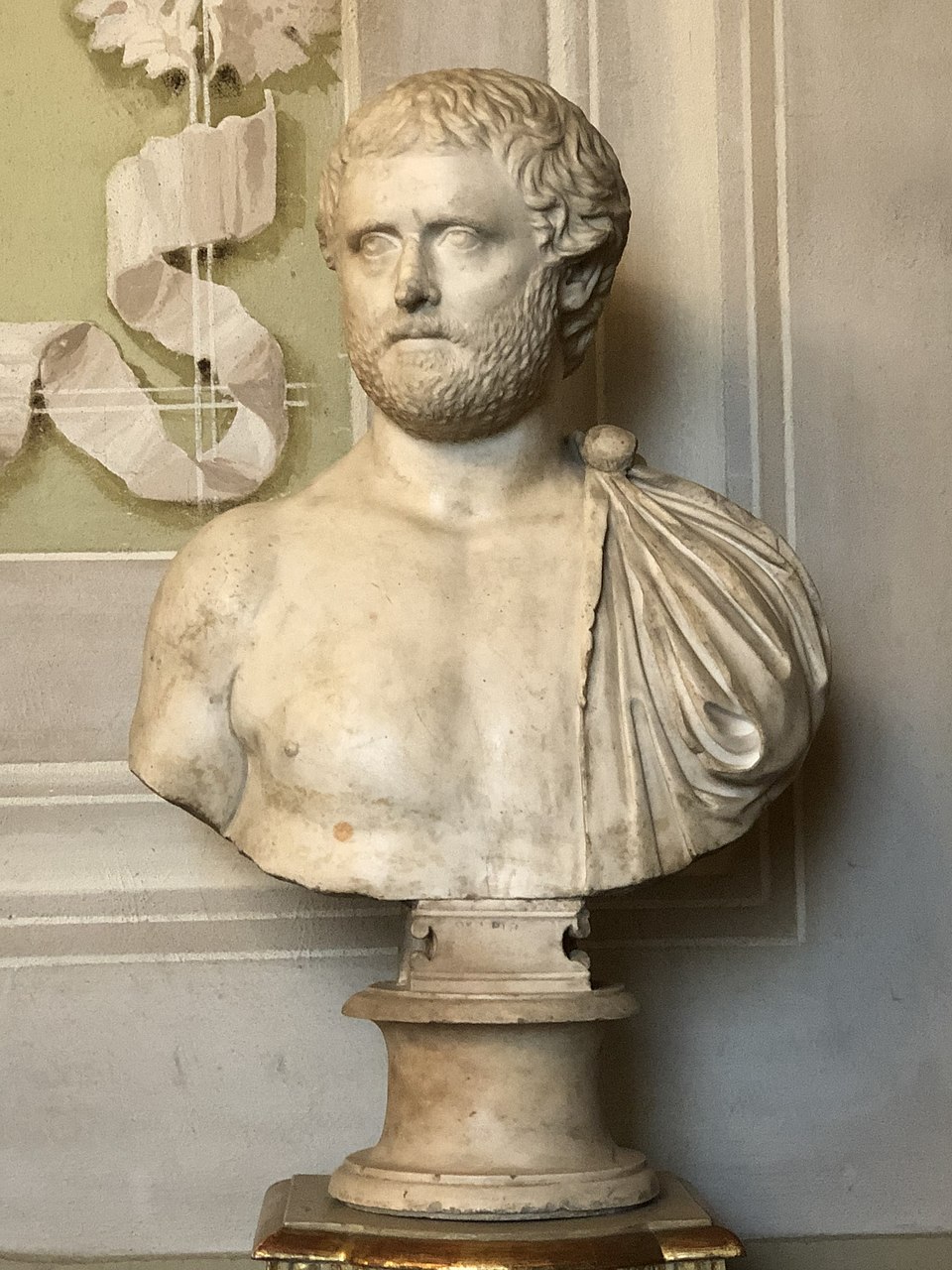
43 BCE - 18 CE - Publius “Ovid” Naso (All Facts)
Roman Poet
Prior to poetry, he was considered a distinguished lawyer
He scored his first literary success with his work “Medea”
He wrote a five-volume work of elegies, while in exile, called the “Tristia”
Known for his erotic poetry
Suffered the wrath of Augustus, who exiled him to the Black Sea colony of Tomis, where he eventually died
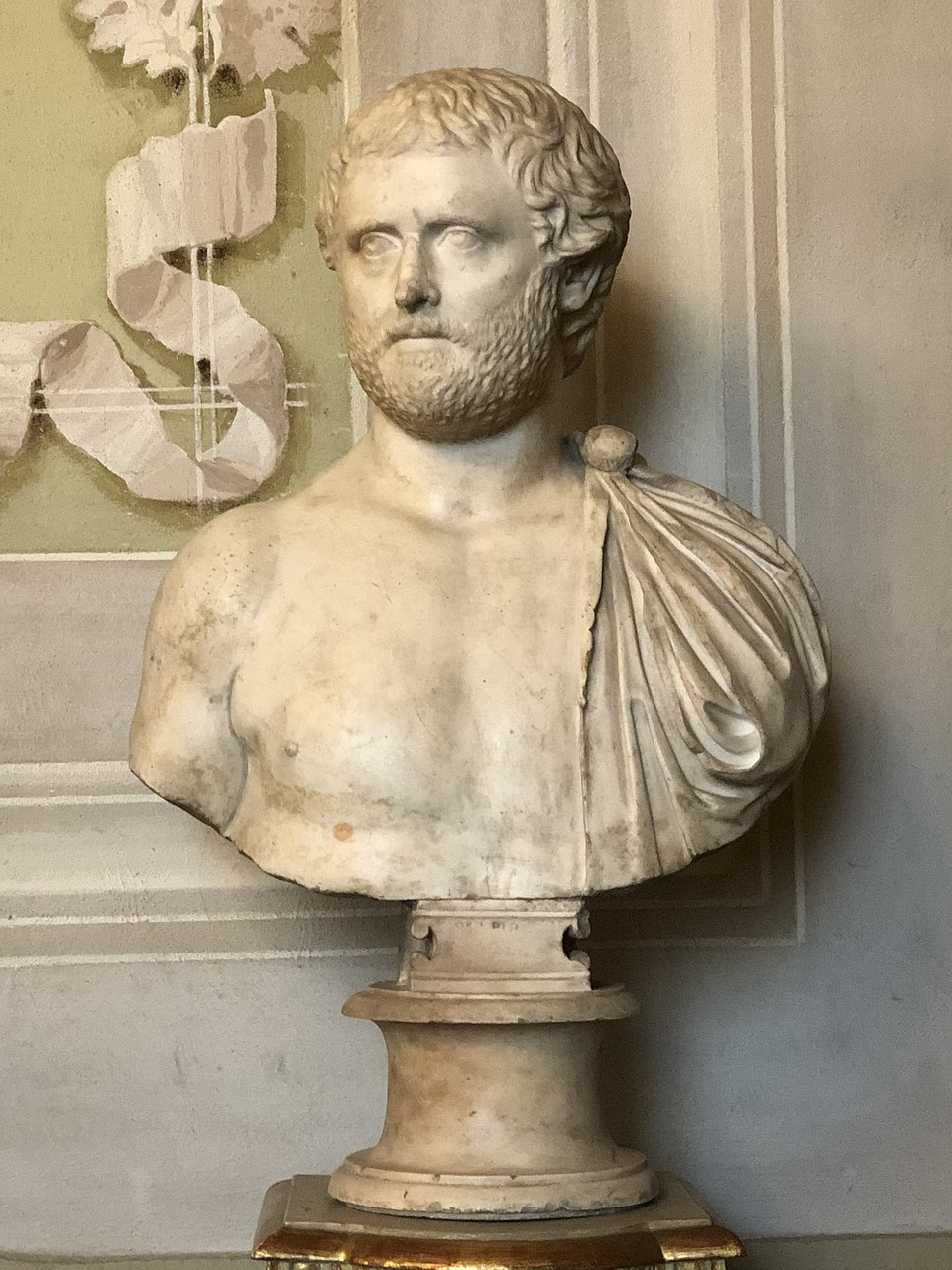
43 BCE - 18 CE - Publius “Ovid” Naso: Metamorphoses (All Facts)
Epic poem written in hexameters
Was a collection of stories from classical and Near Eastern legends
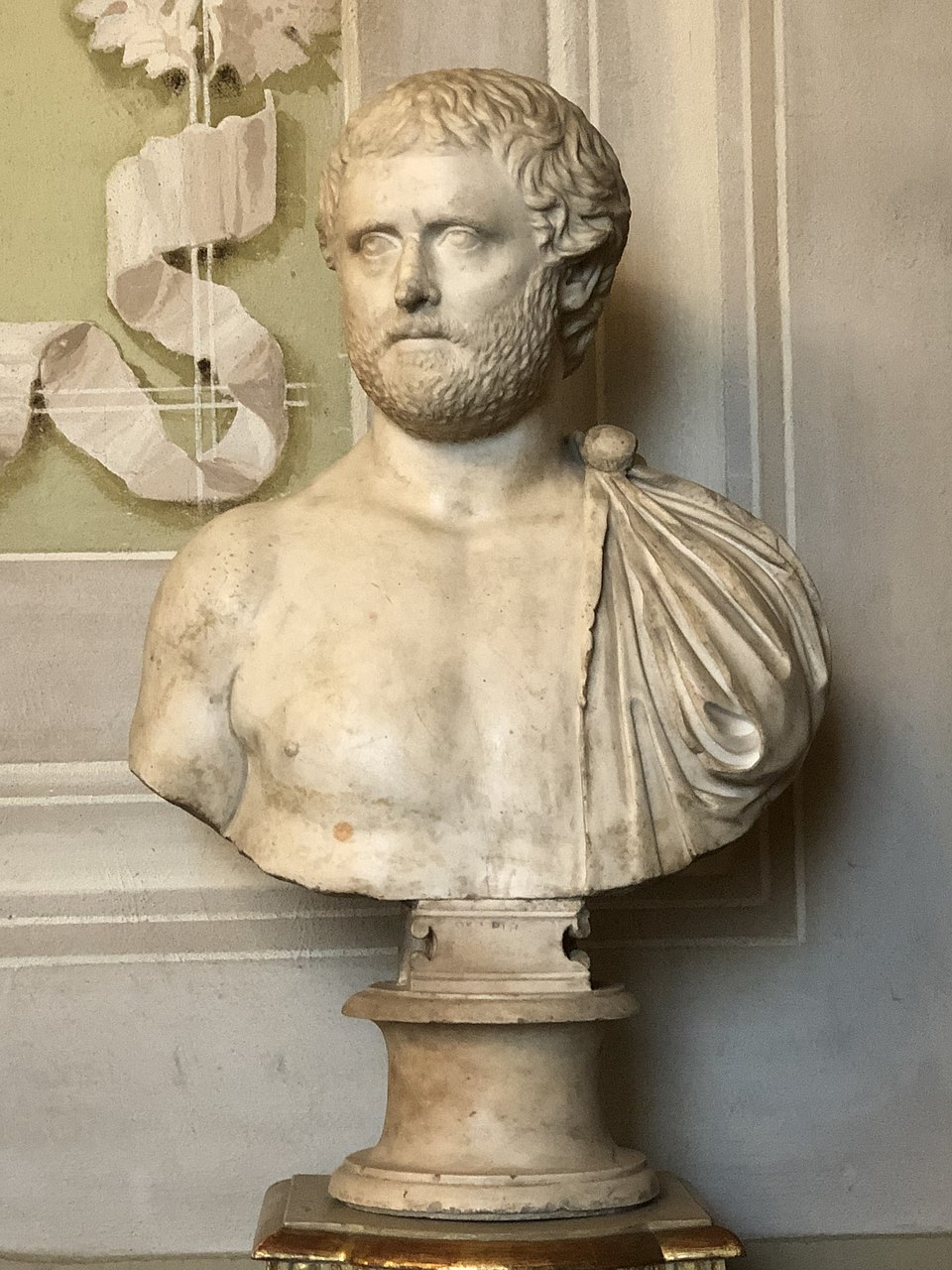
43 BCE - 18 CE - Publius “Ovid” Naso: Ars Amatoria, “The Art of Love” (All Facts)
Poem in three books that served as a guide to seduction or a poetic “sex manual”
The first two books were for men
The third book was for women
It was written at the request of women
Three-book series of poems which was characterized by the poet’s vibrant wit
Was seen as a satire on Roman life
Three-book series of poems which supposedly angered Augustus so much that he ordered that its poet be sent into exile to the Black Sea colony of Tomis, where the poet eventually died
Some consider Augustus’s motivations for his exile political in nature, in that Augustus was only angry because the namesake poet allegedly interfered in political matters
Propertius (All Facts)
Sulpicia (All Facts)
Tibullus (All Facts)
0’s BCE - 25 CE - Aulus Cremutius “Cordus” (All Facts)
Roman historian
Was prosecuted for treason on the instigation of Sejanus for violating the Maiestas Law that was so heavily enforced by Tiberius and Sejanus because he
Refused to glorify Augustus
Wrote in praise of Brutus, Cassius, and the murderers of Caesar in the Ides of March
Committed suicide as a result
Many of his works were burnt as a result of his anti-imperial sentiments
19 BCE - 31 CE - Marcus Velleius “Paterculus” (All Facts)
Roman Historian
Was a cavalry officer and legate in both Germany and Pannonia
19 BCE - 31 CE - Marcus Velleius “Paterculus”: Historiae Romanae (All Facts)
Work whose author claimed to record a universal history, yet was concentrated largely on the exploits of Rome
He recounted the actions of Tiberius and the imperial family with uncritical admiration
15 BCE - 50 CE - Gaius Julius “Phaedrus” (All Facts)
Freedman from Macedonia
Gained a high reputation for writing verse fables
Published five books consisting of short animal stories based largely on the works of Aesop
27 - 66 - Gaius “Petronius” Arbiter: Satyricon (All Facts)
Romance novel that reflected some of the negative feelings the freedmen in the Roman Empire aroused during the reign of Claudius
Its main character, Trimalchio, inherits wealth from his former master and enlarges it by commerce
He is portrayed as vulgar and ridiculous, inspiring hatred in a senator who is losing his power and fortune
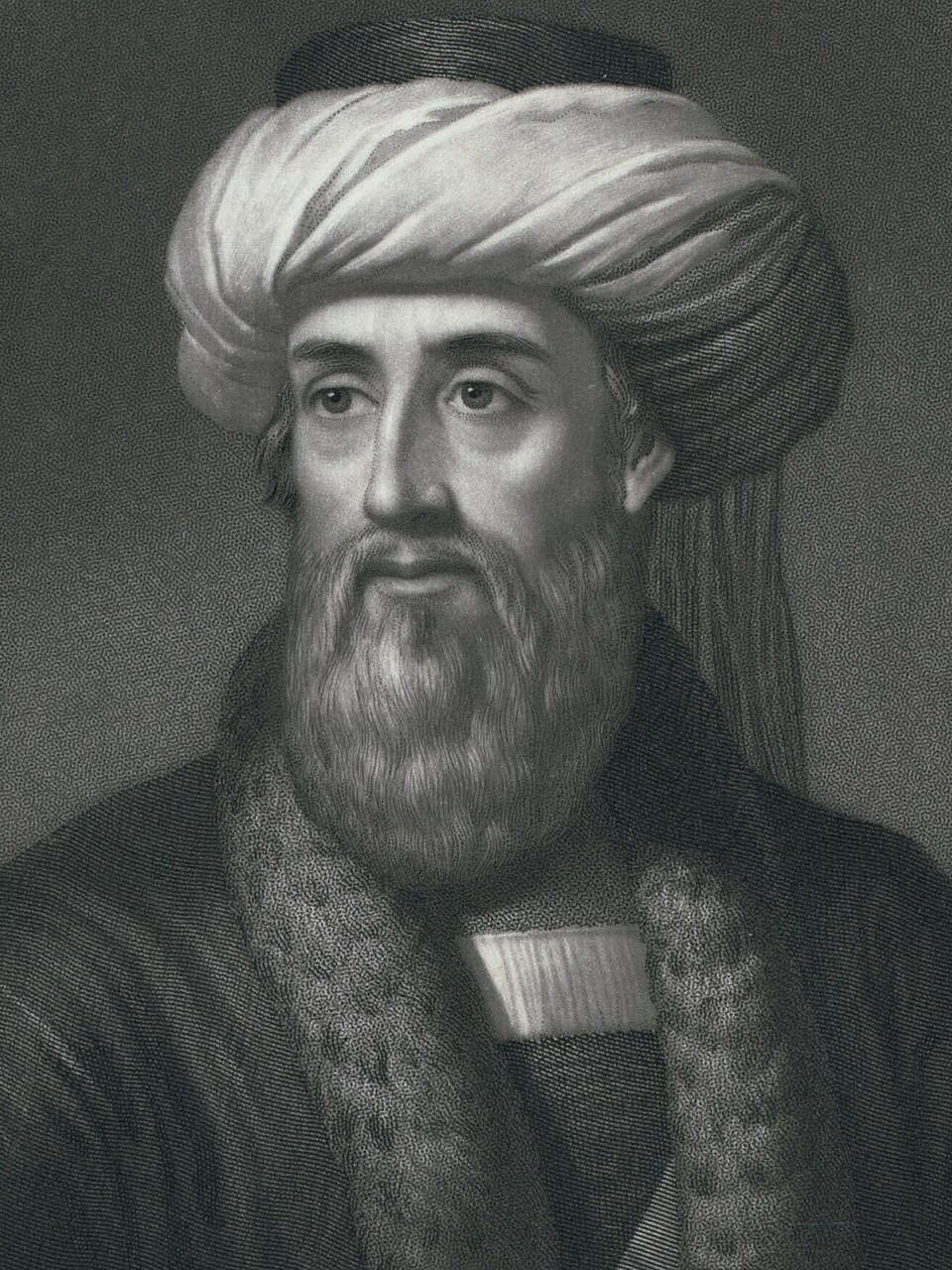
37 - 100 - Flavius Josephus (All Facts)
Roman-Jewish Historian
Fought in the “Great Revolt” of the Jews, but eventually sided with the Romans
Recounted the events of the “Great Revolt” in his work “Bellum Judaicum” (History of the Jewish Wars)
Wrote a history of the Jewish people, from their origins until their time during the Flavian Dynasty, in his work “Antiquitates Judaicae” (Early History of the Jews)
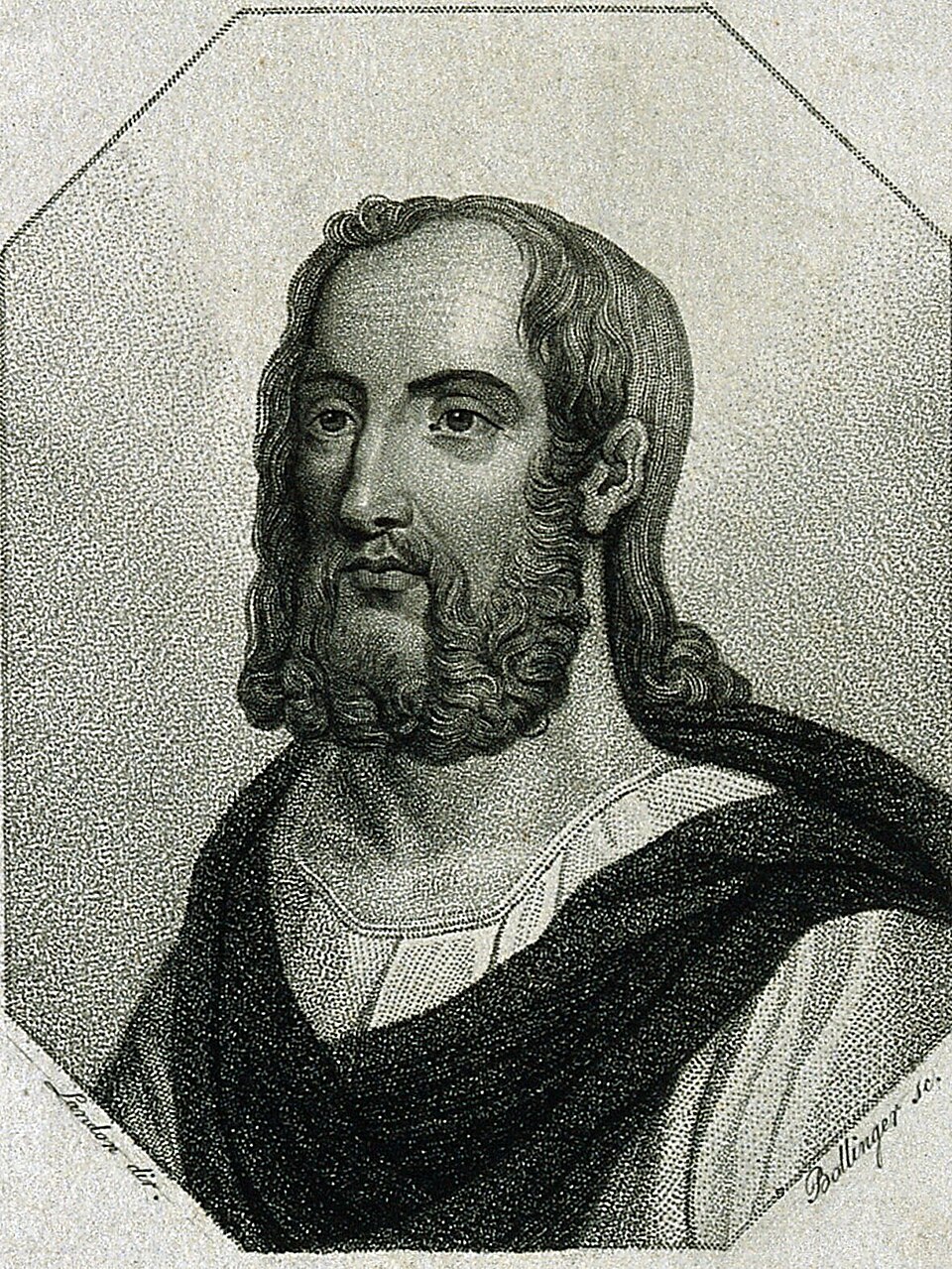
23 - 79 - Pliny the Elder (All Facts)
His work, the Naturalis Historia (Natural History), is a comprehensive 37-volume work covering a vast array of topics on human knowledge and the natural world
It became an editorial model for encyclopedias
Commanded a fleet of ships at one point
Died in Pompeii trying to rescue a friend and her family during the Eruption of Mount Vesuvius
Friend of Vespasian
0’s - 79 CE - Titus Clodius Epirus Marcellus (All Facts)
Orator accused of conspiracy by Titus and condemned by the Senate, he committed suicide
His alleged accomplice, Caecina Alienus, was executed
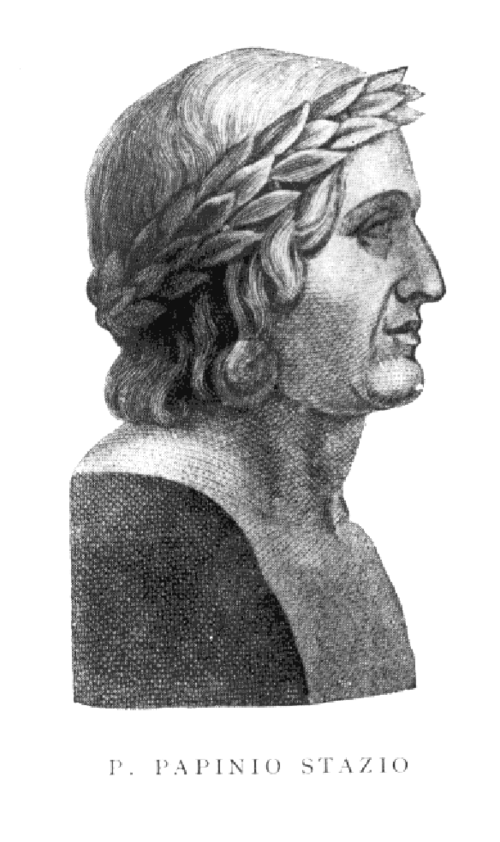
45 - 96 - Publius Papinius “Statius” (All Facts)
Roman Poet
His best known works are the occasional verses known as the “Silvae” and his epics “Thebais” and “Achilleis”
Was a favorite in Domitian’s court
Died in his native Naples
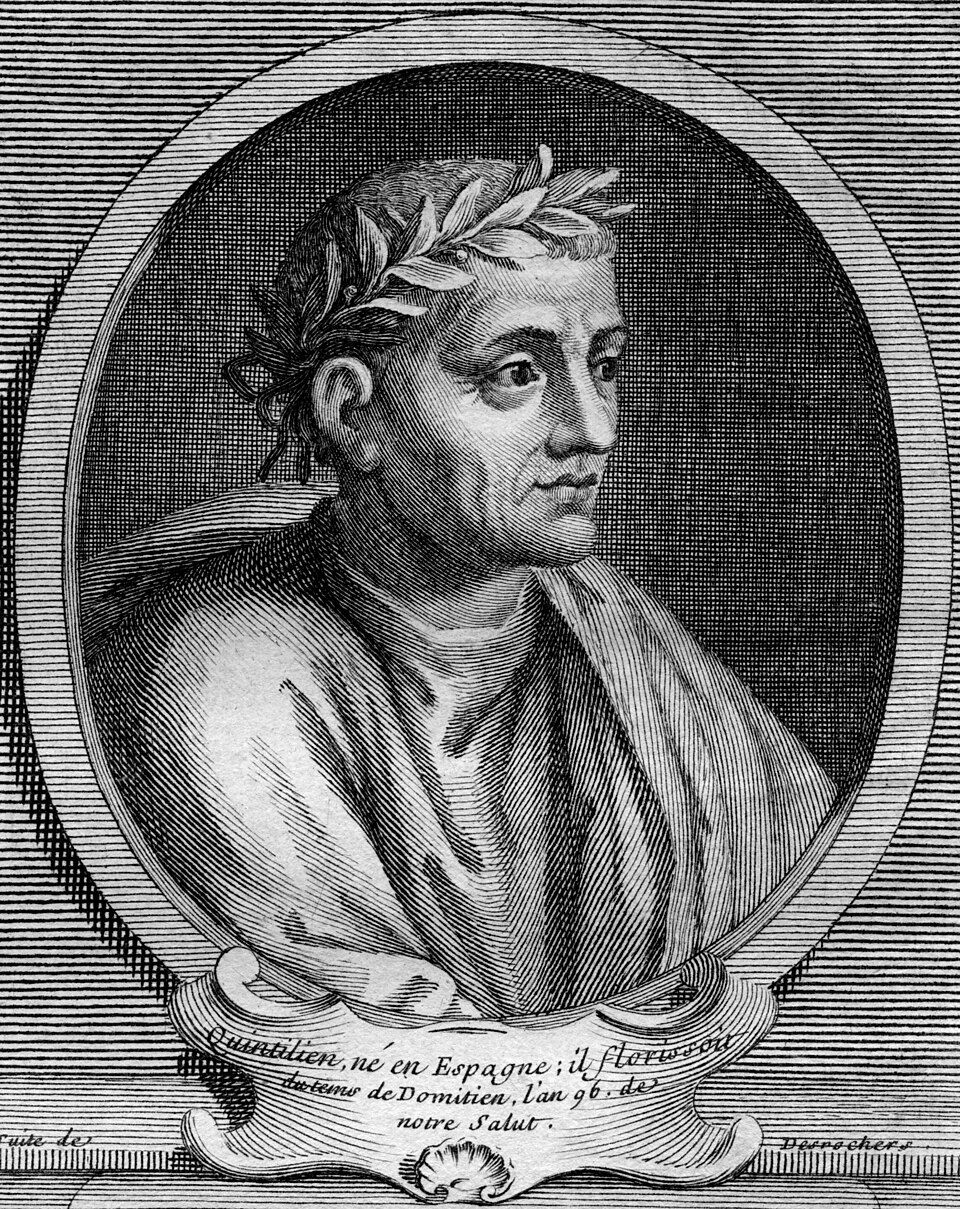
35 - 100 - Marcus Fabius “Quintilian” Quintilianus (All Facts)
Roman lawyer, educator, and rhetorician
Famous for his “Institutio Oratoria,” (Institutes of Oratory) a program of education for the future orator
Believed that the supreme orator represents all that is best in morals, education, and stylistic judgement
Held the “chair of Latin eloquence,” which was created by Vespasian
His pupils included Pliny the Younger and the two heirs and great-nephews of Domitian
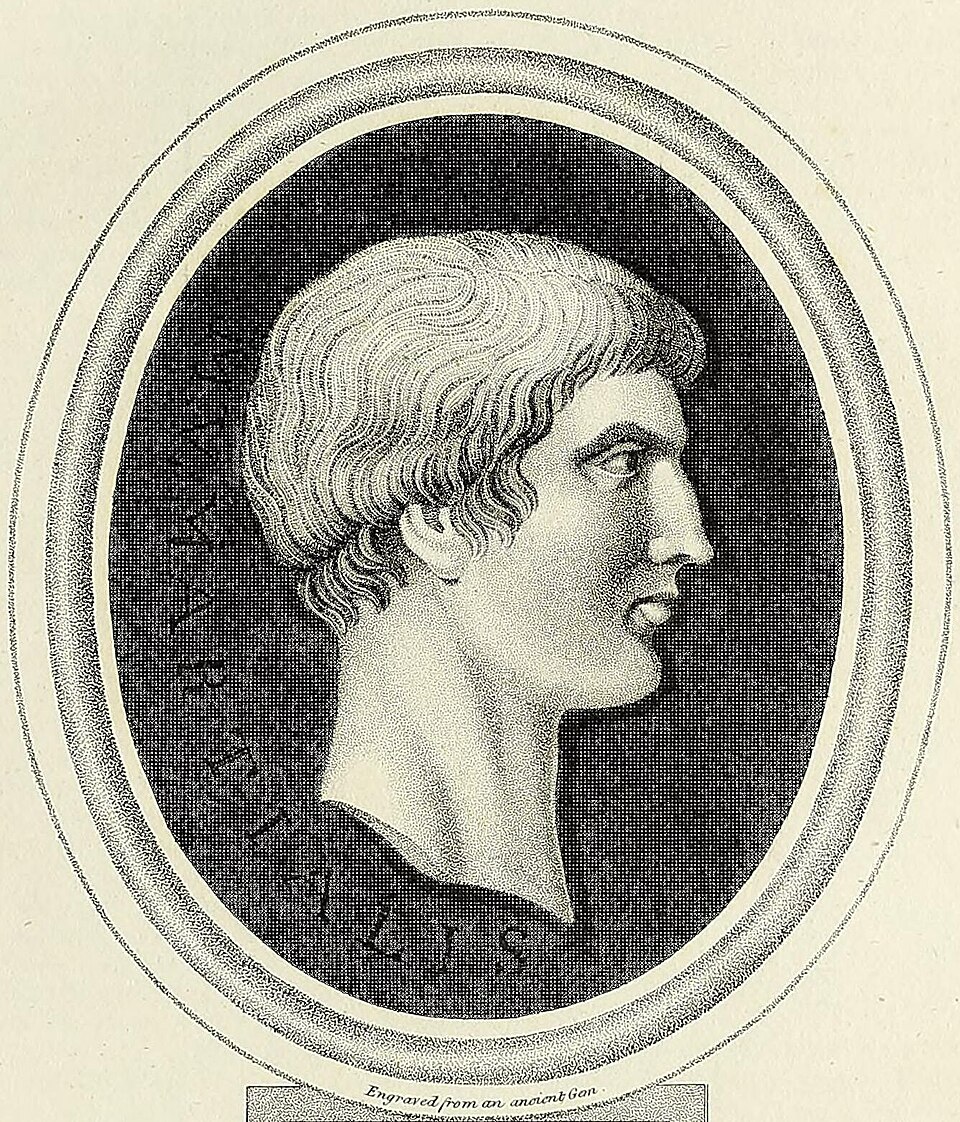
38 - 104 - Marcus Valerius “Martial” Martialis (All Facts)
Roman-Celtiberian from Bilbolis, Spain (he died there)
Lived in Rome for 20 years
Came to attention with
a book marking the opening of the Colosseum by Titus (the Emperor)
books that served as suggestions for menus and gifts
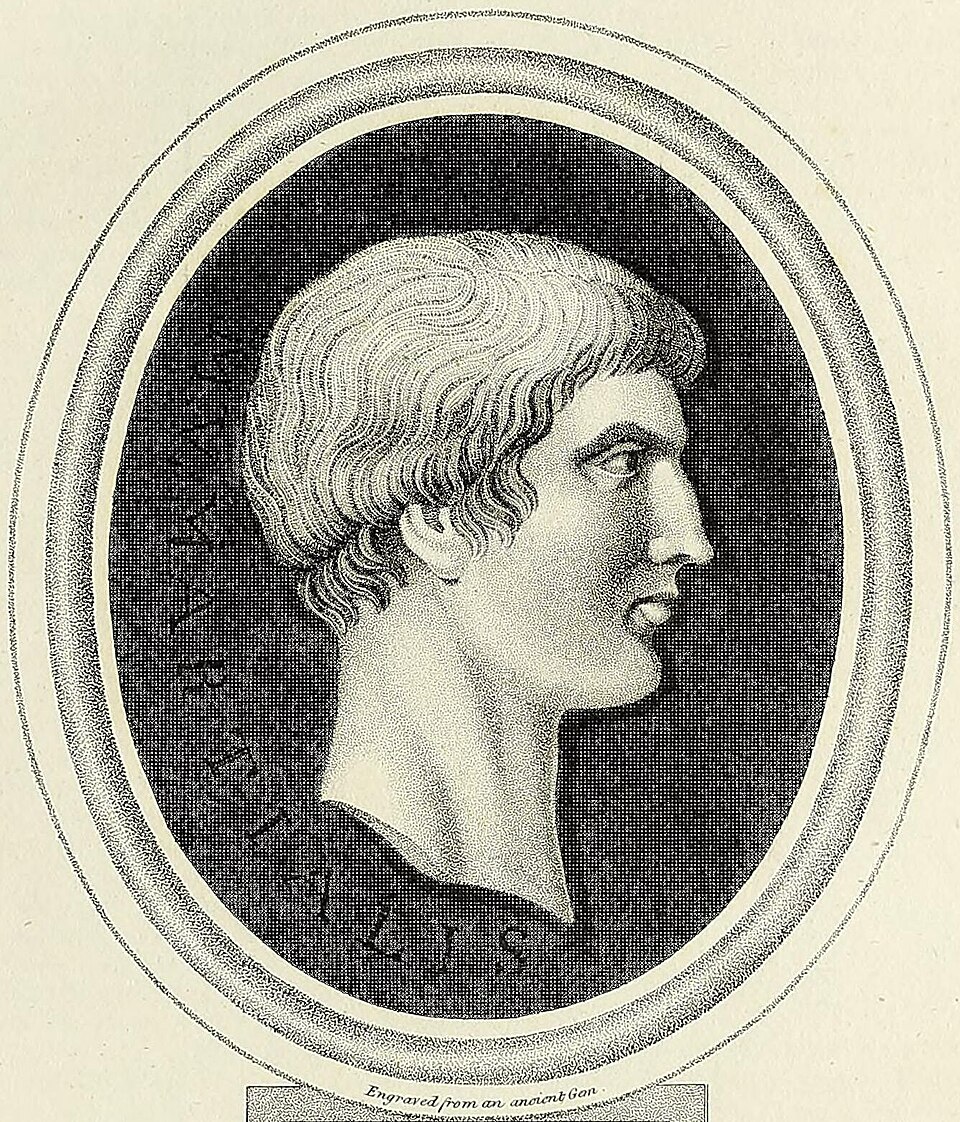
38 - 104 - Marcus Valerius “Martial” Martialis: Epigrams (All Facts)
Work in which the namesake author portrays the vices and virtues of all levels of Roman society and all walks of Roman life, in which humanity and wit are combined and written using concise language
Work which broke new ground and was brilliantly sharp
Work characterized by its lively and caustic wit
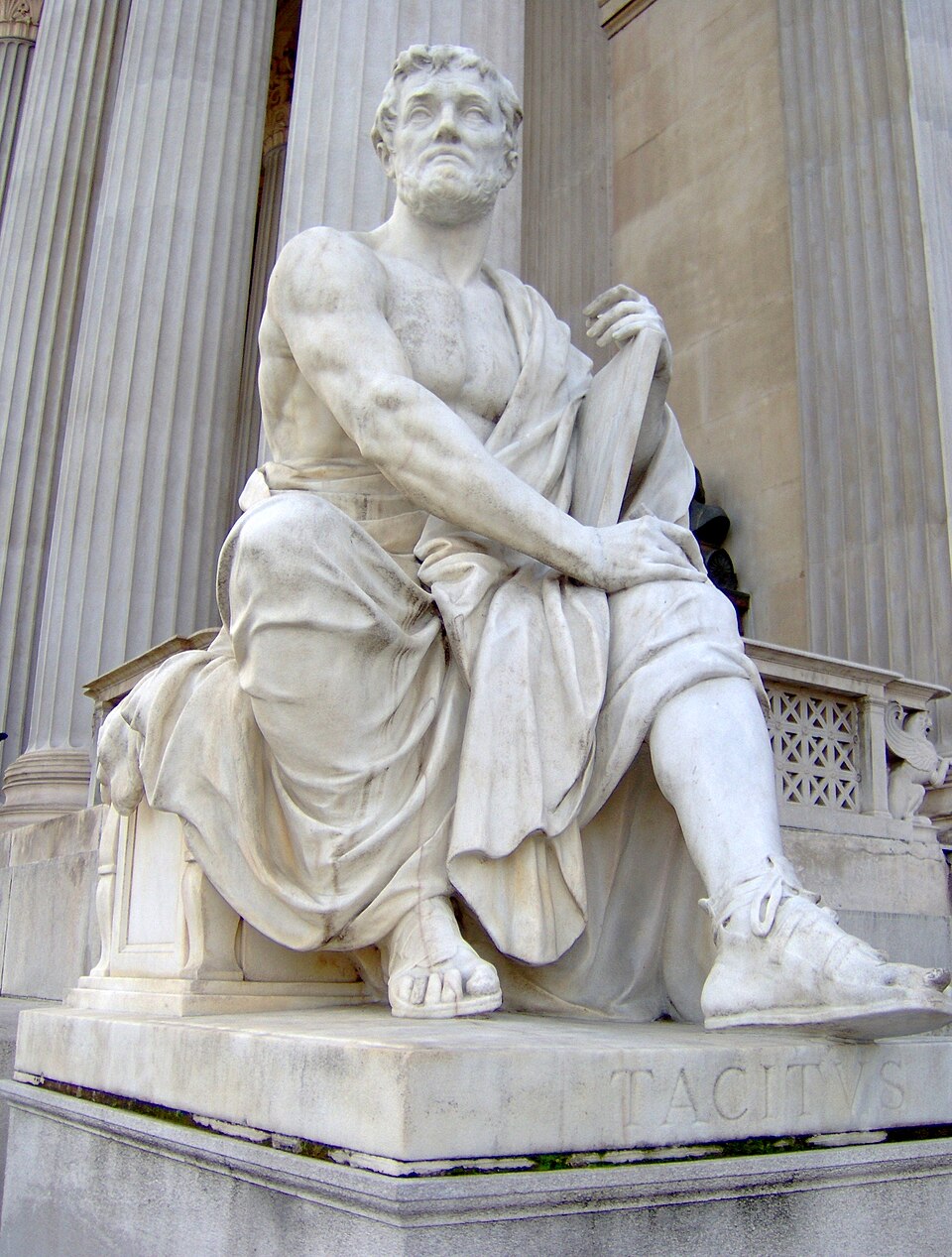
56 - 120 - Publius Cornelius “Tacitus,” as Historian (All Facts)
Roman Historian
Famous for his account of the life of his father-in-law Agricola, the famed general of Rome during the invasion of England under Domitian and the graphic account of the conquest of England by Agricola
This work contained some fierce criticism of the Emperor Domitian
The namesake had married Agricola’s daughter
Wrote a descriptive history of the various tribes north of the Rhine and Danube Rivers
Wrote a monumental history of Rome
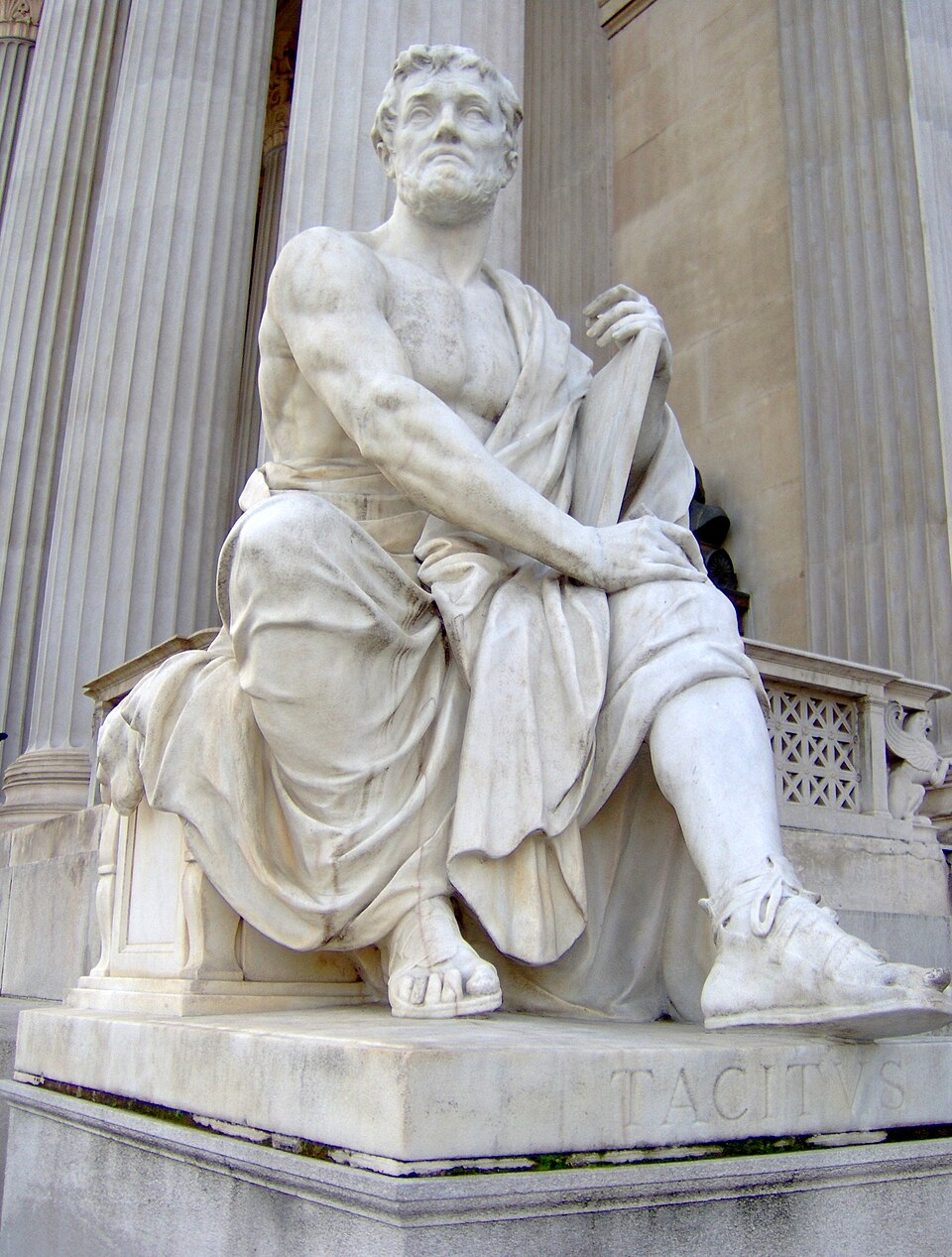
56 - 120 - Publius Cornelius “Tacitus”: Annales (All Facts)
Work which focuses on the history of the Julio-Claudian Dynasty
It avoids retailing the more extravagant rumors
The facts it reports provide a catalogue of crimes, particularly by Nero and Tiberius
Work in which the namesake author
Reveals his heroes
Paints a glowing picture of
the Roman Republic
heroism amongst the lower classes
the sturdy simplicity of Italy
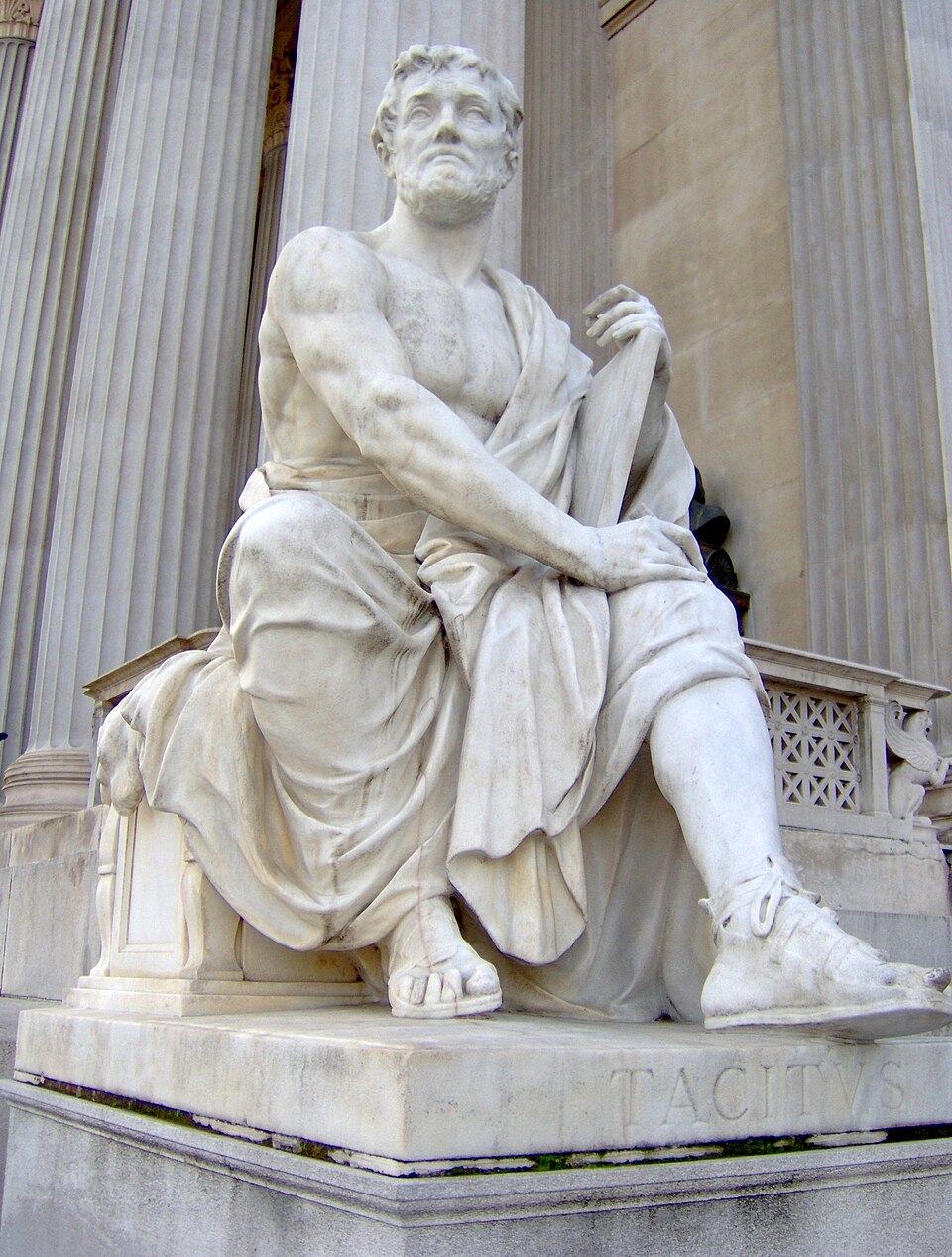
56 - 120 - Publius Cornelius “Tacitus”: Historiae (All Facts)
Work which covers the period from the death of Nero to the death of Domitian
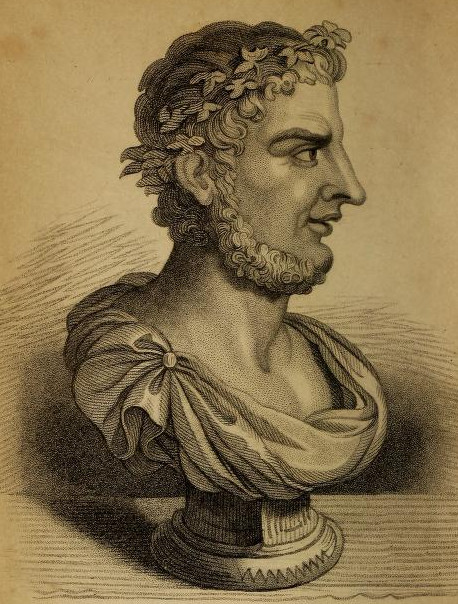
55 - 128 - Decimus Junius “Juvenal” Juvenalis (All Facts)
Roman Satirist Poet and Lawyer
He was born in Aquinum in Campania under the reign of Nero
He was trained as a teacher of rhetoric
He wrote from the standpoint of a Stoic morality, having attacked vice, poverty, and the extravagance of the ruling classes
He had an abiding dislike of Domitian, who was reputed to have banished the namesake
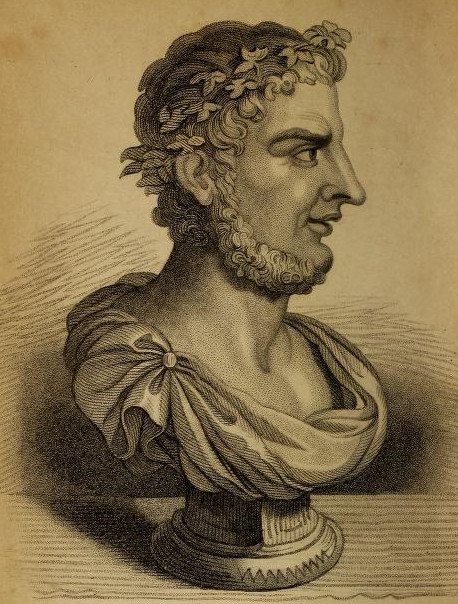
55 - 128 - Decimus Junius “Juvenal” Juvenalis: Satires (All Facts)
Collection of poems in which the namesake author
Paints a vivid picture of life amongst the lower classes of Rome, revealing avarice, vice, and crime that had occurred amongst them
Writes witty gibes about the hypocrisy of the Stoics
Writes a savage polemic against sodomy
Writes one poem in which the Emperor Domitian summoning his cringing cabinet to discuss the cooking of a giant turbot
Writes what was arguably the most bitter poem, in which he reveals a city where an honest man cannot make a living and the poor are objects of scorn
This poem features a rich person who laughs as he orders insolent servants to bring cheap food to a poor client
Reveals his hatred of women and Jews
40 - 103 - Sextus Julius “Frontinus,” as Writer (All Facts)
Famous for his detailed account of Rome’s water system, describing the aqueducts and their history
He was also famous for his written studies of land-surveying and of Greek and Roman military science and strategy
He was made superintendent of Rome’s water supply by Nerva
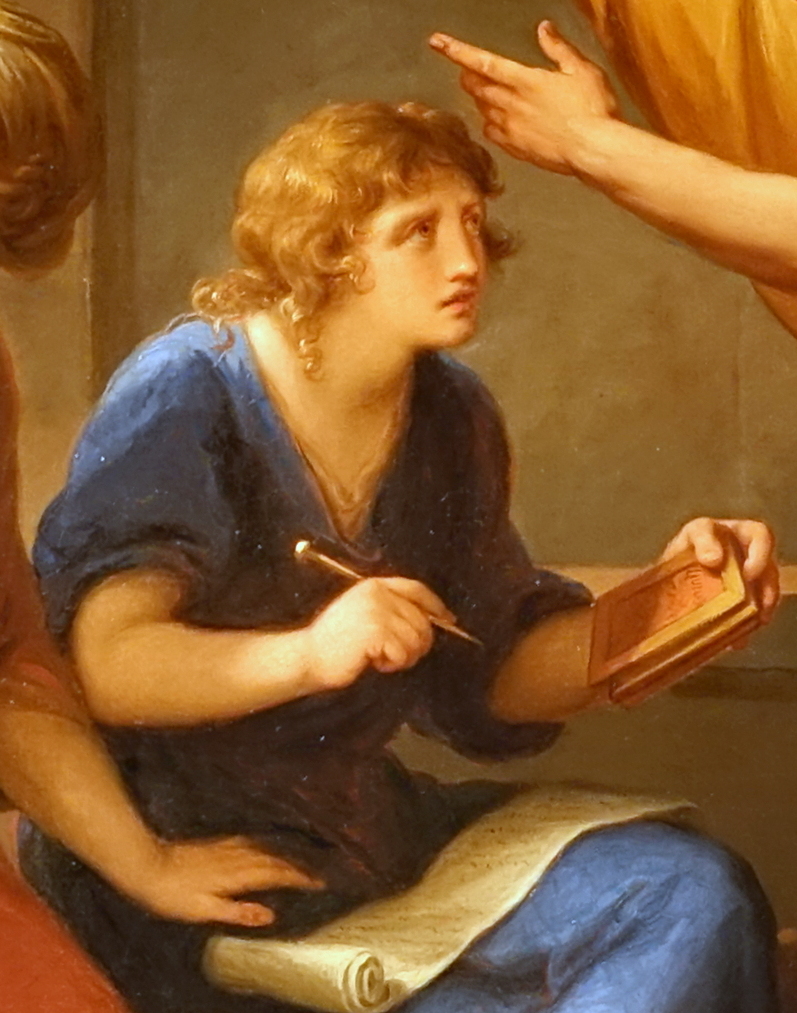
61 - 113 - Pliny the Younger, as Writer (All Facts)
Roman Writer, Orator, and Consul under Trajan
Born in Como
Taught by his father and Quintilian
Came to Rome to study advocacy under Quintilian
Famous for his “Panegyric of Trajan” speech, in which he paints the portrait of an “ideal prince,” in which he contrasts the beneficial reforms of Trajan with the evil deeds of Domitian
He wrote several books of literary letters, in which he comments on social, domestic, and political life and events under the rule of Trajan
It was mostly a favorable picture, showing Romans as being considerate of their wives and having a rich literary life
Gives the Senate a heroic role in opposing Domitian
Downplayed
The cruelty of slave masters
The meanness of the rich
The dodges of the legacy hunters
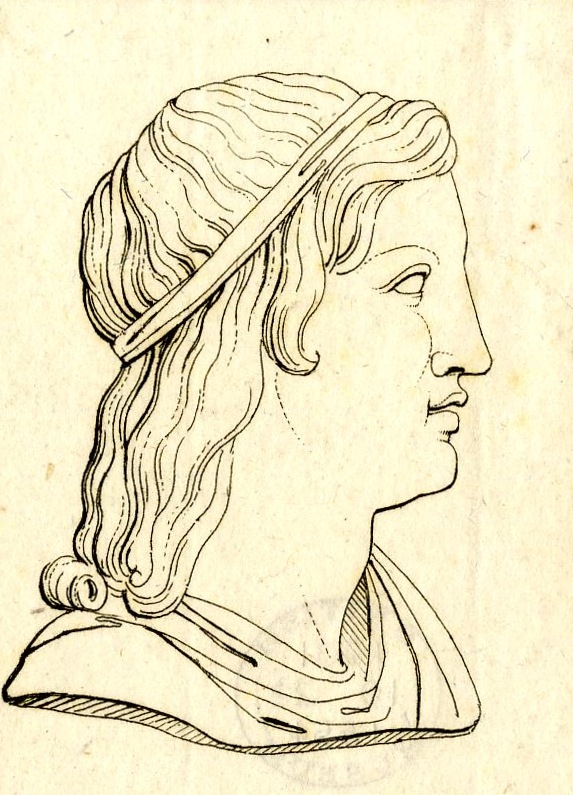
69 - 122 - Gaius “Suetonius” Tranquillus (All Facts)
Roman Historian
Famous for his biographies of Roman Emperors and Roman literary men, highlighted in his works “Lives of the Famous Men” and “Lives of the Caesars”
He had said that he had to work on a part of “Lives of the Caesars” without access to official archives
Served as Hadrian’s “magister epistolarum” (private secretary)
Was infamous for failing to observe court etiquette towards Hadrian’s wife Julia while Hadrian was absent from Rome visiting England
100 - 160’s - Marcus Cornelius “Fronto” (All Facts)
Roman Orator
Was the most popular / famous Roman Orator during the reign of Antonius Pius
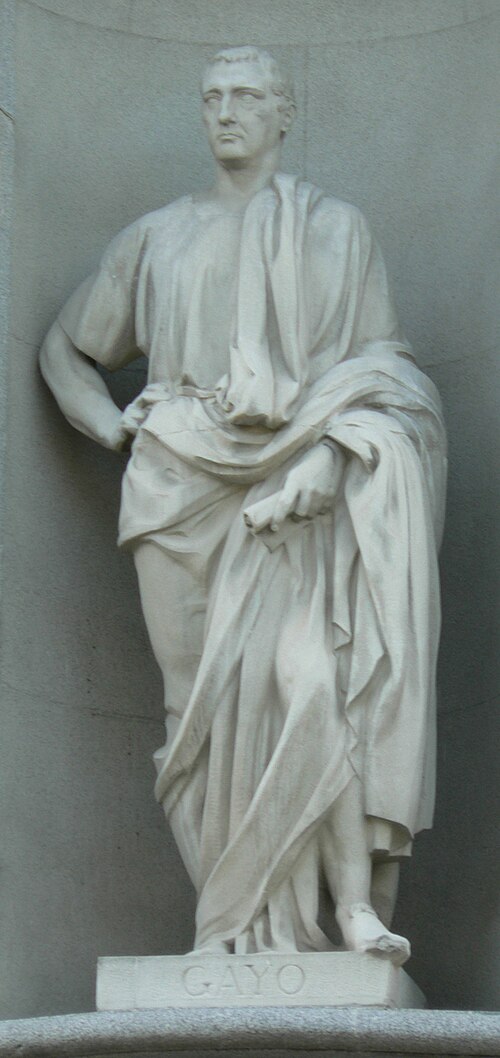
130 - 179 - Gaius (All Facts)
Roman Jurist
Composed his famous “Institutes,” a monumental record of law in the Roman Empire
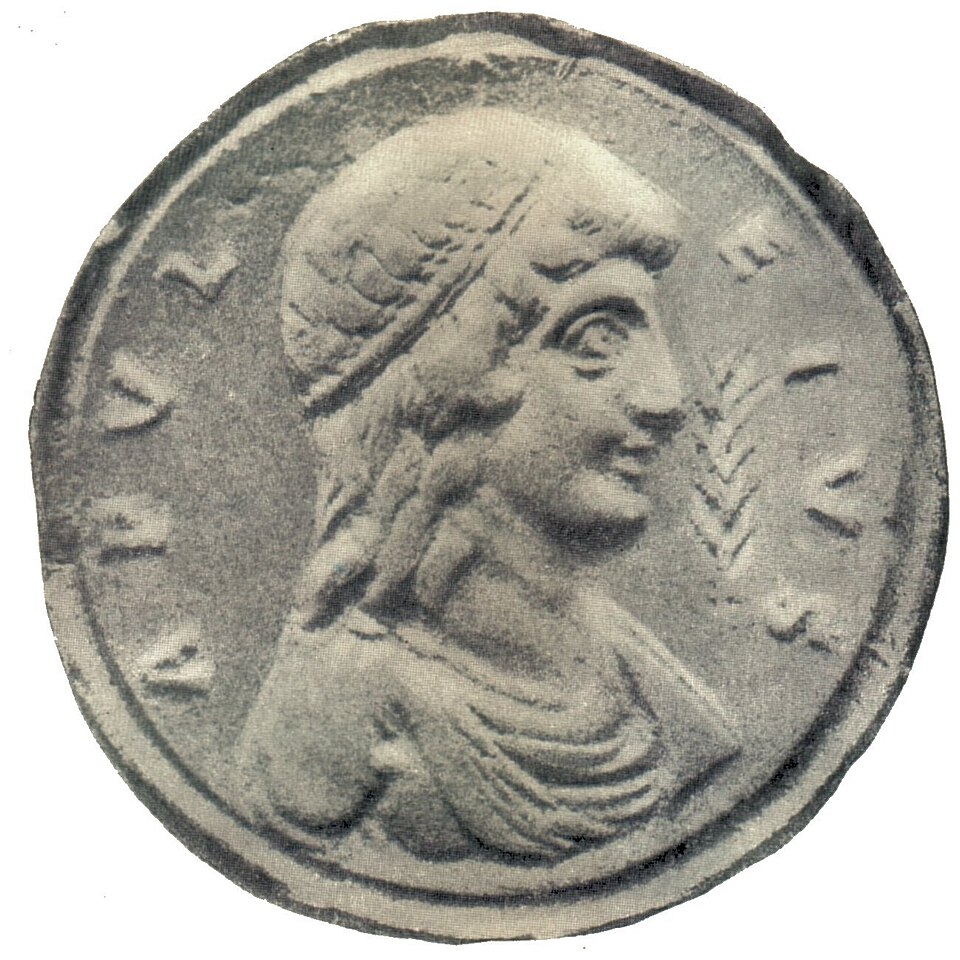
124 - 190 - Apuleius (All Facts)
Roman Writer and author
Born in Numidia in the province of Africa
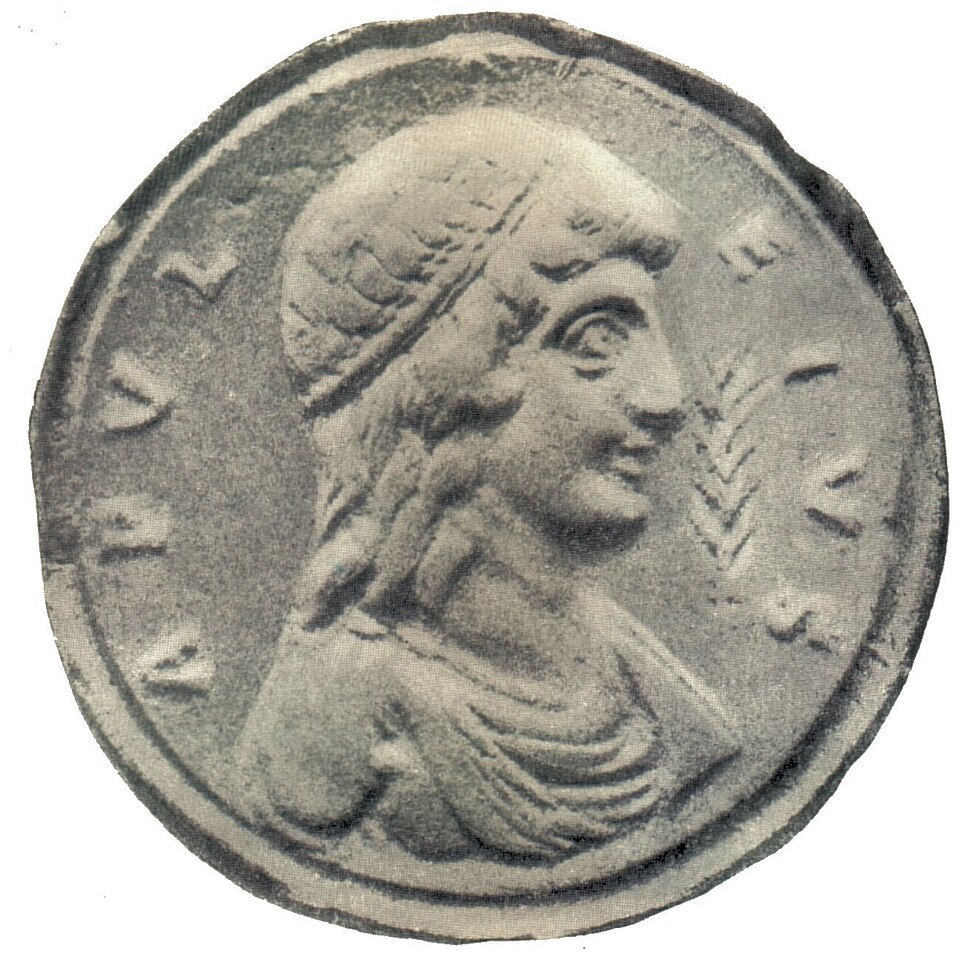
124 - 190 - Apuleius: The Golden Ass (All Facts)
Tale about Lucius, who is accidentally turned into the namesake creature and goes through a series of adventures in which sex, magic, comedy, and filth are mixed with great elegance
Tale which ends when Lucius vows to serve the goddess Isis and becomes human again as a result
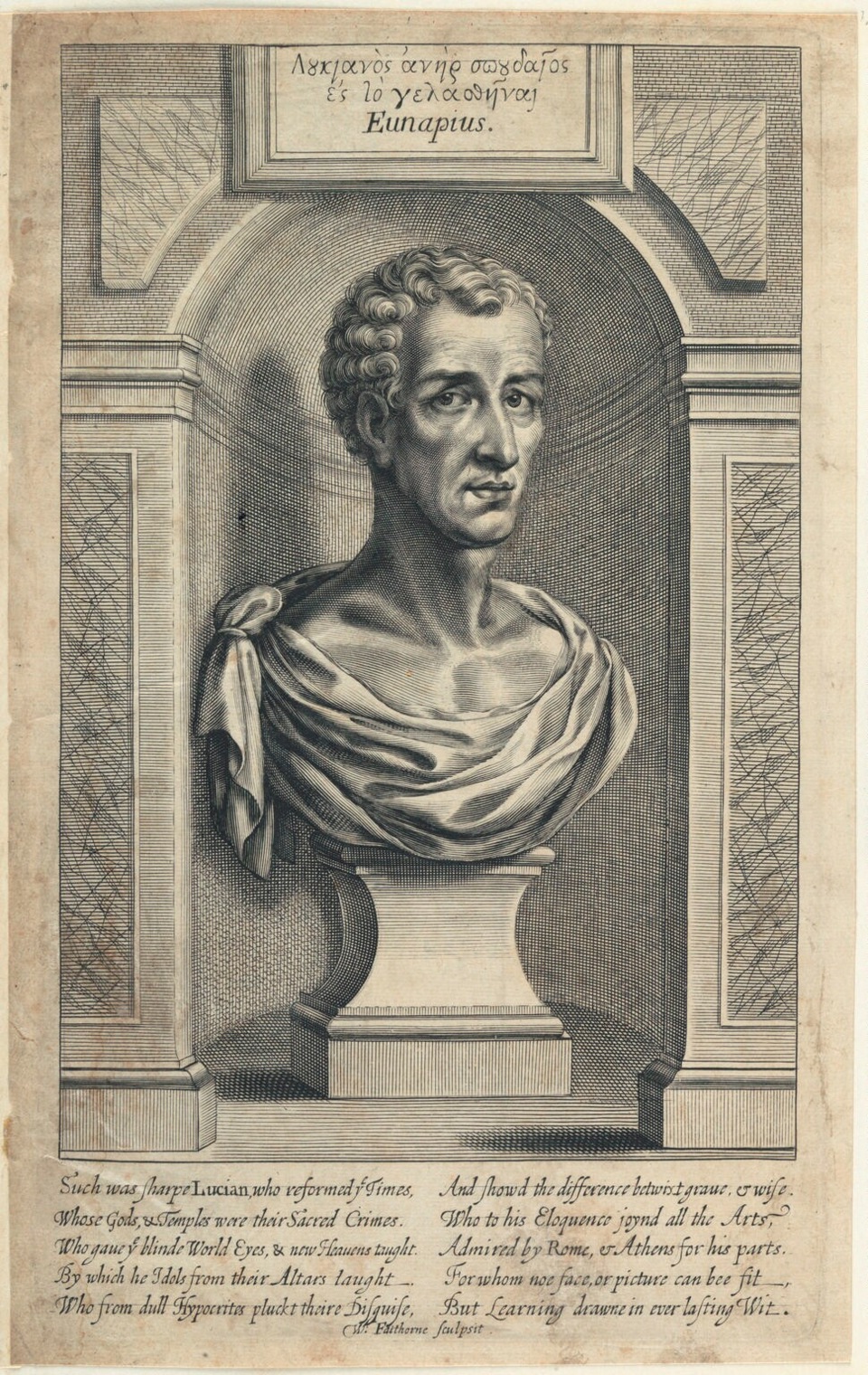
125 - 180 - Lucian (All Facts)
Amusing satirist who wrote nearly 60 works
Developed a new literary form which made him famous: the humorous dialogue
He wrote dialogues of
The dead
The gods and nymphs
A young prostitute and her mother
His dialogues were considered shocking for his time
He mocked belief in the gods of Olympus and in Hades
He made his living as a travelling reciter
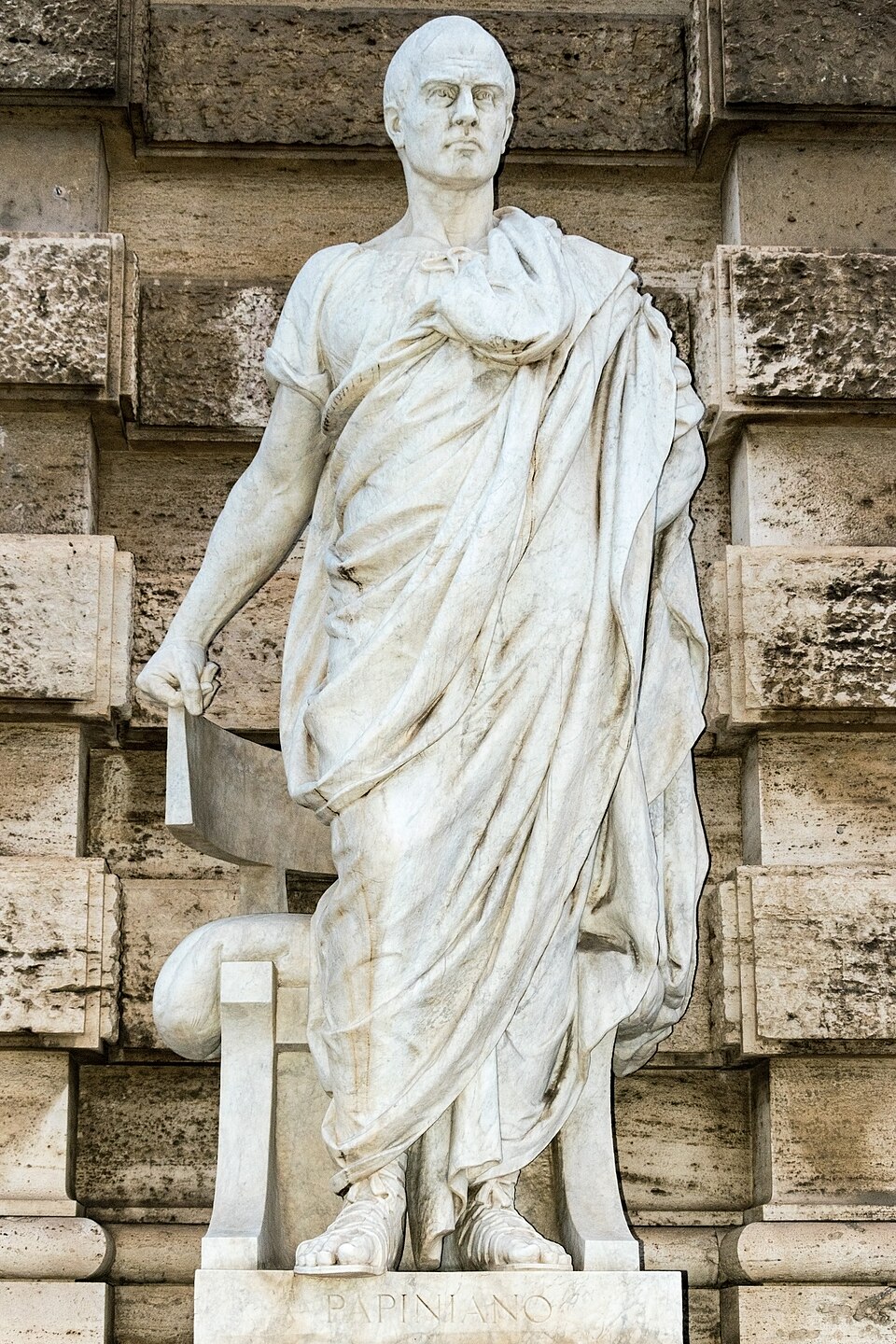
142 - 212 - Aemilius Papinianus “Papinian” (All Facts)
Jurist
Published doctrinal analyses including “Quaestiones” and “Responsa,” which link law and humanism
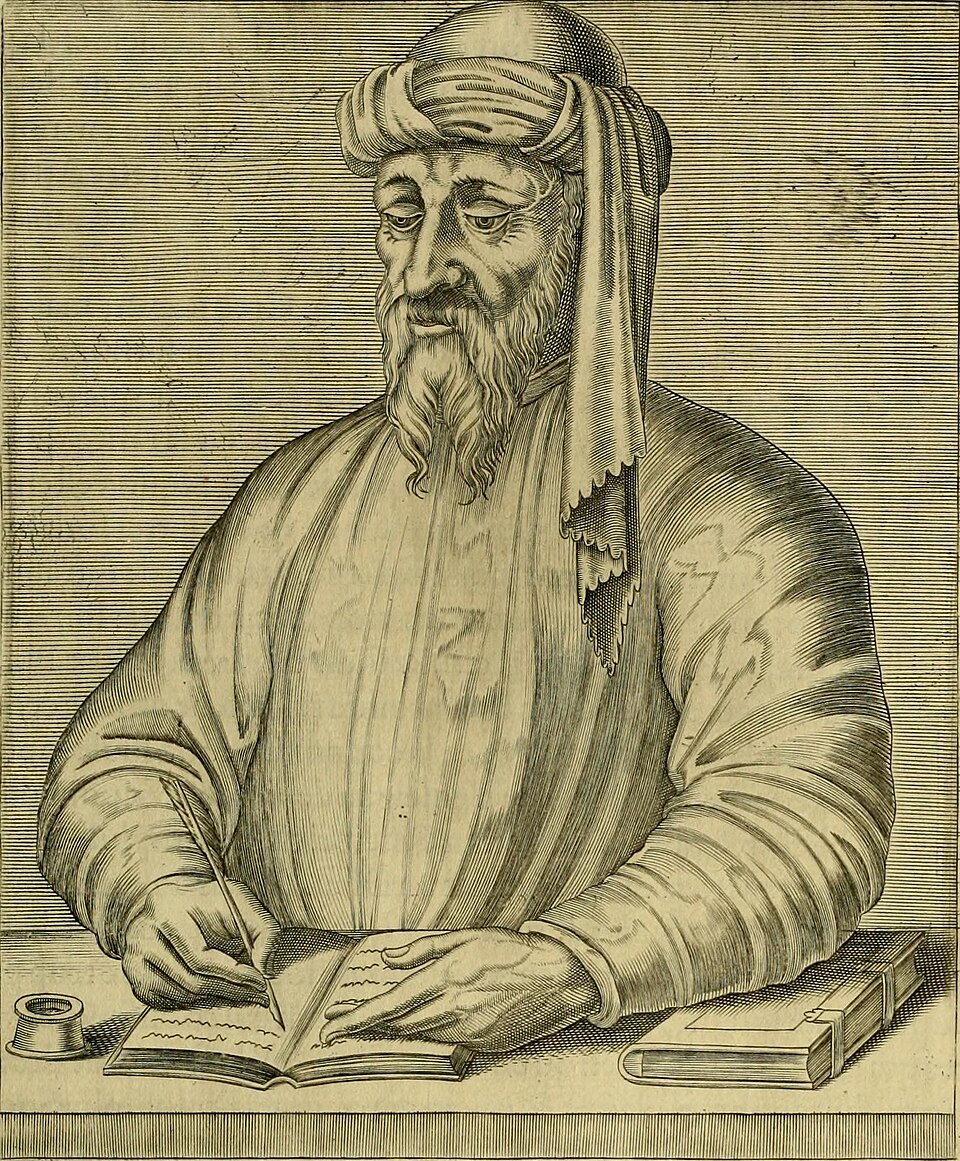
234 - 305 - Porphyry (All Facts)
Roman Writer
He wrote on the lives of Plotinus and Pythagoras
He wrote on Homer
He wrote on grammar
He wrote commentaries on Plato, Aristotle, and Ptolemy
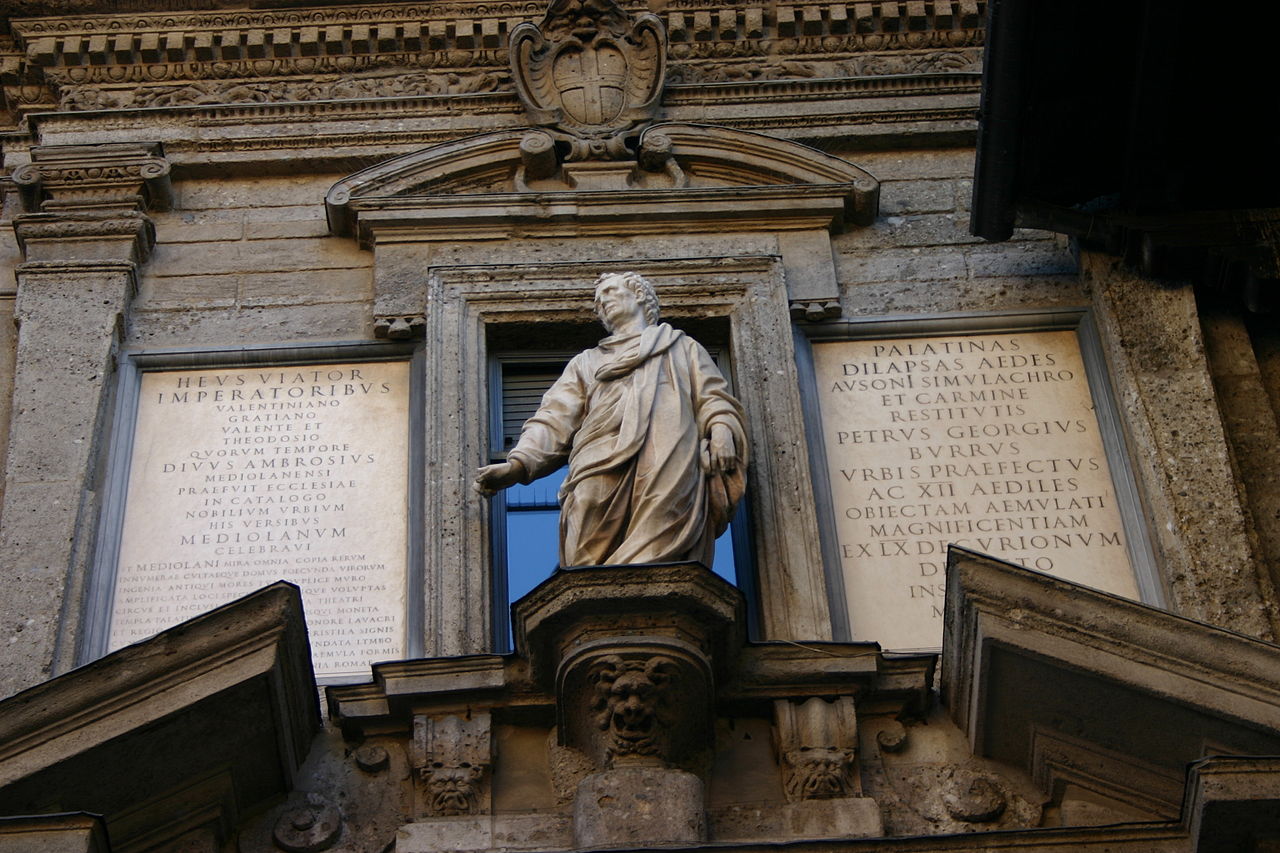
310 - 395 - Decimus Magnus “Ausonius” (All Facts)
Roman Poet who was also made Roman Consul Roman Emperors Gratian and Theodosius
He served as Emperor Gratian’s tutor
He taught for 30 years in his native Bordeaux
He was famous for his epigrams, idylls, and letters in verse and prose
330 - 400 - Ammianus Marcellinus (All Facts)
Greco-Roman historian
330 - 400 - Ammianus Marcellinus: Res Gestae (All Facts)
Work in which the namesake author writes on the history of Rome from 96 to 378
It was modelled off of work done by the earlier Roman historian Tacitus
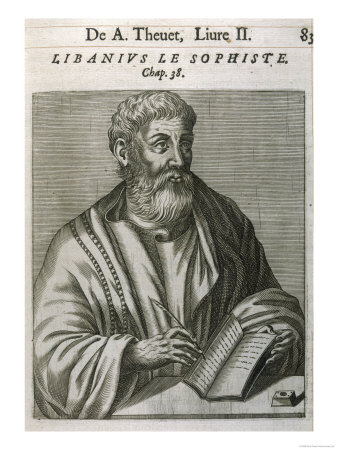
314 - 393 - Libanius (All Facts)
Roman Orator, Rhetorician, and Teacher
Friend of the Roman Emperor Julian
He was the mouthpiece of the pagans
Made an impassioned speech at Antioch “in defense of the temples”
His struggle against anti-pagan legislation proved to be totally unsuccesfull
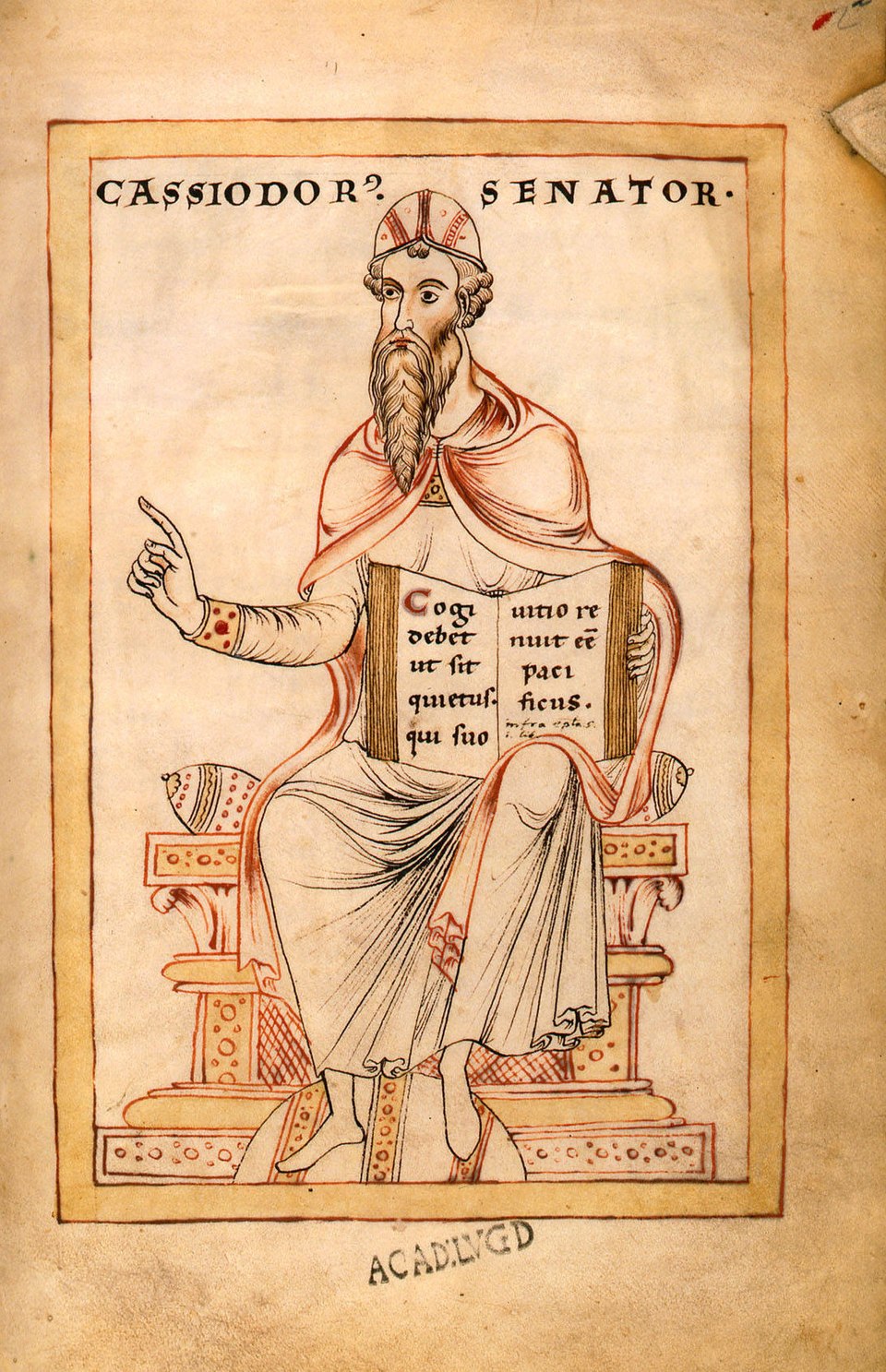
485 - 585 - Cassiodorus (All Facts)
Byzantine Scholar during the reign of Justinian the Great who founded his famous “Vivarium”
He left a series of his literary, grammatical, and historical works there
Many classical works survived in his library and were copied, along with his own works, by future monks
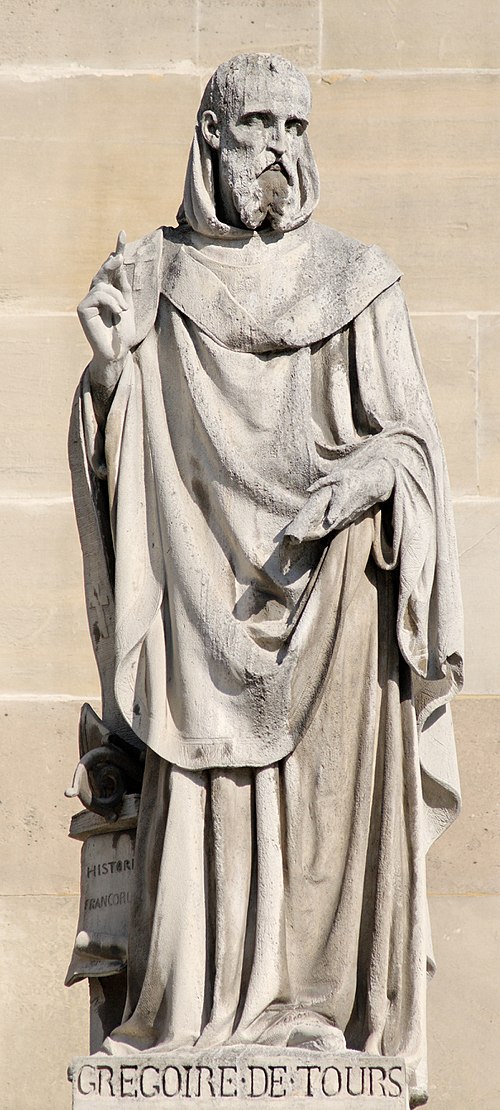
590 - 604 - Bishop Gregory of Tours: History of the Franks (All Facts)
Work which records the reigns and events of the Frankish sovereigns and their ancestors in vivid detail, it was one of the few sources of the period which the namesake author worked on for 20 years