BFOR-205 (Intro to Database Systems) Exam 1 Flashcards
 Call Kai
 Learn
Learn Practice Test
 Spaced Repetition
 Match
Match Flashcards
 Knowt Play
1/24

There's no tags or description
Looks like no tags are added yet.
Name | Mastery | Learn | Test | Matching | Spaced | Call with Kai | Chat |
|---|
No analytics yet
Send a link to your students to track their progress
25 Terms
Entity
Noun (object, person, place, thing, or concept) of which data is being maintained for in the system

Attribute
Individual characteristic(s) within an entity
Entity Strengths
Strong Entity
Weak Entity
Associative Entity
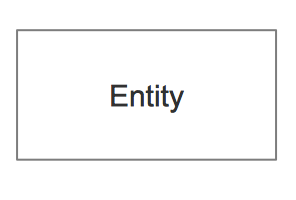
Strong Entity
Can exist independently
Contains unique identifier (underlined)
Drawn with single line
Weak Entity
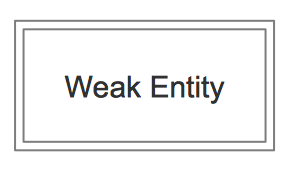
Cannot exist on its own; dependent on strong entity
Partial identifier; does NOT have unique identifier
Drawn with double lines
Associative/Bridge Entity
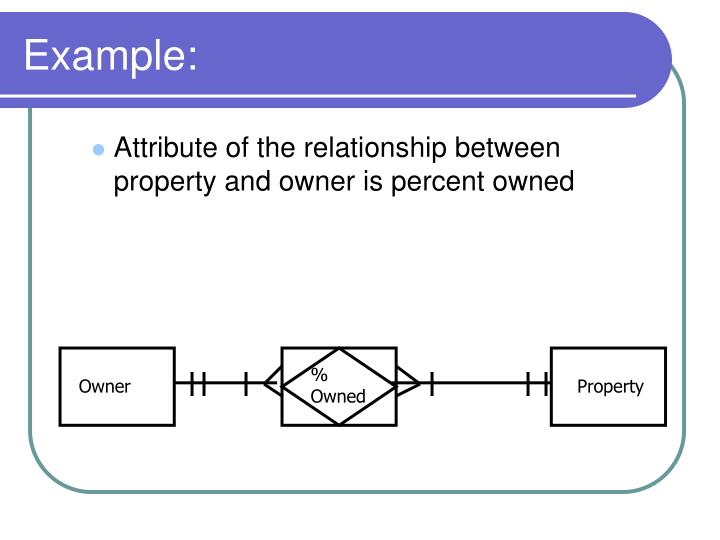
Resolves a many-to-many relationship by turning it into multiple one-to-many relationships, by combining primary keys (composite)
Entity Type
Collection of similar entities that share the same attributes
Entity Instance
Single occurrence of entity type
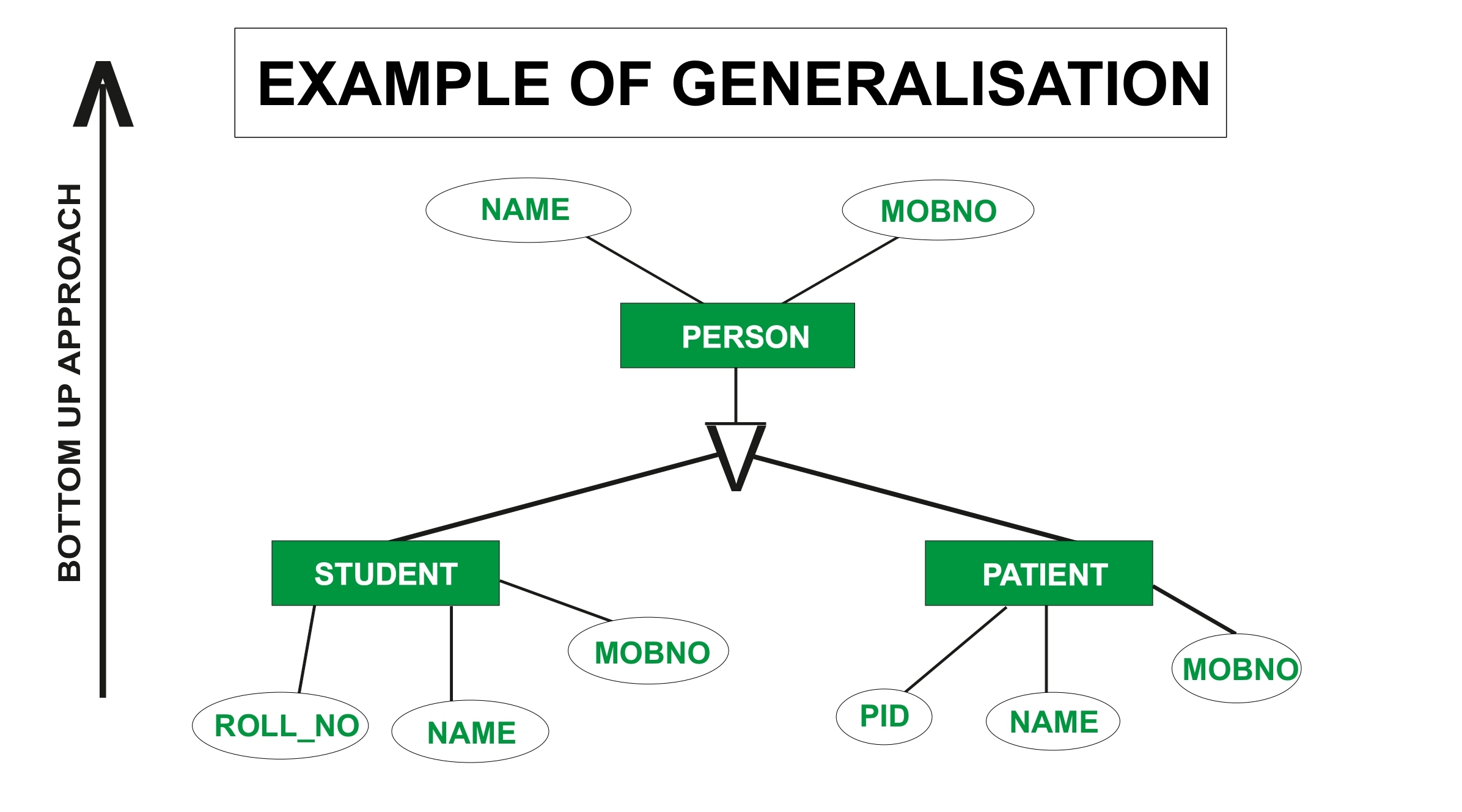
Generalization
Bottom-up
Defines a more general entity type (supertype) from set of specialized entities
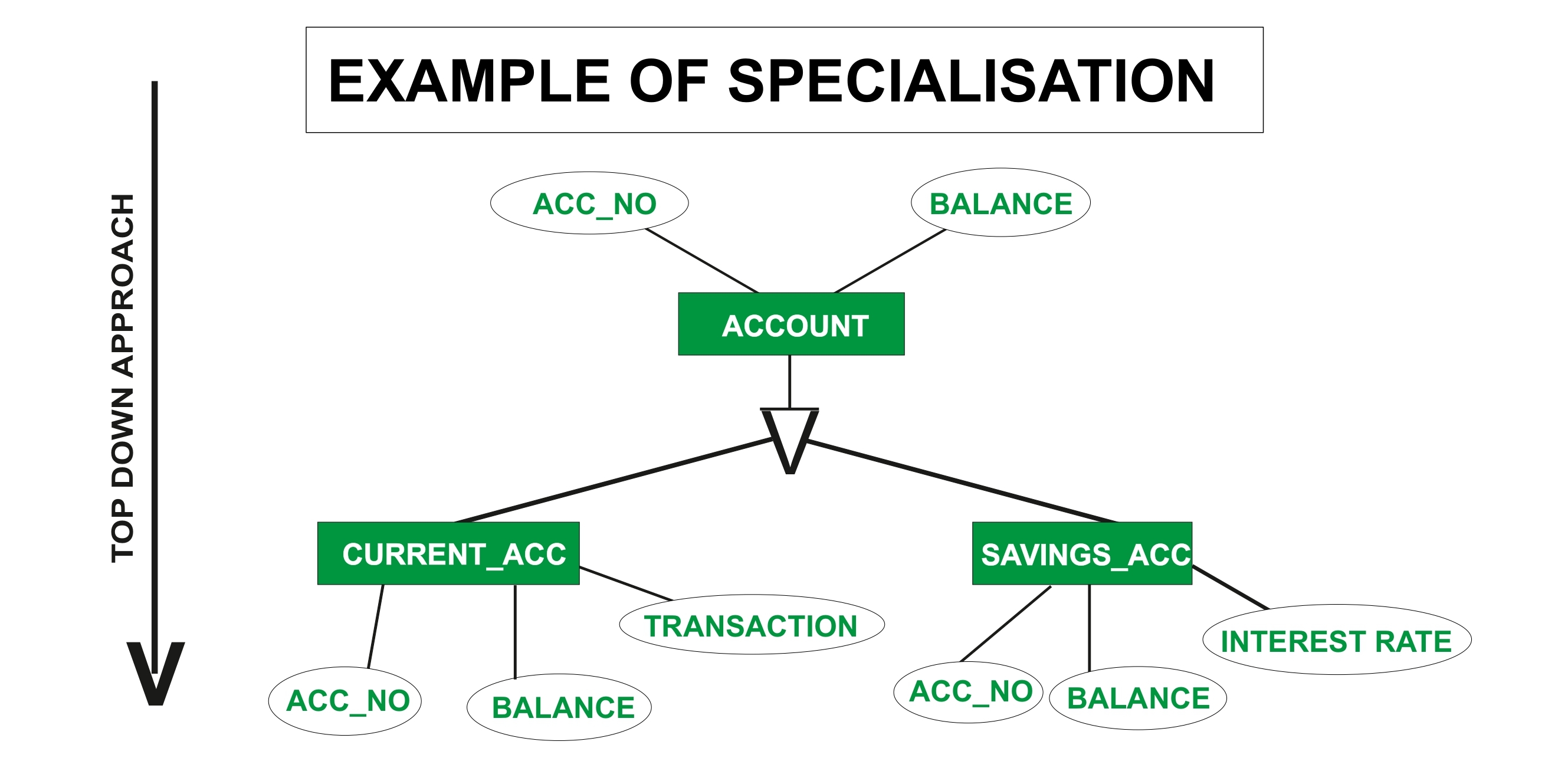
Specialization
Top-down
Defines one or more specialized entities (subtypes) based on supertype
Primary Key
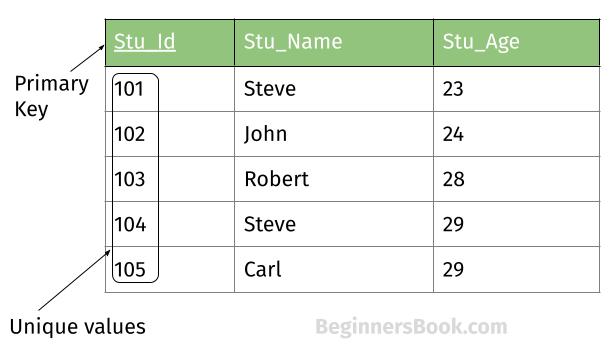
Unique identifier for each record of an entity
No duplicates (ex. StudentID can only belong to one person)
Cannot be NULL
Foreign Key
Points to primary key in another table to establish a relationship
Can have duplicates (ex. one customer can have multiple orders)
Can be NULL

Partial Identifier
Identifies weak entity WHEN combined with primary key of the owner strong entity
represented with double underline
Types of Cardinalities
Mandatory One
||—————||
Mandatory Many
>|—————|<
Optional One
|o————o|
Optional Many
>o————o<
Completeness Constraint
Determines whether supertype must also be member of at least one subtype
Disjointness Constraint
Determines whether supertype may simultaneously be a member of multiple subtypes