Advanced higher chemistry unit 2
 Call Kai
 Learn
Learn Practice Test
 Spaced Repetition
 Match
Match Flashcards
 Knowt Play
1/31

There's no tags or description
Looks like no tags are added yet.
Name | Mastery | Learn | Test | Matching | Spaced | Call with Kai | Chat |
|---|
No analytics yet
Send a link to your students to track their progress
32 Terms
chemical reaction in equilibrium
when compositions of reactants and products remain constant indefinitely
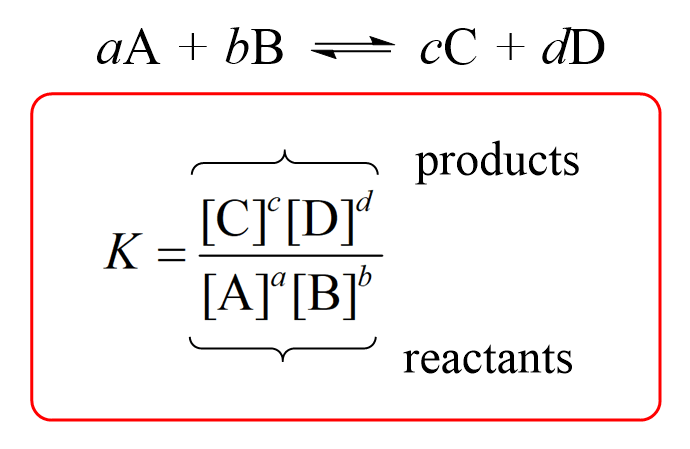
general reaction and equation for equilibrium constant ( K ) for equilibrium composition of general reaction
what does value of equilibrium indicate and effect of pressure or concentration
position of equilibrium
equilibrium constants are independent of the concentration or pressure of species in a given reaction
numerical value of equilibrium constant depends on what
reaction temperature
for endothermic reactions a rise in temperature causes an increase in K so yield of the product is increased
for exothermic reactions rise in temperature causes decrease in K so yield of the product is decreased
the presence of catalyst dosent affect equilibrium constant value
what occurs between water and aqueous solutions
there is equilibrium between water molecule and hydronium ( hydrogen ) and hydroxide ions
hydronium ion/hydrated proton = H3O+ (aq) or H+ (aq)
water is amphoteric react as acid and base

equation ionisation of water

dissociation constant for ionisation of water
ionic products Kw
value of ionic product at room temperature
Kw is 1 × 10^-14
relationship between pH and hydrogen ion concentration

water and aqueous solutions pH 7 concentration of H3O and OH are what
10^-7 at room temp
how concentration of other ion calculated if OH or H3O is known
using Kw or using pH + pOH = 14
bronstead definition of acid and base
acid is proton donor
base is proton acceptor
conjugate acid and base
for every acid there is a conjugate base formed by loss of proton
for every base there is conjugate acid formed by gain of proton
strong and weak acid and bases
strong acid and bases are completely dissociated into ions in aqueous solution
weak acid and base only partially dissociated into ions in aqueous solutions
example of strong and weak acid and base
strong acid/ base - hydrochloric sulfuric nitric metal hydroxide
weak acid/base - ethanoic carbonic sulfurous ammonia amine
equation for acid dissociation constant ( Ka)

Ph of weak acid equation

salts produced by weak or strong acid and base
soluble salt of strong acid strong base dissolves in water to produce neutral solution
soluble salt of weak acid strong base dissolve in water to produce alkanline solution
soluble salt of strong acid weak base dissolve in water to form acidic solution
buffer solution
pH remains approximately constant when small amounts of acid base or water is added
acid buffer
solution of weak acid and one of its salts made from strong base
weak acid provides hydrogen ion when these are removed by addition of small amount of base
salt of weak acid provides conjugate base which can absorb excess hydrogen ions produced by addition of small amount of acid
basic buffer
solution of weak base and one of its salts
solution of weak base removes excess hydrogen ions and the conjugate acid provided by salt supplies hydrogen ions when these are removed
pH of acid buffer calculation from composition from acid dissociation constant

weak acid or indicator dissociation and equation
Hin ( AQ ) + H2O (L) - H3O+ (AQ) + Ln^- (AQ)

indicators ( weak acid )
in aqueous solutions colour of acid indictaor is distinctly different from that of its conjugate base
colour indicator determined by ratio of (Hln) to (In-)
theorterical point at which colour change is when (H+)=KIn
colour change is assumed to be distinguishable when (HIn) and (In-) differ by factor of 10
pH range over which colour change occurs estimated by expression pH= pKIn ± 1
standard enthalpy of formation triangleHf and equation
enthalpy change is when one mole of substance is formed from its elements in their standard states
standard state of substance is its most stable state at the pressure of 1 atmosphere and specified temperature usually 298 K

entropy ( S )
measure of degree of disorder of the system
greater degree of disorder the greater the entropy
solids have low degree of disorder gases have high disorder
entropy increase as temp increase
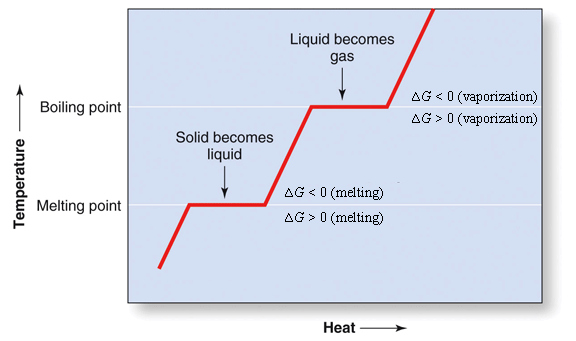
rapid increase of entropy at melting point of substance and an even more rapid and larger change in entropy at boiling point
second and third law of thermodynamics ( equation of standard change entropy )
2nd law states total entropy of reaction system and its surrounding always increases for spontaneous process
heat energy released by reaction system into surroundings increases entropy of surroundings whereas heat absorbed by reaction system from surroundings decreases entropy of surroundings
third law states entropy of perfect crystal at 0k is 0
standard entropy of substance is entropy value for substance in standrad state

change in free energy
if change in free energy is negative a reaction may occur and reaction is feasible
feasible reaction is one tends towards products rather than reactants dosent give any indication of rate of reaction
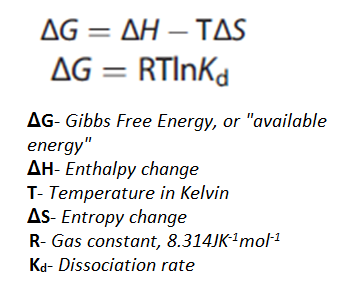
Standard free energy change for reaction
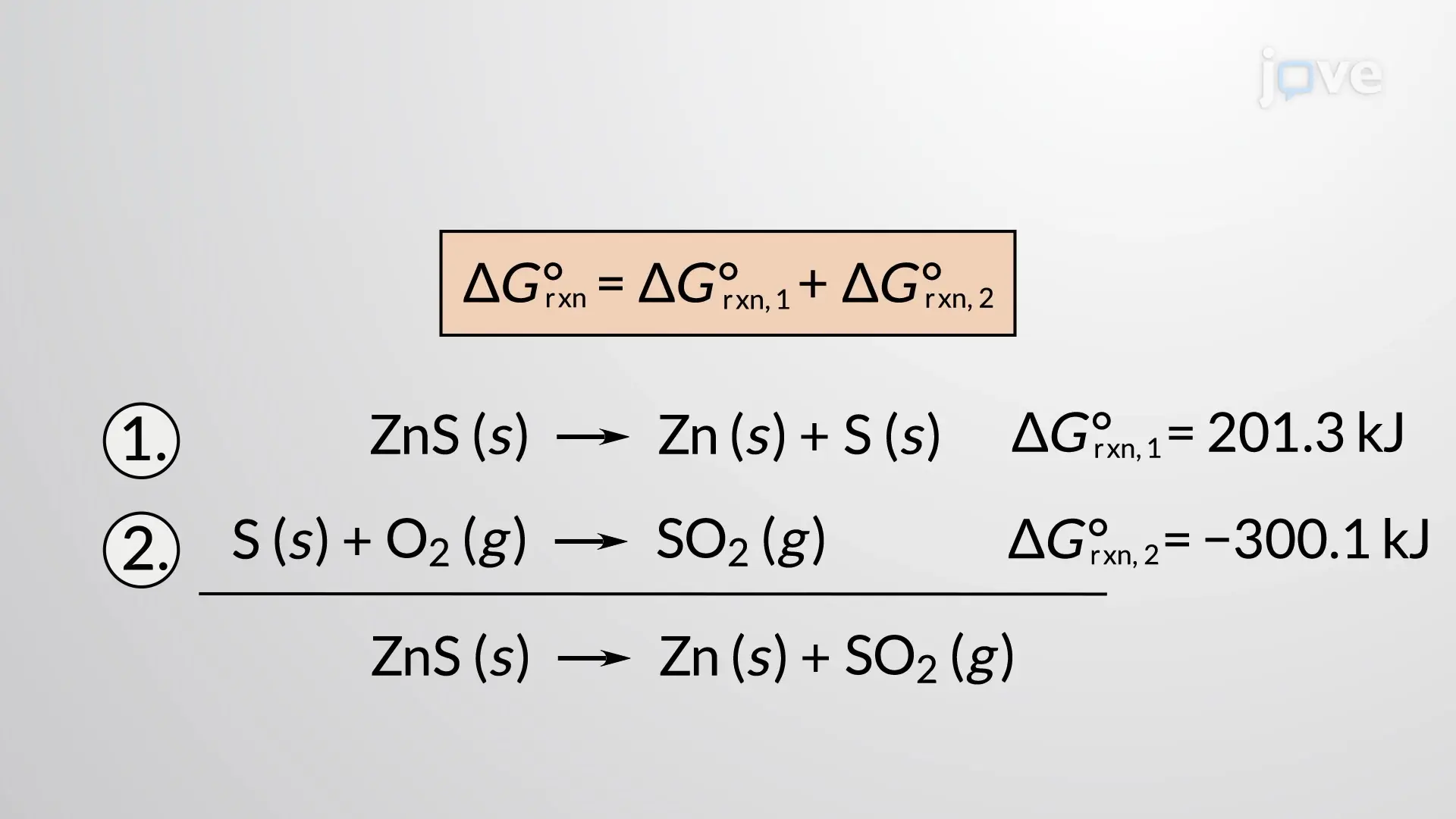
what happens at equilibrium at deltaG=0
reaction will proceed spontaneously in forward direction until the composition is reached where deltaG=0
orders of reaction and summary of units
rate of reaction normally depends on concentrations of reactants
used to relate rate to reacting species
0= mol l -1 s -1
1= s-1
2= mol-1 l s-1
3= mol-2 l-2 s-1

reaction mechanisms
reactions usually occur by series of steps called reaction mechanism
rate dependent on slowest step called rate determining step
experimentally determined rate equation provide evidence for proposed reaction mechanism