Princeton AP Psych 22nd: Unit 2: Cognition
 Call Kai
 Learn
Learn Practice Test
 Spaced Repetition
 Match
Match Flashcards
 Knowt Play
1/136

There's no tags or description
Looks like no tags are added yet.
Name | Mastery | Learn | Test | Matching | Spaced | Call with Kai | Chat |
|---|
No analytics yet
Send a link to your students to track their progress
137 Terms
perception
the way in which we recognize, interpret, and organize our sensations
perceptual processes
how our mind interprets these stimuli
bottom-up processing
Achieves recognition of an object by breaking it down into its components parts
Relies heavily on the sensory receptors
The brain’s analysis and acknowledgment of the raw data
top-down processing
Occurs when the brain labels a particular stimulus or experience
The expectation based on experience influences the perception of the subject
Can be a factor in optical illusions when people see what they expect to see rather than what is actually in front of them
schema
an organized unit of knowledge for a subject or event based on past experience
guide our perception of the world around us
perceptual set
a mental predisposition or readiness to perceive stimuli in a particular way based on previous experiences, expectations, beliefs, and context
Gestalt approach
a school of psychology, and a theory of perception, that emphasizes psychologically processing entire patterns (and "configurations"), not merely individual components of situations or events separately
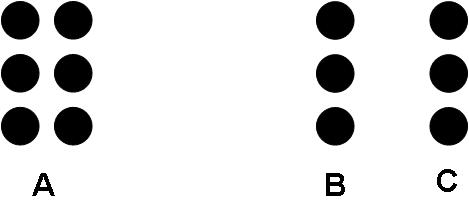
proximity
the tendency to see objects near each other as forming groups
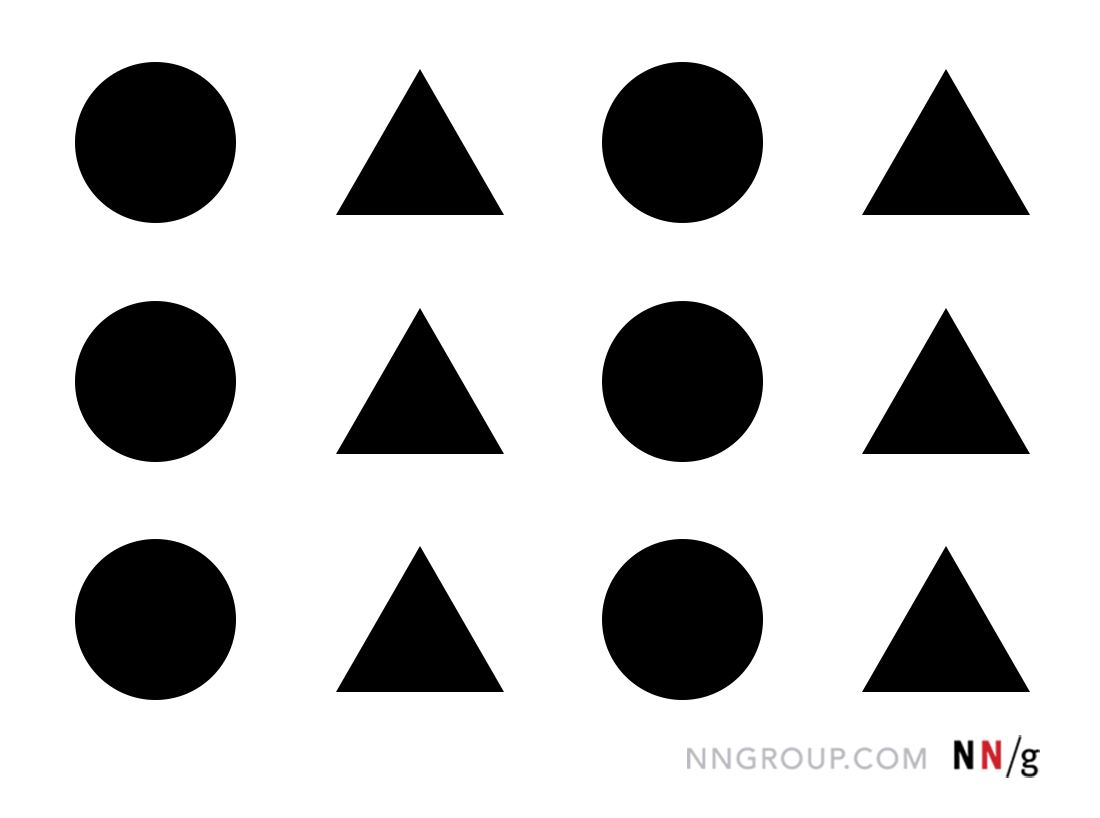
similarity
the tendency to prefer grouping like objects together
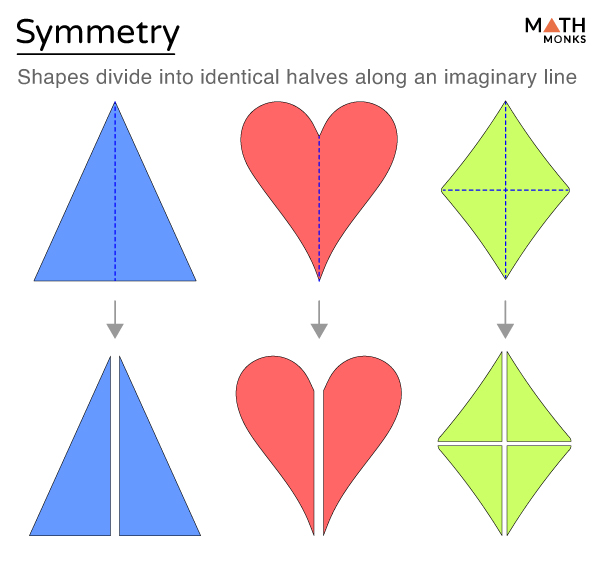
symmetry
the tendency to perceive forms that make up mirror images
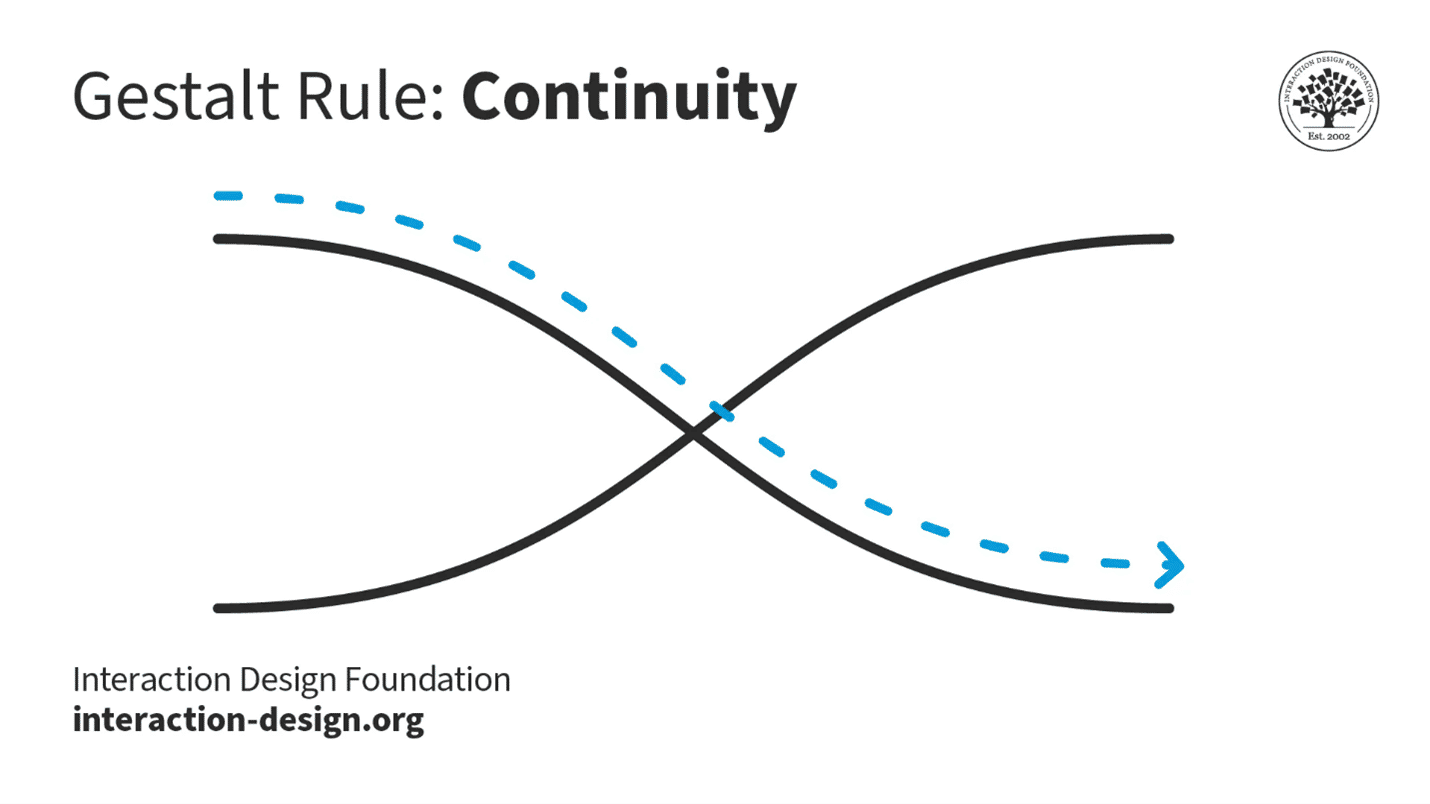
continuity
the tendency to perceive fluid or continuous forms, rather than jagged or irregular ones
closure
the tendency to see closed objects rather than those that are incomplete

Law of Pragnanz
suggests that we tend to see objects in their simplest forms
feature detector approach
positing that organisms respond to specific aspects of a particular stimulus
attention
the processing through cognition of a select portion of the massive amount of information incoming from the senses and contained in memory
selective attention
focusing on one thing while ignoring another
attentional resource theories
posit that we have only a fixed amount of attention, and this resource can be divided up as is required in a given situation
filter theories
propose that stimuli must pass through some form of screen or filter to enter into attention; Donald Broadbent
cocktail party phenomenon
wherein a person can carry on and follow a single conversation in a room full of them but also still have their attention quickly drawn to another conversation by a key stimulus, such as saying their name
shadowing
to repeat only one of the conversations
divided attention
trying to focus on more than one task at a time
inattentional/change blindness
when people focus too intently one specific stimuli, they can miss the bigger picture going on around them
binocular depth cues
the images taken in by both eyes to give depth perception, or stereopsis
retinal disparity
each eye sees a given image from a slightly different angle
stereoptic
making images appear three-dimensional
retinal convergence
a depth cue that results from the fact that your eyes must turn inward slightly to focus on near objects; the closer the object, the more the eyes must turn inward
binocular disparity
results from the fact that the closer an object is, the less similar the information arriving at each eye will be
visual perception
the ability to see and interpret one's visual environment
monocular depth cues
the qualities of a visual scene that let you know how close or how far things are from you, using just one eye
relative size
the fact that images that are farther from us project a smaller image on the retina than do those that are closer to us

texture gradient
textures appear to grow more dense as distance increases

interposition
occurs when a near object partially blocks the view of an object behind it
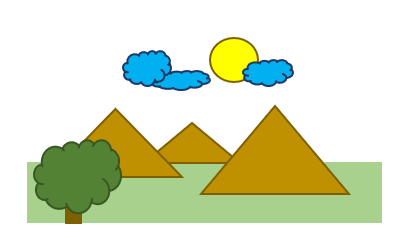
linear perspective
a monocular cue based on the perception that parallel lines seem to draw closer together as the lines recede into the distance
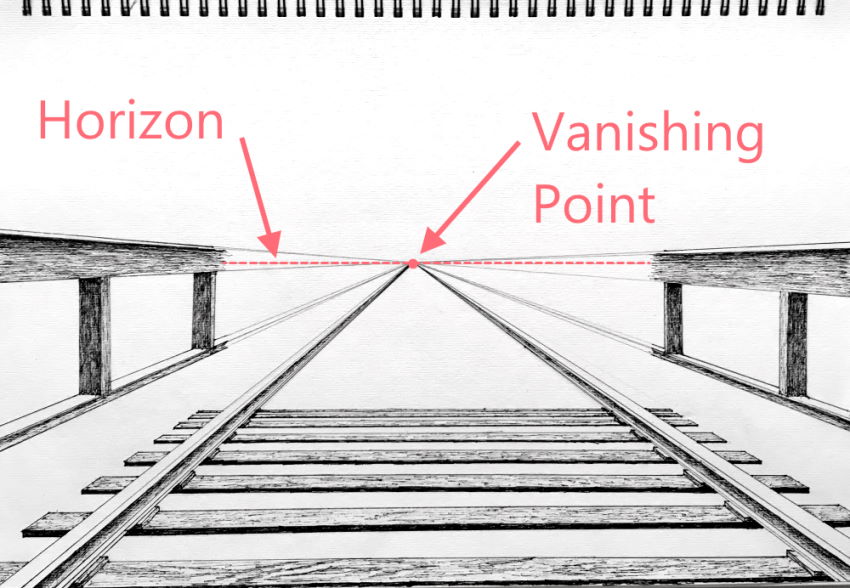
vanishing point
the place where the rails seem to join
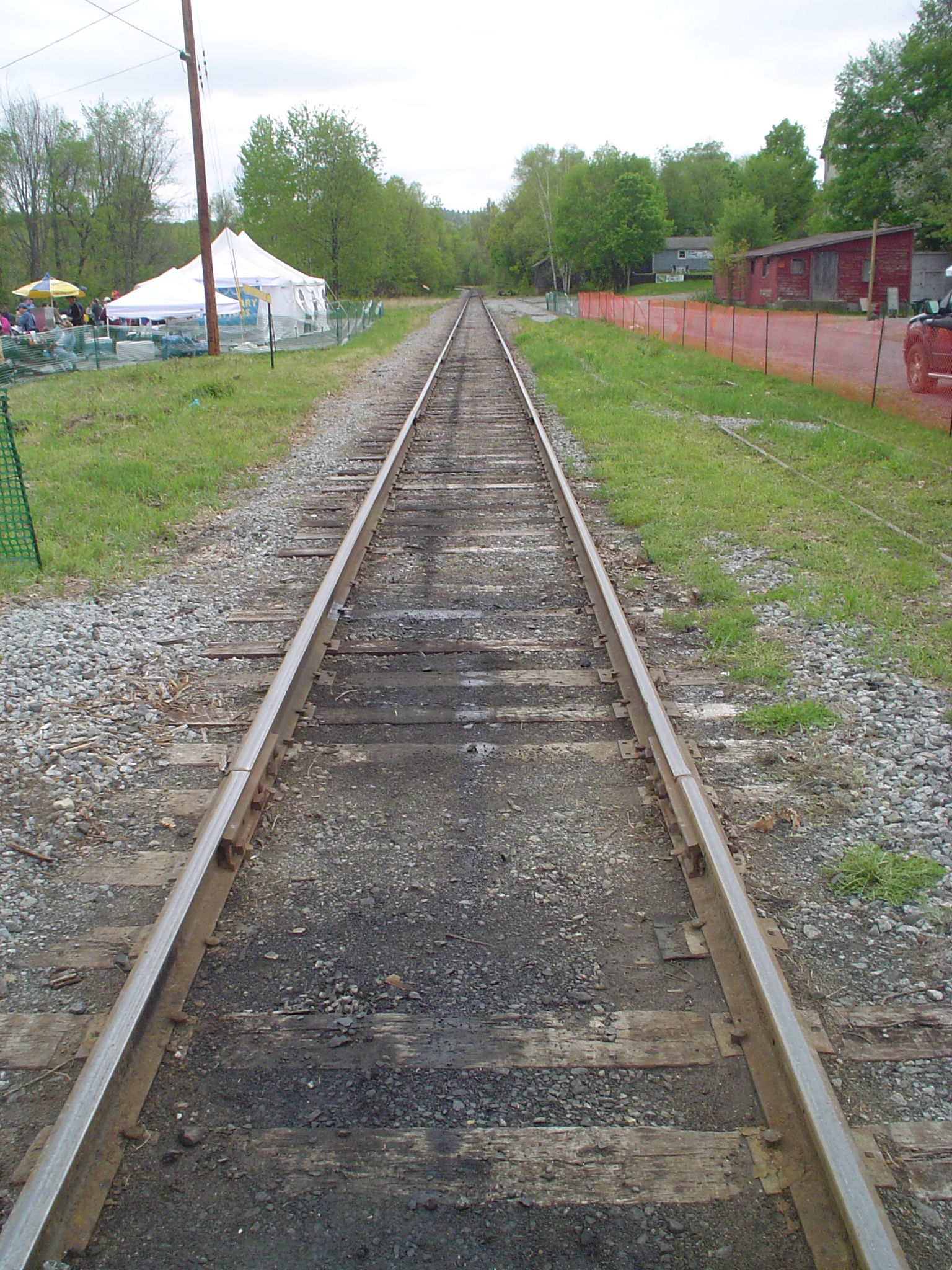
relative clarity
a perceptual clue that explains why less distinct, fuzzy images appear to be more distant

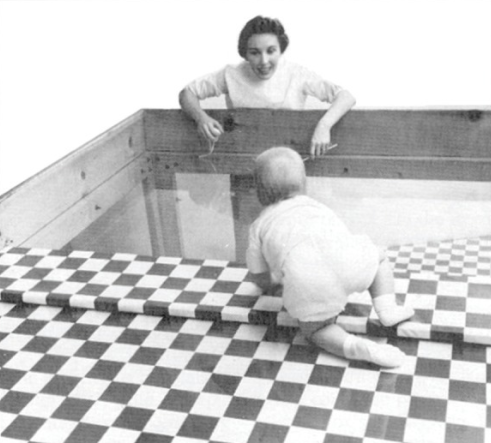
visual cliff
a simple and inexpensive apparatus to test visual acuity and depth perception
constancy
we know that a stimulus remains the same size, shape, brightness, weight, and/or volume even though it does not appear to
motion detection
Records the changing position of an object as it moves across the retina
Tracks how we move our heads to follow the stimulus
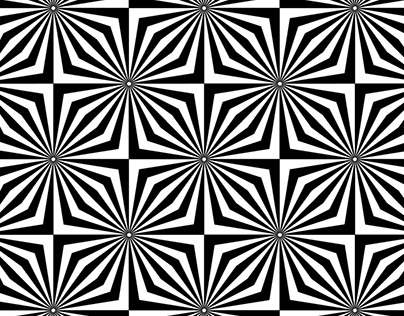
apparent motion
an optical illusion of motion produced by viewing a rapid succession of still pictures of a moving object
phi phenomenon
an optical illusion that leads the brain to see a moving object from a series of images; blinking lights on a roadside arrow

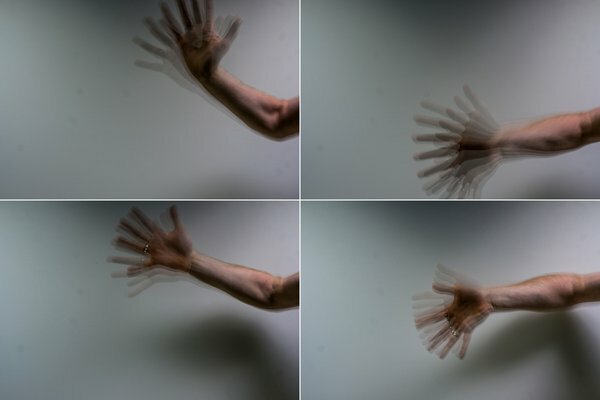
stroboscopic effect
the optical effect where objects appear to move at a slower speed than reality
autokinetic effect
a phenomenon of visual perception in which a stationary, small point of light in an otherwise dark or featureless environment appears to move
concept
a way of grouping or classifying the world around us
typicality
the degree to which an object fits the average
prototype
the typical picture that we envision
exemplar
a person, a place, an object, or some other entity that serves as a predominant example of a given concept
superordinate concept
very broad and encompasses a large group of items, such as the concept of “food”
basic concept
smaller and more specific—-for example, “bread”
subordinate concept
even smaller and more specific, such as “rye bread”
heuristics
intuitive rules that may or may not be useful in a given situation
availability heuristic
the conclusion is drawn from what events come readily to mind (e.g. many people mistakenly believe that air travel is more dangerous than car travel because airplane crashes are so vividly and repeatedly reported
representativeness heuristic
we judge objects and events in terms of how closely they match the prototype of that object or event (e.g. many people view high school athletes as less intelligent)
algorithms
systematic, mechanical approaches that guarantee an eventual answer to a problem
confirmation bias
the search for information that supports a particular view, hinders problem-solving by distorting objectivity
hindsight bias
the tendency after the fact to think you knew what the outcome would be, also distorts our ability to view situations objectively
belief perseverance
a person sees only the evidence that supports a particular position, despite evidence presented to the contrary
framing
the way a question is phrased, can alter the objective outcome of problem-solving or decision-making
subliminal perception
a form of preconscious processing that occurs when we are presented with stimuli so rapidly that we are not consciously aware of them
priming
a phenomenon in which exposure to one stimulus influences how a person responds to a subsequent, related stimulus (e.g. word association (recognizing "nurse" faster after seeing "doctor"), color cues (thinking of a banana after seeing yellow), and pricing anchors in stores)
gambler’s fallacy
thinking that a certain event is more or less likely based on a series of events
leads to errors because each event should be considered independent and does not influence other events
sunk cost fallacy
the tendency for people to continue doing something even when abandoning it would be more beneficial
executive functions
the cognitive processes in the brain that allow people to generate, organize, plan, and carry out goal-directed behaviors
divergent thinking
a creative thought process that generates multiple unique ideas or solutions from a single starting point in a free-flowing, non-linear manner
convergent thinking
requires narrowing of many choices available
creativity
the process of producing something novel yet worthwhile
declarative/explicit memory
a memory a person can consciously consider and retrieve, such as episodic and semantic memory
episodic memory
our memory for events that we ourselves have experienced
semantic memory
comprises facts, figures, and general world knowledge
nondeclarative/implicit memory
beyond conscious consideration and would include procedural memory, priming, and classical conditioning
procedural memory
consists of skills and habits; because these memories are stored in the striatum, these memories are less likely to be lost to injury or damage
prospective memory
refers to remembering that one has to do something in the future
long-term potentiation
the persistent strengthening of connections between brain cells (neurons) when they are used repeatedly; involves both presynaptic and postsynaptic neurons
working memory
a workbench of sorts where our brains are actively manipulating sensory data for immediate use or encoding into long-term storage
iconic
information in sensory memory that is visual
echoic
information in sensory memory that is auditory
visual persistence
an optical illusion where the human brain and retina briefly hold an image for a fraction of a second (about 1/16 to 1/30 of a second) after the light source or object has gone
semantically encoded
encoded in the form of word meanings
visually encoded
the process of translating raw data or sensory input into visual elements, such as positions, shapes, sizes, and colors, so the human brain can process and remember it easily
acoustically encoded
processed in the brain through sound, tone, or rhythm
effortful processing
when we make a conscious effort to retain information
automatic processing
can occur unconsciously when we are engaged with well-practiced skills, like riding a bicycle
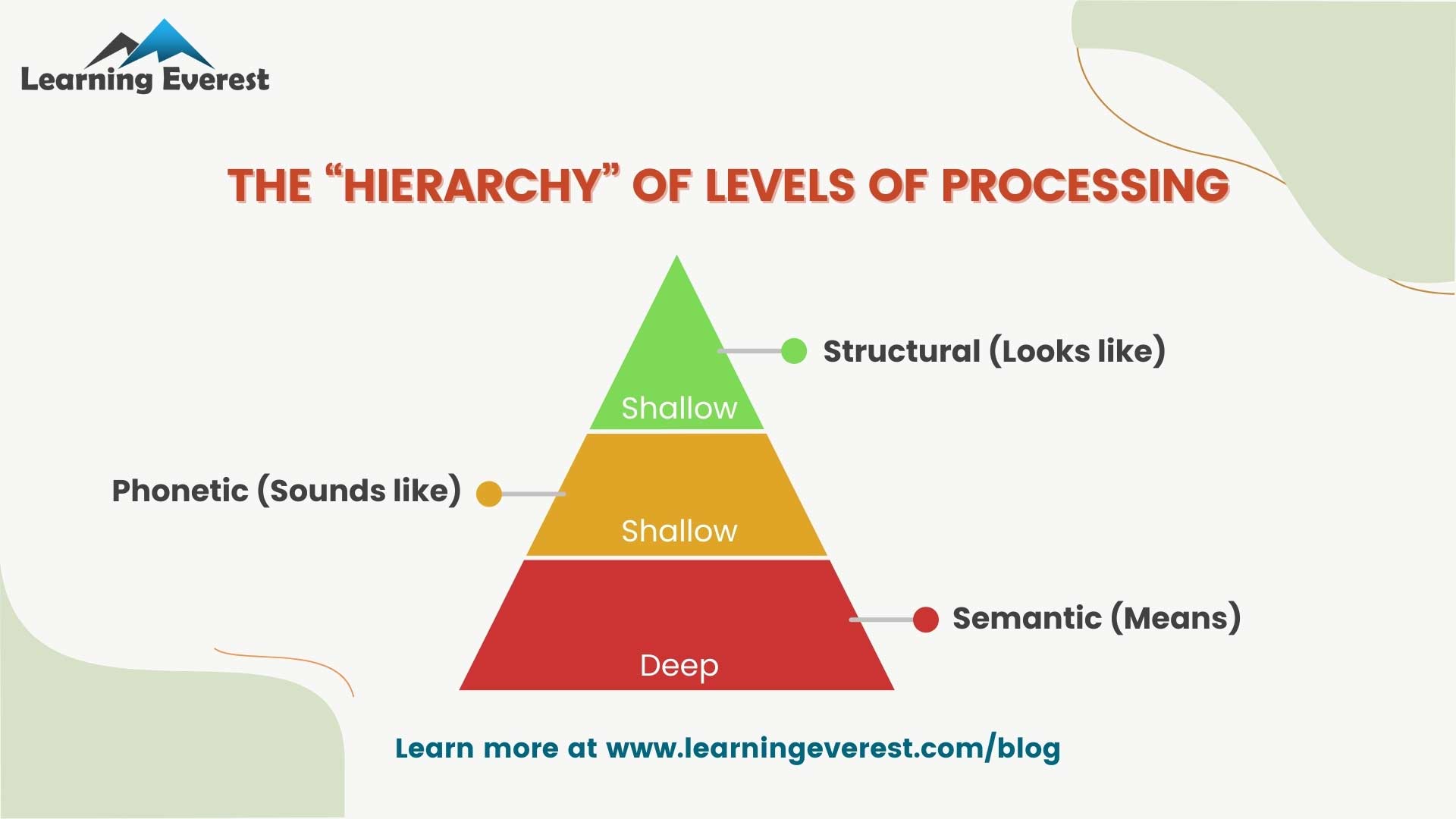
levels of processing model
a memory framework proposed by psychologists Fergus Craik and Robert Lockhart in 1972. It states that the durability and strength of a memory depend on the depth of cognitive analysis during encoding, rather than on how long information stays in separate short- or long-term memory stores
recognition memory
a more superficial level of remembering
Faces, names, voices, patterns
the strategy behind multiple choice tests
recall memory
deeper level processing and is the strategy underlying short answer or essay tests
mnemonic device
compressing information into a format that’s easier to recall, whether that’s a rhyme or a bunch of short words or phrases that represent longer strings of information
dual-coding hypothesis
indicates that it is easier to remember words with associated images than either words or images alone
method of loci
involves imagining moving through a familiar place, such as your home, and in each place, leaving a visual representation of a topic to be remembered. For recall, then, the images of the places could be called upon to bring into awareness the associated topics
self-reference effect
it is easier to remember things that are personally relevant
chunking
grouping items of information into units
spacing effect
describes how the time between study sessions can increase retention
distributed practice
where information is studied over time with intervals in between, leads to better recall than massed practice
massed practice
where material is encoded all at once
testing effect
refers to the finding that testing ourselves (or being tested) on material leads to better recall than simply restudying alone
metacognition
being aware of one’s own thinking processes
primacy effects
remembering the first items on a list
recency effects
remembering the last items on a list
serial position effect
our tendency to remember the first few and last few items in a list better than the ones in the middle
maintenance rehearsal
simple repetition to keep an item in short-term memory until it can be used
elaborative rehearsal
involves organization and understanding of the information that has been encoded in order to transfer the information to long-term memory
context-dependent memory
states that information is more likely to be recalled if the attempt to retrieve it occurs in a situation similar to the situation in which it was encoded