PNB Exam 3 flashcards part 1
 Call Kai
 Learn
 Practice Test
 Spaced Repetition
 Match
 Flashcards
 Knowt Play
1/58

There's no tags or description
Looks like no tags are added yet.
59 Terms
White vs Grey Matter

Tunneling nanotubes
membrane projections connecting neurons
ganglia
collection of neurons with same function in same physical space outside the CNS
CNS composition

Circuits
anatomical and functional connections between neurons
Multipolar neuron
common CNS neuron with single axon, short dendrites
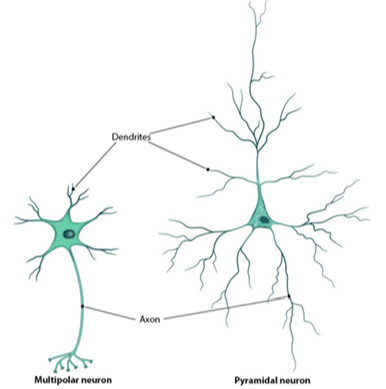
Pyramidal Neuron
common, largest CNS neurons, multiple long axons and long dendrites.

Neuroglia
Non-neuronal cells within the CNS
meninges
multiple connective tissue layer
Dura Mater

Dural venous sinus
drainage system allowing CSF to re-enter blood
Subdural Hematoma

Arachnoid Mater

Pia mater
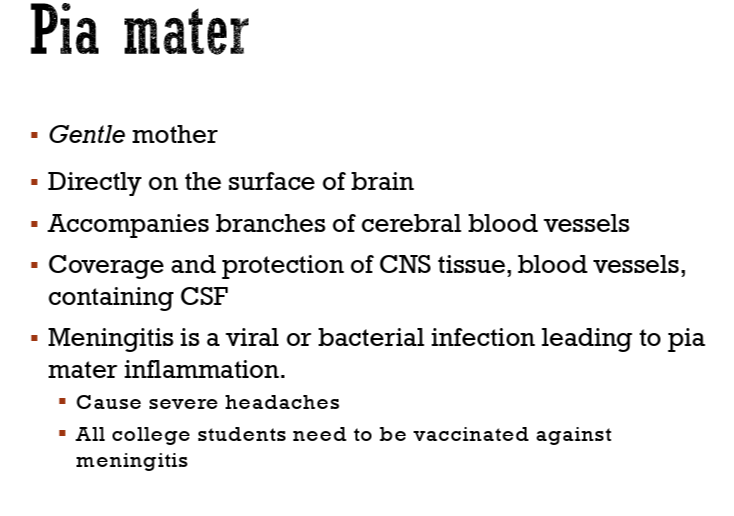
Meningitis

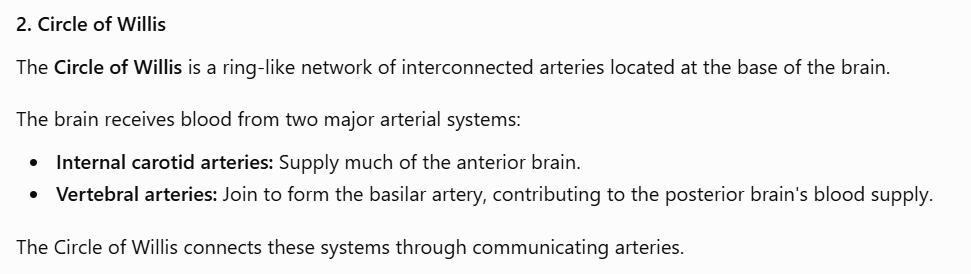
Vascularization of the CNS.

Anastomose
fusion of blood vessels
Circle of Willis
Brain Interstitital Space

Blood-Brain Barrier

Neurovascular Unit
The neurovascular unit (NVU) describes how neurons, glial cells, and blood vessel cells work together to regulate blood flow and the blood-brain barrier (BBB).

Selectivity of Blood-Brain barrier

CSF Hydrophobic diffusion, what about hydrophillic

ISF vs Plasma

CSF properties and fxn

CSF Production

Ependymal cells

Choroid Plexus
a specialized network of modified ependymal cells, capillaries, and loose connective tissue located within the fluid-filled ventricles of the brain
CSF Circulatory Path

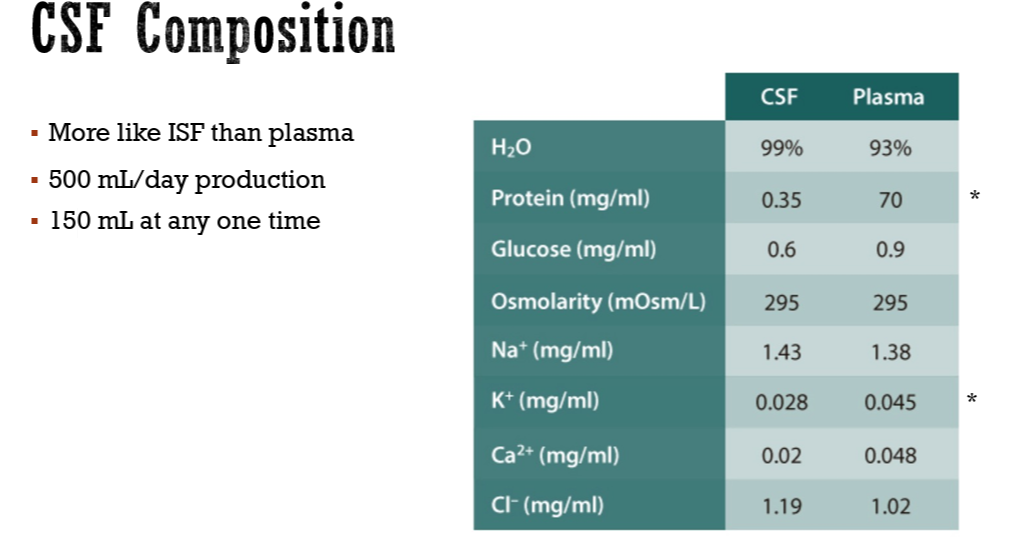
CSF compositon, total volume and daily production
CONSTANTLY CYCLED.
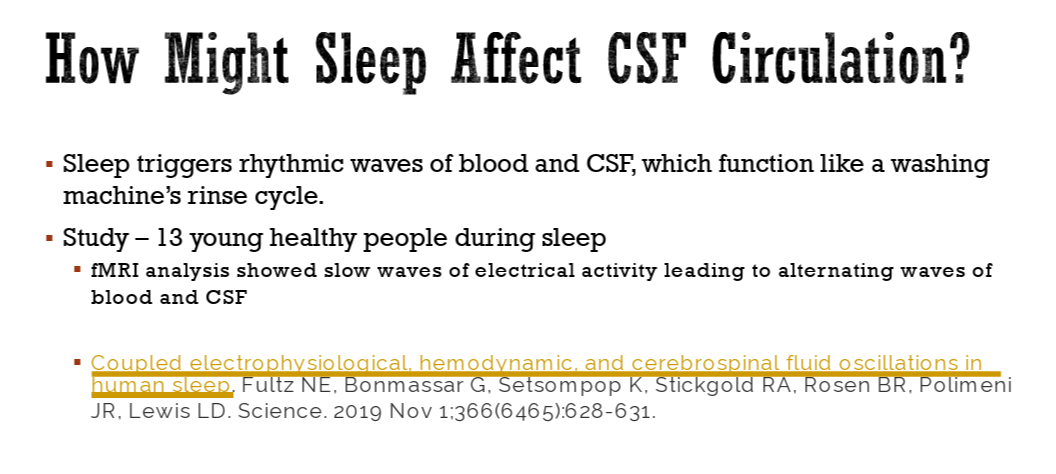
Sleep and CSF circulation
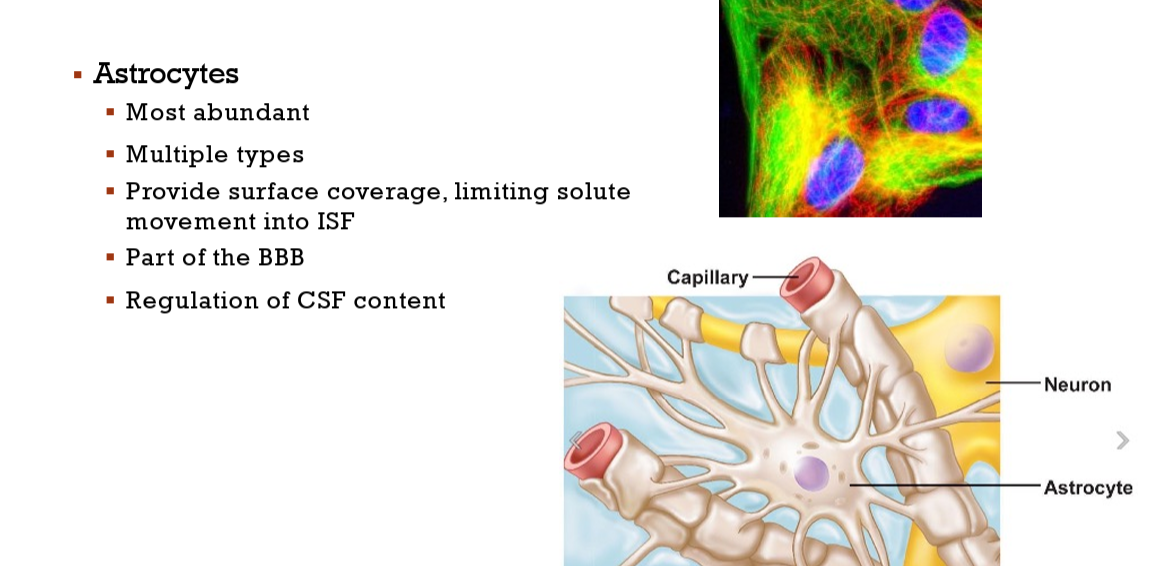
Some of Neuroglia’s fxnality

Oligodendrocytes

Cerebral Palsy
loss of CNS oligodendrocytes
Astrocytes
Microglia

Radial Glia

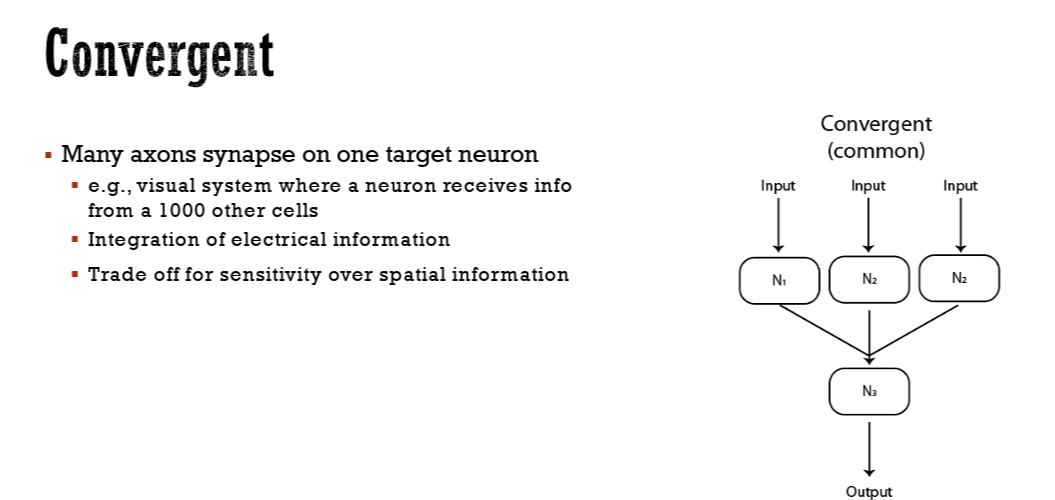
Convergent Neuronal Circuit
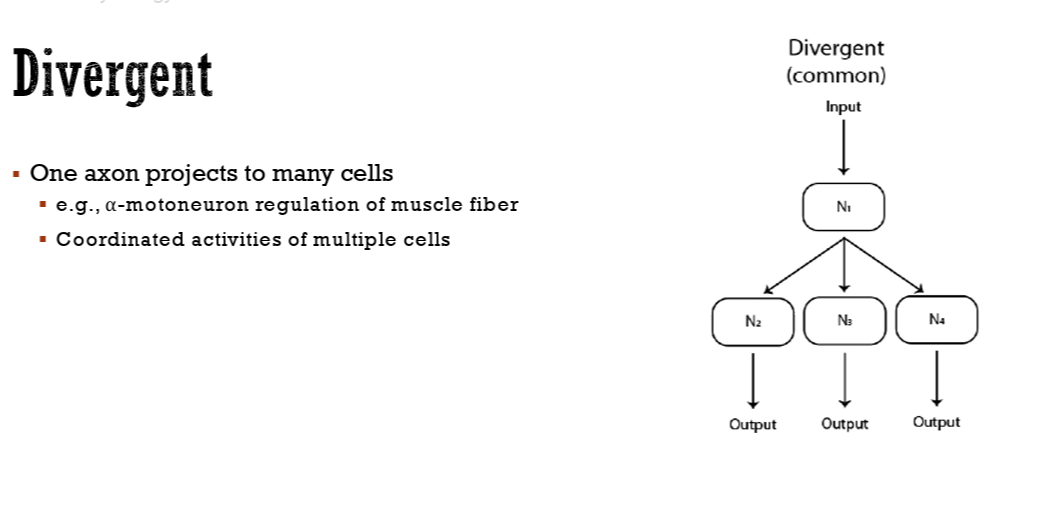
Divergent Neuronal Circuit
Rythmic generating circuit

Complex Circuits

Growth cone Filopodia
Chemotaxis are the “bread crumbs”.

sMRI

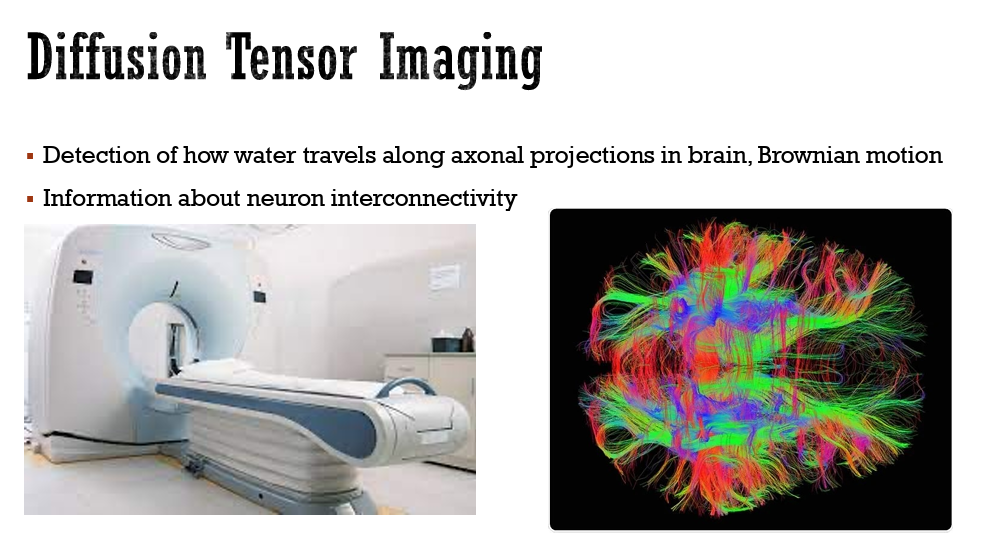
DTI
molecules moving randomly because of thermal energy is called brownian motion, however white axon projections restrict H2O movement, and allow for DTI to work.
fMRI
blood flow changes follows neuronal activity.

EEG

Lateral vs Longtitudinal Fissures

Gyri, sulci, fissures
Surface gyri (ridges), sulci (valleys) and fissures (deeper grooves)

Anatomical Regions of the Brain

Cortex Physiology

3 Major parts of Prefrontal Cortex

Primary motor cortex, name of motor cells, and group of muscles controlled by fibers.

Parietal Lobe

Proprioception
awareness of physical structures in 3-dimensional space and in relation to each other
Temporal Lobe

Primary Language Areas

Aphasia

Brain lateralization
If there is delay in transferring info from one side to another, it is smarter to just keep it dominant on one side

3 types of Fiber Types
