NUTR 202 Exam 2 PART 1
 Call Kai
 Learn
Learn Practice Test
 Spaced Repetition
 Match
Match Flashcards
 Knowt Play
1/141

There's no tags or description
Looks like no tags are added yet.
Name | Mastery | Learn | Test | Matching | Spaced | Call with Kai | Chat |
|---|
No analytics yet
Send a link to your students to track their progress
142 Terms
Lipids (are what)
category of compounds containing carbon, hydrogen, and oxygen that are hydrophobic
what does hydrophobic mean
insoluble in water
Fats serve multiple functions in foods:
▪ Give flaky texture to baked goods
▪ Make meats tender
▪ Provide flavor and aromas
▪ Contribute to satiety
Fat is the common name for just one type of lipid, known as a
triglyceride
Fats and other lipids perform important functions in the body such as
– Energy storage
– Insulation
– Transport of compounds in blood
– Cell membrane structure
What are the three types of lipids found in foods and in your body
Triglycerides (fats), phospholipids, and sterols
What is the basic unit of triglycerides and phospholipids
fatty acid
Fatty acids (structure)
chain of carbon and hydrogen atoms with acid group (COOH at one end)

What are the three main types of fatty acids?
-Saturated fatty acids
-Monounsaturated fatty acids (MUFAs)
—Polyunsaturated fatty acids (PUFAs)
Saturated fatty acids
all carbons bonded to hydrogen
▪ For example, stearic acid, 18 carbons, solid at room temperature
Monounsaturated fatty acids (MUFAs)
one double bond
▪ For example, oleic acid, 18 carbons (olive oil), liquid at room temperature
Polyunsaturated fatty acids (PUFAs)
more than one double bond
▪ For example, essential fatty acids linoleic acid and alpha-linolenic acid (soybean oil)
Triglyceride (structure)
three fatty acids connected to glycerol “backbone”

_____ is the most ____ lipid found in foods and body
triglyceride; common
Oils are fats that are
liquid at room temperature
Phospholipids (structure)
have glycerol backbone, but two fatty acids and a phosphorus group
Phosphorus-containing head is
hydrophilic
Major phospholipid in cell membrane
lecithin
Lecithin used as an
emulsifier in foods such as salad dressings to keep oils and water mixed together
lipids usually refer to
fats (solids at room temp)
oil
Sterols are composed mainly of
Sterols are composed mainly of
Cholesterol is an example of what
a STEROL
Important role in cell membrane structure
▪ Precursor of important compounds in body
– Converted into vitamin D and other substances
Is cholesterol required in your diet?
Not required in diet since body makes all cholesterol needed
Lecithin is an example of what kind of lipid
an example of a phospholipid
Fat digestion (mouth)
chewing and lingual lipase start digestion
Fat digestion (stomach)
gastric lipase breaks down fat into diglyceride and one fatty acid
most digestion of fat occurs where?
in the small intestine
fat digestion (small intestine)
-Bile acids: emulsify fat, break fat globules into smaller pieces
– Cholecystokinin is the hormone that stimulates the pancreas
– Pancreatic lipase: two fatty acids and monoglyceride
– Lecithin in bile is packaged with monoglycerides and fatty acids to create micelles (small carriers) for absorption
– Short-chain fatty acids enter bloodstream and travel to liver
– Long-chain fatty acids enter lymph and need transport carriers
After the stomach, short0chain fatty acids go where
enter the bloodstream and travel to the liver
After the stomach, long-chain fatty acids
enter the lymphatic system, lymph and need transport carriers
Fat digestion (liver)
produces bile
Fat digestion (pancreas)
produces pancreatic lipase, which is then secreted in the small intestine to turn fats into two fatty acids and monoglyceride
What Happens to the Fat You Eat? (Lipoproteins)
transport fat through the lymph and blood
What Happens to the Fat You Eat? (Chylomicrons; a type of lipoprotein)
carry digested fat through lymph into bloodstream
What Happens to the Fat You Eat? (Very low-density lipoproteins VLDL; a type of lipoprotein)
deliver fat made in liver to cells
What Happens to the Fat You Eat? (Low-density lipoproteins LDL; a type of lipoprotein)
AKA BAD CHOLESTEROL
deposit cholesterol on walls of arteries
What Happens to the Fat You Eat? (High-density lipoproteins HDL; a type of lipoprotein)
AKA GOOD Cholesterol
remove cholesterol from body and deliver to liver for excretion
What two polyunsaturated fatty acids are essential? and their function
-linoleic acid (an omega-6 fatty acid)
-alpha-linolenic acid (an omega-3 fatty acid)
The essential fatty acids help maintain healthy skin cells, nerves, and cell membranes and are precursors to eicosanoids, eicosapentaenoic acid, and docosahexaenoic acid

Eicosanoids
hormone-like substances made from essential fatty acids, which are involved in inflammation, blood clotting, blood pressure
Eicosapentaenoic acid (EPA) and docosahexaenoic acid (DHA)
two omega-3 fatty acids that are heart-healthy
EX: Fatty fish such as salmon, herring, and sardines are rich sources
Cholesterol has many important roles
– Part of cell membranes
– Precursor for vitamin D, bile acids, sex hormones
AMDR of DRI (for fat)
20 to 35 percent of total daily calories should come from fat
Saturated fat consumption recommendation
For heart health, you should consume less than 10 percent (ideally less than 7 percent) of your calories from saturated fats
calculating grams of fat intake based on AMDR (20-35%)
ask chat for some examples

You should minimize _____ fat and _____ fat in your diet
saturated; trans
Trans fats are created through the process of
hydrogenation
▪ They resist randicidity (the breakdown or spoiling of fats and oils that causes a bad smell and foul taste) and increase shelf life
Which is worst, trans fat or saturated fat
Trans;
▪ Raise LDL (bad) cholesterol and lower HDL (good) cholesterol
▪ The FDA banned partially hydrogenated oil in processed foods..
Does you NEED to consume cholesterol in your diet?
no, Your body makes all the cholesterol it needs.
-also food cholesterol DOES NOT determine blood pressure
Foods that contain unsaturated fats (both monounsaturated and polyunsaturated fats) are
better for your health than foods high in saturated fat, and/or cholesterol
Which fat is the BEST
Monounsaturated fats are the best
Sources of monosaturated fats
peanut oil, canola oil, and olive oil as well as nuts and avocados
Fat substitutes are designed to
provide all the creamy properties of fat for fewer calories and total fat grams
Because fat has more than double the calories per gram of carbohydrates or protein, fat substitutes have the potential to reduce calories from fat by more than 50 percent
Fat substitutes can be carbohydrate-, protein-, or fat-based
The majority are carbohydrate-based and use plant polysaccharides
Heart disease begins with
a buildup in the arteries
Atherosclerosis
narrowing of coronary arteries due to buildup of plaque (hardened debris of cholesterolladen foam cells, platelets, and other substances)
atherosclerosis increases the chance of
blood clots blocking the vessel, causing heart attack or stroke
risk factors for heart disease (you can’t control)
age
gender
family history
type 1 diabetes
risk factors for heart disease (you can control)
– Regular exercise can help lower LDL and raise HDL – Losing excess weight and quitting smoking can help increase HDL levels.
Metabolic syndrome
group of risk factors that increase the risk of heart disease
– Insulin resistance, high blood pressure, centralized obesity, low HDL, and high triglycerides
What Can You Do to Maintain Healthy Blood Cholesterol Levels to Reduce Your Risk of Heart Disease?
1. Minimize saturated fats, trans fats, cholesterol in diet
2. Include fish in your weekly choices
3. Eat plenty of plant foods
4. Select foods rich in antioxidants and phytochemicals
5. Strive for plenty of exercise and manage your weight
6. Moderate use of alcohol may reduce risk of heart disease, but some should avoid alcohol
7. The whole is greater than the sum of its parts
Fabulous! Keep up the good work level of TOTAL cholesterol
less than 200
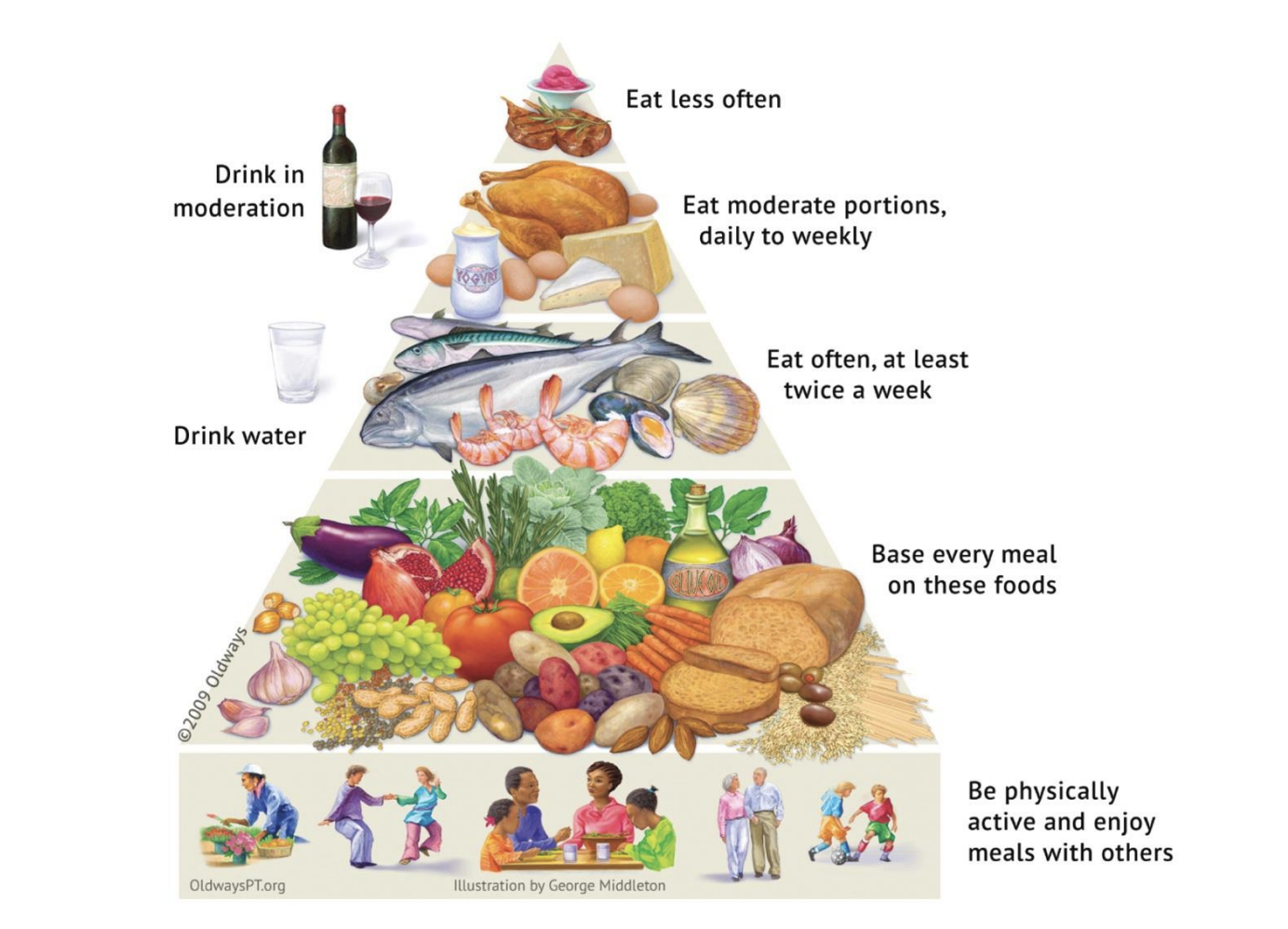
Traditional diet of Mediterranean region is associated with
lower risk of heart disease and cancer
– Plant-based diet of whole grains, fruits, vegetables, legumes, and nuts
▪ With olive oil, low-fat dairy, water
▪ Occasional, poultry, eggs, meat, sweets, wine
Methylmercury is a
toxic chemical especially harmful to the nervous systems of unborn children
Methylmercury is found in larger fish with a longer life span such as
swordfish
shark
king mackerel
tilefish
Who should avoid the fish high in Methylmercury (swordfish, shark, king mackerel, tilefish)
Women of childbearing age and young children
Canned albacore tuna has more
mercury than light tuna
What is one of the easiest ways to decrease LDL
Eating more plant foods high in soluble fiber
Although all plant foods are cholesterol free, they do contain
phytosterols, which are plant sterols similar to cholesterol found in the plant's cell membranes
Plant sterols can help lower LDL cholesterol levels by
competing with cholesterol for absorption in the intestinal tract
Sources of sterols include
soybean oil
many fruits
vegetables
legumes
sesame seeds
nuts
cereals and other plant foods
Flavonoids are
phytochemicals found in fruits, vegetables, tea, nuts, and seeds that may offer some antioxidant protection as well as potentially inhibiting platelet aggregation, which can perpetuate a blood clot
To Decrease Excess LDL Cholesterol
read this

Is Coconut Oil Healthy for You? (cons)
– Olive oil also has phytochemicals and is heart-healthy
– Coconut oil is high in saturated fat
Olive oil is a better option
Proteins are the predominant
structural and functional materials in every cell
what differentiates protein from carbohydrates and fats
they contain Nitrogen
(protein) Each amino acid has
▪ Acid group (COOH)
▪ Amine group (NH2)
▪ Side chain (unique)
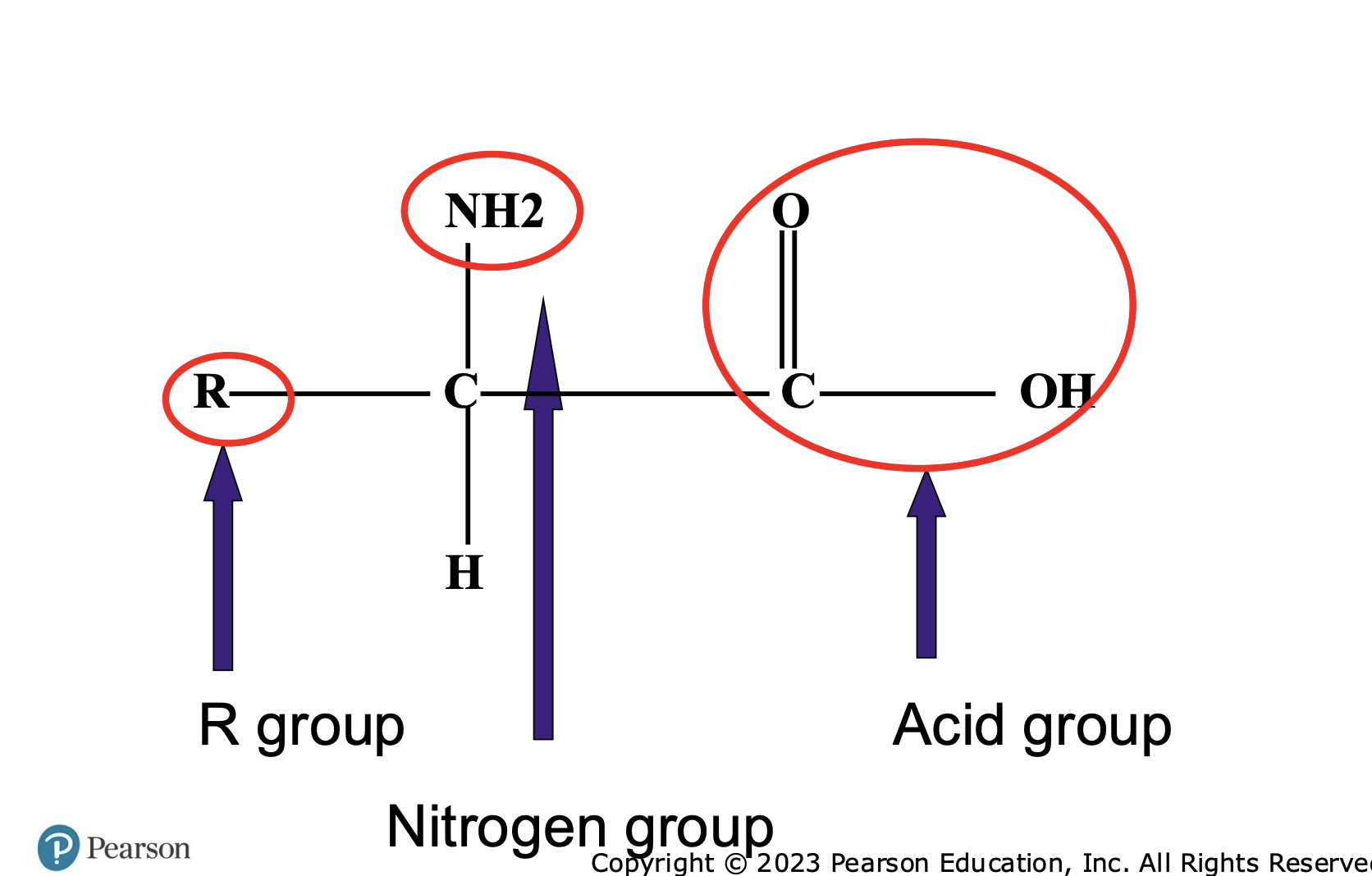
All proteins consist of a chain of some combination of 20
unique amino acids
An acid group and amine group are connected by
peptide bonds to create dipeptides
Nine essential amino acids
– Cannot be made by the body
– It is “essential” to obtain them from the diet
Eleven nonessential amino acids
Can be synthesized in the body from other amino acids or by adding nitrogen to carbon-containing structures
Conditionally essential amino acids
Under certain conditions, some nonessential amino acids cannot be synthesized and must be consumed in the diet
What is the basic building block of protein
amino acids are the basic building block
Denaturation:
the alteration (unfolding) of a protein's shape, which changes the structure and function of the protein
examples of denaturation
-cooking meat, eggs changing texture
– Stomach acid untangles proteins to aid in digestion

Protein digestion (stomach;HCL)
denatures protein and activate pepsin

Protein digestion (stomach; pepsin)
enzyme in stomach that begins breaking down protein
Protein digestion (small intestine; Cholecystokinin)
stimulates the release of pancreatic enzymes
Protein digestion (small intestine; Proteases)
(from the pancreas) digest polypeptides to form shorter remnants for absorption
In the small intestine, polypeptides are broken down into
tripeptides, dipeptides, and amino acids
– Amino acids travel to the liver
Amino acids come from
– Diet
– Breakdown of proteins in the body
– A limited supply is stored in amino acid pools in blood and cells for needed protein synthesis
Protein turnover
process of continuous breakdown and synthesis of protein from its amino acids

amine groups are removed/ converted to
urea, excreted in urine
fter amine groups are removed (converted to urea, excreted in urine), amino acids can also be: (BSM)
– Burned for energy
– Stored as fat
– Made into glucose
Gene
DNA segment that codes for specific protein
Messenger RNA (mRNA) and transfer RNA (tRNA) perform
very specific roles during protein synthesis
When abnormalities occur during protein synthesis, serious medical conditions may result such as
sickle-cell anemia
What is sickle cell anemia
Illness that results from malformation of red blood cell because of an incorrect structure in part of its hemoglobin protein chains

Proteins provide structural and mechanical support and help maintain
body tissues (such as collagen and connective tissue)
Collagen:
a ropelike, fibrous protein that is the most abundant protein in your body
Connective tissue
the most abundant tissue type in the body; made up primarily of collagen, it supports and connects body parts as well as providing protection and insulation