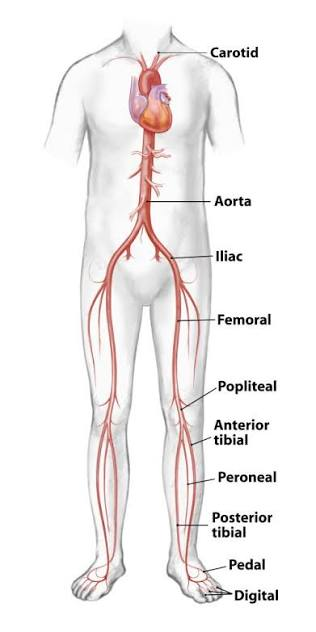
Ch. 1 Vocab pt 2
 Call Kai
 Learn
Learn Practice Test
 Spaced Repetition
 Match
Match Flashcards
 Knowt Play
1/74

There's no tags or description
Looks like no tags are added yet.
Name | Mastery | Learn | Test | Matching | Spaced | Call with Kai | Chat |
|---|
No analytics yet
Send a link to your students to track their progress
75 Terms
Anatomical position
the standard reference posture used by scientists and medical professionals to describe the human body
Directional terms
precise words used in anatomy to describe the location of one body part relative to another
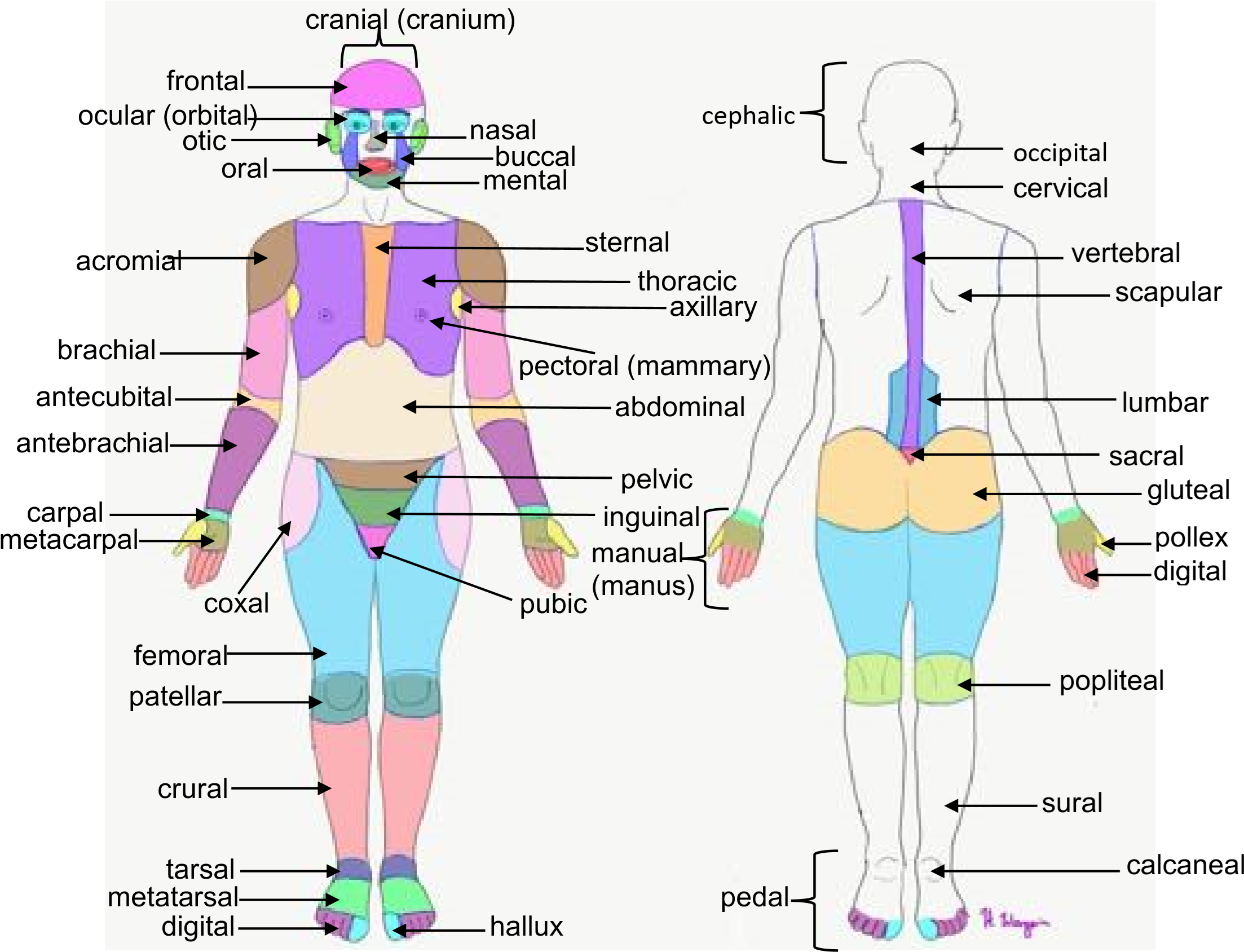
Abdominal
anterior body trunk inferior to ribs
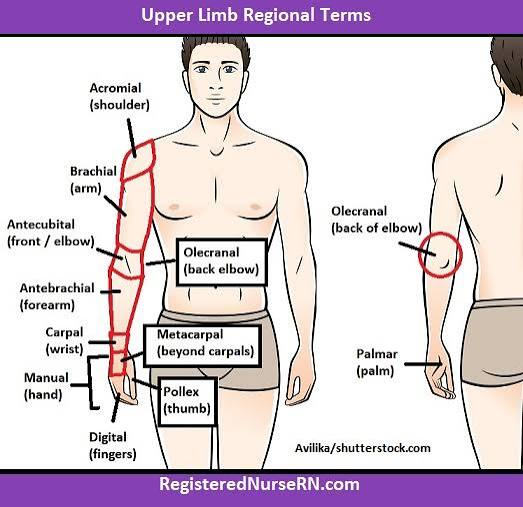
Acromial
outer tip of the shoulder blade (scapula)
Antebrachial
relating to the forearm
Antecubital
anterior surface of elbow
Axillary
armpit
Brachial
upper part of the arm
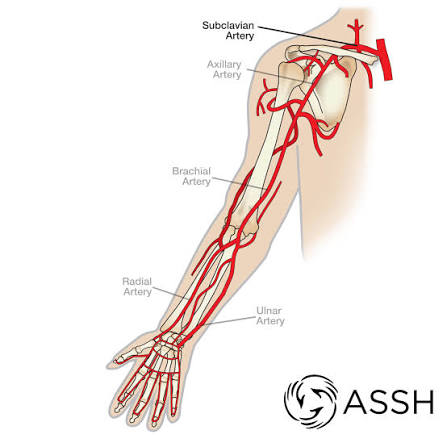
Buccal
cheek cavity, part of your mouth in between the teeth and cheek
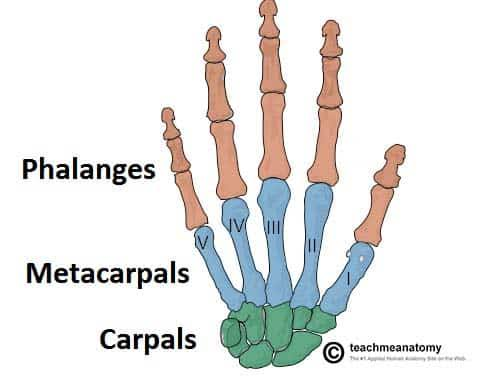
Carpal
the wrist area. Idescribes the eight small, irregular bones that connect the hand to the forearm, arranged in two distinct rows to give the wrist flexibility and strength
Cervical
relating to the neck
Coxal
the hip, hipbone, or hip joint
Crural
the shin area of the leg
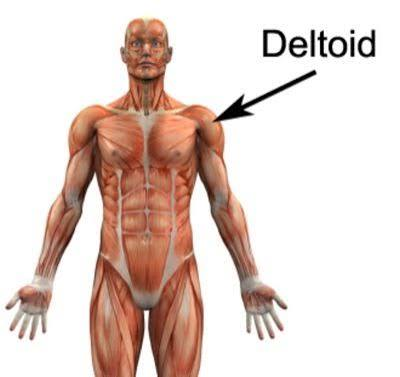
Deltoid
curve of shoulder formed by large deltoid muscle
Digital
fingers and toes
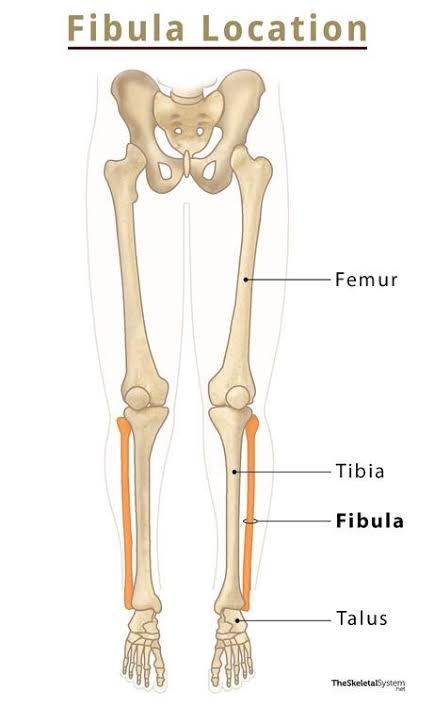
Fibular
lateral part of the leg
Frontal
the forehead
Inguinal
relating to or located in the groin
Nasal
nose area
Oral
mouth
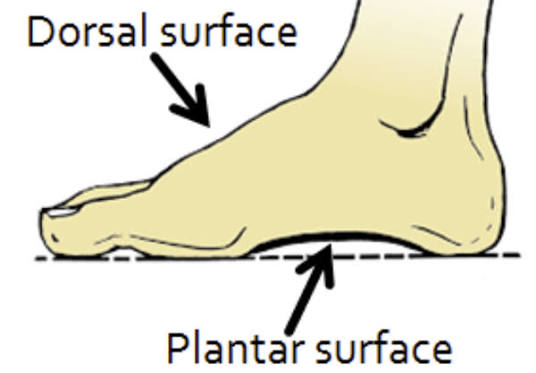
Plantar
refers to the sole (bottom) surface of the foot
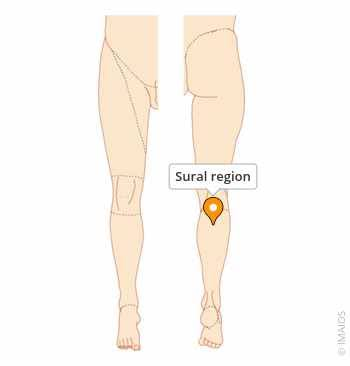
Sural
the calf region—the posterior part of the lower leg between the knee and the ankle
Superficial
toward or at the body surface
Deep
away from the body surface; more internal
Medial
Toward the middle line of the body.
Lateral
away from the midline of the body
Ventral
Toward the front of the body. (anterior)
Dorsal
Toward the back of the body. (posterior)
Olecranal
the back or posterior surface of the elbow
Calcaneal
heel of the foot
Orbital
eye area
Patellar
anterior knee
Pelvic
area overlying the pelvis anteriorly
Pubic
genital area
Sternal
long, flat bone located in the central part of the chest
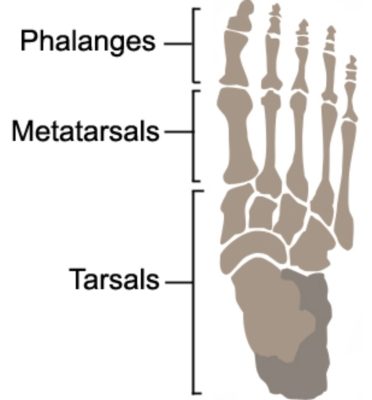
Tarsal
ankle region
Thoracic
chest
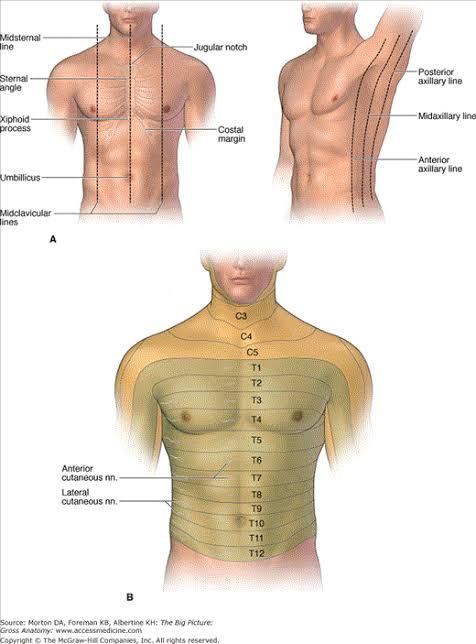
Umbilical
belly button
Sacral
the structure of the sacrum, a large, triangular bone at the base of the spine
Vertebral
any of the 33 individual irregular bones that make up the Vertebral Column (spine)
Section
a cut, like wall almost
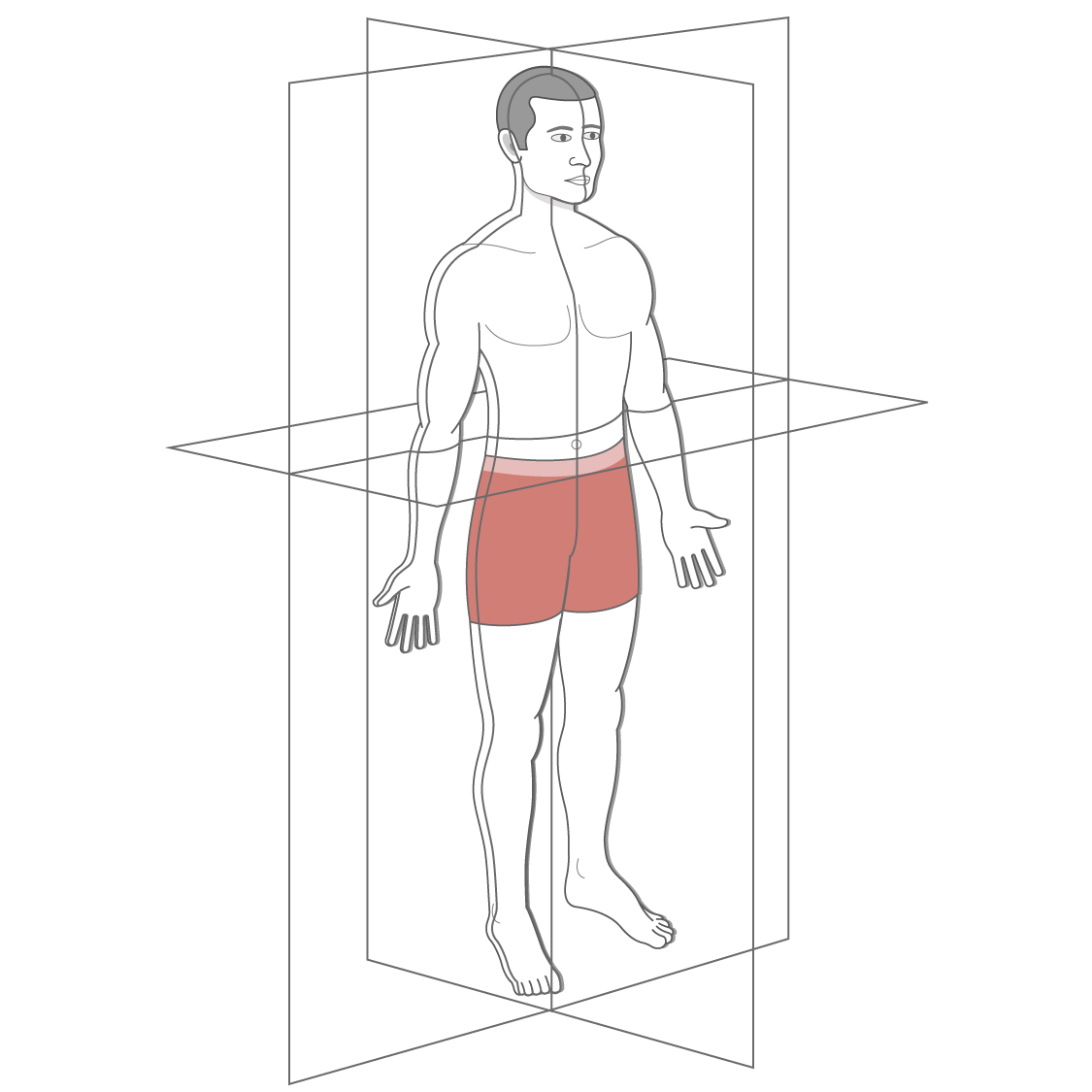
Plane
imaginary flat surfaces used to divide the human body
Sagittal section
Any vertical plane running from front to back.
median/midsagittal section
The exact midline cut creating equal left and right sides.
Frontal section
is a vertical cut that passes through the body from side to side.
Proximal
a body part is closer to the center of the body, the trunk, or the point where a limb attaches
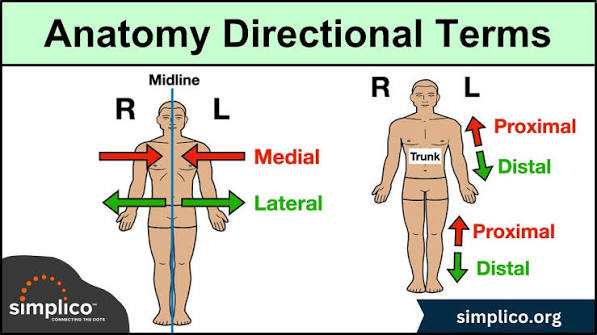
Distal
describes a body part located farthest away from the trunk or the point of attachment of a limb
Inferior
means lower or further down on the body
Superior
toward the head or upper part of a structure
Coronal section
a vertical, side to side splitting the body into anterior and posterior sides
Transverse section
flat slice that goes across the body or an organ
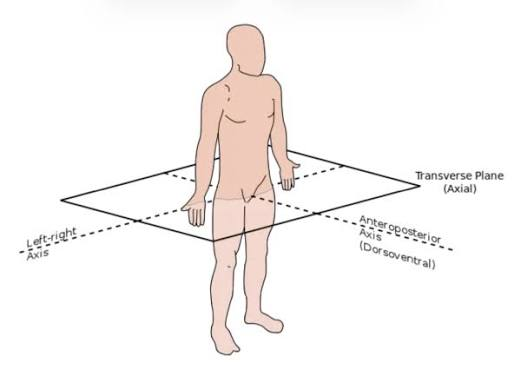
Cross section
the study of the human body through two-dimensional "slices" or transverse planes
Dorsal body cavity
two subdivisions which are continuous with each other
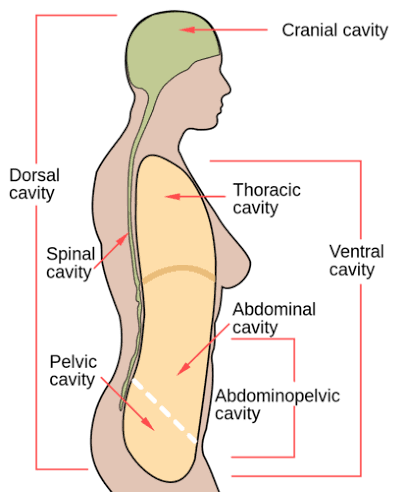
Cranial cavity
space inside the bony skull. the brain Is well protected because it occupies the cranial cavity
Spinal cavity
a long, bony space inside the backbone
Ventral body cavity
contains all the structures within the chest and abdomen
Thoracic cavity
the hollow internal space enclosed by the rib cage, sternum, and spine
Diaphragm
a dome-shaped muscle

Mediastinum
the middle part of your chest that separates your lungs into left and right cavities in the thoracic cavity.

Abdominopelvic cavity
cavity below the diaphragm and consists of the abdominal cavity and the pelvic cavity

Abdominal cavity
contains the stomach, liver, intestines, and other organs
Pelvic cavity
the reproductive system, bladder, and rectum.
Umbilical region
the center most region, deep to and surrounding the navel
Epigastric region
located superior to the umbilical region
hypogastric/pubic region
inferior to the umbilical region
Right and left iliac or inguinal region
lateral to the hypogastric region
Right and left lumbar regions
lateral to the umbilical region
Right and left hypochondriac regions
flank the epigastic regions and contain the lower ribs
Oral and digestive cavities
commonly called the mouth . contains the teeth and tongue. this cavity is part of and continuous with the cavity of the digestive organs , which opens to the exterior at the anus
Nasal cavity
located within and posterior to the nose, the nasal cavity is part of the respiratory system passageways.
Orbital cavities
the orbital cavities in the skull house the eyes and present them in an anterior position
Middle ear cavities
the middle ear cavities carved into the skull lie just media; to the eardrums. these cavities contain tiny bones that transmit sound vibrations to the hearing receptors in the inner ear.
Popliteal
posterior knee area
Cephalic
head: relating to things or the head
femoral
thigh