Local Diversity Green Group
 Call Kai
 Learn
 Practice Test
 Spaced Repetition
 Match
 Flashcards
 Knowt Play
1/20

There's no tags or description
Looks like no tags are added yet.
21 Terms
Annual Cicada
-Habitat: Any area with Trees
-Diet: Sap of trees and bushes
larval: root juices of many plants
-Origin: US
-Larvae live underground 2-5 yrs

Praying Mantis
-Habitat: Tall grass, flowers, bushes
-Diet: Any insect smaller than them
-Origin: Carolina mantid native, Chinese mantid from Asia
-Chinese Mantid introduced for biological control of pests

Widow Skimmer
-Habitat: Adults found near ponds and lakes, larve are aquatic
Adult diet: flying insects
Larval diet: aquatic invertebrates
Origin: Native to US

Carolina Grasshopper
-Habitat: weedy grasslands and disturbed weedy areas
-Diet: Plants, including grasses
-Origin: Native to US
-One of the largest grasshoppers in N. America
-Males sit on bare ground, rubbing hindlegs and wings together to attract females with rapid trilling call

Eastern Tiger Swallowtail
Habitat: Fields and forests
Adult diet: Flower nectar
Larval diet: leaves of many trees
Origin: US
Young caterpillars resemble bird droppings, older catepillars have large false eyespots thought to deter predators

Cabbage white
Habitat: Open fields
Adult Diet: Flower nectar
Larval diet: Leaves of plants in the cabbage family
Origin: Introduced from Eurasia
Pest to crops like cabbage and broccoli

Orange Sulphur
Habitat: Open fields
Adult diet: Flower nectar
Larval diet: leaves of clovers
Origin: US

Monarch
Habitat: Open fields and wood edges
Adult field: flower nectar
Larval diet: leaves of milkweed
Origin: US
Completes multigenerational migration to Mexico

Firefly
Habitat: meadows, marshes, suburbs
Adult diet: some predatory, some eat pollen or nectar
Larval diet: insect larvae, slugs and snails
Origin: US
State insect of Indiana

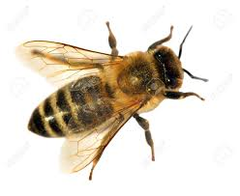
Western Honeybee
Habitat: Meadows and woodlands, wild colonies usually nest in hollow structures like dead tree
Adult diet: Nectar and pollen
Larval diet: royal jelly, honey and pollen
Origin: Introduced from Europe
Bumblebee
Habitat: Fields and forests; nest usually underground
Diet: nectar and pollen
Origin: US
Important pollinators of crops and wildflowers

Yellowjacket
Habitat: Fields, forests, suburbs
Adult diet: Nectar and fruits
Larval diet: insects and carrion
Origin: US, but German Yellowjacket introduced

Nightcrawler
Habitat: Rich soil in grasslands and forests
Diet: Decaying plant material
Origin: Introduced from Europe
Hermaphroditic

Helisoma snail
Habitat: weedy, eutrophic (nutrient rich) ponds and lakes
Diet: Aquatic plant tissue
Origin: Native to US
Hermaphroditic

Pouch snail
Habitat: common in weedy, eutrophic (nutrient rich) ponds and lakes
Diet: aquatic algae and plants
Origin: Native to US
hermaphroditic
Aquatic but breathes air

Leopard Slug
Habitat: field, woods, gardens
Diet: vegetation
Origin: introduced from europe
leaves slime trail that functions as both a lubricant and glue

Harvestman
Habitat: usually found in forests
Diet: prey on small arthropods
Origins: Native to US
NOT a spider
NOT venomous

Pillbug
Habitat: found on damp substrate under rocks and logs and in leaf litter
diet: dead or decaying plants and animals
Origins: native to US
Crustacean

House Centipede
Habitat: Likes damp, cool, often inside houses, may be found in cellars
Diets: eats small invertebrates that it captures with modified, venemous front legs that resemble fangs
Origin: Introduced from Europe

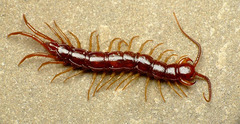
Stone Centipede
Habitat: found under rocks and logs in wooded areas
Diet: eats small invertebrates that it catches with modified, venomous front legs
Origin: Introduced from Europe, but there are related species native to US
Julid milipede
Habitat: found under rocks, logs, and leaf litter
Diet: feeds on detritus
Origin: native to US
May curl up when threatened
