A & P - Exam #4
 Call Kai
 Learn
 Practice Test
 Spaced Repetition
 Match
 Flashcards
 Knowt Play
1/54

Earn XP
Description and Tags
Reproductive, Endocrine, Digestive and Urinary Systems
55 Terms

Identify the Testes
The testes produce sperm and hormones (testosterone)


Identify the Seminiferous Tubules
The seminiferous tubules leave the testicles and join epididymis then vas deferens

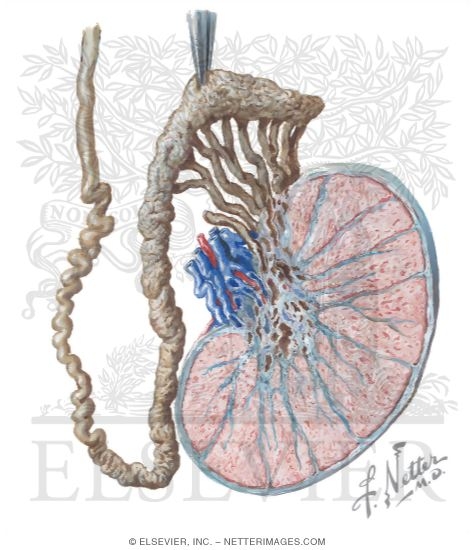
Identify the Epididymis
The epididymis is a coiled tube located on the back of each testis where sperm mature and are stored before ejaculation


Identify the Ductus Deferens
A.K.A. the Vas Deferens; carries semen from testis, to bladder, then urethra and finally out by testis

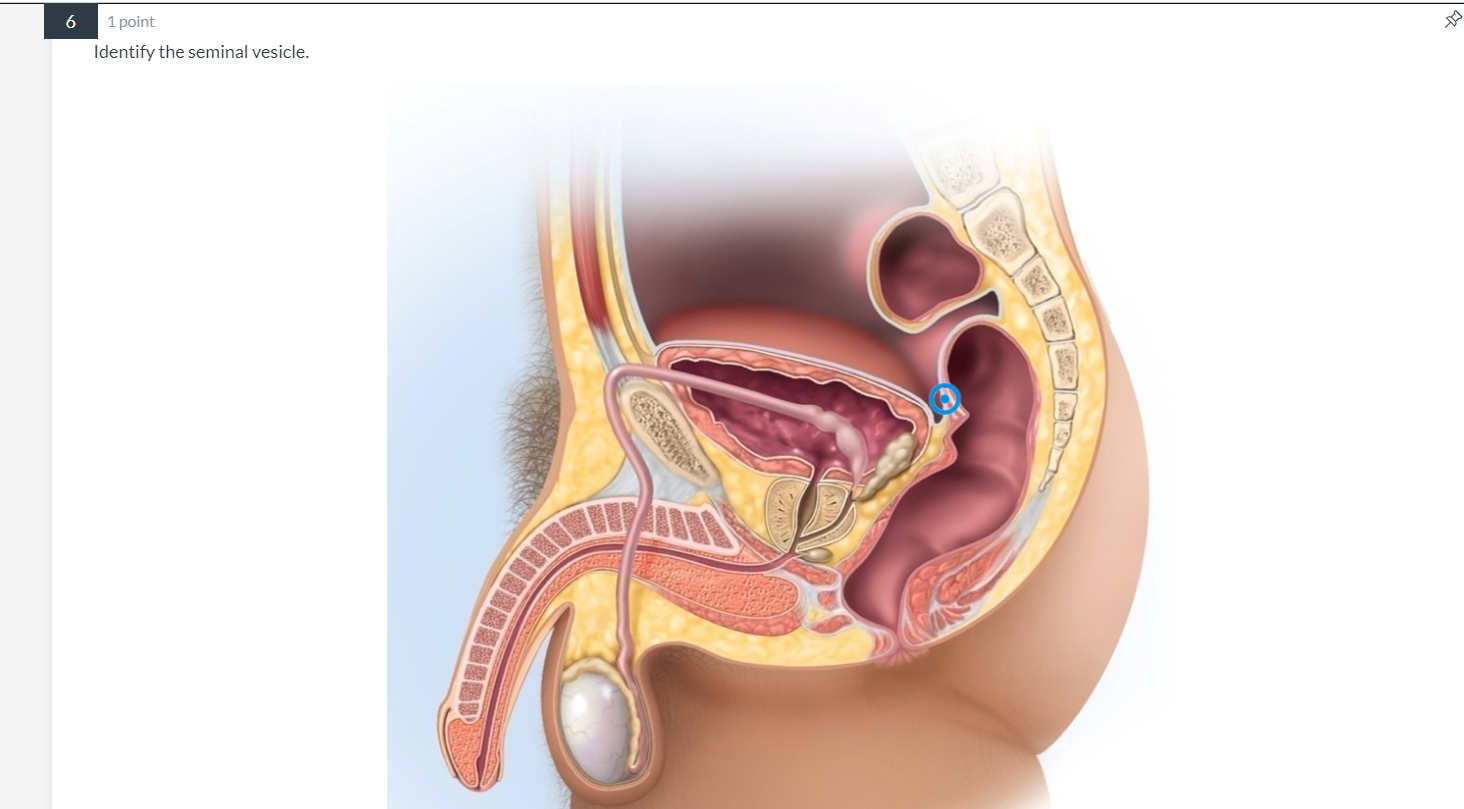
Identify the Seminal Vesicle


Identify the Prostate
Surrounds the urethra; helps force semen through when ejaculation occurs


Bulbourethral Glands
Exocrine gland; aids in lubrication


Urethra


Corpus Spongiosum
In penis; Aids in bringing blood to penis


Corpora Cavernosa
In penis; Aids in bringing blood to penis


Identify the Ovaries
Produce eggs and secrete sex hormones


(Uterine or) Fallopian Tubes
Catches the egg released during ovulation then transports the egg down to uterus for fermentation (or embryo after fertilization)


Infundibulum
Catches egg during ovulation, then delivers it to Fallopian Tube


Uterus
Supports and protects developing fetus


Endometrium
The first layer of the Uterus; Changes during menstration


Myometrium
Thick, middle layer of the Uterine Wall


Vagina
Serves as a birth canal, as well as an exit for menstraul blood; receives the penis during penetration
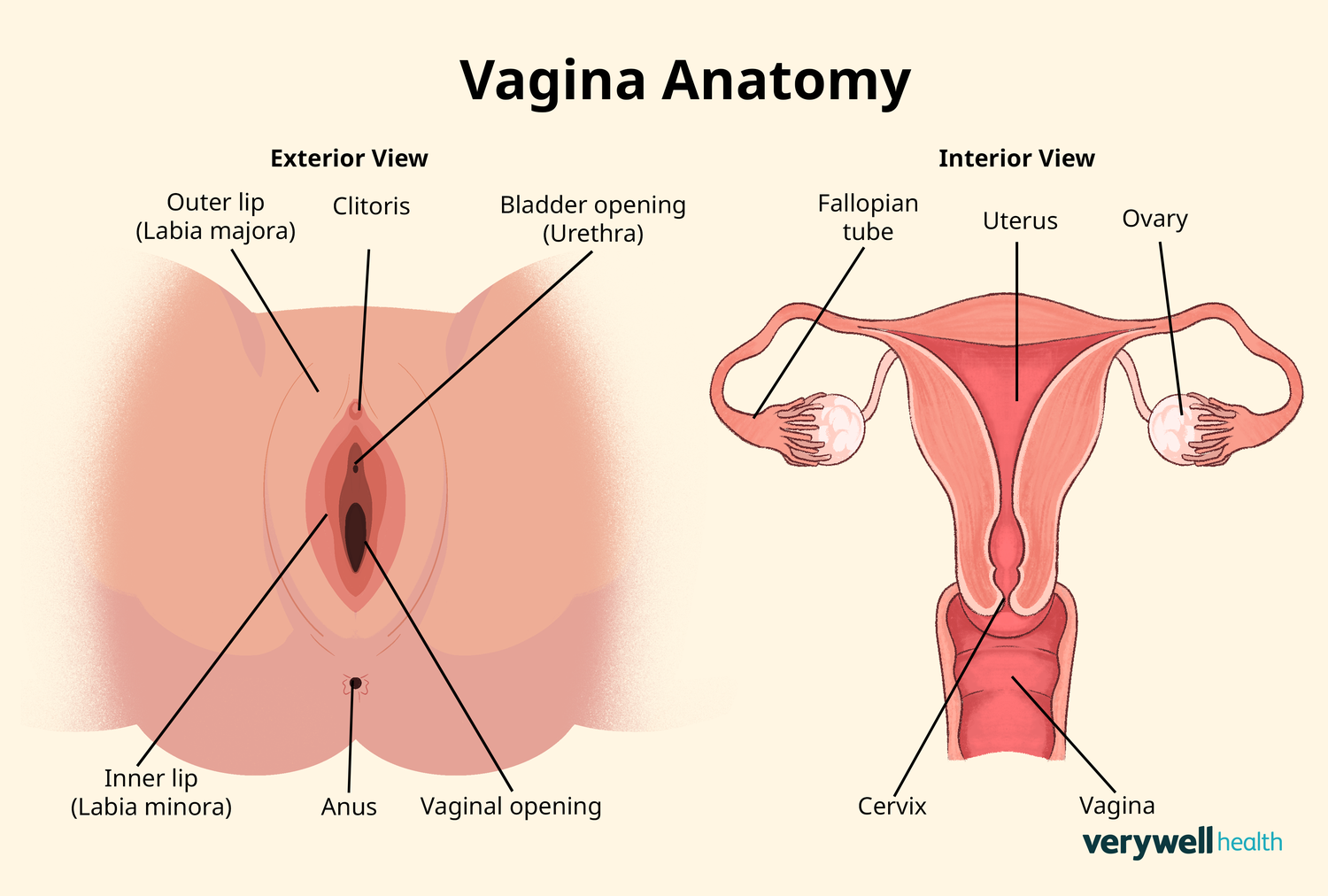
Pathway of an Ovum
Ovary → Peritoneal Canal → Fimbriae → Fallopian Tube → Uterus → Vagina (unfertilized eggs exit here)
Ovarian Cycle
Follicular Phase
Ovulation - - estrogen produced
Luteal - - progesterone produced
Uterine Cycle
Menses - - shedding endometrium
Proliferative Phase - - rebuilding endometrium
Secretory Phase - - preparation for possible implantation
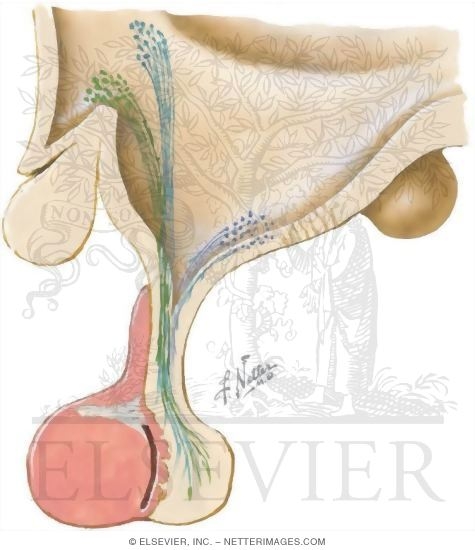
Pituitary Glands
The “master gland”; ctrls most other endocrine glands in the body


Pineal gland
Melatonin production


Thyroid gland
Essential for growth and development; Long-term effects on metabolism - - produces T3 & T4 that regulate this


Parathyroid gland
Calcium homeostasis - - PTH


Adrenal Glands
Produces steroid hormones - - aldosterone, androgens, and glucocorticoids

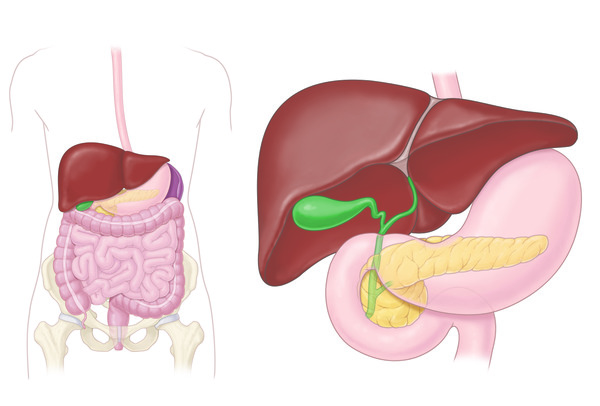
Pancreas
Produces insulin; digestion and blood sugar regulator

Insulin (Function)
Blood glucose regulation; lowers blood sugar: beta cells
Glucagon
blood glucose regulation during fasting; raises blood sugar; alpha cells
Thyroid hormones (T3/T4)
Metabolic activity; regulate how fast or slow your body's cells convert food into energy
Cortisol
Stress response and metabolism; increases availability of glucose to provide fast fuel and energy during stress
Aldosterone
Sodium and fluid regulation; acts on the kidney

Oral Cavity
Mouth and Pharynx; 3 salivary glands, larynx and esophagus


Salivary glands
Three:
parotid - - close to ear
sublingual - - close to tongue
submandibular - - close to mandible
Aids in digestion


Pharynx
Propels food from mouth into the esophagus


Esophagus
transports food, liquids and saliva from throat to stomach; upper esophageal sphincter (from throat) → esophagus → lower esophageal sphincter (to stomach)


Stomach
“Blends” and holds food;
Three parts:
Fundus
Body
Pyloric antrum
Leads to pyloric canal and then pylorus ( leads to duodenum)


Liver
Stores fat and sugar; Central vein filters, digests, then sends it back;
Four parts:
Left Lobe
Right Lobe (left and right divided by ligament)
Caudate Lobe (closer to vena cava)
Quadrate Lobe (closer to gallbladder)


Gallbladder
Inf. part of liver; ducts to transport bile;
Two ducts:
Cystic Duct - - to small intestine
Pancreatic Duct - - insulin releases into duct; to duodenum)
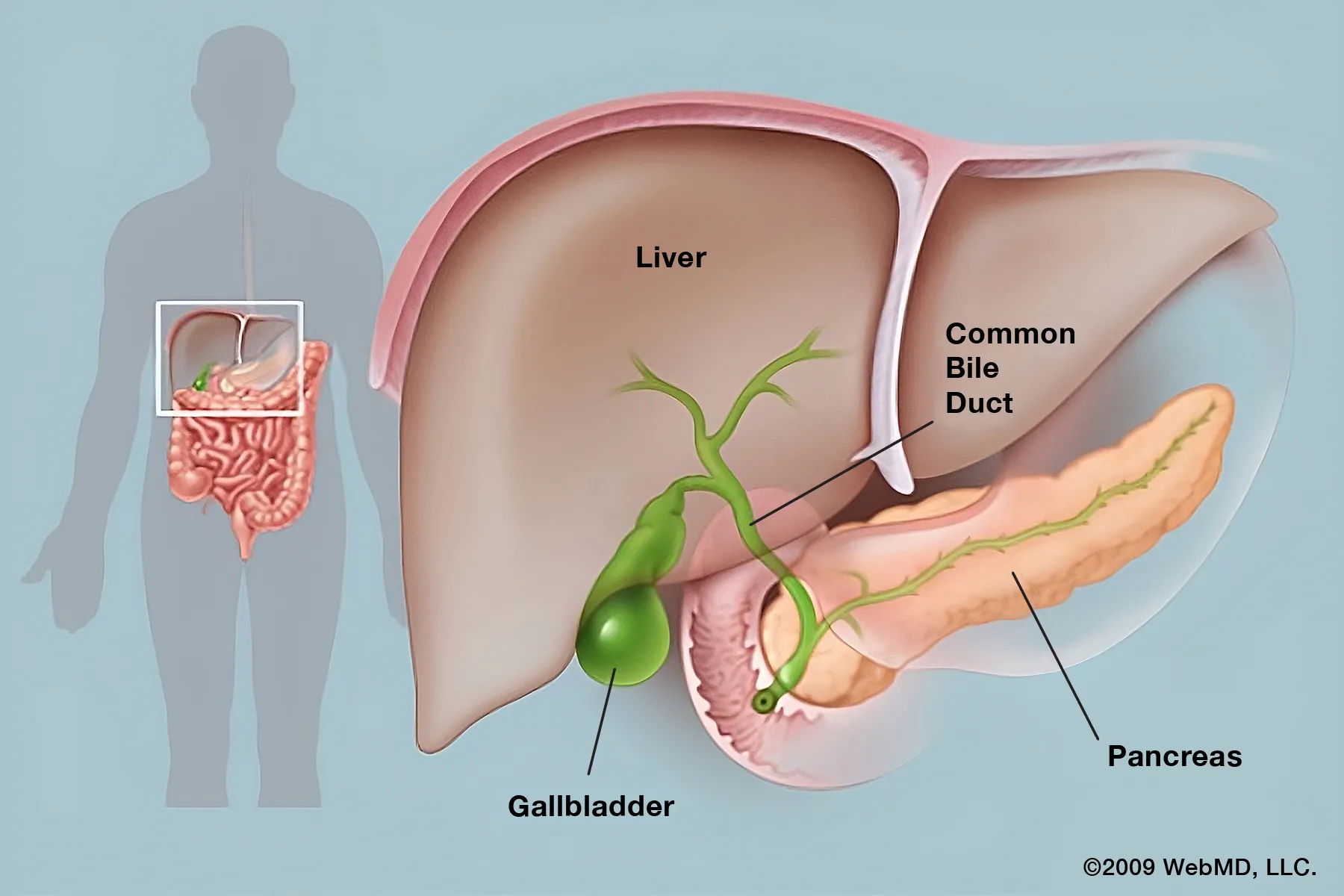

Pancreas
Insulin and glucagon production; Produces digestive fluid; Pancreatic duct - - pancreas → duodenum


Small Intestine
Where most chemical digestion and nutrient absorption take place;
Three parts:
duodenum
jejunum
ileum

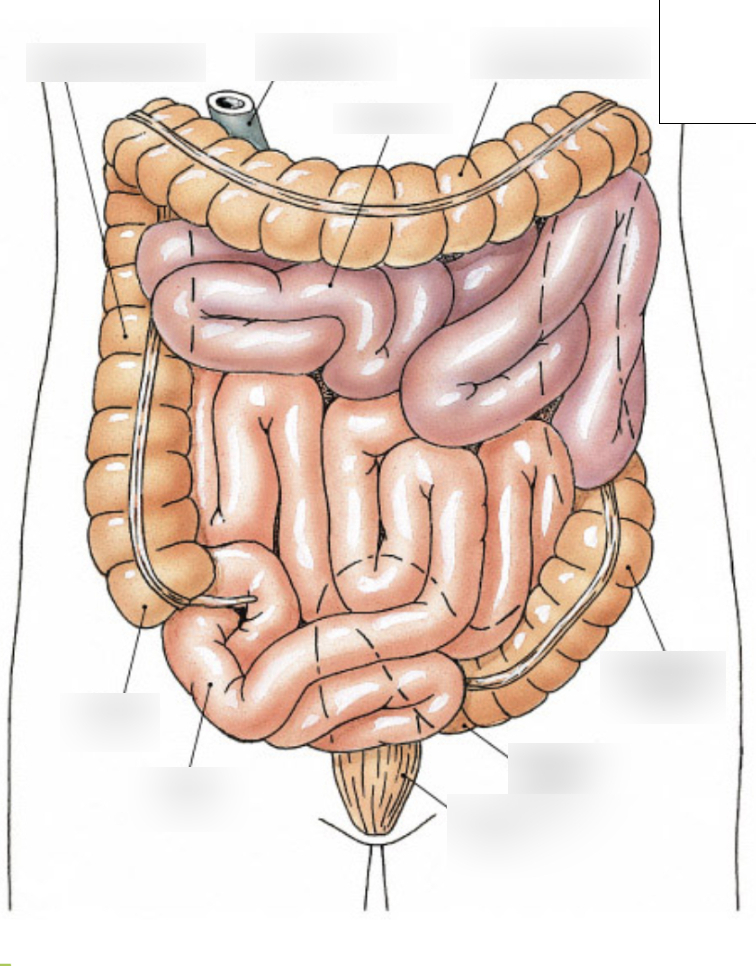
Large Intestine (or Colon)
Absorbs electrolytes and forms stool;
Four parts:
ascending
transverse
descending
sigmoid (leads to rectum and anus)


Rectum
Final stop before waste leaves body


Anus
Where stool leaves body

Digestive Processes
Term Focus
Ingestion Entry of food into the digestive tract
Secretion Release of substances into the digestive tract
Digestion Breakdown of food
Absorption Movement of substances across intestinal epithelium
Motility Mixing and movement of digestive contents

Renal Cortex
