NURS 460 Mental Exam 2
 Call Kai
 Learn
Learn Practice Test
 Spaced Repetition
 Match
Match Flashcards
 Knowt Play
1/63

There's no tags or description
Looks like no tags are added yet.
Name | Mastery | Learn | Test | Matching | Spaced | Call with Kai | Chat |
|---|
No analytics yet
Send a link to your students to track their progress
64 Terms
Substance Use Disorders
Pathological use of a substance that leads to a disorder of use.
NOT an illness of choice
Complex Brain Disease
Chronic and relapsing
National Institute on Drug Abuse (NIDA): advance science on the causes and consequences of drug use and addiction and to apply that knowledge to improve individual and public health
Substance Abuse and Mental Health Administration: mission includes reducing the impact of substance misuse and also reducing the impact of mental illness on communities in the United States
Symptoms fall into 4 major groups
Impaired control
Social impairment
Risky use
Physical effects (intoxication, tolerance, withdrawal)
Concepts Central to Addictive Use Disorders
Addiction: chronic medical condition with roots in the environment, neurotransmission, genetics, and life experiences
Cycles of relapse and remission
Without treatment, addiction is progressive and often results in disability or premature death
unwilling or unable to recognize the extent to which the addictions are creating serious problems in functioning, interpersonal relationships, and emotional responses
Intoxication: use of excess, may manifest in variety of ways
Tolerance: when a person no longer responds to the drug in the way that the person initially responded.
It takes a higher dose of the drug to achieve the same level of response achieved initially.
Ex: cocaine causes rapid physiological tolerance.
Ex2: prescription pain medications may result in tolerance after weeks or months of use
Withdrawal: set of physiological symptoms that occur when a person stops using a substance.
can be mild or life threatening
more intense symptoms a person has, the more likely the person is to start using the substance again to avoid the symptoms
Substances That Lead to Use Disorders
Alcohol
Caffeine
Cannabis
Hallucinogen
Inhalant
Opioid
Sedative- hypnotic
Stimulant
Tobacco
Other: Process addictions— Gambling, shopping, sex, etc.
Scheduled Drugs
5 Categories (The lower the schedule number, the higher the potential for misuse.)
Schedule I drugs carry a high potential for abuse and have no acceptable medical use.
Examples are heroin and lysergic acid diethylamide (LSD).
Schedule II drugs have a high potential for abuse, are considered dangerous, and are available only by prescription.
Examples include methadone, meperidine (Demerol), and methylphenidate (Ritalin).
Schedule III drugs have a low to moderate potential for mis- use and are available only by prescription.
Examples are testosterone, acetaminophen/codeine (Tylenol with codeine), and buprenorphine (Suboxone).
Schedule IV drugs are low-risk drugs and are available by prescription.
Examples of schedule IV drugs are alprazolam (Xanax), lorazepam (Ativan), and propoxyphene/acetaminophen (Darvocet).
Schedule V drugs contain limited quantities of certain narcotics for the treatment of diarrhea, coughing, and pain.
Examples are atropine/diphenoxylate (Lomotil), guaifenesin and codeine (Robitussin AC), and pregabalin (Lyrica), available over-the-counter.
Based on drug’s acceptable medical use and the drug’s misuse potential
How do these medications show up differently in our nursing practice?
Epidemiology + comorbidity + risk factors of substances
National Survey on Drug Use and Health Survey is conducted annually in the United States
estimates that about 165 million people (about 60%) used substances (i.e., tobacco, alcohol, or illicit drugs) within the last month.
The number of people with actual substance use disorders was estimated at about 20.3 million
1. Alcohol 2.Illict drugs 3. Weed
Comorbidity
Psychiatric comorbidity
Any combination of two or more substance use disorders and mental disorders
Risk Factors
Genetic
Addiction has a genetic vulnerability and can run in families.
Twin studies support heritability of substance use disorders.
Heritability estimates: 30–40% for hallucinogens/stimulants and 70–80% for cocaine/opiates.
Neurobiological
Substance use affects neurotransmitter systems, especially:
Opioids
Dopamine/catecholamines
GABA
Repeated opioid use can change normal opioid function, causing the person to need the drug just to feel normal.
Dopamine neurons in the ventral tegmental area (VTA) are important for the brain's reward system.
Environmental
Poverty and chronic stress can increase risk.
Risk factors include:
Poor living conditions
Lack of parental supervision
Limited educational resources
Weak support systems
Negative social relationships
Chronic stress can contribute to anxiety and depression.
Drugs or acting-out behaviors may become maladaptive coping mechanisms, potentially leading to destructive behaviors and legal problems.
Substance use disorder in nursing
Why nurses are at risk
Easy access to controlled medications
High stress and long, fatiguing shifts
Fear of losing licensure keeps nurses from seeking help
Warning signs
Behavior: frequent absences from the unit, lateness, medication errors, isolation
Physical: declining appearance, drowsiness, confusion, memory lapses
Diversion: excess wasting, documentation gaps, patients with unrelieved pain
What to do
Report concerns through facility policy and the chain of command
Know your state’s alternative-to-discipline program: treatment, monitoring, and a path back to practice
Reporting a colleague is how you get them help and keep patients safe.
Caffeine intoxication
Most widely used psychoactive substance in the world
Can result in intoxication, overdose, and withdrawal – though not an official use disorder
Stimulant effects begin within ~15 minutes and can last up to 6 hours
Caffeine Intoxication
Usually occurs after >250 mg in a short period.
Behavioral: restlessness, nervousness, excitement, agitation, rambling speech.
Physical: flushed face, increased urination, GI upset, muscle twitching, tachycardia/arrhythmias.
People with tolerance may have fewer intoxication effects.
Caffeine overdose + treatment
Caffeine Overdose
More likely with energy drinks, diet aids, decongestants, bronchodilators, and stay-awake products.
Children/adolescents are especially vulnerable.
Symptoms:
Early: fever, tachycardia, hypertension
Later: hypotension
Severe: seizures, respiratory failure, possible death
Also: dilated pupils, rigidity, hyperreflexia, nausea/vomiting, agitation, hallucinations, delusions
Treatment: supportive care, hydration, activated charcoal if recent ingestion, gastric lavage in some cases, beta-blockers for tachycardia, vasopressors for hypotension.
Caffeine Withdrawal
Not usually medically dangerous.
Symptoms: headache, drowsiness, irritability, poor concentration, sometimes nausea/vomiting and muscle aches.
Begins 12–24 hr after last dose.
Peaks: 24–48 hr
Resolves: within ~1 week.
Cannabis intoxication
Schedule I substance
Other names and examples
Marijuana, weed
Flower, edibles, dabs, vapes
Intoxication
Red eyes, increased appetite, dry mouth, tachycardia
Depersonalization , derealization, hallucinations w/ reality testing
Motor skills are impacted for 8 to 12 hours, and driving and the use of machinery may be hazardous
Cannabis withdrawal and treatment
Withdrawal
Within 1 week of cessation
Irritability, anger, anxiety, depressed mood, insomnia
Abdominal pain, shakiness, sweating, fever, headache
Treatment
Abstinence/support
Therapy
Hallucinogens intoxication
Schedule I substance
Examples
Classic: LSD
Dissociative: PCP* and ketamine
Intoxication
Paranoia, panic attacks, hallucinations, synesthesia (senses switch like sound, sight)
Dilated pupils, tachycardia, sweating, blurred vision, tremors, and incoordination
Phencyclidine intoxication
Physical manifestations include nystagmus, hypertension, tachycardia, decreased pain response, ataxia, dysarthria, muscle rigidity, and hyperacusis (increased sensitivity to sound).
Severe effects may include hyperthermia, seizures, and coma
Hallucinogens withdrawal and treatment
Withdrawal
No official withdrawal pattern
Perceptual disturbances may persist for weeks, months, or even years
Treatment
Talking patient down & providing reassurance
Antipsychotics or benzodiazepines
Physical restraints may be necessary
Mechanical cooling
Inhalants (toxic gases) intoxication + treatment
Cause failure in major life roles and problems in interpersonal relationships.
“Sudden sniffing death” from cardiac arrhythmias may occur with inhalants, particularly with butane and propane
Examples
Solvents
Propellants
Thinners
Fuels
Intoxication
Low doses: Disinhibition and euphoria
High doses: fearfulness, illusions, hallucinations
Apathy, diminished social and occupational functioning, impaired judgment, and impulsive and aggressive behavior
Physical effects of inhalant intoxication include nausea, loss of appetite, nystagmus, decreased reflexes, and diplopia (double vision).
High doses or prolonged exposure can cause stupor, unconsciousness, amnesia, delirium, dementia, and psychosis
Treatment
Doesn't require any treatment
Haloperidol for psychotic symptoms or agitation
Opioid Use Disorder + withdrawal timeline
Heroin and prescription drugs
Opioid intoxication
Cravings result in larger amounts, longer periods of use, increasing tolerance to its effects
Results in significant impairment in life roles, interpersonal conflict, and puts a person in physically hazardous situations
CNS depression
Withdrawal timeline
Morphine, heroin, methadone: begins 6–8 hr after last dose, peaks on day 2–3, subsides over the next week.
Meperidine: begins within 8–12 hr and lasts about 5 days.
Intoxication vs. withdrawal: think opposites for opioid
Intoxication (CNS depression) | Withdrawal (rebound arousal) | |
Pupils | Miosis (pinpoint) | Mydriasis (dilated) |
Vital signs | Bradycardia, hypotension, hypothermia, slowed respirations | Tachycardia, hypertension, hyperthermia, increased respiratory rate |
Mental status | Sedation, euphoria, calmness, slurred speech, head nodding | Anxiety, dysphoria, insomnia |
GI | Decreased bowel sounds | Abdominal cramps, nausea, vomiting, diarrhea |
Other | Analgesia, slowed movement, impaired memory; track marks | Lacrimation, rhinorrhea, yawning, piloerection, sweating, muscle/bone pain
|
Opioid overdose: recognize and respond
The classic triad
Coma / unresponsiveness
Pinpoint pupils
Respiratory depression
Also: hypotension, bradycardia, hypothermia. Death usually results from respiratory arrest.
Nursing priorities
Airway and breathing first: Aspirate secretions, insert an airway, support ventilation.
Give naloxone (Narcan): Intranasal, IM, subcut, or IV. Expect rising respirations and pupil dilation quickly.
Watch for re-sedation: Naloxone is shorter-acting than many opioids; repeat doses may be needed.
Watch for withdrawal: Too much naloxone can precipitate acute withdrawal (vomit / agitated)
Withdrawal management for opioid
Methadone: full agonist; eases withdrawal and blocks euphoria. Dispensed only through SAMHSA-certified programs.
Would need to be withdrawn via tapering or substituting another medication
Buprenorphine: partial agonist; start only in early withdrawal (12–24 hr opioid-free) or it can precipitate withdrawal.
Side effects include nausea, vomiting, constipation, muscle aches/cramps, insomnia, irritability, and fever.
It is started after 12–24 hours of opioid abstinence during early withdrawal; giving it too early can trigger acute withdrawal, and its long-acting effects may allow every-other-day dosing after stabilization
Clonidine, lofexidine: alpha agonists to reduce symptoms; ease sweating, tearing, restlessness, anxiety.
decrease anxiety and may shorten opioid detoxification
Lofexidine (Lucemyra) is FDA-approved to reduce opioid withdrawal symptoms during abrupt discontinuation and may allow withdrawal to be completed in a few days
Maintenance (MOUD)
Methadone, buprenorphine/naloxone: reduce cravings; buprenorphine can move to alternate-day dosing once stable.
Naltrexone: antagonist; blocks euphoria. Oral daily or Vivitrol IM monthly, after withdrawal is complete.
prevent relapse after opioid detoxification and lasts for weeks, which can help with adherence.
Side effects include GI distress, muscle cramps, dizziness, sedation, appetite changes, and injection-site reactions such as pain, swelling, and bruising
Psychosocial support
Therapies: individual, CBT, family therapy, social skills training.
Peer support: Narcotics Anonymous (12-step).
Structured settings: residential treatment and therapeutic communities.
Teach patients on methadone to seek care for: shallow or difficult breathing, lightheadedness or fainting, chest pain or pounding heartbeat, facial or throat swelling, hallucinations or confusion.
Sedative, Hypnotic, and Antianxiety Medication Use Disorder
Substances
Benzodiazepines
Benzodiazepine-like drugs
Carbamates
Barbiturates
Barbiturate-like hypnotics
Symptoms: slurred speech, poor coordination, unsteady gait, nystagmus, impaired thinking, and impaired judgment.
Severe intoxication can lead to inappropriate aggression or sexual behavior, mood changes, and coma.
Overdose treatment : gastric lavage, activated charcoal, monitor vitals
If unconscious, an intravenous fluid line should be established.
An endotracheal tube may be required to provide a patent airway, and mechanical ventilation can be used if necessary
Withdrawal: gradual reduction to prevent seizures
symptoms such as autonomic hyperactivity, tremor, insomnia, psychomotor agitation, anxiety, and grand mal seizures
Stimulant Use Disorder
Clinical Picture
Amphetamine-type, cocaine, or other stimulant drugs
Second only to cannabis as the most widely used illicit substance in the United States
Intoxication: euphoria, increased sociability, hypervigilance, anxiety, tension, and anger, with users sometimes feeling “superhuman.”
Physical symptoms include chest pain, arrhythmias, abnormal BP/heart rate, dilated pupils, sweating, nausea/vomiting, weight loss, agitation, confusion, seizures, and coma.
Withdrawal can cause tiredness, vivid nightmares, increased appetite, insomnia or hypersomnia, and psychomotor slowing or agitation, which can impair functioning.
The most serious symptoms are depression and suicidal thoughts
Withdrawal treatment
Group and individual therapy
Possible diazepam for agitation
1 to 2 weeks’ cocaine withdrawal requires no inpatient care; no drugs reduce symptoms
Depression treatment once withdrawal is complete (e.g., bupropion)
Tobacco + gambling disorder
Withdrawal is distressing
Irritability, anxiety, depression, difficulty concentrating, restlessness, and insomnia.
After quitting, heart rate decreases by 5–12 beats/min within days, and average weight gain during the first year is 4–7 lb.
Withdrawal treatment: behavioral therapy, hypnosis, nicotine replacement therapies; bupropion or varenicline
Gambling disorder
Usually develops over years and may be regular or episodic, with periods of heavy gambling followed by abstinence.
It is more commonly expressed early in males, but progresses more rapidly in females, and stress or depression may increase gambling behavior
Gamblers Anonymous (GA) involves public confession, peer pressure, and peer counselors who are reformed gamblers
Possible treatment with SSRIs, bupropion (Wellbutrin), mood stabilizers, and anticonvulsants
Naltrexone, an opioid antagonist, may be given to individuals with the most severe symptoms of gambling disorder.

Alcohol Use Disorder
Sedative with initial euphoria
Severity based on number of DSM-V symptoms
Mild: 2–3 symptoms
Moderate: 4–5 symptoms
Severe: 5 or more symptoms

Alcohol Use Disorder comorbidity and risk factors
Bipolar disorder, schizophrenia, antisocial personality disorder, and major depressive disorder are associated with increased risk of alcohol use disorder, while alcohol can worsen depression, suppress the immune response, and increase infection risk
Biological Factors
Genetic: Alcohol use disorder runs in families; 40–60% of risk may be inherited, and children of affected parents have up to a 4× higher risk. Certain genes affecting alcohol metabolism may reduce risk by causing acetaldehyde buildup → flushing.
Neurobiological: Family history is associated with changes in the amygdala, hippocampus, basal ganglia, and cerebellum, as well as altered inhibitory control, working memory, and reward processing.
Environmental Factors
Social: Peer influence and low parental supervision can increase adolescent substance use; alcohol may be used as a “social lubricant” to increase belonging.
Cultural: Cultural and religious beliefs strongly influence alcohol use—some groups prohibit alcohol, while others consider it a normal part of daily life.
Alcohol Use Disorder types of drinking and intoxication
Types of drinking
Binge: 4+ drinks for women or 5+ for men within 2 hours
Heavy: 8+ drinks/week for women or more than 14 drinks/week for men
Alcohol intoxication
Legal definition of intoxication in most states: blood concentration of 80 or 100 mg ethanol per deciliter of blood (mg/dL).
Often expressed as 0.08 to 0.10 g/dL
Quicker ingestion results in higher levels of blood alcohol.
In the United States, a standard drink contains about 14 g of pure alcohol
Cognitive disturbances
Blackouts due to alcohol’s ability to block the consolidation of new memories into ones through the hippocampus and related temporal lobe structures
Wernicke-Korsakoff syndrome: Long-term heavy alcohol use can cause thiamine deficiency, leading to Wernicke’s encephalopathy (acute, reversible confusion, gait and eye problems) or Korsakoff’s syndrome (chronic memory and cognitive impairment).
Wernicke’s is treated with IV thiamine, while Korsakoff’s requires longer-term thiamine and nutritional support, though full recovery is uncommon
Fetal alcohol syndrome during pregnancy can impair fetal growth and development, causing microcephaly, facial, limb, and heart defects
affected adults may have short stature
women with alcohol-related disorders have about a 35% risk of having a child with defects
Alcohol withdrawal: timeline and treatment
Time | 6–8 hr | 8–10 hr | 12-24 hr | Up to 72 hr |
Signs | Tremulousness "Shakes" or "jitters"; agitation, nausea, vomiting, poor appetite, insomnia, impaired cognition, mild perceptual changes.
| Psychotic and perceptual symptoms Medical emergency: risk of unconsciousness, seizures, and delirium. | Withdrawal seizures Generalized tonic-clonic seizures; more may follow within hours of the first. | Delirium tremens (DTs) Autonomic hyperactivity: tachycardia, hypertension, fever, diaphoresis, anxiety, insomnia. Delusions; visual and tactile hallucinations. Up to 20% mortality if untreated. |
Treatment | Chlordiazepoxide (Librium) | Lorazepam (Ativan) or chlordiazepoxide PO or IM, tapered over 5–7 days | Diazepam (Valium) IV | Medical emergency: treat underlying medical problems |
Monitor withdrawal symptoms & guide medication management for alcohol
can guide medication management

Alcohol Use Disorder systemic effects
Esophagitis (inflammation, at risk at bursting), gastritis (erodes mucosal stomach lining, may lead to ulcers/bleeding), and pancreatitis (results in malnutrition, weight loss, and diabetes mellitus)
Peripheral neuropathy: pins and needles
Alcoholic myopathy (muscle weakness/damage) and cardiomyopathy (fatigue/SOB/edema)
Alcoholic hepatitis -> dry mouth, jaundice, fever, etc
Cirrhosis of the liver -> easy bleeding/bruising, itching, jaundice, ascites, leg edema, weight loss, confusion, spider-like blood vessels (petechiae), and testicular atrophy
Leukopenia
Thrombocytopenia
Cancer (especially head and neck, oral cavity, pharynx, larynx)
SBIRT & Substance Use Screening
SBIRT: Public health approach for early identification and treatment of substance use disorders or risk.
Screening: Assess severity of substance use and determine appropriate level of treatment.
Brief Intervention: Increase awareness, insight, and motivation to change substance-use behaviors.
Referral to Treatment: Connect individuals needing additional care with specialty treatment services.
Screening Tools
AUDIT: Alcohol Use Disorders Identification Test; commonly used to screen for alcohol misuse.
CAGE: Cut down, Annoyed, Guilty, Eye-opener. ≥2 = significant; 1 requires further assessment.
CAGE-AID: CAGE adapted to include drug use.
T-ACE: Tolerance, Annoyance, Cut down, Eye-opener.
Nursing considerations: Use clear instructions and a nonjudgmental attitude. Look for progression/loss of control, tolerance, and withdrawal; a positive screen requires a more complete assessment
Nursing Process of alcohol use disorder
Assessment
Screening Tools (SBIRT, AUDIT, CAGE, etc - check up for notes)
Family assessment (codependence)
Codependence can develop in families affected by substance misuse, causing family stress and overly responsible behaviors where people neglect their own needs while caring for others
Self-assessment
Nurses should recognize their own biases and feelings about alcohol use through self-reflection to provide objective, patient-centered care and avoid countertransference.
Nurses with substance-use concerns can seek nonpunitive peer-assistance programs, which are available through many State Boards of Nursing
Nursing diagnosis
Outcomes identification
may include detoxification and stabilization during withdrawal, abstinence from alcohol, motivation and engagement in early recovery, and maintaining a recovery lifestyle after discharge
Planning
Identifying problem
Setting a goal
Determining the interventions that will accomplish the goal
Nursing Process
Implementation
Promoting safety and sleep: first-line interventions
Reintroduce good nutrition and hydration
Support for self-care (hygiene)
Exploring harmful thoughts and spiritual distress
Health teaching and health promotion
Prevention against genetic vulnerability
Public classes
Social activities build supportive relationships, reduce the effects of stress, and provide opportunities for community health education and promotion
Nursing Process (Cont.)
Evaluation
Assessing the effectiveness of the treatment plan
Using objective data to check whether nursing actions addressed the patient’s symptoms
Measuring the changes in the patient’s behaviors for progress toward meeting stated goals

Treatment Modalities for alcohol use disorder
Pharmacotherapy
Disulfiram
Naltrexone
Benzodiazepines - dose determined by CIWA-AR scale
Psychotherapy
Cognitive behavioral therapy (CBT) helps patients identify and challenge irrational beliefs, understand the consequences of alcohol use, and self-monitor and manage cravings realistically
Motivational interviewing a person-centered approach based on the stages of change theory that strengthens motivation for behavior change, especially in substance use disorders
sessions typically lasting about 1 hour

Care Continuum for Substance Use Disorders
Detoxification (detox): medically supervised process for people stopping substances that cause withdrawal, providing 24-hour monitoring to manage potentially severe or life-threatening symptoms, especially with comorbid conditions
Rehabilitation: provides inpatient care for substance use, with medically managed programs offering 24-hour staff and specialized treatment for medical or psychiatric conditions
short-term rehab restores lost skills, while long-term rehab teaches new skills.
Halfway houses: provide a substance-free living environment that supports continued sobriety, independent living, case management, and development of life skills while residents often work outside the home
Other housing: Supportive housing, three-quarter-way houses, and therapeutic communities provide drug-free housing, peer support, and life-skills training while residents usually continue outpatient substance use treatment
Partial hospitalization program: provide structured outpatient treatment, usually 5 days/week for about 6 hours/day, combining psychotherapy and education for people who do not need 24-hour residential care
Intensive outpatient programs (IOP): structured nonresidential programs with group therapy and regular individual sessions, typically at least 3 days/week for about 3 hours/day, with medication management available but not closely monitored
Outpatient treatment: least-intensive, nonresidential option, offering individual or group therapy and education based on the person’s needs, usually with no more than 5 contact hours per week
Alcoholics Anonymous (AA): well-known 12-step program that supports sobriety through peer support and the 12 steps, with meetings available in person and online
Al-Anon and Alateen provide support for family members and teens affected by another person’s substance use
Relapse prevention: involves identifying triggers, developing healthy coping and stress-management skills, and preparing strategies to regain abstinence, with technology such as smartphone apps helping monitor relapse warning signs
Harm Reduction + stigma
Harm reduction is a set of practical strategies and ideas aimed at reducing negative consequences associated with drug use.
Syringe/needle exchanges
Drug checking ex. Fentanyl Test Strips
“Start low, go slow”
Harm Reduction is also a movement for social justice built on a belief in, and respect for, the rights of people who use drugs.
Words Matter- Stigma and substance use disorder
Stigma often rests on the outdated belief that addiction is a moral failing, rather than a chronic, treatable disease from which people recover.
How stigma causes harm
Keeps people from care
Feeling stigmatized reduces willingness to seek treatment.
Fuels avoidance and isolation
Stereotypes provoke pity, fear, anger, and a desire to avoid people with SUD.
Shapes clinical care
Stigmatizing terms can bias clinicians' perceptions of patients and the care they give.
Clinicians are often the first point of contact, so our language can model a destigmatizing approach.
Instead of this, say this
Instead of... | Use... |
Addict, user, junkie, drug abuser | Person with a substance use disorder |
Alcoholic, drunk | Person with alcohol use disorder |
Former / reformed addict | Person in recovery; person who previously used drugs |
Abuse | Use (illicit drugs); misuse or used other than prescribed (medications) |
Clean / dirty (tox screen) | Testing negative / testing positive |
Clean (person) | Person in recovery; person who previously used drugs |
Habit | Substance use disorder |
Replacement therapy, MAT | Medication for opioid use disorder (MOUD) |
Addicted baby | Newborn exposed to substances; neonatal opioid withdrawal syndrome |
Key principles
Person-first: someone has a disorder; they are not the disorder.
Let people choose how they are described.
Use severity specifiers (mild, moderate, severe).
Model clinical language even when patients use slang.
Anxiety + levels + defense mechanisms
Anxiety—apprehension, uneasiness, uncertainty, or dread from real or perceived threat
Fear—reaction to specific danger
Normal anxiety—necessary for survival
vague sense of dread related to an unspecified or unknown danger.
Anxiety motivates people to make and survive change.
Levels of Anxiety
Mild
occurs in the normal experience of everyday living and allows an individual to perceive reality in sharp focus.
Physical symptoms may include slight discomfort, restlessness, irritability, or mild tension- relieving behaviors
Moderate
sees, hears, and grasps less information and may demonstrate selective inattention, where only certain things in the environment are seen or heard unless they are pointed out.
ability to think clearly is hampered, but learning and problem solving can still take place, though not at an optimal level.
may experience tension, a pounding heart, increased pulse and respiratory rates, perspiration, and mild somatic symptoms. Voice tremors and shaking may be noticed
Selective in attention
Severe
may focus on one particular detail or on many scattered details and have difficulty noticing what is going on in the environment, even when another person points it out.
Learning and problem solving are not possible at this level, and the person may be dazed and confused
Trembling and a pounding heart are common, and the person may experience hyperventilation and a sense of impending doom or dread.
Perpetual fields are greatly reduced.
Panic
the most extreme level of anxiety and results in markedly dysregulated behavior.
Someone in a state of panic is unable to process what is going on in the environment and may lose touch with reality.
may be manifested as pacing, running, shouting, screaming, or with drawal. Hallucinations, which are false sensory perceptions, such as seeing something that is not really there or hearing voices, may be experienced. Physical behavior may become erratic, uncoordinated, and impulsive.
Defense mechanisms are automatic coping styles that protect people from anxiety and enable them to maintain their self- image by blocking feelings, conflicts, and memories.
Adaptive use of defense mechanisms helps people to lower their levels of anxiety and to achieve their goals in acceptable ways
Maladaptive use of defense mechanisms occurs when one or several are used to excess, particularly immature defenses.
Types of anxiety disorder pt 1
Separation Anxiety Disorder
exhibit developmentally inappropriate levels of concern over being away from a significant other.
Specific phobias
persistent irrational fear of a specific object, activity, or situation that leads to a desire for avoidance or actual avoidance of the object, activity, or situation.
characterized by the experience of high levels of anxiety or fear in response to certain objects or situations
Social Anxiety Disorder
characterized by severe anxiety or fear provoked by exposure to a social or a performance situation that could be evaluated negatively by others.
Panic Disorder
sudden onset of extreme apprehension or fear, usually associated with feelings of impending doom.
Types of anxiety disorder pt 2
Agoraphobia
intense excessive anxiety or fear about being in places or situations from which escape might be difficult or embarrassing or where help might not be available.
Other Anxiety Disorder
Selective mutism is a condition where children do not speak owing to fears of negative responses or evaluations.
Tend to speak at home and around immediate family
Substance- induced anxiety disorder is characterized by symptoms of anxiety, panic attacks, obsessions, and compulsions that develop with the use of a substance
Anxiety due to a medical condition, the individual’s symptoms of anxiety are a direct physiological result of a medical condition
Anxiety Disorders
use rigid, repetitive, and ineffective behaviors to try to control their anxiety. The common element of such disorders is that those affected experience a degree of anxiety that interferes with personal, occupational, or social functioning.
Most common mental health problem
Application of the Nursing Process for anxiety
Assessment
General assessment of symptoms
Self-assessment
Assessment guidelines: anxiety
Nursing diagnosis
Outcomes identification
Planning
Assessment
Sound physical (tachy) and neurological exam
Determine source of anxiety (primary vs. secondary)
Determine current level of anxiety
Assess for potential self-harm
Complete psychosocial assessment
Ask patient about causes they can identify
Self-assessment
Nursing Diagnoses and Outcome Identification
Anxiety & Fear
Self-monitors intensity; uses reduction techniques
Difficulty coping
Identifies ineffective and effective patterns; asks for assistance and information; modifies as needed
Impaired socialization & low self-esteem
Self-monitors anxiety and desire for avoidance; uses techniques to reduce anxiety to maintain role performance
Planning
Patients do not usually require inpatient admission
Planning involves selecting community-based interventions
Encourage active participation in planning to increase positive outcomes
Patient experiencing severe levels may not be able to participate in planning
Implementation of anxiety
Mild to moderate levels of anxiety
is still able to solve problems
help to focus and solve problems when you use specific nursing communication techniques such as asking open-ended questions, giving broad openings, and exploring and seeking clarification
Do NOT close off topics of communication and bring up irrelevant topics.
Severe to panic levels of anxiety
unable to solve problems and may have a poor grasp of what is happening in the environment.
Priority nursing interventions are aimed at providing for the safety of the patient and others and to meet physical needs, such as the requirement for fluids and for rest to prevent exhaustion.
1. Use counseling, milieu therapy, promotion of self-care activities, pharmacotherapy, biological, and health teaching interventions.
2. Guide patients through slowing exercises along with progressive muscle relaxation.
3. Identify community resources that can offer the patient specialized treatment proven to be highly effective for people with a variety of anxiety disorders.
4. Identify community support groups for people with specific anxiety disorders and their families.
Counseling
counseling to reduce anxiety, enhance coping and communication skills, and intervene in crises.
Health teaching and health promotion
Teamwork and safety
Promotion of self-care activities
Nutrition and Fluid Intake
Personal Hygiene and Grooming
Sleep
Evaluation
Is the patient experiencing a reduced level of anxiety?
Does the patient recognize symptoms as anxiety-related?
Does the patient continue to display signs and symptoms such as obsessions, compulsions, phobias, worrying, or other symptoms of anxiety disorders? If still present, are they more or less frequent? More or less intense?
Is the patient able to use newly learned behaviors to manage anxiety?
Does the patient adequately perform self-care activities?
Can the patient maintain satisfying interpersonal relations?
Is the patient able to assume usual roles?
Treatment Modalities for anxiety
Biological: Pharmacotherapy
SSRIs and SNRIs- first line of defense in most anxiety- related disorders
paroxetine (Paxil), fluoxetine (Prozac), escitalopram (Lexapro), and sertraline (Zoloft)
Antianxiety drugs
Benzodiazepines are most commonly used because they have a quick onset of action.
Only used for short period of time
Other categories
Beta blockers, antihistamines, anticonvulsants, and antipsychotics
Integrative Medicine
Psychological Therapies
Behavioral therapy
Modeling
The therapist or significant other acts as a role model to demonstrate appropriate behavior in a feared situation, and then the patient imitates it.
Systematic desensitization
Patient is gradually introduced to a feared object or experience through a series of steps, from the least frightening to the most frightening (graduated exposure).
Flooding
Exposes the patient to a large amount of an undesirable stimulus in an effort to extinguish the anxiety response.
Thought stopping
Through this technique a negative thought or obsession is interrupted.
This distraction briefly blocks the automatic undesirable thought and cues the patient to select an alternative, more positive idea
Cognitive-behavioral therapy
includes cognitive restructuring, psychoeducation, breath restraining and muscle relaxation, teaching of self- monitoring for panic and other symptoms, and in vivo (real-life) exposure to feared objects or situations.
Obsessive-Compulsive Disorders + risk factors
Obsessions
Thoughts, impulses, or images that persist and recur, so that they cannot be dismissed from the mind
Compulsions
Ritualistic behaviors an individual feels driven to perform in an attempt to reduce anxiety
Obsessive-Compulsive Disorders (Cont.)
DSM-5 Criteria for Obsessive-Compulsive Disorder
Obsessions, compulsions or both
Not due to a substance or condition
Not explained by another psychiatric disorder
Time-consuming (in excess of 1 hour per day)
Risk Factors for OCD
Child abuse & trauma
Post-infectious autoimmune syndrome.
Genetics: First-degree relatives = twice the risk
Comorbidity with anxiety disorders, eating disorders, and/or tic disorder
Obsessive-Compulsive Disorders types
exists along a continuum
Presence of obsessions, compulsions, or both.
Obsessions are defined by (1) and (2):
1. Recurrent and persistent thoughts, urges, or images that are experienced, at some time during the disturbance, as intrusive and unwanted, and that in most individuals cause marked anxiety or distress.
2. The individual attempts to ignore or suppress such thoughts, urges, or images or to neutralize them with some other thought or action (i.e., by performing a compulsion).
3. Compulsions are defined by (1) and (2):
4. Repetitive behaviors (e.g., handwashing, ordering, checking) or mental acts (e.g., praying, counting, repeating words silently) that the individual feels driven to perform in response to an obsession or according to rules that must be applied rigidly.
5. The behaviors or mental acts are aimed at preventing or reducing anxiety or distress or preventing some dreaded event or situation; however, these behaviors or mental acts are not connected in a realistic way with what they are designed to neutralize or prevent or are clearly excessive.
Body dysmorphic disorder
Patients tend to have a normal appearance, their preoccupation with an imagined defective body part results in obsessional thinking and compulsive behavior such as mirror checking and camouflaging.
False assumptions about the importance of appearance, fear of rejection by others, perfectionism, and the conviction of being disfigured lead to overwhelming emotions of disgust, shame, and depression.
Hoarding disorder
The accumulation of belongings that may have little or no value prevents some people from leading normal lives.
Trichotillomania (hair pulling) disorder
Excoriation (skin picking) disorder
Other Compulsive Disorders
Medication- or substance-related
Medical condition-related
Nursing Process of OCD
Assessment
Nursing Diagnosis
Anxiety
Impaired skin integrity
Disturbed body image
Risk for self-destructive behavior
Risk for impaired socialization, fear, difficulty coping, and chronic low self-esteem
Nursing Process (Cont.)
Outcomes Identification
Reduced anxiety
Improved skin integrity
Reduced self-destructive behavior
Improved body image
Improved socialization
Reduced fear
Improved coping
Improved self-esteem
Nursing Process (Cont.)
Basic-Level Nursing Interventions
Promotion of self-care activities
Monitor skin integrity for excoriation or trichotillomania disorder
Health teaching
Relevant to obsessions/compulsions
Advanced Practice Nursing Interventions
Flooding
Cognitive-behavioral therapy
Exposure-and response prevention
Treatment Modalities of OCD
Biological Treatments
SSRIs for OCD (FDA-approved)
fluoxetine (Prozac), fluvoxamine (Luvox), paroxetine (Paxil), and sertraline (Zoloft).
Others: Clomipramine (TCA), Venlafaxine (SNRI)
Some antipsychotics
None for: Body dysmorphic disorder, hoarding disorder, trichotillomania, excoriation disorder
Exceptions:
SSRIs can be helpful in those disorders displaying obsessive-compulsive features in these other disorders
Treatment Modalities (Cont.)
Surgical treatments
Gamma Knife: creates lesions to form a disconnect of overactive circuits
Deep brain stimulation (DBS): implanted pulse generator uses low-dose current to reduce symptoms
Psychological Therapies
Exposure and response prevention
First-line cognitive-behavioral intervention for obsessive-compulsive behaviors
Expose patient to triggers of OCD symptoms
Message: anxiety does subside even when the ritual is not completed
Flooding
Expose patient to large amount of trigger to extinguish response
Trauma + types
Trauma involves exposure to actual or threatened death, serious injury, or sexual violence
direct experience
witnessing the event
learning that it occurred to a close contact
Trauma-Related Disorders
Traumatic life events associated with a wide range of psychiatric and other medical disorders
Understanding of long-term effects of trauma expanded
Effective treatments available
People in need of treatments do not always get the care they need
Trauma-informed care - a treatment framework that involves recognizing and responding to the effects of all types of trauma
Trauma-Related Disorders (Cont.)
Attachment Disorders
Reactive attachment disorder
Disinhibited social engagement disorder
Posttraumatic Stress Disorder (PTSD)
PTSD in children
PTSD in adults
Acute Stress Disorder
Adjustment Disorder
Posttraumatic Stress Disorder in Children & Adolescents
Clinical picture
Posttraumatic stress disorder (PTSD) is seen even in preschool children
Manifestations
Reduction in play or play reflecting aspects of the trauma
Self-blame, detachment, estrangement, loss of interest in significant activities
Mood changes, sleep disturbances, hypervigilance, loss of concentration
Application of the Nursing Process of tramua children
Assessment
Essential assessment data
Developmental assessment
Nursing diagnoses
Post trauma response
Impaired caregiver-child attachment
Impaired adolescent development
Implementation Stages
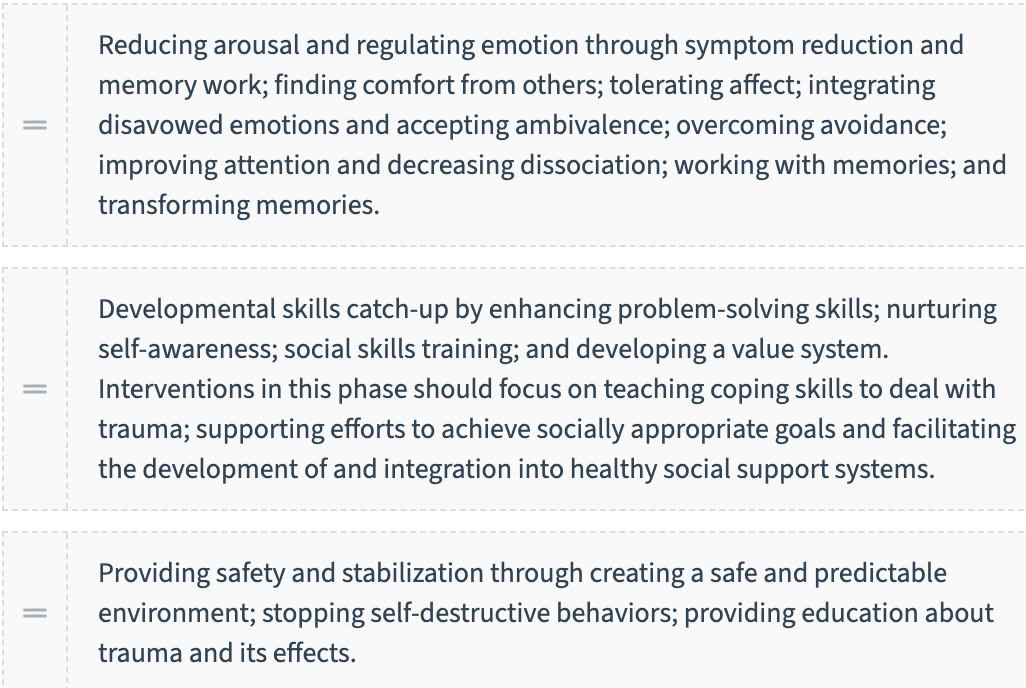
Stage 1: Provide safety and stabilization
Stage 2: Reduce arousal and regulate emotion through symptom reduction and memory work
Stage 3: Catch up on developmental and social skills; develop a value system
Window of Tolerance
Interventions for Child with PTSD
Use interactive process
Establish trust and safety
Use developmentally appropriate language
Teach relaxation techniques before trauma exploration to restore a sense of control
Use art and play to promote expression of feelings
Interventions for Child with PTSD (Cont.)
Involve
Involve caretakers in 1:1s, unless they are the cause of trauma
Educate
Educate child and caretakers about grief process and response to the trauma
Assist
Assist caretakers in resolving their own emotional distress about the trauma
Coordinate
Coordinate with social work for protections
Treatment Modalities of children tramua
Biological Treatments
Pharmacotherapy combined with EMDR therapy or CBT
Target symptoms and comorbidities like ADHD or MDD
Psychological Therapies
CBT
EMDR (Eye Movement Desensitization and Reprocessing)
Trauma-Related Disorders in Adults
Posttraumatic Stress Disorder (PTSD)
Acute Stress Disorder
Adjustment Disorder
Post-traumatic Stress Disorder in Adults
Examples of PTSD-Inducing Events
Military combat or hostage situations
Crime-related events
Assault
Natural disasters
Human disasters (accidents)
Medical care

Application of the Nursing Process for adult tramua
Assessment
Primary Care PTSD Screen (PC-PTSD)
PTSD Checklist (PCL-5)
Nursing Diagnoses
Post-trauma response
Anxiety (moderate, severe, panic)
Ineffective coping
Social isolation
Insomnia
Sleep deprivation
Hopelessness
Chronic low self-esteem
Self-care deficit
Application of the Nursing Process (Cont.)
Outcome Identification
Manages anxiety
Experiences enhanced self-esteem
Exhibits an enhanced ability to cope
Implementation
Use same stage model of treatment used for children
Health teaching & promotion
stages
1. Safety 2. reduce 3. Develop skills
Application of the Nursing Process (Cont.)
Evaluation: The patient…
Recognizes symptoms as related to the trauma
Uses learned strategies to manage anxiety
Has no flashbacks or intrusive thoughts
Sleeps adequately without nightmares
Assumes usual roles
Has satisfying interpersonal relationships
Treatment Modalities for adult tramua
Biological Treatment
Pharmacotherapy
Antidepressants
SSRIs
Psychological Therapies
Components of exposure and/or cognitive restructuring and EMDR therapy (eye movement desensensitive and reprocessing therapy)
Discussion
A patient is being evaluated in terms of successful outcomes. Identify things the nurse would look for as evidence of success in each of these three areas:
Manages anxiety
Experiences enhanced self-esteem
Exhibits an enhanced ability to cope
Acute Stress Disorder
Develops after exposure to a highly traumatic event
Diagnosed 3 days to 1 month after traumatic event
Acute Stress Disorder (Cont.)
Diagnosis: 8 or more of the following, during or after traumatic event
A subjective sense of numbing
Derealization
Inability to remember at least one important aspect of the event
Intrusive distressing memories of the event
Recurrent distressing dreams
Feeling as if the event is recurring
Intense prolonged distress or physiological reactivity (racing heart, sweating)
Avoidance of thoughts or feelings about the event
Sleep disturbances
Hypervigilance
Irritable, angry or aggressive behavior
Exaggerated startle response
Agitation or restlessness
Application of the Nursing Process of acute stress disorder
Assessment
Nursing Diagnoses
Post-trauma response
Impaired adaptation
Anxiety (specify level)
Outcomes Identification
Reduced response to trauma
Improved adaptation
Decreased anxiety
Application of the Nursing Process (Cont.)
Implementation
Establish therapeutic relationship
Assist to problem solve
Connect person to supports
Educate about ASD
Collaborate for coordination of care
Ensure and maintain safety
Monitor response and/or adherence to treatment
Evaluation (similar to that for PTSD)
Adjustment Disorder
A milder, less specific version of ASD and PTSD
Precipitated by stressful event (retirement, breakup)
Symptoms may include all forms of distress (guilt, depression, anxiety, anger)
These feelings may be combined with other manifestations of distress (physical complaints, social withdrawal, impaired occupational function, academic decline)
Dissociative Disorders
Dissociative Amnesia
Depersonalization/Derealization Disorder
Dissociative Identity Disorder
Dissociative Disorders
Occur after significant adverse experiences/traumas
Individuals respond to stress with severe interruption of consciousness
Unconscious defense mechanism
Protects individual against overwhelming anxiety through emotional separation
Results in disturbances in memory, consciousness, self-identity, perception
Dissociative Disorders (Cont.)
Risk Factors
Biological: genetic, neurobiological
Cognitive
Dissociation is a defense mechanism using separate parts of the personality that are not fully integrated, each becoming dominant depending on the situation
Environmental
Response to acute overwhelming trauma
Cultural
Dissociative Amnesia
Inability to recall important personal information
Often of traumatic or stressful nature
Dissociative fugue
Subtype characterized by sudden, unexpected travel and inability to recall one’s identity/information about the past
Depersonalization/Derealization Disorder
Persistent or recurrent episodes of…
Depersonalization—focus on self: extremely uncomfortable feeling of being an observer of one’s own body or mental processes
Derealization—focus on outside world: recurring feeling that one’s surroundings are unreal or distant. Person feels as if walking around in a fog, bubble, or dream.
Diagnosed when other disorders cannot be explained like ptsd
Dissociative Identity Disorder
Presence of two or more distinct personality states
Each alternate personality (alter) has own pattern of
Perceiving
Relating to and
Thinking about the self and environment
Cognitive distortion
an insistence that the “alters” inhabit separate bodies and are unaffected by the actions of one another
Application of the Nursing Process of dissociative disorders
Assessment
Memory assessment
History (especially of self-harm)
Mood
Impact on patient and family
Suicide risk
Self-assessment
Application of the Nursing Process (Cont.)
Nursing Diagnosis
Disturbed personal identity
Impaired role performance
Anxiety (specify level)
Outcomes Identification (personality integration)
Improved personal identity
Improved role performance
Reduced anxiety
Application of the Nursing Process (Cont.)
Planning
Phase 1: safety, stabilization, symptom reduction
Phase 2: confronting and integrating traumatic memories
Phase 3: Identify integration and rehabilitation
Application of the Nursing Process (Cont.)
Implementation
Process of integration and linking previously disconnected neural networks
Interventions offering emotional presence
Health Teaching and Promotion
Normalize experiences by explaining symptoms are adaptive responses to past overwhelming events
Teach grounding techniques
Application of the Nursing Process (Cont.)
Evaluation
Treatment effectiveness for dissociative identity disorder is “integration”
Treatment considered successful when outcomes are met:
Patient safety maintained
Anxiety reduced
Integration of fragmented memories
New coping strategies
Stress is handled adaptively, without use of dissociation
Treatment Modalities of dissociative disorder
Biological Treatment: Pharmacotherapy
No specific medications
Medications for hyperarousal and intrusive symptoms
Psychological Therapies
CBT, psychodynamic psychotherapy, exposure therapy, modified EMDR therapy, hypnotherapy, neurofeedback, ego state therapies, somatic therapies, and medication
Somatic Therapy
Grounding Techniques
3-3-3:
Name 3 things you hear, 3 things you see, and move 3 parts of your body
4-7-8 breathing
Deep breathe in for 4 seconds
Hold breath for 7 seconds
Breathe out for 8 seconds (optional: make a “wooo” sound)
Drink cold water
