PSYC214 EXAM 2
 Call Kai
 Learn
Learn Practice Test
 Spaced Repetition
 Match
Match Flashcards
 Knowt Play
1/133

There's no tags or description
Looks like no tags are added yet.
Name | Mastery | Learn | Test | Matching | Spaced | Call with Kai | Chat |
|---|
No analytics yet
Send a link to your students to track their progress
134 Terms

What part of the brain is this
Brodmann Area 6

What area of the brain is this
Brodmann Area 8

What area of the brain is this
Brodmann Area 17

What area of the brain is this
Brodmann Area 18
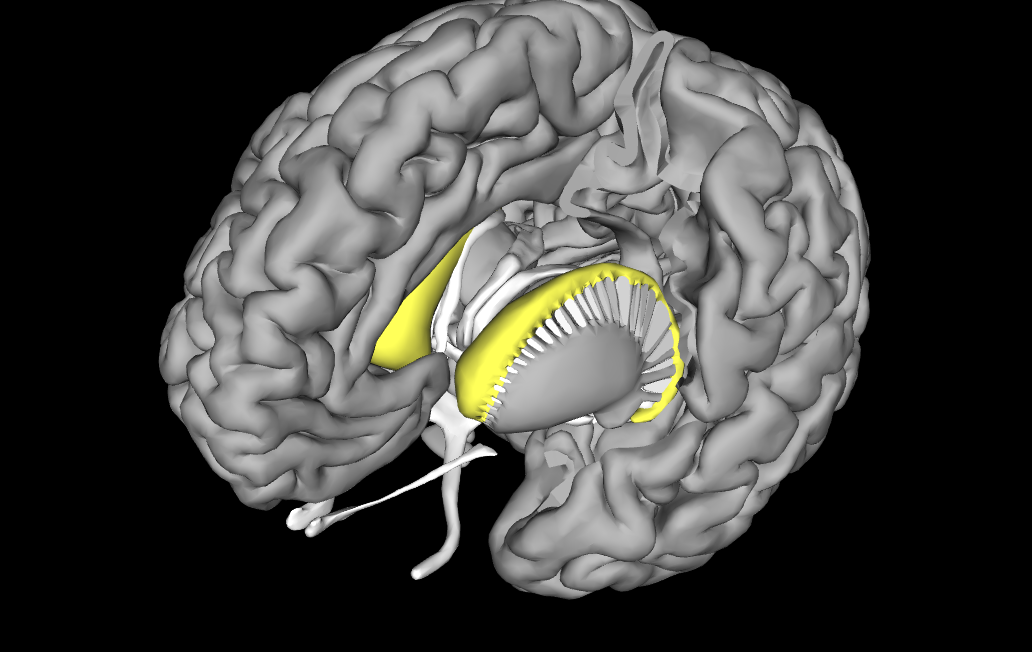
What area of the brain is this
Caudate Nucleus

What area of the brain is this
Cerebellum
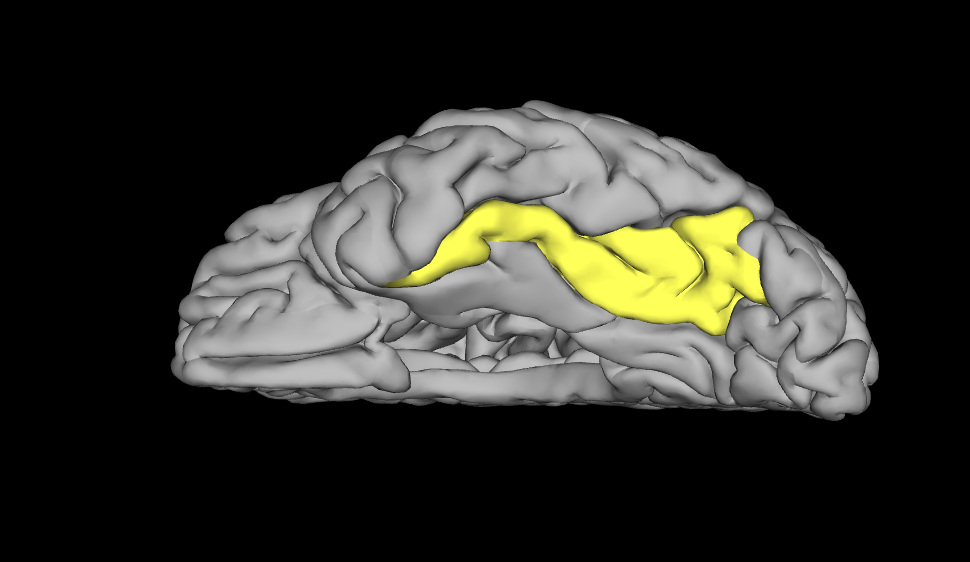
What area of the brain is this
Fusiform Gyrus

What area of the brain is this
Globus Pallidus

What area of the brain is this
Inferior Colliculus

What area of the brain is this
Inferior Occipital Gyrus

What area of the brain is this
Inferior Temporal Gyrus

What area of the brain is this
Lateral Geniculate Nucleus

What area of the brain is this
Lateral Occipital Gyrus

What area of the brain is this
Medial Geniculate Nucleus

What area of the brain is this
Medulla

What area of the brain is this
Middle Temporal Gyrus

What area of the brain is this
Optic Chiasm

What area of the brain is this
Optic Nerve
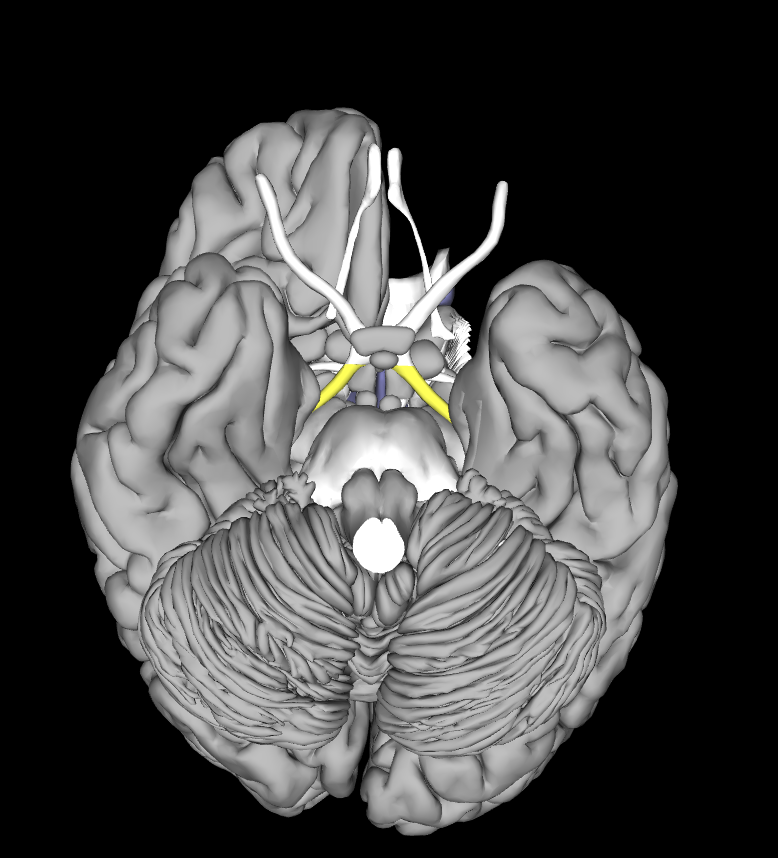
What area of the brain is this
Optic Tract

What area of the brain is this
Parahippocampal Gyrus

What area of the brain is this
Postcentral Gyrus

What area of the brain is this
Putaman

What area of the brain is this
red nucleus
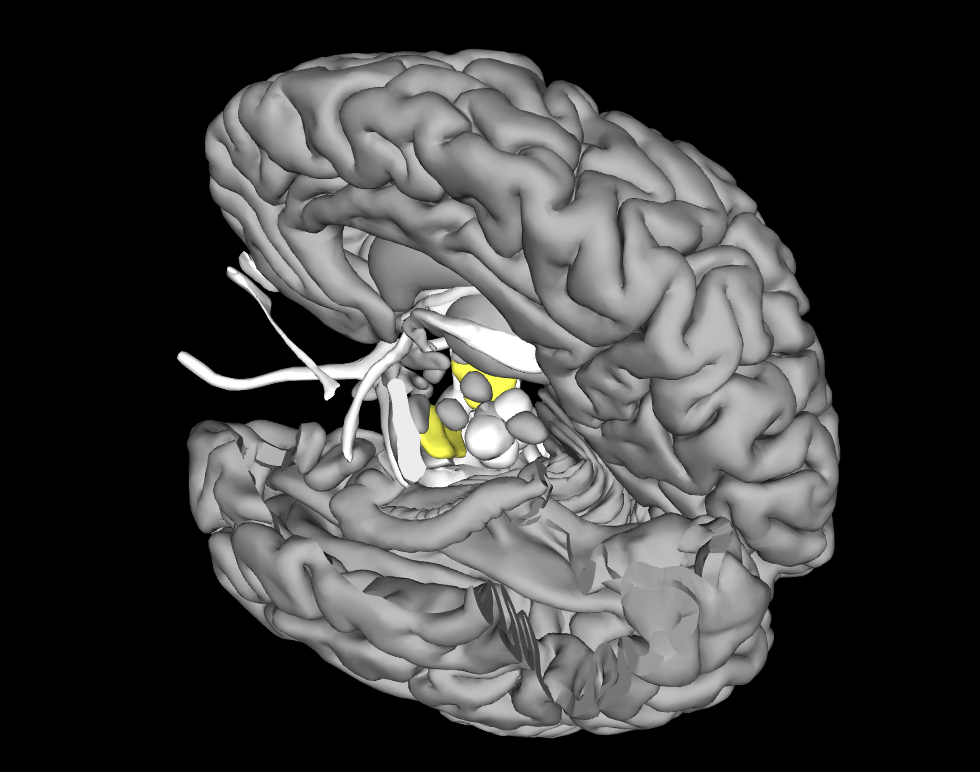
What area of the brain is this
Substantia nigra

What area of the brain is this
subthalamic nucleus

What area of the brain is this
superior colliculus

What area of the brain is this
superior occipital gyrus

What area of the brain is this
superior parietal lobule

What area of the brain is this
thalamus

which “plane of section” is displayed? A) Axial B) Sagittal C) Coronal Which is more caudal? Left or Right
Coronal and Left
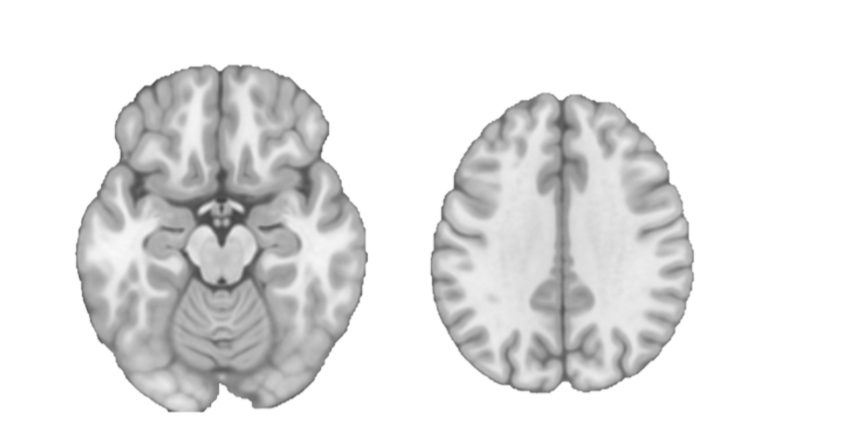
which “plane of section” is displayed? A) Axial B) Sagittal C) Coronal
Which is further dorsal? Left or Right
Axial and Right

which “plane of section” is displayed? A) Axial B) Sagittal C) Coronal
Which is more lateral? Left or Right
sagittal and Left
Why can brain damage affect the ability of a person to be unable to
recognize only specific objects?
A) A measure of how quickly a person is able to identify an object
B) An electrical brain response associated with face detection
C) An electrical brain response marking when a person consciously
identifies a face
D) An electrical brain response that specifically indicates when an
object is unfamiliar or familiar
B) An electrical brain response associated with face detection
How do psychedelics alter activity in the primary visual cortex to enhance visual imagery and contribute to hallucinatory effects? (Benjamin)
How does V1 activity during eyes-closed visual imagery change after taking the psychedelic ayahuasca?
A) V1 activity significantly decreases
B) It doesn’t–V1 activity stays the same
C) V1 activity increases slightly
D) V1 activity approaches that of viewing an external image
D) V1 activity approaches that of viewing an external image
How does expertise affect how the brain recognizes objects? (Marshall)
Compared with nonexperts, how did children with Pokémon expertise differ in activation of the fusiform face area (FFA)?
A) They showed lower activation to Pokémon characters, but similar activation to human faces.
B) They showed greater activation to Pokémon characters, but similar activation to human faces.
C) They showed greater activation to both Pokémon characters and human faces.
D) They showed similar activation to Pokémon characters, but greater activation to human faces
B) They showed greater activation to Pokémon characters, but similar activation to human faces.
How does astigmatism affect the visual development of children?
How did the researchers distinguish visual cortex activation from functional connectivity?
A) Activation reflected the response within visual cortex; connectivity reflected coordinated activity between regions.
B) Activation reflected communication between regions; connectivity reflected the response within visual cortex.
C) Activation reflected visual acuity; connectivity reflected the severity of astigmatism.
D) Activation reflected retinal responses; connectivity reflected activity only in the optic nerve
A) Activation reflected the response within visual cortex; connectivity reflected coordinated activity between regions.
How does the cerebral cortex get rewired after limb amputation?
In research on phantom limb pain, what’s the difference between a receptive field and projected field?
A) A receptive field is a part of the thalamus that receives pain signals, and a projected field is where sensation is self-reported.
B) A receptive field is where a sensation is self-reported, and a projected field is a location on the body that is physically stimulated.
C) A receptive field is a location on the body that is physically stimulated; a projected field is where a sensation is self-reported.
D) A receptive field is a location on the body that is physically stimulated; a projected field is a part of the thalamus that receives pain signals
C) A receptive field is a location on the body that is physically stimulated; a projected field is where a sensation is self-reported.
How can cannabinoids minimize damage caused by ischemic strokes?
What is the important neurotransmitter that cannabinoids help moderate for decreasing damage caused by ischemic stroke?
A) Dopamine
B) Glutamate
C) GABA
D) Norepinephrine
B) Glutamate
How does the mirror neuron system contribute to the process of learning new behaviors through observation?
Using TMS and sEMG to study observational learning and mirror neurons, which condition had largest MEP response?
A) Observation then physical practice
B) Only physical practice
C) Observation interspersed throughout physical practice
D) No observation or physical practice
C) Observation interspersed throughout physical practice
How can medicinal psilocybin promote neuroplasticity in individuals who have acquired brain damage? In TBI studies with rodents, which receptor has the greatest benefit for neuroplasticity and mood when bound to psilocybin?
A) Serotonin
B) GABA
C) Dopamine
D) Glutamine
A) Serotonin
How does nicotine serve as a protective agent against the development of Parkinson’s Disease?
Which statement best describes the potential relationship between Smoking and Parkinson’s Disease? A) Smoking directly causes the degeneration of dopamine neurons.
B) Smoking may protect dopaminergic neurons and reduce Parkinson’s Disease risk.
C) Smoking has no relationship with dopamine signaling in the brain.
D) Smoking completely prevents Parkinson’s Disease in people who smoke
B) Smoking may protect dopaminergic neurons and reduce Parkinson’s Disease risk.
How are self-initiated behaviors and stimulus-initiated behaviors different in the brain?
Which process leads to increased activity in the anterior midcingulate cortex (aMCC)?
A) Deciding which button to press in an experiment
B) Deciding when to press a button in an experiment
C) Reading the instructions in an experiment
D) Deciding whether or not to press a button in an experiment
A) Deciding which button to press in an experiment
B) Deciding when to press a button in an experiment
D) Deciding whether or not to press a button in an experiment
Together, the somatic nervous system and the autonomic nervous system make up the ____ nervous system.
A) peripheral
B) central
C) sympathetic
D) dorsal
A) peripheral
Superior colliculus is to ____ as inferior colliculus is to ____.
A) vision; hearing
B) taste; smell
C) vision; touch
D) touch; hearing
A) vision; hearing
Damage to the basal ganglia would most likely result in ____.
A) a loss of pain sensation
B) problems with visual perception
C) problems with auditory perception
D) a movement disorder
D) a movement disorder
The precentral gyrus is essential for the ____.
A) regulation of emotions
B) coordination between vision and hearing
C) control of movements
D) attention to hunger and thirst
C) control of movements
The “binding problem” is the issue of how we ____.
A) convert sensory information into a pattern that produces movement
B) perceive visual, auditory, and other aspects of a stimulus as a single object
C) transfer information between the left and right hemispheres
D) connect between word production and word comprehension brain areas
B) perceive visual, auditory, and other aspects of a stimulus as a single object
How does fMRI differ from MRI?
A) fMRI measures anatomy and MRI measures activity.
B) fMRI measures activity and MRI measures anatomy.
C) fMRI measures the location of activity, and MRI measures its timing.
D) fMRI measures the timing of activity, and MRI measures its location.
B) fMRI measures activity and MRI measures anatomy.
Which method relies on injecting a radioactive chemical into the blood?
A) fMRI
B) PET
C) CAT
D) EEG
B) PET
Which of the following is a way to produce a temporary “virtual lesion”?
A) Magnetic resonance imaging
B) Transcranial magnetic stimulation
C) Optogenetics
D) Positron emission tomography
B) Transcranial magnetic stimulation
A person consciously experiences “seeing” something when the information reaches _____.
A) the LGN
B) V1
C) V2
D) the retina
B) V1
In the back of each of your eyes, the axons of your ganglion cells all leave in one large bundle called the ______. As a result, this causes her to experience a _____.
A) optic nerve; saccade
B) optic nerve; blind spot
C) fovea; saccade
D) optic chiasm; blind spot 12
B) optic nerve; blind spot
Why do humans perceive faint light better in the periphery of the eye?
A) receptors in the periphery are closer to the pupil
B) the fovea is closer to the retina’s blind spot than peripheral receptors
C) more receptors in the periphery than in the fovea funnel input to each ganglion cell
D) ganglion cells in the periphery transmit their information to a larger brain area
C) more receptors in the periphery than in the fovea funnel input to each ganglion cell
What is a simple way to determine whether a cell in the primary visual cortex is a simple cell or a complex cell?
A) Compare how it responds to a single line vs. a face.
B) Count the number of synapses attached to its dendrites.
C) Tilt the stimulus and see whether the cell continues responding.
D) Test whether it responds to a stimulus in one place or in several locations.
D) Test whether it responds to a stimulus in one place or in several locations.
The motor cortex produces a kind of activity called a(n) ____ before any voluntary movement.
A) readiness potential
B) action potential
C) evoked potential
D) motor potential
A) readiness potential
Most of the axons of the medial tract go to which side of the body?
A) contralateral
B) ipsilateral
C) bilateral
D) dorsolateral
C) bilateral
Which pathway in the brain inhibits inappropriate movements?
A) direct pathway
B) indirect pathway
C) dorsal pathway
D) ventral pathway
B) indirect pathway
Which pathway in the brain initiates voluntary movements?
A) direct pathway
B) indirect pathway
C) dorsal pathway
D) ventral pathway
A) direct pathway
In the phenomenon of binocular rivalry, when one eye sees one pattern and the other eye sees another, what do you perceive?
A) one pattern superimposed on top of the other
B) temporary alternation between one pattern and the other
C) a compromise that doesn’t match either pattern
D) whatever the dominant eye sees
B) temporary alternation between one pattern and the other
Which of the following is most likely to cause spatial neglect?
A) Damage to the left hemisphere
B) Damage to the right hemisphere
C) Amputation of the left hand
D) Amputation of the right hand
B) Damage to the right hemisphere
What dose dorsal mean
a. Toward the side
b. Toward the back
c. Toward the stomach
d. Toward the head
b. Toward the back
If one structure is on the left and another is on the right what is their relationship?
a. Medial
b. Ventral
c. Ipsilateral
d. Contralateral
D
What is a gyrus in the brain?
a. A bulge in the cortex
b. A fluid-filled cavity
c. An indentation
d. A bundle of axons
a
What is the function of the ventral roots of the spinal cord?
a. They receive sensory imput
b. They control motor output
c. They convey information from the brain to the spinal cord
d. They convey information from the spinal cord to the brain
b. They control motor output
The side effects of most cold remdies demonstrate the effects of what?
a. The ventricles
b. The enteric nervous system
c. The meninges
d. The sympathetic nervous system
d. The sympathetic nervous system
Which of these controls breathing, heart rate, and salivation?
a. The hippocampus
b. The cranial nerves
c. The basal ganglia
d. The pituitary gland
b. The cranial nerves
Which of these is part of the forebrain
a. Hippocampus
b. Medulla
c. Pons
d. Cerebellum
a. Hippocampus
What sensation reaches the cerebral cortex without passing through the thalamus
a. Olfaction
b. Vison
c. Pain
d. Hearing
a. Olfaction
Which brain area controls the secretions from the pituitary gland
a. Medulla
b. Hippocampus
c. Hypothalamus
d. Basal ganglia
c. Hypothalamus
What do the ventricales contain
a. Densely packed neuron cell bodies
b. Gila
c. Cerebrospinal fluid
d. Long axons
c. Cerebrospinal fluid
Which area occupies about the same percentage of the brain in almost all mammales?
a. The cerebral cortex
b. The prefrontal cortex
c. The cerebellum
d. The primary visual cortex
c. The cerebellum
The cerebral cortex has (at most) how many laminae
a. Two
b. Three
c. Five
d. Six
d. Six
If a group of neurons have similar properties, what is probably true of them?
a. They have the same number of dendrites
b. One is in the left hemisphere and the other is in the right hemisphere
c. They are in the same lamina
d. They are in the same column
d. They are in the same column
The occipital cortex includes the primary area for what sense?
a. Hearing
b. Vision
c. Smell
d. Touch
b. Vision
Where is the primary somatosensory cortex?
a. Precentral gyrus
b. Postcentral gyrus
c. Temporoparietal junction
d. Cingulate cortex
b. Postcentral gyrus
Which human cortical area is specialized for hearing, language and face recognition?
a. Temporal Lobe
b. Frontal Lobe
c. Parietal Lobe
d. Occipital Lobe
a. Temporal Lobe
Where is the primary motor cortex?
a. Precentral gyrus
b. Postcentral gyrus
c. Temporoparietal junction
d. Clingulate cortex
a. Precentral gyrus
Which cortical area is specialized for choosing the action with the best probable outcome?
a. Fusiform gyrus
b. Anterior prefrontal cortex
c. Occipital cortex
d. Postcentral gyrus
b. Anterior prefrontal cortex
What is the binding problem?
a. The difficulty of coordinating the left side of the body with the right side
b. The difficulty of synchronizing output from a population of axons
c. The question of how we preceive separate sensations as a single object
d. The question of how a bilungual person shifts from one language to another
c. The question of how we preceive separate sensations as a single object
When are we likely to bind visual, auditory and touch stimuli?
a. if they produce action potentials of similar amplitude
b. if they are equally familiar
c. if they appear to come from the same place at the same time
d. if they send their inital signals to the same nucleus of the thalamus
c. if they appear to come from the same place at the same time
The first demonstration that a brain area contolled a particular aspect of behavior pertained to which type of behavior?
a. Criminal activity
b. Language
c. Hunger
d. Sexual arousal
b. Language
Why is it difficult to draw scientific conclusions from the study of human brain damage?
a. Brain-damaged people cannot undersand the instructions
b. It is illegal to seek infromed consent from brain-damaged people
c. Most people recover quickly after brain damage
d. Few people have damage to one and only one area
d. Few people have damage to one and only one area
What method can produce a temporary virtual lesion of a brain area?
a. stereotaxic instrument
b. optogenetics
c. transcranial magnetic stimulation
d. positron-emission tomography
c. transcranial magnetic stimulation
What method can control excitation or inhibititon of a particular type of cell in a single area with millisecond accuracy?
a. Stereotaxic instrument
b. Optogenetics
c. Transcranial magnetic stimulation
d. Positron-emission tomography
b. Optogenetics
Why are zebrafish larvae useful for certain types of brain reserch?
a. they are transparent
b. they are immobile
c. all their neurons use the same nerotransmitter
d. their neurons are large and similar from one individual to another
a. they are transparent
Which methods are most useful fro detecting momentary change in brain actvity
a. stereotaxic intruments and crisp-r
b. optogenetics and transcranial magnetic stimulaton
c. eeg and meg
d. pet and fmri
c. eeg and meg
Which methods are most useful for detecting the location of the brain area that become active during some behavior?
a. stereotaxic instruments and crisp-r
b. optogenetics and transcranial magnetic stimulaton
c. eeg and meg
d. pet and fmri
d. pet and fmri
Which of these is the first step for a pet
a. Inject a radioactive chemical into the blood
b. insert an electode into the brain
c. subject the brain to a strong magnetic field
d. attach light-sensitive proteins to a virus
a. Inject a radioactive chemical into the blood
What is one adcantage of fmri over pet scans
a. the fmri technique measures activity on a millisecond-by-millisecond basis
b. the fmri technique dose not require inserting an electrode into the head
c. the fmri technique dose not expose the brain to radioactivity
d. the fmri technique identifies which brain area are most active at a given moment
c. the fmri technique dose not expose the brain to radioactivity
What do horizontal cells in the retina do?
They inhibit ganglion cells.
They excite ganglion cells.
They inhibit neighboring bipolar cells.
They stimulate neighboring bipolar cells.
They inhibit neighboring bipolar cells.
In humans, what crosses to the contralateral hemisphere at the optic chiasm?
Half of each optic nerve, the part representing the nasal half of the retina
Half of each optic nerve, the part representing the temporal half of the retina
Nothing
All of each optic nerve
Half of each optic nerve, the part representing the nasal half of the retina
What is the function of lateral inhibition in the retina?
To sharpen borders
To enhance colors
To recognize objects
To increase attention
To sharpen borders
4. Suppose light strikes the retina in a circle, surrounded by dark. Which bipolar cells will exhibit the greatest response, and which the least?
a. Bipolar cells connected to receptors in the center of the circle respond the most. Those connected to receptors farthest from the circle respond the least.
b. Bipolar cells connected to the receptors just outside the circumference of the circle respond most. Those connected to receptors just inside the circumference respond least.
c. Bipolar cells connected to the receptors just inside the circumference of the circle respond most. Those connected to receptors just outside the circumference respond least.
d. All bipolar cells within the circle will respond equally, and those outside will not respond at all.
c. Bipolar cells connected to the receptors just inside the circumference of the circle respond most. Those connected to receptors just outside the circumference respond least.
Parvocellular cells are specialized to respond to what?
Diffuse patterns
Movement
Vision in the periphery
Color and detail
Color and detail
Magnocellular cells are specialized to respond to what?
Color
Movement
Vision in the fovea
Detail
Movement
Which of these is true of visual imagery?
It is equally intense for nearly all people.
It occurs without any change in brain activity.
It occurs rapidly in V1 and then spreads to other brain areas.
It starts in language or memory areas and spreads to V1.
It starts in language or memory areas and spreads to V1.
Which of the following is responsible for many if not all cases of blindsight?
Sprouting of auditory neurons into area V1
Spontaneous neural activity in area V1
Connections from Vl to other cortical areas
Connections to cortical areas outside V1
Connections to cortical areas outside V1
How do complex cells in the visual cortex differ from simple cells?
Complex cells make the same response after a stimulus moves.
Complex cells respond to overall patterns, such as faces.
Complex cells respond only to color, not shape.
Complex cells respond only after receiving input from the prefrontal cortex.
Complex cells make the same response after a stimulus moves.
After you stare at a waterfall or other steadily moving display, you see stationary objects as moving in the opposite direction. That observation is evidence in favor of which of the following?
Feature detectors
Astigmatism
Hyperphantasia
Lateral inhibition
Feature detectors
If a kitten has one eye shut for its first few weeks of life, its visual cortex becomes insensitive to that eye. Why?
The receptors die.
Any axon that is not used for that long becomes unable to respond.
Activity from the active eye inhibits synapses from the inactive eye.
The muscles controlling that eye become inactive.
Activity from the active eye inhibits synapses from the inactive eye.