teas science chem (copy)
 Call Kai
 Learn
 Practice Test
 Spaced Repetition
 Match
 Flashcards
 Knowt Play
1/260

There's no tags or description
Looks like no tags are added yet.
261 Terms
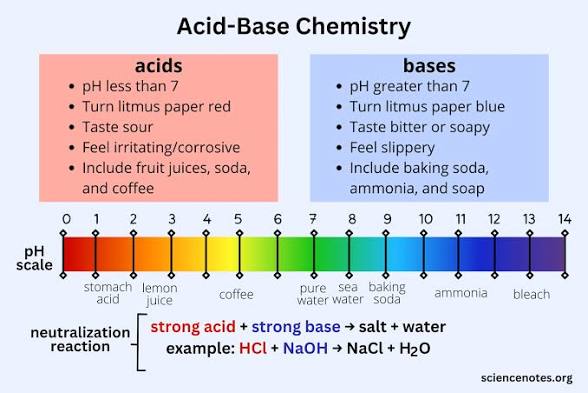
Acid
donates a proton

gas evolution reaction
a chemical reaction that produces a gas as one of its end products, often seen as bubbling or fizzing (effervescence) in a liquid
precipitation reaction
a chemical reaction in which dissolved ions in aqueous solutions combine to form an insoluble solid called a precipitate.

spectator ion
an ion that exists in the exact same form on both the reactant and product sides of a chemical equation in an aqueous solution
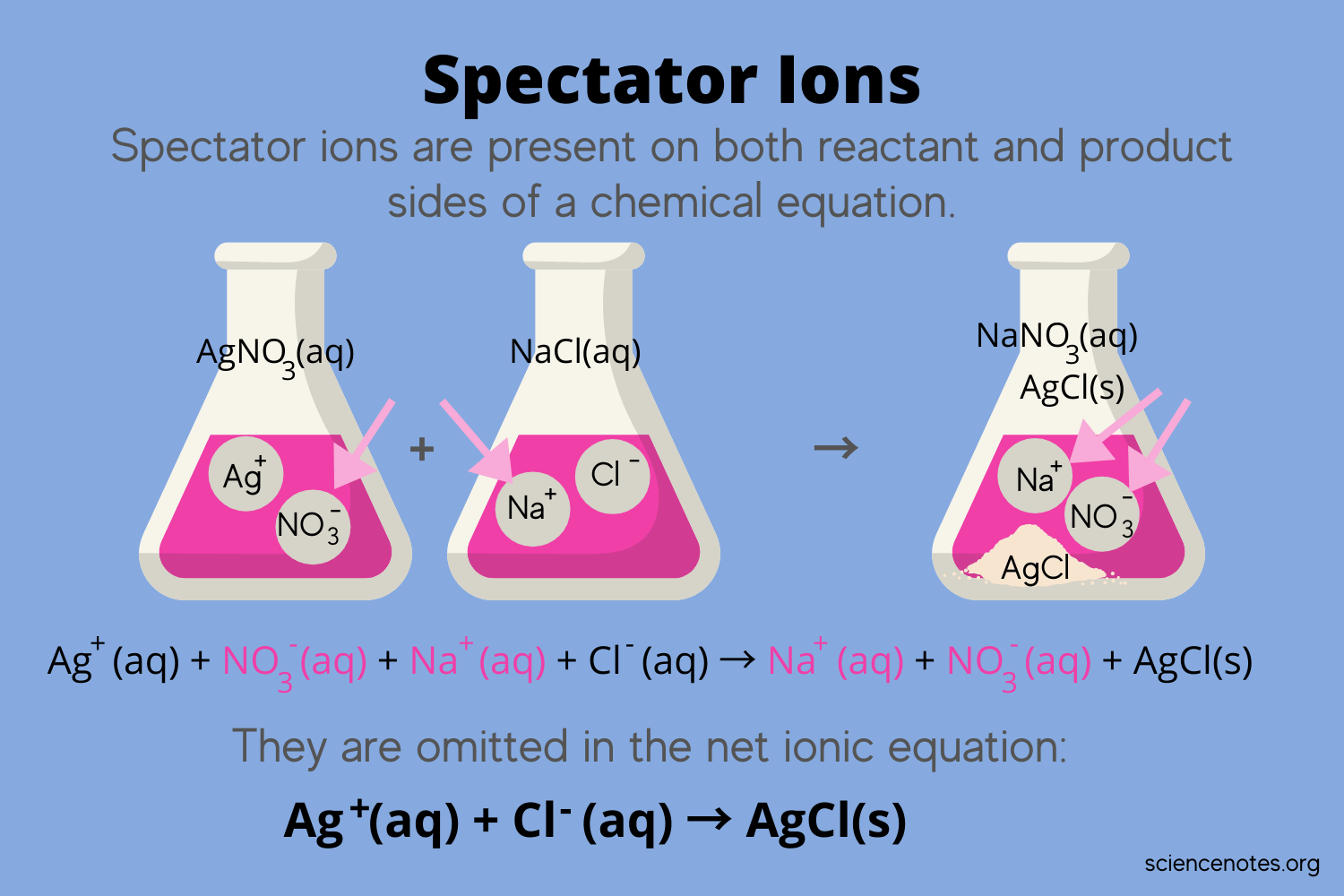
net ionic equation
shows only the ions, atoms, or molecules that actively participate in a chemical reaction in solution, leaving out unchanged spectator ions
polyatomic ion (molecular ion)
group of two or more atoms bound together by covalent bonds that acts as a single unit and carries a net electrical charge
atomic radius _ as you go down a group
increases

atomic radius _ as you go left across the periodic table
increases

atomic radius _ with effective nuclear charge
decreases

atomic radius _ with each successive energy level added to an atom when you go down a group
increases

Base
accepts a proton
H+
proton

Conjugate base
a conjugate base forms when an acid donates a proton.

Protic
containing H atoms
Conjugate Acid
A conjugate acid forms when a base accepts a proton

Aprotic
not containing H atoms
Base (lewis law)
donates electrons

Acid (lewis law)
accepts electrons

Amphoteric
a substance that can act as both an acid and a base

Acid-Base Reaction
When an acid and base mix together, neutralize one another's properties

Equilibrium Expression
a mathematical ratio of products to reactants for a reversible chemical reaction at equilibrium
[H30+]>10^-7
acidic solution

[H30+]
basic solution

[H30+] = 10^-7
neutral solution

Larger Conjugate Base
more stable

Acidity (pH)
level of acid in a substance

Composite Resonance Structure
the single true representation of a molecule that combines all valid individual Lewis structures
Monoprotic Acid
an acid that can donate only one proton (hydrogen ion) per molecule

Polyprotic Acid
an acid that can donate more than one proton (H⁺) per molecule in acid-base reactions
pKa
Negative logarithm of the acid dissociation constant.
Strong Acids Deprotonate_?
deprotonate completely
Hydronium Ion Concentration
a measure of the number of hydrogen ions, denoted as H+, per unit volume
pH=
-log[H30+] (negative log of the hydronium concentration)
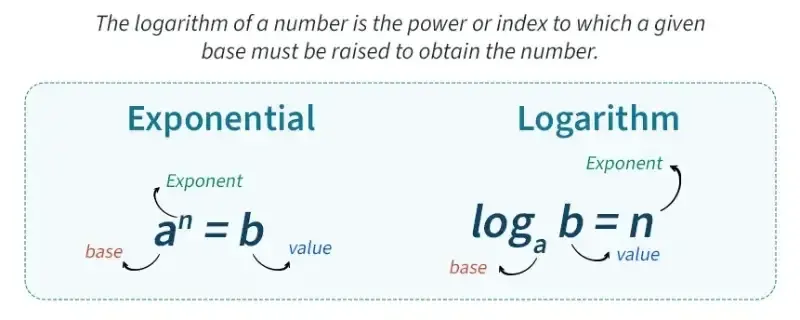
Logarithms
the inverse operations of exponents
pOH (Definition)
a measure of the hydroxide ion concentration in a solution
pOH(Formula)
-log[HO^-]
pH+pOH
14-pH
K^w
[H30^+] [HO^-]
Basicity
the quality of being a base (not an acid). A base is a substance that can accept hydrogen ions in water and can neutralize an acid

Weak Acids Deprotonate_?
deprotonate partially
Kw=
1.0x10^14
Equilibrium
A state of balance
Pulmonary Regulation
adjusts CO2 exhalation rate to modulate blood pH within minutes

Renal Regulation
encompasses the physiological processes by which the kidneys maintain homeostasis, including fluid balance, electrolyte concentrations, acid-base equilibrium, and blood pressure
Acid Load
measures the net amount of acid your body produces from the foods you eat
Alkali Load
an increase in base or alkaline precursors in the body, which helps neutralize dietary or metabolic acids
Proximal Tuble
the primary segment of the kidney's renal tubule responsible for reabsorbing the vast majority of filtered water, electrolytes, and nutrients. It connects Bowman's capsule to the loop of Henle and is located in the renal cortex

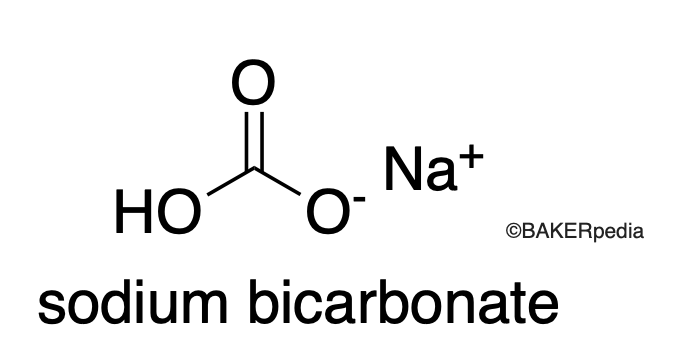
Bicarbonate
a vital chemical compound and electrolyte with the formula HCO₃⁻, acting primarily as a pH buffer in the body, a leavening agent in baking, and a natural cleaner.
Lumen
A lumen in the body is the hollow, open inside space of a tube-like or hollow structure, such as an Lumen (anatomy) - blood vessel, intestine, or airway.

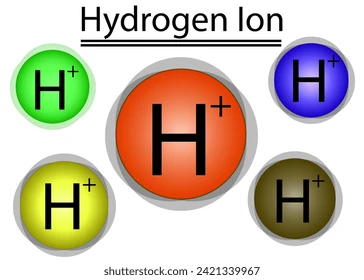
Hydrogen Ion
a positively charged hydrogen atom (\(H^{+}\)) that has lost its single electron, meaning it is essentially a bare proton.
Phosphate
a chemical ion, salt, or group containing one phosphorus atom and four oxygen atoms (PO₄³⁻), vital for life

Collecting Duct
a system of 1) straight tubes in the kidneys that 2) collect fluid from nephrons and 3) balance water and salt. It acts as the final channel to turn waste liquid into urine before it moves to the bladder

Intercalated Cells
specialized kidney cells responsible for excreting acid produced daily by our bodies.
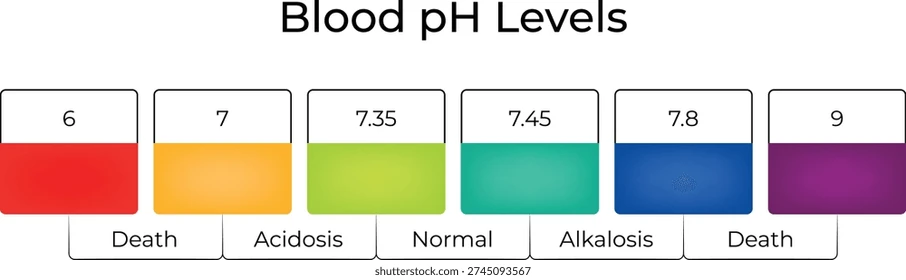
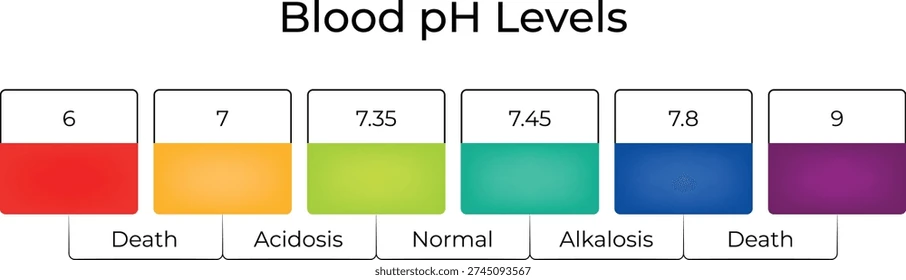
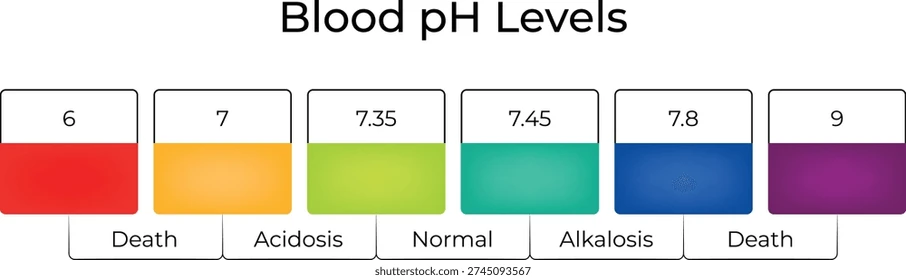
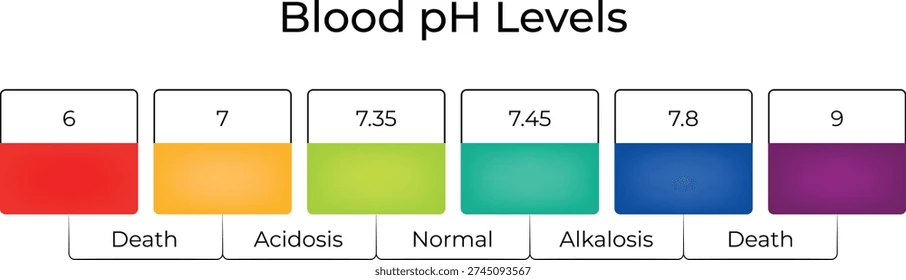
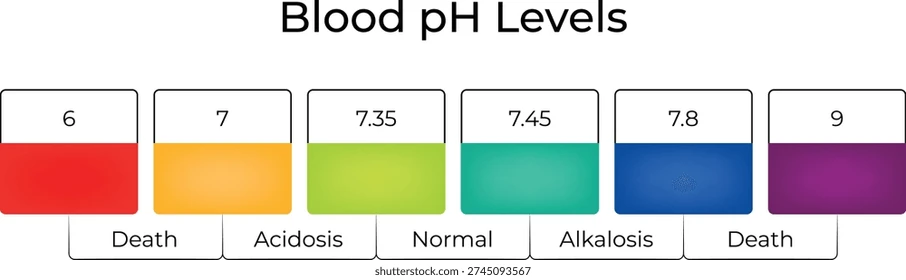
Plasma pH
7.35-7.45

Potassium Chloride
-K^+,Cl^-
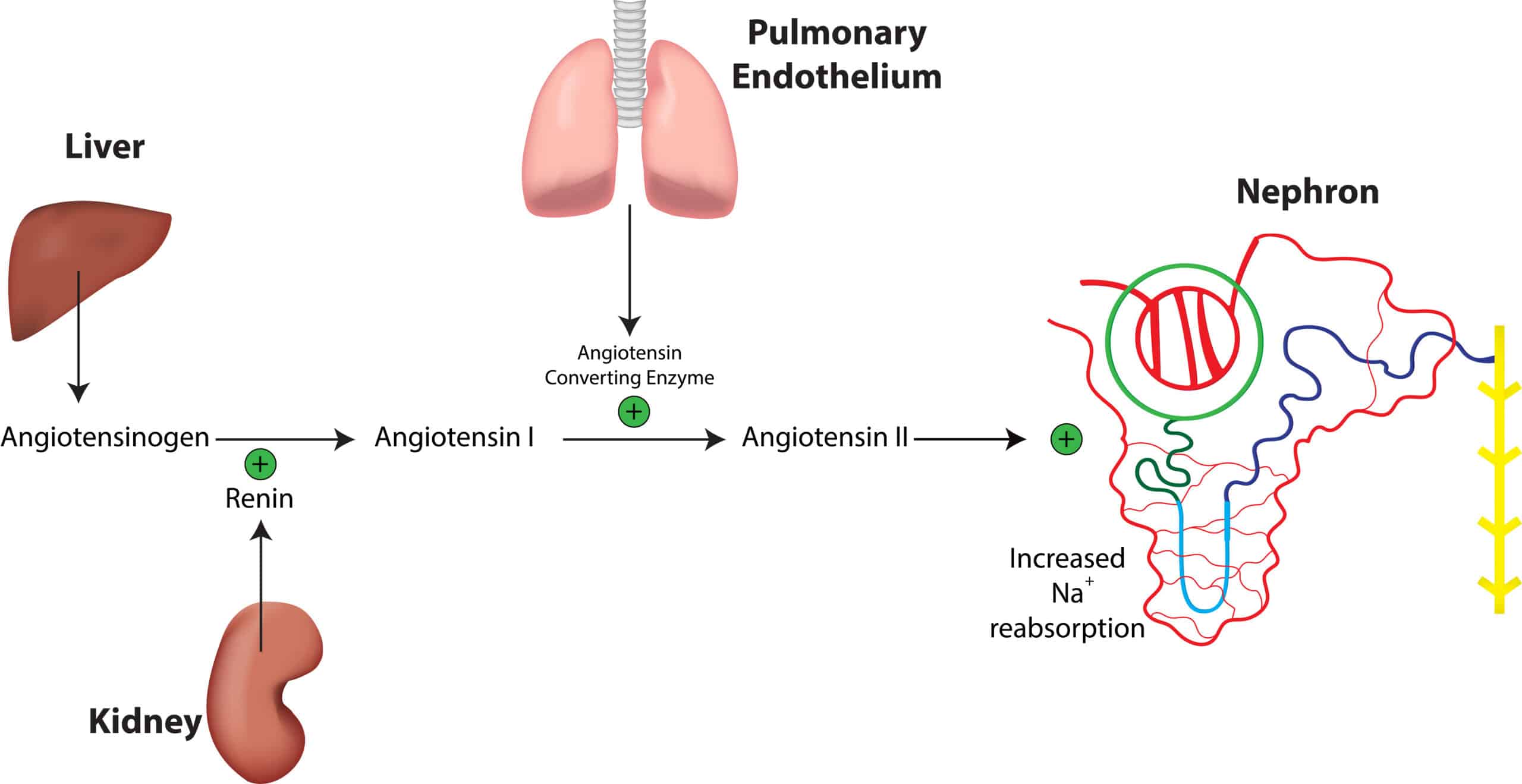
RAAS (renin-angiotensin-aldosterone system)
controls blood pressure, fluid balance, and sodium-potassium levels
Acidosis
excessive acidity of body fluids
Alkalosis
The buildup of excess base (lack of acids) in the body fluids.

Acidemia
abnormal acidity of the blood
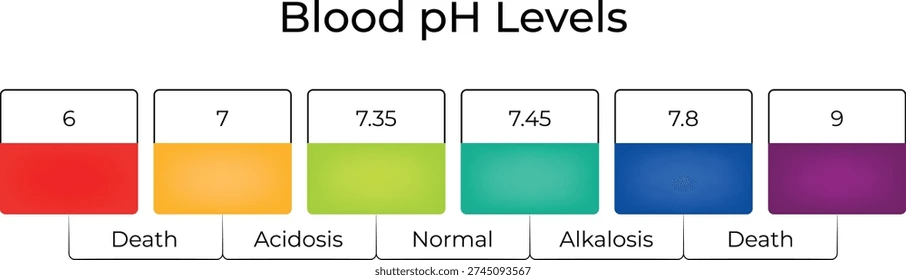
Alkalemia
abnormal alkalinity of the blood
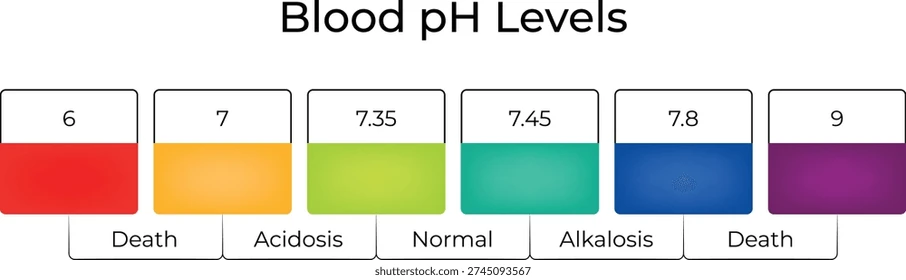
Acidosis(Respiratory)
blood is too acidic
Acidosis(Metabolic)
too much acid in blood
Renal Failure
kidney failure

Renal Tubular Acidosis
kidneys fail to excrete acids into urine. leads to buildup of acid in blood
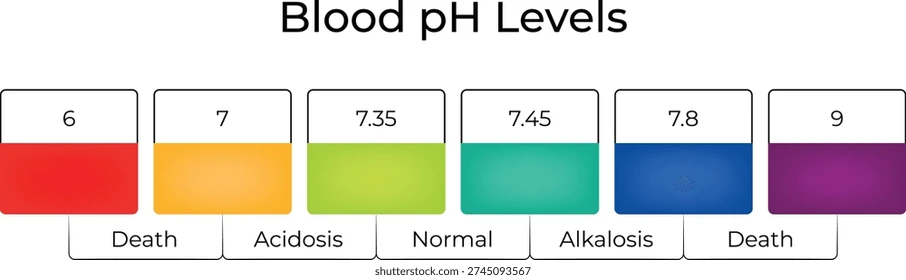
Loss of Alkali
metabolic alkalosis (too much base or alkali raising blood pH above 7.45)
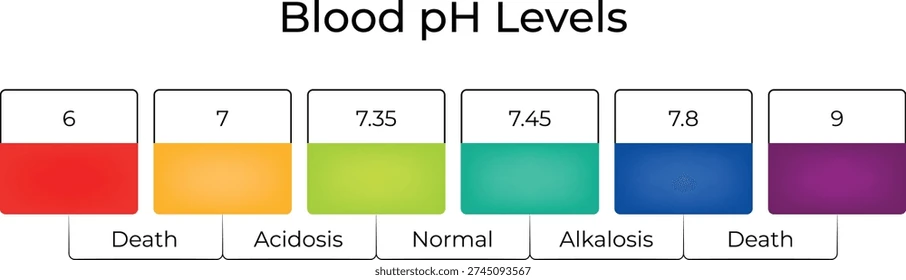
Production/ Ingestion Of Acids
the stomachs daily secretion of hydrochloric acid (1.5-2.0 liters of gastric juice daily pH of 1-2) to digest food and kill microbes
Alkalosis(Respiratory)
lack of carbon dioxide in blood making bloods pH rise
Alkalosis(Metabolic)
imbalance of bodies acid-base levels. can make bloods pH higher than normal
Excess Loss Of Acids
metabolic acidosis (acid buildup in body)
Bicarbonate Retention
body holds onto too much bicarbonate (raises blood pressure, causes metabolic alkalosis)
Ingestion Of Alkali
oral exposure to substances with a ph >12. causes liquefactive necrosis
Plasma Bicarbonate
vital chemical base measured in the blood to help keep the body’s acid base (pH) level normal
Number of atoms
118
Atom
basic building block of matter. smallest possible unit of a chemical element.

Proton
positively charged particle

Neutron
no charge

Electron
negatively charged particle

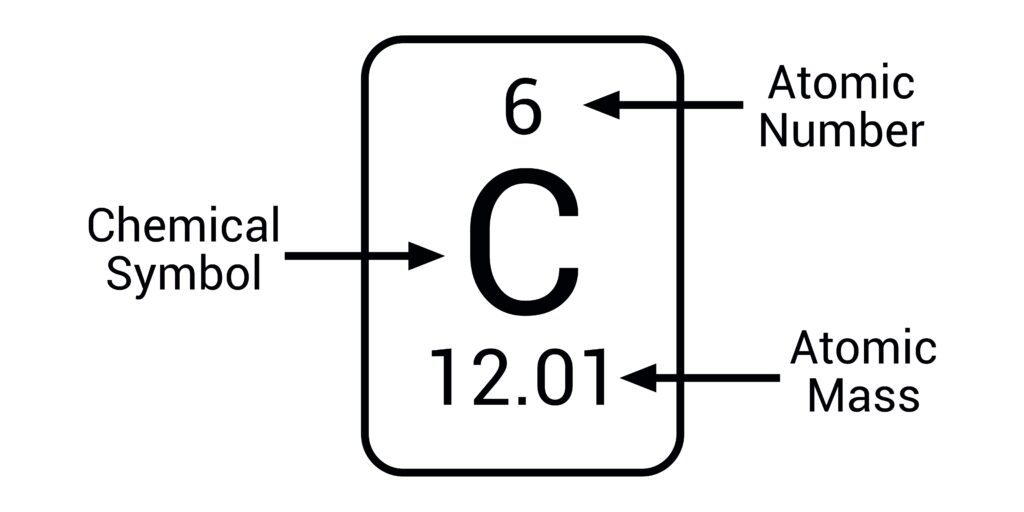
Atomic Number
the number of protons in the nucleus of an atom
Electron Cloud
region of negative charge surrounding an atomic nucleus

Electric Force
attraction or repulsive interactions between any two charged particles or objects

Strong Force
most powerful of four fundamental forces in nature. short range, strengthens with distance.

Polar
splitting or organizing things into two opposite groups or directions(light waves, electrical charges)

Polar Molecule
structure with a slight positive charge on one end and a slight negative charge on the other

Electronegative
an atoms tendency to attract shared electrons in a chemical bond

Hydrogen
simplest and lightest chem element H atomic number1

Hydrogen Bonds
weak magnetic like attraction between a slightly positive hydrogen atom in one molecule and a slightly negative atom in another molecule

Xylem
transport tissue that moves water, carries minerals, and gives psychical support

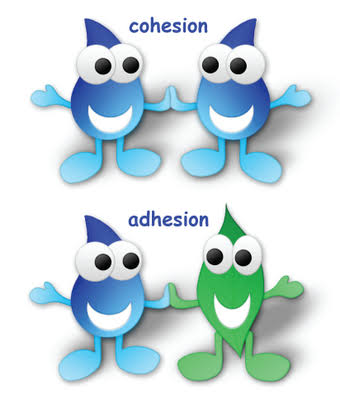
Adhesion
attraction between molecules of different substances

Cohesion
Attraction between molecules of the same substance
Surface Tension
physical property of liquids that makes the surface act like a thin, stretchy skin

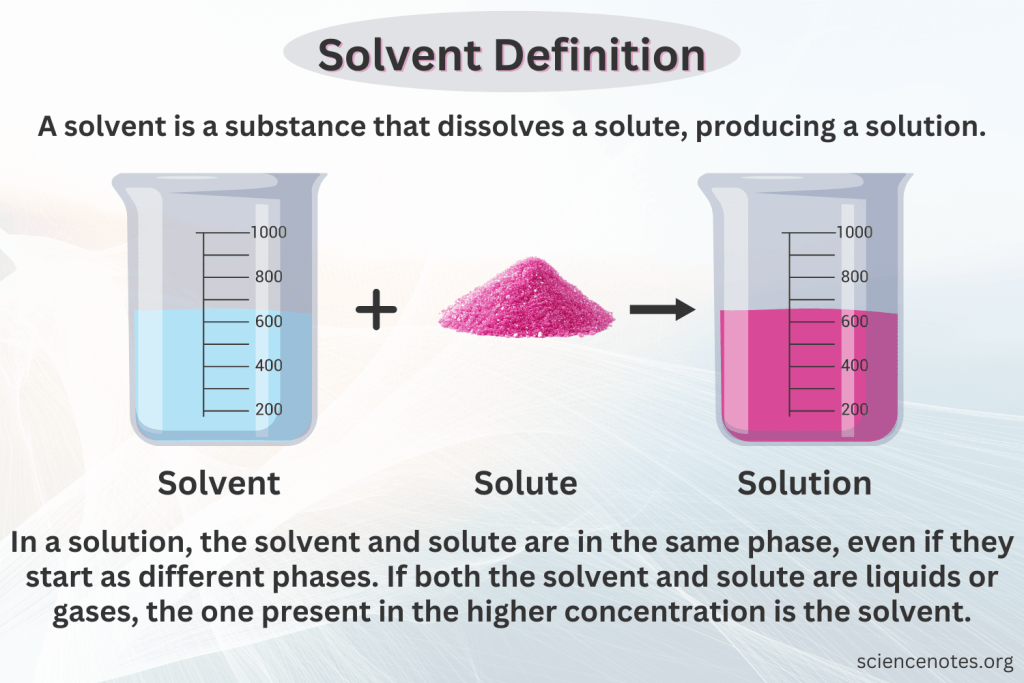
Solvent
substance that dissolves another substance (called solute) to form a solution
High Specific Heat
substance requires large amount of heat energy to change it’s temperature (example-water)

Evaporation
liquid changing to gas or vapor at temps below its boiling point

Global Maximum
the largest overall value of a function across its entire defined domain
Global Minimum
the lowest overall value of a function or set across its entire domain
Local Minimum
lowest point on a graph, given a certain range or spread of data.
Local Maximum
highest point on a graph within a small neighborhood or specific region
Tangent Line
a straight line that touches a curve at one specific point without going across it at that spot (shows exact direction and slope of curve at that exact point)
Endpoint
the point in titration where a physical change signals the reaction is complete
Interval
set of all real numbers lying between two fixed endpoints with no “gaps”