Anthro1 Midterm
 Call Kai
 Learn
Learn Practice Test
 Spaced Repetition
 Match
Match Flashcards
 Knowt Play
1/48

There's no tags or description
Looks like no tags are added yet.
49 Terms
Why do we study primates?
homology: humans share inherited similarities in anatomy and behavior
analogy: primates provide models for how selection shapes adaptations in environments occupied by our ancestors
What is a primate? Characteristics?
grasping and sensitive hands and feet (opposable big toe)
nails instead of claws
hind-limb driven locomotion
forward-facing eyes encased in bone
enhanced vision, less reliance on olfaction (smell)
relatively large brain
What is a primate? Characteristics of offspring
long gestation period
small litters
long juvenile period
long lifespan
increased dependence on learning and behavioral flexibility
primate teeth
All primates have the same kinds of teeth
incisors (I), canines (C), premolars (P), molars (M), usually in the order I-C-P-M
configuration of teeth is usually the same for both the upper (maxilla) and lower (mandible) jaws
teeth are bilaterally symmetrical (left and right sides of the mouth are the same)
primate teeth formula - strepsirrhines
2.1.3.3 /
2.1.3.3
primate teeth formula - humans and catarrhines
2.1.2.3 /
2.1.2.3
primate location
tropical animals, mainly forest-dwelling arboreal animals
modern day range: asia, Africa, and south america
ancient day range: southern europe and north america
primates have never been found on australia or antartica
primate phylogeny: two starting branches
Strepsirrhines vs. Haplorrhines
primate phylogeny: Strepsirrhines two major groups
lemurs v. lorises
primate Phylogeny: Haplorrhines two major subgroups
tarsiers v. anthropoid primates (Simiiformes): monkeys, apes, humans
primate phylogeny: Anthropoidea, two major groups
platyrrhini (new world monkeys) v. Catarrhini (Old world anthropoids)
primate phylogeny: Catarrhini two groups
cercopithecoidea (Old world monkeys) v. Hominoidea (apes and humans)
Compare strepsirrhines vs haplorrhines: primate suborders
strepsirrhines:
lemurs: live on Madagascar
lorises: live in parts of South Asia
haplorrhines:
includes tarsiers, monkeys, apes, and humans
strepsirrhines - key characteristics
tooth comb
tapetum lucidum (reflective eye covering)
rhinarium (wet nose)
scent glands
strepsirrhines - key characteristics SPECIFIC EXAMPLES
lorises and pottos of Africa and asia: live in solitary and are nocturnal
bushbabies of Africa
lemurs of madagascar
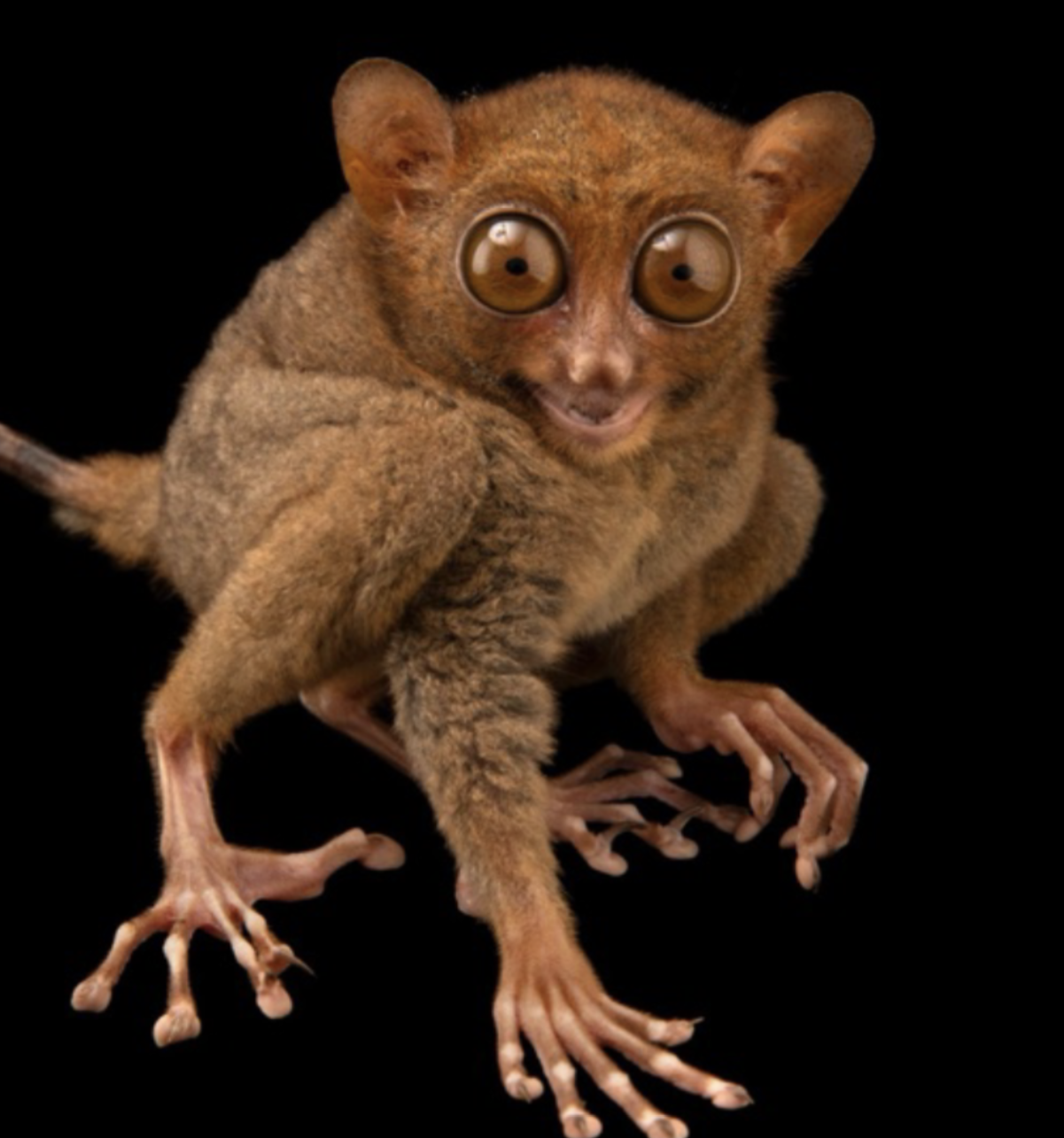
tarsiers
Haplorrhines —> more specifically tarsiiformes
small, nocturnal, insectivorous, and carnivorous
Southeast Asia
grooming claws
*tarsiers are most closely related to monkeys and apes (simiiformes)
anthropoidea: two branches
platyrrhini (new world monkeys) v. Catarrhini (old world anthropoids)
Catarrhini (old world anthropoids) - two subgroups
cercopithecoidea (old world monkeys) v. hominoidea (apes and humans)
Hominoids (humans, apes)
subgroup of catarrhines
distinct from tarsiers and all other primates
larger brain and body size
longer life span
longer interval between births
tendency towards upright posture
shorter and less projecting face and muzzle
no tail
gorillas chimps and adult male orangutans spend considerable time on the ground
Great Apes - Specific examples
catarrhines —> hominoidea (oidea meaning without tails)
orangutans, gorillas, chimpanzees
lesser smaller apes
gibbons and siamangs
catarrhines
catarrhines - old world monkeys - key traits
sharp-nosed catarrhines, nostrils face downward
live in africa and asia
no prehensile tails (think apes)
all diurnal
some arboreal, some terrestrial
broad habitat range
Dental formula: 2.1.2.3 / 2.1.2.3
Platyrrhines - New World Monkeys key characteristics
flat, wide noses, nostrils turned to sideways
many have prehensile grasping tails
live in forests of central and south america
arboreal and tropical forests
quadrupedal
dental formula: 2.1.3.3
mainly diurnal
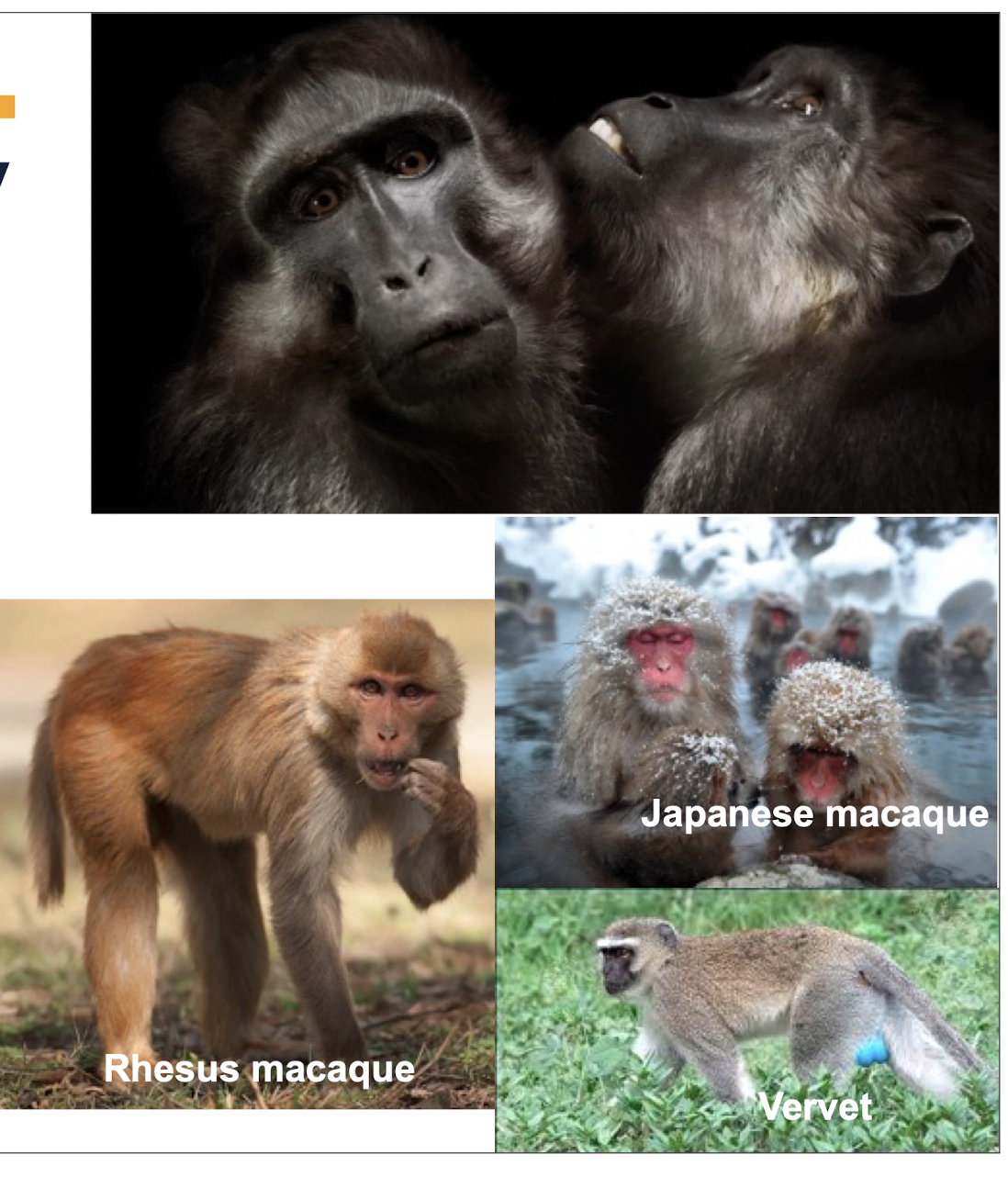
cercopithecinae subfamily (Cercopithecoidea)
examples: baboons, macaques, vervets, mangabeys
Old world monkeys
narrow nose, downward nostrils, non-prehensile tail
sub group of catarrhines
mostly in Africa
23 species of macaques in Asia
diversity in diet, size, habitat, social and mating strategies
most common form of social organization is multiple adult males, multiple adult females, and offspring
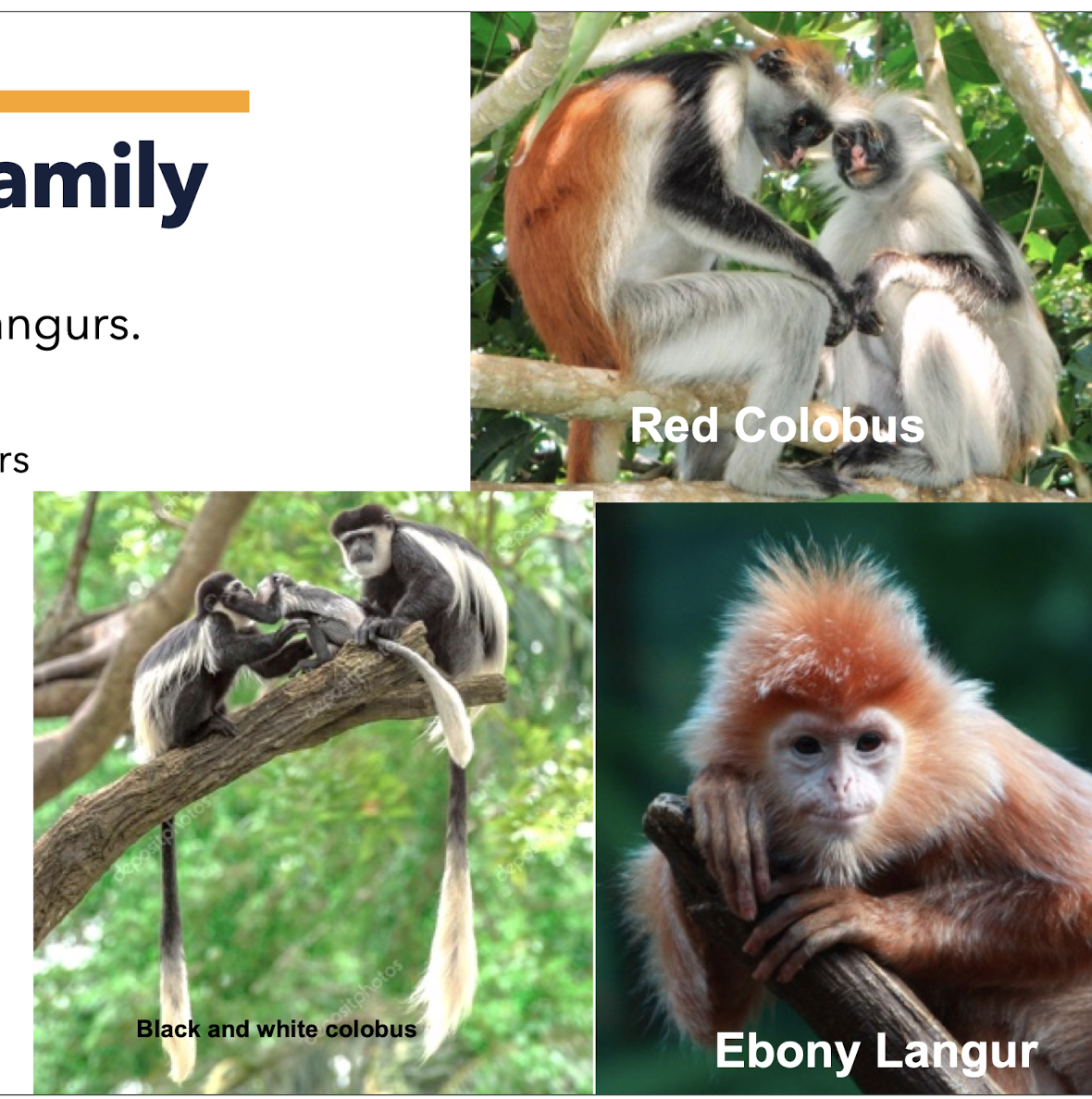
colobinae subfamily
colobus leaf monkeys and langurs
found in asia and africa —> Old world monkeys
primarily leaf and seed eaters
arboreal
polygnous MFF common
infanticide observed
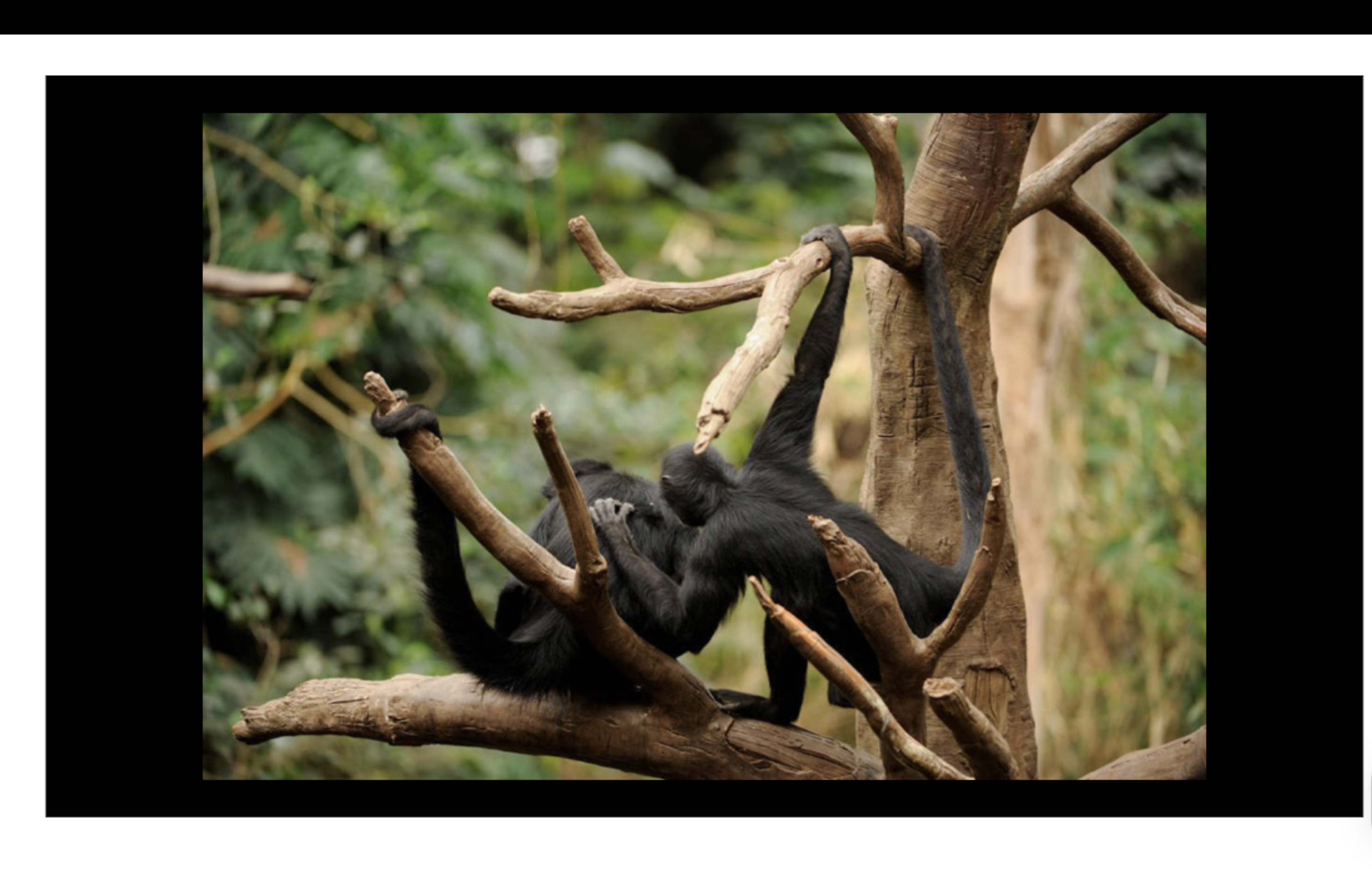
spider monkey
platyrrhine (new world monkey), has prehensile tail
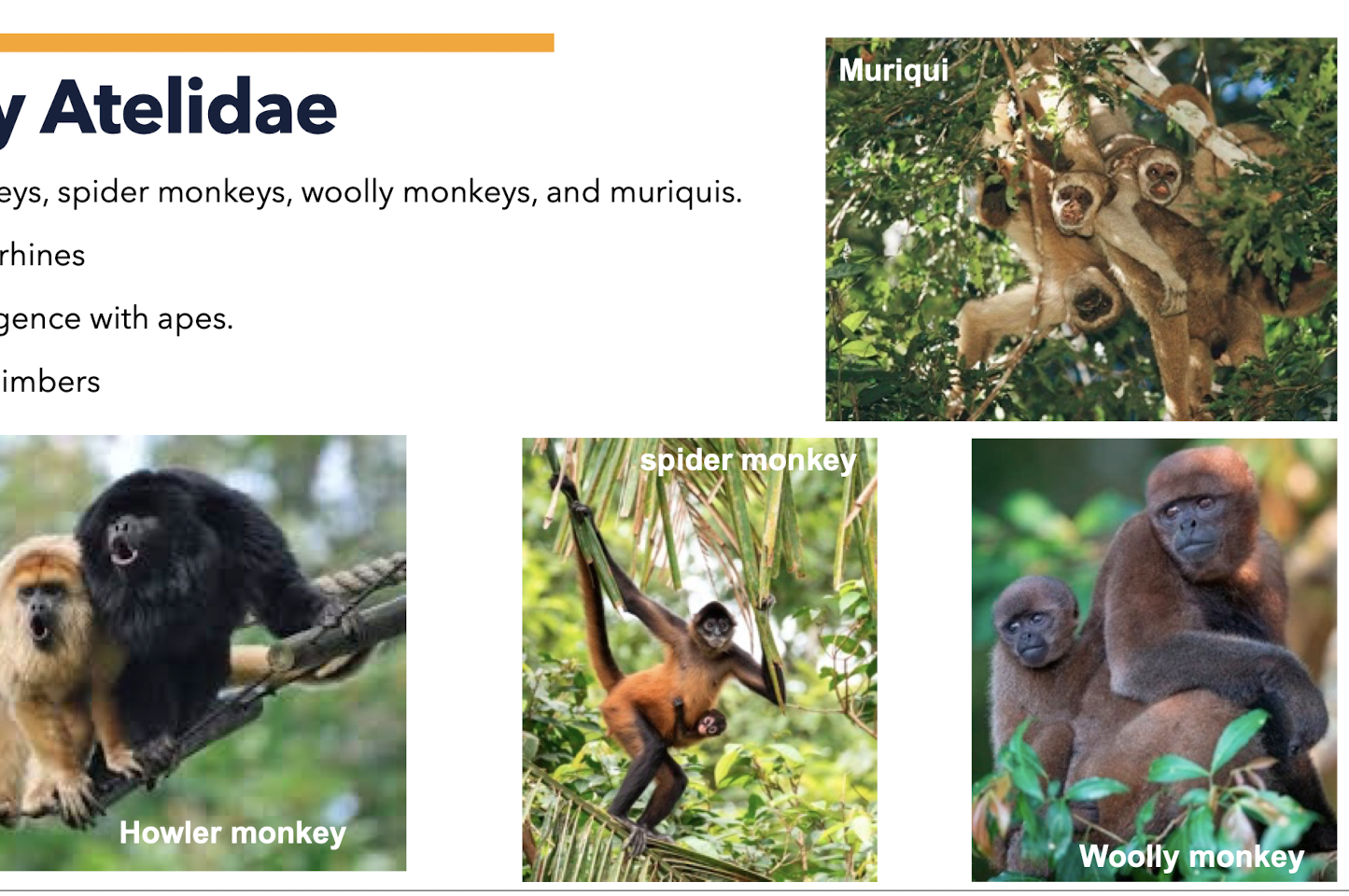
family atelidae
howler monkeys, spider monkeys, woolly monkeys and muriquis
largest platyrrhines —> new world monkeys
some convergence with apes
suspensory climbers
family cebidae
capuchin monkeys and squirrel monkeys
large brain : body size
owl monkeys are nocturnal
callitrichinae:
2-1-3-2 dental formula; claws
pair bonded marmosets and tamarins, cooperative breeding usually give birth to twins
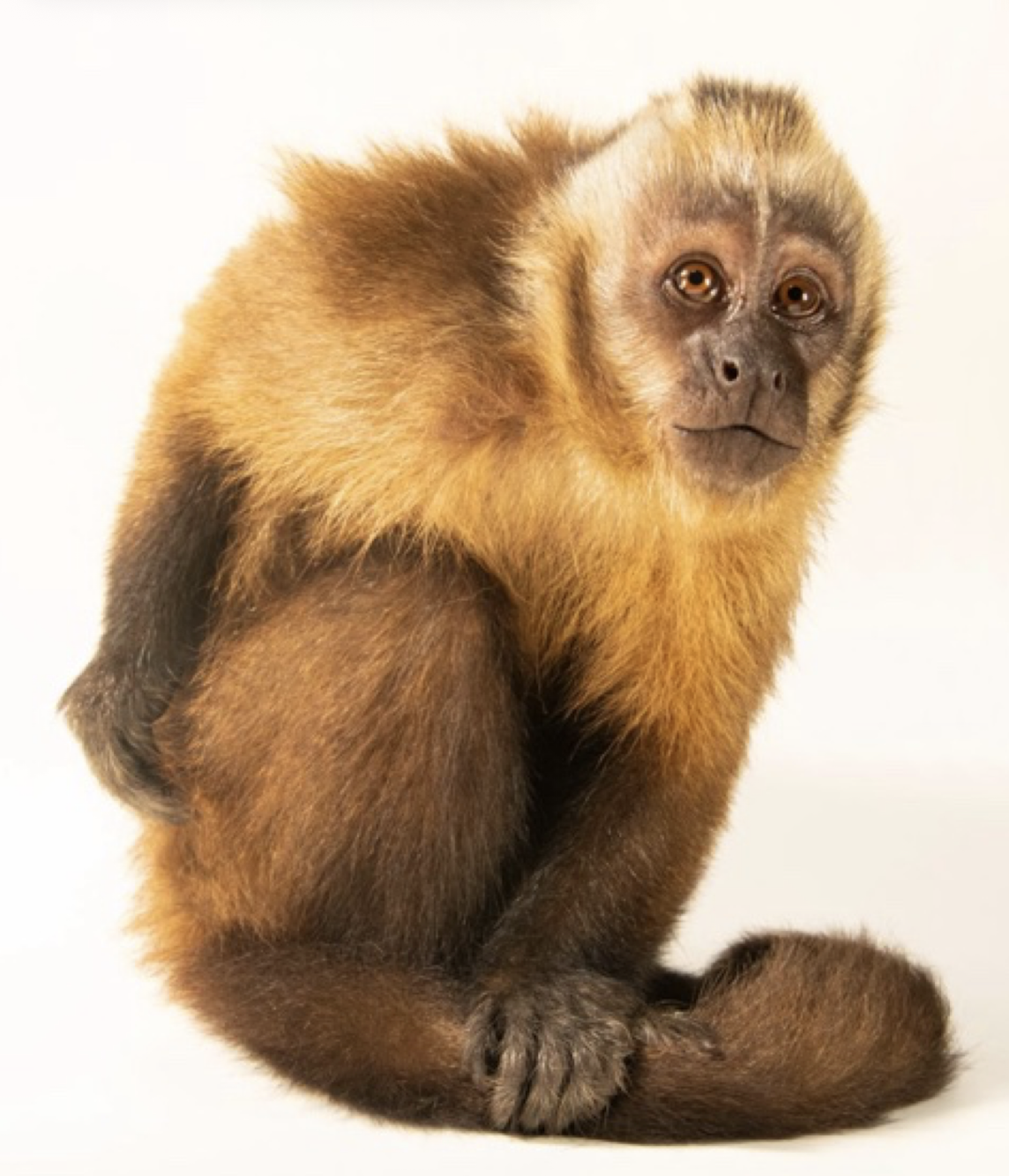
capuchin monkeys
widely distributed accross central and south america
genus cebus at least 4 species
genus sapajus (at least 8 species)
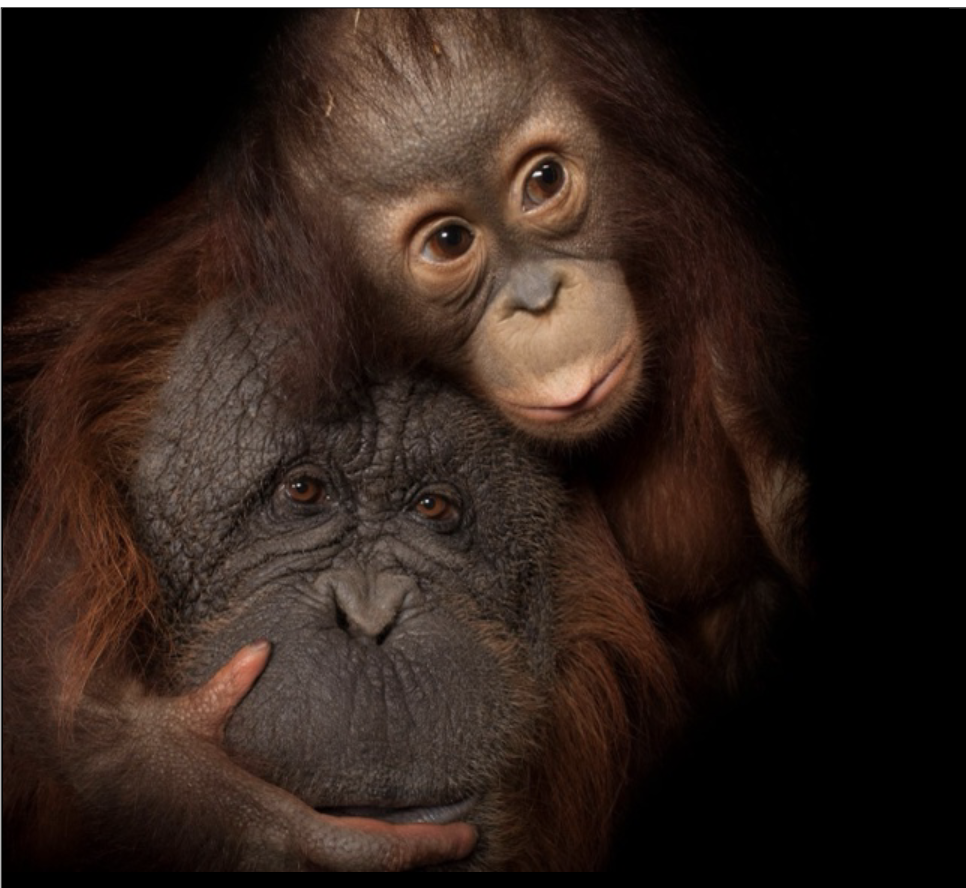
orangutans
catarrhine —> hominodea
confined to the Indonesian islands
marked sexual dimorphism is evident
least social of great apes
80% of their habitat has been destroyed
gorillas
catarrhine —> hominodea
3 subspecies: western lowland, eastern lowland, and mountain gorilla
exhibited marked sexual dimorphism
spend little time in trees, usually they hang out on the ground eating plants leaves bark, fruits, etc
live in troops of males and females with offspring
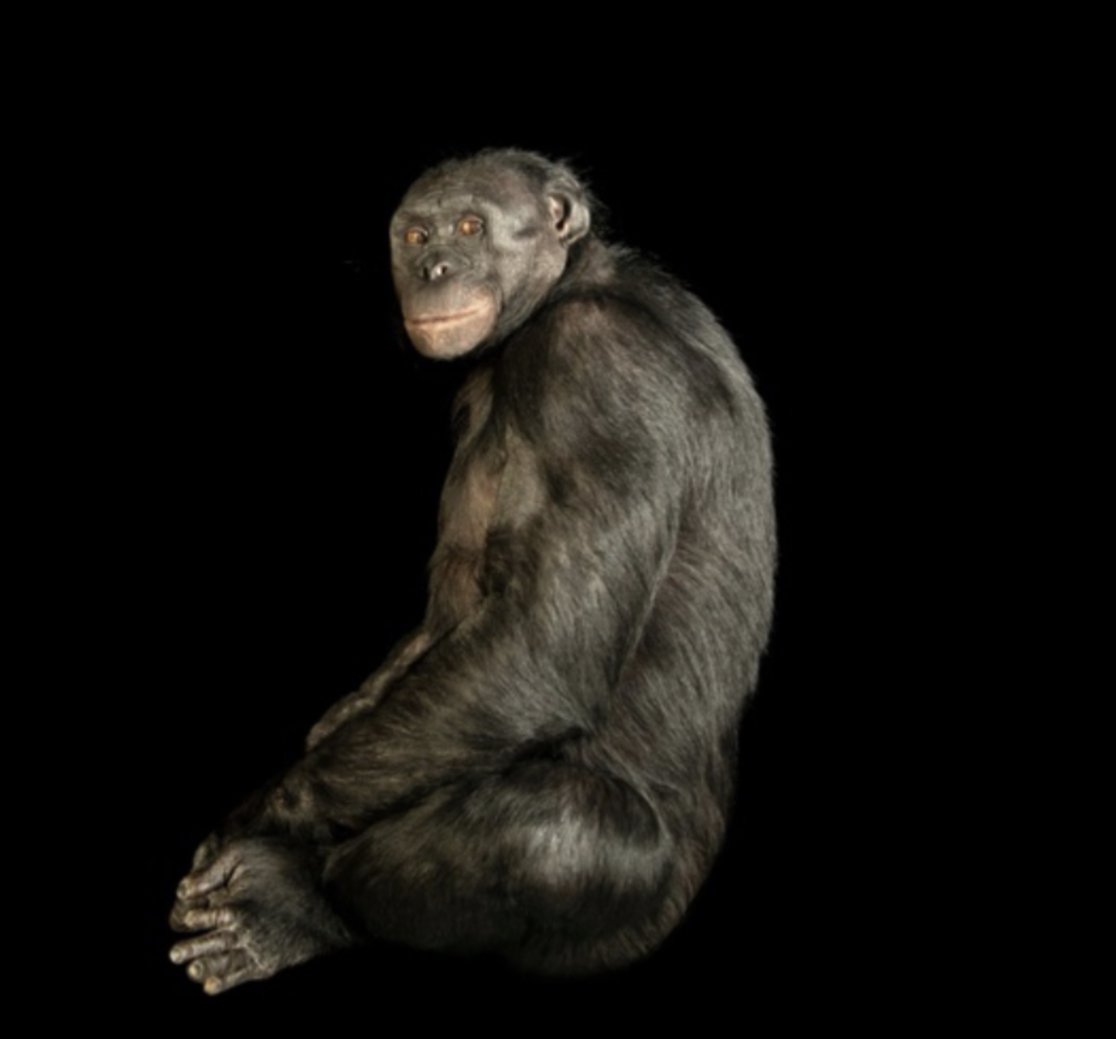
Chimpanzees
catarrhine —> hominodea
belong to genus pan (they are related to bonobos)
diet is omnivore in nature
sexual dimorphism is proportionally the same as in humans
social organization is relatively well known—with communities of about 50 that regularly split into smaller groups and exhibit dominance relationships
very vocal, greet each other with gestures, facial expressions and calls
Bonobos
Belong to species Pan Paniscus
adult males weight 95 lbs (smaller than chimps)
communities are female centered, peace loving, and egalitarian
sex is used to avoid conflict
bonobos v. chimps (differences)
bonobos: pink lips, dark faced infants
chimps: light faced infants
primate diets: insectivores
small body size
sharp cusps on teeth
high sharp crests of molar teeth
simple digestive system, short gut
examples: tarsieres and tamarins
primate diets: folivores
large body size
small incisors
sharp shearing crests or molars
enlarged, well-developed (specialized) digestive systems
examples: colobus, mountain gorilla, vervets, B&W bolobus, langurs
primate diets: frugivores
medium body size
large broad incisors
low cusped relatively flat molars
relatively large digestive system but not specialized like that found in folivores
example: chimps
primate diets: gummivores
relatively small body size
long, robust incisors
claws in some
long gut
example:
tamarins
primate territoriality
some primates are less territorial —> meaning their home ranges overlap
primate territoriality - pros v cons
cost: must defend the area
benefits: can protect limited resources
primate predation:
small terrestrial primates are most susceptible
terrestrial primates evolved larger body size and larger group size
south american forests, lots of felines and raptors —> no terrestrial primates
asia: few felines and raptors —> smaller terrestrial primates
primate defense against predators
fleeing or taking cover
vocalizations
ex: vervet monkeys
interspecific associations (teaming up with animals of other species)
increased group size
detection: more eyes to see predator
deterrence: mobbing behavior
dilution: lowers individual risk of death
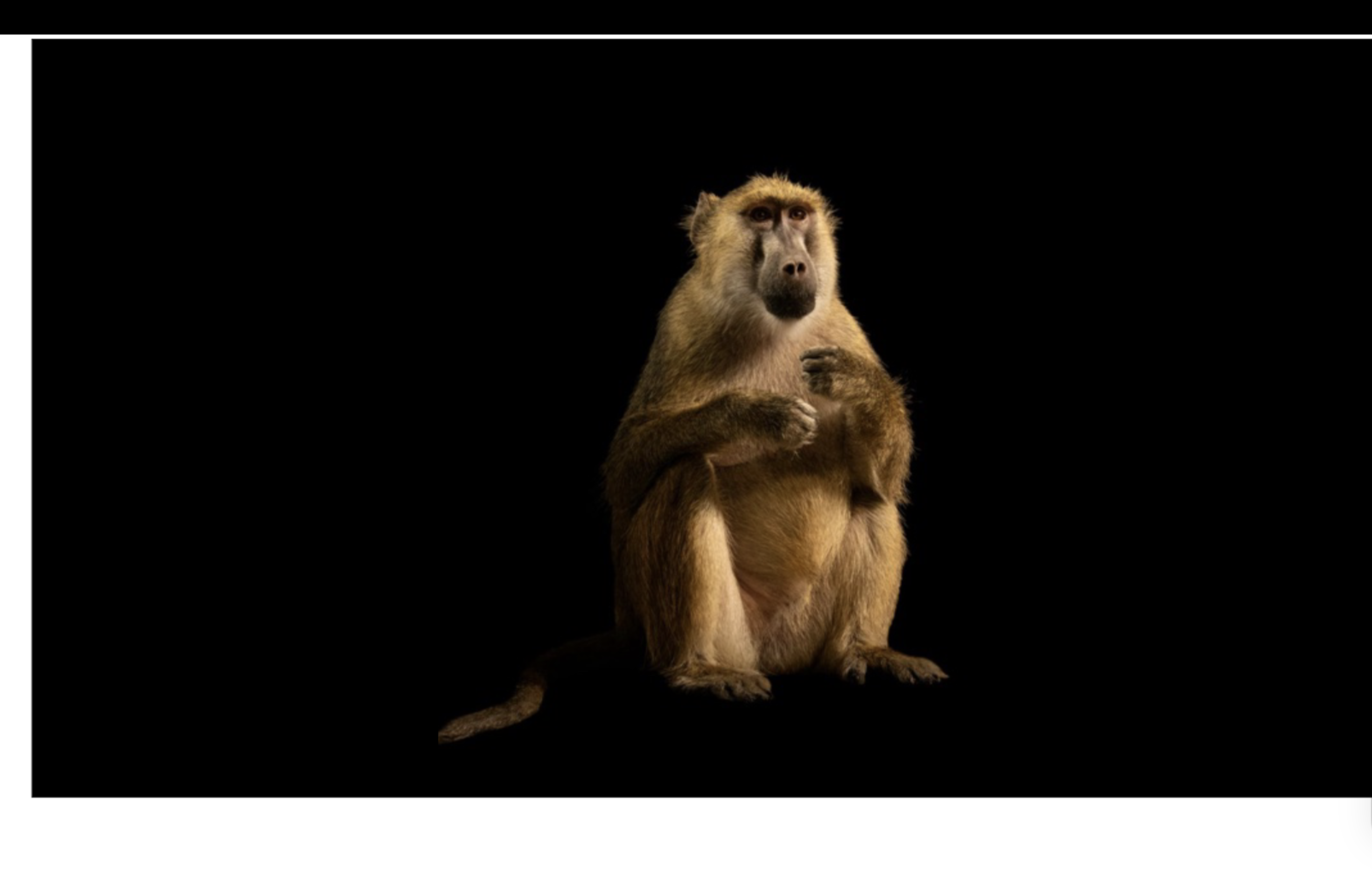
baboon
narrow nose so catarrhine
has a tail so Cercopithecoidea
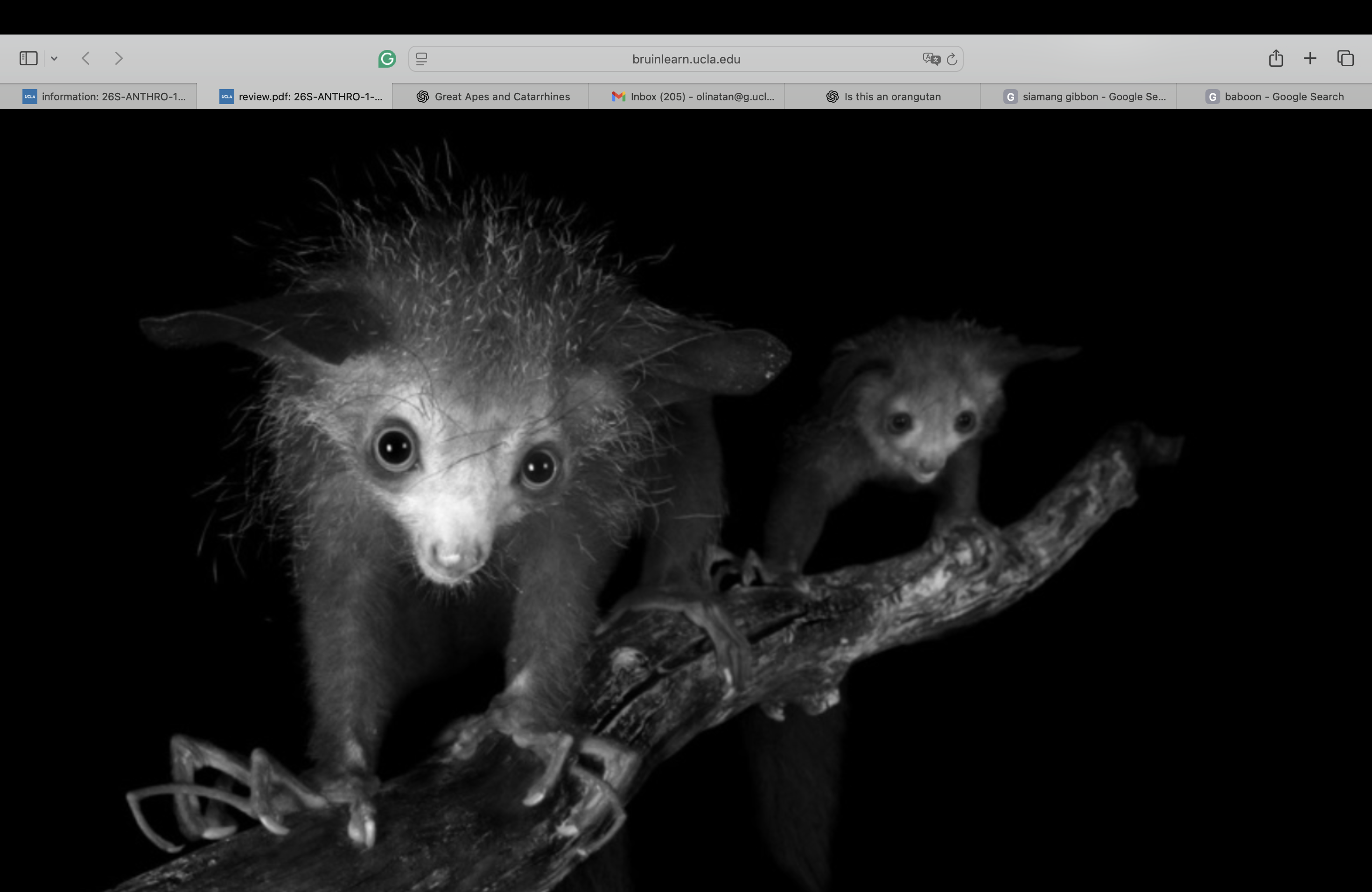
Aye aye
strepsirrhine —> lemur
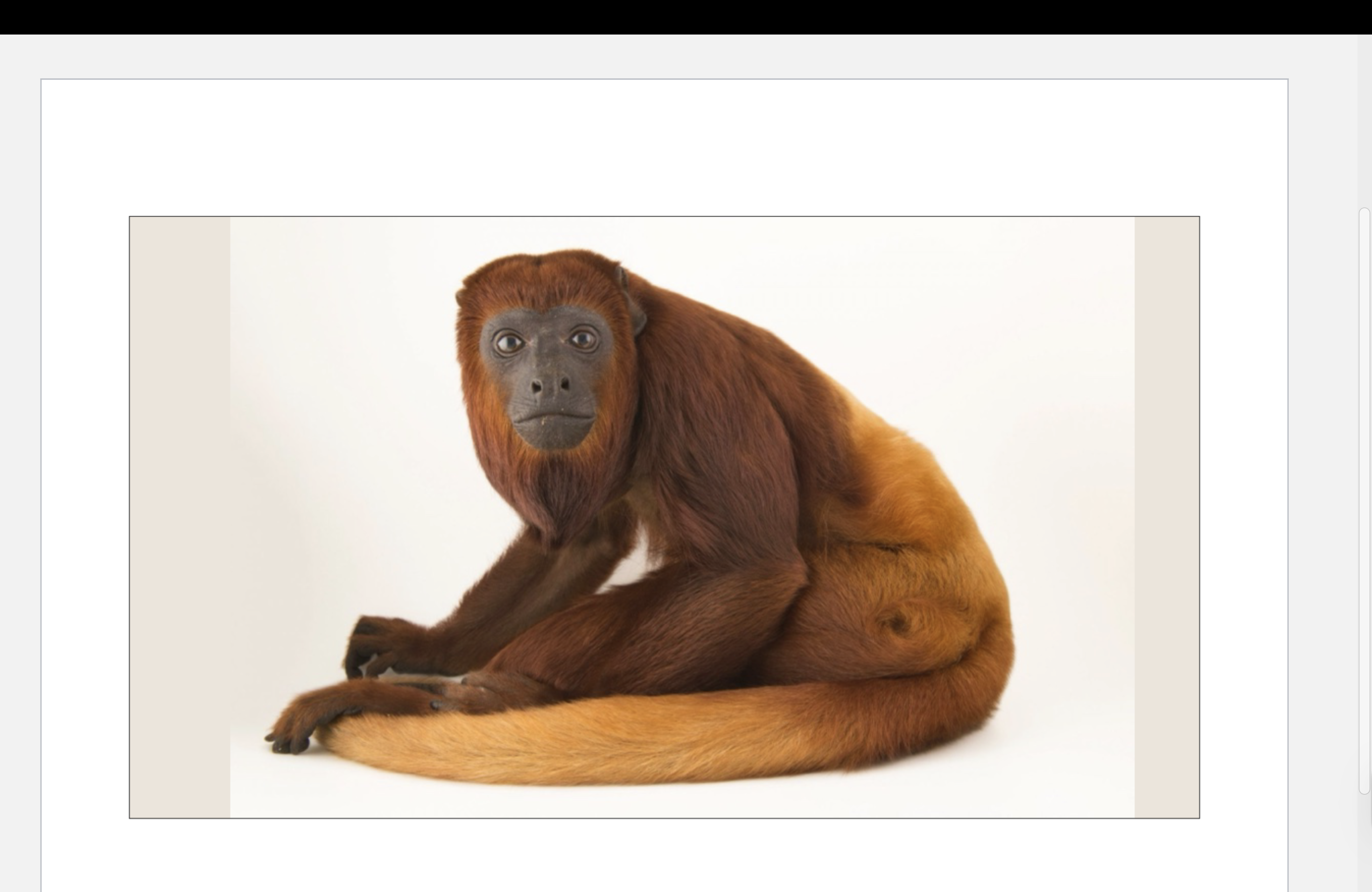
howler monkey
haplorrhine —> platyrrhine new world (because it has a tail)

pygmy marmoset
haplorhine —> platyrrhine (because nostrils are facing sideways) (new world)
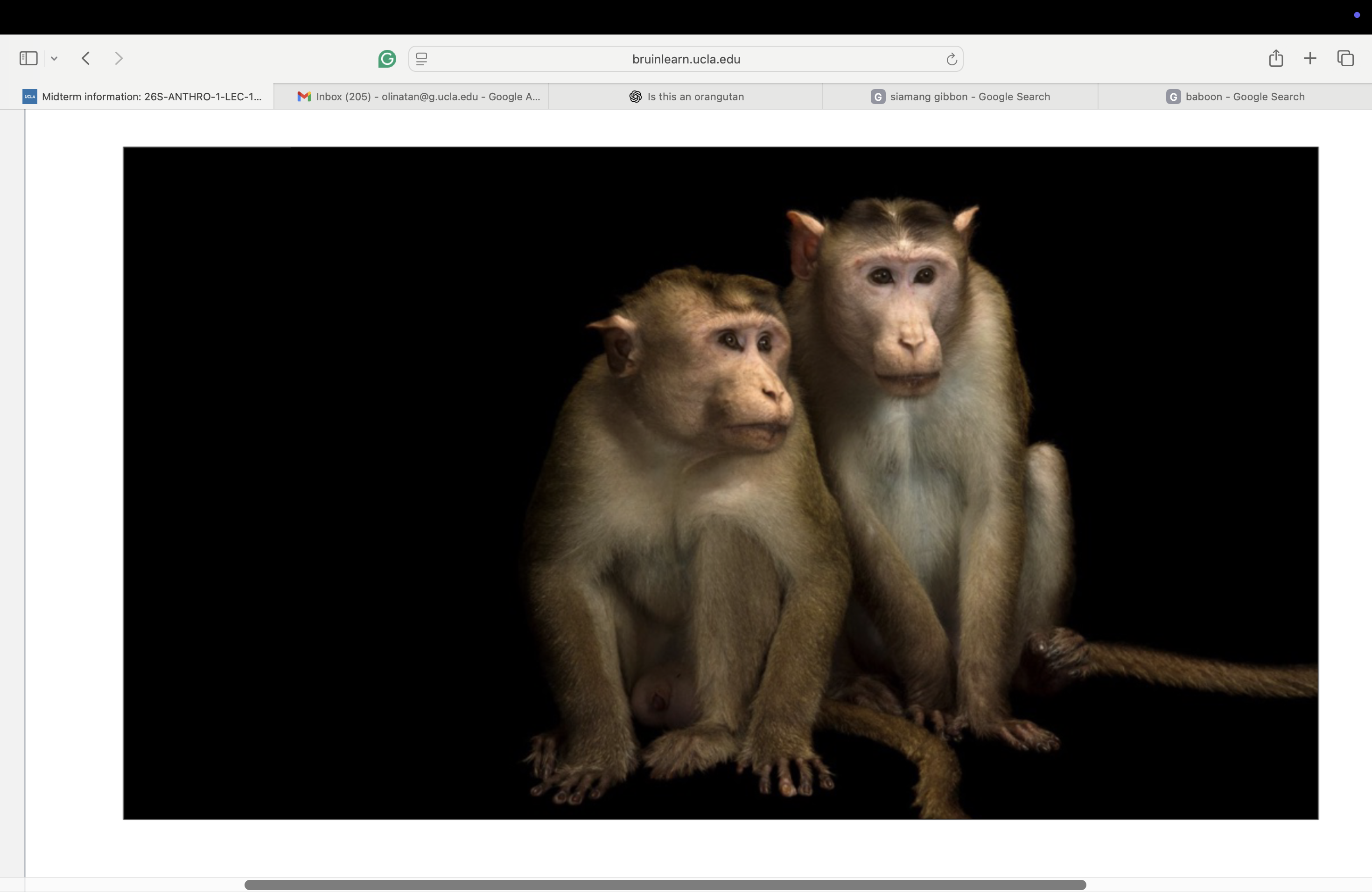
macaques
catarrhine (old world monkey) because nostrils are down turn
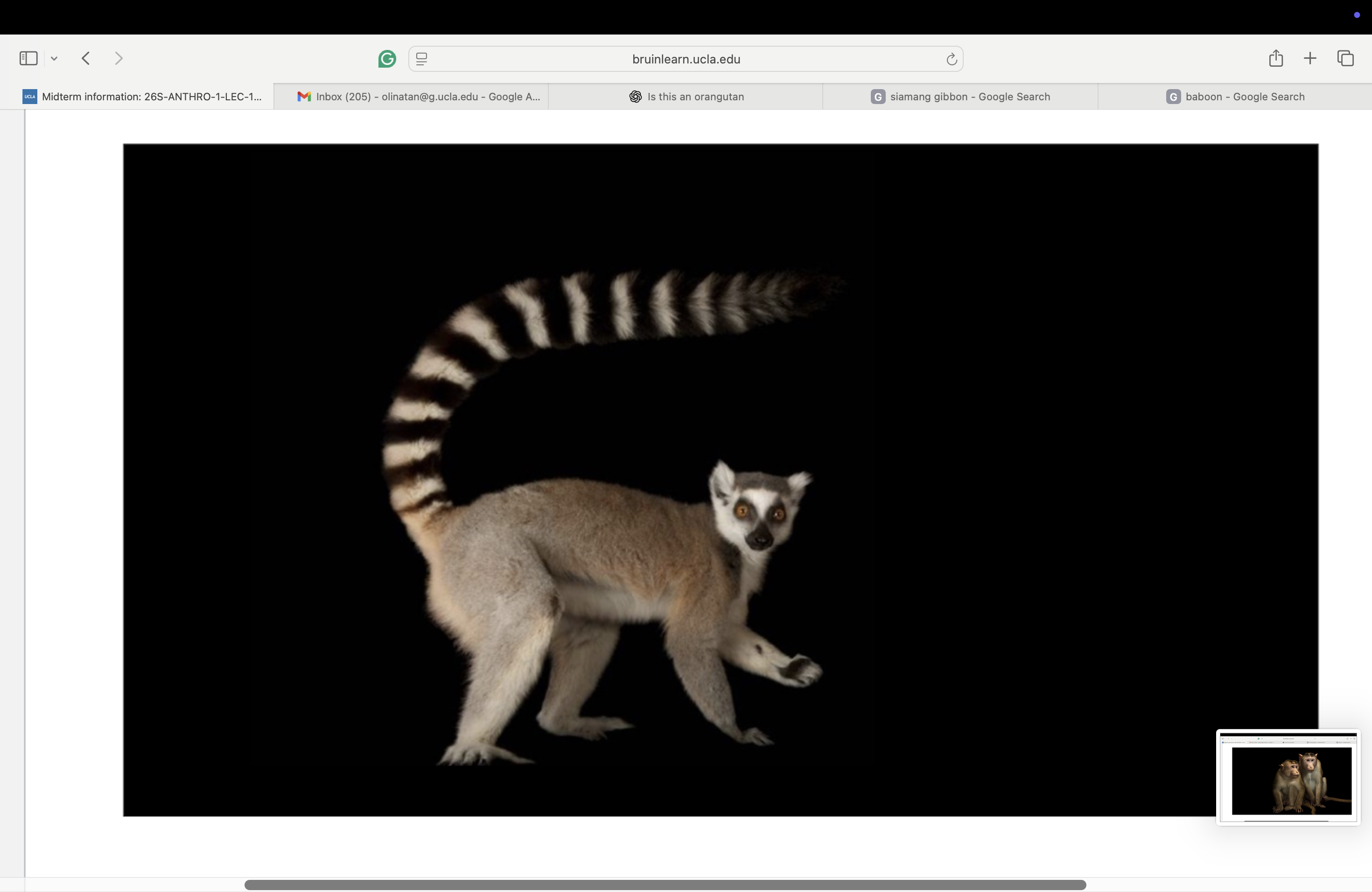
lemur
strepsirrhine
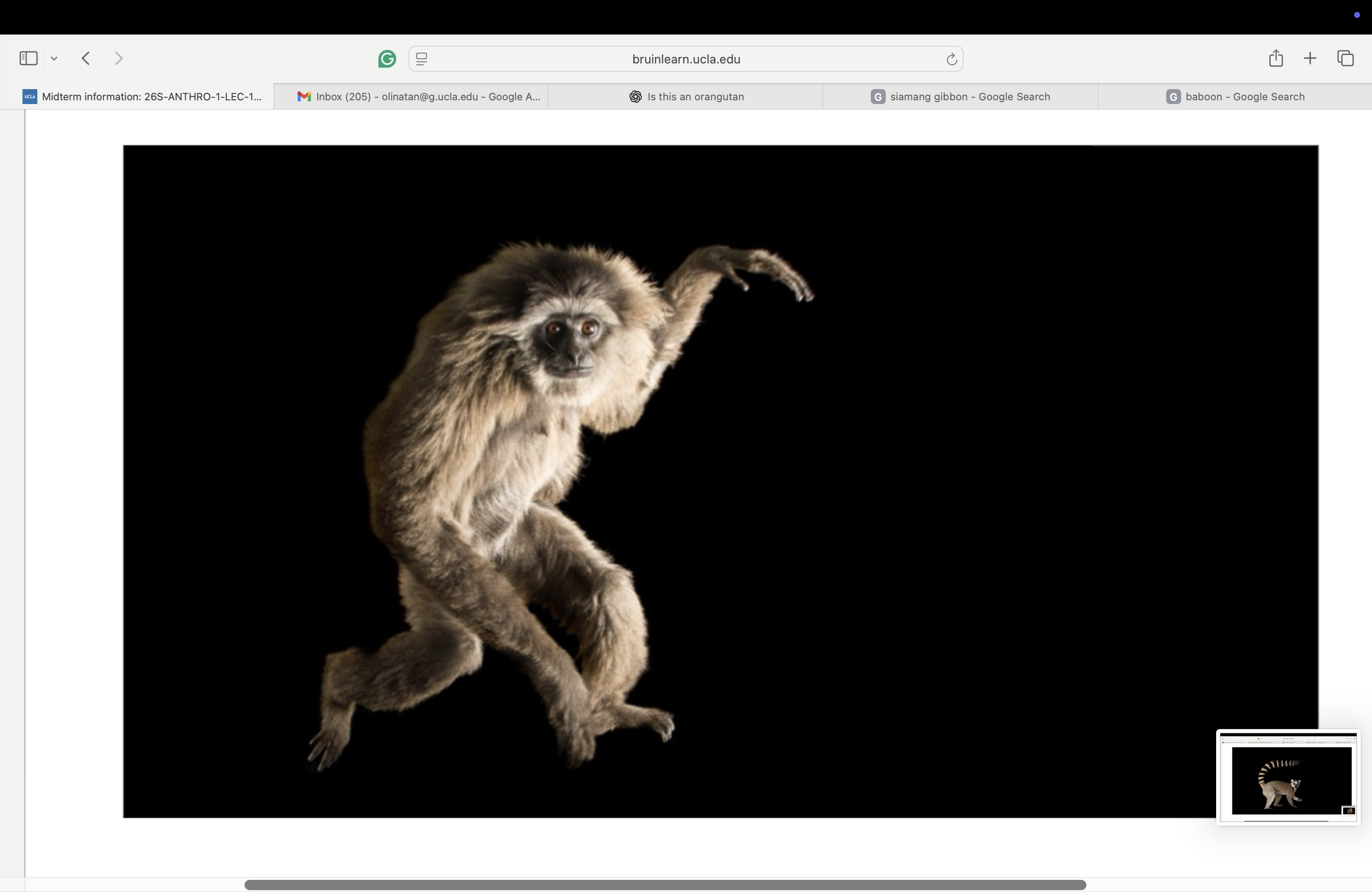
gibbon
hominodea
skilled at brachiation (swinging from tree to tree)
tend to live in primary groups composed of permanently bonded males and females and their offspring