Lab 2 Exam
 Call Kai
 Learn
Learn Practice Test
 Spaced Repetition
 Match
Match Flashcards
 Knowt Play
 Podcast
1/144

There's no tags or description
Looks like no tags are added yet.
Name | Mastery | Learn | Test | Matching | Spaced | Call with Kai | Chat |
|---|
No analytics yet
Send a link to your students to track their progress
145 Terms
How many cervical vertebrae are there?
7

Cervical vertebra
The C1 vertebra is also known as ________.
atlas
The C2 vertebra is also known as ________.
axis
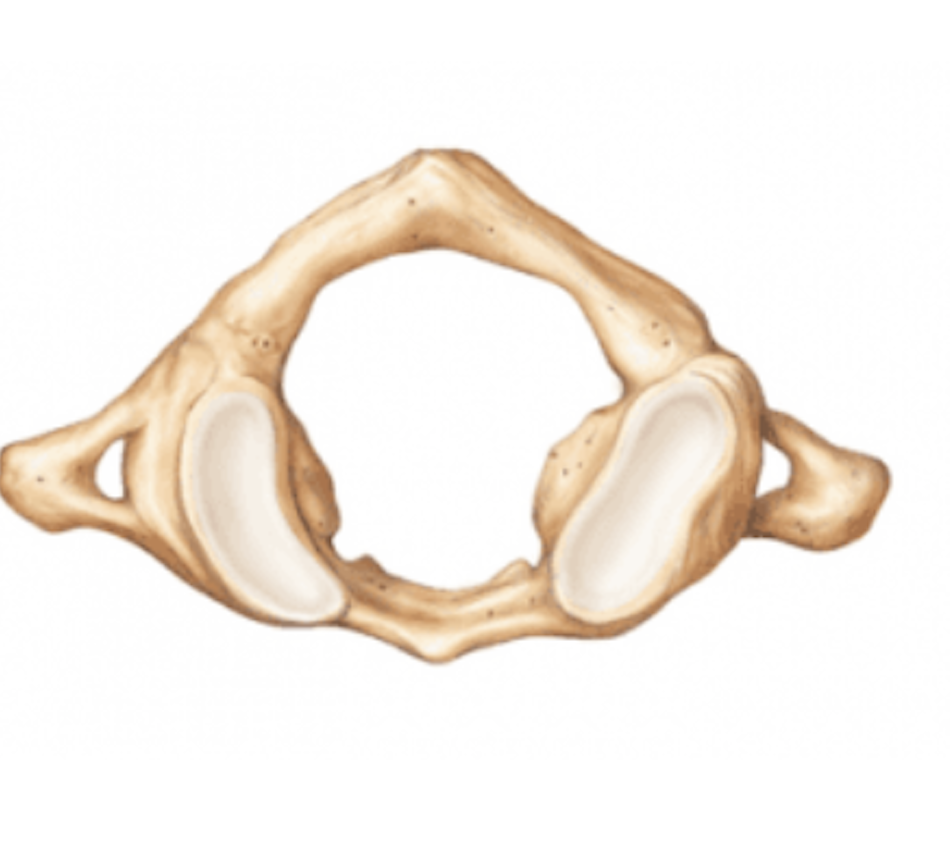
Atlas or C1
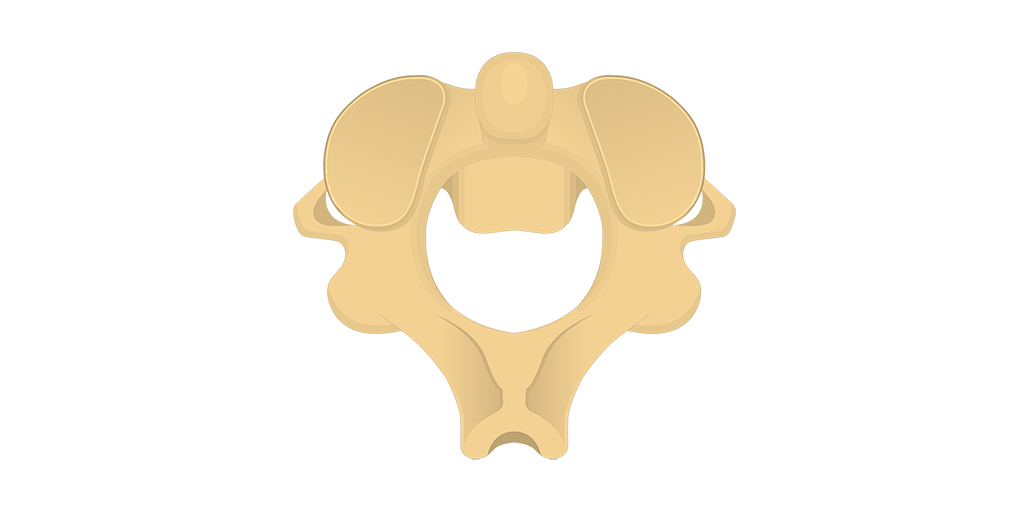
Axis or C2

thoracic vertebrae
There are how many thoracic vertebrae?
12
How many lumbar vertebrae are there?
5

lumbar vertebrae
What is the 5 fused vertebrae?
sacrum
What are the 3-5 semi-fused vertebra?
coccyx

sacrum

coccyx
How many ribs are there?
12
Which ribs are the true ribs?
1-7
Which ribs are the false ribs?
8-12
Which ribs are the floating ribs?
11-12
Why are true ribs classified as true ribs?
They attach directly to the sternum (breastbone) through their own costal cartilage
Why are false ribs classified as false ribs?
They do not attach directly to the sternum.
Why are floating ribs classified as floating ribs?
They have no anterior (front) attachment to the sternum or its cartilage. They attach to the vertebrae in the back, but their front ends are free.

true ribs

false ribs

floating ribs
What is the difference between the head and sternal extremity of a rib?
The head is the posterior end that articulates with the thoracic vertebrae, while the sternal extremity is the anterior end that connects to costal cartilage.

head

sternal extremity

costal cartilage
What is the function of costal cartilage?
It connects the ribs to the sternum and provides flexibility to the rib cage, allowing it to expand during breathing.
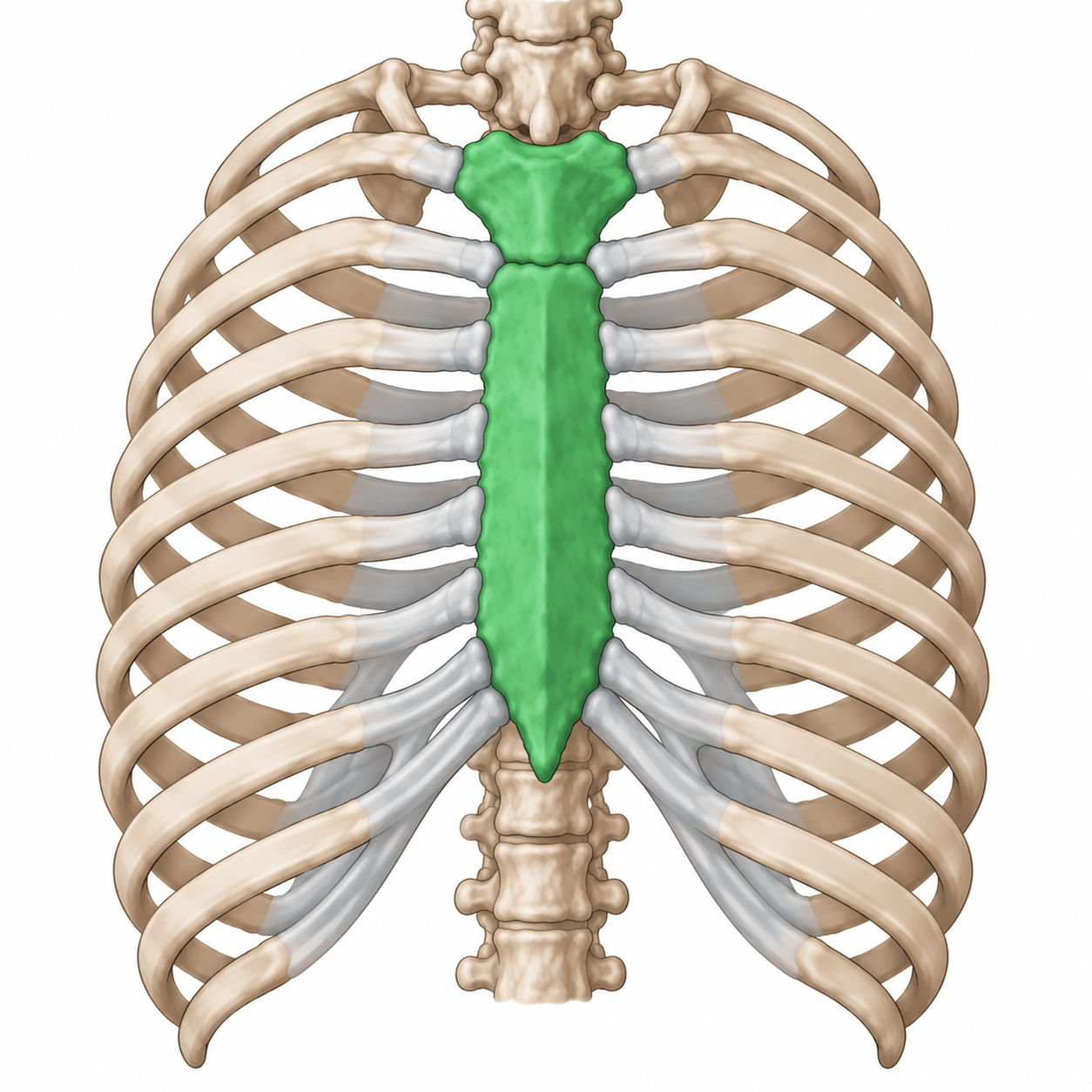
sternum
What is the function of the sternum?
It protects the heart and lungs, provides attachment for the ribs through costal cartilage, and helps stabilize the rib cage.

manubrium

body

xiphoid process

clavicle
What is the function of the clavicle?
It connects the sternum to the scapula, supports and stabilizes the shoulder, and helps transmit forces from the upper limb to the axial skeleton.
The sternal end is _____.
medial
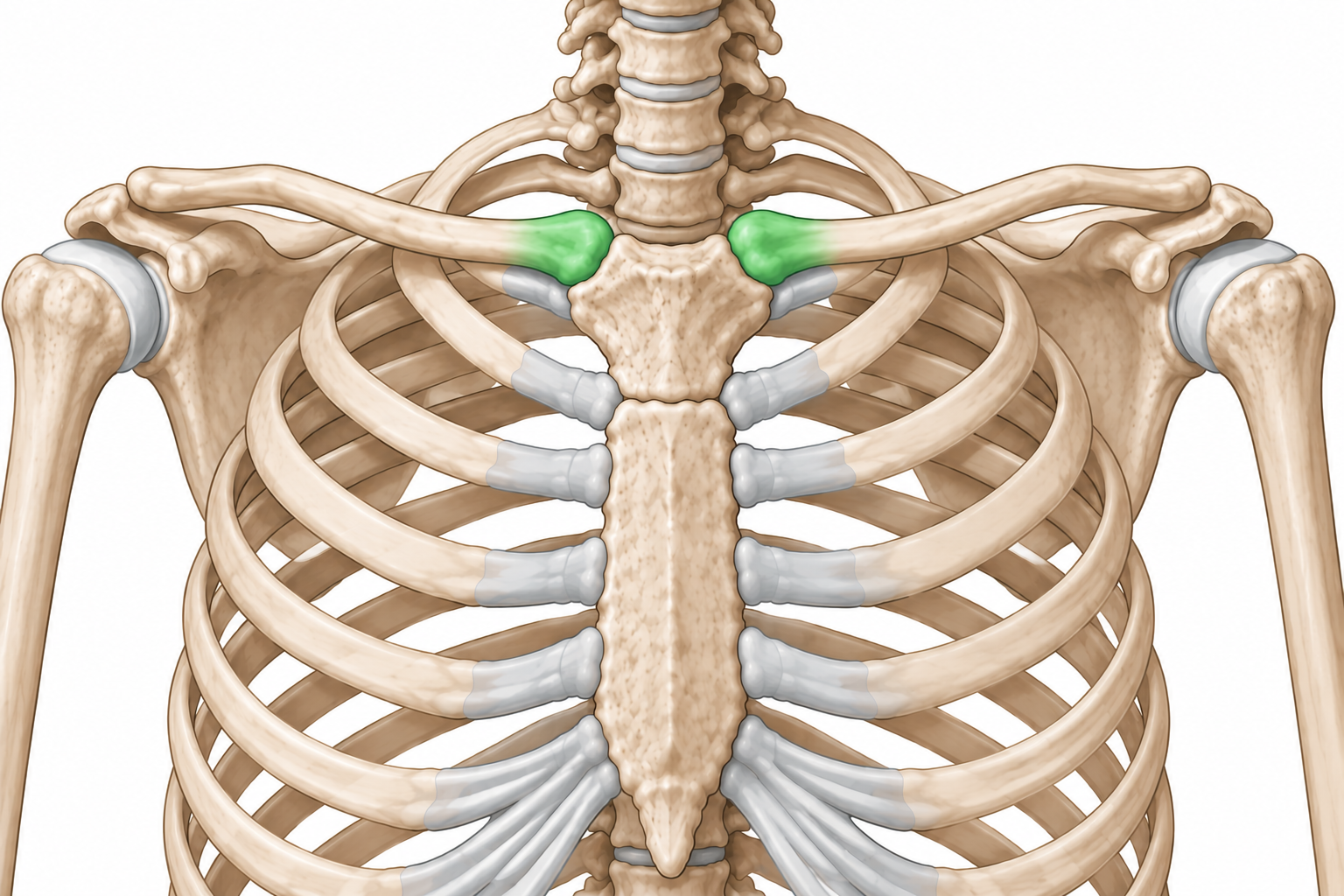
sternal end
The acromial end is _____.
lateral
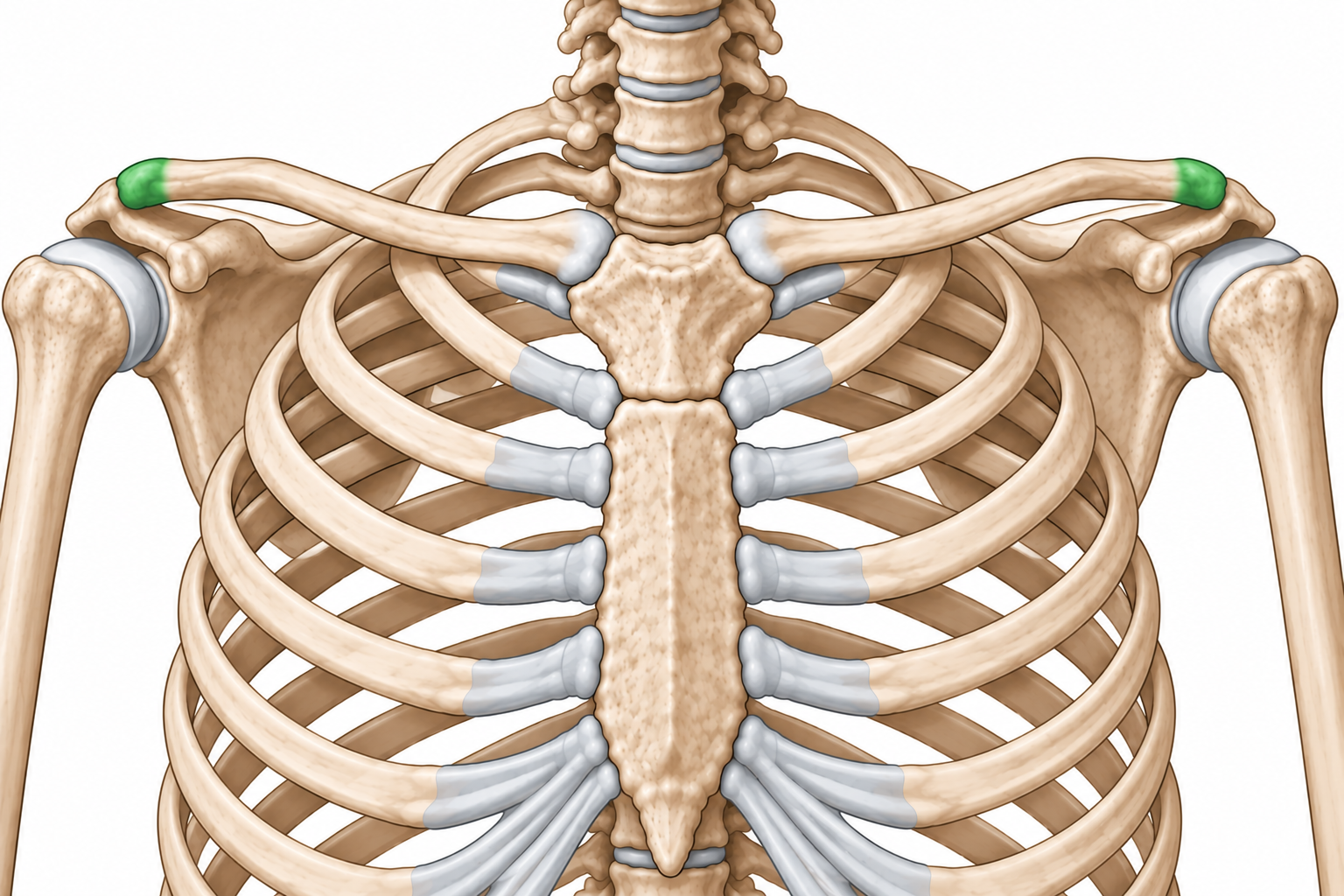
acromial end
What is the difference between the superior and inferior surfaces of the clavicle?
The superior surface is relatively smooth, while the inferior surface is rougher and contains grooves and bony landmarks for muscle and ligament attachments.
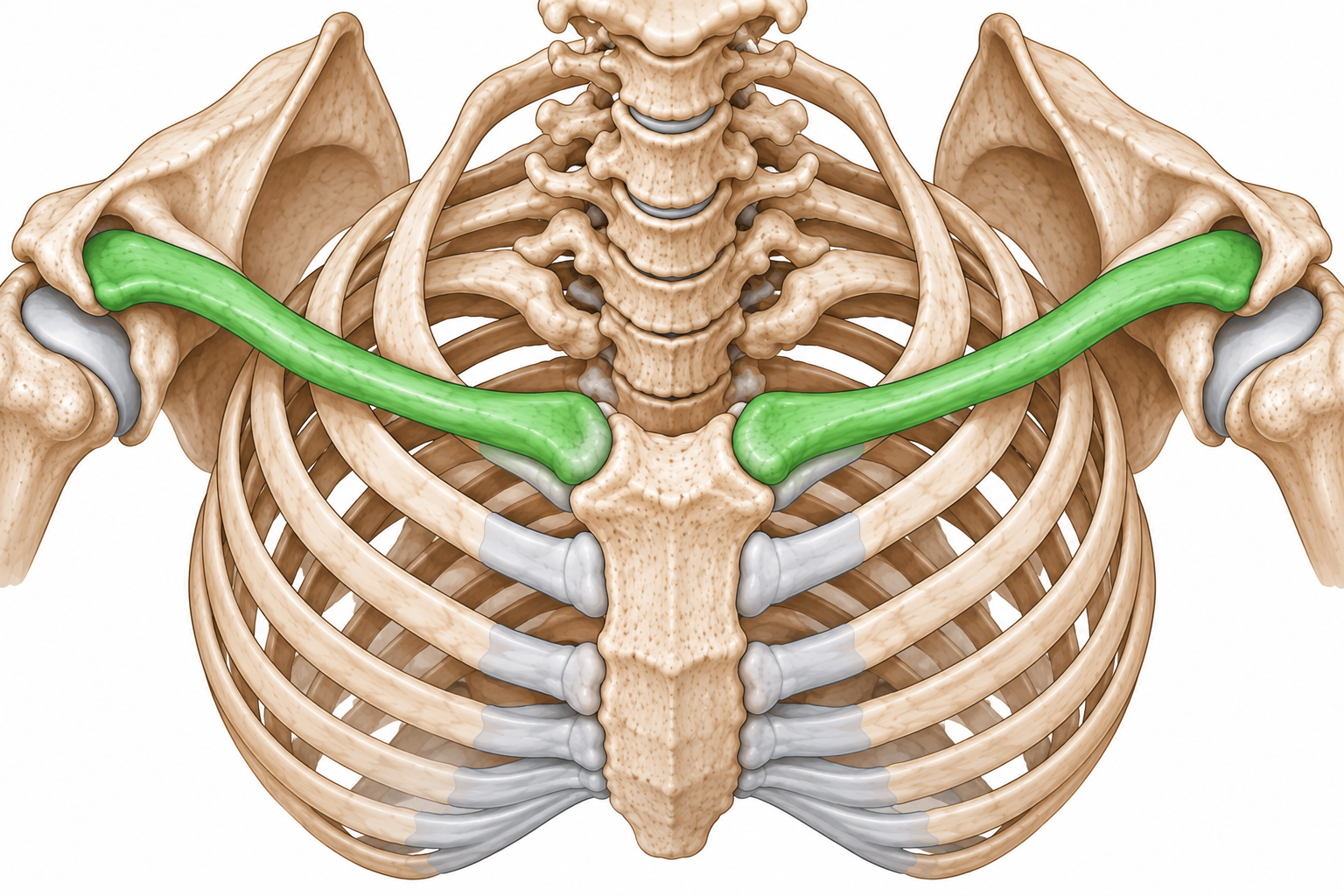
Which side of the clavicle is this?
superior

Which side of the clavicle is this?
inferior
How can you distinguish the anatomical left clavicle from the right clavicle?
Orient the clavicle with its rough inferior surface facing down, the rounded sternal end medially, and the flat acromial end laterally; use its S-shaped curve and conoid tubercle to determine the correct side.

Is this the right or left clavicle?
right

Is this the right or left clavicle?
left

scapula
What is the function of the scapula?
It provides attachment for muscles, connects the upper limb to the axial skeleton through the clavicle, and helps stabilize the shoulder and allow a wide range of arm movements.
The acromion is what kind of shape?
A

acromion
What shape is the corocoid process?
C

corocoid process

glenoid cavity
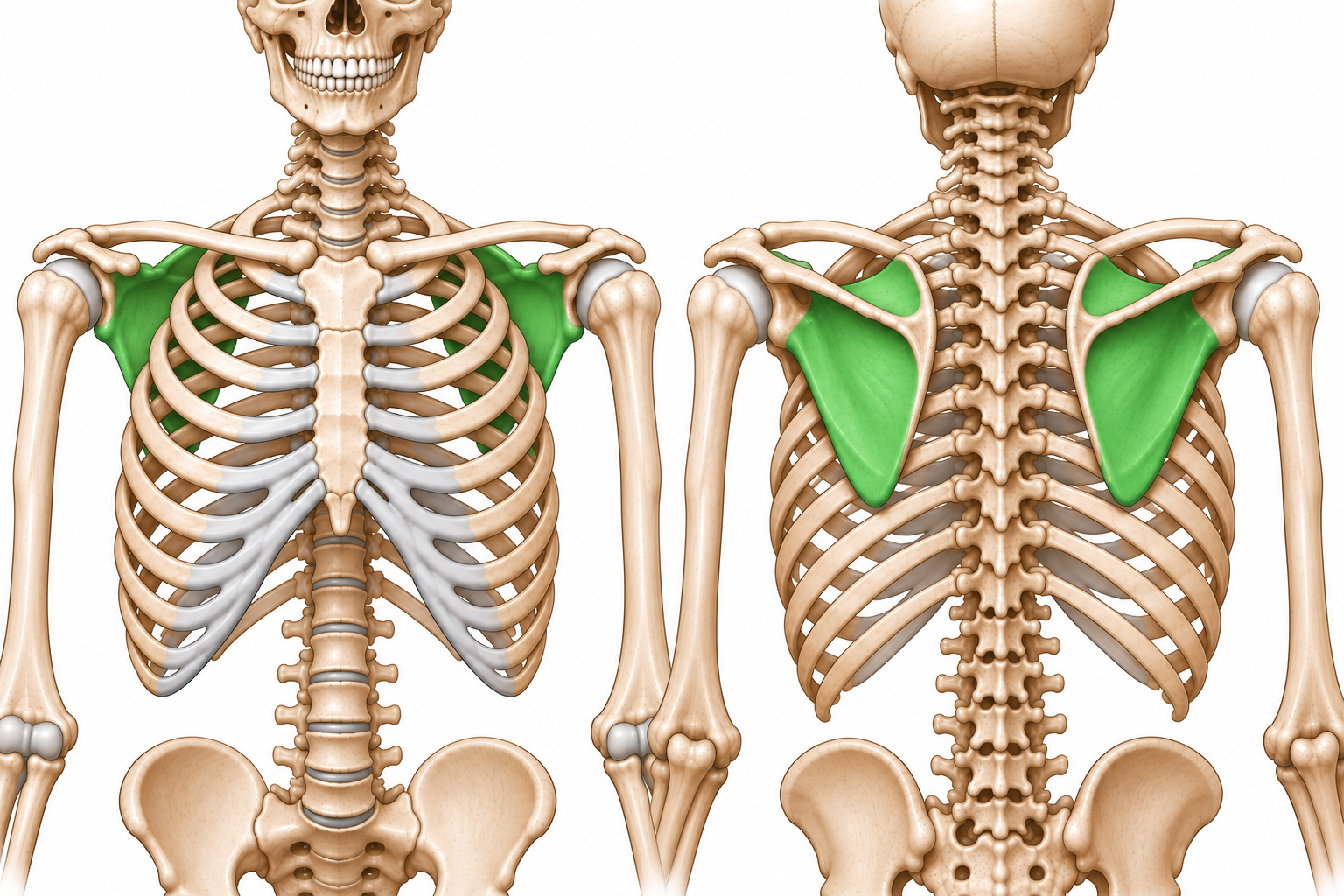
body of scapula
How can you distinguish the anatomical left scapula from the right scapula?
Orient the scapula with the spine facing posteriorly and the inferior angle pointing down; the glenoid cavity faces laterally toward the corresponding arm, identifying the left or right side

Is this the right or left scapula?
right

Is this the right or left scapula
left

humerus
What is the function of the humerus?
It forms the upper arm, connects the shoulder to the elbow, and provides attachment for muscles that allow movement of the arm.

greater tubercle

lesser tubercle

trochlea

coronoid fossa
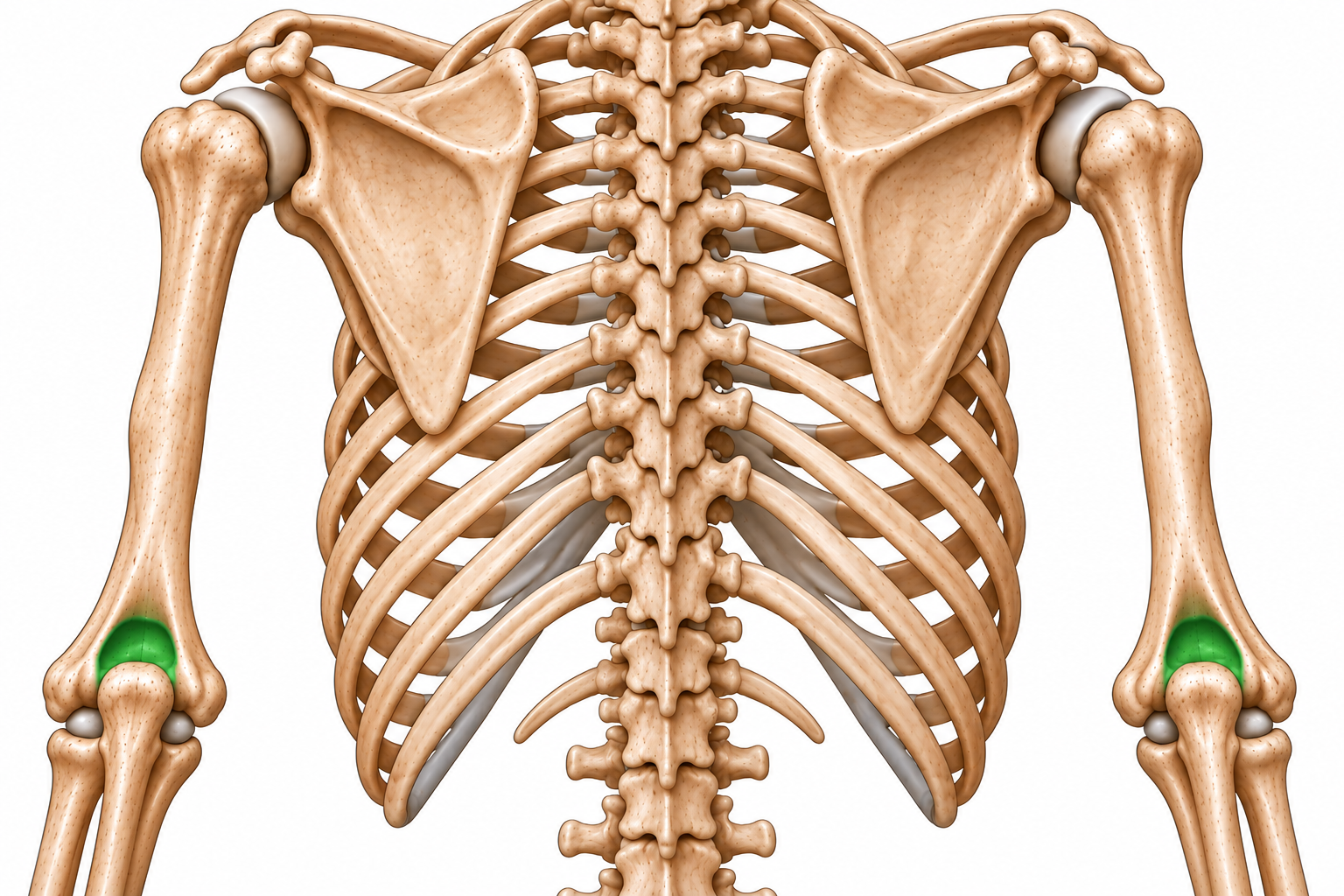
olecranon fossa

radial fossa
How can you distinguish the anatomical left humerus from the right humerus?
Position the head medially (toward the body), the rounded capitulum anteriorly and laterally, and the olecranon fossa posteriorly. The side the head faces determines whether it is the left or right humerus.
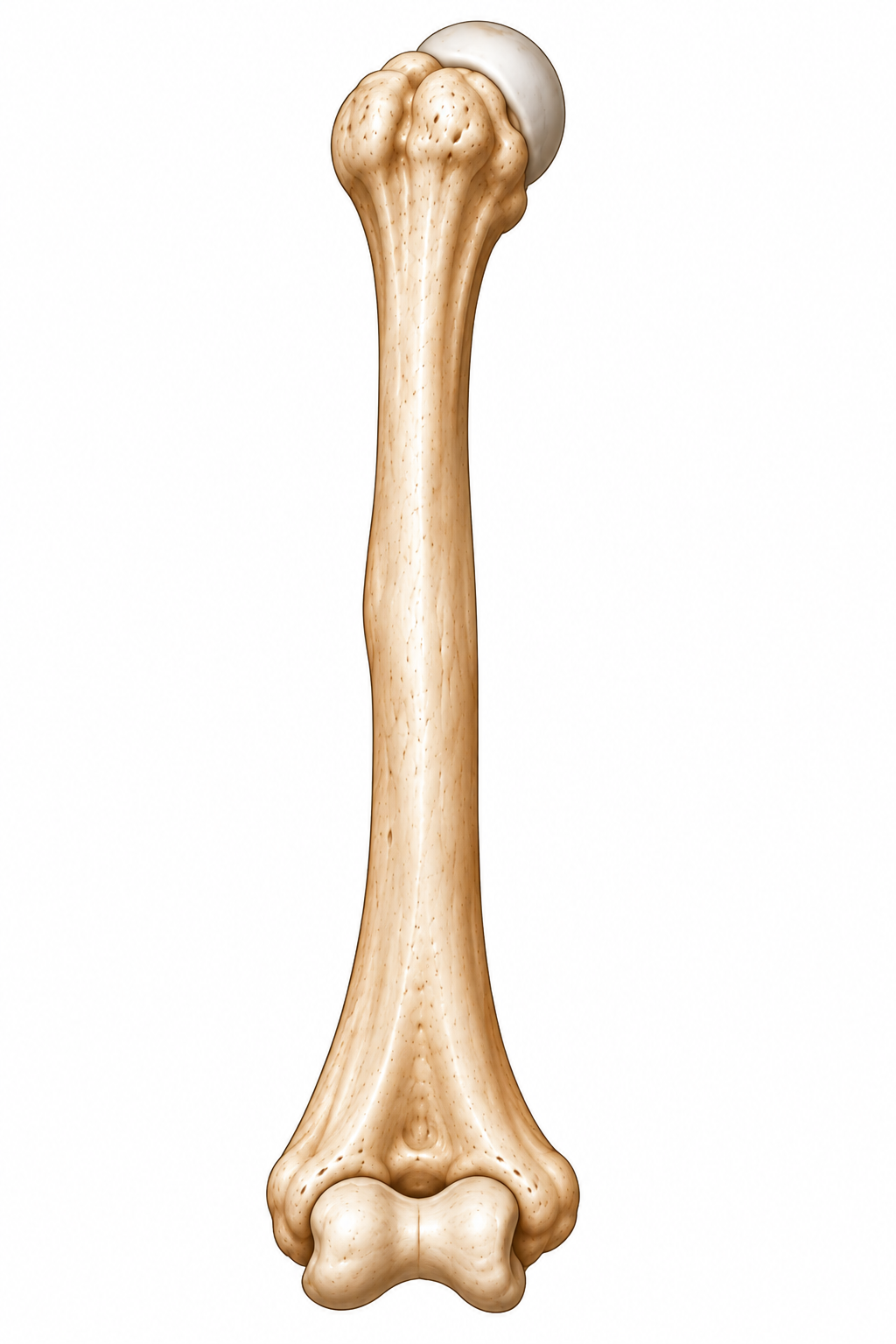
Is this is the right or left humerus?
left

Is this is the right or left humerus?
right

ulna
What is the function of the ulna?
It stabilizes the forearm, forms part of the elbow joint, and works with the radius to allow forearm and wrist movement.
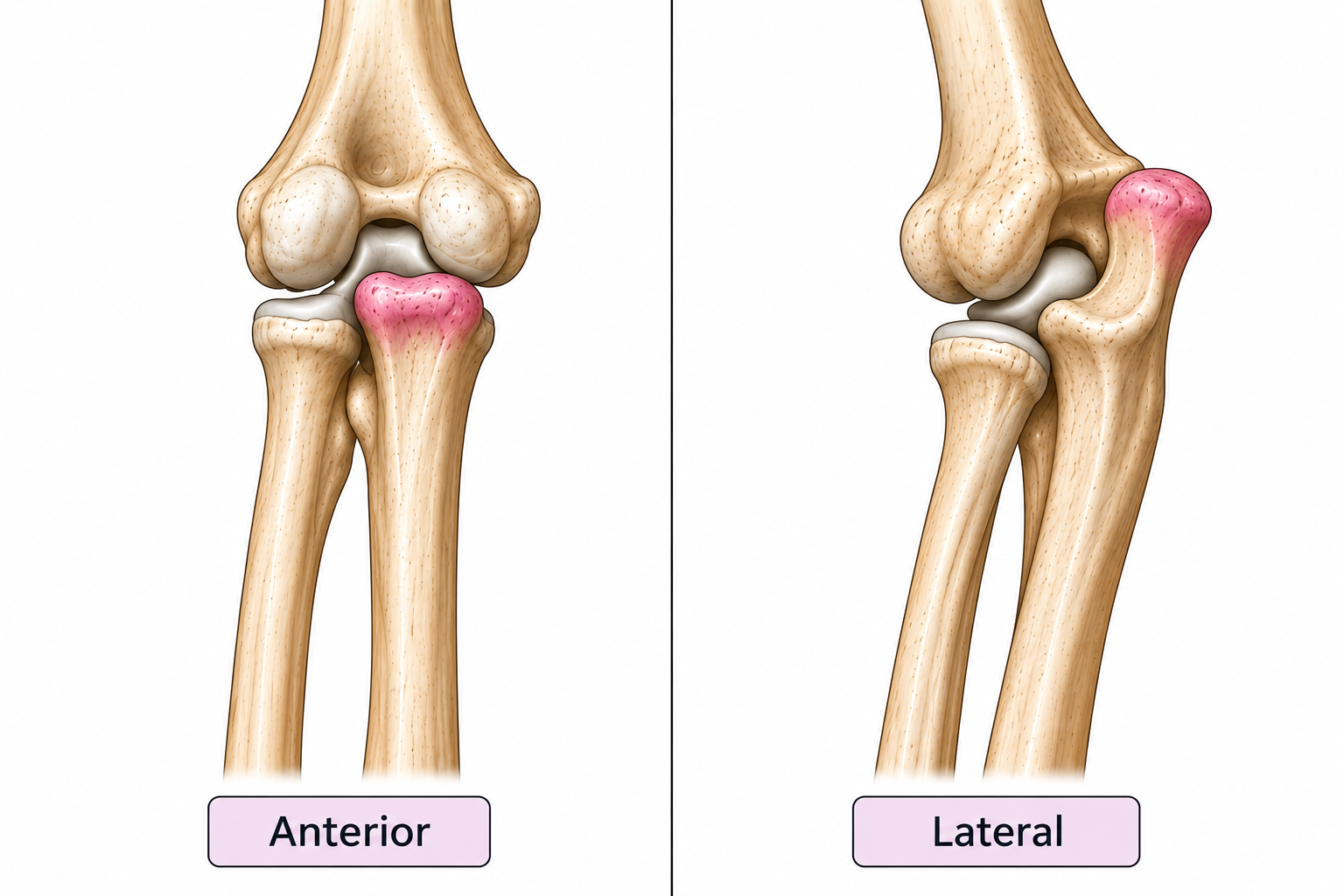
olecranon process

coronoid process

trochlear notch

radial notch

ulnar styloid process
How do you distinguish the left humerus from the right humerus?
Orient the humerus with the head facing medially (toward the body), the capitulum facing anteriorly and laterally, and the olecranon fossa facing posteriorly. the side the head faces determines whether it is the left or right humerus.

Is this the left or right ulna?
left

Is this the left or right ulna?
right

radius

head of radius
What is the function of the radius?
It allows forearm rotation, helps with wrist movement, and works with the ulna to stabilize the forearm.
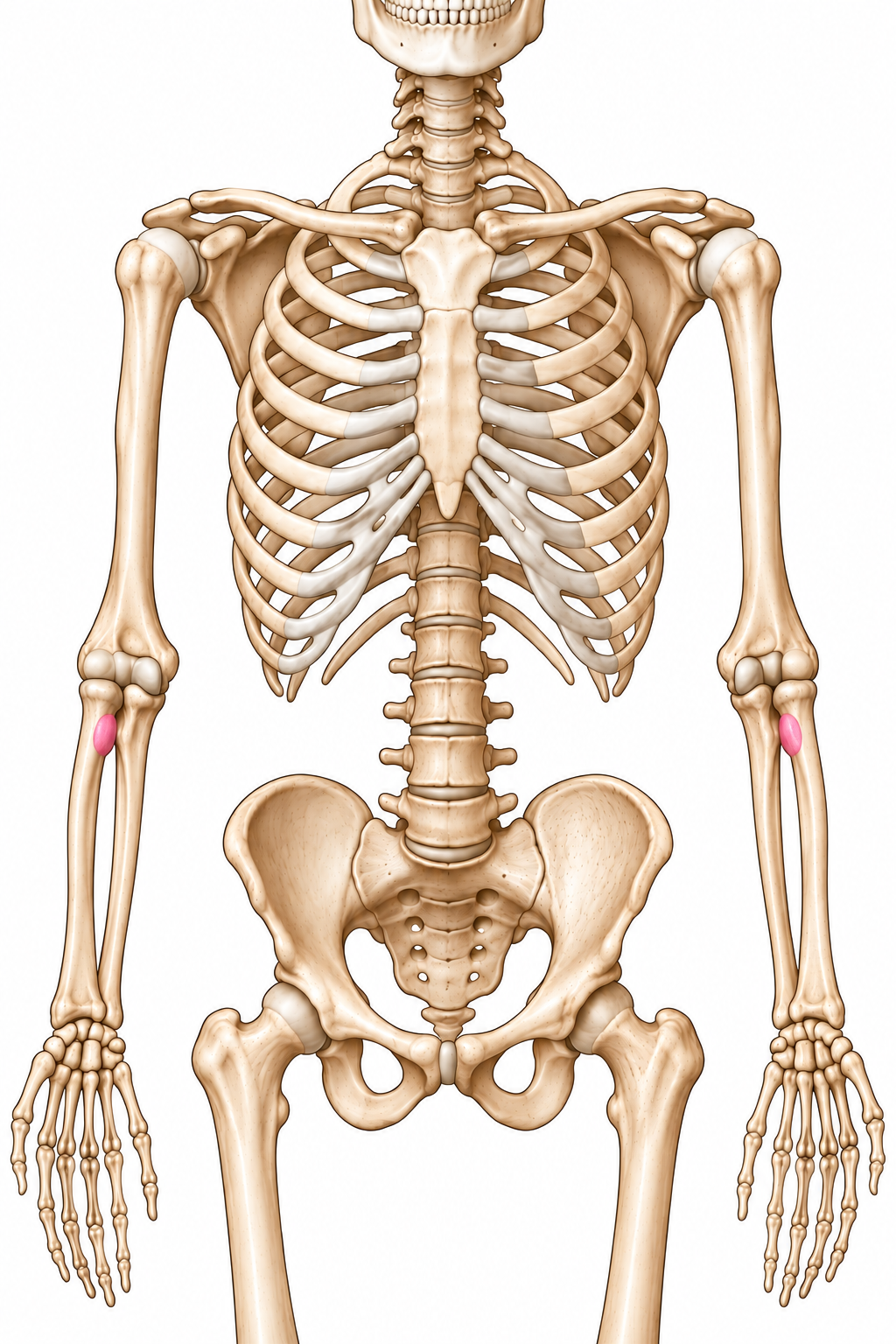
radial tuberosity

radial styloid process
How do you distinguish the left radius from the right radius?
Position the radius with the flattened distal end (wrist end) down, the radial tuberosity facing medially and slightly anteriorly, and the styloid process on the lateral side (thumb side). The side the styloid process faces determines whether it is the left or right radius.

Is this the left or right radius?
left

Is this the left or right radius?
right

interosseous membrane
What is the function of the interosseous membrane?
It connects the radius and ulna, stabilizes the forearm, and helps transfer forces between the wrist and elbow.

hand bones
What is the function of the hand bones?
They allow grasping, holding, and manipulating objects, while providing support and flexibility for fine motor movements.

carpals

metacarpals

phalanges

coxal bones
What is the function of the coxal bones?
They support body weight, protect pelvic organs, connect the lower limbs to the axial skeleton, and provide attachment points for muscles involved in movement.

ilium

ischium

pubis

obturator foramen

acetabulum