organisation biology gcse aqa
 Call Kai
 Learn
 Practice Test
 Spaced Repetition
 Match
 Flashcards
 Knowt Play
1/105

Earn XP
Description and Tags
excluding anything about cancer or The effect of lifestyle on some non-communicable diseases
106 Terms
what are xylem and phloem
transport tissues
what is epidermal tissue in plants
covers surfaces and protects them. sometimes have a waxy cuticle which waterproofs it
diagram of the inside of a leaf (really good diagram, everything you need to know)

palisade mesophyll
tightly packed cells
lots of chloroplasts to absorb light for photosynthesis

spongy mesophyll
spherical cells
lots of air spaces to allow gases to diffuse quickly
large surface area to volume ratio to increase gas exchange

gaurd cells
control the opening and closing of the stomata
stomata
tiny openings on the lower surface of the leaf that allow gases to move into and out of the leaf

diagram of tissues in a root (must be able to draw)

cross section diagram of a leaf (must be able to draw)


diagram of tissues in a stem (must be able to draw)
remember: xylem is always on the inside, phloem is always on the outside

vascular bundles in the leaf
network of vessels to support the soft tissue

vascular bundles in the stem
located around the outer edge to provide support and resist bending
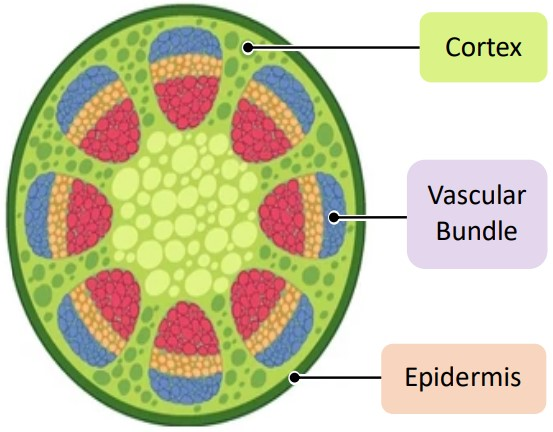
vascular bundles in the root
centrally located allowing root to anchor the plant

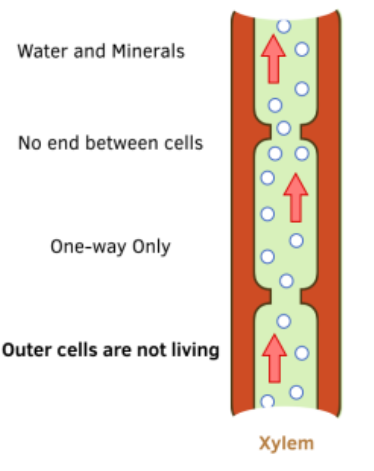
xylem
Xylem tissue transports water and mineral ions from the roots to the stems and leaves.
It is composed of hollow tubes strengthened by lignin adapted for the transport of water in the transpiration stream.
phloem
Phloem tissue transports dissolved sugars (e.g. glucose) from the leaves to the rest of the plant for immediate use or storage. The movement of food molecules through phloem tissue is called translocation
Phloem is composed of tubes of elongated cells. Cell sap can move from one phloem cell to the next through pores in the end walls.
transport in the xylem
water and mineral ions move in one direction only
in woody trees the dead xylem makes up most of the wood and the phloem is just under the bark
transport in the phloem

root hair cells adaptation
Root hair cells are adapted for the efficient uptake of water by osmosis, and mineral ions by active transport

role of stoma and gaurd cells
The role of stomata and guard cells are to control gas exchange and water loss.


what is transpiration
the evaporative loss of water vapour through the stomata
what are stomata
pores located on the underside of leaves (lower epidermis)
allow carbon dioxide to enter for photosynthesis
this also allows oxygen to be lost by diffusion
they shut at night to reduce water vapour loss by transpiration
what is the transpiration stream
water evaporates off the spongy mesophyll cells and diffuses into the air spaces and out through the stomata
this loss pulls more water up the xylem from the roots to maintain a continuous column of water in the xylem
this is called the transpiration stream
how exactly do the stoma open
when a plant has plenty of water, the gaurd cells become turgid
the cell wall on the inner surface is very thick, so it cannot stretch as much as the outer surface
so, as the gaurd cells swell up, they curve away from each other, opening the stoma
importance of transpiration
provides water to cells to keep them turgid -As water leaves the leaf, it pulls on the water around it, and this creates a continuous column of water
provides water to cells for photosynthesis
transports mineral ions to leaves
importance of translocation
moves dissolved sugars made in the leaves during photosynthesis to other parts of the plant
this allows for respiration, growth, and glucose storage
occurs in phloem
what does a xylem vessel look like?

what does a phloem vessel look like?

factors affecting rate of transpiration
temperature
humidity
wind speed
light intensity
effect of temperature on rate of transpiration
higher temperatures increase the rate of transpiration
because water evaporates faster in higher temperatures
effect of humidity on rate of transpiration
lower humidity increases the rate of transpiration
because the drier the air, the steeper the concentration gradient of water molecules between air and leaf
effect of wind speed on rate of transpiration
more wind increases rate of transpiration
because wind removes water vapour quickly, maintaining a steeper concentration gradient
effect of light intensity on rate of transpiration
higher light intensity increases rate of transpiration
becasue stomata open wider to let more carbon dioxide into the leaf for photosynthesis.
what do you use to measure the rate of transpiration
a potometer.
it measures rate of water uptake which is equivalent to the amount of water lost through transpiration.
which adaptation of xylem helps prevent water leaving the xylem vessels
lignin in the walls of the xylem
how is sugar transported around a plant
upwards in the xylem
what is blood made of?
plasma, red blood cells, white blood cells, platelets
plasma
yellow liquid that makes up 55% of volume of blood
mostly water
transports blood and other substances like glucose and amino acids around the body
where is urea from break down of amino acids transported to and where from, via plasma?
transported from:
the liver
transported to:
kidneys
where is lactic acid from anaerobic respiration transported to and where from, via plasma?
from:
muscles
to:
liver
where is carbon dioxide from aerobic respiration transported to and where from, via plasma?
from:
every living cell
to:
alveoli in lungs
where are small soluble products of digestion transported to and where from, via plasma?
from:
small intestine
to:
liver
4 examples of substances transported in plasma
urea from break down of amino acids
lactic acid from anaerobic respiration
carbon dioxide from aerobic respiration
small soluble products of digestion

cells in the blood diagram
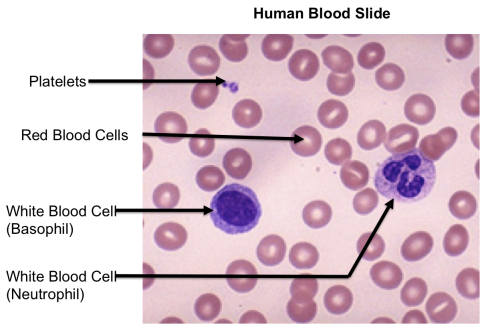

red blood cells
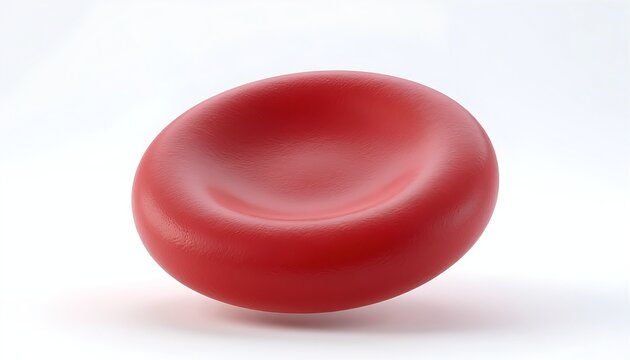
most common type of blood cell
made in the bone marrow+ live for about 4 months
function: to carry oxygen from the lungs to the respiring cells

adaptations of red blood cells
biconcave disk-greater surface area
no nucleus- more space for haemoglobin= more oxygen can be carried
have haemoglobin- red pigment that binds o2

white blood cells
larger but fewer than red ones
have a nucleus
form part of bodys defence system against harmful microorganisms

3 ways white blood cells can protect against microorganisms
engulfing and digesting them
producing antibodies to them
producing antitoxins to poisons released by them

platelets
small fragments of cells
no nucleus
help blood clot at the site of a wound
describe how blood clots at the site of a wound/ how a scab forms
blood clots by a series of enzyme controlled reactions stimulated by platelets
this forms a fibrous mesh of fibrin over the wound and traps cells to form a clot
the clot dries to form a scab
this stops blood leaving and microorganisms entering
double circulatory stystem
consists of heart, blood vessels and blood
double circulatory system = in one full circuit of the body, blood will pass through the heart twice
3 types of blood vessel
arteries, capillaries, veins
deoxygenated blood enters which side of the heart?
the right side
oxygenated blood enters which side of the heart?
the left side
2 circulatory stytems
pulmonary
systemic
pulmonary circulatory system
deoxygenated blood is transported from the right side of the heart to the lungs to become oxygenated and returned to the left side of the heart
systemic circulatory system
oxygenated blood leaves the left side of the heart and is transported to the tissues and organs of the body and returns deoxygenated to the right side of the heart
function of veins
carry blood back to the heart (low pressure)

function of a capillary
carries blood to tissues and cells
connects arteries and veins

function of an artery
to carry blood away from the heart (high pressure)
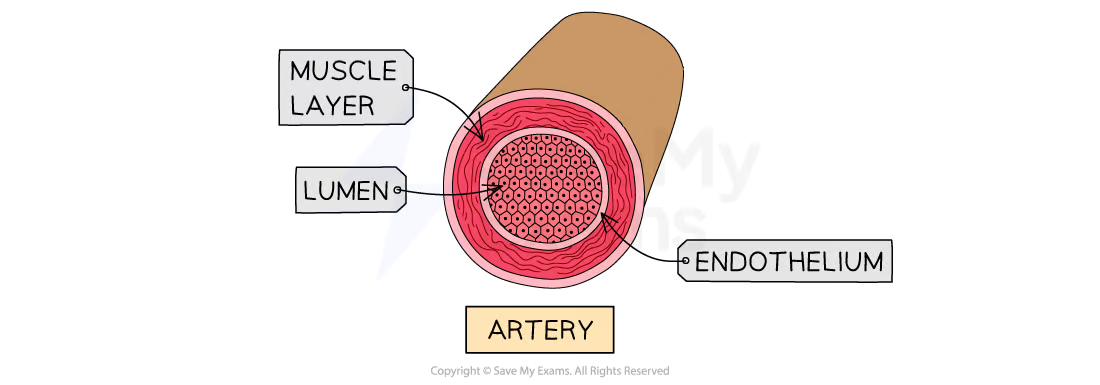
structure of capillaries
one cell thick- short diffusion distance for substances to move between blood and tissues
very narrow lumen


structure of veins
veins have valves to stop blood flowing the wrong way
relatively thin walls
large lumen
low pressure

which artery does not carry oxygenated blood
pulmonary artery
in which vessels can a pulse be felt
arteries
why do veins contain valves
to prevent backflow
why are capillary walls so thin
to allow exchange
what happens to the speed of blood as it flows through capillaries and why
it slows down due to a larger network of capillaries (being spread out)
the heart
the heart pumps blood around the circulatory stytems
made of cardiac muscle
the muscle contracts to push blood out and then relaxes to allow the heart to refill with blood
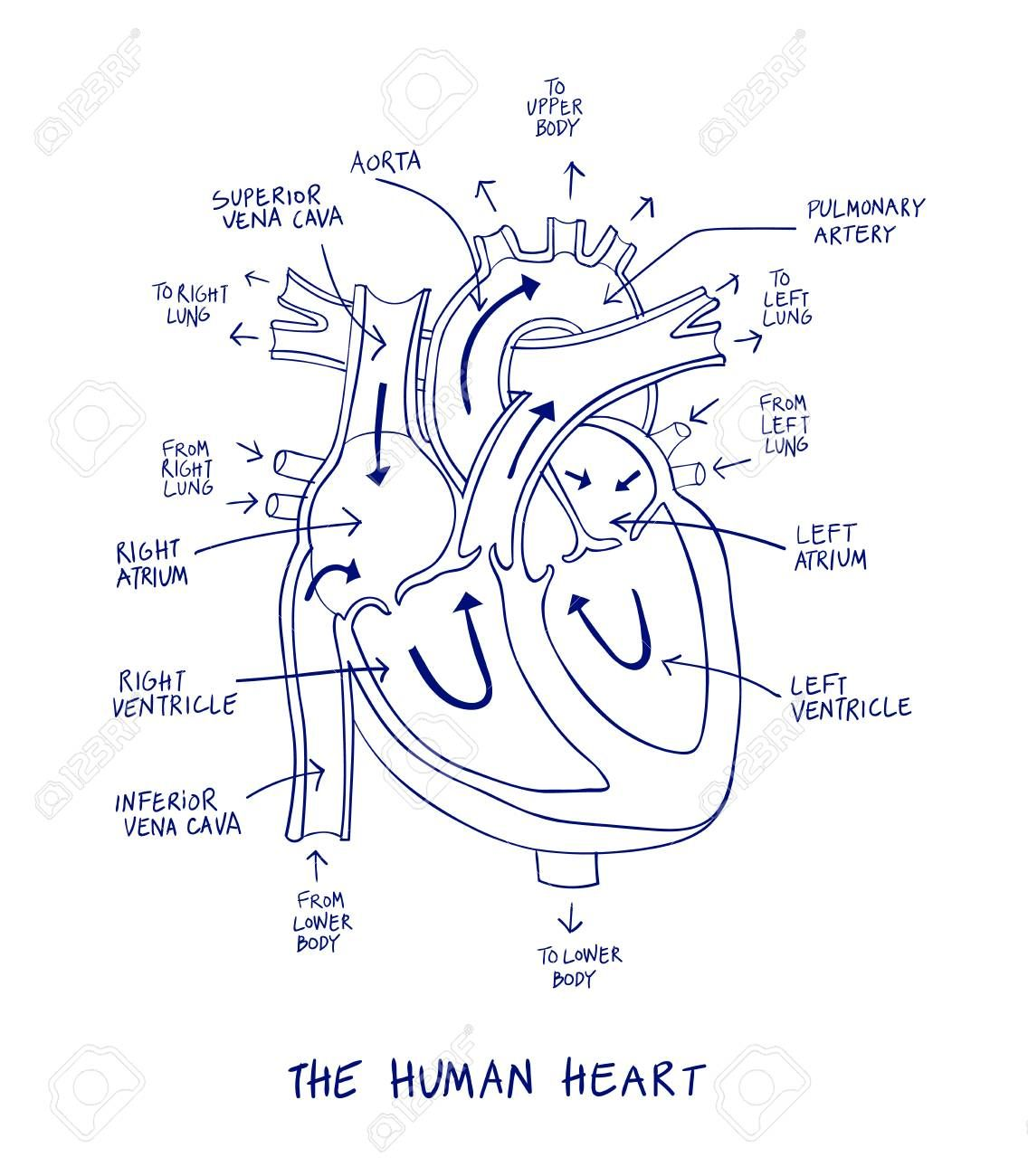
heart diagram with all the labels you actually need to know (as stated in spec)

heart rate
heart rate is calculated as the number of beats per minute
can be measures by feeling the pulse where an artery passes close to the skin
which parts of the heart actually pump blood
left and right ventricle
natural pacemaker of the heart
a cluster of cells in the right atrium causing it to contract at about 70 bpm
problems you can have:
if the heart beats too slowly not enough oxygen reaches the cells of the tissues
if the heart beats too quickly the blood is not pumped properly
artificial pacemakers can be used to control irregular heartbeats
artificial pacemakers
electrical devices implanted under the skin of the chest
send a regular electrical stimulus to the heart to make it beat regularly
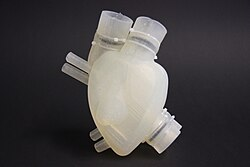
artificial hearts
if you suffer complete heart failure you may be fitted with one
usually only effective for short periods of time until a heart transplant can be performed
sometimes used to allow the heart to rest as an aid to recovery
artificial heart valves
heart valves can become sticky or leaky so can be replaced w artificial ones
these may be biological- e.g. pig, cow or human
they can be mechanical. these last a long time but drugs must be taken to stop blood clotting
what is coronary heart disease
coronary heart disease is when fatty deposits build up in the lining of the coronary arteries, narrowing the lumen
this reduces blood flow to the heart muscle, reducing oxygen supply and can cause a heart attack
treatment can be surgical or with drugs

what are stents? (used for problems with blood flow)
tubes which can be placed within arteries
they hold the arteries open so that the blood can flow through them easily

what is bypass (used for problems with blood flow)?
when blocked arteries are replaced with other veins under general anesthetic

what are statins
statins are drugs that lower blood cholesterol levels , reducing the chance of coronary heart disease developing by slowing the rate at which fatty materials are deposited into the artery linings.

advantages and disadvantages of stents
advantages:
no anesthetic required, relatively cheap, effective
disadvantages:
ineffective against severely blocked or narrowed arteries
advantages and disadvantages of bypass
advantages:
very effective against severe blockages
disadvantages:
general anesthetic required, expensive
advantages and disadvantages of heart transplants
advantages:
could be a lifelong treatment
disadvantages:
expensive, requires a donor, requires a lifetime of immunosuppressant drugs to prevent rejection
advantages and disadvantages of statins
advantages:
cheap, effective, readily avaliable
disadvantages:
patients may not change their unhealthy diets, people might not take them
ventilation/ breathing- by the respiratory stytem
how breathing occurs to move air in and out of lungs
gas exchange- in the alveoli
when o2 from the air diffuses into the bloodstream and co2 diffuses out of the blood
respiration- in the cells
a chemical reaction that happens in the mitochondria of cells using glucose and oxygen to release energy (ATP)
ciliated epithelium
line the trachea to waft mucus to the throat, away from the lungs


diagram of lungs, windpipe and ribs

rib movement when you inhale/exhale
inhale- move up and out
exhale- move down and in
diaphragm movement when you inhale/exhale
inhale- flattens and contracts
exhale- curves and relaxes
chest volume when you inhale/exhale
inhale- increases
exhale- decreases
chest pressure when you inhale/exhale
inhale- decreases
exhale- increases
compare inhaled and exhaled air
Inhaled air contains about 21% oxygen, 0.04% carbon dioxide, and 78% nitrogen, while exhaled air contains about 16% oxygen, 4% carbon dioxide, and 78% nitrogen
features of a good exchange surface
large surface area
short diffusion path
steep concentration gradient
which blood vessel transports blood from the lungs to the heart
pulmonary vein

which chamber in the human heart contracts with the greatest force
left ventricle

blood flow through a double circulatory system (start at left side of heart)
left side of heart- body organs- right side of heart- lungs
why does the left ventricle have more muscle than the right ventricle
because it must pump blood to the entire body, while the right ventricle only pumps blood a short distance to the lungs.

which structure in the heart controls the direction of blood flow between the left atrium and right ventricle
bicuspid (or AV valve)
which tissue of the wall of the heart contracts to pump the blood
cardiac muscle
what supplies the cardiac muscle tissue (not the heart) with oxygen
coronary arteries
