The Physical World, Module 2
 Call Kai
 Learn
Learn Practice Test
 Spaced Repetition
 Match
Match Flashcards
 Podcast
1/36

There's no tags or description
Looks like no tags are added yet.
Name | Mastery | Learn | Test | Matching | Spaced | Call with Kai | Chat |
|---|
No analytics yet
Send a link to your students to track their progress
37 Terms
Climate Types: Warm and muggy, rainy year round
Humid tropical
Climate Types: Long, hot, dry season followed by short periods of rain
Tropical Savanna

Climate Types: Very little precipitation, high daytime temperatures, cool nights
desert

Where do temperate climates occur?
in the middle latitudes

Which of the following climates in the the Temperate Region supports four seasons?
Humid subtropical
Solar energy strikes only half of Earth facing the sun, provides our day and night, 24 hours
Rotation

Sometimes Earth is closer to the sun, and at other times it is farther away, takes 365 ¼ days around the sun.
Revolution

Some areas receive direct rays from the sun all year (lower), and other areas receive rays less directly (higher).
Latitude

At 23 ½ degrees causes the Earth’s seasons in the Middle Latitudes
Tilt

What three things are true during the spring in North America? (Where we live in Spring)
The daylight hours grow longer (the sun is out longer)
Temperatures start to rise (get warmer)
North America begins to tilt toward the sun.
What is weather?
Weather changes from day to day
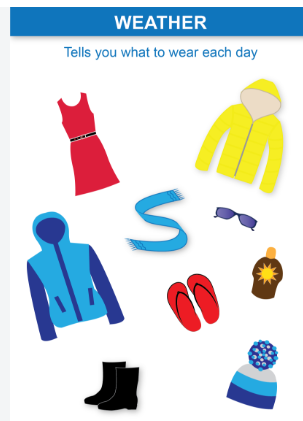
Describe climate.
Climate describes long-term patterns over many years. (winter, fall, spring, summer)

If a scientists talks about the average temperature of the rainforest over 30 years, what is the scientist measuring?
The climate of the region

How do ocean currents mainly affect the climate of nearby coastal lands?
They move warm or cold water, making coastal air warmer or cooler.

How much of Earth is covered by water?
70% of the planet

In the water cycle, what happens when the sun heats water on Earth’s surface?
Evaporation


What are 3 water problems?
drought (no rain)
overuse of water
pollution

Energy from natural sources that replenish themselves at a faster rate than they are consumed.
Renewable Resources


Renewable or Non-Renewable? Lumber
Renewable
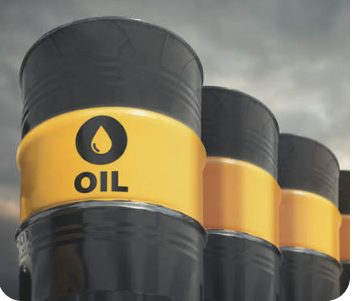
Renewable or Non-Renewable: Oil
Non-Renewable

Renewable or Non-Renewable: Coal
Non-Renewable
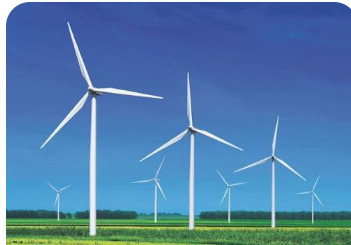
Renewable or Non-Renewable: Wind
Renewable

Renewable or Non-Renewable: Solar
Renewable

Renewable or Non-Renewable: Natural Gas
Non-Renewable
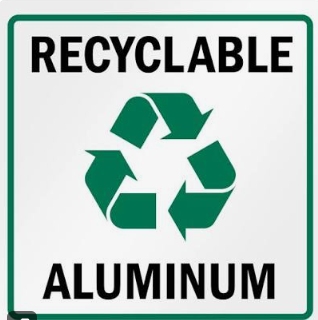
What is a good way to manage nonrenewable mineral resources and make them last longer?
Recycling Aluminum
What is a good way to manage a renewable resource?
Planting trees

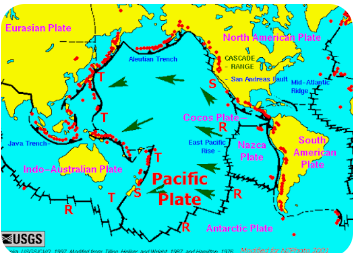
The plate to the left (west ) of North and South America
Pacific Plate

Plate located in North America
North American Plate
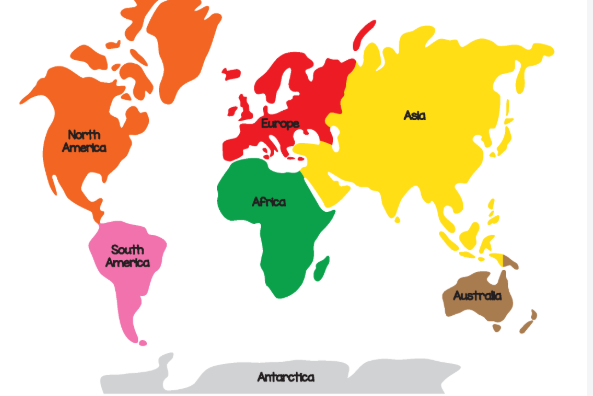

Plate located in Antarctica
Antarctic Plate

Plate located in Asia /Europe
Asian or Eurasian Plate

Which theory explains how forces below the surface created Earth’s major land features?
Continental Drift

What causes the high number of earthquakes and volcanos in the Ring of Fire?
The movement of the Pacific plate against other tectonic plates.

How far does the Ring of Fire stretch?
From South America to Alaska, and from Japan to Australia

What is the Ring of Fire?
A region known for volcanoes and earthquakes

A collision between plates over a long period of time
Mountain
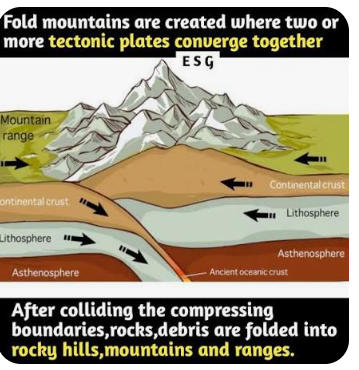
The sliding of two plates together
Earthquake

When two plates move away from each other
Volcano
