Bacterial Endocarditis and Traumatic Reticulopericarditis
 Call Kai
 Learn
 Practice Test
 Spaced Repetition
 Match
 Flashcards
 Knowt Play
1/56

There's no tags or description
Looks like no tags are added yet.
57 Terms
cardiac disease in farmed species
-CV disease moderately common in cattle
-rare in others
-acquired more than congenital
most common pericardiac disease in cattle
traumatic reticulo pericarditis (TRP)
septic pericarditis aka hard wire disease
other types of pericarditis seen in cattle less common
-sepsis in calves
-severe BRD in adult cattle
-pulpy klidney with c perfringens
-idiopathic haemorrhagic pericardial effusion
pericardium and reticulum location
very closely located, just separated by diaphragm which isnt thick

what causes hard wire (aetiology and pathogenesis)
sharp linear metallic FB ingested
often wires from tyres used to weigh down silage cover
associated with clamp silage feeding
how does wire get to heart
FB penetrates reticular wall into pericardial sac through diaphragm
not always cranial tho → can go anywhere

post mortem findings of trp
-wire can be seen
-bruising of pericardium

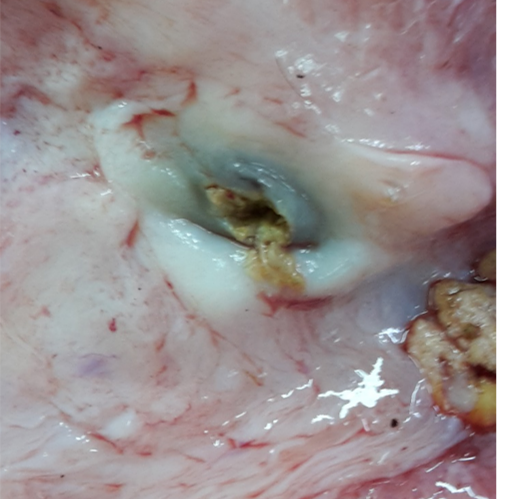
effects on cardiac function
cardiac tamponade
pus filling the pericardium
cows turn pus → fibrin
→ pressure onto heart
reduced cardiac output leading to forward failure
progresses to CHF
becomes backward cardiac failure
clinical signs relating to this like oedema
clinical history of hard wire
-milk drop
-non specific illness 1-2 weeks prior to exam that appeared to resolve before recurring (as painful when first ate, pain stopped until became pericarditis)
-inappetance
early stages of hard wire disease clinical signs
-pain (abducted elbows, positive withers, arched back, firm palp)
-rubbing or frictions sounds of auscultation
-tachycardia→ this is persistent
-pyrexia +/- assoc BRD signs
why is hardware disease hard to diagnose early
heart sounds change daily in early stages
most likely sign of hard wire
persistent tachycardia on a few exams
withers positive
get on gate and push down
later signs of hard wire disease
-bilateral muffled heart sounds (regular rhythm, splashing squeaking rubbing sounds)
-difficult to palpate apex beat
-+/- pyrexia
Signs related to congestive heart failure
why would you not hear splashing, squeaking or rubbing sounds of heart in later stage
if fibrin increased
signs related to congestuve heart failure
-jugular distension
-ventral oedema, pits
-tachycardia
-dyspnoea
-injected scleral vessels
bloods for hard wire
non specific just indicating inflam
-leukocytosis
-hypofibrinogenaemia
-hyperglobulinaemia (TP increased)
-neutrophilia (infection/inflam)
what does leukocytosis, hyperfibrinogenaemia and hyperglobulinaemia indicate on bloods
inflammation
what does neutrophilia indicate on bloods
infection or inflam
what do elevated liver enzymes means on bloods
hepatic congestion (if chf)
what would be seen on blood if CHF
-elevated liver enzymes due to hepatic congestion
how to us hard wire disease
-ancillary method of choice
-ICS3-ICS5 on both sides
-rectal scanner used
what seen on US of hard wire

-purulent fluid in pericardial sac (+/- fibrin)
-hepatic congestion
2-cardiac chamber
3-myocardium
4-pus
5-pericardium

radiography of hard wire disease
-lateral thoracic views (standing)
-gas fluid interface
-metal wire identified
-not often available
-depth hard to see cardiac silhouette

pericardiocentesis
-to differentiate other causes of pericardial effusion not hard wire
-septic pericarditis can be done but with varying success
-lymphoma (not in UK)
-iodpathic haemorrhagic pericarditis (not in UK)
not treatment
risks of pericardiocentesis
-pneumothorax
-cradiac punture
-contam of pleural space
PM findings of hard wire disease
-ventricles squashed
-thickening of myocardium and epicardium
-lots of fibrin aroudn the hearts
-thickened pericardium→ normally almost transparent

early stage treatment for hard wire
before fibrinous septic pericarditis developed
-magnet (oral→ rumen/ reticulum)→ good for prevention
-broad spec antibiotic (amoxicillin or oxytetracycline)
-NSAID

late stages of hard wire disease treatment
septic pericarditis developed
-prognosis poor so PTS on welfare
-pericardiotomy and drainage reported but not always good outcome
prevention of hard wire disease
-due diligence with siage and feeding management, no tyres
-magnets pre emptively in cows and on feed wagon
endocarditis pathophysiology
circulating bacteraemia→ valves of heart
-chronic bacterial infection elsewhere e.g. mastitis, metritis, pneumonia, lameness
-usually 2ndary to something else
bacteria common in endocarditis
truperella pyogenes
-plus staphs, streps, g-ves
what does endocarditis cause
-adhesion to endothelium so no prior endothelial damage, can occur on mural endocardium
predeliction sites for endocarditis
-right AV (tricuspid) valve
-left AV (mitral) valve
3rd ICS left side examine
pulmonary valve
4th ICS left side examine
aortic valve
5th ICS left side examine
atrioventricular valve (mitral)
3rd ICS right side examine
atrioventricular valve (tricuspid)
murmur grading
based on loudness
volume of murmur doesnt always correlate with severity of disease
endocarditis clinical signs
-murmur +/- palpable thrill
-persistent tachycardia
-ill thrift
-milk drop (may be episodic)
endocarditis bloods findings
non specific and just indicates inflam
-leukocytosis
-hyperfibrinpgenaemia
-hyperglobulinaemia (TP increased)
-neutrophilia
-non regen anaemia (chronic disease)
-elevated liver enzymes (hepatic congestion if CHF)

endocarditis US
-use rectal scanner
-challenging to get probe in right place

blood culture for endocarditis
-not common
-repeat samples rec
endocarditis PM findings
lumpy
red and inflamed
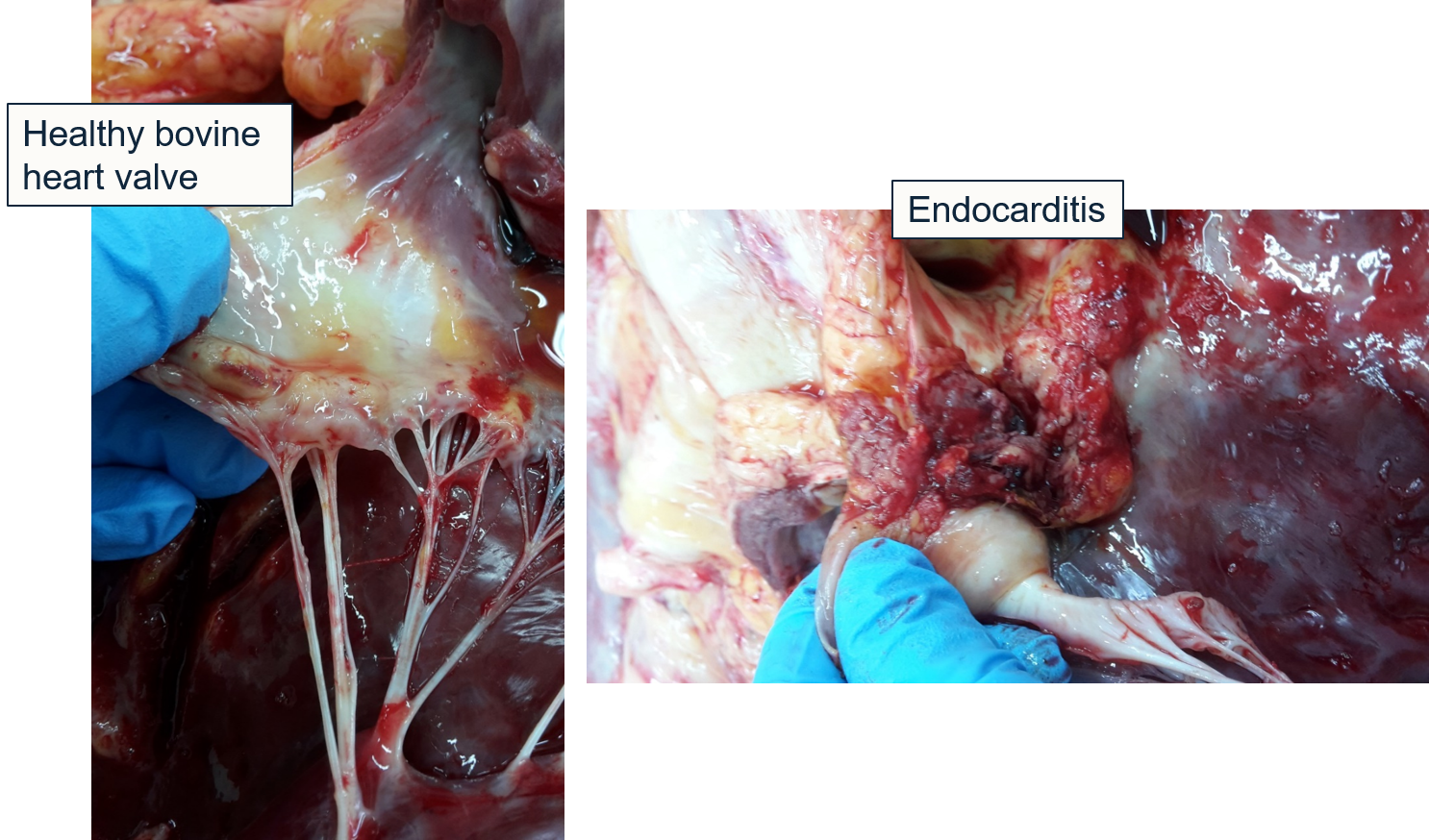

haematogenous spread on PM
micro abscesses and emboli on organs esp liver and kidneys
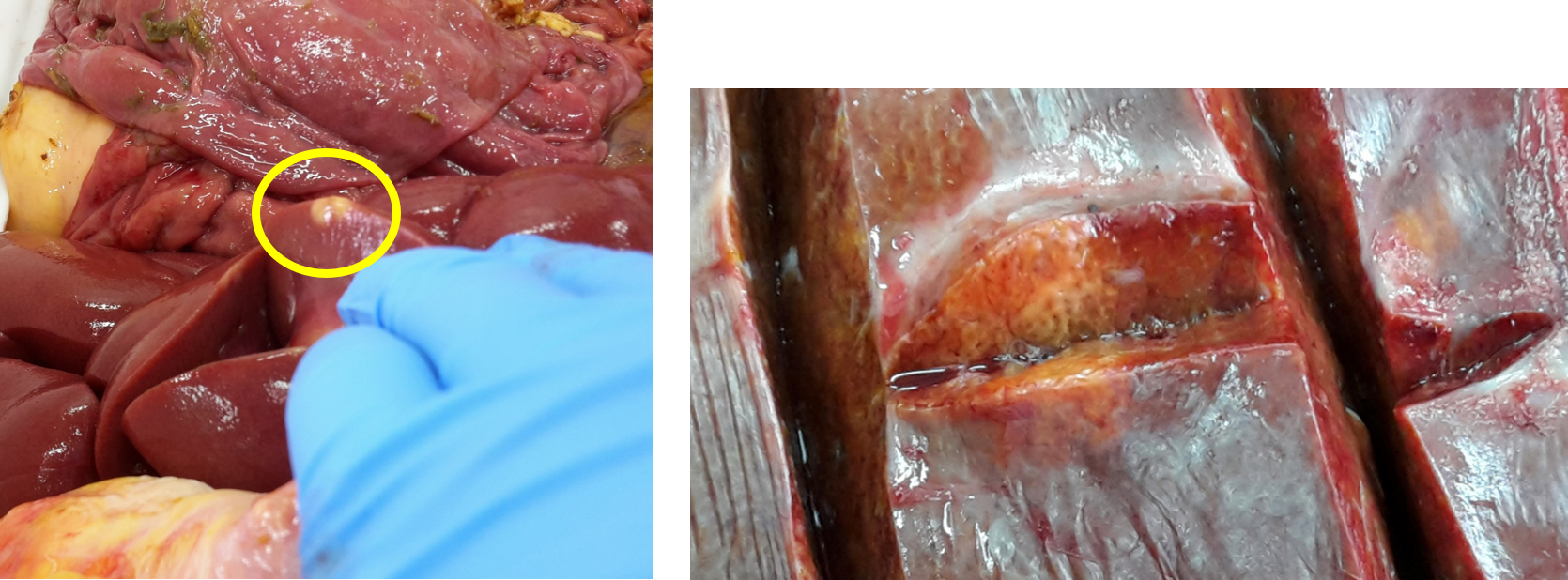
endocarditis ttreatment
-long term antibiotics for min 3 weeks
-furosemide if CHF
-analgesia
antibiotic of choice for endocarditis
peniccilin or amoxicillin
endocarditis prognosis
guarded
-return to normal heart rate and sound then looks good
-better if diagnosed and treated earli
-if signs of CHF then poor prognosis
presenting signs of congenital cardiac disorders
-murmurs
-poor growth
-increased resp rate/effort
-cough
-treat for pneumonia and not responded as presents same as resp disease
ventricular septal defect
-most comon
-may be assoc with other congenital abnormalities
-L to R shunting
-obvious pansystolic murmur=R>L
higher murmur grade=smaller defect as more turbulence

can a v quitet murmur in a calf be good
no
bigger hole so less turbulence
likely bad vsd
other congenital defects
-tetralogy of fallot
-atrial septal defects
-ectopia cordia
tetralogy of fallot
VSD + R ventricular hypertrophy + over riding aorta
ectopia cordia
-heart visible beating in neck region
-in wrong place
-euthanasia → cant live with this
v rare
•Prognosis for multiple defects
= poor
hyperkalaemia
-bradyarrythmia
-severe acute diarrhoea in neonatal calves
-urinary obstructions in older calves and male sheep and goats
white muscle disease
vit e/selenium deficiency
-usually skeletal m
-myocardial damage → focal, multifocal or diffuse
hear arrhythmias
-cardiac signs variable