Blood vessels
 Call Kai
 Learn
 Practice Test
 Spaced Repetition
 Match
 Flashcards
 Knowt Play
1/59

There's no tags or description
Looks like no tags are added yet.
60 Terms
What system carries blood throughout the body?
A closed system of vessels that begins and ends at the heart.
What are the five types of blood vessels?
Arteries, arterioles, capillaries, venules, and veins.

What are the three layers (tunics) of blood vessel walls?
Tunica intima (interna), tunica media, and tunica externa.
What is the innermost layer of a blood vessel?
Tunica intima.
What is the endothelium?
The inner lining of blood vessels.

What is the subendothelial layer?
A layer found in vessels larger than 1 mm in diameter.

What is the internal elastic lamina?
An elastic layer associated with the tunica intima.
What is the middle layer of a blood vessel?
Tunica media.
What does the tunica media contain?
Smooth muscle.
What regulates the smooth muscle in the tunica media?
Sympathetic vasomotor fibers.

What two actions does the tunica media control?
Vasoconstriction and vasodilation.
What is the external elastic lamina?
An elastic layer associated with the tunica media.
What is the outermost layer of a blood vessel?
Tunica externa.
What is another name for the tunica externa?
Tunica adventitia.
What does the tunica externa contain?
Loose collagen fibers.
What do larger blood vessels contain in their tunica externa?
Vasa vasorum.
Which blood vessels have a thicker tunica media?
Arteries.
Which blood vessels have a thicker tunica externa?
Veins.
What are capillary walls composed of?
Endothelium with a sparse basement membrane.
What are elastic arteries also called?
Conducting arteries.
Where are elastic arteries located?
Near the heart.
What are the characteristics of elastic arteries?
Thick-walled arteries with large lumens and elastin in all three tunics.
Why do elastic arteries have large lumens?
To allow low-resistance blood flow.
What is the function of elastin in elastic arteries?
Helps keep blood pressure constant.
What are muscular arteries also called?
Distributing arteries.
Which layer is thickest in muscular arteries?
Tunica media.
What does the tunica media of muscular arteries contain?
Smooth muscle.
What is the function of arterioles?
Control blood flow into capillary beds.
How do arterioles control blood flow?
Through vasodilation and vasoconstriction.
What are the smallest blood vessels?
Capillaries.
What is the main function of capillaries?
Gas exchange.

What are the three structural types of capillaries?
Continuous, fenestrated, and sinusoidal.
What are continuous capillaries?
Capillaries with endothelium and a basal lamina.
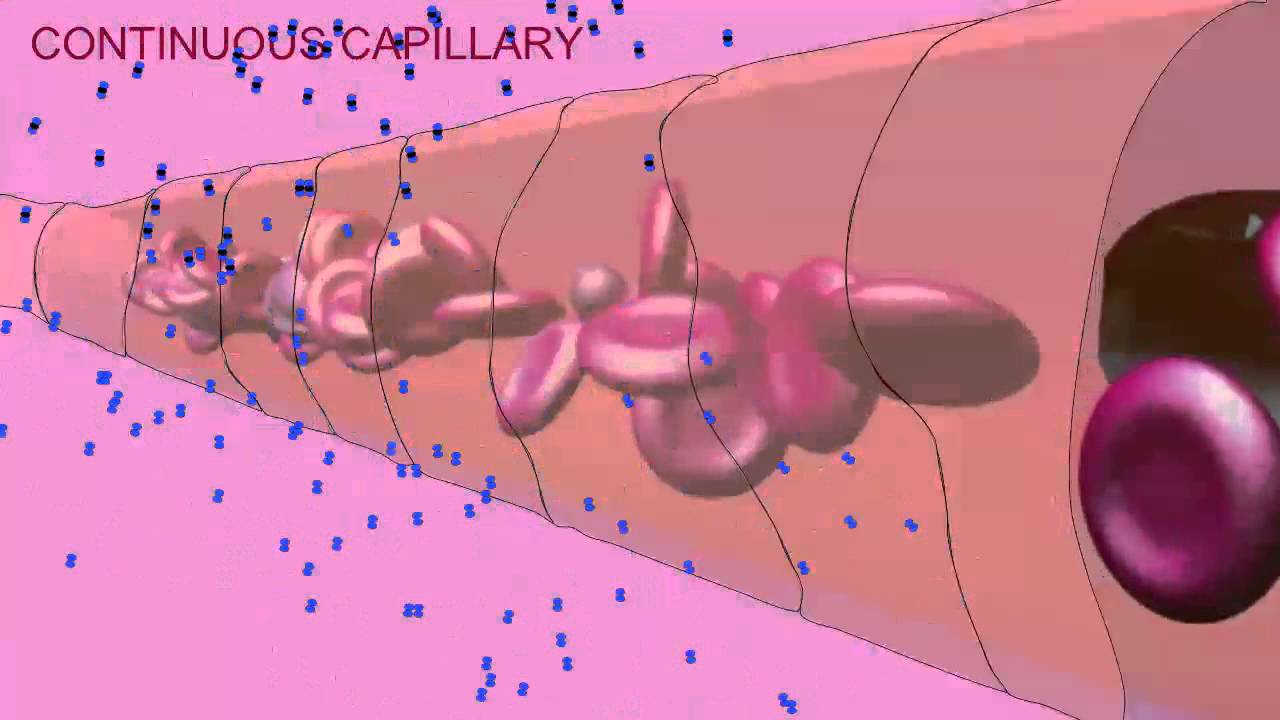
Where are continuous capillaries abundant?
Skin and muscle.

What does fenestra mean?
Window or pore.
What are fenestrated capillaries?
Capillaries with pores.

What occurs in fenestrated capillaries?
Filtration or absorption.
Where are fenestrated capillaries found?
Kidneys and small intestines.

What are sinusoidal capillaries also called?
Discontinuous capillaries.
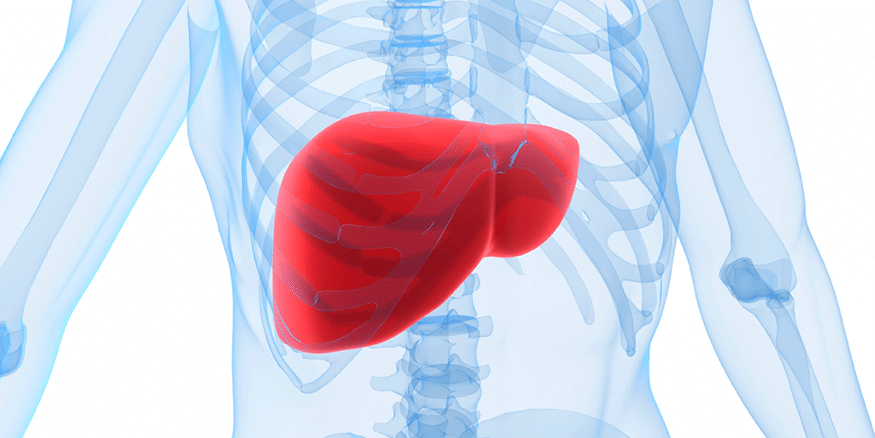
What are sinusoidal capillaries?
Highly leaky capillaries.
Where are sinusoidal capillaries found?
Liver, lymph tissue, and bone marrow.
What is a capillary bed (plexus)?
An interwoven network of capillaries.
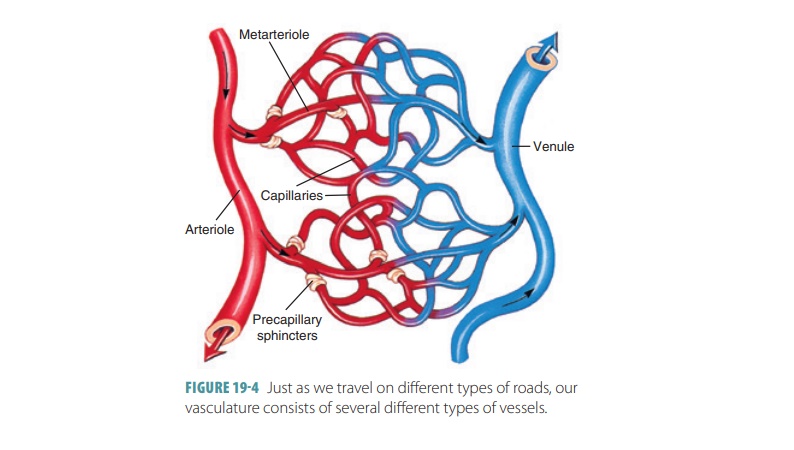
What are the two components of vascular shunts?
Metarteriole and thoroughfare channel.

What are true capillaries?
Capillaries branching from the capillary bed.
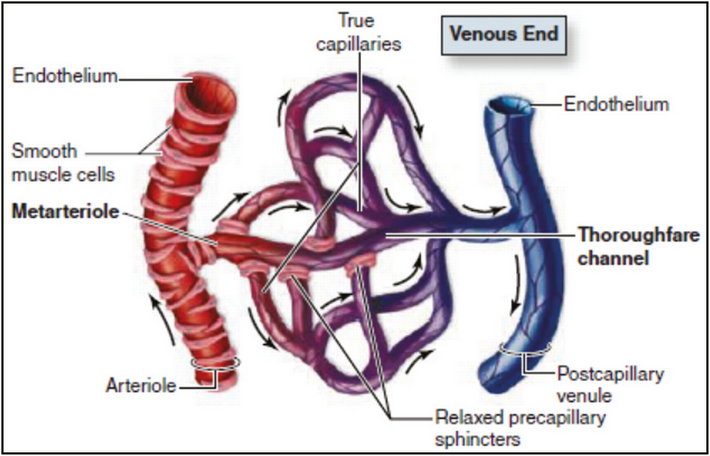
How many true capillaries are found in a capillary bed?
10–100.
What regulates blood flow into true capillaries?
Precapillary sphincters.
What are the two pathways blood can take in a capillary bed?
Through true capillaries or through the vascular shunt.
What regulates blood flow through capillary beds?
Local chemical conditions and vasomotor nerves.


How are venules formed?
When capillaries unite.
What are postcapillary venules?
The small venules that receive blood from capillaries.
What can pass through postcapillary venules?
Fluid and white blood cells.
How are veins formed?
When venules converge.
What is the main function of veins?
Return blood to the heart.

What adaptations help veins return blood to the heart?
Large-diameter lumens, venous valves, skeletal pump, and respiratory pump.
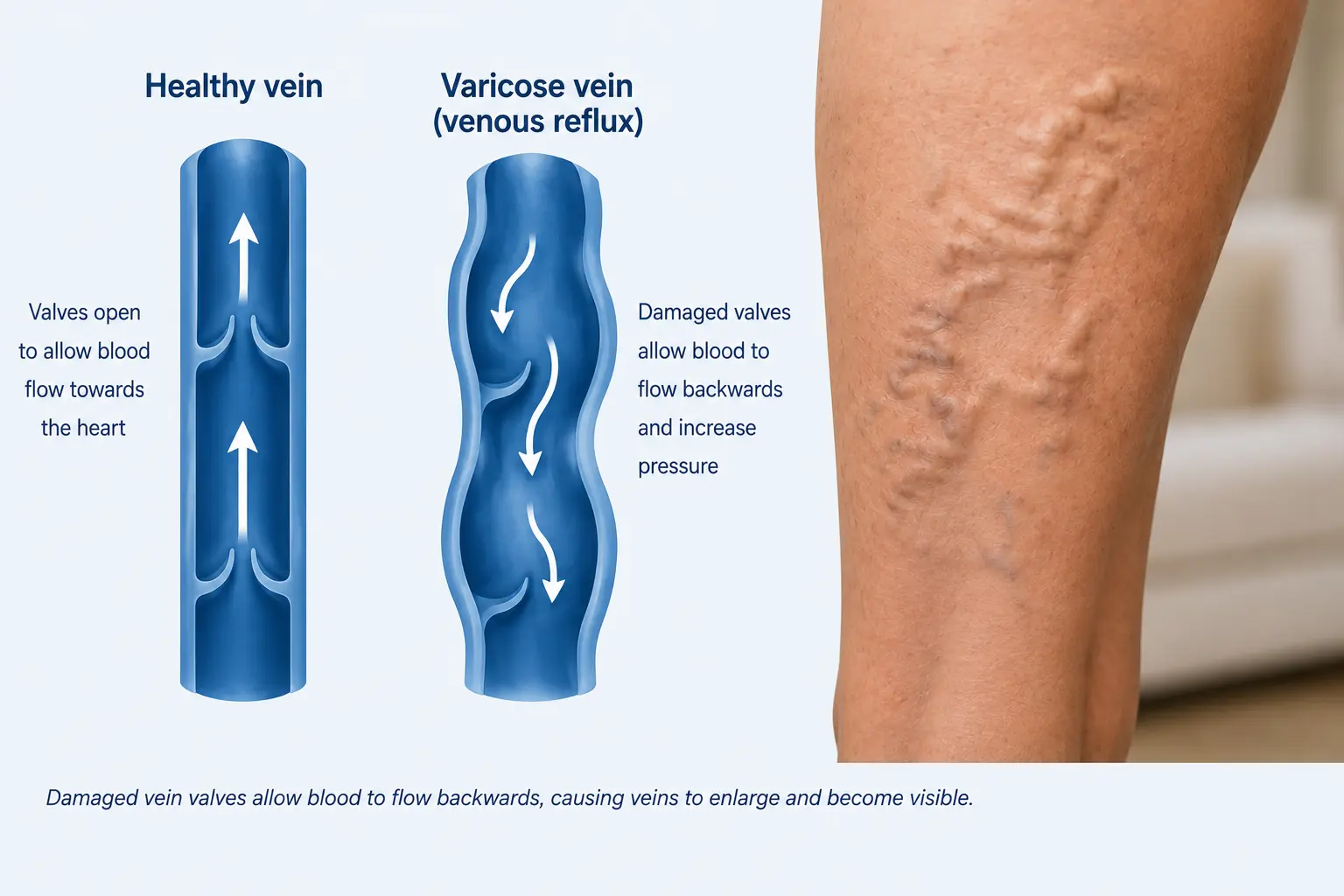
What is the function of venous valves?
Prevent backflow of blood.
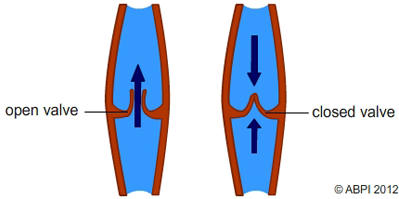
What are venous valves made of?
Folds of the tunica intima.
What do venous valves resemble?
Cardiac semilunar valves.
What are the skeletal and respiratory pumps?
Mechanisms that help blood return to the heart.

What happens when venous valves become weak?
Blood pools and backs up, stretching the vein walls.
What can result from weak venous valves?
Varicose veins.