Pharmacology Exam 2
 Call Kai
 Learn
 Practice Test
 Spaced Repetition
 Match
 Flashcards
 Knowt Play
1/59

Earn XP
Description and Tags
GI system drugs, diabetes, endocrinology (Lectures 4, 5, 6)
Name | Mastery | Learn | Test | Matching | Spaced | Call with Kai | Chat |
|---|
No analytics yet
Send a link to your students to track their progress
60 Terms
What is direct activation of vomiting?
signals from the cerebral cortex (fear), sensory organs (smell), or inner ear activate vomiting directly in the medulla oblangota
What is indirect activation of vomiting?
signals from the stomach, small intestine, or drug side effects reach the chemoreceptor trigger zone (CTZ) that then activates the vomiting center
What are dopamine antagonists?
drugs that suppress emesis by blocking dopamine receptors in the CTZ
~Can cause extrapyramidal symptoms (EPS)= drug induced movement disorders
What are the four main types of EPS (movement disorder Rx caused by dopamine antagonists)
acute dystonia: painful muscle spasms
parkinsonism: shaking tremors and stiffness
akathisia: restless movements & jitters
tardive dyskinesia: late developing repetitive jerky movements
Younger patients more likely to have a EPS Rx, can be lifetreatening
What is prochlorperazine (Compazine)?
dopamine antagonist and 1rst Gen antipsycotic for schizophrenia
also aids in severe nausea or vomiting
carries risk of an EPS reaction
What is promethazine (Phenergan)?
dopamine antagonist to treat severe emesis and nausea, motion sickness, sedation effects
can cause severe respiratory depression
can cause hypoxic injuries in previous existing wounds
not for children under 2
What is metoclopramide (Reglan)?
dopamine antagonist primarily used to combat nausea/vomiting caused by surgery, cancer drugs, opiods, radiation
black box warning for tardive dyskinesia (EPS)
can increase muscle tone in the GI tract
What is haloperidol (Haldol)?
dopamine antagonist used primarily as an antipsychotic in schizophrenia long-term and acute agitation short term
also has anti N/V properties
What is odensatron (Zofran)?
a serotonin receptor antagonist that blocks N/V signals in the brain
very commonly used in hospital settings for post-op, chemo & radiation Sx, viral gastritis, and many more
relatively safe: can cause abnormal heart rythm rarely & headaches
What is scopolamine?
anticholinergic that blocks acetylcholine in the PNS and calms the gut and brain (transdermal patch behind the ear)
often used for N/V from motion sickness
prvention of post-op N/V
often used in hospice care to decrease saliva and airway secretions
What are 1st Gen Antihistamines and what are some examples?
anithistamines that cross the BBB and calm brain signaling for Sx such as N/V and allergies (main SE is drowsiness, blurred vision, and constipation)
Meclizine (antivert): vertigo and motion sickness
Cyclizine (ciclivert): N/V, motion sickness
Dimenhydrinate (Dramamine): first line for motion sickness as causes less drowsiness
Diphenhydramine (Benadryl): allergic Rx, motion sickness, and sleep difficulties
What is bismuth subsalicylate (Pepto-Bismol)?
an absorbent used for treating and preventing mild diarrhea that acts by coating the GI walls sticky, bacteria/toxin bind to it, then stuck substance is wasted
commonly causes black stool & tongue
related to aspirin- use in caution with children
What is loperamide (imodium)?
an “opioid” that has the same structure as meperidine but does not cause addicting effects (no pain relief). Used to treat diarrhea
SE: constipation, N/V, pain, toxic megacolon, paralytic ileus
DO NOT USE in cases of infectious diarrhea: let the body waste the toxin/virus/bacteria with fluid support
How does a bulk forming laxative (psyllium/Metamucil) work?
acts like dietary fiber and bulks and softens stool by increasing water absorption in the colon
for temporary relief or constipation and diarrhea
MUST take with full glass of water (can bulk up and cause obstruction without)
What is a surfactant laxative? (docusate sodium/Colace)
lowers surface tension of colon causing water uptake in feces (produces a soft stool in 1-3 days)
can inhibit fluid absorption & stimulate water and electrolyte secretion
take with a full glass of water
What is a stimulant laxative? (biscodyl/Dulcolax, senna/Sennakot)
Stimulates intestinal motility and reduces water and electrolyte absorption
can cause cramping and bloating
often abused by public= causes laxative dependancy
commonly used for opioid-induced constipation
What is polyethylene glycol (PEG)/MiraLax
osmotic laxative that retains water in the intestinal lumen, causing the fecal mass to soften
SE: nausea, cramping & bloating, gas, diarrhea in high doses
can be mixed with any fluid
widely used for chronic constipation
works in 6-12 hours with recommended dose
What is lactulose (Constulose)?
an osmotic laxative that converts lactulose to lactic acid (and more acids) within the colon that create a osmotic reaction to produce a soft stool
flatulance and cramping are very common SE
commonly used to lower blood ammonia levels in patients with chronic liver disease
What is a lubricant laxative?
mineral oil PO or rectal that lubricates the GI tract to help ease passage of stool
can cause anal leakage and aspiration
can decrease absorption of fat-soluble vitamins & create mineral deposits in liver
What is the baseline treatment for a gastric ulcer?
Eradicate H. pylori with at least 2 antibiotics
Reduce gastric acidity with proton pump inhibitors (PPIs) and histamine2 receptor antagonists (H2RAs), and antacids
Enhance mucousal defenses with misoprostol (Cytotec) and/or sucralfate (Carafate)
What are some antibiotics used for treatment of peptic ulcers? (H. pylori)
amoxicillin, clarithromycin, tetracycline (all broad-spectrum)
metronidazole (Flagyl) & tinidazole (narrow-spectrum for H. pylori)
Bismuth (Pepto-Bismol) attacks cell wall of H. pylori and prevents it from binding to gastric surface
What are histamine2 receptor antagonists? (H2RAs)
H2 receptors promotes the secretion of gastic acid (these drugs block it)
cimetidine (Tagamet), famotidine (Pepcid), nizatidine
promotes ulcer healing by decreasing the acidity within the stomach
must be administered at least 1hr apart from antacids (decreases absorption)
What are proton pump inhibitors (PPIs)?
most effective drug that decreases the secretion of gastric acid and is generally well tolerated
omeprazole (Prilosec), lansoprazole (Prevacid), and pentoprazole (Protonix)
enteric coated capsule: DO NOT CRUSH
What is sucralfate (Caralfate)?
a mucosal protectant that creates a protective barrier around the ulcer against stomach acid and pepsin
well tolerated, no adverse effects
may impede the absorption of some drugs
What is misoprostol (Cytotec)?
prevents NSAID-induced ulcers by stimulating mucus secretion and supressing secretion of gastric acid
contraindicated in pregnancy (can be used for medical termination)
What are antacids?
alkaline compounds that nuetralize the pH of stomach acid for Sx relief and prevention of ulcers
aluminum hydroxide: Alternagel, Amphojel
calcium carbonate: TUMs, Rolaids
magnesium hydroxide: Milk of Magnesia
sodium bicarbonate: Alka-Seltzer, baking soda
What is the patho for type 1 diabetes mellitus? (5% of all cases)
autoimmune condition in which pancreatic beta cells are attacked and are no longer working to secrete insulin. usually begins in childhood/adolescence, and the only treatment is supplemental insulin
What is diabetic ketoacidosis (DKA)?
hyperglycemia (above 200 mg/dL), acidosis throughout the body due to the hugh blooc sugar (low body pH), and elevated ketones as a result
can be life threatening, requires immediate hospitalization with insulin drip and electrolyte therapy (risk for hypokalemia)
commonly caused by type 1
What are the signs/symptoms of DKA?
rapid & shallow breathing with fruity breath (aka Kussmaul respirations), extreme fatigue & confusion, 3Ps, N/V, abdominal pain, pallor
What is the patho for type 2 diabetes mellitus? (90-95% of all diabetes)
insulin receptors on target cells gradually develop insulin resistance and beta cell function is lost leading to a decrease in insulin secretion
gradual onset, occurs at any age
risk increases with obesity, sedentary lifestyle, poor diet
What is hyperosmolar hyperglycemic state (HHS)?
severe hyperglycemia (above 600 mg/dL) without ketoacidosis
similar Sx to DKA with similar treatment
can often be triggered by an event such as infection, surgery, trauma/stress, change in medication
typically found in type 2
What is gestational diabetes mellitus?
diabetes that develops during pregnancy that usually subsides after delivery
requires strict control of blood sugar levels to prevent fetal abnormalities
regular insulin, insulin aspart, and insulin lispro are the only versions that cannot cross the placenta
increased risk for developing T2 diabetes later on
What are some long-term complications of diabetes?
Cardiovascular disease, HTN, stroke, retinopathy, nephropathy, neuropathy (especially in extremeties), and more
What are diagnostic testing options for diabetes?
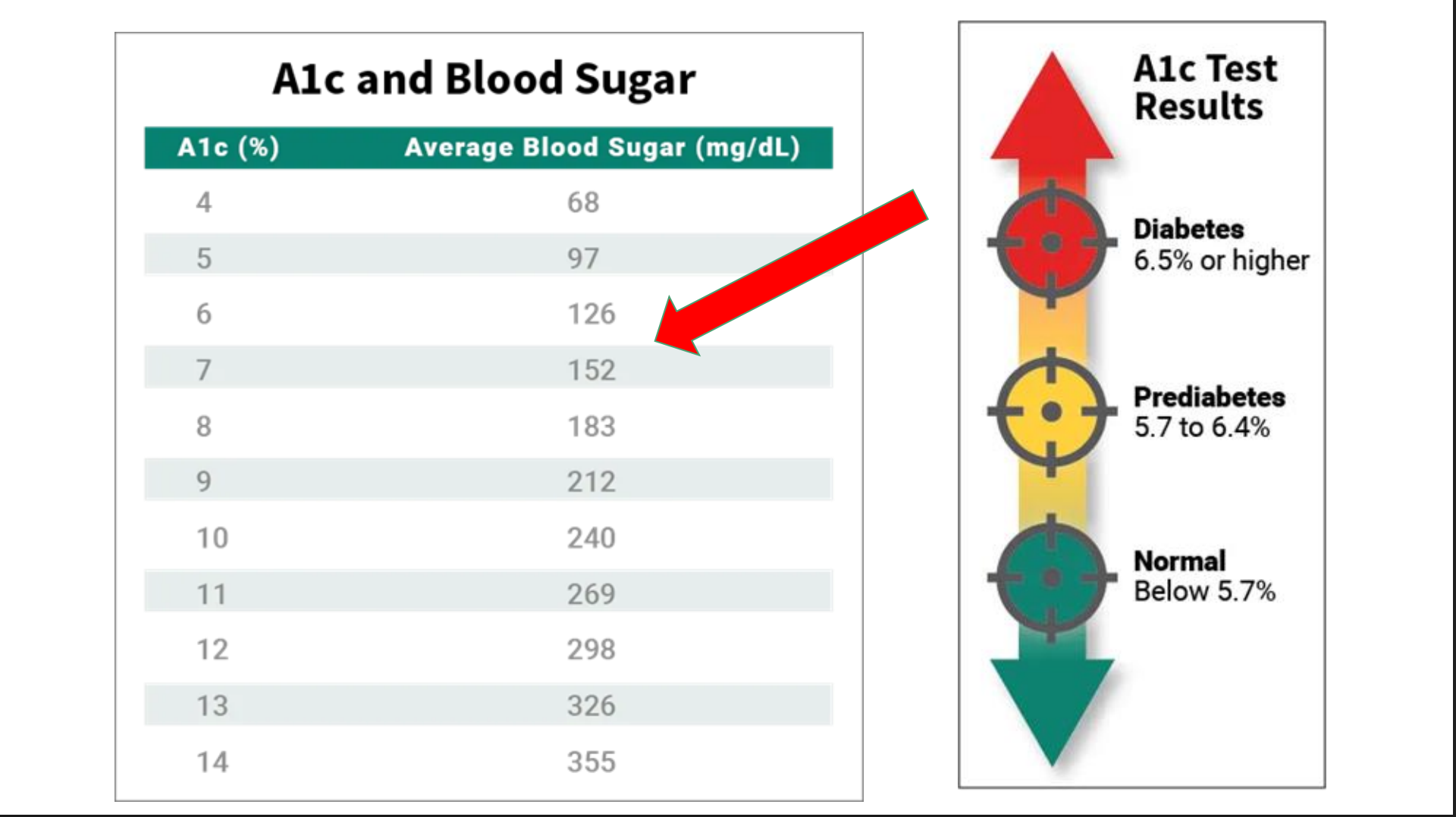
Fasting blood glucose: high blood sugar on empty stomach indicates decreased insulin secretion (less than 126 mg/dL)
Oral glucose tolerance test: blood sugar above 200 mg/dL after drinking oral glucose indicates diabetes
Hemoglobin A1c: measures average blood glucose across the past 2-3 months (most accurate)
What are short duration and rapid acting insulin types?
insulin aspart (Novolog): 10min onset w/ peak in 1-3hr
insulin lispro (Humalog): 15min onset w/ peak in 30min-2hr
both can be given subQ or IV, safe in pregnancy
both have duration of 3-6hr
typically administered right before a meal
What insulin is short duration and short acting?
Regular insulin (Humulin R, Novolin R): 30-60min onset, 1-5hr peak, 6-10hr duration
most commonly given IV in emergency situations (DKA, HHS)
can be mixed with intermediate acting insulin (NPH)
What is intermediate duration, slow acting insulin?
Neutral Protamine Hagedorn (NPH) insulin (Humulin N, Novolin N): 60-120min onset, 6-14hr peak, 16-24hr duration
cloudy appearance, roll in palms to mix solution
typically injected in the am and pm (only subQ)
can be mixed with short acting insulin
What is long and ultra long duration insulin?
Insulin glargine U-100 (Lantus): 70min onset with 18-24hr duration
Insulin glargine U-300 (Toujeo): 6hr onset, several day duration
give at the same time each day, subQ only
Never directly mix with other insulins. often paired with for basal/bolus maintenance
What are the symptoms of hypoglycemia?
emotional changes, double-vision, confusion, drowsiness, loss of consciousness, seizures, coma, death
What are some medications that indirectly affect blood glucose levels?
Hypoglycemic effects: meglitinides, beta-blockers, and alcohol
Hyperglycemic effects: glucocorticosteroids, sympathomimetics
What is metformin (Glucophage)?
biguadine medication for T2D that decreases glucose production in the liver, increases tissue response to insulin, and is excreted unchanged by the kidneys with no risk of hypoglycemia
What is the main adverse affect of metformin?
lactic acidosis (mortality rate of 50%) with Sx of hyperventilation, malaise, lethargy and requires hemodialysis to remove the medication
patients with liver failure and renal insufficiency are at a higher risk
What are the side effects of metformin (Glucophage)?
decreased appetite, nausea, diarrhea, weight loss, metallic/bitter taste, reduced absorption of B12
What are sulfonylureas?
medication for T2D with functioning beta cells that stimulates the release of insulin (risk of hypoglycemia) (can cause weight gain)
glimepiridine (Amaryl)
glipizide (Glucotrol)
What are Thiazolidinediones (TZD)/Glitazones?
a supplemental drug for T2D that decreases insulin resistance and lowering the amount of glucose secreted by liver. SE are RTI, headaches, sinusitis, fluid retention, weight gain. (contraindicated with CHF, liver disease, and have a hypoglycemic risk)
Piaglitazone (Actos)
Rosiglitazone (Avandia)
What is the difference between T3 and T4?
T3: liothyronine, active hormone that directly influences the body, much more potent
T4: levothryoxine, made in larger amounts and most of it is converted to T3 in the tissues
What are the three thryoid function tests?
TSH: best for diagnosing hypothyroidism (high numbers mean inadequate amount of T3 and T4)
Serum T4: monitor thyroid replacement therapy and dysfunction screening
Serum T3:
What is primary hypothyroidism?
when the thyroid gland itself fails to produce thyroid hormones. Most common cause is Hashimoto’s thyroiditis, thyroid cancer or surgery, or iodine deficiency
high TSH, low T4
“slow and cold” Sx, severe can lead to myxedema coma
What is secondary hypothyroidism?
the pituitary gland fails to release TSH, often stems from a problem with the pituitary gland or hypothalamus (TRH)
same Sx as primary hypothyroidism
What is levothyroxine?
oral medication of T4 hormone that works as a supplement hormone and can greatly increase quality of life (treatment all through life)
must be administered on an empty stomach
What is the main and most serious adverse effect of levothyroxine?
thyrotoxicosis: acute overdose of thyroid hormones
tachycardia, HTN, angina, tremor, insomnia, N/V, diarrhea, cramps
associated with bone loss and afib
What are some drug-drug interactions with levothyroxine?
GI agents (PPIs, H2RAs, antacids), Ca Fe Mg supplements, warfarin, catecholamines (epinephrine, dopamine)
What are the two major forms of hyperthyroidism?
Grave’s Disease: autoimmune disease in which an Ab pretends to be TSH
Plummer’s Disease: toxic multinodular goiter
exopthalmus, rapid HR, angina, nervousness, tremors, sweating, weight loss
What is a thyroid storm?
extreme sudden release of thryoid hormone- life-threatening emergency
sweating, high fever, severe hypermetabolism, LOC, heart failure, pulmonary edema, shaking and delirium
What are the three main treatment lines for Grave’s Disease?
surgical removal of thryoid tissue
destruction of thyroid tissue by radioactive iodine
antityroid drugs (methimazole (first line) or propylthiouracil)
What is the main adverse effect of methimazole?
agranulosis. sore throat and fever are earliest indications and condition develops rapidly
What are the three main types of hormones produced by the adrenal gland?
mineralocorticoids: aldosterone (outer layer)
glucocorticoids: cortisol (middle layer)
androgens: sec hormones (inner layer)
What do glucocorticoids do in the body?
mainly raise glucose levels in the blood by promoting glucogenesis and inhibiting glucose uptake. affect skeletal muscle, CV system, and and the CNS