3A flashcards
 Call Kai
 Learn
 Practice Test
 Spaced Repetition
 Match
 Flashcards
 Knowt Play
1/20

There's no tags or description
Looks like no tags are added yet.
21 Terms

Great Stupa at Sanchi, Sunga, Sandstone + Stone, reliquary + connects you to God + monument for burials + Axis + has key aspects of the Buddha but not actually him

Buddha from Bamiyan, Grandhara, Cut rock + plaster, along Silk Road + iconoclasm + modern day Afghanistan + more simple because of size

Jowo Rinpoche, Yarlung, Gilt metals, Maybe came from China (Tang dynasty) + Vishkarma + Tibet + hand motions

Borobudur, Sailendra, Volcanic stone, pilgrimage site + Jaba islands Indonesia + Largest temple ever +

Lakshmana Temple, Chandella, Sandstone, Patron was King Yashovarman + Resembles mountain range of Gods + Dedicated to Vaikuntha Vishnu + was to legitimize his rule and connection to the divine

Shiva as lord of dance, Chola, Cast bronze, Dancing to destroy the world + Shows the never ending cycle of death + Damuna + Agni + Shiva holds damaru

Angkor, Angkor, Stone + Sandstone, In Cambodia - reign of suryavarman- moat surrounds it- churning of milk ocean relief
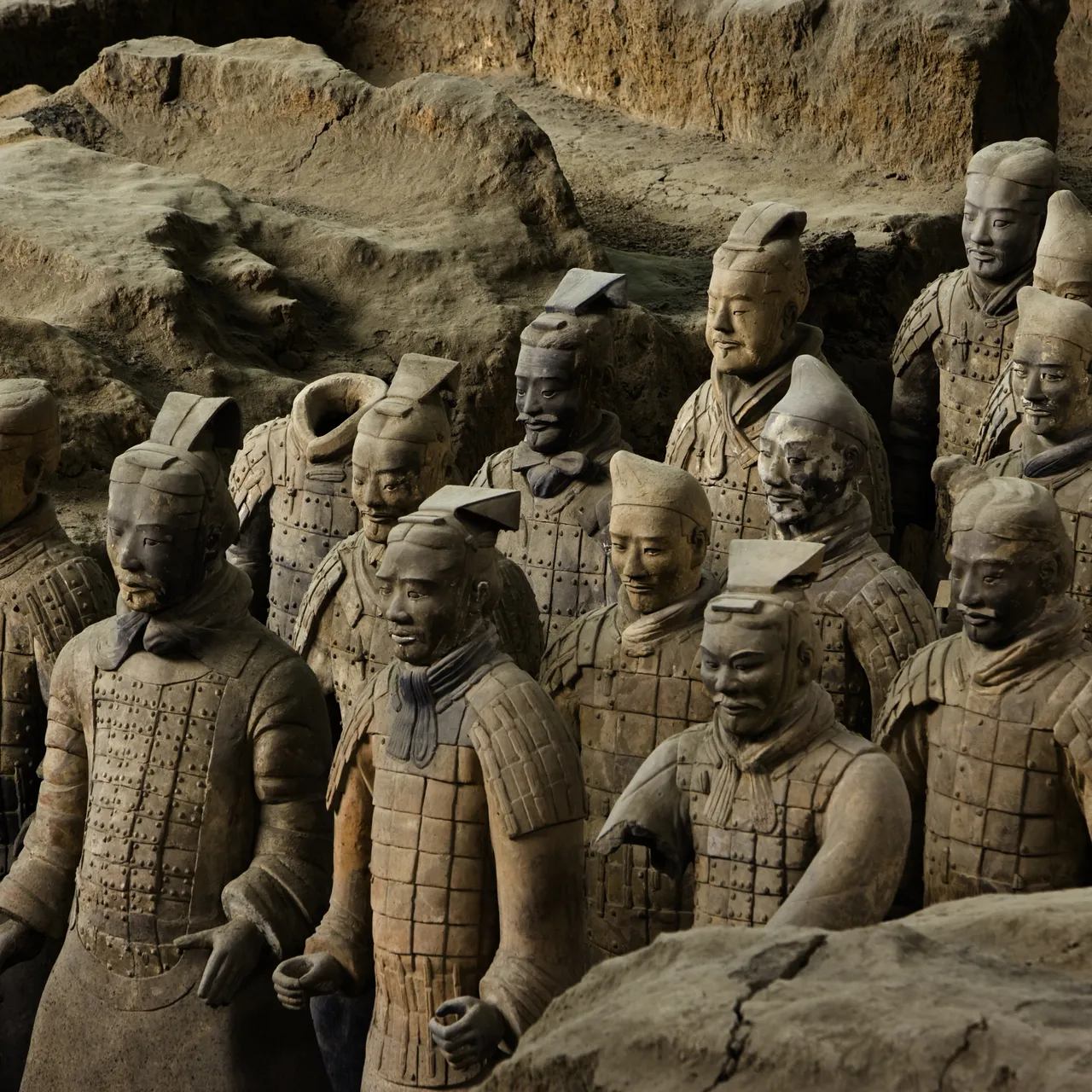
Qin Dynasty warriors, Qin Dynasty (210BCE), Terracotta, Made via molds - were made to protect him - in mausoleum - for King Qin Chi Huang - not identical but showed unity

Banner of Lady Dai, Han Dynasty, Silk, Contour lines show motion - Xin Zhui - world before and after she died - doasit + Neo-confusionism - was to help guide her in the after life - dragons were spiritual guides
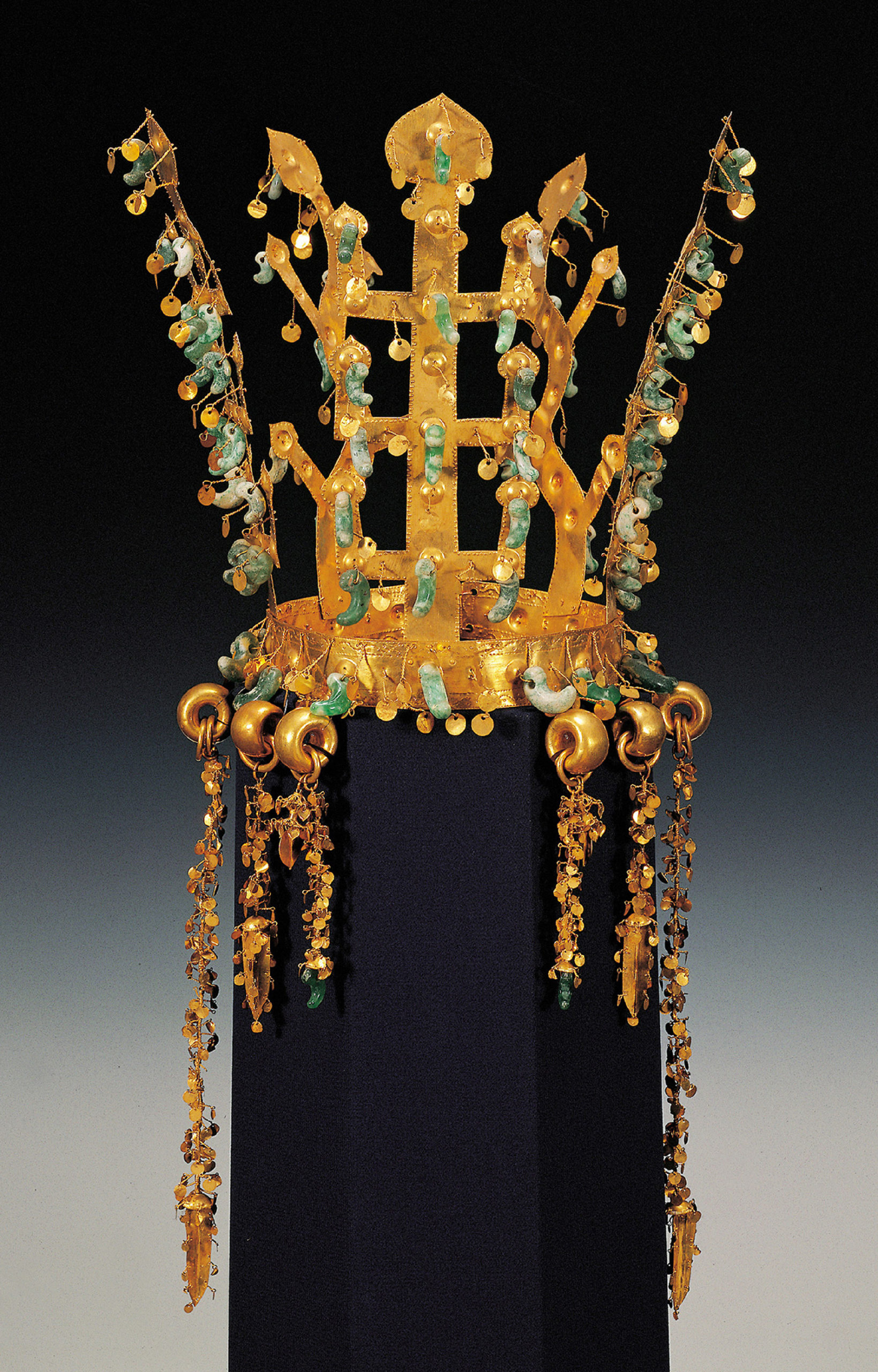
Gold and Jade Crown, Silla Kingdom (Korea), Metalwork, Found in burial site - Shamanist beliefs - allusions to Silk Road and Eurasian things - tree motifs

Longmen Caves, Wei- Tang Dynasty (China), Limestone, For Empress Wu - Buddhist patronage - Feignxian temple - Vairocana Buddhist = not historic buddha - guardian figures
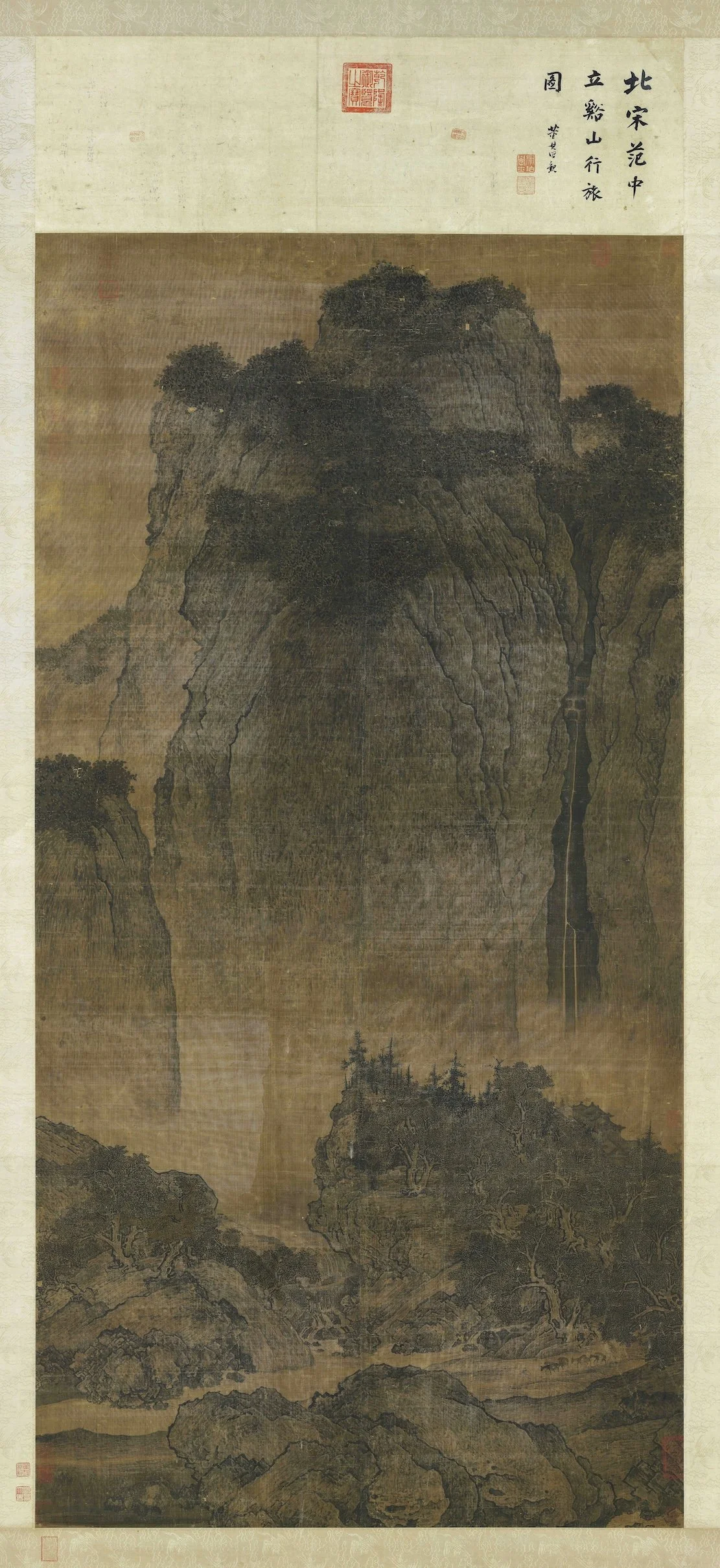
Travelers among Mountains and streams, Song Dynasty (China), Ink on silk, Fan Kaun - Neo-confusinism or Daoist - nature triumphs over any type of humanity - people who live in isolation are smarter

David Vases, Yuan Dynasty (China), 1351, Porcelain + Cobalt, Was for family prosperity (prayers) - inspiration from India - Gifts - Dragons

Portrait of Sin Sukju, Joseon Dynasty (China), Ink + color on silk, He was a merit - re-instated Confucianism - badge shows the power he had

The Forbidden City, Ming- Qing Dynasty (China), Brick + Wood + ceramic tiles, served as a palace + center of politics - built on Confucianist principles - was perfectly symmetrical - retirement homes - bracketing was the style + sloped eves

Ise shrine, Japan, Wood, Dedicated to a Sun God - showed Shinto ideals - harmony and simplicity

Todai Ji, Japan, Bronze + wood + ceramic tile, Was Buddhist - Great Buddha hall - Emperor Shomu - wanted to unite people under buddhism and just in general

Night attack on the Sanjo Palace, Japan, Ink + color on paper, Yamato-e style - hand scroll (emaki) - Minamoto vs. court advisor - kidnapping of emperor - isometric perspective - Heian period

Royan-Ji Temple, Japan, Rock Garden, 15 stones - represents zen Buddhist + wabi sabi - anti-intelectual - minimalist - abbot (housing)

White and Red Plum Blossoms, Japan, Ink + color on paper, Ogata Korin - Byobu folding screen - for wealthy class - gold leaf - based off of a poem

Under the Wave of Kanagawa, Japan, Ink + color on paper, Katsushika Hokusai - is a woodblock print - showed the rise of commercial paintings - Neo-Confucianist beliefs because of nature attacking everyone, Yukio = floating world -