arth 153 #1 test
 Call Kai
 Learn
Learn Practice Test
 Spaced Repetition
 Match
Match Flashcards
 Knowt Play
1/34

There's no tags or description
Looks like no tags are added yet.
Name | Mastery | Learn | Test | Matching | Spaced | Call with Kai | Chat |
|---|
No analytics yet
Send a link to your students to track their progress
35 Terms

name of creator:
name of artwork
date:
culture:
original location (site and placement):
function:
patron:
material/medium:
technique:
name of creator: unknown
name of artwork: ziggurat at Ur
date: 2100 BCE
culture: Sumerian
original location (site and placement): Ur (modern day Tell Muquyyar, Iraq)
function: temple
patron: Ur Namma of Sumer (his name was placed on each brick)
material/medium: adobe
technique:
name of creator:
name of artwork
date:
culture:
original location (site and placement):
function:
patron:
material/medium:
technique:
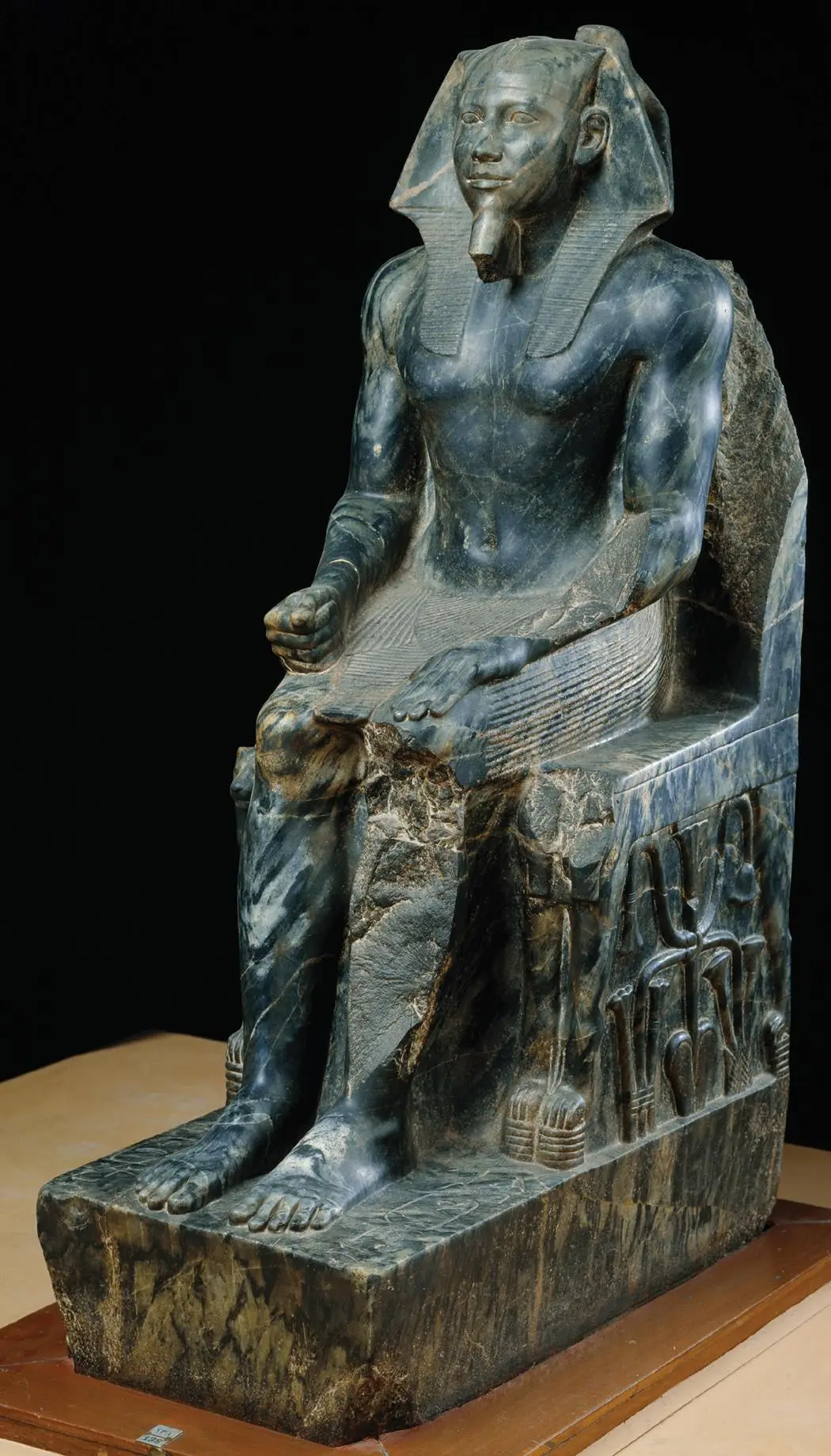
name of creator:
name of artwork: Khafre Enthroned
date: 2520-2494 BCE
culture: Egyptian
original location (site and placement): pyramid complex in Giza - small room
function: container for Ka (essence of life), so shaped to hold a body; bodily perfection represented; not a devotional object
patron: Kafre (was for him!)
material/medium: Diorite
technique:
name of creator:
name of artwork:
date:
culture:
original location (site and placement):
function:
patron:
material/medium:
technique:
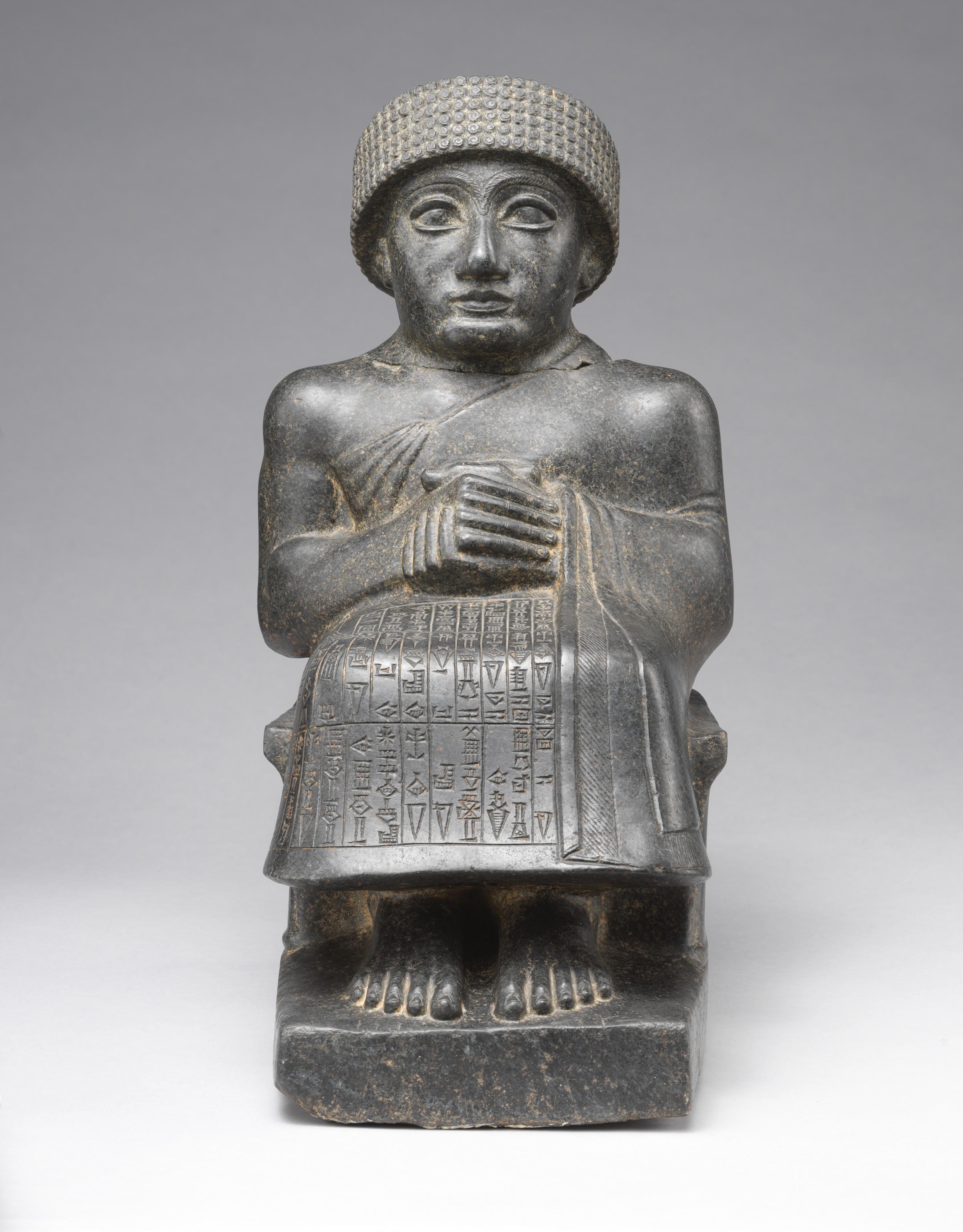
name of creator:
name of artwork: Seated Gudea as Ensi (governor) of Lagash
date: 2150-2100 BCE
culture: Neo-Sumerian
original location (site and placement): near an altar or buried; not to be seen publicly
function: votive figure - used in cultic practices
patron:
material/medium: Diorite
technique:
name of creator:
name of artwork:
date:
culture:
original location (site and placement):
function:
patron:
material/medium:
technique:
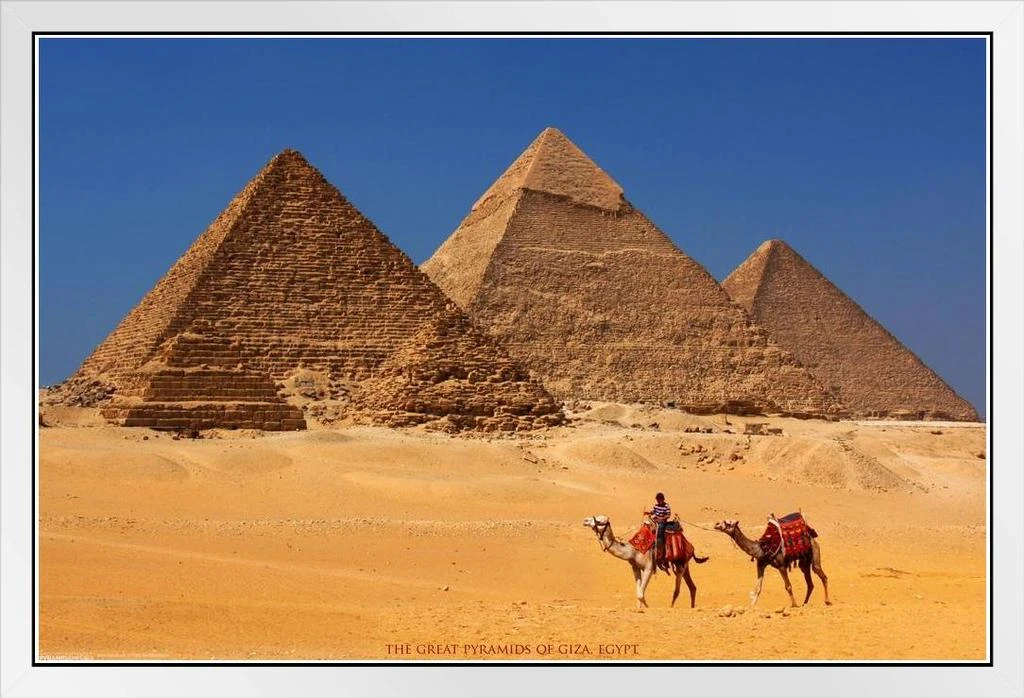
name of creator:
name of artwork: pyramids of Khufu, Kafre, and Menkaure
date: 2551-2472 BCE
culture: Egypt
original location (site and placement): Giza
function: served as tombs; burial place of rulers along with their families, things, and pets they’d want with them for the afterlife - not publicly accessible
patron: Khufu, Khafre, and Menkaure
material/medium: stone
technique:
name of creator:
name of artwork:
date:
culture:
original location (site and placement):
function:
patron:
material/medium:
technique:
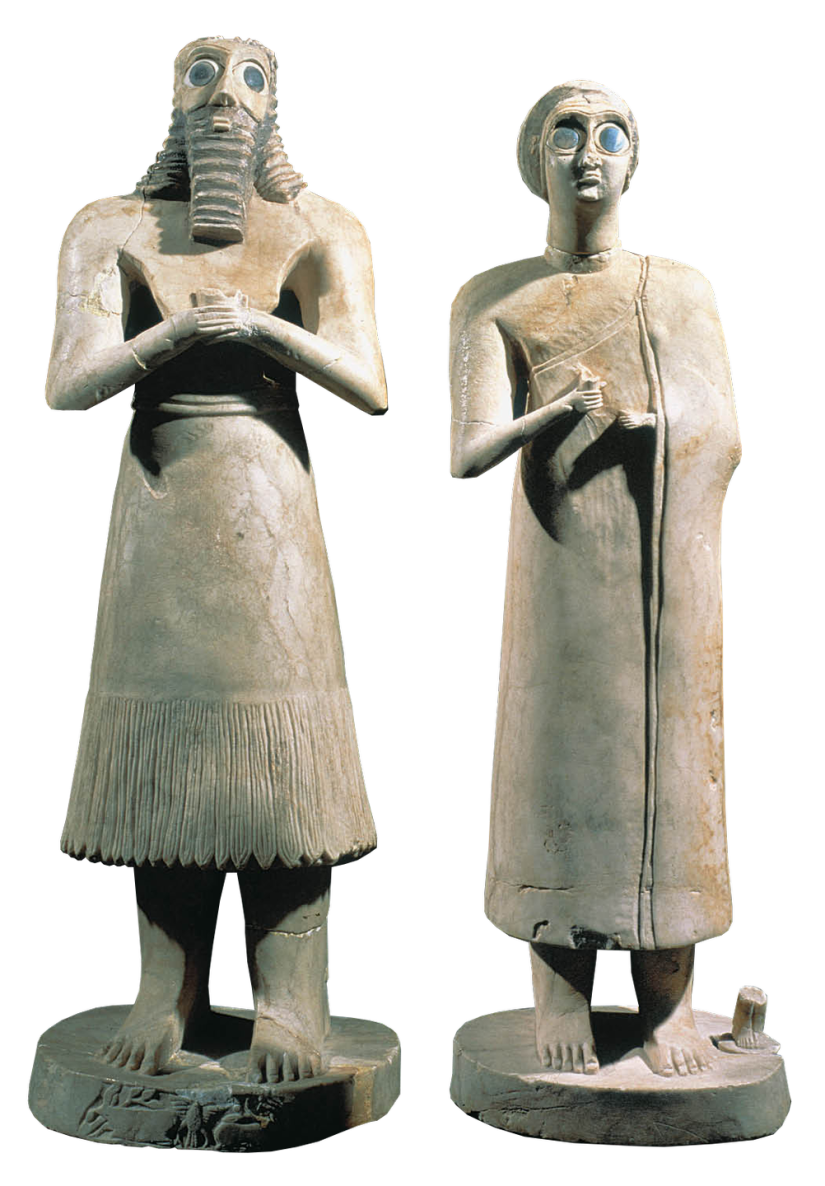
name of creator:
name of artwork: Votive figures from the Temple of Abu, Eshnunna
date: 2900-2350
culture: Sumerian
original location (site and placement): Square Temple at Eshnunna
function: devotional objects
patron:
material/medium: gypsum alabaster, shell, and black limestone
technique:

name of creator:
name of artwork:
date:
culture:
original location (site and placement):
function:
patron:
material/medium:
technique:
name of creator:
name of artwork: Standard of Ur
date: 2550-2400 BCE
culture: Sumerian
original location (site and placement): placed in a tomb in the Royal Cemetery of Ur
function: perhaps carried on a pole during royal processions, or it was a soundbox
patron:
material/medium: wood inlaid with shell, red limestone, and lapis lazuli
technique:

name of creator:
name of artwork:
date:
culture:
original location (site and placement):
function:
patron:
material/medium:
technique:
name of creator:
name of artwork: the Bull Headed Lyre of Ur
date: 2600-2500 BCE
culture: Sumerian
original location (site and placement): Royal Cemetery of Ur
function: instrument
patron:
material/medium: sheet gold, lapis lazuli, shell, bitumen, silver, and wood
technique:

name of creator:
name of artwork:
date:
culture:
original location (site and placement):
function:
patron:
material/medium:
technique:
name of creator:
name of artwork: Ishtar Gate
date: 569 BC
culture: Neo-Babylonian
original location (site and placement): ancient city of Babylon (now Iraq)
function: grand ceremonial entrance and defense fortress of Babylon
patron: King Nebuchadnezzar II
material/medium: baked mud brick covered in blue glaze
technique:
what was mesopotamia?
historical region in Southwest Asia situated between the Tigris and Euphrates rivers
when was the Sumerian era?
3500-2332 BCE
when was the Neo-Sumerian era?
2150-1600 BCE
when was the Neo-Babylonia era?
604-559 BCE
what is a ziggurat?
massive, stepped, pyramid-shaped tower built in ancient Mesopotamia
who was the Gudea of Lagash?
Sumerian ruler of the state of Lagash in Mesopotamia, who ruled from 2144–2124 BC
who was Ur Namma of Sumer?
Sumerian king who founded the Third Dynasty of Ur; created the First Law Code (Code of Ur Nammu)
who was Hammurabi?
sixth king of the Babylonian dynasty - wrote the Code of Hammurabi and united Mesopotamia
who was Nebuchadnezzar II?
second king of the Neo-Babylonian empire - had great military conquests, rebuilt Babylon and the Ishtar Gate, and created the Hanging Gardens (one of the seven wonders)
what were the Hanging Gardens?
created by Nebuchadnezzar II for his homesick wife - ascending series of tiered terraces that looked like a green mountain - plants, trees, and flowers grew all over this building, and they engineered an irrigation system for it
who was Inanna/Ishtar?
Inanna (Sumerian) / Ishtar (Mesopotamian) goddess of love, fertility, and war
when was the Old Kingdom of Egypt? Middle Kingdom? New Kingdom?
Old: (2575-2134 BCE), Middle: (2040-1640), and New: (1550-1070)
what were the Books of the Dead?
ancient Egyptian collection of magical prayers and spells to help souls navigate the underworld safely to the afterlife
what was necropolis?
a large, elaborate cemetery/burial site; translates to “city of the dead”
Ka, da, serdab, ahk
the vital components of ancient Egyptian belief in the soul and afterlife
Ka - life force
Ba - personality of a person
akh - transformed spirit
serdab - small, sealed, above-ground chamber inside an Old Kingdom tomb (mastaba)
what were hieroglyphs?
pictures/symbols used in a writing system to represent an object, sound, or world
what was a mastaba, pyramid, and sphinx?
mastaba - ancient Egyptian tomb - flat roofed and rectangular
pyramid - massive stone/brick monuments built as royal tombs
sphinx - mythical creature with body of a lion and human head
what were sarcophagi, coffins, death masks, and canopic coffins/jars?
sarcophagus - stone-like coffin used to house and protect the dead
coffin - like transporting the body
death mask - mask placed over the head and shoulders of mummies to help the soul recognize its host in the afterlife
canopic coffin/jar - held and preserved a dead body’s internal organs
who was Khufu?
King in the Old Kingdom from 2589 - 2566 BCE. Commissioned the Great Pyramid of Giza
Who was Khafre?
Son of Khufu and King in the Old Kingdom from 2558-2532 BCE. Commissioned the second largest pyramid at Giza and possibly the Great Sphinx
who was Menkaure?
Possible son of Khafre and King in the Old Kingdom from 2532-2503. Commissioned the third largest pyramid at Giza
who was Akhenaten (Amenhotep IV)?
King in the New Kingdom from 1352 - 1336 BCE. Shifted Egypt to a near-monotheistic religious system based on Aten, the sun god
who was Tutankhamun?
Son of Akhenaten and King of New Kingdom from 1332-1323 BCE. Became pharaoh at about 8/9 years old
who was Ramesses II?
King of the New Kingdom from 1279-1213. known as the greatest and most powerful pharaoh of the New Kingdom. He built great monuments, lead successful military campaigns, and signed a peace treaty
what is a post and lintel system?
simple building system where vertical supports (posts) hold up a strong horizontal element (lintel) to span open spaces and support roofs or weight above
what is a colonnade, hypostyle hall, pylon, and an obelisk?
colonnade - long sequence of regularly spaced columns that typically support a roof
hypostyle hall - a large interior room with a roof held up by rows of columns
pylon - a monumental gateway at the entrance of a temple, consisting of two tapering, tower-like structures joined by a lower central portal
obelisk - tall, four-sided stone monument that tapers as it rises and ends in a small pyramid-shaped top