functional groups and pKas bitch
 Call Kai
 Learn
Learn Practice Test
 Spaced Repetition
 Match
Match Flashcards
 Knowt Play
1/56

There's no tags or description
Looks like no tags are added yet.
Name | Mastery | Learn | Test | Matching | Spaced | Call with Kai | Chat |
|---|
No analytics yet
Send a link to your students to track their progress
57 Terms
CH4
methane

ethane
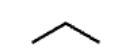
propane

butane

pentane
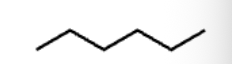
hexane

methyl

ethyl
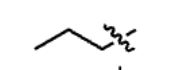
propyl
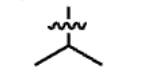
isopropyl

butyl

pentyl

hexyl

cyclohexane

cyclopentane

cyclobutane

cyclopropane

alkene

alkyne
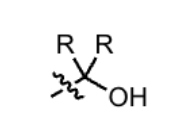
R = H or C
alcohol

R = H or C, X = F, Cl Br, I
alkyl halide

epoxide

vinyl group

allyl group

ether

aldehyde
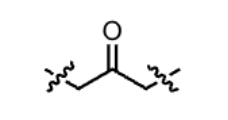
ketone

carboxylic acid

R - alkyl
ester
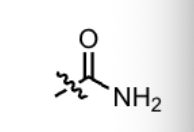
amide
pKa of HCl
-8
pKa of H2SO4 (there’s 2)
-3, 1.99
pKa of H3O+
-1.7
pKa of H2O
15.7
pKa of NH3
35
pKa of NH4+
9.2

pKa of
4.76

pKa of
16

pKa of
51

pKa of
44

pKa of
24

pKa of
19

pKa of
43
if you make a bond energy is…
released
if you break a bond energy is…
absorbed
each atom gets its electron back
homolytic bond cleavage
the # of pi bonds and/or rings in a structure (calculate by [2C + N - X - H +2]/2)
degrees of unsaturation
hydrogens on either side of the double bond will point in opposite direction
trans double bond
hydrogens on either side of double bond will point in same direction
cis double bond
accepts electrons
lewis acid
electron donor
lewis base
electronegativity differences between sigma bonds
inductive effects
has electron density and will “attack”
nucleophile
lacks electron density and will gladly accept nbep
electrophile
occurs when bonds are rotated
conformational isomers
changing the order of atoms; different connectivity
constitutional isomers
same atoms, same connectivity, but is a stereoisomer (wedges change to dashes and vice versa)
configurational isomers