Basic Principles of Agricultural Mechanization
 Call Kai
 Learn
 Practice Test
 Spaced Repetition
 Match
 Flashcards
 Knowt Play
1/64

There's no tags or description
Looks like no tags are added yet.
65 Terms
Agricultural Mechanization
It embraces the use of tools, implement and machines for agricultural land development, production, harvesting, and post-production processes. It includes three main power sources: human, animal and mechanical. (FAO definition, 1979)
Mechanization
Is the application of animal and machine power to multiply man's ability to perform production operations. Mechanization permits man to multiply his production by the use of animal or fuel power.
High productivity
Refers to the increased efficiency in agricultural production through the use of mechanization.
Low productivity
Refers to the inefficiency in agricultural production without the use of mechanization.
Models of Mechanization
Different approaches to mechanization based on land area to farmer ratio and agricultural practices.
USA Model of Mechanization
Motivated into increasing the level of mechanization in order to cultivate large agricultural lands with limited available manpower and take advantage of favorable agricultural commodity prices.
Japanese Model of Mechanization
Motivated into increasing the level of mechanization in order to increase yields and cropping intensities to meet the growing demands for food and agricultural raw materials.
Potential Benefits from Mechanization
Includes increased cropping intensities, reduced losses, increased productivity of labor, and the availability of machines for processing farm products.
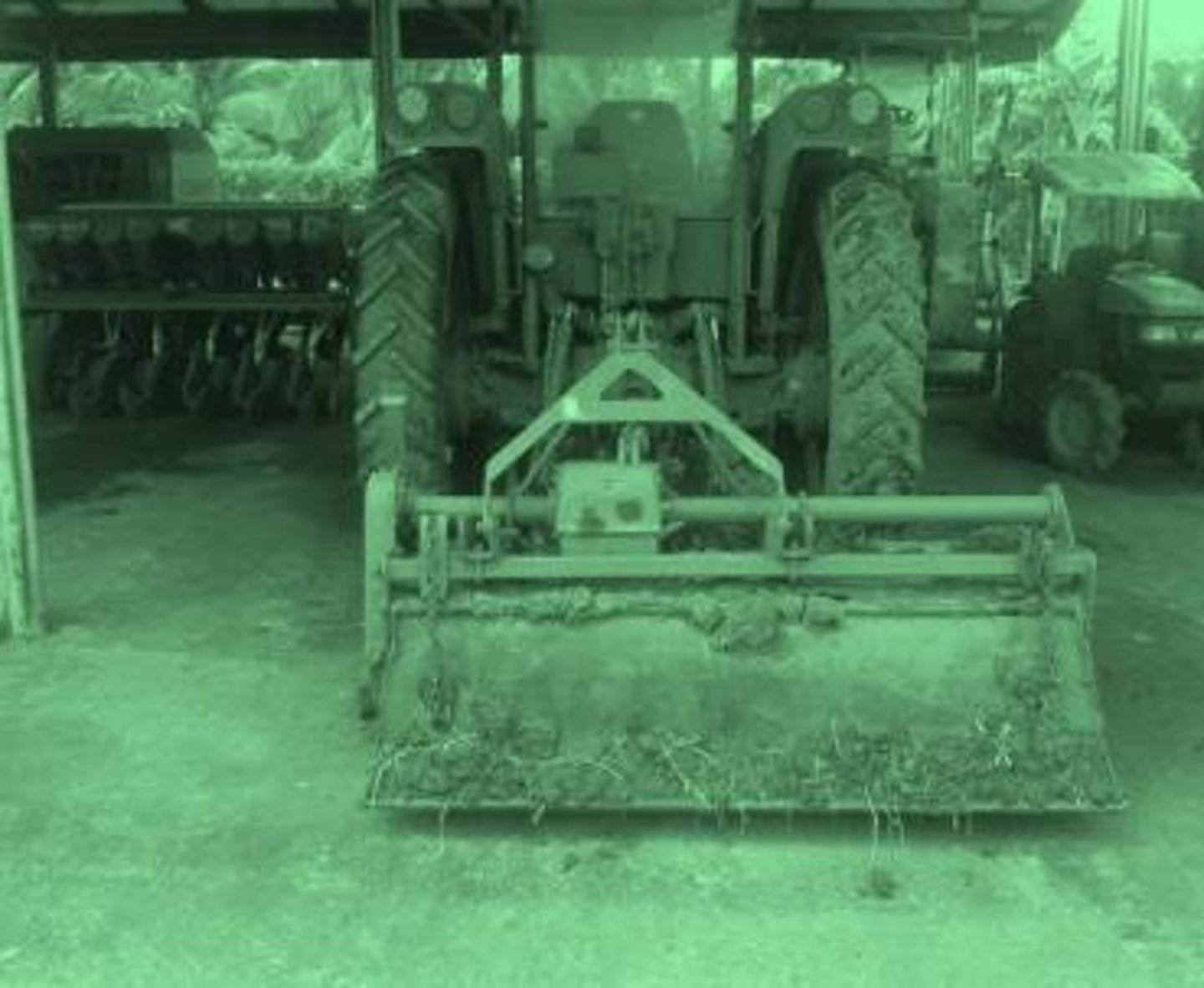
Tractors
In land preparation, tractors reduced 50% of the labor units.
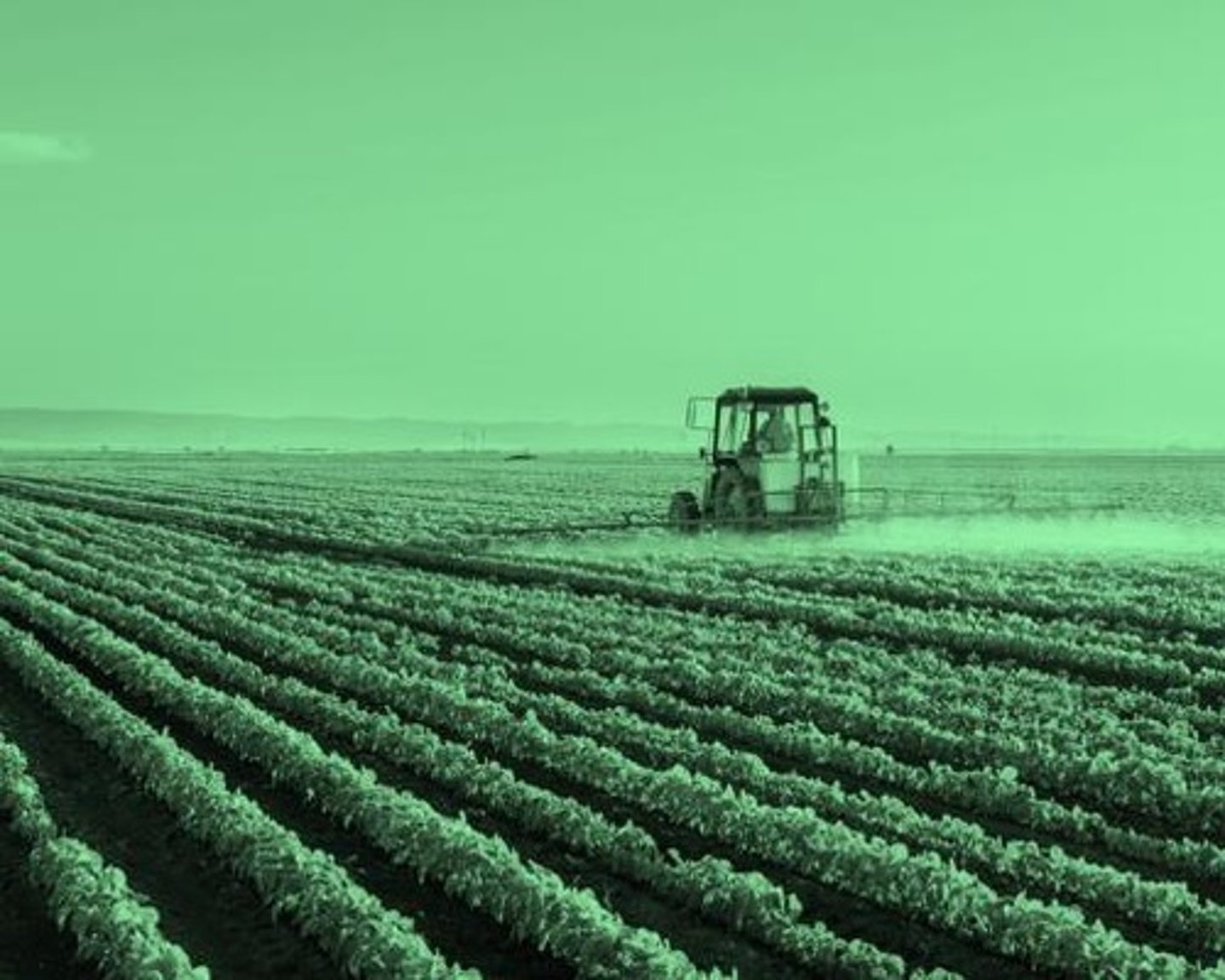
Irrigation Pumps
Increase yields and cropping intensity.
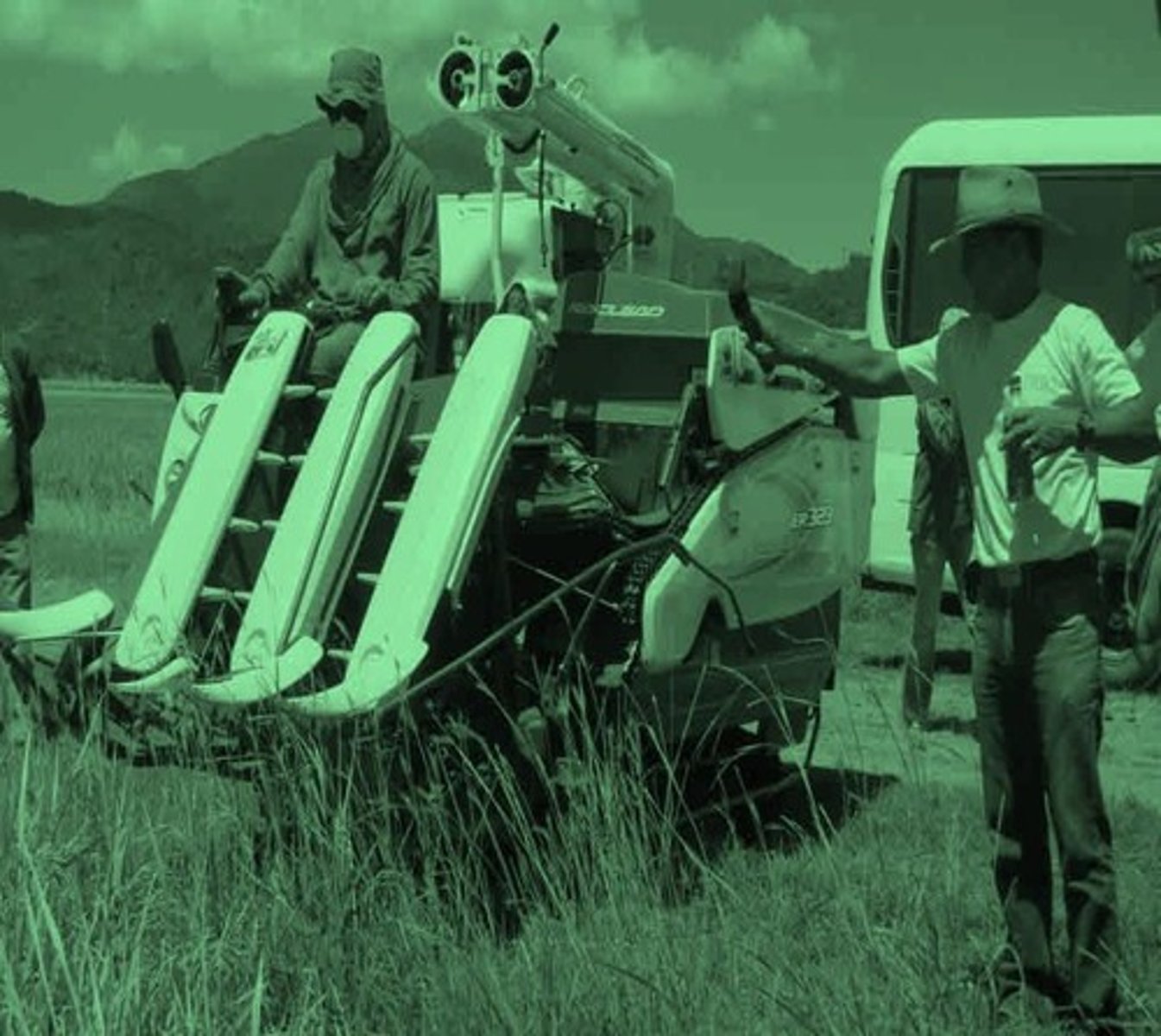
Harvesters and Threshers
Reduce losses which effectively increases yields.
Reduction of Losses
Development of harvesting, threshing and processing machines reduced harvest and postharvest losses. Losses: rice: 10-37%, corn: 30%.
Increased Value Added of Farm Products
Secondary and tertiary processing open up market potentials and lead to higher retail prices.
Employment and Livelihood Generation
Machines designed to increase cropping intensities and production will correspondingly increase labor requirements for production and postharvest operations.
Import Substitution
Local agricultural machinery manufacturing will minimize the importation of agricultural machinery.
Export Possibilities
Locally manufactured agricultural machinery can be exported to countries with similar farming conditions such as the Philippines.
Freed Family Labor
Can look for alternative work opportunities; children can go to school.
Full Utilization of Farm Products
Take the case of pineapple and coconut. Rather than selling the fruit and nut, they can be processed into different products.
Increased Cropping Intensity and Production
Tractors, power tillers, irrigation pumps, harvesters and threshers increase cropping intensities.
Shelled Peanut Retailers
Earn P0.50/kg more due to increased value added of farm products.
Development of Machines
Machines designed to diversify farm products and by products open up various livelihood opportunities.
Japanese model of mechanization
A model motivated into increasing the level of mechanization to increase yields and cropping intensities to meet the growing demands for food and agricultural raw materials, followed by South Korea, China, Taiwan, Sri Lanka, and the Philippines.
Mechanization
The process of using machinery to perform agricultural tasks, which is often misconceived as synonymous with tractorization.
High level of mechanization
Equated to modernization and is considered an indicator and requirement for development.
Mechanization and labor
The belief that mechanization displaces farm labor and causes unemployment in agriculture; any substitution of capital for labor is socially desirable.
Mechanization in developing countries
The misconception that mechanization is a western or developed country system of farming that is not suited for developing countries.
Cost of mechanization
Mechanization is viewed as a costly input in farming, especially due to the rising cost of fossil fuel.
Labor abundance and mechanization
The belief that mechanization is not suitable in developing countries where labor is abundant and capital is scarce.
Feasibility of mechanization
Mechanization is not feasible where farm holdings are fragmented and inaccessible.
Yield per unit of labor
Mechanization increases yield per unit of labor but not necessarily yield per unit area.
Affordability of mechanization
Only large farms can afford the cost of mechanization.
Social problems and mechanization
Mechanization ignores social problems.
Low mechanization
Operation done with the use of non-mechanical power source such as man and animal.
Intermediate mechanization
Operations done with the use of non-mechanical power source in combination with the use of mechanical power source operated by man.
High mechanization
Operation done solely with the use of a mechanical power source operated by a person.
Full mechanization
Operations are done with the use of mechanical power source with limited human intervention such as computerized machines or robots.
Human power in farming
The oldest source of power in the farm, developing only 0.1hp working continuously under favorable conditions.
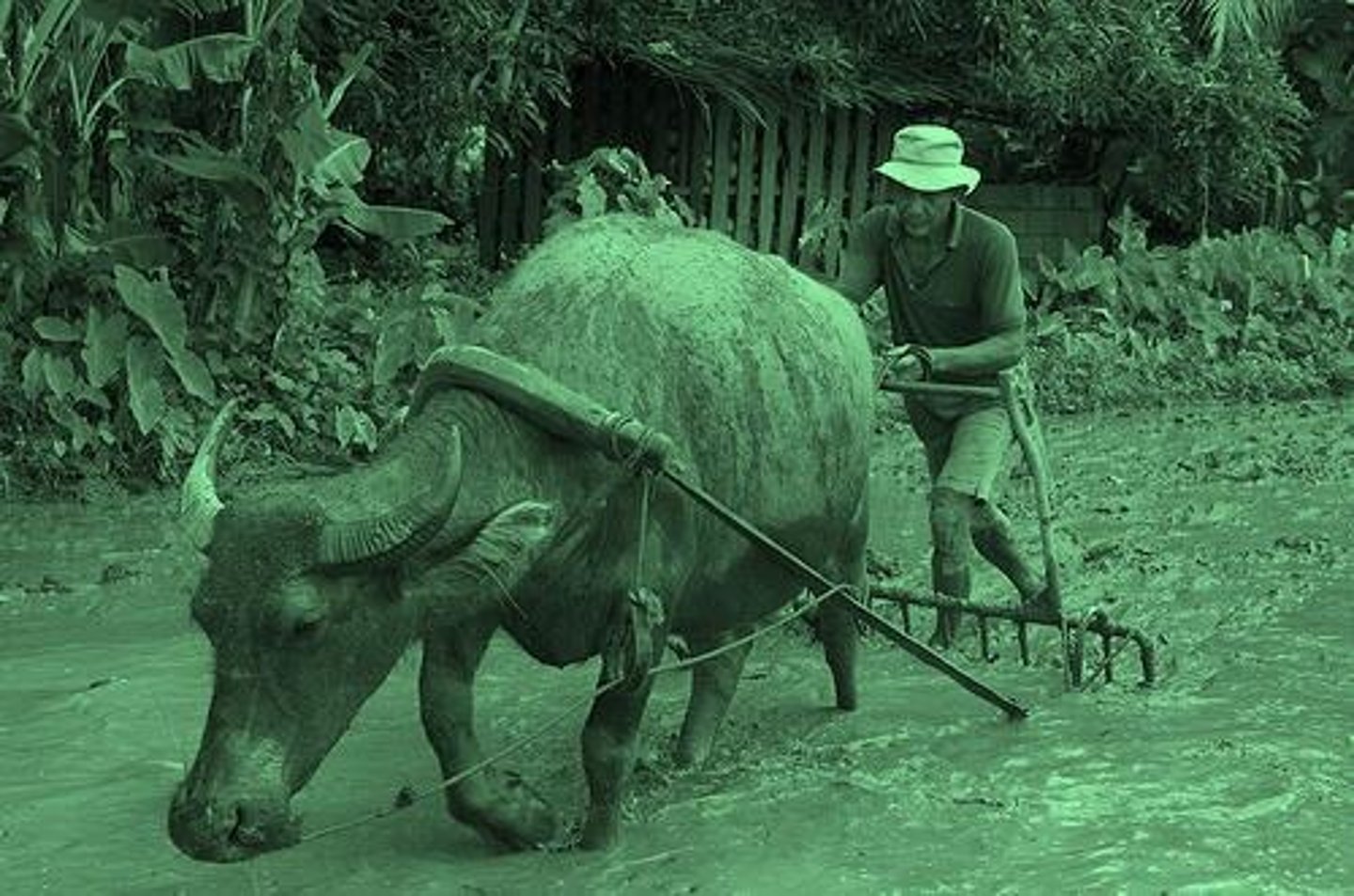
Carabao as a power source
In the Philippines, the Carabao is the beast of burden that can generate 1 hp walking continuously under favorable conditions.
Human power contribution
Considering that there were 11.76M farmers and 9.67M hectares of agricultural lands, human power contribution is about 0.122 hp/ha.
Land preparation mechanization levels
Intermediate to high for rice and corn, low for root crops, low for coconut, low for sugarcane, and low for fruits.
Planting/Transplanting mechanization levels
Low for all categories including vegetables, legumes, root crops, coconut, sugarcane, and fruits.
Crop care/Cultivation mechanization levels
Low for all categories including vegetables, legumes, root crops, coconut, sugarcane, and fruits.
Harvesting mechanization levels
Low for all categories including vegetables, legumes, root crops, coconut, sugarcane, and fruits.
Threshing/Shelling/Dehusking mechanization levels
Intermediate to high for legumes, low for others.
Cleaning mechanization levels
Low for all categories including vegetables, legumes, root crops, coconut, sugarcane, and fruits.
Drying mechanization levels
Low for all categories including vegetables, legumes, root crops, coconut, sugarcane, and fruits.
Milling/Village level processing mechanization levels
High for rice, low for others.
Animal Power
Work confined mostly to pulling operations such as plowing, harrowing, cultivating, and transport.
Advantages of Carabao
Low initial cost, easy to maintain, rarely bogs down in mud, can work closer to the levees, mobile in most terrain conditions, capable of reproduction if female, and a source of milk, meat, leather, and fertilizer.
Optimum Draft of Carabao
About 15% of the weight of the carabao is the optimum draft the animal can sustain.
Carabao Draft Example
500kg carabao can sustain a draft of 75 kg at 4 kph, equivalent to 1.1hp (0.82Kw).
Electric Motors
Device used to convert electrical energy into mechanical energy, used as prime movers for stationary and indoor equipment.
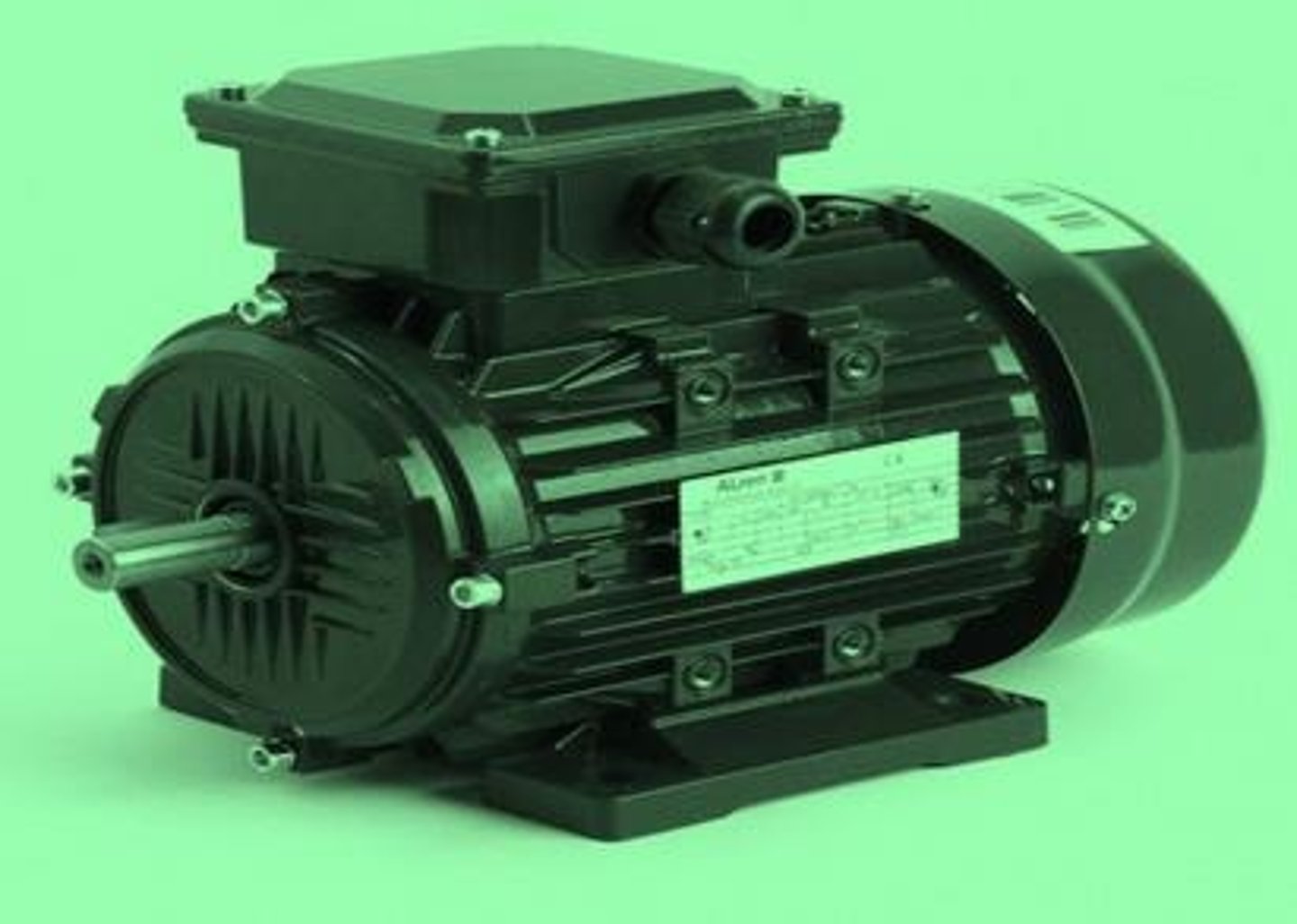
Advantages of Electric Motors
Low initial cost, inexpensive to operate (motor: P6.22/kW-hr, Diesel engine: P6.75/kW-hr, Gasoline engine: P11.20/kW-hr), quiet operation, no exhaust fumes, and potential for automatic control.
Disadvantages of Electric Motors
Not adopted to mobile applications, used only in farms with existing electrical lines, and affected by power outages.
Internal Combustion Engine
Device used to convert the heat energy of fuel into mechanical energy with a thermal efficiency range from 25% - 36%.
Uses of Internal Combustion Engines
Used as prime movers for mobile and field equipment such as tractors, pumps, sprayers, harvesters, and threshers.
Renewable Energy Sources
Includes solar, wind, micro-hydro, and biomass.
Agricultural Mechanization
The process of using machinery to increase agricultural productivity.
USA Model of Mechanization
Motivated into increasing the level of mechanization to cultivate large agricultural lands with limited available manpower and take advantage of favorable agricultural commodity prices.
Japanese Model of Mechanization
Motivated into increasing the level of mechanization to increase yields and cropping intensities to meet the growing demands for food and agricultural raw materials.
Intermediate Mechanization
Characterized by operations done with the use of non-mechanical power source in combination with the use of mechanical power source operated by man.
Full Mechanization
Characterized by operations done with the use of mechanical power source with limited human intervention such as computerized machines or robots.
High Mechanization
Characterized by an operation done solely with the use of a mechanical power source operated by a person.
Low Land Area to Farmer Ratio
Model of mechanization followed by South Korea, China, Taiwan, Sri Lanka, and the Philippines to increase yields and cropping intensities.
High Land Area to Farmer Ratio
Model of mechanization followed by Thailand, Malaysia, and Indonesia to cultivate large agricultural lands.