Psychology Units 1 & 2 Chapter 1 & 2
 Call Kai
 Learn
Learn Practice Test
 Spaced Repetition
 Match
Match Flashcards
 Knowt Play
1/110

Earn XP
Description and Tags
Cognitive Development: Paiget, Ainsworth, Erikson
Name | Mastery | Learn | Test | Matching | Spaced | Call with Kai | Chat |
|---|
No analytics yet
Send a link to your students to track their progress
111 Terms
Development
Changes in an organism that occur over time
Emotional Development
Changes in how a person experiences, expresses, interprets and deals with different feelings
Cognitive Development
Changes in an individual's mental abilities over time
Social Development
Involves changes in an individual's relationships and skills when interacting with others
Physical Development
Involves changes in the body and its various systems
Infancy
Birth-2 years
Childhood
2-12 years
Adolescence
12-20 years
Early Adulthood
20-40 years
Middle Age
40-65 years
Older Age
65+ years
Developmental Norms
The typical characteristics and abilities which are considered appropriate for a child’s age or stage of development

Hereditary/Nature Factors
The exchange of genes from biological parents to their offspring
Environmental/Nurture Factors
The experiences and events exposed throughout a person's lifestyle
Biopsychosocial Model
Refers to psychological development through the interactions of biological, psychological, and social factors
Biological Factors
Physiologically based or determined influences
Psychological Factors
Involve all internal mental processes and influences
Social Factors
Involve influences from an external social environment
Attachment
The emotional bond which forms between an infant and caregiver
The Strange Situation
A test for measuring the relationship between an infant and parent, usually conducted during infancy between 9-18 months old
Ainsworth’s Theory of Attachment
Believed that the quality of care an infant receives leads to different types of attachment styles
Secure Attachment
Shows a balance between dependence on caregiver and exploration. Children coming to expect that their caregiver will be there when needed
Secure Attachment: Impact on later Emotional Development
Able to form healthy and strong emotional bonds and relationships, independent, high levels of self-esteem and resilience

Insecure Avoidant Attachment
Doesn't seek closeness or contact with the caregiver. Children coming to expect that their caregiver will not be there when needed
Insecure Avoidant Attachment: Impact on later Emotional Development
May find it difficult to form strong bonds and intimate relationships, tend to ignore or dismiss their own emotions, avoids depending on others and asking for help

Insecure Resistant Attachment
Appears inconsolable around caregiver. When parent's are inconsistent when responding to their child's needs
Insecure Resistant Attachment: Impact on later Emotional Development
May heavily depend on others for support, seeks others to ‘complete them’

Harlow's Theory of Attachment
Showing how contact comfort and emotional support is more important to infants than survival
Assimilation
Taking new information and fitting it into an already existing idea (schema)
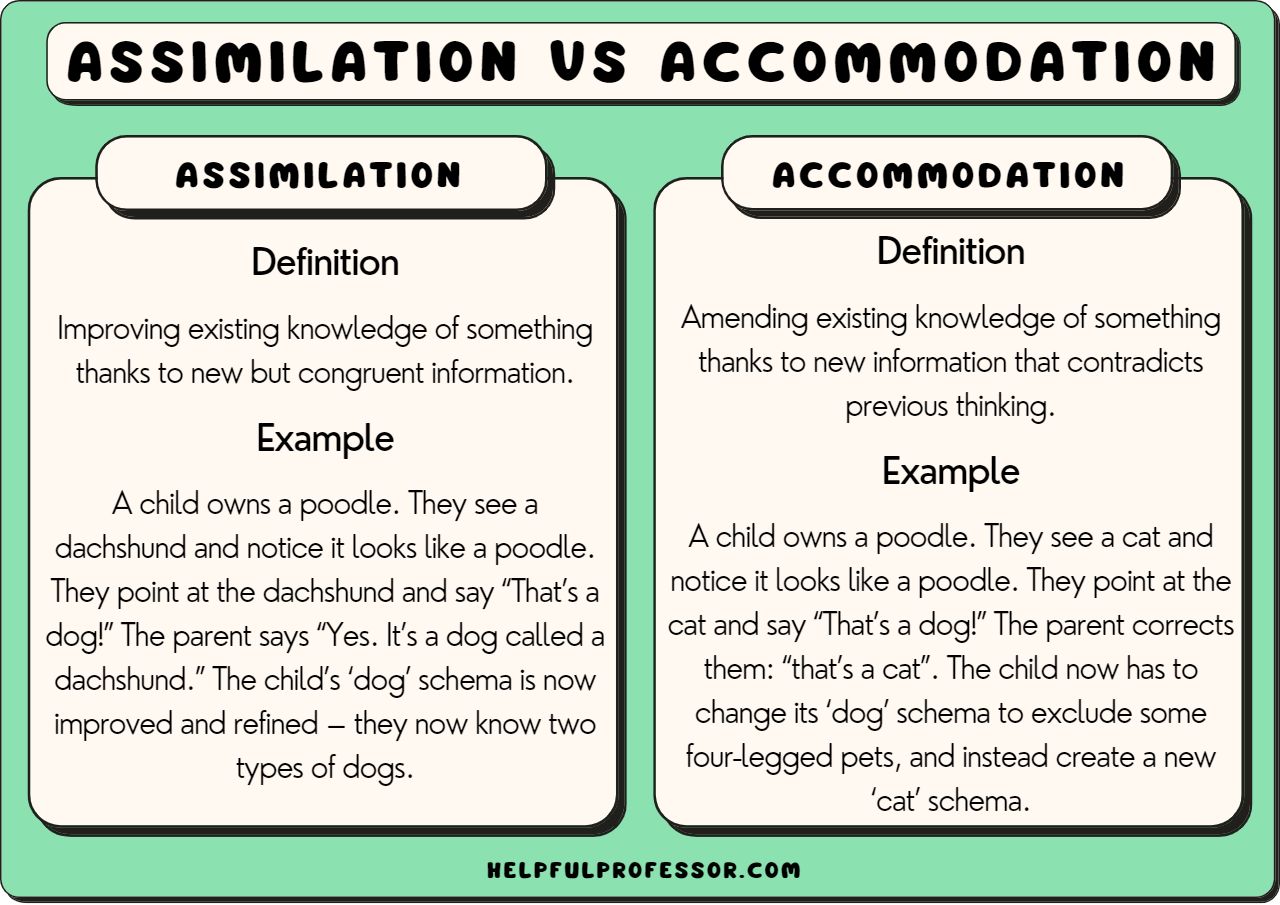
Accomodation
Changing an existing mental idea (schema) to fit new information

Schema
A mental idea of what something is and how to act on it
Stage 1: Sensorimotor Stage Lifespan
0-2 years old
Object Permanence (Stage 1: Sensorimotor Stage)
Learning that a person or object still exists although they cannot see it

Goal-directed Behaviour (Stage 1: Sensorimotor Stage)
Doing things with a predetermined purpose
Stage 2: Pre-operational Stage Lifespan
2-7 years old
Symbolic Thinking (Stage 2: Pre-operational Stage)
The ability to use symbols to represent objects that are not physically present

Egocentrism (Stage 2: Pre-operational Stage)
To perceive the world only from one's own point of view

Animism (Stage 2: Pre-operational Stage)
The belief that everything that exists has some kind of consciousness

Transformation (Stage 2: Pre-operational Stage)
Understanding that something can change from one state to another

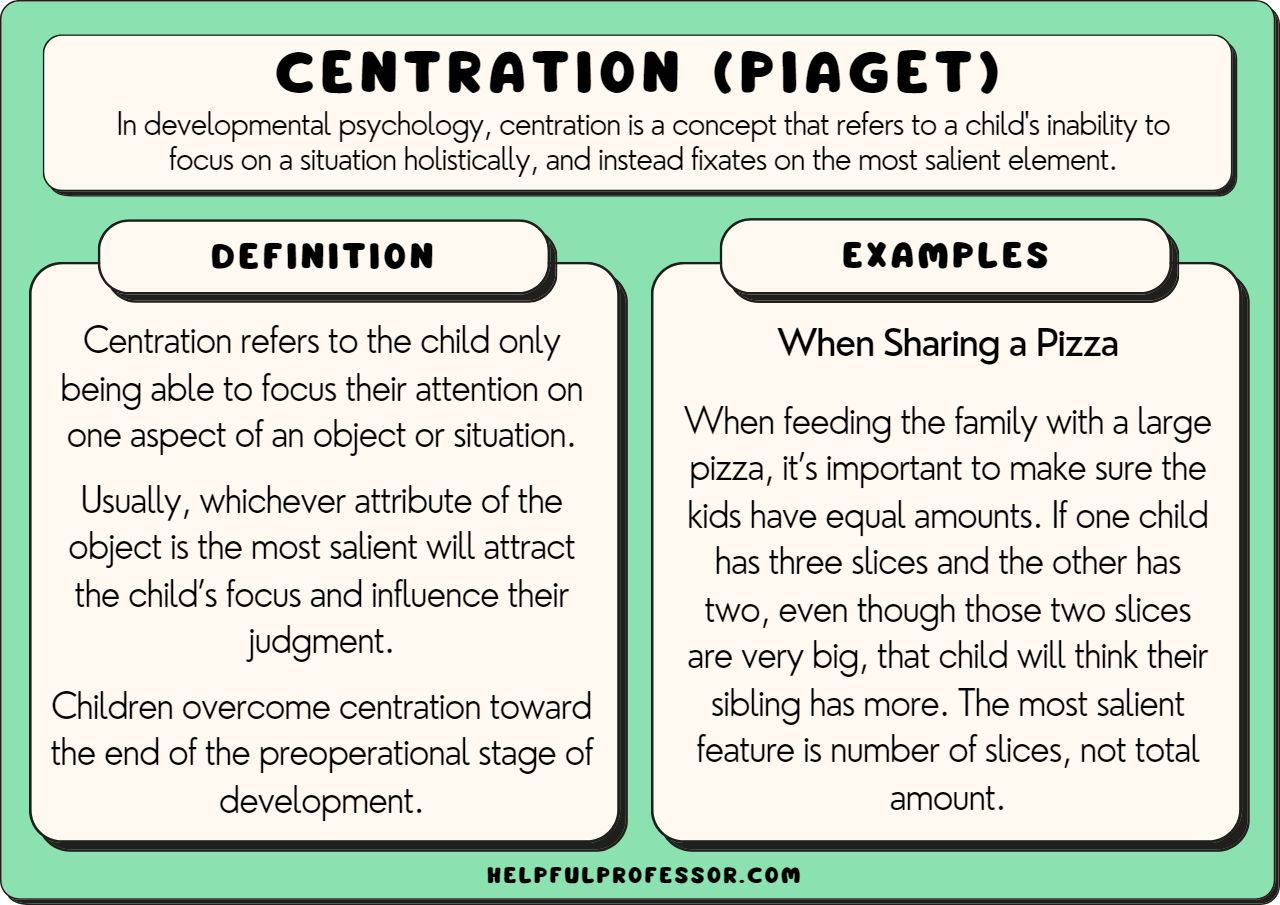
Centration (Stage 2: Pre-operational Stage)
To focus on only one quality or feature of an object
Reversibility (Stage 2: Pre-operational Stage)
The ability to mentally follow a sequence of events back to its starting point

Stage 3: Concrete Operational Stage Lifespan
7-12 years old
Conservation (Stage 3: Concrete Operational Stage)
Understanding that an object does not change its volume, mass or area even if its shape or appearance has changed

Classification (Stage 3: Concrete Operational Stage)
The ability to organise information based on categories or common features

Stage 4: Formal Operational Stage
12+ years old
Abstract Thought (Stage 4: Formal Operational Stage)
Considering concepts that are intangible (eg; love)

Logic (Stage 4: Formal Operational Stage)
To consider problems or scenarios from multiple pathways

Strengths of Piaget's Theory
Gives a baseline of the expected stage a child's cognitive development should be at
Limitations of Piaget's Theory
Experimented on his own children, age ranges between stages is too specific, children can achieve tasks earlier
Erikson's Theory of Psychosocial Development
Believed that social development occurred through psychological and social aspects
Stage 1: Trust vs Mistrust
Birth-18 months
Trust
Refers to the views infants develop about the environment

Mistrust
Occurs when the care the child receives is irregular or rejecting

Stage 2: Autonomy vs Shame and Doubt
18 months-3 years old
Autonomy
Refers to the ability to do things independently, feeling self-confidence and self-control

Shame & Doubt
Refers to being to dependent on others, lack of self-confidence

Stage 3: Initiative vs Guilt
3-5 years old
Initiative
Being able to plan, think and carry out tasks for yourself

Guilt
About going too far and overstepping boundaries, asking too many inappropriate questions

Stage 4: Industry vs Inferiority
5-12 years old
Industry
Refers to a child's ability to work hard and take pride in their accomplishments

Inferiority
The feeling of being "less than" others

Stage 5: Identity vs Identity Confusion
12-18 years old
Identity
Refers to an individuals overall image of themselves
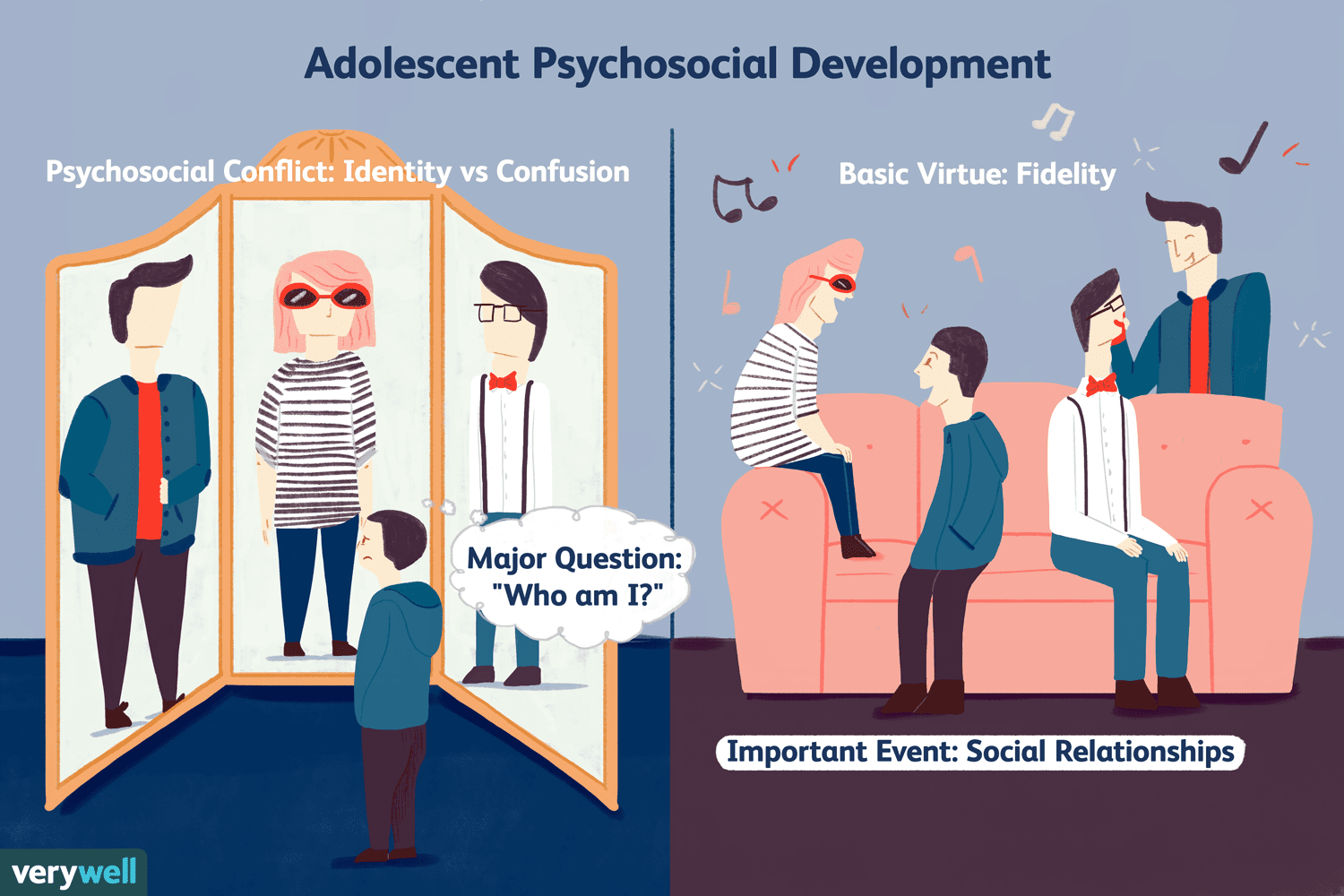
Identity Confusion
Refers to an individual not knowing who they are and where they belong

Stage 6: Intimacy vs Isolation
18-25 years old
Intimacy
Refers to the ability to care and share with another person without fear of losing them

Isolation
Refers to the sense of being alone without anyone to share with or care for

Stage 7: Generativity vs Stagnation
25-65 years old
Generativity
Refers to a person's concern about others beyond their immediate family, focusing on the future generation
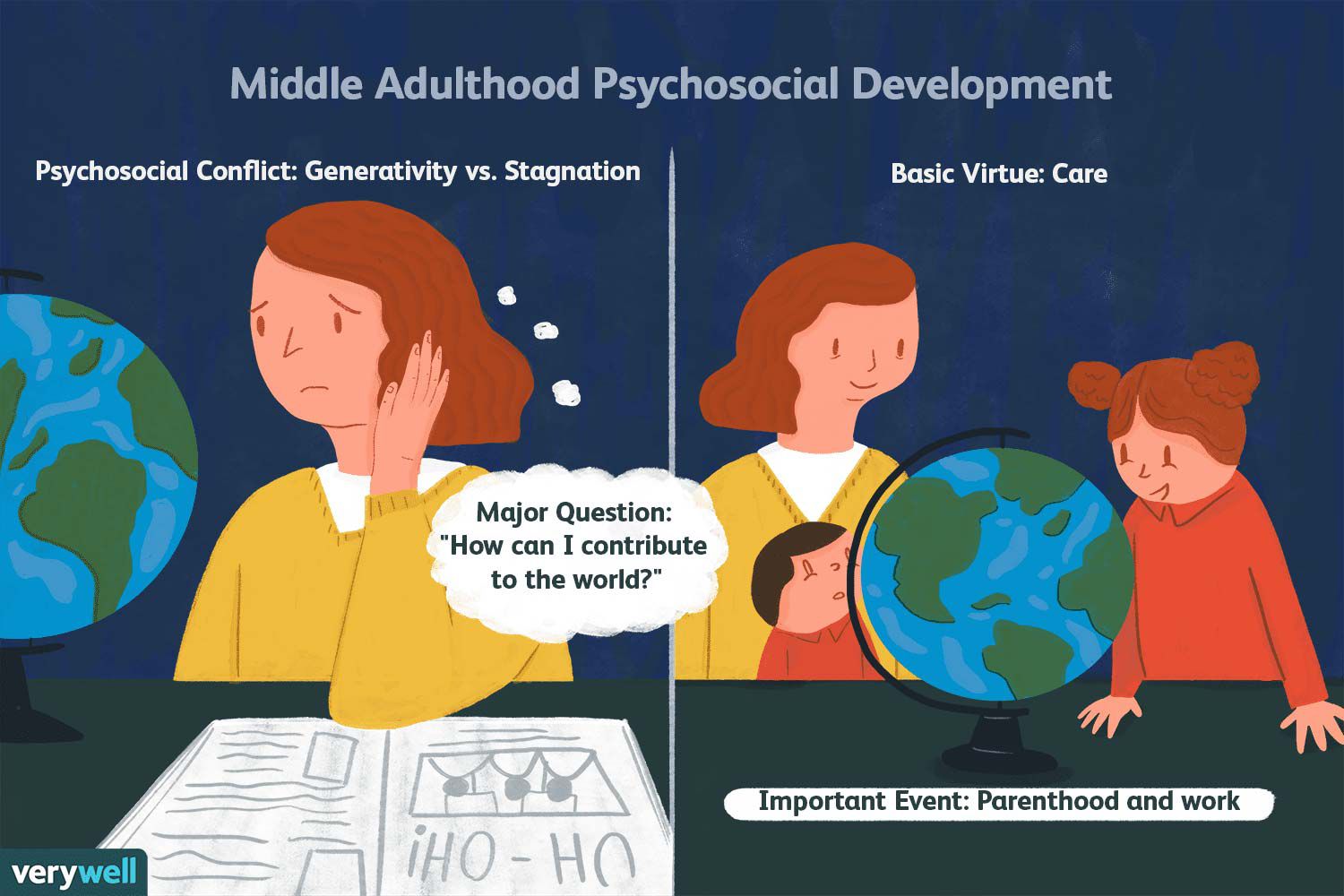
Stagnation
Refers to a person focusing too much on their own needs and comforts, showing a lack of personal growth

Stage 8: Integrity vs Despair
65+ years old
Integrity
Refers to feeling a sense of satisfaction and fulfilment with one’s life, believing their life has been meaningful and valuable
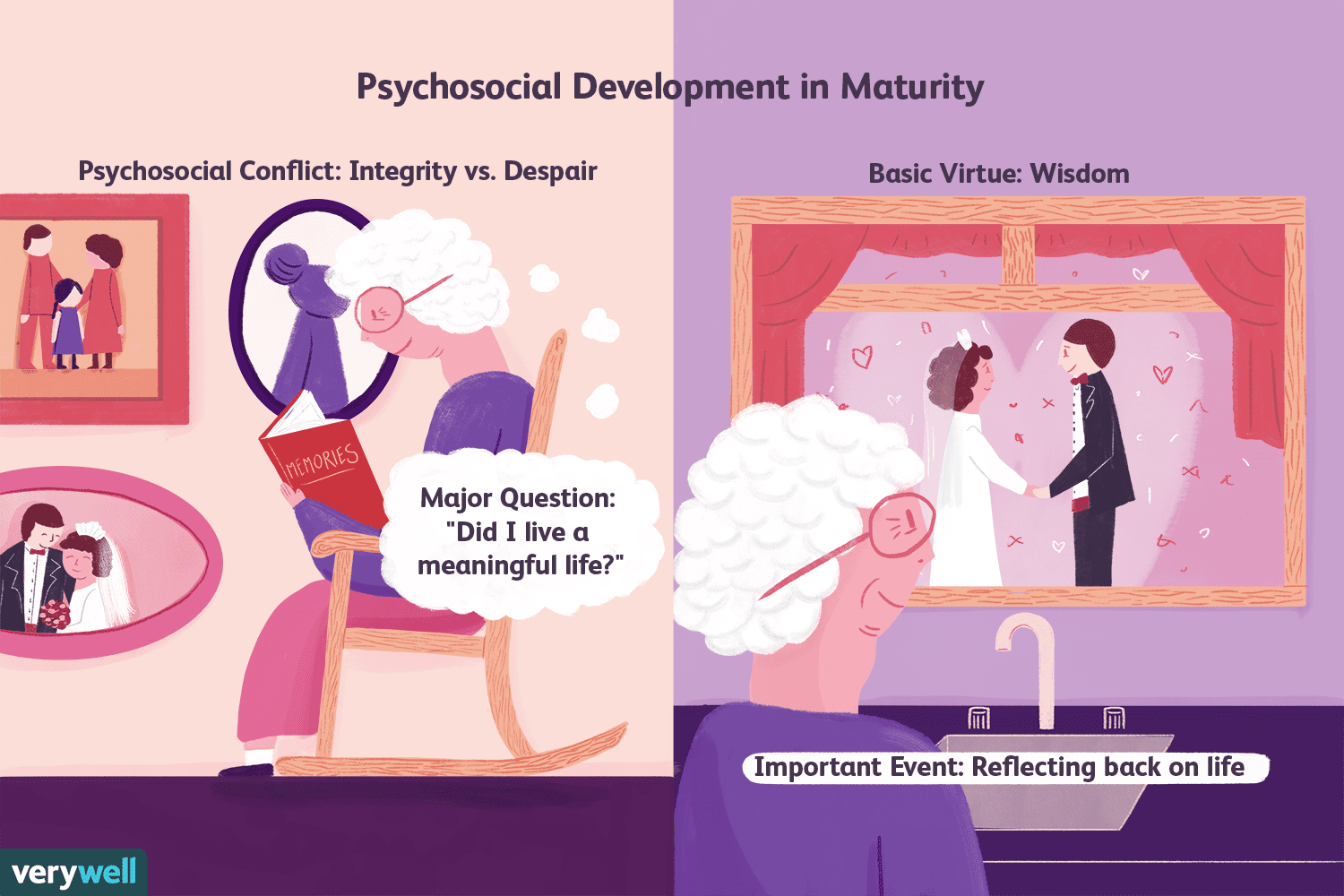
Despair
Refers to bitter feelings of hopelessness from missed opportunities and mistakes in one’s life

Sensitive period
A period of development in which it is optimal to learn a specific function or skill

Critical Period
A period in which learning a specific function or skill is crucial for development

Imprinting
A process in which a young animal attaches to the first object visually, auditory or tactically and therefore follows and forms an attachment to that object

Typical behaviour
Behaviour that would typically occur and is appropriate in given situations
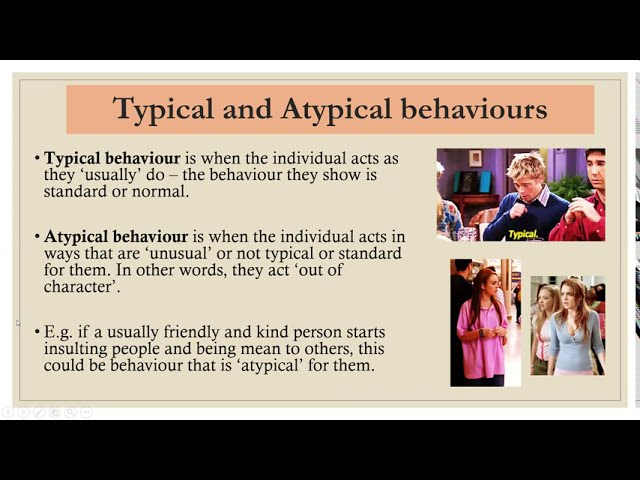
Atypical behaviour
Behaviour that is remarkably different in some way from what is expected in a given situation
Social norms
Widely held standards that govern what people should and should not do in different situations, especially with other people

Cultural perspectives
Refers to each culture or ethnic group having its own set of norms on what is considered appropriate behaviour

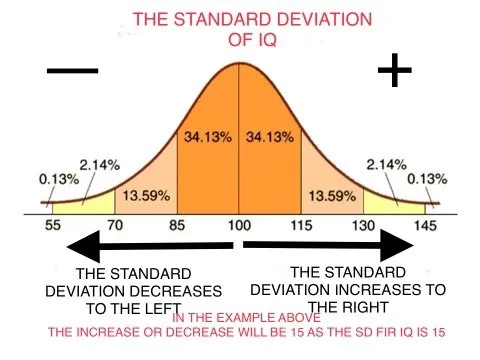
Statistical rarity
Something that lies outside the range of being statistically normal, being seen as unusual and unique
Personal distress
Is a strong, natural response to certain events
Adaptive behaviour
Behaviour that allows an individual to adjust to a situation appropriately and effectively
Maladaptive behaviour
Behaviour that is counterproductive and interferes with an individuals ability to adjust to a situation affectively
Normality
Ways that a person thinks, feels and behaves that indicates they are able to perform everyday tasks at a required level
Abnormality
Anything irregular from what is considered normal or healthy
Neurotypical
People whose neurological development and cognitive functioning is typically that of the general population
Neurodiversity
People whose neurological development and cognitive functioning are atypical and therefore differ from what is considered typical in the general population
Autism
A neurodevelopmental disorder that affects the way people communicate and interact with others and the world

Autism (key characteristics)
Language/Speech: limited range of facial expressions, speech is usually mechanical and monotone, repeating words or phrases
Social interactions: not engaging or starting social interactions with others, not sharing their emotions, avoiding eye contact, no response to physical touch, unlikely to engage in pretend play

Autism (risks + contributing factors)
Genetic inheritance and physical or chemical changes in the developing brain
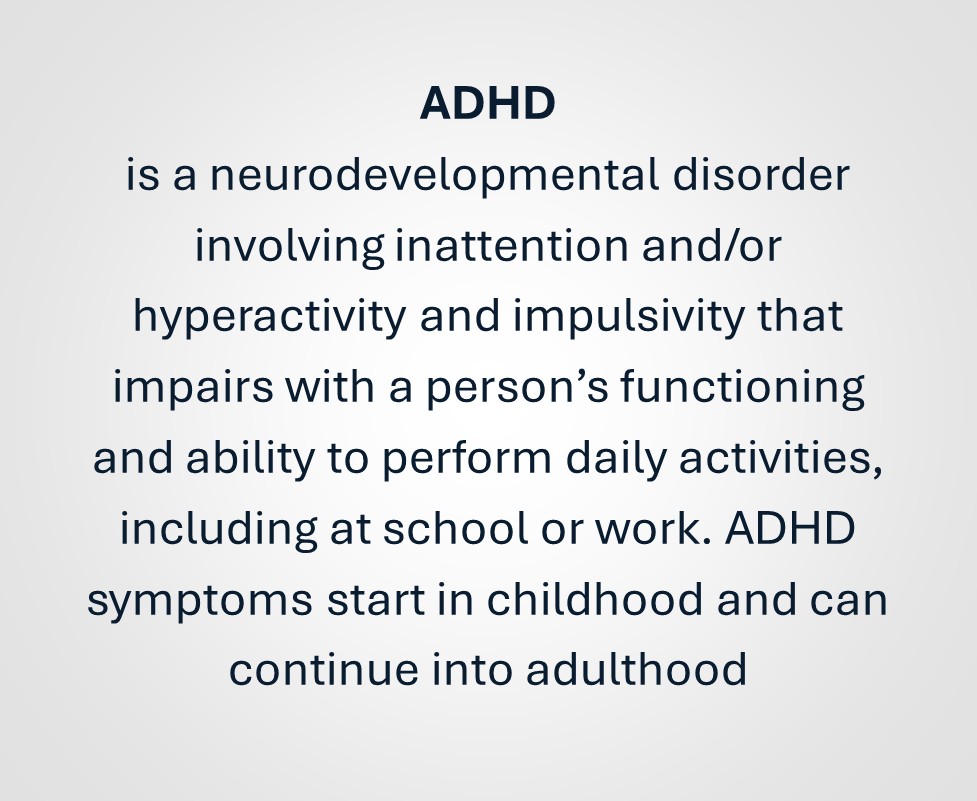
ADHD
A disorder involving a repetitive pattern of inattention or hyperactive-impulsive behaviour that affects development and everyday functioning
ADHD (key characteristics)
Impulsivity: Acting on impulse with a plan, not considering the consequences of their actions, unable to control the urge to blurt out things or wait their turn
Hyperactivity: Excessive motor skills, difficulties remaining still, extremely restless
Inattentiveness: Difficulty maintaining their attention on tasks that do not have high levels of stimulation or a rewarding system, fail to pay close attention to details, make careless mistakes, appear to not be listening when spoken to

ADHD (risks + contributing factors)
Genetic and environmental factors, low birth weight, premature birth
Learning Disability
Any disorder that affects learning, resulting in an individual learning with greater difficulty

Dyslexia
A learning disability affecting an individuals ability to accurately and fluently read, spell, and write words.

Dyslexia (key characteristics)
Poor inconsistent spelling, lack of accuracy and fluency when attempting to read, difficulty recognising sight words (the it and)

Dyspraxia
A condition that affects physical coordination. It can be developmental or acquired
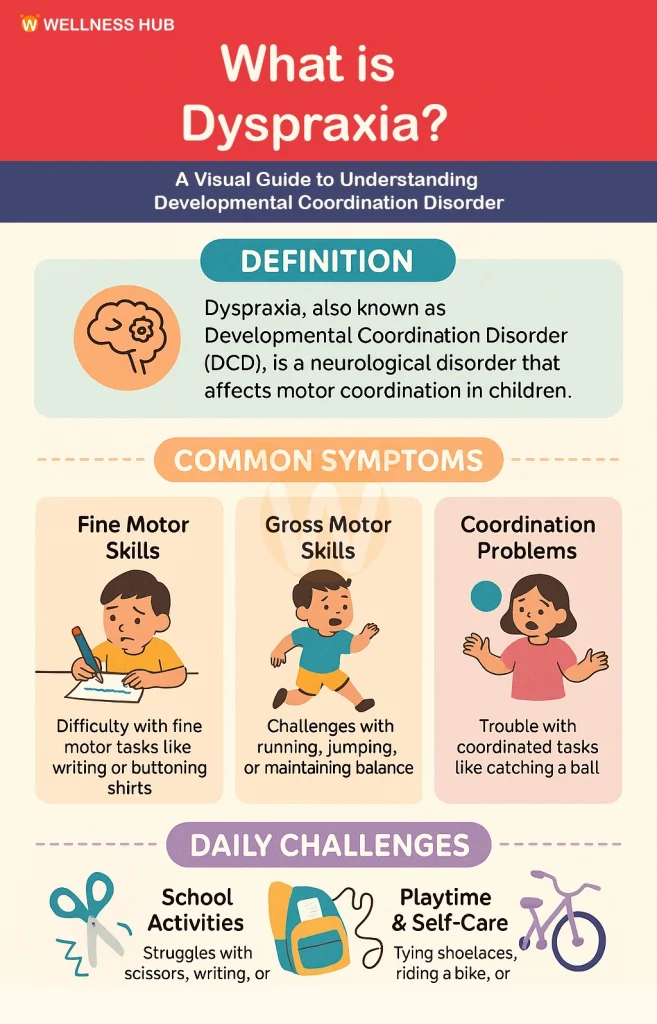
Dyspraxia (key characteristics)
Tying shoelaces, handwriting, doing up buttons on clothes
