CHA Exam 2 Vocab
 Call Kai
 Learn
Learn Practice Test
 Spaced Repetition
 Match
Match Flashcards
 Knowt Play
1/72

There's no tags or description
Looks like no tags are added yet.
Name | Mastery | Learn | Test | Matching | Spaced | Call with Kai | Chat |
|---|
No analytics yet
Send a link to your students to track their progress
73 Terms
Perfusion
Oxygenated blood being carried to body tissues
Gas exchange
Oxygen is transported to cells and carbon dioxide is transported away from cells
Ventilation
Moving gases in and out of the lungs by inhaling oxygen and exhaling carbon dioxide
transport
hemoglobin carries oxygen and carbon dioxide
Ischemia
Insufficient flow of oxygenated blood
Hypoxia
Insufficient oxygen reaching cells
Anoxia
No oxygen
Hypoxemia
reduced oxygen in arterial bloods
systole
ventricles contract blood and is forced into arteries: associated with S1/LUBB
Diastole
Ventricles relax and fill with blood: associated with S2/DUBB
S1
LUBB heart sound; associated with the mitral and tricuspid valves snapping shut
S2
DUBB heart sound; associated with the aortic and pulmonic valves snapping shut
Murmur
Abnormal sound heart on auscultation; think valve
Edema
Swelling from fluid
Intermittent claudication
leg cramping or pain that happens when you walk and goes away when you rest.
Barrel chest

Tripod position
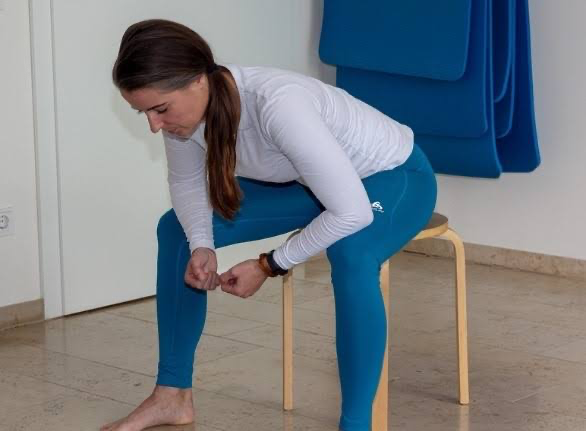
Accessory muscles
breathing muscles used when the patient is working harder to breathe
Apical pulse
heart rate measured directly at the bottome tip of your heart using a stethoscope
SA node
cardiac pacemaker; starts the electrical impulse that stimulates contraction; 60-100 bpm
AV node
Part of the heart’s electrical conduction pathway that follows the SA node; 40-60 bpm
Bundle of HIS
Part of the heart’s electrical conduction pathway shown after the AV node; 20-40 bpm
Bundle branches
part of the hearts electrical conduction pathway shown after the bundle of HIS
Purkinje fibers
part of the heart’s electrical conduction pathway shown after the bundle branches
arrhythmia
an abnormal/irregular heart rythm; AFib for example
Atrioventricular (AV) valves
tricuspid and mitral; separate the atria and ventricles and help prevent backflow
Semilunar valves
Pulmonic and aortic valvesA
APETM
the five heart-valve listening areas
Coronary arteries
arteries that supply blood to the heart muscle
Coronary Artery Disease (CAD)
Narrowing of the coronary arteries because of plaque build up
Atheriosclerosis
Hardening/narrowing of arteries due to plaque build up
Angina
Chest pain caused by lack of blood flow to heart muscle; often aggraveted by exertion and often relieved by rest
Myocardial infarction (MI)
heart attack
Congestive Heart Failure (CHF)
A condition associated with inadequate heart pumping, fluid overload, weight gain, edema, shortness of breath, and high blood pressure
Endocarditis
inflammation/infection of the endocardium; can damage valves and is connected with regurgitation (leaky valves)
Pericarditis
swelling/irritation of the thin saclike membrane surrounding the heart/pericardium
Atrial Fibrillation (AFib)
Irregular, very rapid heart rhythm in which the atria quiver/beat irregularly
Hypertension
Pressure inside the arterial walls is too high; without symptoms and can silently damage vessels
Aneurysm
weakening of the arterial wall
Abdominal Aortic Aneurysm (AAA)
An aneurysm involving the aorta, the large vessel carrying blood toward the lower extremities
Deep Vein Thrombosis (DVT)
A blood clot in a deep vein; blood can pool behind the clot, causing pain, swelling, and redness
Thrombus
A blood clot that forms in a vein; can become and embolus and travel
Embolus
A thrombus that becomes able to travel
Peripheral Vascular Disease (PVD)
A slow, progressive circulation disorder involving narrowing and/or blockage, with reduced perfusion especially in the lower legs and feet
Venous Insufficiency
a condition associated with incompetent valves, congenital defects, changes in the venous wall, or a precipitating event such as DVT
Dyspnea
difficulty breathing/shortness of breath; can indicate respiratory or cardiac conditions
Orthopnea
difficulty breathing when lying down; is relieved by sitting up
Diaphragm
A primary musce of inspiration
Intercostal muscles
Primary muscles of inspiration located between ribs
Pneumonia
inflammation of the terminal bronchioles and alveoli; causes include virus, bacteria, fungi, or aspiration
Acute bronchitis
inflammation of the mucous membrane of the bronchial tree caused by virus or bacteria
Asthma
a chronic respiratory disorder characterized by airway obstruction and inflammation
COPD
Chronic obstructive pulmonary disease
Emphysema
A lung disease where the tiny air sacs in your lungs get destroyed, making it hard to breathe out.
Chronic Bronchitis
A long-term lung problem where your breathing tubes stay swollen and make way too much sticky mucus, causing a daily cough that lasts for months
Pneumothorax
air in the pleural space
Tension pneumothorax
Air enters/leaks into the pleural space but cannot escape.
hemothorax
blood in the pleural space
Atelectasis
collapsed alveoli
pleural effusion
accumulation of serous-bloody fluid in the pleural space between the visceral and parietal pleurae
Pulmonary edema
Fluid building up inside the air sacs of your lungs, making it very hard to breathe
Obstructive sleep apnea
A sleep problem where the muscles in the back of your throat relax too much while you sleep, causing your airway to collapes and block your breathing.
croup
a common childhood virus that makes the throat swell up and causes a loud, barking cough
Tuberculosis
a serious germ infection that mostly attacks your lungs
Cyanosis
bluish/gray appearance of the skin, hair, or nails; an oxygenation concern
Pallor
Unusually pale or washed-out skin; may indicate an oxygenation problem
clubbing
your fingertips get wider, rounder, and bulbous, and your nails curve downward; associated with chronic hypoxia, including asthma, COPD, and cystic fibrosis
Retractions
inward pulling of the intercostal muscles/chest wall during breathing; can occur with airway obstruction and is seen with pneumonia and asthma attacks
Vesicular sounds
normal breath sounds
Crackles
adventitious sounds; short, high-pitched sounds during inspiration that are not cleared by coughing; popping, bubbling or crinkling noises.
wheezes
a high-pitched whistling or squeaking sound made when you breathe because your airways are squeezed or blocked; adventitious sounds
Rhonchi
an adventitious lung sound; a snoring, gurgling, or rattling sound inside someones lungs
Pack-years
a quick way for doctors to measure your total lifetime smoking; one pack-year means smoking one pack of cigarettes (20 cigarettes) per day for one full year.