art history quiz
 Call Kai
 Learn
 Practice Test
 Spaced Repetition
 Match
 Flashcards
 Knowt Play
1/70

There's no tags or description
Looks like no tags are added yet.
71 Terms
fastigum
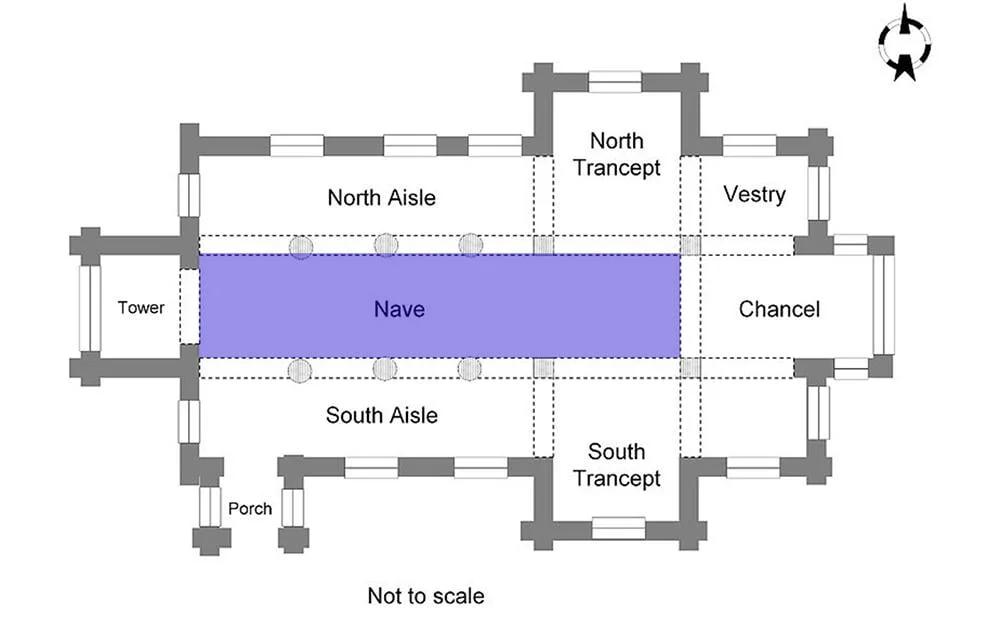
nave
central open area of church


side isles

clerestory


apse

trussed wooden roof

conches or half-domes
semi dome the half dome vault that covers a semi circular space such as a church apse, exedra, or niche

exedra
simicircular plygonal recess niche or bay
sanctuary
the sacred architectural space inside a church building and a historical or modern tradition of physical refuge. catholic/christian- elevated front area where the main liturgical actions take place.

gallery

central dome


altar

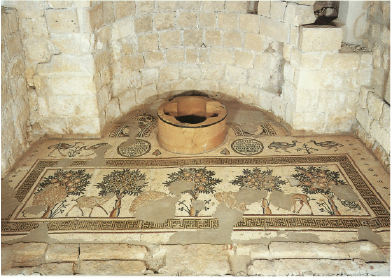
opus sectile
an ancient and medieval artistic technique where thin pieces of stone, marble, mother-of-pearl, or glass are custom-cut and inlaid into walls, floors, or ceilings to form geometric patterns or figurative images

corbel vault
an architectural structure created by stacking horizontal courses of stone, brick, or mudbrick, with each successive layer projecting slightly inward beyond the one below it until the opposing sides meet at the apex

pendentive


minarets

muqarnas
a three-dimensional architectural ornamentation in Islamic architecture consisting of stacked, tiered, niche-like elements that create a honeycomb, stalactite, or cascading vault effect


arabesque
an elaborate decorative design of intertwined lines, a classic ballet body position, or a flowing musical composition

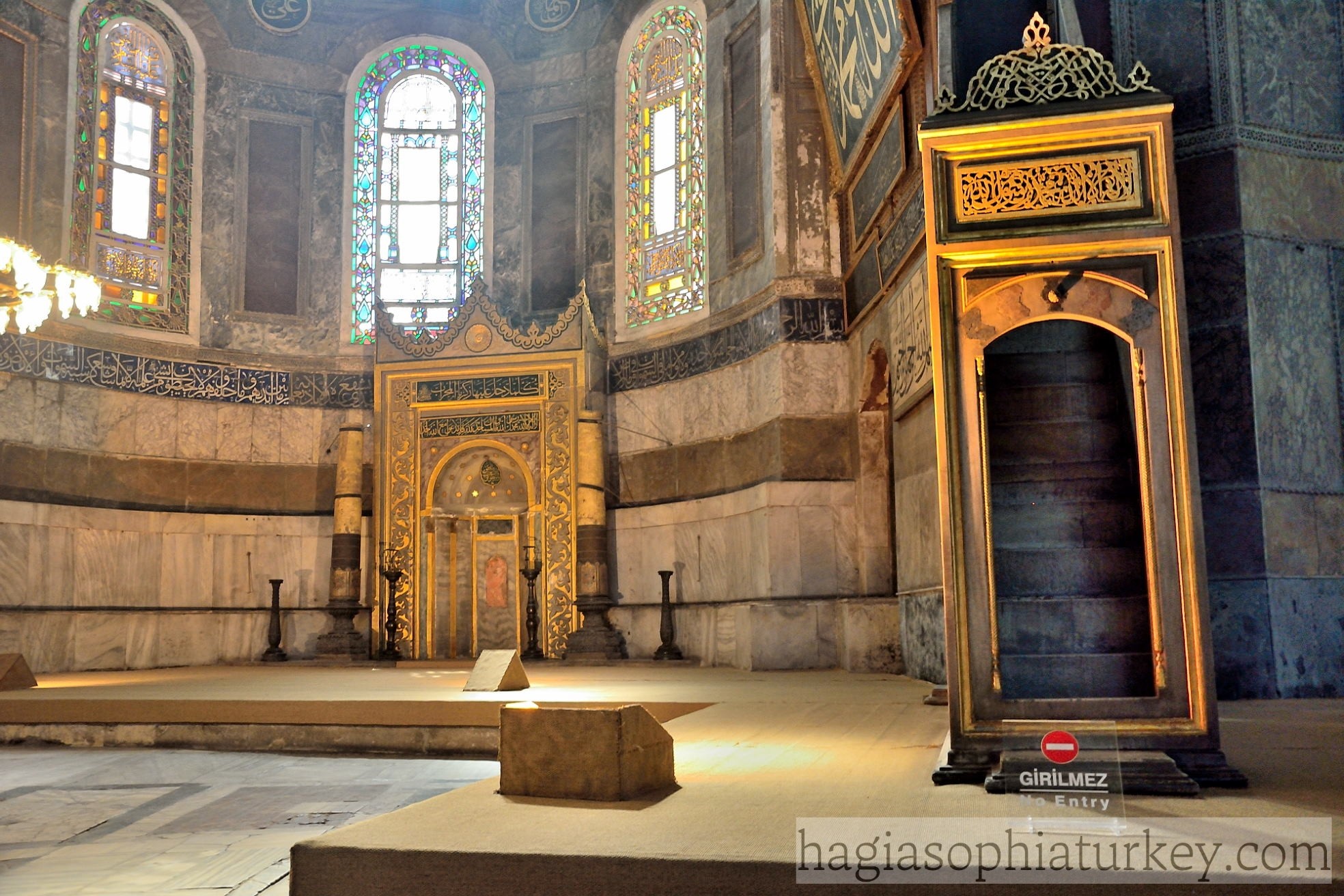
mihrab
a semicircular or recessed architectural niche set into the qibla wall of a mosque. visually /physically points toward kaaba in mecca

minbar
an elevated pulpit or stair-like seat in a mosque where the imam (prayer leader) stands or sits to deliver the khutbah (sermon) during Friday (Jumu'ah) prayers and other special occasions.

qibla wall
architectural wall inside a mosque that faces the Kaaba in Mecca, Saudi Arabia. Muslims face this direction during daily ritual prayers (salah)

maqsura
a private, enclosed, or screened area located near the mihrab (prayer niche) and minbar (pulpit) along the qibla wall of a mosque

basilican

martyrium
a Christian church, chapel, or shrine built over the tomb of a Christian martyr or on a site associated with a sacred event in Christian faith

mausolea
a large, stately, above-ground building or standalone structure constructed to enclose burial chambers, caskets, or urns

martyria
a shrine or church built over the tomb of a Christian martyr.
baptistry
a dedicated architectural space, room, or separate building used for performing the Christian sacrament of baptism
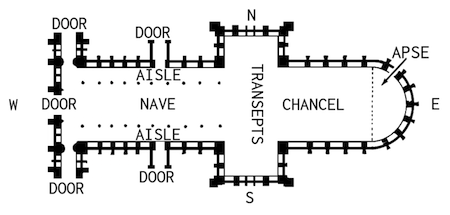
architecture in the west orientation
christian basilicas focused inward and typically oriented with entrance to the west and the altar/apse facing east toward the rising suna dnsymbolic return of christ
common repuitoire of forms inherited from roman imperial architecture
baptistries, mausolea, martyria of early christian period

basilica plan
basic model four developement of church architecture in the west. precident: imperial basilica, wooden roof, spcious interior, encourages attention to altar


central plan
round / polygonal, domed, associated with funerary functions, focus on central space, illuminated by clerestory, sometimes w ambulatory or two,

prothesis
the designated area or small table in an Eastern Orthodox or Greek Catholic church where the Eucharistic bread and wine are prepared before the Divine Liturgy begins


bema
An elevated speaker's platform or tribunal used in places like the Pnyx and law courts for public speaking and judicial decisions

diakonikon
The term diakonikon has two primary meanings in Eastern Christianity: an architectural space in a church and a liturgical book for deacons

templon
a decorative architectural barrier or screen in Byzantine and Eastern Christian churches that separates the naos (the main nave where the congregation stands) from the bema or sanctuary (the sacred area around the altar)
chancel/sanctuary/chancel
the space surrounding the altar at the liturgical east end of a traditional christian building


ciborium
a covered sacred vessel used in Christian churches to hold, distribute, and reserve the Eucharistic bread (hosts)
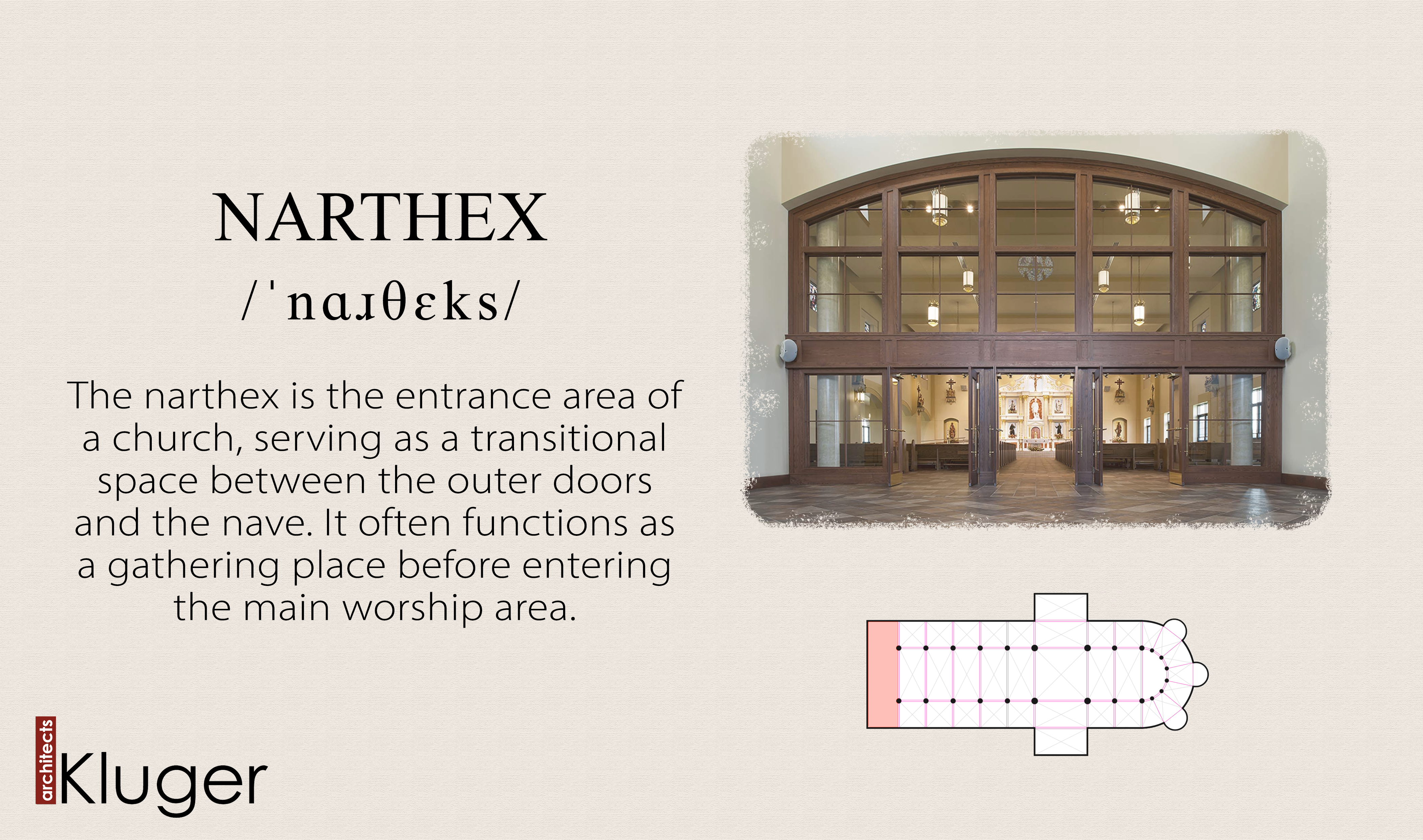
narthex was for:
special procession batism funerary events confession
Merovingian dynasty was
the ruling royal family of the Salian Franks from the mid-5th century until 751 CE.
carolingians
752-814 CE a Frankish noble family that ruled Western and Central Europe during the Early Middle Ages
ottonians
919-1024 a Saxon noble family that ruled East Francia and established the Holy Roman Empire from 919 to 1024 AD
hagia sophia
Renowned for its revolutionary suspended central dome and innovative use of pendentives, which profoundly influenced later Byzantine and Ottoman architecture

virgin mary and christ child apse mosaic after 843
marks the triumphant restoration of sacred images after the end of Byzantine Iconoclasm in AD 843. found in hagia sophia

Deësis with virgin mary and st. john the Babtist
s a foundational iconographic and artistic composition in Byzantine and Eastern Orthodox Christianity. deesis meanings prayer entreaty or intercession. Deësis literally means prayer, entreaty, or intercession. The central message of the scene is Christ seated as the righteous Judge and Ruler of the cosmos, with Mary and John bowing toward Him in an active plea for the mercy, peace, and salvation of all mankind. In Christian tradition, the Virgin Mary and St. John the Baptist are viewed as the closest and most powerful intercessors near the throne of Christ—representing humanity's greatest representatives (Mary as the Mother of God and the new Eve; John as the greatest of the Old Testament prophets and the bridge to the New Testament)
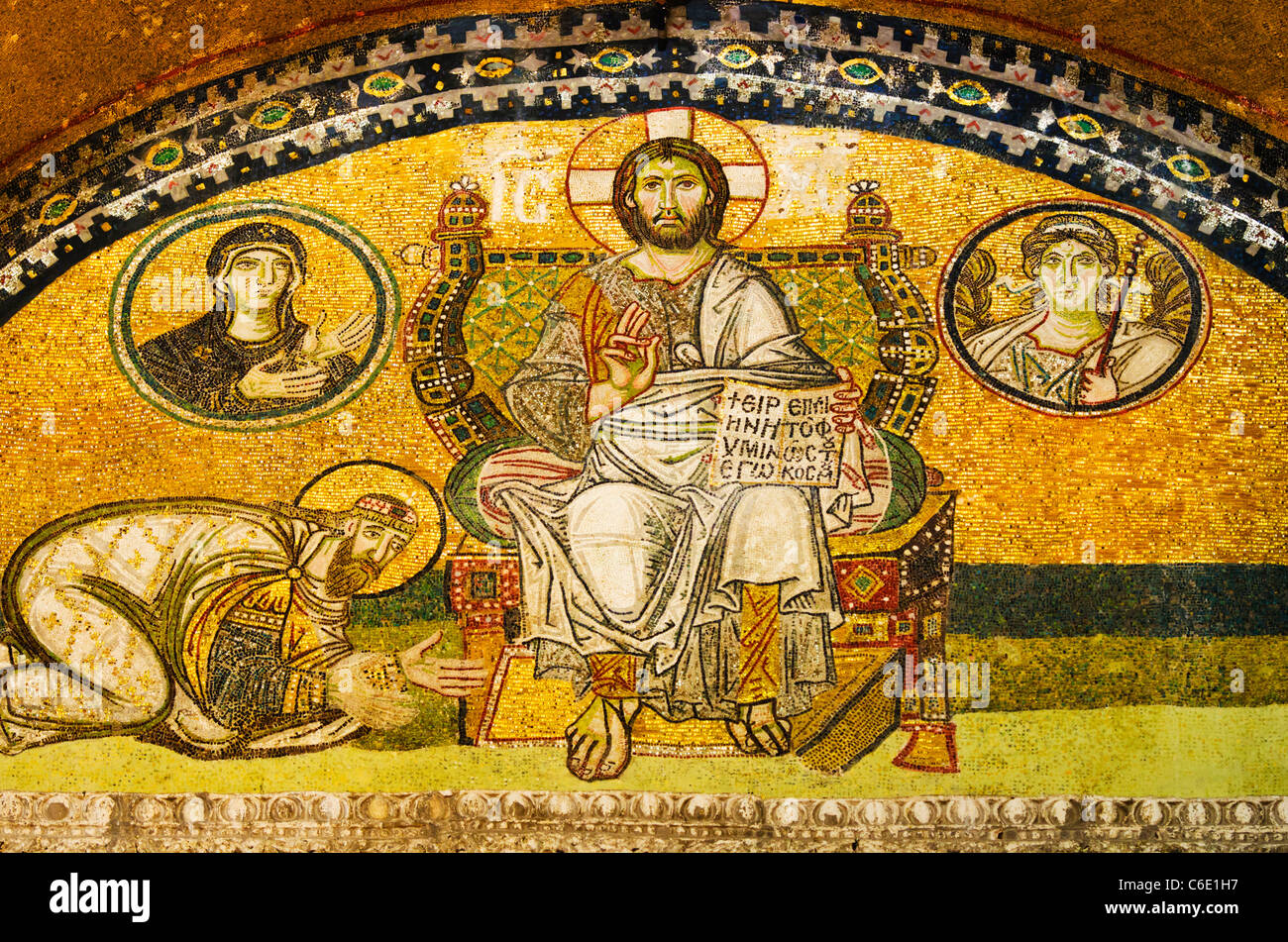
emperor leo IV kneeling before christ imperial gate mosaic
a famous Byzantine artwork located above the Imperial Door in the narthex of the Hagia Sophia in Istanbul, Turkey. Christ holds an open scroll inscribed with "Peace be upon you; I am the light of the world," and is flanked by circular medallions containing the Virgin Mary (interceding with hands outstretched) and the Archangel Gabriel
mosaic of doners, emperor constantine and emperor justinian 10th c
Created in the 10th century (approx. 10th–early 11th century), this panel served as a symbolic dedication showing past emperor-saints presenting their greatest architectural and imperial foundations to the Mother of God and Christ

cathedral of st. sophia, kyiv ukraine ca. 1037
the primary spiritual, political, and cultural monument of medieval Kyivan Rus'. Built around 1037 under Grand Prince Yaroslav the Wise, it served as the state's main Christian church and first site in ukraine inscribed on the unesco world heritage list
La venta c. 900-400 bce
premier ceremonial center and capital of the Olmec civilization during the Middle Formative period, replacing San Lorenzo as the dominant power in Mesoamerica
tres zapotes c. 600 - 400 bce
a vital transitional hub marking the shift from the classical Olmec civilization to the emerging Epi-Olmec (post-Olmec) culture
san lorenzo c. 500-900 bce
premier early Olmec capital and the largest city in Mesoamerica

the sulleymaniye complex istanbul 1550-1557
commissioned by Sultan Suleiman the Magnificent and constructed between 1550 and 1557 by the master Ottoman architect Mimar Sinan
-central dome
collosal heads from olmec
monumental basalt sculptures from ancient Mesoamerica (c. 1200–400 BCE) found across key sites in the Gulf Coast region of Mexico (Veracruz and Tabasco).
formative era- 1600 bce
laid the cultural, economic, and political foundations for all subsequent Mesoamerican civilizations, including the Maya and the Aztecs
-san lorenzo tenochtitlan and la venta
-colossal heads depicting rulers and ballplayers alongside intricate jade carving
classic era-250-900
marked the height of urbanism, monumental architecture, advanced writing systems, and complex political organization across the region
-teotihuacan , writing and epigraphy, timekeeping and astronomy, agriculture and trade,
post-classic era-900-1500
dynamic era of political reorganisation, intense militarism, expanding trade networks, and the rise of dominant imperial powers before the arrival of Spanish conquistadors.
-warfare, conquest, state sponsored violence
-aztec or mexica empire emerging late 14th century in the basin of mexico
aztects built massive tributary empire from island capital of tenochtitlan featuring architecture like templo mayor and elaborate administrative
dome of the rock
Completed between 691 and 692 CE by the Umayyad Caliph Abd al-Malik ibn Marwan, it is the oldest surviving major monument of Islamic architecture
giant gold
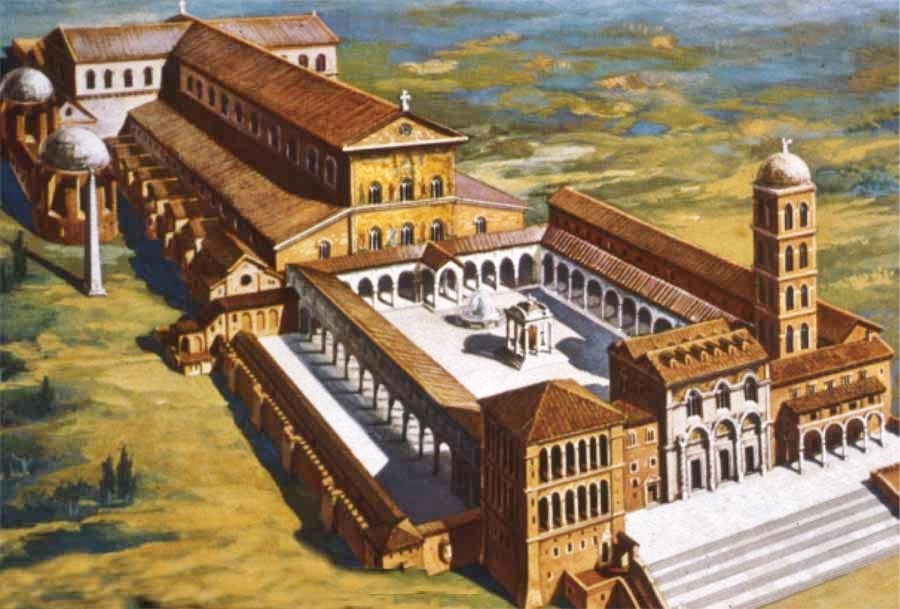
old st. peter’s rome c. 324-400
it served as the first major monumental church in Christian history and established the standard architectural blueprint for Western churches for over a thousand years comissioned by constantine the greate. marked dramatic transition of christianity from a persecuted and underground faith to the favored religion of the roman empire.


santa maria maggiore rome, c. 432-440
features some of the oldest and best preserved fifth century mosaic cycles in rome

greate mosque of damascus (707-715)
demonstrated the permanence, wealth, and supremacy of the first Islamic dynasty, earliest surviving monumental stone mosque,
church of sta. constanza rome, 350
a landmark of Late Antique and Early Christian architecture. It was constructed during the mid-4th century—around 350 AD—as a monumental circular mausoleum for Constantina (also known as Constantia), the daughter of Emperor Constantine the Great.
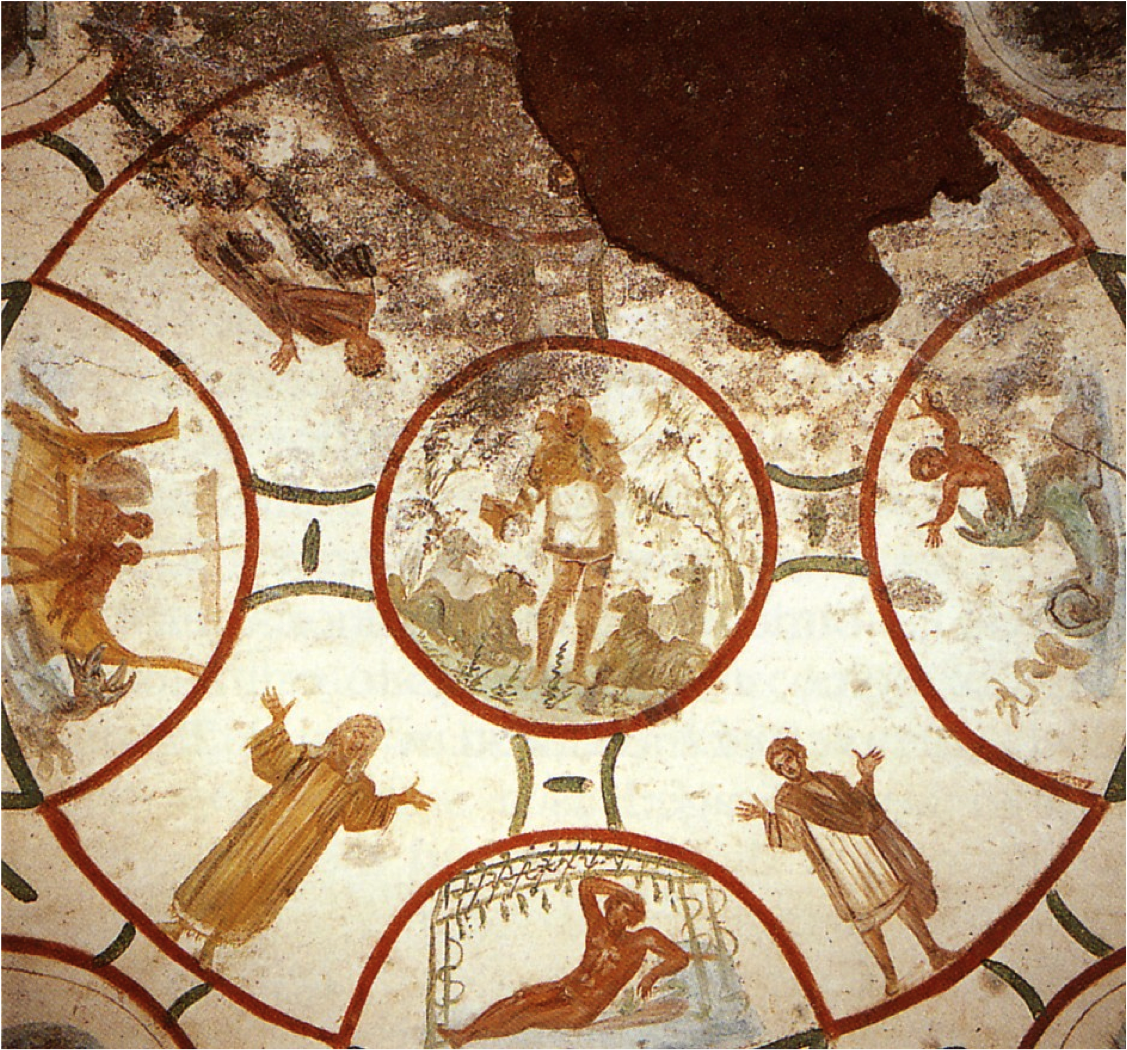
good shepherd wall painting -catacombs of ss pietro at marcellino rome late 3rd century
shows christ as a teacher, shepherd, philosopher. narative themes.

sarcophagus of constantina 350, porphyry, now in vatican museum rome
usion of pagan Roman motifs with early Christian symbolism, marking a pivotal transition in 4th-century art. Carved around 354 AD for the daughter of Emperor Constantine the Great, this monumental coffin illustrates how the newly legalized Christian empire adapted classical visual traditions. made of expensive porphyry
church of the holy sepulchre reconstruction jerusalem israel
the holiest site in Christianity. It marks the traditional location of Golgotha (Calvary)—where Jesus was crucified—and the Tomb of Jesus, where he was buried and resurrected. commisioned by emperor constantine and his mother, saint helena, after pagan temples were cleared away.

myrelaion (bodium carvii) constantinople
historic byzantine palace church in constantinople founded 920 ad by emperor romanos I lekapenos . middle byzantine cross-in-square church. monastic complex.
charlemagnes palace complex at aachen 792-808 odo of metz
, the complex is famous for reviving monumental stone construction in Northern Europe and visually asserting Charlemagne as the legitimate successor to the ancient Roman emperors. this was the church of the holy sepulchre, basilica of san vitale, and palatine chapel.
tribune
Charlemagne intentionally designed Aachen as a "New Rome" to legitimize his imperial title after being crowned Emperor of the Romans in 800. To make this link physical, he imported ancient marble columns and bronze works (spolia) directly from Rome and Ravenna. east-west cultural synthesis

abbey church, corvey germany c. 873-885
carolingian westwork, oldest surviving westwork

christ entrhoned- godescale gospels 781-783 tempura on vellum
bridged the gap between early medieval flat design and classical roman realism . vellum, gold, silver ink immitating byzantine imperial luxury
front cover of binding lindon gospels 870
one of the finest surviving examples of Carolingian treasure binding and royal metalwork. Likely crafted in the court workshop of Emperor Charles the Bald in eastern France, this gold and jeweled cover transformed a sacred text into a dazzling liturgical monument. christ is shown standing triumphant signaling his victory over death unlike other midieval depictions fcused on suffering.
church of st. michael hildesheim germany c. 1001-1033
a masterpiece of Ottonian Romanesque architecture and a designated UNESCO World Heritage Site. double choir symmetrical plan, originally commitioned by bishop. bernward,. painted wooden ceiling depicting the tree of jesse.
doors of bishop berward st. michael hildesheim
each door leaf was cast as a single monumental piece of bronze. oldest known monumental cycle of cast-metal figural scuplture in germany . typological program. old vs. new testement. left = human fall and redemption from book of genesis. start w top w the creation of adam and ending w cain murdering abel