Domestic Animal Anatomy Practical 2
 Call Kai
 Learn
 Practice Test
 Spaced Repetition
 Match
 Flashcards
 Knowt Play
1/84

There's no tags or description
Looks like no tags are added yet.
85 Terms
a-, an-
without
ab-
away from
ad-, af-
to, toward
dia-
through
dis-, dys-
difficult
ex-, ef-
away from
-osis
condition of, state caused by
-rrhea
flowing
composition of skeletal system
bones, joints, cartilage, teeth
functions of skeletal system
provides structural support, body form, protects several major organs, & works with muscle to perform body movements
types of skeletons
exoskeleton & endoskeleton
exoskeleton
hard, outer skeleton that is outside the body
endoskeleton
skeleton embedded within muscle
subdivisions of endo-skeleton
axial, appendicular, heterotrophic
axial skeleton
consists of skull, costae (ribs), vertebrae, & sternum
not highly motile, serve to protect major organs
appendicular skeleton
consists of bones of the appendages (limbs)
some of these have no known function
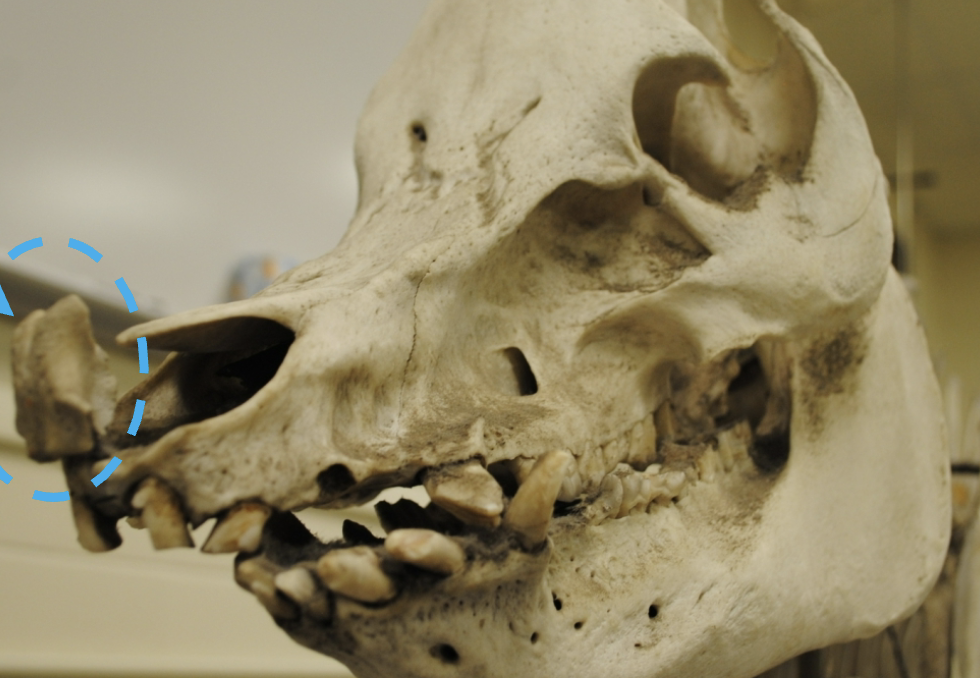
os rostrale
bone in the nose of a pig
ossa cordis
bones in the heart of cattle, sheep, & goats
os phrenic
bones in the diaphragm of camels
ossa penis
bones in the penis of carnivores and rodents

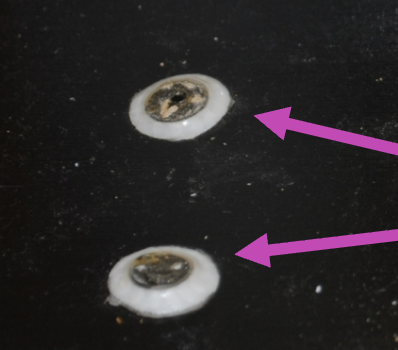
scleral rings
bones found in the eyes of birds
hyoid apparatus
bones found in the tongue of bird & some mammals

origin muscle attachment
end of the muscle attached to stationary part of bone
insertion muscle attachment
end of muscle attached to mobile section of bone
tendons
attach muscles to bone
ligaments
attach bone to bone
epiphysis
two ends of long bone
diaphysis
shaft of long bone
epiphyseal plate
growth region of cartilage between the epiphysis & diaphysis
epiphyseal line
formed in the bone when growth has ended
endosteum
membrane lining the medullary cavity
periosteum
membrane covering the outer surface of the bone composed of connective tissue
medullary cavity
hollow area in center of bone where bone marrow is located. bone marrow produces blood cells
dipole
spongy bone, aka cancellous bone
compact bone
dense, hard layer of bone
long bone
dumb-bell shaped; wide, expanded ends, narrow, cylindrical mid-section
aid in movement & carry weight of body
ex. femur, fibula, tibia
flat bone
flat in 2D, thin & curved, mostly dipole surrounded by thin layer of compact bone
provide protection to vital organs
ex. skull bones, scapulae, sternum
short bone
round or cubicle
reduce friction & concussion
typical: human wrist & ankle
ex. carpels
sesamoid: form in tendons & aid in movement
ex. patella
irregular bone
bones in vertebral column
pneumatic bone
contain spaced filled with air
in birds, allow for flight due to reduced weight. in mammals, help warm & condition air as it is inspired
fibrous/immoveable joints
do not move; overlap or interlock & are held together by fibers
cartilaginous/slightly moveable
allows for some movement; held together by ligaments & padded with cartilage
synovial/freely moving
largest group of joints in body; wide range of motion
immoveable
non-mobile; found in skull
hinge
extension & flexion; found in elbow or knee
pivot
rotation of one bone around another; found just below skull between C1 & C2
ball-and-socket
flexion, extension, adduction, abduction, & rotation; found in shoulder & hip joints
condyloid
flexion, extension, adduction, abduction, & circumduction; found in wrist & foot
gliding
smooth gliding motions; found in wrist & vertebrae
saddle
flexion, extension, adduction, abduction, & circumduction; found in thumb
-algia
pain
-lysis
breakdown
macro-
large
micro-
small
-pathy
disease
-penia
lack
-phagia
to eat
pre-
before
beak
prehension
mouth
entrance to GI tract (NO TEETH)
salivary glands
secrete bicarbonate, mucin, & water
NO SALIVARY AMYLASE
crop
feed storage area & soak of feed
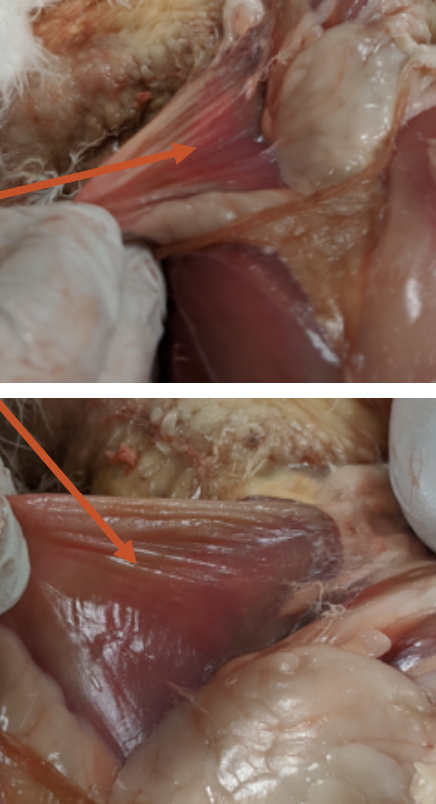
proventriculus
glandular stomach; provides chemical & enzymatic breakdown; secretes pepsinogen, HCl, mucous, & gastrin (NO RENNIN - BIRDS DON’T DRINK MILK)
ventriculus
muscular part that grinds feed & functions similarly to teeth (rocks & pebbles get lodged here to help with grinding
meckel’s diverticulum
marks where the jejunum & ileum meet; yolk sack ruminant that is part of the immune system & produces lymphocytes
large intestine
only two parts; ceca (plural - birds have two cecum) & colon
cloaca
junction of ureters, colon, & reproductive system
oropharynx
combined oral & pharyngeal space (joint area for digestive & respiratory systems
infundibular cleft
common opening of the eustachian tubes (canals from middle ear, functions in pressure equalization during flight)
laryngeal cleft
blocks food from entering larynx
larynx
allows passage of air; CONTAINS NO VOCAL CORDS
syrinx
y-shaped organ at the base of the trachea & responsible for vocalization
testes
male gonad; found in body cavity; produces sperm & testosterone
epididymis
found close to vas deferens; increase sperm motility & fertilization capacity
vas deferens
two, one for each testes; sperm storage, maximize motility & fertilization capacity, sperm maturation, & adding accessory fluids
cloaca
receives sperm from vas deferens
true or false: only the left oviduct is functional, the right atrophies before reproductive maturity
true
stigma line
site of ovulation (NO LUTEAL STRUCTURES)
ovary
female gonad; found in the body cavity on the left side; produce ova & estrogen
oviduct
consists of 5 parts, each with a different function
infundibulum
¼ hour; catches ova when ovulated; location of sperm storage & fertilization
magnum
3 hours; secretes albumen protein (egg white) around yolk
isthmus
1 ¼ hours; two shell membranes added here (soft shell membranes)
uterus
20 ¾ hours; plumping (taking up water) takes place here; hard egg shell & shell pigment is deposited
vagina
¼ hour; rotates egg into position for laying (oviposition)