Zoology Lab Practical 1
 Call Kai
 Learn
Learn Practice Test
 Spaced Repetition
 Match
Match Flashcards
 Knowt Play
1/97

There's no tags or description
Looks like no tags are added yet.
Name | Mastery | Learn | Test | Matching | Spaced | Call with Kai | Chat |
|---|
No analytics yet
Send a link to your students to track their progress
98 Terms
Tube-like sponge classification
Phylum: Porifera
Class: Calcarea

What is this and how could you tell?
Calcarea, will be “crispy” when squished bc of calcium carbonate spicules
Bath sponge classification
Phylum: Porifera
Class: Demospongiae

What is this and how could you tell?
Demospongiae, squishy when squished
What are oscula?
big holes in sponges where water escapes
What are ostium?
little holes where water comes in
Glass sponge classification
Phylum: Porifera
Class: Hexactinellida

What is this and how could you tell?
Hexactinellida, in a glass box with spicules made of silica
Octocoral classification
Phylum: Cnidaria
Subphylum: Anthozoa
Subclass: Octocorallia

What is this and how could you tell?
octocoral, long branching structures with polyps
Sea Pen classification
Phylum: Cnidaria
Subphylum: Anthozoa
Subclass: Octocorallia
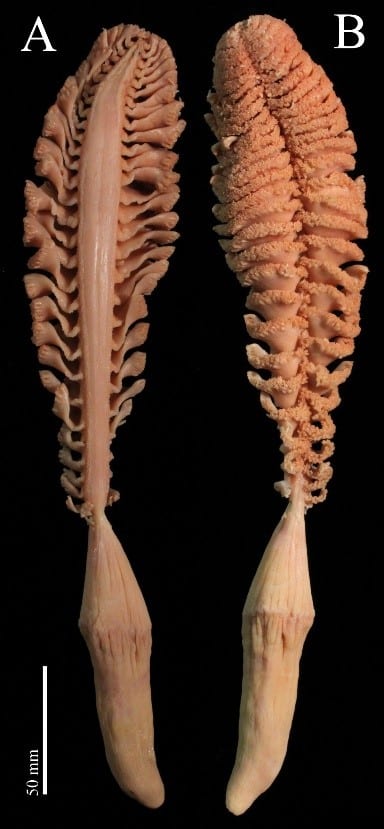
What is this and how could you tell?
sea pen, long base with long plume and many polyps
Sea Whip classification
Phylum: Cnidaria
Subphylum: Anthozoa
Subclass: Octocorallia
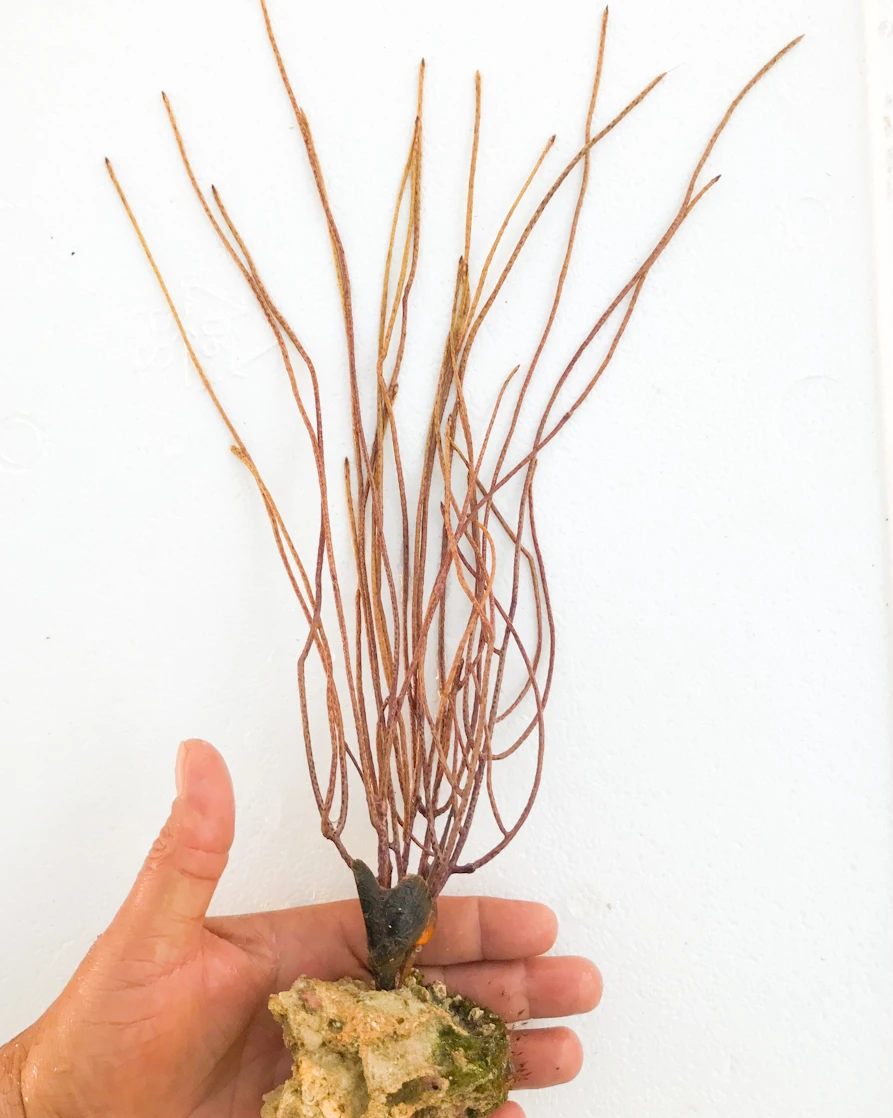
What is this and how could you tell?
Sea Whip, looks like pile of spaghetti with polyps
Sea Fan classification
Phylum: Cnidaria
Subphylum: Anthozoa
Subclass: Octocorallia
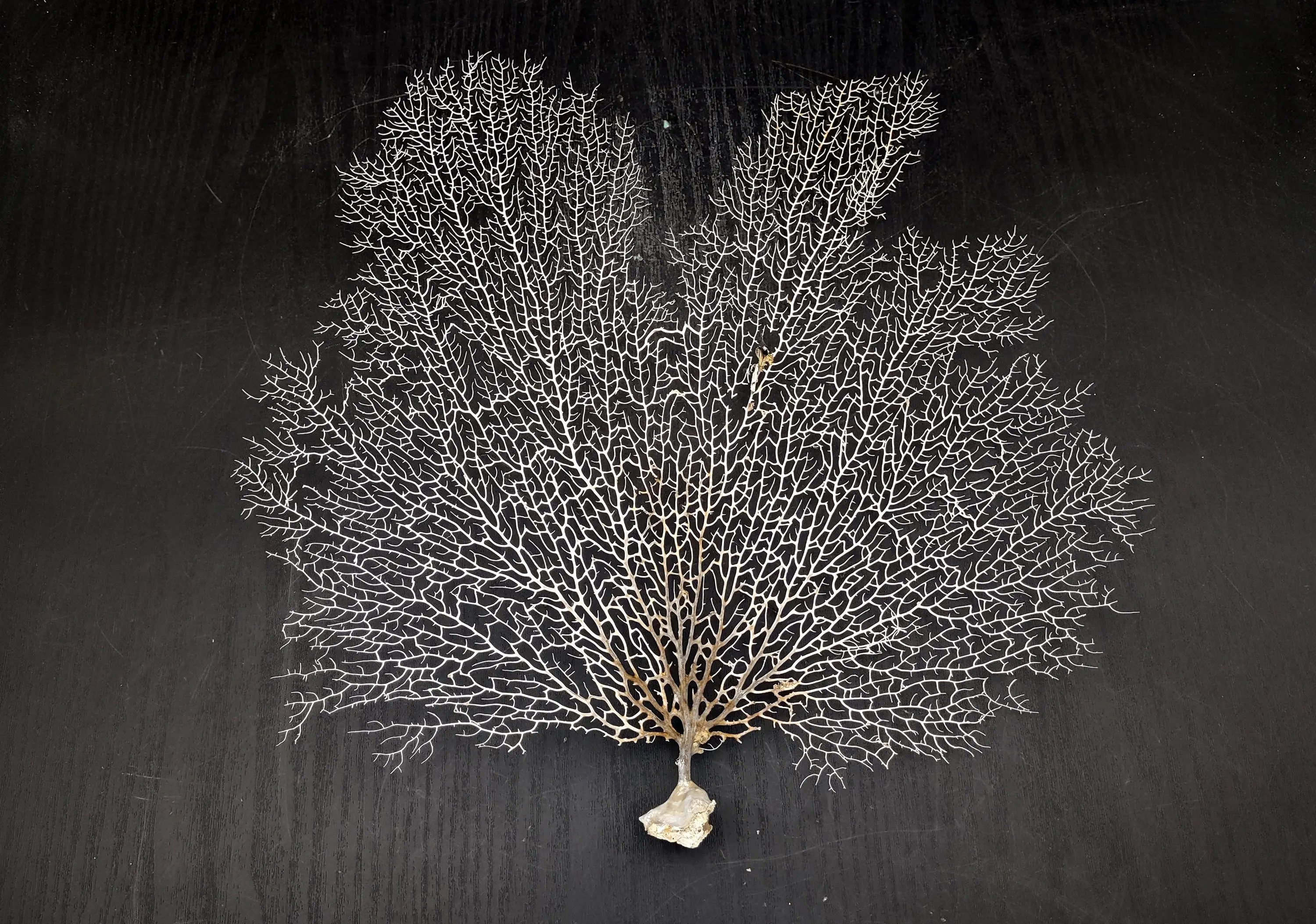
What is this and how could you tell?
Sea Fan, looks like a fan with holes for water to easily flow through polyps
Sea Pansy classification
Phylum: Cnidaria
Subphylum: Anthozoa
Subclass: Octocorallia

What is this and how could you tell?
Sea Pansy, looks like a mushroom, is an inverted polyp
Anemone classification
Phylum: Cnidaria
Subphylum: Anthozoa
Subclass: Hexacorallia
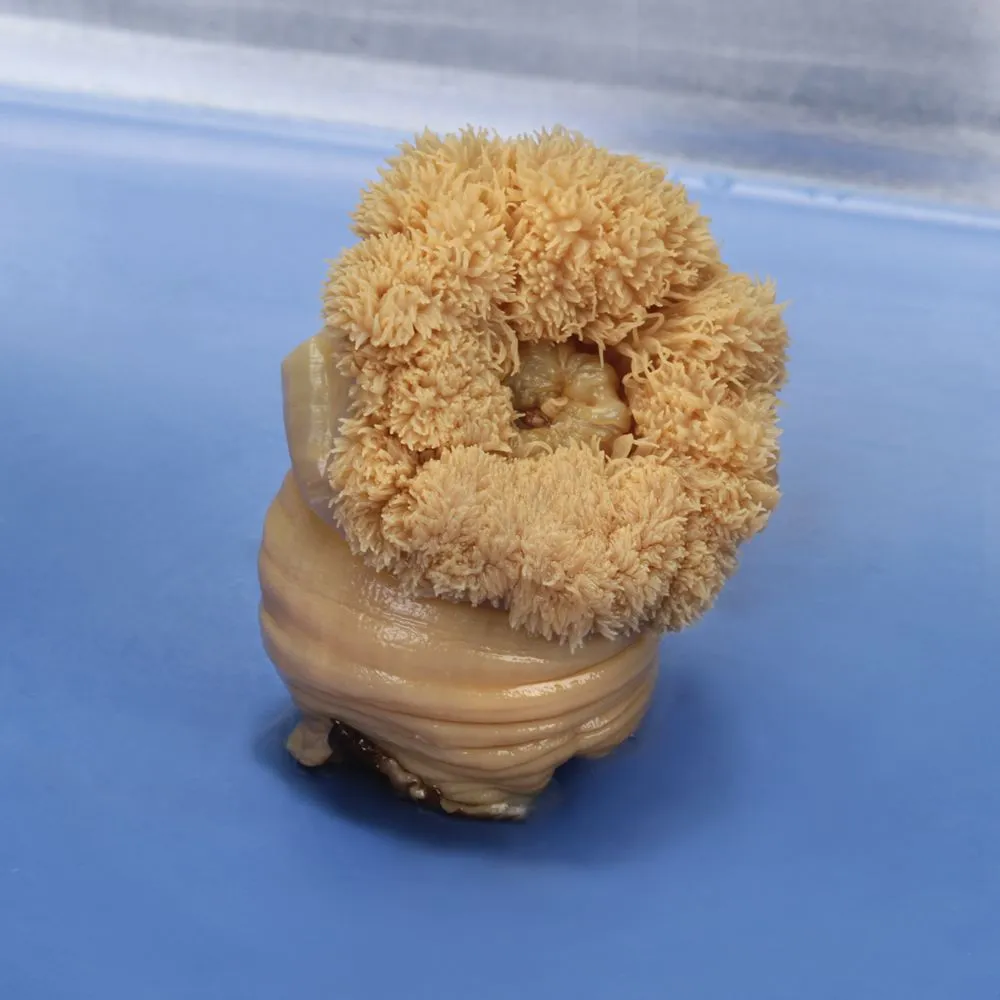
What is this and how could you tell?
anenome, stand alone polyp
Hard Coral classification
Phylum: Cnidaria
Subphylum: Anthozoa
Subclass: Hexacorallia
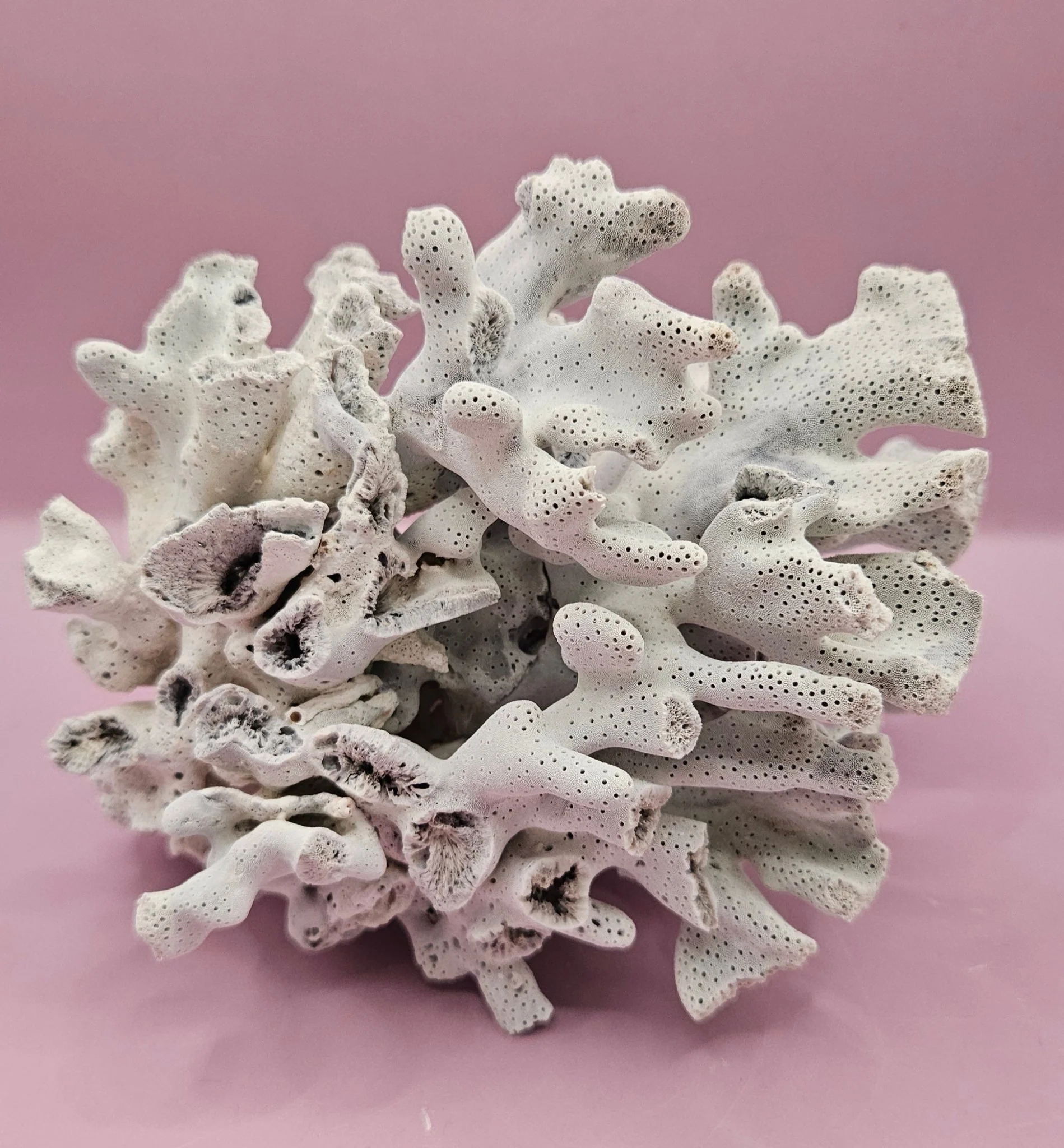
What is this and how could you tell?
Hard coral, rock-like with limestone skeletons, colony of polyps
Hydras classification
Phylum: Cnidaria
Class: Hydrozoa

What is this and how could you tell?
Hydra, long and thread-like polyp with buds growing off
Siphonophore classification
Phylum: Cnidaria
Class: Hydrozoa

What is this and how could you tell?
siphonophore, looks similar to jellyfish but are colonial hydras, medusa like
Jellyfish classification
Phylum: Cnidaria
Class: Scyphozoa

What is this and how could you tell?
Jellyfish, medusa body plan with gonads in the middle of bell and tentacles coming from underneath
Planaria classification
Phylum: Platyhelminthes
Class: Turbellaria

What is this and how could you tell?
Planaria, flat with pharynx in middle of body and two “eye” holes
Fasciola classification
Phylum: Platyhelminthes
Class: Trematoda
Common Name: Sheep fluke

What is this and how could you tell?
Fasciola, more wide than long and has 2 pores on front side of body
Clonorchis classification
Phylum: Platyhelminthes
Class: Trematoda
Common Name: Human fluke

What is this and how could you tell?
Clonorchis, 1 pore on “head” and gonads in the middle
Schistoma classification
Phylum: Platyhelminthes
Class: Trematoda
Common Name: Blood fluke

What is this and how could you tell?
Schistoma, female sits inside of male and they become one organism
Dipylidium classification
Phylum: Platyhelminthes
Class: Cestoda
Common Name: Flea tapeworm

What is this and how could you tell?
Dipylidium, rounded proglottids with spots and round scolex
Taenia classification
Phylum: Platyhelminthes
Class: Cestoda
Common Name: Beef Tapeworm
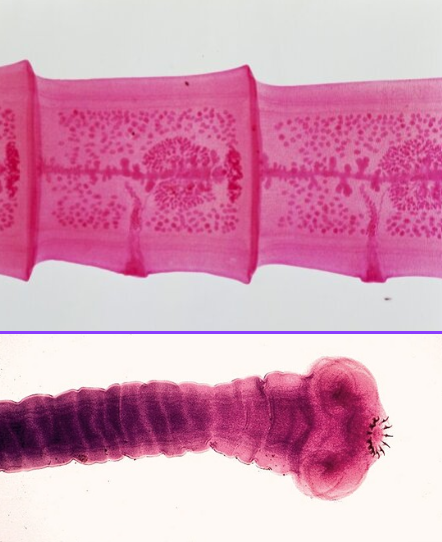
What is this and how could you tell?
Taenia, rectangular proglottids with y shaped pores on one side and round scolex
Diphyllobothrium classification
Phylum: Platyhelminthes
Class: Cestoda
Common Name: Fish tapeworm

What is this and how could you tell?
Diphyllobothrium, square proglottids with paddle-shaped scolex
What are proglottids?
Interlocking segments in tapeworms that can be sealed off if ripped apart (contains egg pouches)
What is a scolex?
structure in tapeworms that helps anchor to intestine wall
Blood worms classification
Phylum: Annelida
Class: Errantia
Family: Glyceridae

What is this and how could you tell?
Blood worms, bright red with a small number of parapodes and mouth with 4 teeth to bite and crush prey
Sand worms classification
Phylum: Annelida
Class: Errantia
Family: Nereididae

What is this and how could you tell?
Sand worms, stereotypical polychaete worms with many parapodes
Sea mice classification
Phylum: Annelida
Class: Errantia
Family: Aphroditidae

What is this and how could you tell?
Sea Mice, oval shapes with parapodes and “hair” on back
What are parapodes?
similar to feet as it helps grab surfaces and climb
Earthworm classification
Phylum: Annelida
Class: Sedentaria
Family: Lumbricidae

What is this and how could you tell?
Earthworm, segmented with clitellum (reproductive structure)
Leaches classification
Phylum: Annelida
Class: Sedentaria
Family: Hirudinea
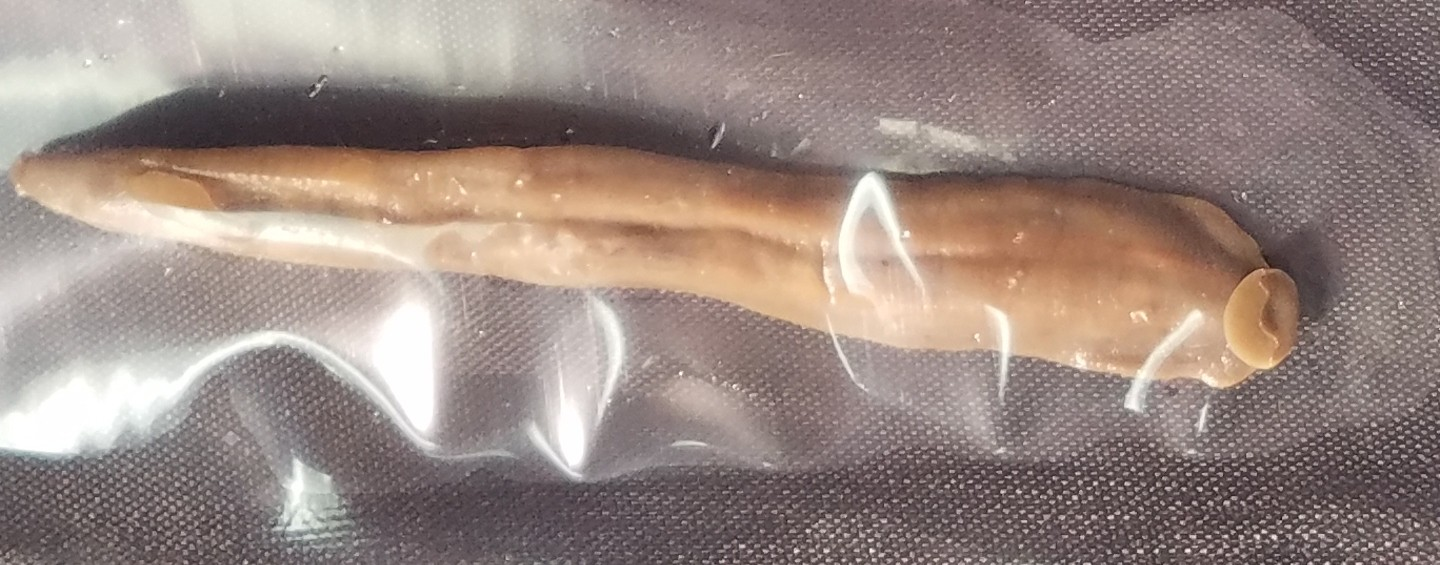
What is this and how could you tell?
Leaches, 2 sucker disks on either side on body
Feather duster worms classification
Phylum: Annelida
Class: Sedentaria
Family: Terebellidae

What is this and how could you tell?
Feather duster worm, feathery arms coming out of top of body
Lug worms classification
Phylum: Annelida
Class: Sedentaria
Family: Arenicolidae

What is this and how could you tell?
Lug worm, looks very similar to earthworm but with a swollen anus
Tooth shells classification
Phylum: Mollusca
Class: Scaphopoda
Family: Dentaliidae

What is this and how could you tell?
Tooth shell, conical shell with hole (looks like a tooth)
Slug classification
Phylum: Mollusca
Class: Gastropoda
Family: Limacidae

What is this and how could you tell?
Slug, eyes on stocks, no shell, large pneumostome
Land snails classification
Phylum: Mollusca
Class: Gastropoda
Family: Camaenidae

What is this and how could you tell?
Land snail, looks like slug with a loopy shell
Limpet classification
Phylum: Mollusca
Class: Gastropoda
Family: Fissurellidae

What is this and how could you tell?
Limpet, volcano shaped shell with opening on top
Whelks classification
Phylum: Mollusca
Class: Gastropoda
Family: Buccinidae
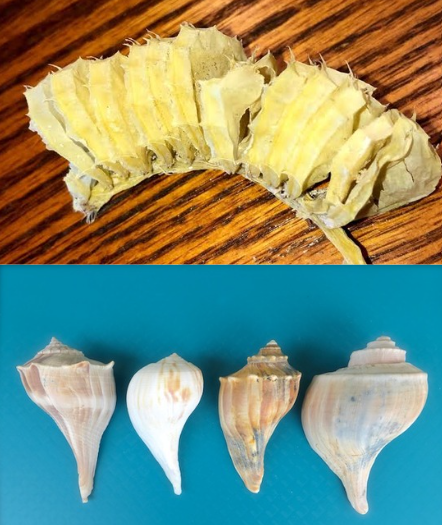
What is this and how could you tell?
Whelk, shell with crown shape on shell with a whirl (egg casings look like rope)
Tulip snail classification
Phylum: Mollusca
Class: Gastropoda
Family: Fasciolariidae

What is this and how could you tell?
Tulip snail, shell with no crown and long point
What is a pneumostone?
A long smooth section with big hole that sucks in O2
Freshwater muscle classification
Phylum: Mollusca
Class: Bivalvia
Family: Unionidae

What is this and how could you tell?
Freshwater muscle, two-part shell with long umbo (opens wide)
Marine muscle classification
Phylum: Mollusca
Class: Bivalvia
Family: Mytilidae
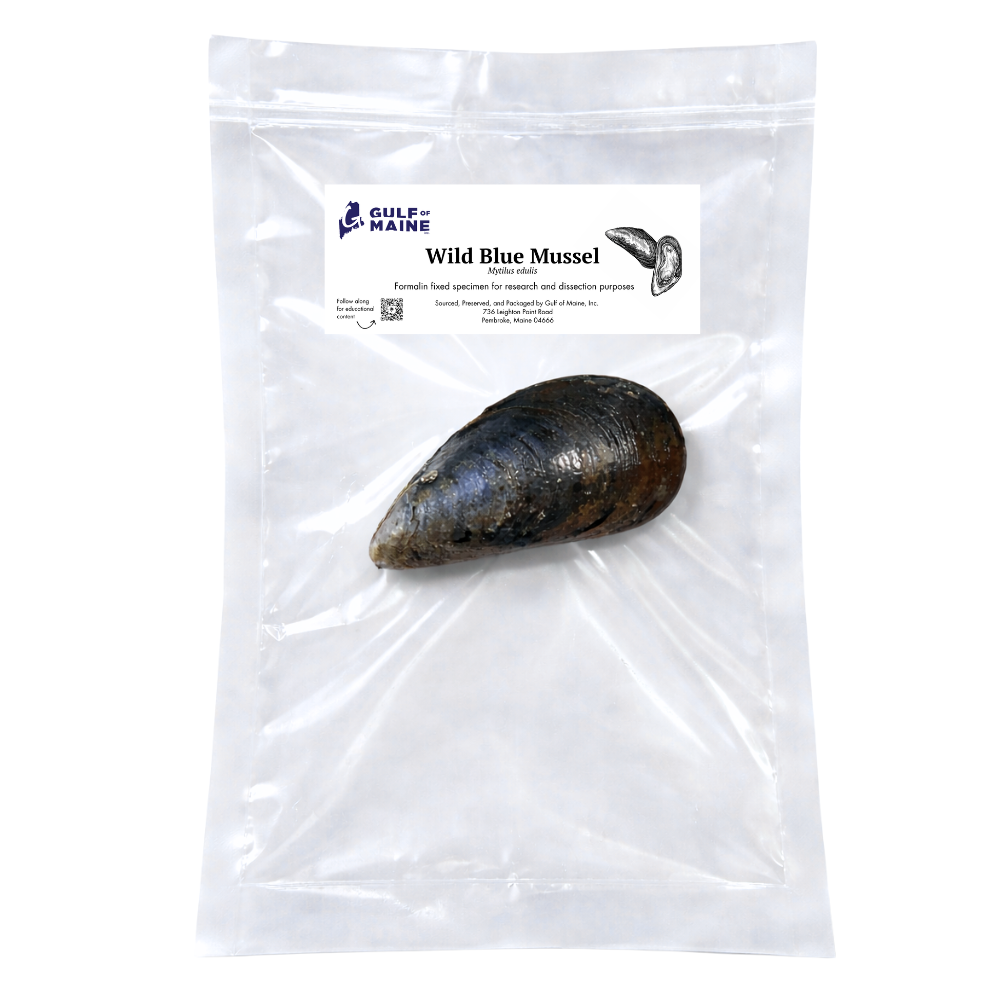
What is this and how could you tell?
Marine muscle, two-part shell with small umbo (opens longwise)
Oyster classification
Phylum: Mollusca
Class: Bivalvia
Family: Ostreidae

What is this and how could you tell?
Oyster, white/grey tear dropped shaped shells with lines coming out, normally colonial
Scallops classification
Phylum: Mollusca
Class: Bivalvia
Family: Pectinidae
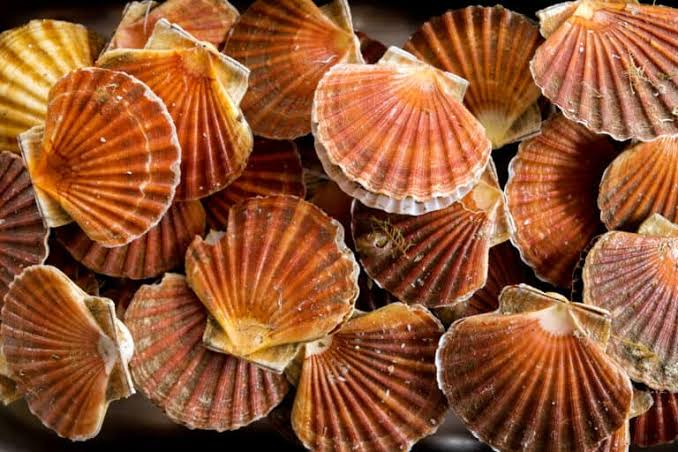
What is this and how could you tell?
Scallops, triangular shaped with scalloped ends (kinda like waves)
Razor clams classification
Phylum: Mollusca
Class: Bivalvia
Family: Pharidae
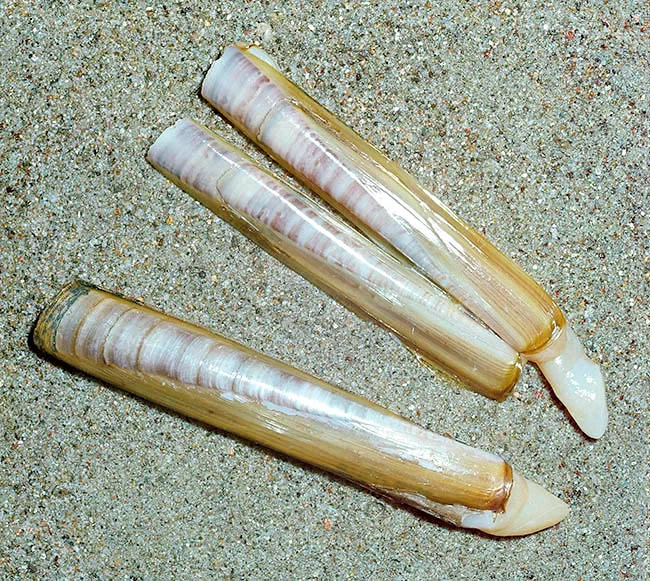
What is this and how could you tell?
Razor clams, really long and most mantle sticks out ends (looks like hotdog)
Chitons classification
Phylum: Mollusca
Class: Polyplacophora

What is this and how could you tell?
Chiton, hard shell with plates with a long foot that has gill fringes
Squid and Cuttlefish classification
Phylum: Mollusca
Class: Cephalopoda
Superorder: Decapodiformes

What is this and how could you tell?
Squid and Cuttlefish, 10 arms with suckers and torpedo shaped mantle
Octopus classification
Phylum: Mollusca
Class: Cephalopoda
Superorder: Octopodiformes

What is this and how could you tell?
Octopus, 8 arms with suckers
Nautilus classification
Phylum: Mollusca
Class: Cephalopoda
Family: Nautilidae

What is this and how could you tell?
Nautilus, more than 10 arms and have a shell
Ascarus classification
Phylum: Nematoda
Family: Ascaridae
Common Name: roundworm

What is this and how could you tell?
Ascaris, visible to the naked eye, very smooth body and shed their skin
Dirofilaria classification
Phylum: Nematoda
Family: Ascaridae
Common Name: heartworm

What is this and how could you tell?
Dirofilaria, very smooth worm inside of a heart
Hookworms classification
Phylum: nematoda
Family: Ancylostomatidae

What is this and how could you tell?
Hookworm, microscopic smooth body worms with muscle tissue, fangs in mouth
Tartigrade classification
Phylum: Tartigrada
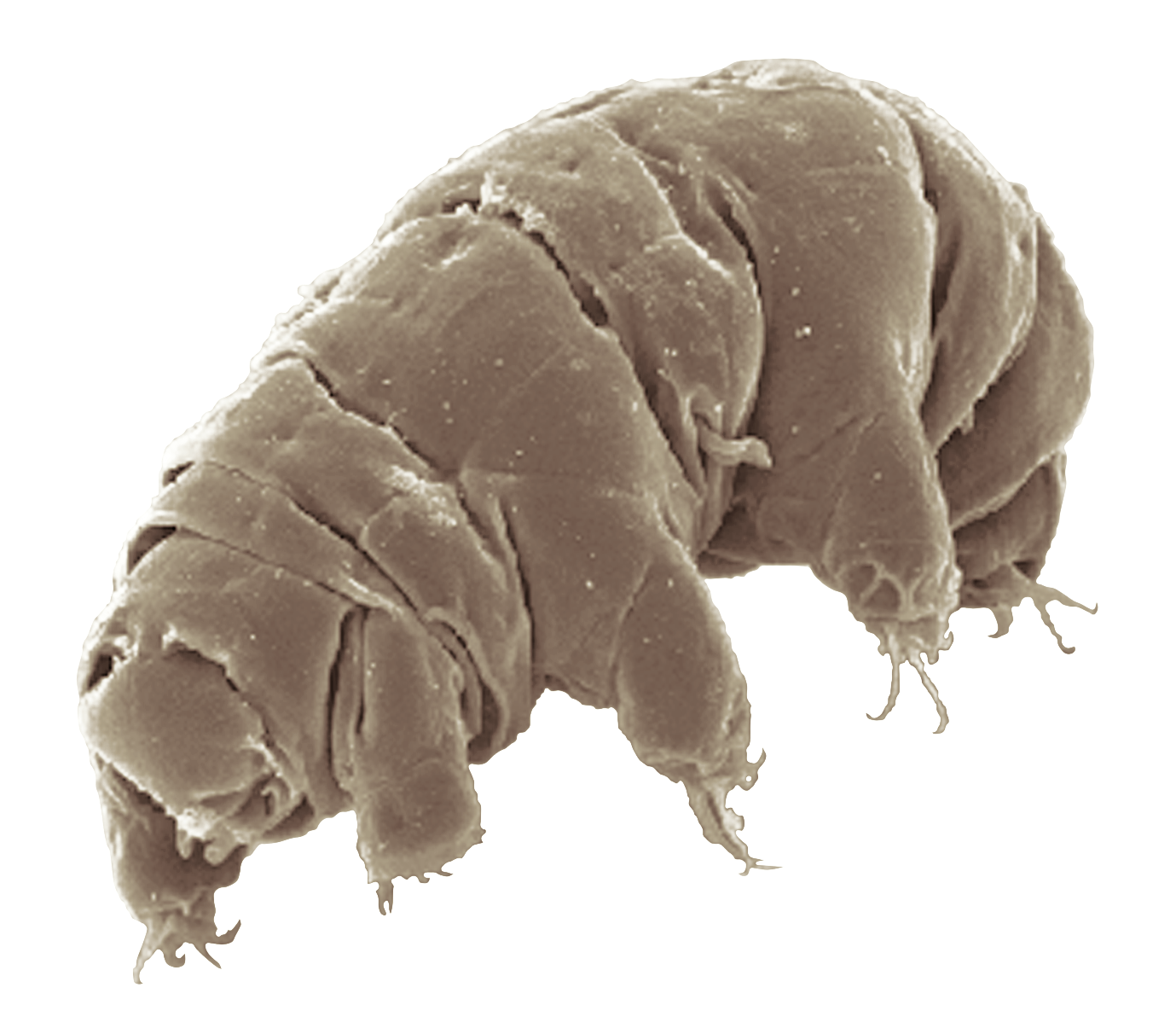
What is this and how could you tell?
Tartigrade, microscopic “bear-like” body with claws