(3) Vikings: Notable Concepts and Notable Groups
 Call Kai
 Learn
 Practice Test
 Spaced Repetition
 Match
 Flashcards
 Knowt Play
1/7

There's no tags or description
Looks like no tags are added yet.
8 Terms
Vikings (All Facts)
Seafaring Scandinavian network of people-groups mainly comprising the Danes, Norwegians, and Swedes who were dominant across northern and central Europe from the 700s until the Norman Invasion of 1066
They were part of the broader Germanic cultural group
From them, many groups emerged independently including not just the Danes, Norwegians, and Swedes but also the
Varangians (Rus, or Russians)
Normans
Icelanders
Greenlanders
They traveled long distances in their longboats in search of plunder
They attacked at night without warning and with unbridled ferocity
Unlike warring Christian factions who left churches untouched, these peoples singled churches out as soft targets for easy loot
Whenever they captured a leader or ruler, they sacrificed him to their god Odin in the form of the Blood Eagle
Whatever they could not use or understand they burned to the ground, including libraries like the Library at Iona
They began raiding throughout northern Europe in order to feed their ever increasing population
They initially arrived in the summers and plundered along the coasts and up the rivers of the British Isles, sailing home with their loot
They gradually chose to winter on unoccupied territory
Their raids thereafter were carried out from nearby bases, continuing with unceasing frequency and ferocity in which they inflicted bloody assaults on numerous towns including Cologne, Paris, Nantes, and London
They occupied Iceland
They colonized the Scottish highlands and islands
They sailed around Ireland and created new coastal towns like Dublin
In the Anglo-Saxon Kingdoms they overran more than half the country before being routed by Alfred the Great
Eventually, they founded permanent settlements, where they were turning their energy and sailing skills in warfare into commercial activity, bringing prosperity to towns like Dublin and York
By 770, they opened up trade with the Byzantine Empire
Vikings (Raids)
Group which emerged onto Europe from Scandinavia via raids including
789 - Raided the south coast of the Anglo-Saxon Kingdoms, where the king’s retainers rode from Dorchester to meet them believing them to be traders, but they were killed
840s - Sacked Portland, put their forces to flight, and killed their ealdorman Aethelhelm, ravaging it before returning to their ships
Group which ruined many peaceful places throughout Europe at the time including
793 - Lindisfarne
794 - Jarrow
794 - Shetlands
794 - Hebrides
794 - Orkney
795 - Skye
795 - Rathlin (Antrim)
795 - Iona
Most of Scotland
Much of Ireland including
Armagh
Sheppey
the English Channel coast
Dorestad
Rouen (in Gaul)
842 - The Frankish Channel port of Quentovic
842 - Rochester
842 - London
842 - Noirmoutier, where they wintered on occupied territory for the first time
844 - Spain
845 - Hamburg, where they destroyed St. Ansgar’s Church there and he was forced to flee
860 - Settled and named Iceland
By the 900s, their raids disrupted the long-distance overland trade that stimulated urban development in northern Europe
By the 1000s, their invasions of Europe reached their peak, especially in threatening southern France and Italy
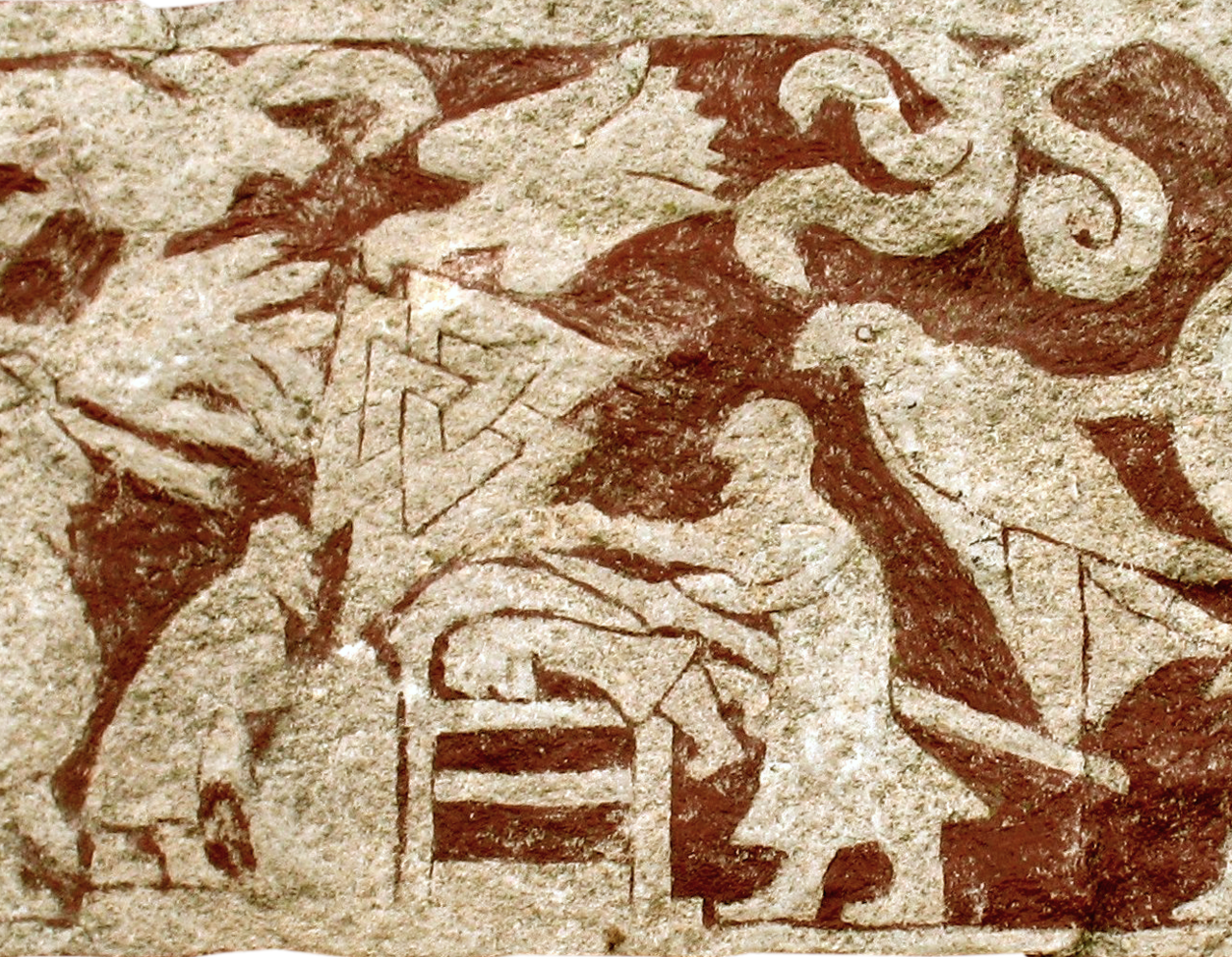
Blood Eagle (All Facts)
Viking rite of sacrifice to the Norse god Odin involving the slicing down of a victim’s back and spreading out of his entrails in the form of the namesake animal
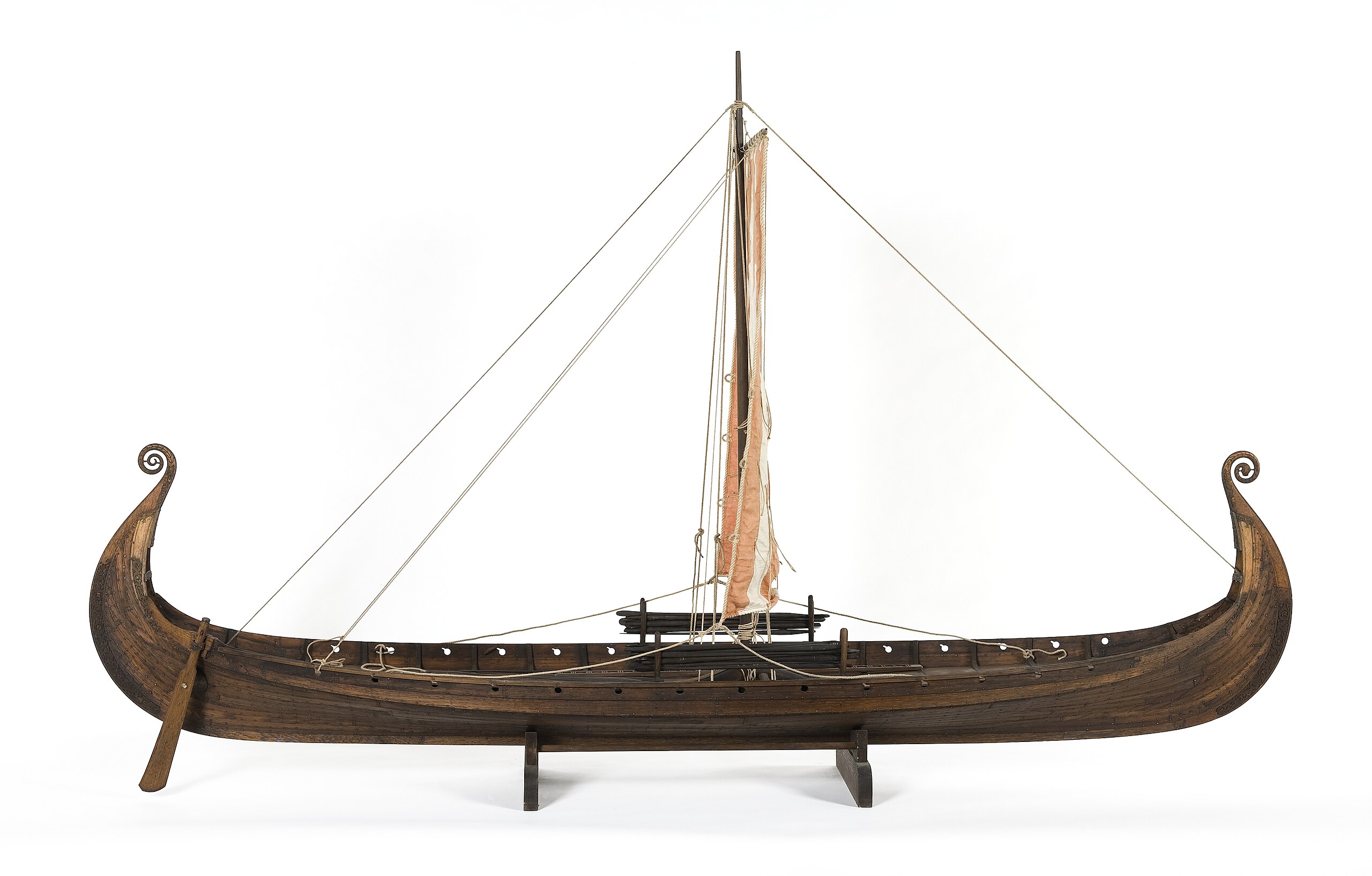
Viking Longship / Longboat (All Facts)
Marine vessel / craft that could
Sail with the wind
Sail into the wind
Be rowed
Marine vessel / craft that
Held 30 warriors
Had a hull flexible enough to bend in heavy seas without leaking
Drew only three feet of water below the waterline while carrying ten tons of loot
Were clinker-built, meaning they were built using overlapping planks and had square sails and a single steering oar aft and many rowing oars
Their narrow hull shape made them faster than Mediterranean ships
Its most famous was the “Oseberg Ship,” discovered in an earth barrow around the year 800
Viking Concubinage (All Facts)
Phenomenon that involved the Viking ritual of collective rape and strangulation of a chieftain’s concubine immediately after his death so that she could be buried with her master
Documented by Arab Muslim travelers and writers as barbaric
Normans (All Facts)
Group of Vikings that settled in northern France and founded the Duchy of Normandy
They were a unique people group, first as Vikings, but then becoming French upon founding the Duchy of Normandy, and then becoming English upon invading and conquering England
They were descendants of Viking mercenaries, who began to leave Scandinavia in the early 1000s to plunder in France and in Italy, like Tancred of Hauteville
They gradually settled down and established stable governments, like Robert Guiscard
They eventually came to dominate the seas above that and rule as Kings of England, like William “The Conqueror”
They also came to dominate southern Italy and rule its various duchies and principalities, like Robert Guiscard and his brother Roger of Hauteville
Viking Earth Barrow (All Facts)
Of the year 800, it contained the “Oseberg Ship” as well as a cart, several sledges, and numerous small decorated objects
The delicate interwoven wood carvings of figures and abstract motifs were typical of northern art of this group