ISC 311 - Test 3
 Call Kai
 Learn
 Practice Test
 Spaced Repetition
 Match
 Flashcards
 Knowt Play
1/25

There's no tags or description
Looks like no tags are added yet.
26 Terms
Surveillance Capitalism
business model that profits from tracking, predicting, and influencing behavior
means that companies make money by watching what people do online, collecting their personal data, and then using or selling that data to predict and influence their behavior — usually advertising or profit
ex: when your clicks, searches, and posts become products that companies use to make money
isn’t just cookie, its about building psychological profiles so ads can target our models, locations, or fears
every like, share, and search teaches a company how to sell to you
Key Components of Informed Consent
= respecting autonomy - having control over your choices and what happens to you (in context of data collection/surveillance: get to decide what information about you is collected, how it’s used, and whether your okay w/ that)
clear explanation of data collection (not hidden in fine print)
user knowingly opts in, genuine choice (may say yes or no) (not forced or manipulated)
ability to change your mind (control over time)
REAL autonomy requires all 3 (if not it just looks like consent)
Difference between explicit and implicit consent
Explicit
clear explanation of data collection
user knowingly opts in (may say yes or no)
ability to change your mind
Implied
ambiguous or buried in fine print
consent is assumed or “forced choice”
no take-backs-ies
Ethical concerns with data collection and targeting
Ethical: means messages are relevant and understandable, audiences can recognize persuasion when they see it, no one is unfairly exploited because of age, ability, or circumstance.
transparent
relevant
empowering
Unethical: takes advantage of — children or low-literacy adults (limited knowledge), data collection without permission (limited consent), financial stress, disability, or isolation (limited power)
manipulative
hidden
exploitative
The point isn’t to avoid targeting but to ensure it informed and respectful
FAIR = informed + respected (fair targeting is persuasive communication that respect audience autonomy)
Legal Protections of Vulnerable Populations
COPPA (1998): Protects children (13 and younger online) from having their data collected w/o verified parent consent
youtube learned this the hard way in 2019 —$170 mil fine for tracking kids’ viewing habits to serve targeted ads
FTC Act, Section 5: Protects consumers substantial injury a consumer can’t reasonably avoid can be considered unfair (“unfair or deceptive acts”)
think about game apps that bury ‘cancel subscription’ five menus deep, those are called dark patterns
legal action can stop the worst abuses, but it rarely addresses the culture of manipulation
Civil Rights Act: Protects consumers from algorithmic bias
“advertising systems that quietly exclude or over-target certain groups can violate civil rights laws
In 2019, Facebook’s ad algorithm let real-estate agents micro-target by race — blocking minority users from seeing housing ads, people didn’t know they were being excluded
Law protects from harm after the fact; ethics prevents harm before it happens ⭐️

Ethical Issues in gaming environments and digital platforms
Roblox is one of the largest online gaming platforms — over 200 million active users each month, most under the age of 13
Brands can now buy in-game billboards, create min-games, or even sell-digital merch like Nike shoes or avatars (many children don’t realize these are ads)
game word that looks like play but functions as marketing — kids who legally can’t even sign contracts are being commercially targeted without full awareness
COPPA doesn’t fully cover it because the data isn’t always ‘collected’ — its the environment itself that persuades

The Grandparent Scam
“Scammers and even legitimate advertisers often micro-target older adults w/ investment or health-product ads on Facebook
The FTC and AARP have documented hundreds of deceptive financial posts that mimic real news sites
older users are especially vulnerable because of social isolation and trust in legacy brands
Ethically, we owe this group clarity and simplicity — not fine-print traps (TARES = respect and equity applied to targeting)
ex: Helen, a 80 yr old was reading her sister’s obituary on the internet when a pop-up screen suddenly announced that her computer had been infected with a virus — “Do not turn off your computer!” a loud voice warned through the computer’s speaker
Key privacy-related harms and risks
who gets harmed? kids, elderly, people with disabilities, people who english is their second language?
why does this happen? power imbalance and lack of transparency (visual: overlapping circles or simple list)
Fair Targeting = transparency + autonomy + care
legal does NOT = ethical
vulnerability requires extra protection
potter box helps decide before harm happens
we have a right to privacy according to the UN and sorta according to the US
Reasonable expectation of Privacy
personal information is protected from public scrutiny in a place or situation in which the average person would be offended at being intruded upon
something we feel strongly about and yet there are very few “rules” in place to protect it
In the US, citizens are entitled to this
Right to Privacy
NOT explicitly named in the US constitution, though some amendments provide some protections
US doesn’t have a universal privacy law (“reasonable expectation of privacy”)
different classes of info are protected by statutory law
the US does NOT yet have a single “privacy law” that covers all personal information in all contexts. Uses a sectoral approach (federal) plus more recent comprehensive laws (state)
Refers to the concept that one’s personal information is protected from public scrutiny
balanced against the state’s compelling interests, including the promotion of public safety and improving the quality of life
seat-belt laws and motorcylce helment requirements are examples of public safety laws, and many American are quite aware the government collects personal info, most say that government surveillance is acceptable
Classes of Protected Information
personal identifiers shared w/ gov (Privacy Act of 1974)
Health/medical records (HIPAA)
Education records (FERPA)
Financial/banking records (GLBA)
Children’s online data (COPPA)
Biometric, genetic data (state statues)
Commercial promo emails (CAN-SPAM)
Ethical Values at Stake
Equity: does this practice respect fairness and equal access? If a brand collects data from vulnerable or less tech-literate users, that’s exploitation
Transparency: is it clear how data is collected and used?
Respect (Autonomy): do users genuine have control over what they share? or is their autonomy an illusion? Ethical ISC professionals aim for informed participation, not manipulation
Rights-based Ethics
basic rights must be respected, not traded for convenience or profit, respecting consumer’s autonomy must be prioritized
sets a higher bar than the law and treats autonomy as the anchor right and guides behavior
1.) Put autonomy first: real, informed choice
2.) Respect privacy as a right, not a perk
3.) Ensure fairness and non-manipulation
4.) Provide control after the fact
5.) Be transparent and accountable
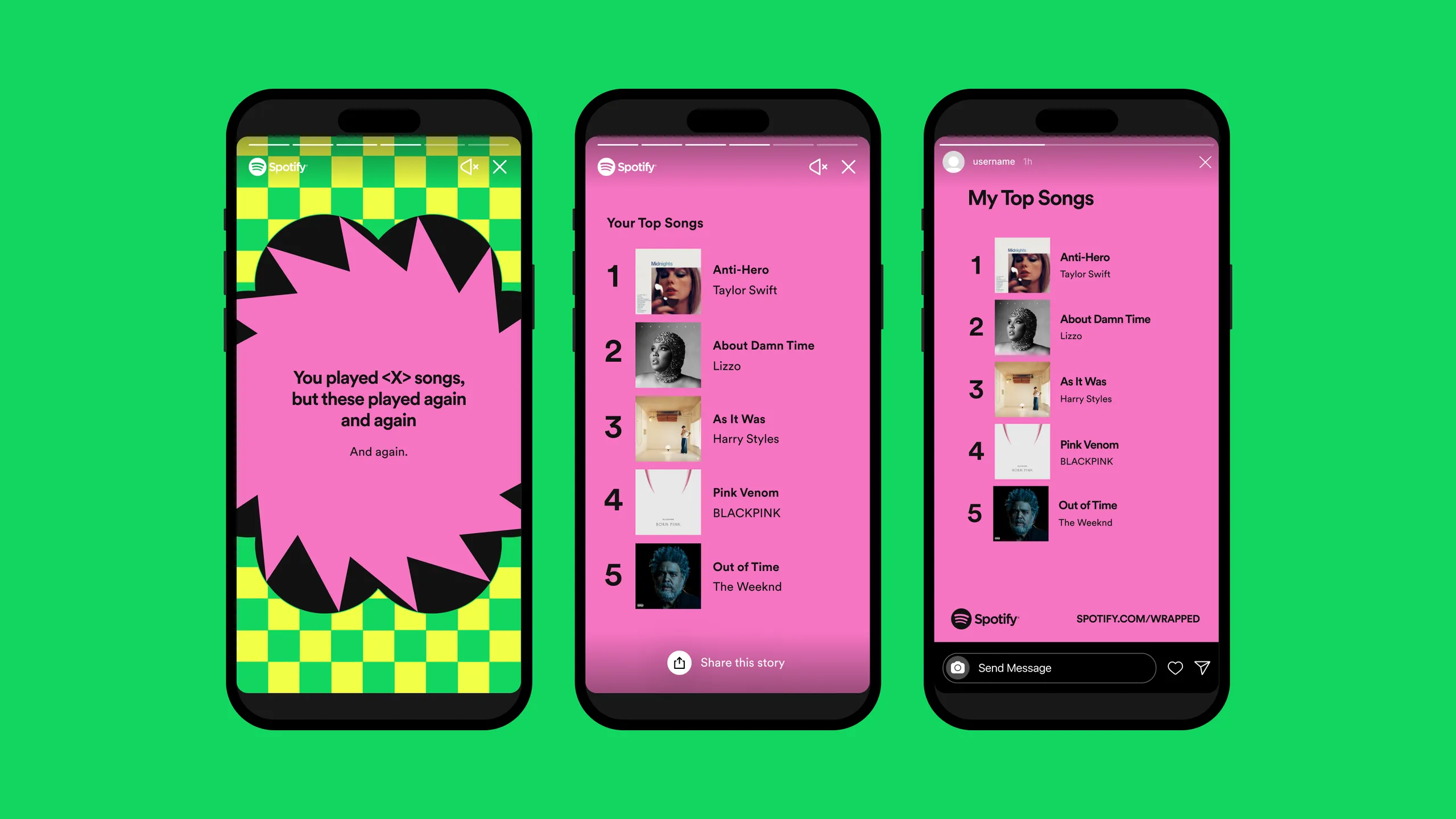
ex: Starbucks Rewards App and Spotify Wrapper — what info are they collecting? and how do they use it?
Why are children particularly vulnerable? — Heightened Vulnerability Children
children cannot recognize persuasive intent — they rely on TRUST, FAMILIARITY, and ENTRAINMENT CUES. Kids don’t evaluate ads, they experience them
embedded marketing
data-driven targeting
parasocial influencers
Sponsored Content = any “material connection”
relationship between a brand and a creator that could affect how they evaluate the credibility of the message/endorsement and purchase
ex: payment, free products, trips, discounts, perks, etc.
traditional ad, social media, influencer marketing, interviews, media appearances
Endorsements are an important tool for advertisers and they can be persuasive to consumers. But the law says they also have to be truthful and not misleading
Vulnerability
reduced capacity for informed choice
risk factors include: age, literacy, finances, health, cognitive ability
ex—audience segments: children, elderly, low-literacy audiences, non-english speaking audiences, financial instability, addiction recovery

Sponsored Content: Endorsement
a testimonial — the honest experience or opinion of the person speaking
ads that rely on paid testimonials
uses famous personalities or celebs who command a high degree of recognition, trust, respect, or awareness amongst the people
such people advertise for a product lending their names or images to promote a product or service
Legal Basis for Disclosure — The FTC requires the following
1.) Honesty: they must reflect the genuine findings or opinions of the endorser. If not typical, that must also be disclosed
2.) Usage: If a celebrity represents that they use a product, they actually must use it
3.) Substantiation: An advertiser cannot represent that they use an endorsement to make a claim that they could not legally make themselves; they must have scientific evidence to back up any performance claims mentioned in a testimonial
4.) Expertise: an “expert” endorser must have the actual qualifications they claim and must have performed an evaluation generally recognized in their field
How to disclose
Clear: simple language, no vague phrasing or jargon — “this is an ad”
Conspicuous: easy to notice (not hidden in hashtags, description boxes, tiny text)
Close to Claim: appear before or during endorsement
Understandable: match the audience’s ability to understand it (think vulnerable pop) — for adults #ad might work, for kids that likely won’t work

Endorsements dos and don’ts
DO THIS:
must be in post itself, spoken (video) and visible (text)
#ad, #sponsored, “paid post”, “advertisement”
NOT THIS:
#sp buried in hashtags
“partner” “collab” or “ambassador” w/ no context
only in caption or bio
only after the endorsement
vague language (“thanks to…”) on its own
for ex:
Selena Gomez is a face of the “Share a Coke and a Song” campaign
dog photo w/ paid partnership from tribe: Instagram paid-partnership example. It is clean, familiar to students, and perfect for asking whether the disclosure is actually noticeable enough
Emma Chamberlain: Chamberlain Coffee — blurs personal identity + brand, feels authentic not like an ad, “thats just her brand” — is it still advertising if the influencer is the brand?
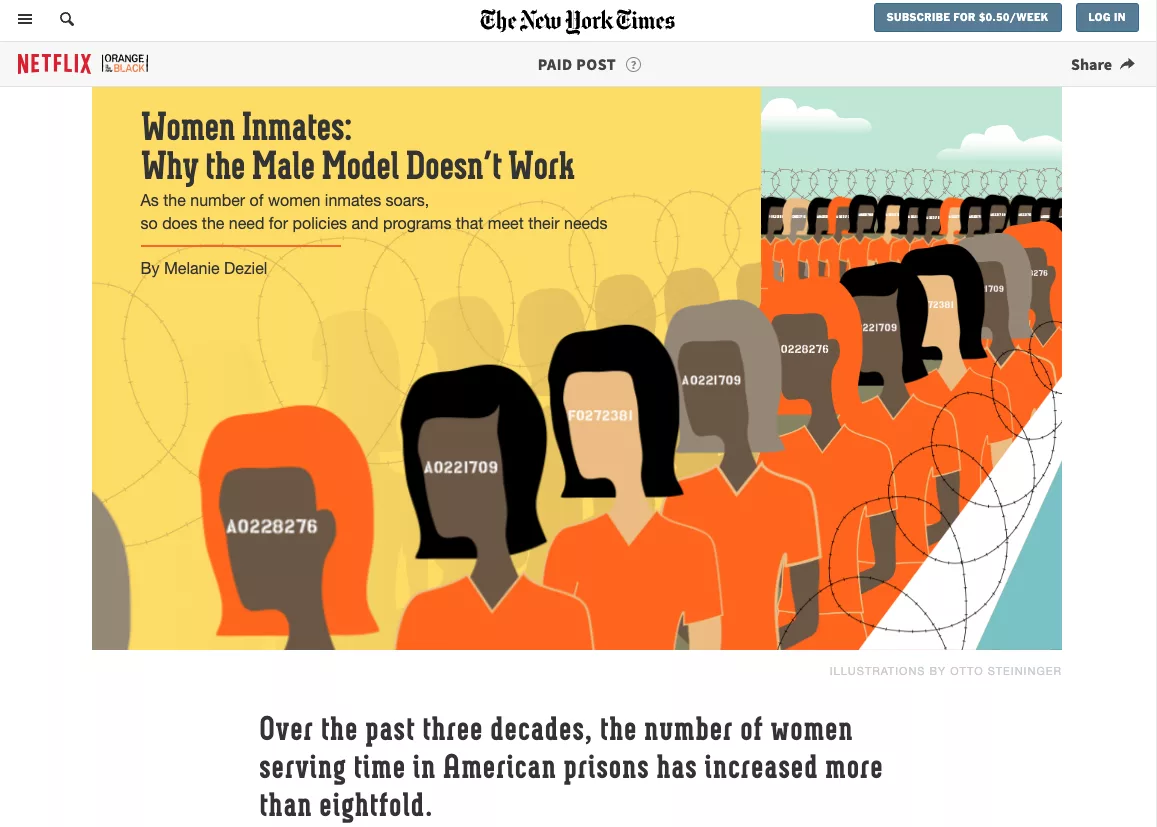
Native Advertising: NYT / T Brand Studio “Paid Post” — ideal for showing how branded content can closely resemble editorial content even when a “paid post” label appears
In-game promotion: Nike’s Nikeland on Roblox — targeting, it places the brand inside an immersive game environment built for play and identify expression. Nike’s own Nikeland page is specifically framed for kids
Tarte Dubai Trip: blurs personal identity + brand, is is still advertising if the influencer is the brand?

Sponsored Content: Advertorials
ads disguised as editorial stories
longform ads styled as news features
commonly seen in print
content is clearly branded
provide a clear promotion and CTA
ex: “here’s a product or company, here’s why it’s awesome, there are the reasons you should use it.”
the reader can decipher a sales pitch w/in the first couple sentences
disclosure is pretty obvious
people don’t often share w/ friends
Sponsored Content: Native Advertising
ads that match the look and feel of the media platform — mimics editorial or journalistic tone to appear organic
if well executed, they look nothing like an advertisement, good for reader engagement
53% of this engagement is positive, building the credibility of the brand
reader feels they are gaining valuable knowledge — helping reader vs. selling a product
CTA is subtle: most obvious sign is a subtle disclaimer, often next to a byline or above the headline that states, “sponsored by” or “promoted by” w/ name of advertiser. Necessary for transparency to readers and for meeting FTC regulations for advertising

Sponsored Content - Product Placement
showing products or brands in third-party commercials
brand appears w/in entertainment (film, TV, music videos, games, etc)
paying to have a brand embedded in a third-party entertainment media content
typically products are displayed as part of the scenery and are not explicit claim or discussion point
FTC does NOT require disclosure for the paid placement, only to take enforcement in instances where an explicit product claim is being made about the product featured

Sponsored Content - Product Integration
placement is elaborately woven into programming
the product becomes part of the story or aesthetic
it shows how creative writer can collaborate w/ sales/marketing teams to amplify their messages and work towards a common goal of making more money, but can be manipulative or deceptive
TV stations/movies pretend that these are just entertaining programs, but viewers don’t realize they are watching paid ads = “blurred media landscape” — advertiser are now controlling the plotlines and script
ex: ABC + Procter & Gamble entered a unique ad partnership where the characters in “black-ish” talk about a two min film P&G released to spotlight racial bias. The storyline involved character Dre Johnson (father of fam), who is an ad executive, developing an ad campaign that focuses of the P&G film
ABC’s Modern Family. “Game Changer” episode: verbalized product refrences occur twice as often as physical interactions, parasocial product promo affect on view attention. Phil and his iPad
2017, quickly stirred controversy as “identifying politics pandering” while also earning praise across social media
even though the dialogue they “purchased” doesn’t specifically highlight P&G products — it does take social responsibility on a spin, designed to amp up brand recognition, loyalty, to influence viewers purchase patterns for their well known products like: Crest, Olay, and Pampers (AKA: Meta-product placement)
works b/c people do NOT want to be advertised to, nobody wants to watch commercials, people want a story, and this delivers both
Sponsored Content - Solicited Reviews
Impact of Placement on Viewer Attitudes
Repetition of subtle placement = good
Repetition of blatant placement = bad