🫀 12 circulatory system
 Call Kai
 Learn
 Practice Test
 Spaced Repetition
 Match
 Flashcards
 Knowt Play
1/34

There's no tags or description
Looks like no tags are added yet.
35 Terms
open vs closed circulatory system? (12.1)
open system blood flows freely within body cavity
closed system blood is physically contained within vessels
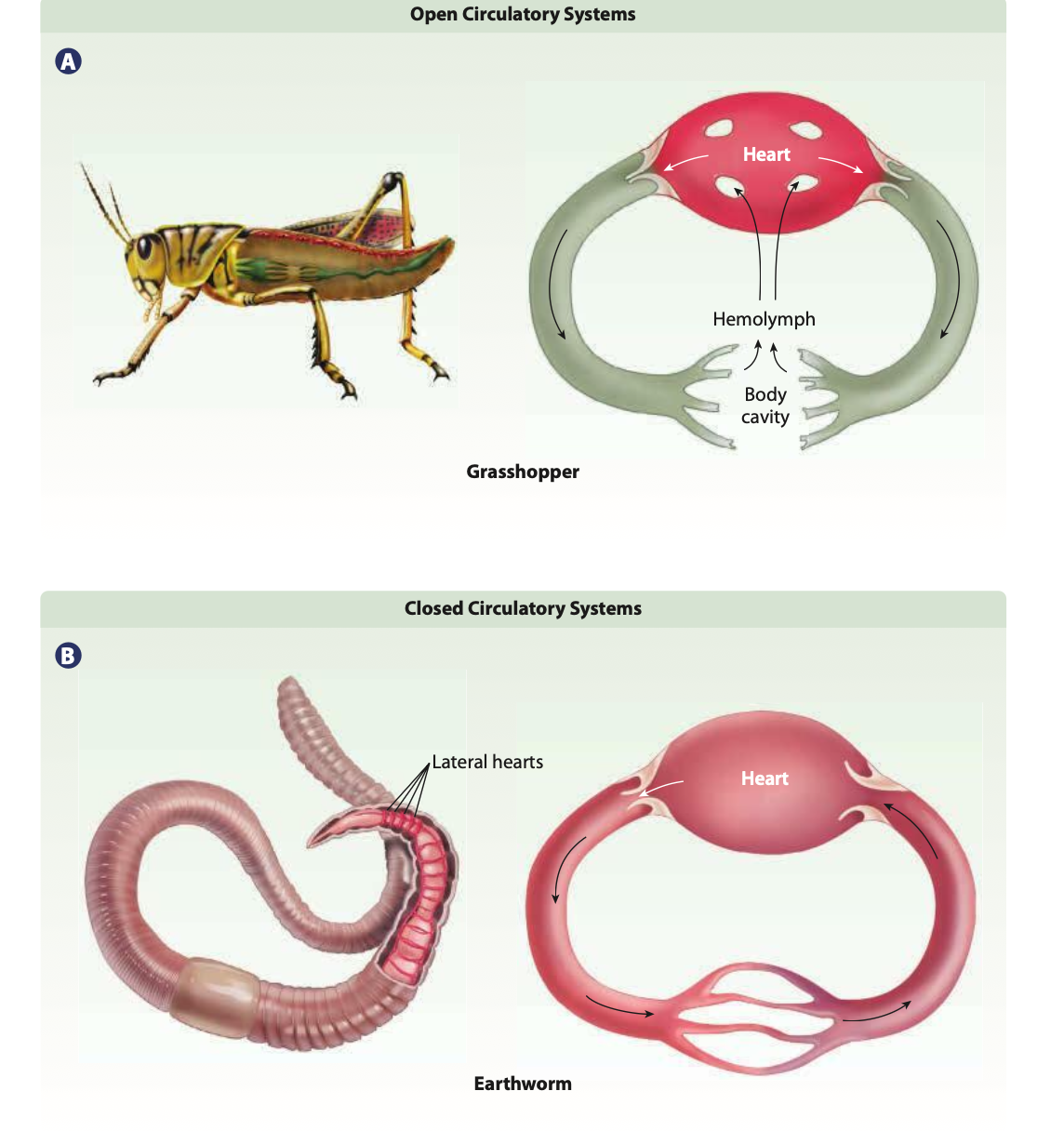
what are blood and fluids called in invertebrates? (12.1)
hemolymph
three components of circulatory system? (12.1)
heart, blood vessels and blood
why are pulmonary arteries an exception to other arteries? (12.1)
they carry deoxygenated blood (from right ventricle to lungs) , compared to arteries regularly carrying oxygenated blood

where do veins bring deoxygenated blood towards? (12.1)
towards the heart

what type of blood do arteries carry, and to where? (12.1)
oxygenated blood away from the heart to tissues

how does blood get back to the heart? (12.1)
through valves (one-way)
what happens when veins don’t work properly? (12.1)
they become varicose, and blood pooling occurs → veins become larger and begin to bulge
caused by prolonged standing with restricted movement

two main proteins in plasma? (12.1)
fibrinogen (helps with blood clotting)
globulins (antibodies/immune)
scientific name of red blood cells + their function?
erythrocytes
specialized for transport oxygen
no nucleus
each has lots of hemoglobin

scientific name of white blood cells + function? (12.1)
leukocytes
responds to infection, part of immune system
has nuclei and appears colourless
some undergo phagocytosis —> engulf and destroy pathogens
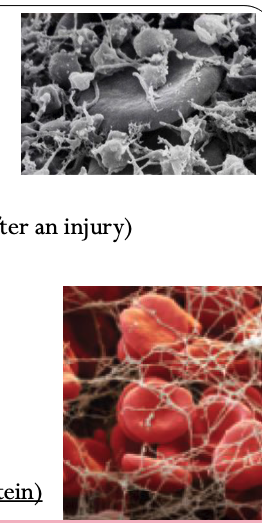
scientific name of platelets + function? (12.1)
thrombocytes (clotting blood to prevent blood loss after an injury)
no nuclei
what is the path that blood follows with pulmonary circulation? (12.1)
heart —> lungs —> heart

what is cardiac circulation? (12.1)
movement of blood through heart tissues

what path does blood follow with systemic circulation? (12.1)
heart —> body —> heart

how does blood flow through the heart? (12.1)
deoxygenated blood (from the body) enters through the superior and inferior vena cava into the right atrium, through the tricuspid valve into the ventricle
it then leaves through the pulmonary valve and pulmonary arteries to enter the lungs
oxygenated blood enters through the pulmonary veins into the left atrium, through the mitral valve into the ventricle
it leaves through the aortic valve and aorta to the rest of the body

difference between superior and inferior vena cava? (12.1)
superior vena cava collects deoxygenated blood from tissues in head, chest and arms
inferior vena cava does the same but from other parts of the body
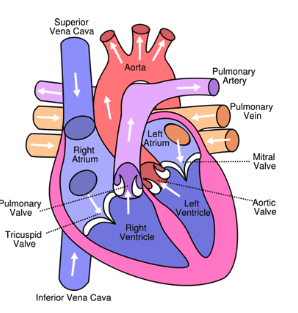
why are pulmonary veins an exception to other veins? (12.1)
they carry oxygenated blood (from lungs to heart), compared to veins regularly carrying deoxygenated blood

what are the names of the two atrioventricular valves + why are they called those names? (12.1)
the one on the right is called tricuspid valve as it has three flaps
the one on the left is called bicuspid (mitral) valve as it has two flaps

what are the other two valves aside from the atrioventricular ones called? (12.1)
semilunar valve (their half-moon shape)
pulmonary and aortic valve

where do red, white blood cells and platelets originate from? (12.1)
red = red bone marrow
white = red bone marrow
platelets = red bone marrow, lungs
relative size of red, white blood cells and platelets? (12.1)
red = small
white = large/largest
platelets = smallest
lifespan of red blood cells? (12.1)
120 days
lifespan of white blood cells? (12.1)
few hours-days
lifespan of platelets? (12.1)
2-8 days
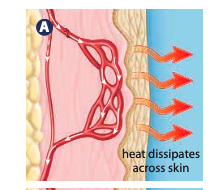
what is the widening of blood vessels called, and when does it occur? (12.1)
vasodilation
occurs as a result of vigorous activity or high external temperature
helps to release heat
what is the narrowing of blood vessels called? (12.1)
vasoconstriction
helps to conserve heat

two factors that can stimulate vasodilation or vasoconstriction? (12.1)
blood pressure (vasodilation will reduce if its too high, vasoconstriction will increase if its too low) and exercise (vasodilation to increase blood flow)
what is the “pacemaker” in the heart? (12.2)
sinoatrial (SA) node

how to determine cardiac output? (12.2)
cardiac output = heart rate x stroke volume
arrange as needed
what are some factors that can contribute to high blood pressure? (12.2)
genetics
physical activity
stress
diet
body temperature
medication
how is blood pressure measured? (12.2)
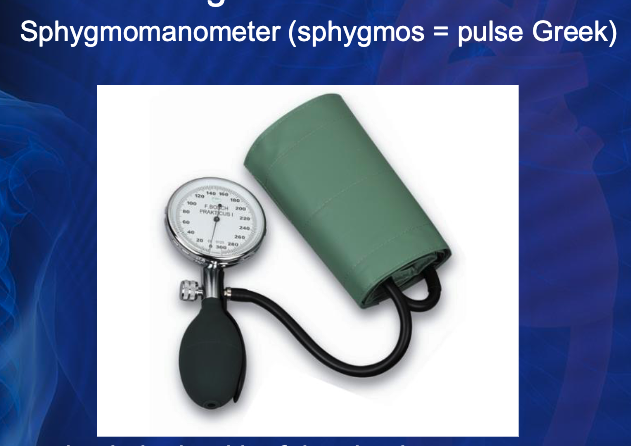
an arm artery is selected to be measured with a sphygmomanometer (blood pressure cuff)
describe the meaning of the two numbers that represent blood pressure? (12.2)
120/80
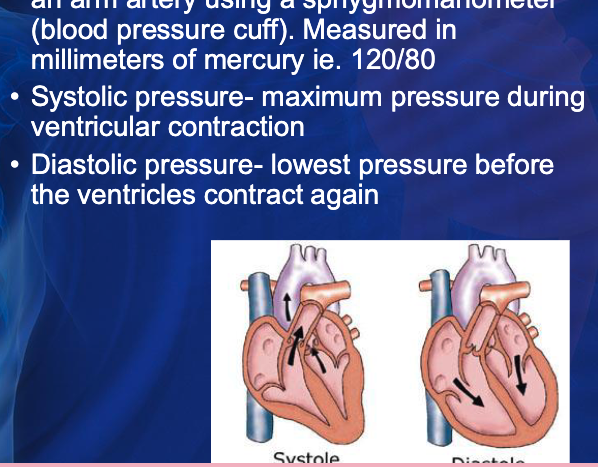
systolic maximum pressure during ventricular contraction
diastolic lowest pressure before ventricles contract again
blood pressure stages (reference)

what is an electrocardiogram (ECG) + its purpose? (12.2)
a test that measures slight voltage changes that occur as the heart contracts and relaxes
important for detecting changes in the heart that may be harmful
