Pharm Sci Exam 1 (Lamango)
 Call Kai
 Learn
Learn Practice Test
 Spaced Repetition
 Match
Match Flashcards
 Knowt Play
1/56

There's no tags or description
Looks like no tags are added yet.
Name | Mastery | Learn | Test | Matching | Spaced | Call with Kai | Chat |
|---|
No analytics yet
Send a link to your students to track their progress
57 Terms
Alkyl Halide

Epoxide

Alkene

Polyene

Alkyne

Phenol

Sulfonamides

Sulfone

Amide

Amine
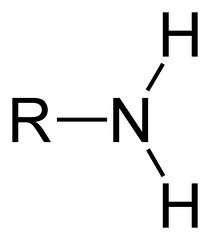
Phenyl

Benzyl

Aryl Halide

Carboxylic Acid

Thiol

Methoxy

Ethoxy

Ether

Ester

Thioether

Aromatic Amine

N-hydroxylamine

Aldehyde

Ketone
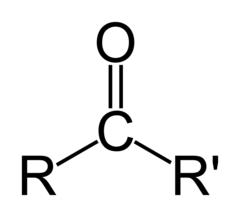
Catechol

Resorcinol

Hydroquinone

Is there a nitrogen present?
No, not basic
Yes, Is the nitrogen a quaternary atom?
Is the nitrogen a quaternary atom?
Yes, not basic
No, is the nitrogen directly connected to a EWG?
Is the nitrogen directly connected to a EWG?
Yes, not basic
No, basic
Isomers
Compounds with the same formula but different structures.
Positional Isomers
constitutional isomers with the same carbon-carbon chain arrangement but different hydrogen atom arrangements as the result of differing location of the functional group/atom/group of atoms.
Tautomes
migration of hydrogen atom and a shift in position of double bond
Conformational Isomers
differ by rotation around a single bond
Staggered Conformation

Eclipsed Conformation

Gauche Conformation

Partially Eclipsed Conformation

Configurational Isomer
can only be interchanged by breaking and reforming bonds
Cis
same side
Trans
opposite side
Z isomer
high priority groups on same side of double bond
E isomer
high priority groups on opposite sides of double bond
R-configuration
clockwise
S-configuration
counterclockwise
Acids
proton donors
Bases
proton acceptors
Amphoteric
a substance that can act as both an acid and a base
pKa
STRONG ACID
NO BASIC PROPERTIES
pKa 4-6
WEAK ACID
VERY WEAK BASE
pKa 8-10
VERY WEAK ACID
WEAK BASE
pKa >12
NO ACID PROPERTIES
STRONG BASE
pH=pKa
percent ionization = 50% (half ionized and half unionized)
higher P (>1)
more organic soluble
lower P (
more water soluble
increase pH of base
less ionization
decrease pH of base
more ionization