Roman archeology
 Call Kai
 Learn
Learn Practice Test
 Spaced Repetition
 Match
Match Flashcards
 Knowt Play
1/67

There's no tags or description
Looks like no tags are added yet.
Name | Mastery | Learn | Test | Matching | Spaced | Call with Kai | Chat |
|---|
No analytics yet
Send a link to your students to track their progress
68 Terms

ID
-Hut Urn (8th c. BCE, Italy)
Definition: A hut made of clay with cremated ashes of people
Relevance: Represents the architecture of the houses on the Palentine hill, including one where Romulus was raised

ID
Temple of Jupiter Optimus Maximus (And Juno and Minerva) (late 6th c. BCE, Rome, Italy)
Definition: A capitolium worshipping Jupiter, Juno and Minerva.
Relevance: one of the main religious sites in all of Rome history.
forum
Definition: public space that had multipurpousful function
Relevance: Includes the social, political and religious center of the Roman city.

ID
Temple of Minerva (6th c. BCE, Veii, Italy)
Definition: Temple dedicated for Minerva that is built by the Etruscans. Emphasis on porch and entrance and the temple is high off the ground. Made of wood and terecada roofs.
Cella - room with religious statues
Pronaos - Front entrance
Relevance: Represents greek style architecture and connects architecture into religion.

ID
Apollo of Veii (6th c. BCE)
Definition: apollo statue from the Temple of Minerva. Archaic smile and he is a dynamic figure
Relevance: depicts the Etruscans interest in movement, energy, and life and can build sophisticated sculptures.

ID
Tomb of Hunting and Fishing (late 6th c. BCE, Tarquinia, Italy)
Definition: Etruscan painting inside a tomb chamber
Relevance: Depicts Etruscans interests in landscapes, nature, hunting, and human activity
Additionally, they depict etruscans ideas that are difficult to perserve and understand
ID
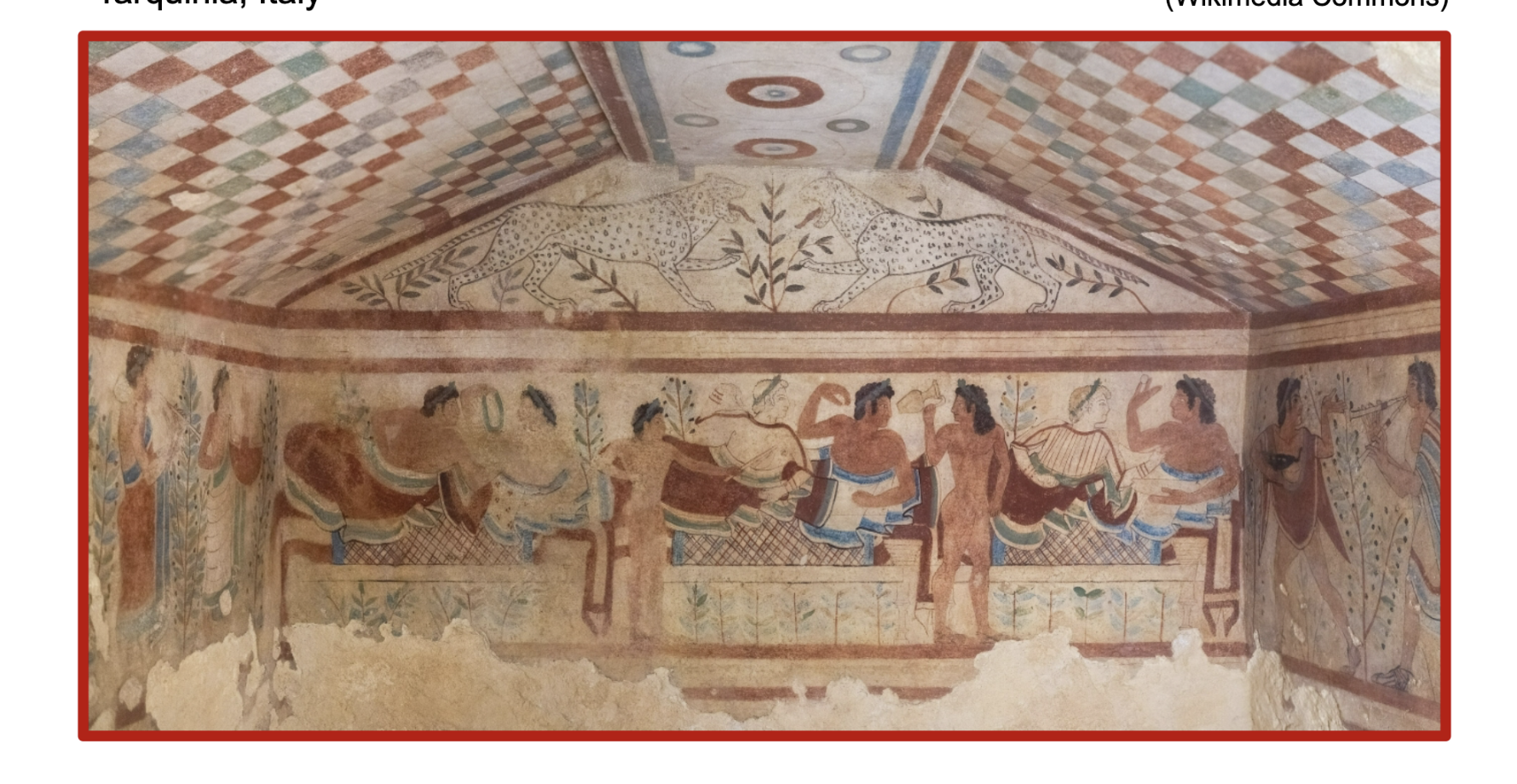
Tomb of the Leopards (5th c. BCE, Tarquinia, Italy)
Definition: Natural world (Leopards) combinedw with a symposium where humans are drinking and partying into one life-scale painting.
Relevance: Reveals some greek influence from the symposiums and the elite social life.

ID
Sarcophagus of the Spouses (late 6th c. BCE, Cerveteri, Italy)
Definition: A Terracotta inside a tomb of a married couple reclining.
Relevance: ??
ID
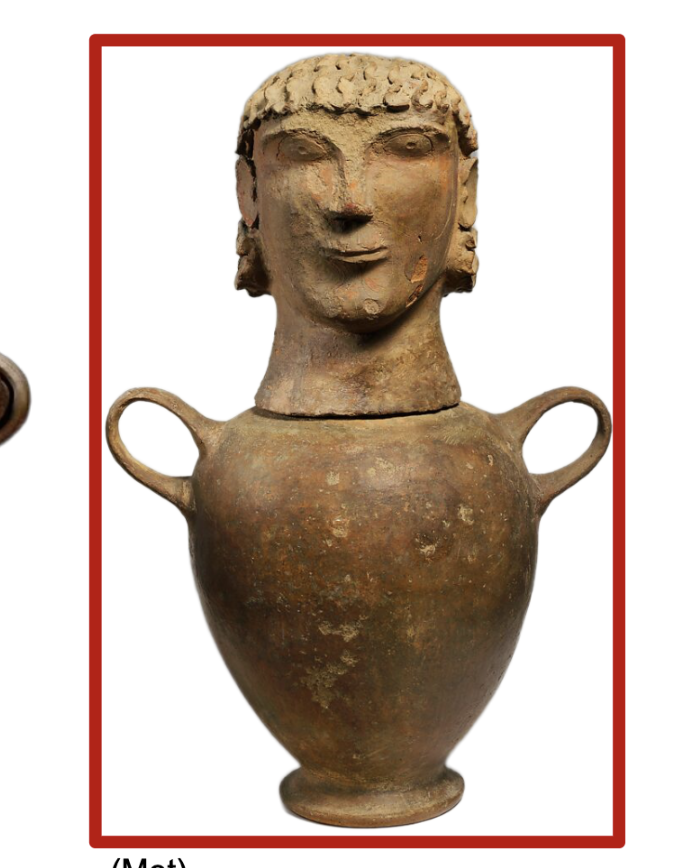
Terracotta Urns (6th c. BCE, Chiusi, Italy) and Terracotta Heads (1st C. BCE, Manganello Italy)
Definition: Urns with a terracotta head that held ashes of people. These did not show what the individual look like but they do represent that there was a person
Relevance: Reveals Etruscan experimentation with architecture with human elements.
Etruscan
ID
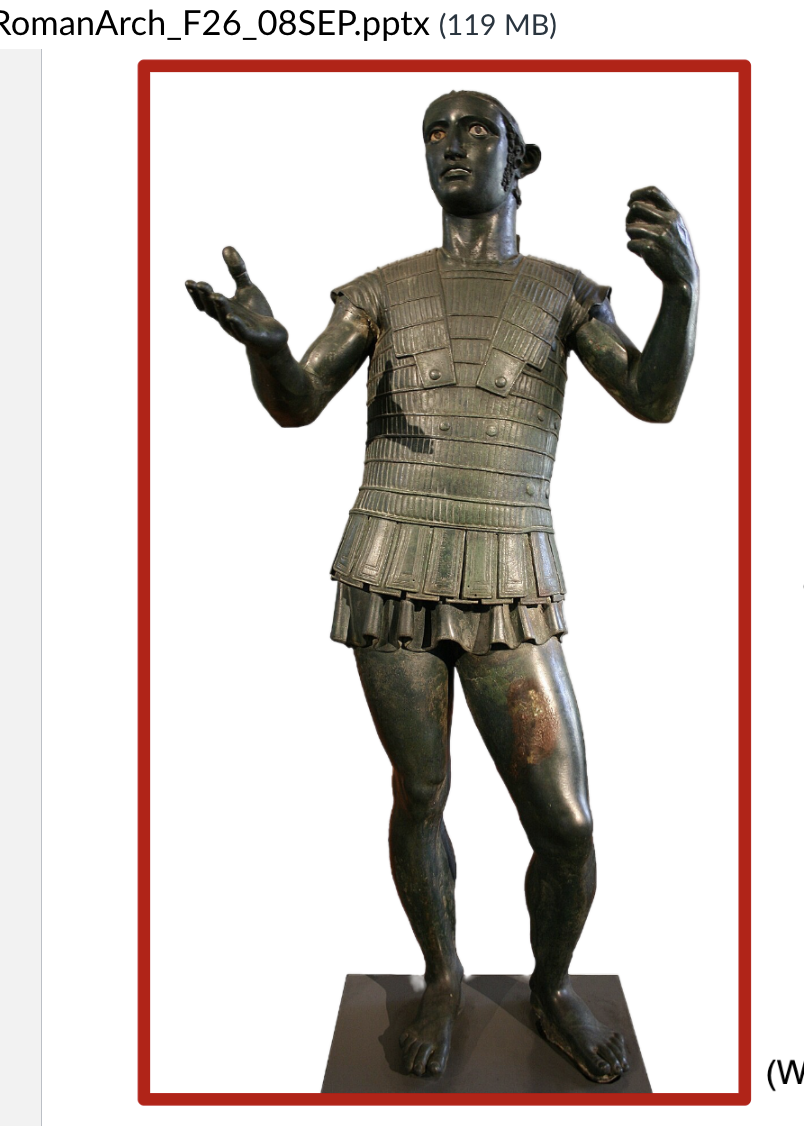
Mars of Todi (Early 4th c. BCE, Todi Italy)
Definition: A sculpture of a warrior made of bronze
Relevance: Reveals Etruscans ability to make large and concrete metalic sculptures
Demonstrates wealth as well.

ID
Capitoline she-wolf (5th c. BCE, Rome, Italy)
Definition: Bronze statue of the she-wolf that raised Romulus and Remus.
Relevance: It forms one of Romes biggest myths and stories of origin into a sculpture that is legendary and very famous in Rome.
ID
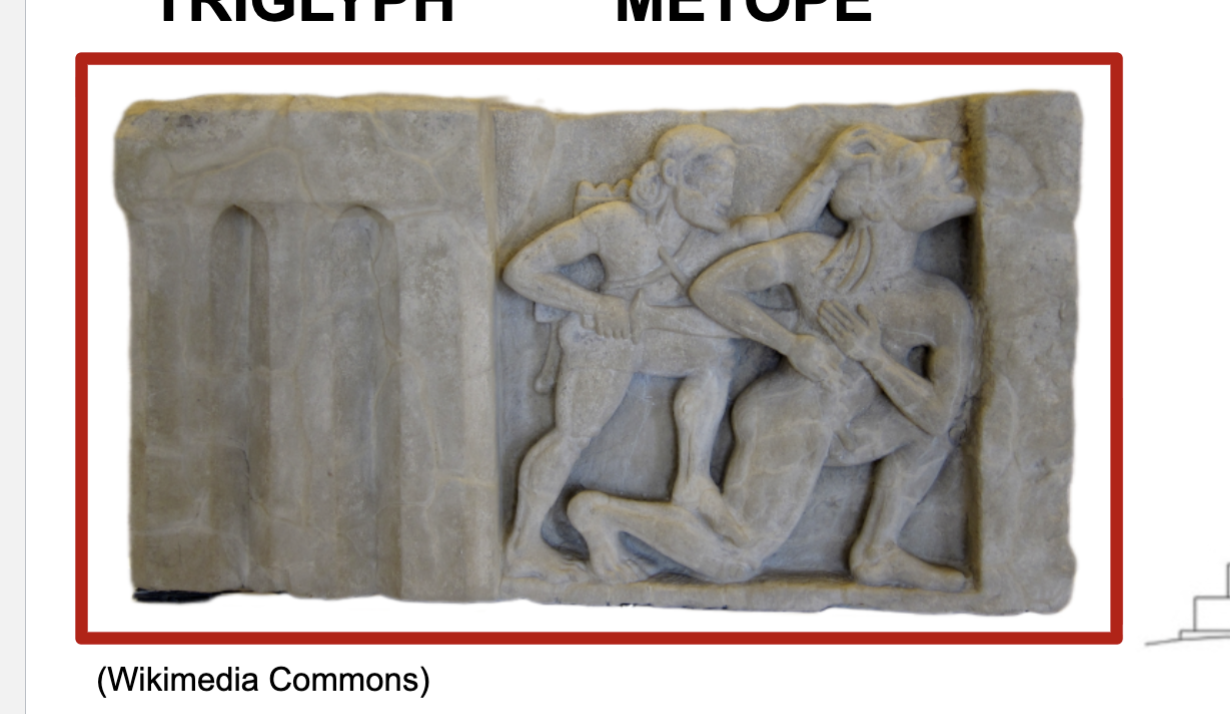
Temple of Hera I metope and Triglyphs (6th c. BCE Foce del sele, Italy)
Definition: architectural sculpture from greek temple “Temple of Hera I”. The metope is the area on the frieze where the sculptures are made and the triglyphs is the area between the paintings.
Relevance: These Greek architectural forms were later borrowed by the Romans. Helps visualize Greek architecture with vocabulary??

ID
Tomb of the Diver (5th c. BCE, Paestum, Italy)
Definition: Men drinking together on walls, and a man diving. Has elements of an Etruscan painting.
Relevance: Shows connections of the Greeks to non-greek cultures, also one of the few paintings from Greek civilization.

ID
Temple of Hera II (5th c. BCE, Paestum, Italy)
Definition: Greek peripteral temple
Relevance: shows the contrast of greek temples from Etruscan temples. A source of influence for the Romans later

ID
Riace Warriors (5th c. BCE Riace, Italy)
Definition: Bronze warrior statues of idealized human bodies by the Greeks.
Relevance: Depict the Greek’s abilities to create precise bronze statues. Reveals Greeks idealized male body. A style of sculpturing that the Romans are later influenced by.

ID
Terme Boxer (1st c. BCE, Rome, Italy)
Definition: Highly expressive bronze statue of a boxer seated.
Relevance: Exhausted facial expression, bruised body, and emotion contrasts the calm idealized Greek body of the boxer. Evidence of Roman artists adopting greek techniques but adding contradicting elements. They are emphasizing human experience.

ID
Terme prince (1st c. BCE, Rome, Italy)

ID
Tuscan Order (Temple of minerva)

Ionic Order

ID
Doric Order (Temple of Hera II)
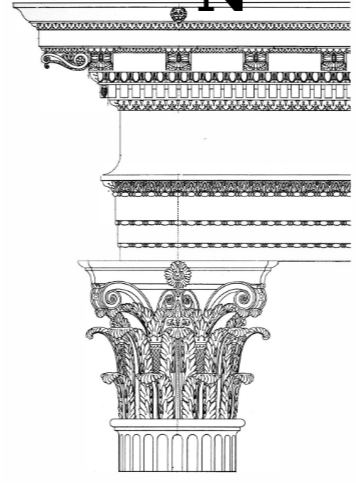
ID
Corinthian Order
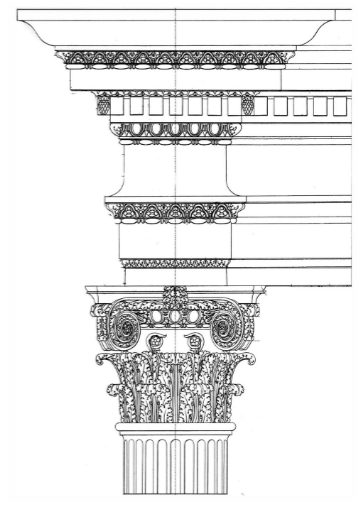
ID
Composite
Servian Wall
(4st c. BCE, Rome, Italy)
Definition: A wall built around Rome.
Materials: Tufa
Relevance: Rome’s first defense systems

ID
Temple of Portunus (1st c. BCE renovated, Rome (forum boarium) Italy
Materials: tufa, travertine.
Definition: Roman temple that combines structure of Etruscan and Greek temples. Emphasis on the front like the Etruscans but columns around (find turn for these pseudo columns) from the Greeks
Relevance: Shows that Romans combined elements from other cultures for their own architecture.
ID
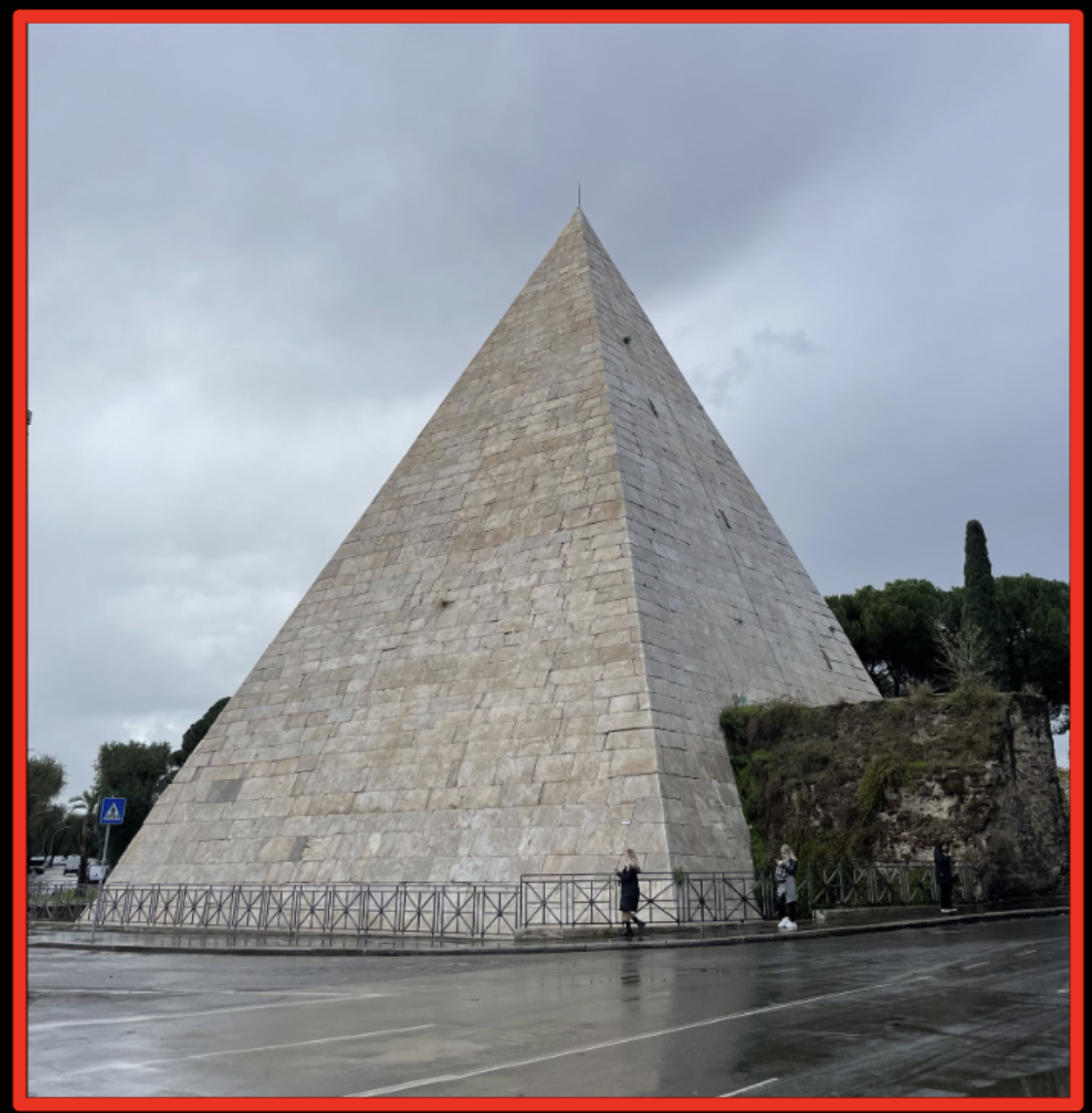
Pyramid of Cestius (1st C. BCE, Rome, Italy)
Meterials: marble, brickfaced
Definition: Funerary tomb in the shape of a pyramid.
Relevance: Shows the Egyptomania that flooded the empire after Rome defeated Egypt. Overall depicts Romans interest in Egyptian culture.
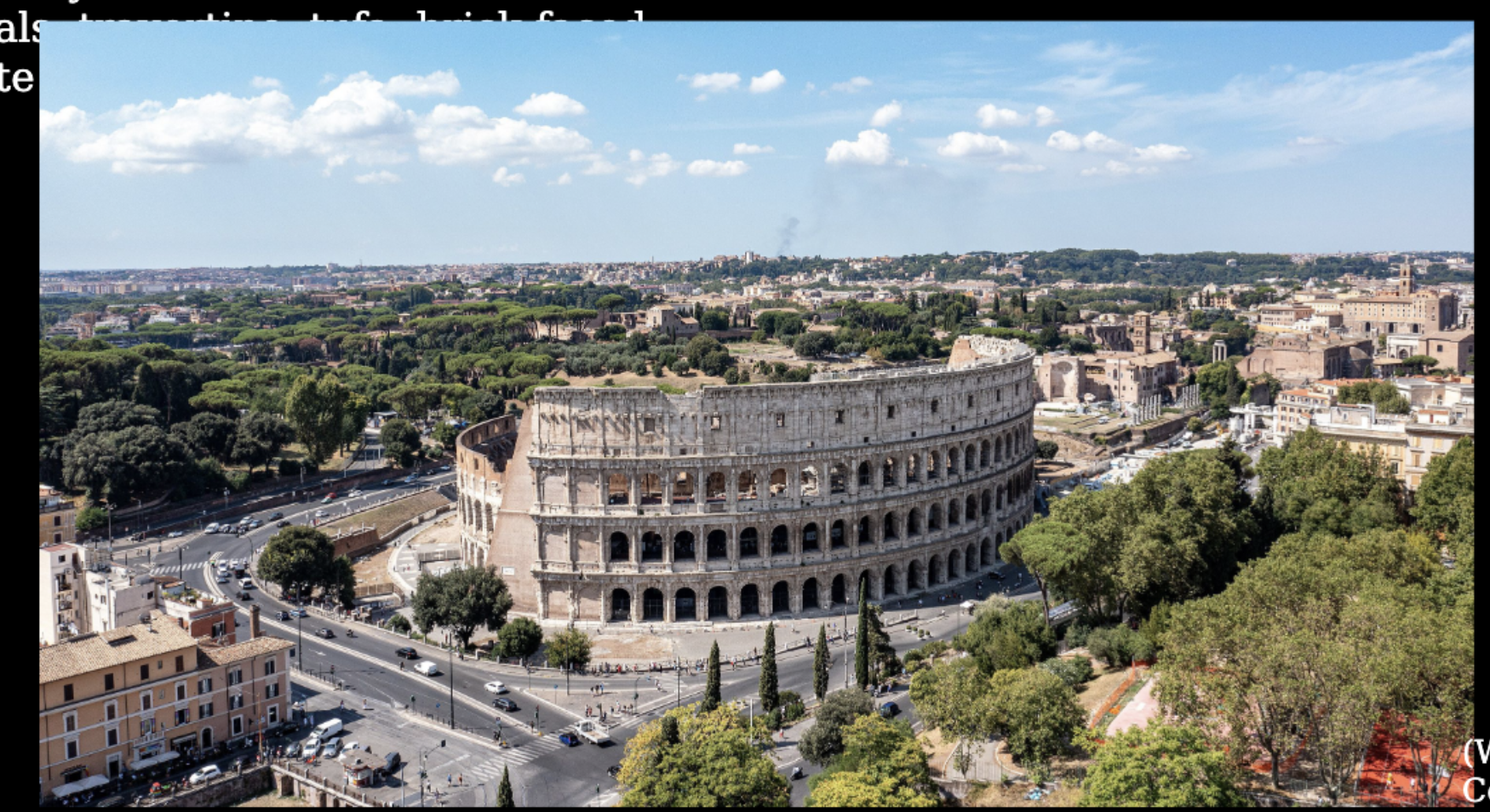
Flavian Amphitheater
(1st c. CE Rome, Italy, Built under Vespasian, Titus, and Dometian)
Travertine, Tufa, Brick faced concrete
Definition: Amphitheater where Roman civilization came to watch games and entertainment
Relevance: Romes biggest center for entertainment. Shows off the advanced and precise engineering Romans had developed.

Pantheon
(2nd c. CE renovated, Rome Italy, in Campus martius, Emperor Hadrian)
Definition: A large temple dedicated to all the gods of Rome. Has a large dome interior.
Relevance: Depicts Rome’s extremely strong engineering techniques and one of the best preserved Roman temples.

ID
Crane relief from the Temple of the Haterii (2nd c. CE, Rome, Italy)
Definition: Monumental family tomb for Haterious, his wife, and their descendants. This image shows the construction of the tomb of haterii itself.
Relevance: reveals building technology used by the Romans and it advertises their self-made social success as former slaves.

ID
Tomb of the Haterii (2nd c. Rome, Italy)
Definition: Relief of the Roman buildings that the Haterii construction business likely helped built.
Relevance:
Aurelian Wall
3rd c. CE wall built around Rome.
Pomerium
Definition: Legal and religious boundary in Rome that does not allow for activities associated with the military and burials.
Forma Urbis
Definition: Very large marble map of Rome from the early 3rd c. CE. Documents the the city’s structure and shows off how large and imperially powerful Rome is becoming.
Forum Boarium
Definition: A roman forum that was constructed near the coast of the Tiber River. Held primary cattle and meat market in Rome. Where Temple of Portunus was situated.
Forum Romanum
Definition: Was the center of the citys religious, political, economic and social activities.
Basilica
Definition: A basilica was large, roofed building used as a marketplace, courthouse, and assembly space.
Curia
Definition: The curia was a meeting place of the Roman Senate or other similar political assemblies/group
Forum of Augustus
Definition: In rome Italy, featuring Temple of Mars Ultor, statue of Augustus and statues of other Romes legendary founders and key people.

ID
Forum of Pompeii

ID
Temple of Jupiter (Capitolium) (2nd c. BCE, pompeii)

ID
Macellum (2nd c. BCE, pompeii, Italy)
Definition: Market where fish and meat were sold in the forum of Pompeii

Building of Eumachia (1st c. CE)
Definition: a large commercial hub for wool and cloth that is also associated with Eumachia, a priestess wealthy woman.
relevance: shows how a building can be used to show off and advertise wealth.

ID
Curia in Pompeii (municipial offices) (2nd c. BCE)

ID
Basilica (2nd c. BCE)
Port at Puteoli
(2nd c. BCE, Pozzuoli
Definition: First port of Rome. Made because of development in concrete (concrete core and stone), and it was very strong underwater. Walls that extend into the harbor in the forms of arches

ID
Wall painting with representation of Port at Puteoli (1st c. CE, Stabiae, Italy)
Definition: A painting of the Port of Puteoli that depicts the extending arches of the port and the atmosphere and layout of the area near the port. Includes potentially taverns, places for unloading goods, temples, and ships.
Relevance: Gives a historical blueprint to what the port was like.

ID
Souvenir Glass Flask with representation of Puteoli (3-4th c. CE, North Africa)
Definition: a souvenir glass with the city of puteoli engrained onto it, showing off the city to owners of the souvinir.
Relevance: reveals how roman cities may have been draw onto souvenirs and distributed through commerce.
ID
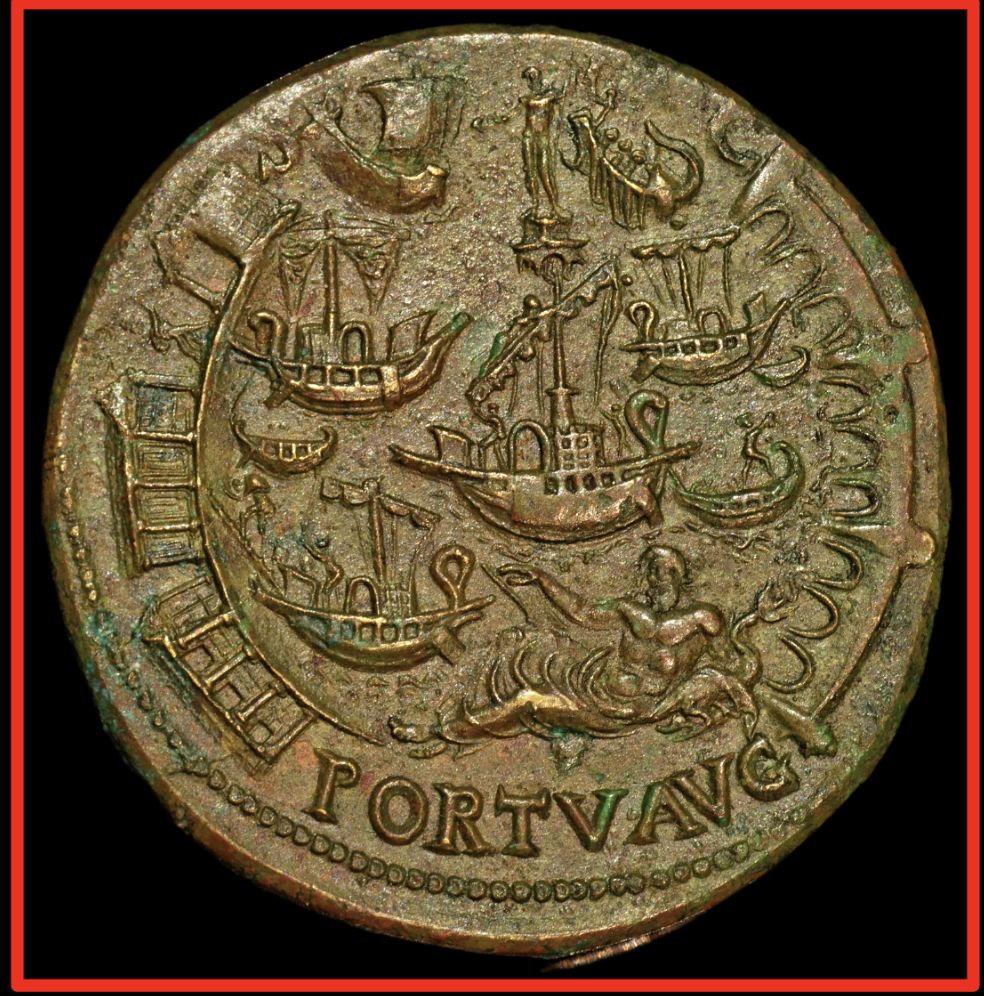
Coin of Nero Representing Outer Harbor at Portus (1st c. CE, unknown)
Definition: Nero’s coin with the Port at Portus engrained
Relevance: reveals how Nero was trying to advertise imperial power and investment in infrastructure by depicting the Port at Portus on the coin
Port at Portus
(1st-2nd c. CE, Ostia Italy)
Definition: A port that becomes the central Port of Rome that replaces the port at puteoli.
Relevance: Central port of Rome.
Mosaic Representing the Lighthouse at Portus
(2nd c. CE, Ostia, italy)
???

The Four Styles
Classification system devised for paintings primarily from the wall paintings of Pompeii. The styles developed in chronological order

ID
House of the Samnites (entrance) (2nd c. BCE, Herculaneum, Italy)
Definition: Wall painting that is a representation of the First Style.
Relevance: One of the finest surviving examples of the First wall painting style in Herculaneum, surviving the eruption.
House of Sallust (atrium)
(2nd c. BCE, pompeii, Italy)
Definition: Example of a wall painting of the first style
Relevance: One of the finest surviving examples of the First wall painting style in Pompeii, surviving the eruption.

ID
Villa at Boscotrecase (entrance) (1st c. BCE, Boscotrecase, Italy)
Wall Painting that is an example of the Third style.

ID
House of the Vetti (1st c. CE, Pompeii, Italy) (Room P, Triclinium)
Definition: Wall painting of the Fourth Style depicting the punishment of Ixion. Used as a dining hall painting where the owners would flex their paintings to show off their knowledge, education, wealth, and this upwards social mobility by either telling the story of the painting or just showing it off. Owned by the Vetti brothers.
Relevance: Very large fourth style wall painting that →?

ID
The Garden Room Fresco from the Villa of Livia (1st c. BCE, Prima Porta (Near Rome), Italy)
Definition: Decorated a serious of frescos that make a garden. Second Style wall painting that makes a statement about the eternal state of abundance, as there is all year round fresh blooming fruit. Also a symbol of the Peace Augustus brought.
Relevance: serves as a powerful piece for religious propoganda by hinting at the paxromana and abundance coming from Augustus.

ID
Unswept Floor Mosaic (2nd C. CE, Rome, Italy)
Definition: A mosaic of the floor which depicts the left-over food from what the guests from the parties. Thus sends a message about wealth, abundance, and status of the owners.
Relevance

ID
Odyssey Landscapes (1st c. BCE, Rome, Italy)
Definition: Paintings depicting scenes from the Odyssey, this opne being oddyseus going to the underworld. Serves as an oppurtuinuity for the owner to show off their wealth, knowledge and education by telling one of the most famous stories of the medditeranian and by having paitnings of this story in their space.
Relevance:

ID
The Alexander Mosaic (House of the Faun, 1st c. BCE, Pompeii, Italy)
Definition: Battle between Alexander the great and Darius (king of Persia). Him and his army are turning backwards with fear and regret away from Alexander. Owners use this mosaic to flex their knowledge and wealth by telling this story and showing off that they have a massive mosaic of such a legendary Roman story.

ID
Mosaic of she-wolf with romulus and remus (4th c. CE, Aldborough, England)
Definition: Mosaic of the She-wold and Romulus and Remus
Relevance: Shows how people not even living in Rome wanted to show that they had connection, knowledge of Rome and wanted to prove their legitimacy with Rome.
The Cupid Frieze
Located in the House of the Vettii (1st c. CE, Pompeii, Italy)
Definition: Fourth Style painting with cupids on the bottom selling/making perfumed oil, flower garlands, and selling wine. Perhaps depicts how the owners made money.
Relevance: Shows off how wealth and status could be expressed through art and after the social mobility of the two freedman. ???? Also important because its an image that opens up a lot of interpretation for the historians and archeologists.
Villa of Tiberius
(1st c. CE, Sperlonga Italy)
Definition: Tiberious’ luxurious home not in Rome. Had a Grotto room for dining, and a wall built into the sea to control the tides.
Relevance: Home of one of the emperors of Rome.

Grotto and Dining Room
(1st c. CE, Sperlonga, Italy
Definition: Sea cavern transformed by Tiberius into a dining hall for his house. Has scenes of the Trojan war inside.
Relevance: Legend he almost dies in the cave, and it’s one of the staple elements of his home.
Golden House
(1st c. CE, Rome, Italy)
Definition: Nero’s house which was almost like a large apartment complex with many 4th style paintings.
Relevance: ?
The octagonal hall
(1st c. CE, Rome, Italy)
Definition: Structure inside the Golden House made of concrete covered in marble slabs that was a precursor to the Pantheon. Entertainment space.
Relevance: It was an important precursor to building the Pantheon
Villa of Hadrian
(2nd c. CE, Tivoli, Italy)
Definition: The Villa of Hadrian almost like a Town/city. Very multifunctional space.
Relevance: Best monument for an imperial landscape with potential for multifunctional activities and shows off the power and wealth of the empire.
ID
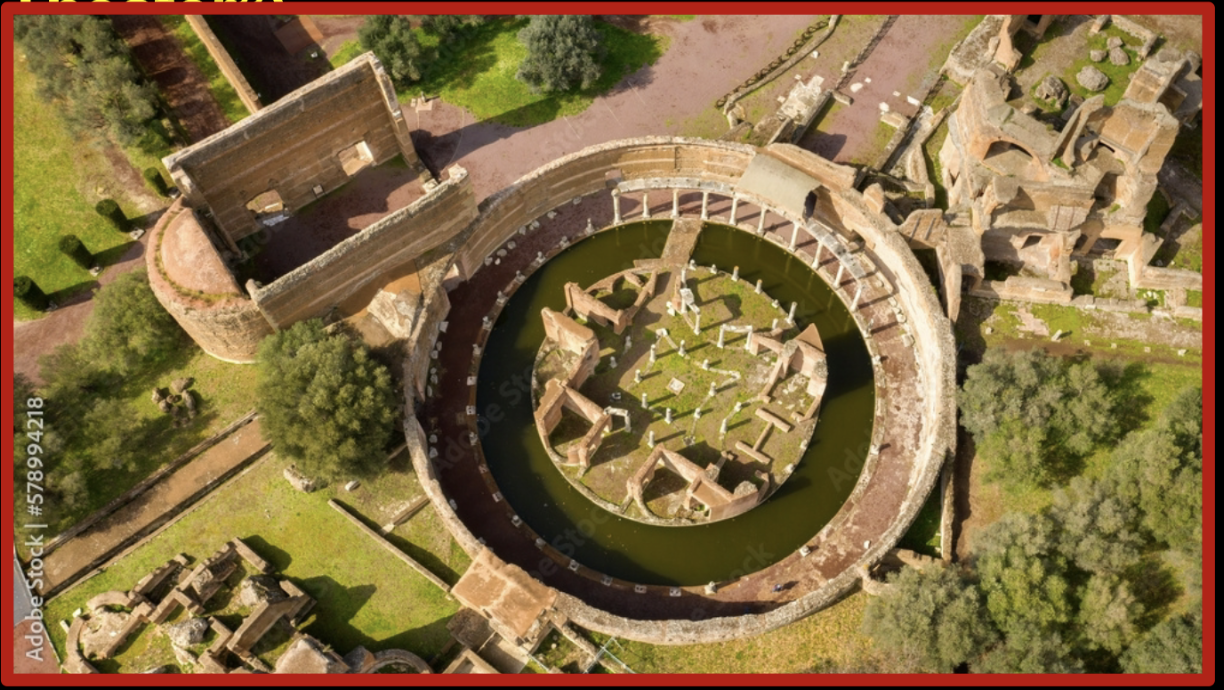
Martime Theatre (2nd c. CE, Tivola, Italy)
Definition: Circular island suite, most likley where his wife lived or slept/
Relevance: Reveals more Roman experimentation with concrete.
Canapus and Serapeum
canopus is a canal of the nile river- there were a bunch of nice marble statues of crocodiles and also had a personification of the tiber river. Also had a bunch of greek sculptures in it and caryatids
Serapeum is religious site for the egyptian god serapis. acted as an egyptian themed dining hall for hadrian
Antinoeion
Religious site dedicated for antinuous, who was a close friend of Hadrian and when he died he was made into a god by hadrian. This temple shows how important he was to hadrian.