Week 7 lab objectives
 Call Kai
 Learn
Learn Practice Test
 Spaced Repetition
 Match
Match Flashcards
 Knowt Play
1/106

Earn XP
Description and Tags
Lymphatic System & Respiratory System
Name | Mastery | Learn | Test | Matching | Spaced | Call with Kai | Chat |
|---|
No analytics yet
Send a link to your students to track their progress
107 Terms
Thoracic duct

Right lumbar trunk
Left lumbar trunk
Intestinal trunk
Left jugular trunk

Left subclavian trunk

Cisterna chyli
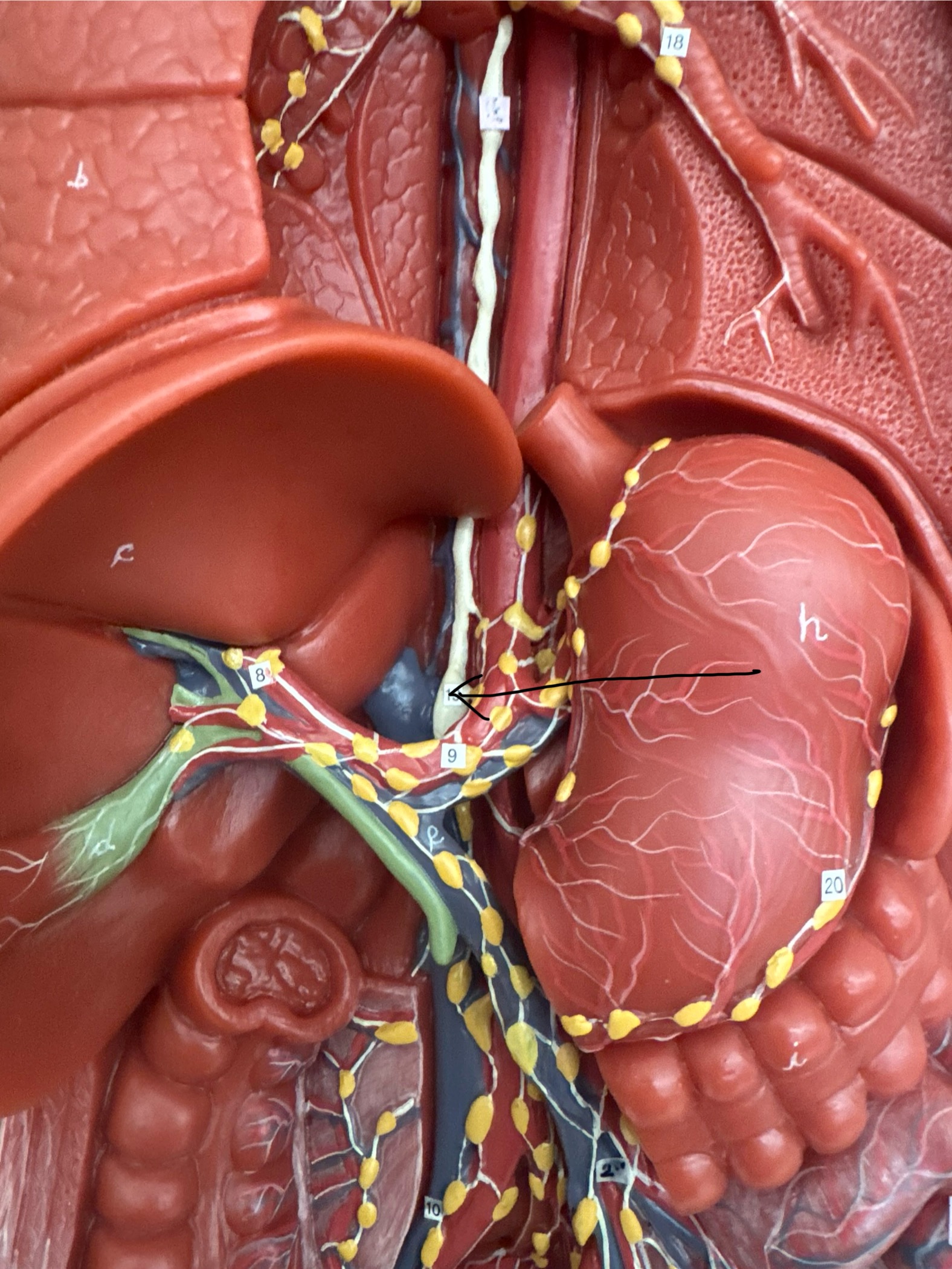
Right lymphatic duct

Right jugular trunk
Right subclavian trunk
Lymph node

Cortex

Lymphatic nodule

Germinal center

Medulla

Cervical lymph nodes

Axillary lymph nodes

Inguinal lymph nodes

Pharyngeal tonsil
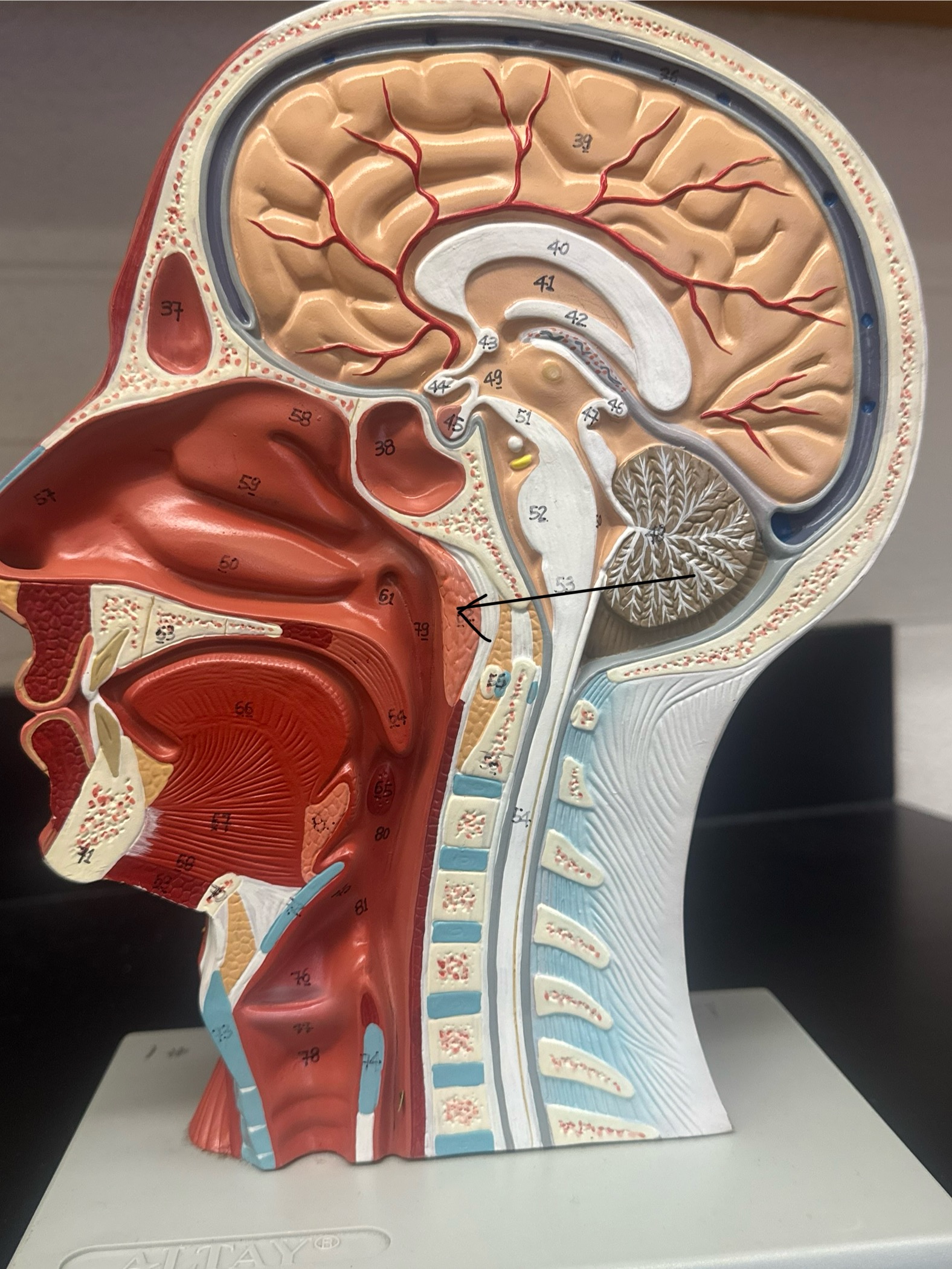
Palatine tonsil

Lingual tonsil

Spleen

White pulp

B-Lymphocyte
any purple dot
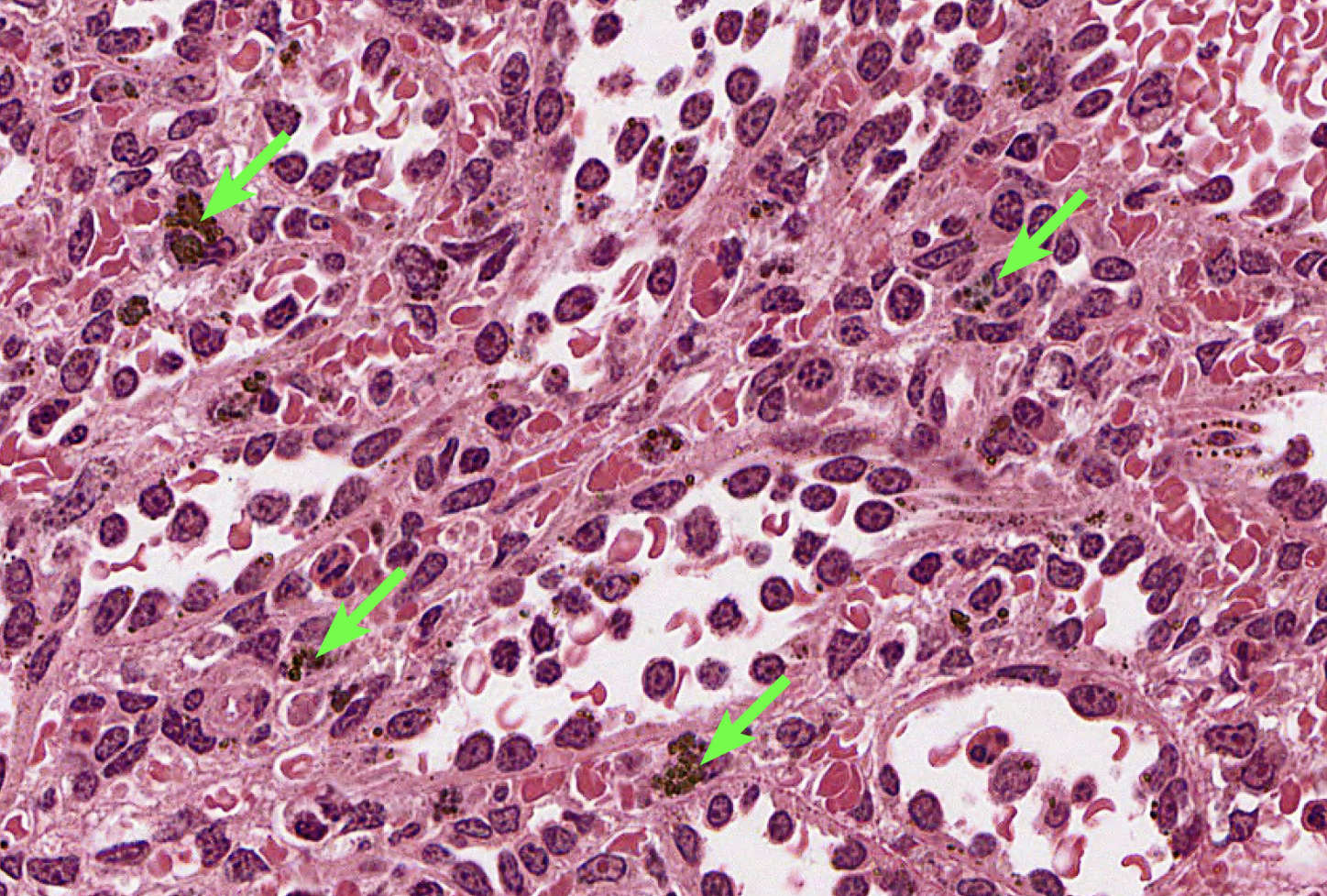
Red pulp

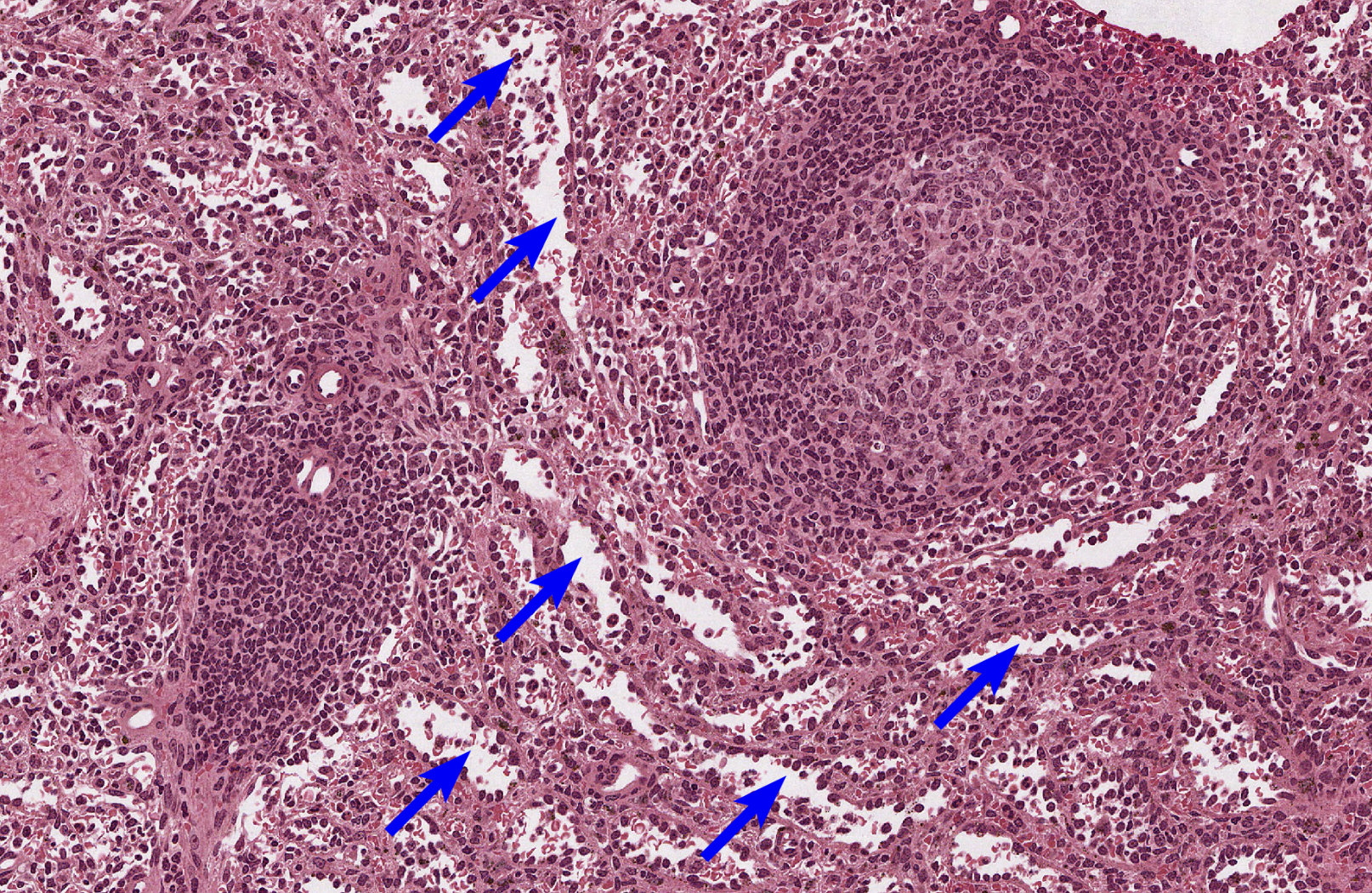
Splenic sinus
Thymus

Thymocyte

Hassall’s corpuscle

Nasal cavity

Superior nasal concha

Middle nasal concha

Inferior nasal concha

Superior nasal meatus
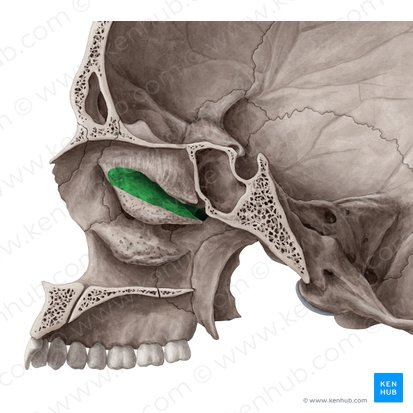
Middle nasal meatus
under this

Inferior nasal meatus

Nasal septum

Perpendicular plate

Septal cartilage

Vomer

External Nare
nose hole
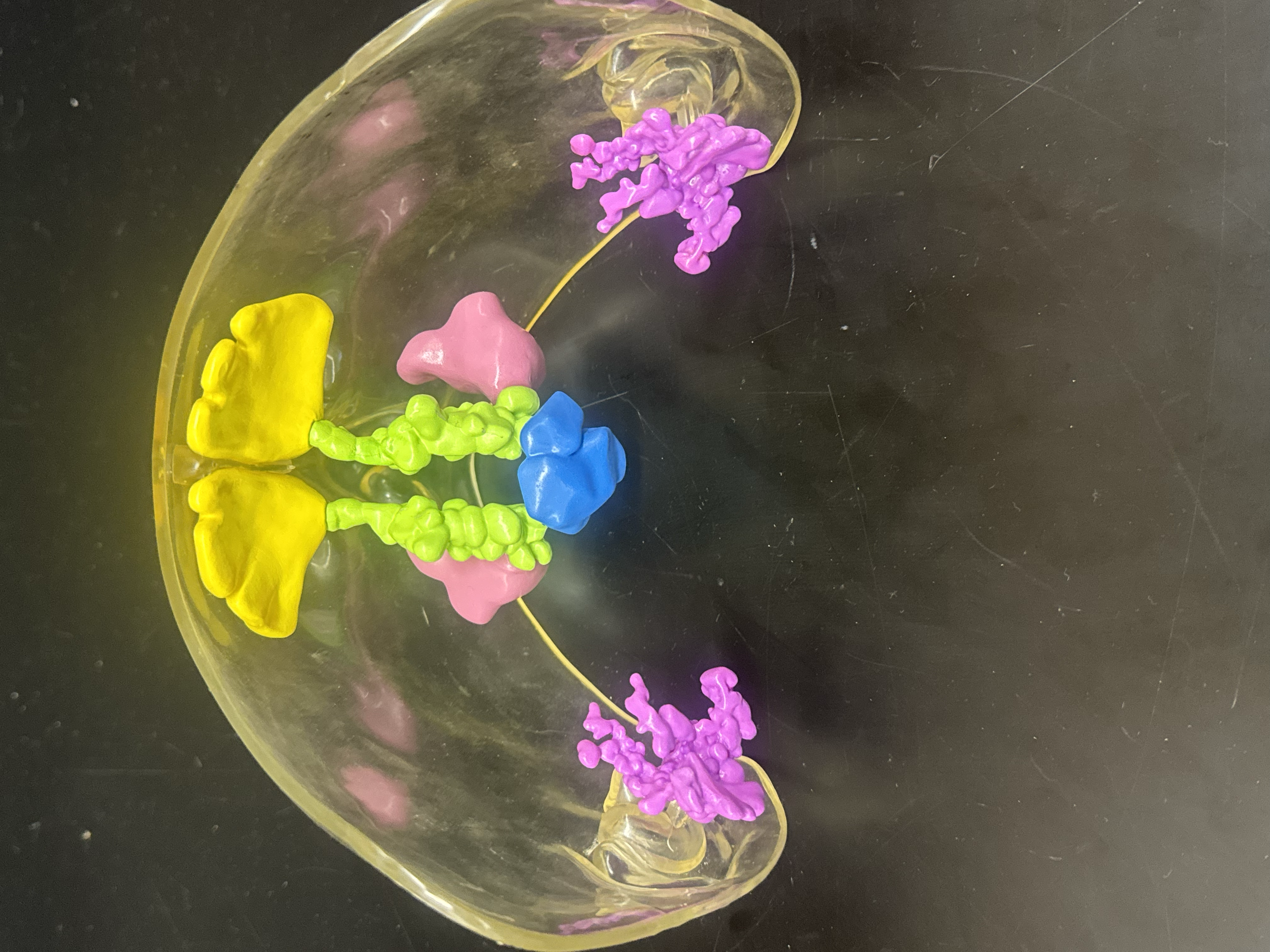
Paranasal sinus
4 main types
Frontal sinus
yellow

Ethmoid sinus
green
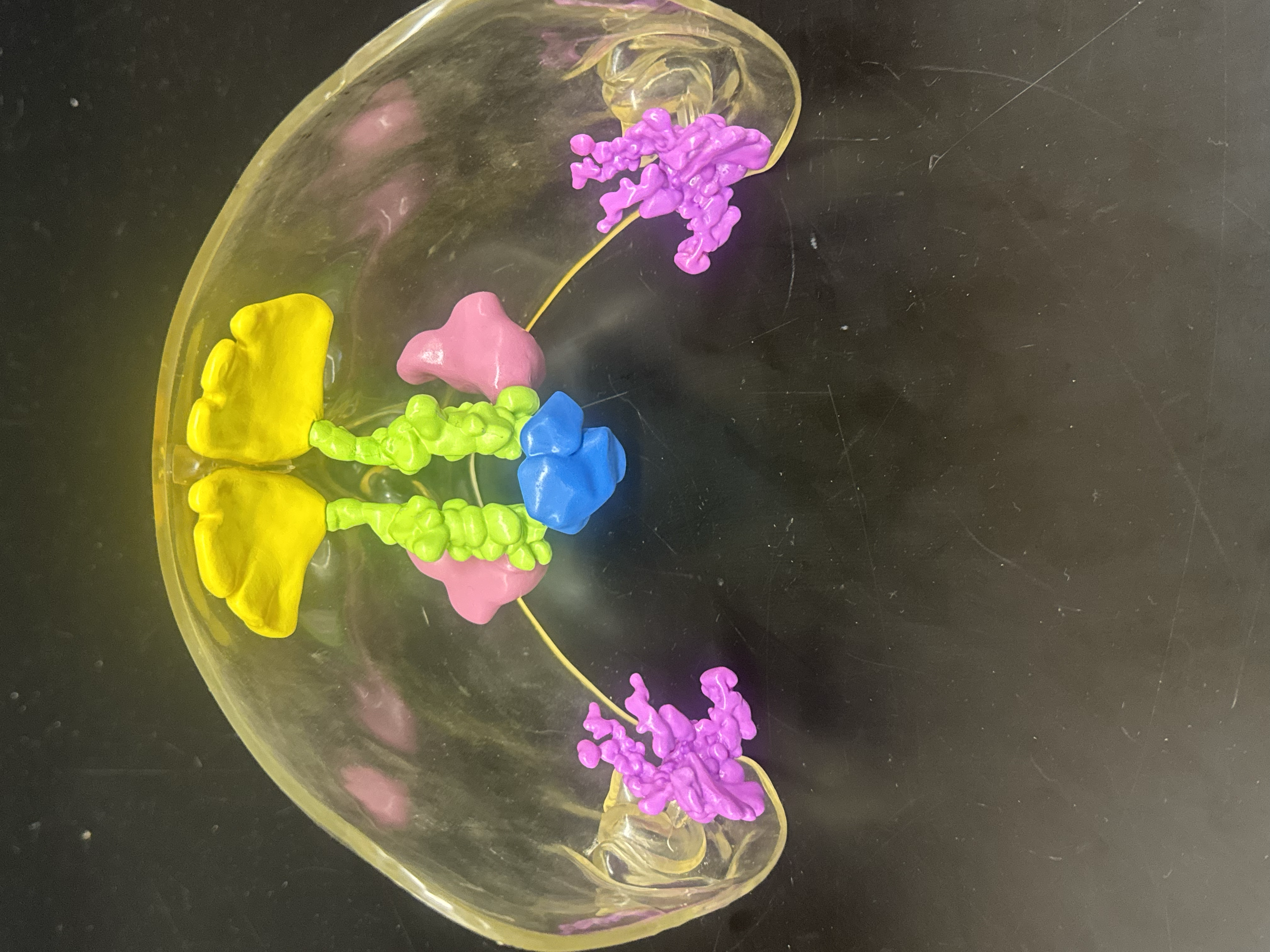
Sphenoidal sinus
blue

Maxillary sinus
pink
Soft palate

Hard palate

Pharynx
is the 3 main sections
Nasopharynx

Auditory tube

Uvula

Oropharynx

Laryngopharynx

Esophagus

Larynx

Hyoid bone

Vocal Cord

Vestibular fold

Epiglottis
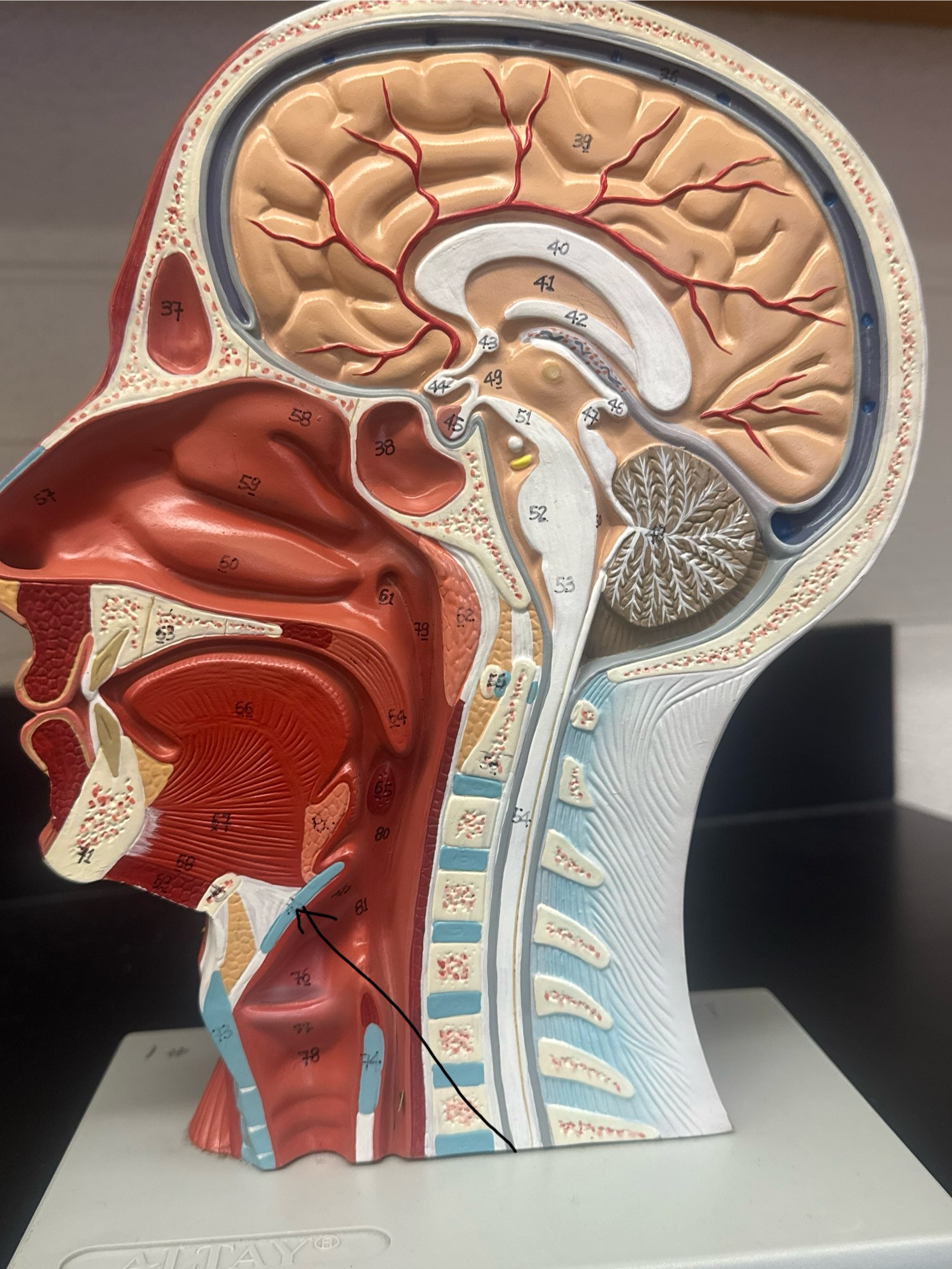
Thyroid cartilage

Laryngeal prominence
adams apple
Cuneiform cartilage

Corniculate cartilage

Arytenoid cartilage

Cricoid cartilage

Trachea

Trachealis

Mucosa

Pseudostratified ciliated columnar epithelium

Lamina propria
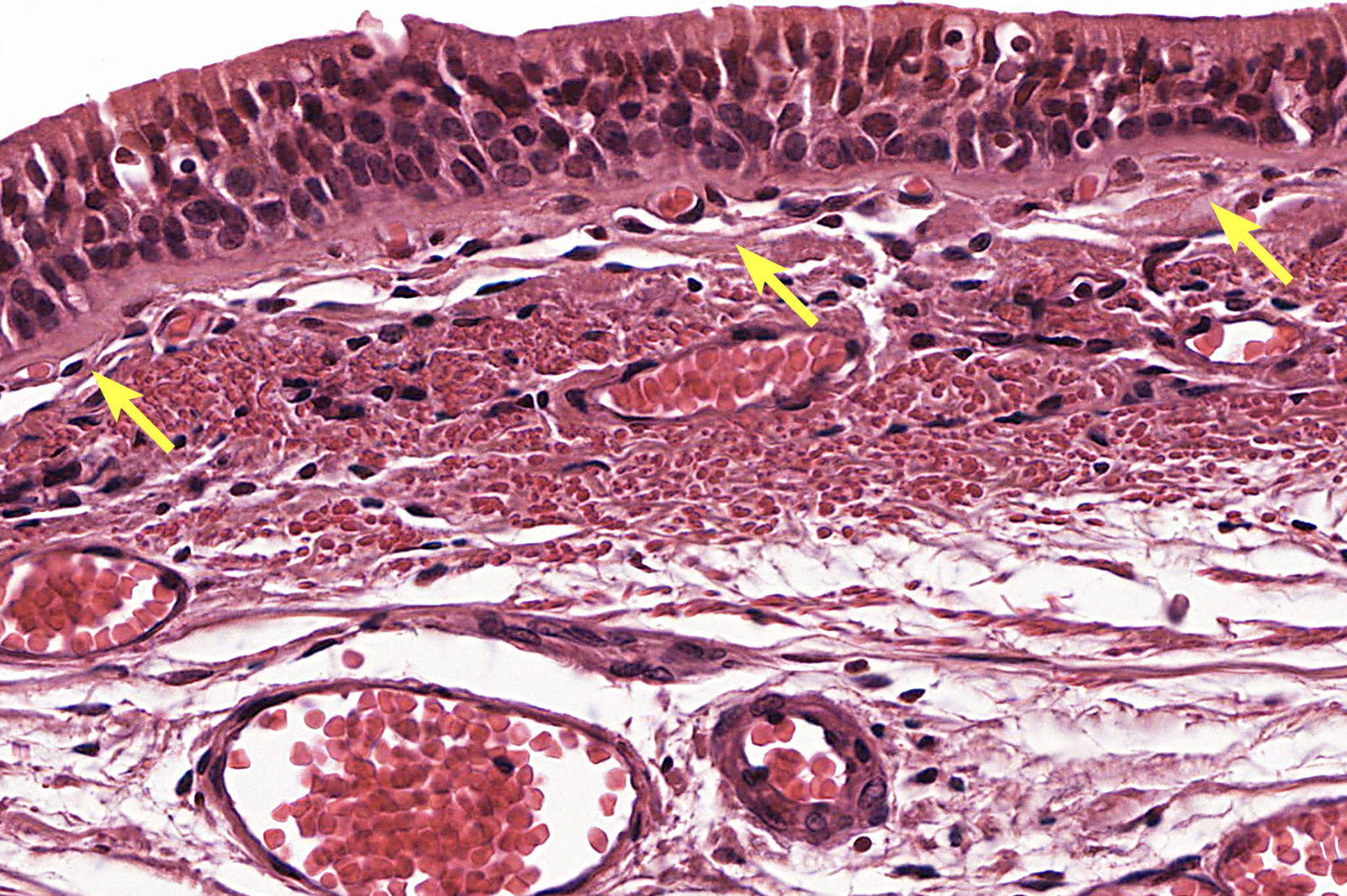
Hyaline cartilage

Adventitia
outest layer
Carina
middle

Diaphragm

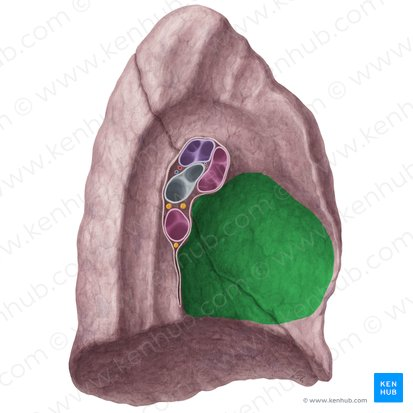
Cardiac impression
Horizontal fissure
top right lung fissure
Oblique fissure
bottom two fissures of right and left lung
Hilum of lung

Apex
top edge of lung
Base
bottom edge of lung
Superior lobe

Middle lobe

Inferior lobe

Bronchial tree
structure

Bronchus
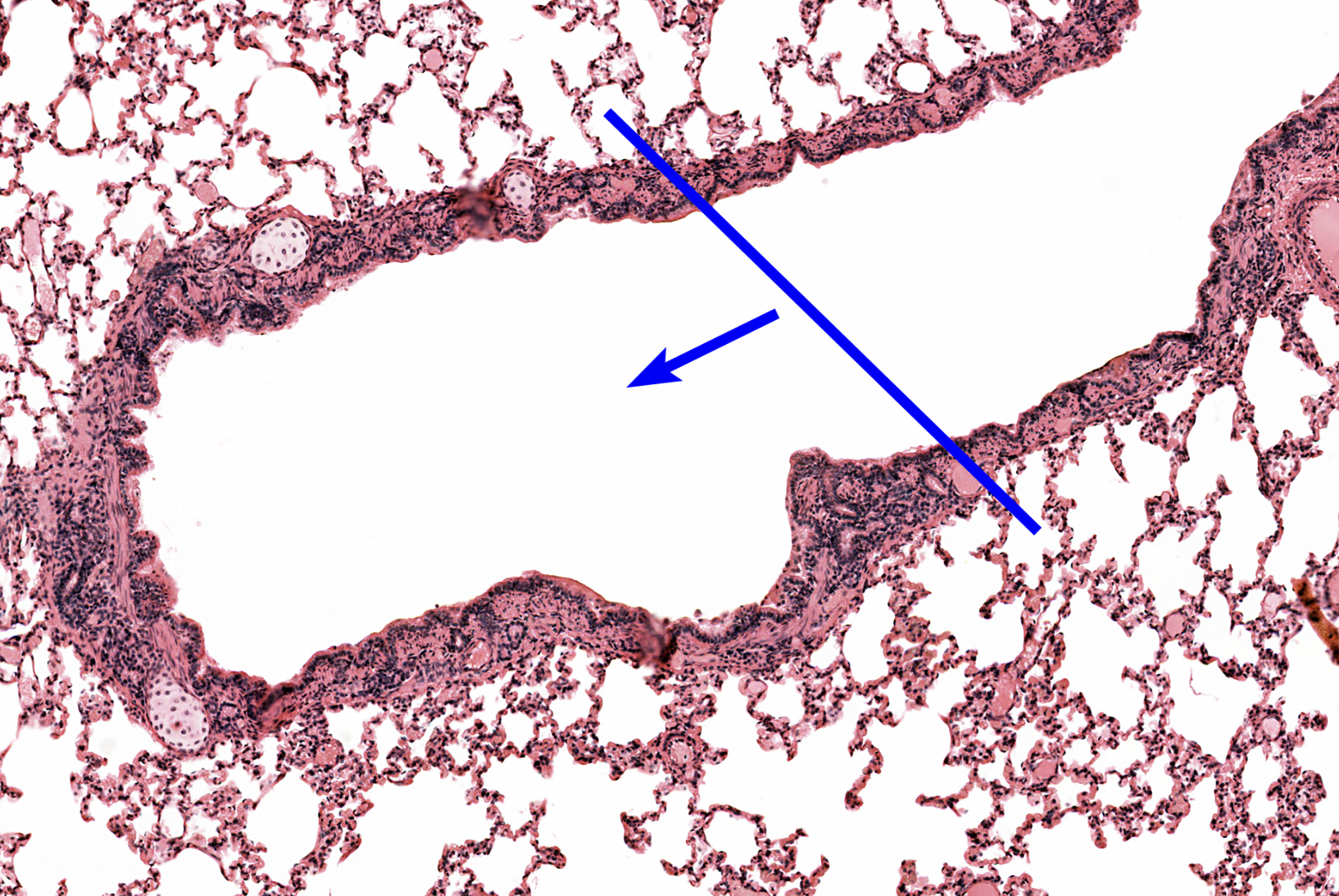
Primary bronchus

Secondary bronchus

Tertiary bronchus
colors

Bronchiole

Terminal bronchiole
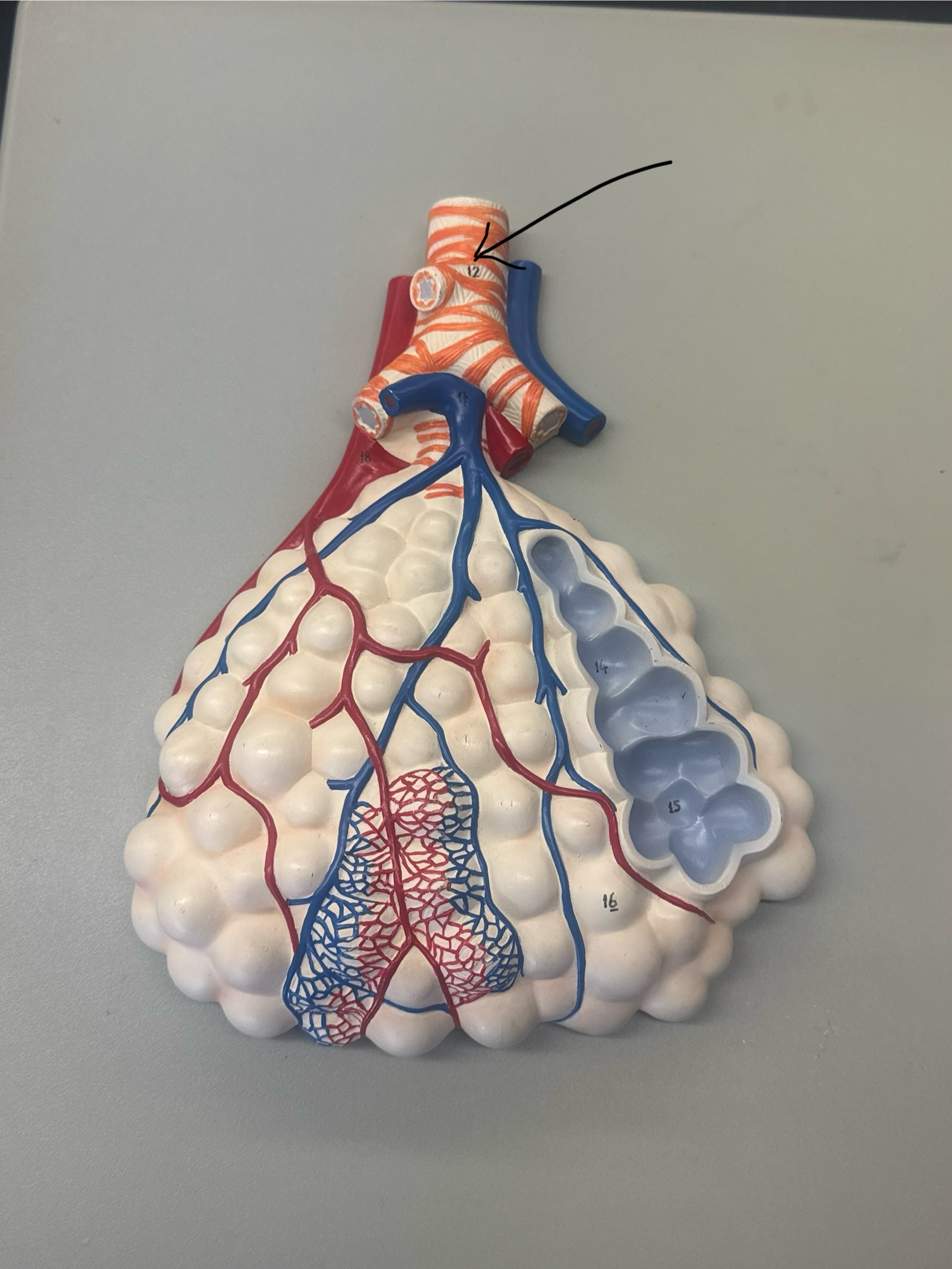
Respiratory bronchiole

Alveolar duct
find histology

Alveolar sac
find histology

Alveolus
find histology
Simple squamous epithelium

Spirogram
As a spirometer records the changes in air volumes, those changes can be displayed on a graph called
Tidal volume
The small amount of air inhaled and exhaled during a single round of quiet breathing is referred to as
Inspiratory reserve volume
The amount of air that be inhaled with maximum effort above and beyond the tidal volume is
Expiratory reserve volume
The amount of air that can be exhaled above and beyond tidal volume is called