I-O Psych, Chap 6, Test and other selection procedures
 Call Kai
 Learn
 Practice Test
 Spaced Repetition
 Match
 Flashcards
 Knowt Play
1/41

Earn XP
Description and Tags
Chap 6, test and other selection procedures
42 Terms

Personnel Selection Procedures
Instruments used to predict job performance
Ex: Interviews, assessment centers and simulations

Paper-and-Pencil test
Written test
Pros:
-Easy to grade
Cons:
-Same test is probably online

Unproctored Internet testing
An online test that someone can take home, away from a representative of the organization

Individually administer selection procedures
Procedures for selection are given to one applicant at a time.
Ex:Interviews

Group Administered Procedures
Selection procedures are given to a large group of applicants at the same time.
Ex: Pencil-and-Paper exams

Speed test
Test given to the test taker where they are expected to do it in a short period of time. They are typically not completed in the allotted time, unless the applicant is gifted.
Ex: Test given to people to check for clerical data

Power Test
Test without a time limit. Test takers can do it at their own pace.
Ex: Personality test

Cognitive test
Measures a person’s cognitive ability (General Intelligence) or specific cognitive ability (Mechanical ability)

Non-Cognitive Test
Test that focuses on individual differences (non-cognitive) such as personality tests

2 things to think about before using a selection procedure
1 Utility: How much does it cost a company to use. Is it worth it? Is it valid? Organizational benefits?
Adverse impact : Degree to which there is a difference of mean between performance of different sub groups (Such as gender or ethnic groups)

Battery of Selection Procedures (A.k.a. test battery)
Using multiple / a group of selection procedures that can be used together in order to predict a new employees performance

General Cognitive ability “G”
A person’s ability to perceive, process, evaluate, compare, create, understand or manipulate info or data. It includes reasoning, symbolic representation, and problem solving.
Good predictor of core tasks performance
Predictor of performance in all jobs, including complex ones
Wonderlic Personnel Test (WPT)
50 item test for cognitive ability. It gets harder as you progress. Test taker is allotted 15 minutes.
Includes:
Verbal and numerical reasoning
spatial relations and numbers series
Verbal Comprehension
Deduction and numerical fluency
Note: Black and Hispanics tend to score lower on this test too.

Specific Cognitive ability test
Instead of testing for “g” we are testing for a specific dimensions. Like Mechanical ability or clerical speed and accuracy..
Ex :Bennett Mechanical compression test or Clerical Test

Bennett Mechanical Comphrension test
A type of specific cognitive test where test takers are shown mechanical equipment like gears, pullies and airplanes, then asked questions about direction of pulley/ gear would turn in various circumstances.
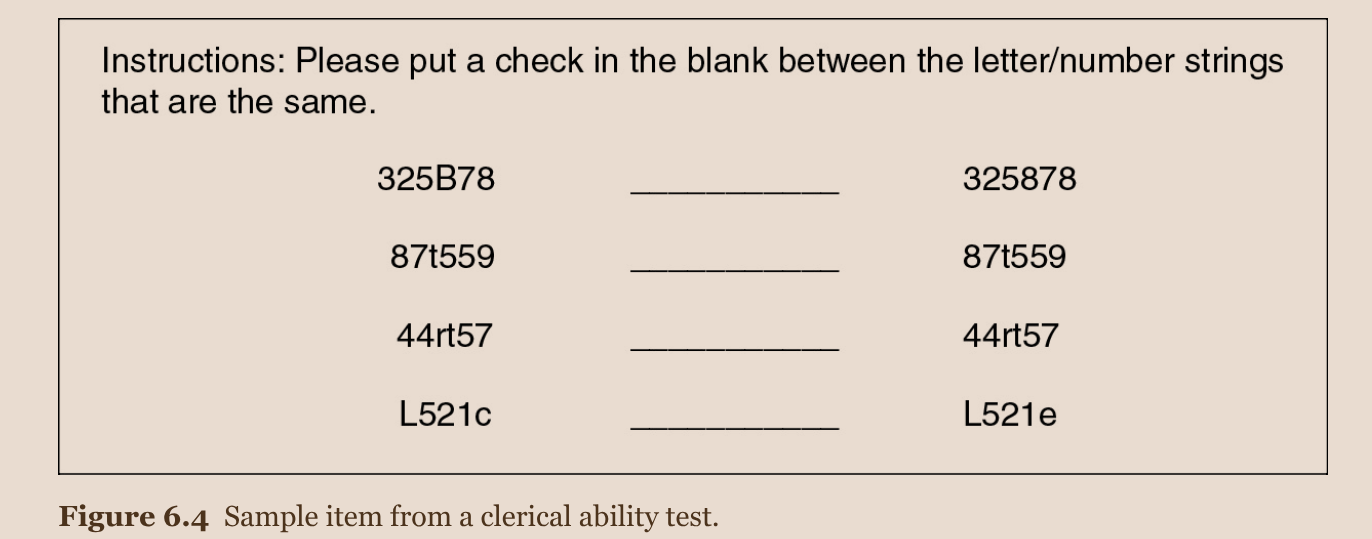
Clerical test
A type of specific cognitive test where test takers are told to look at items and reports to see if they are alike or difference
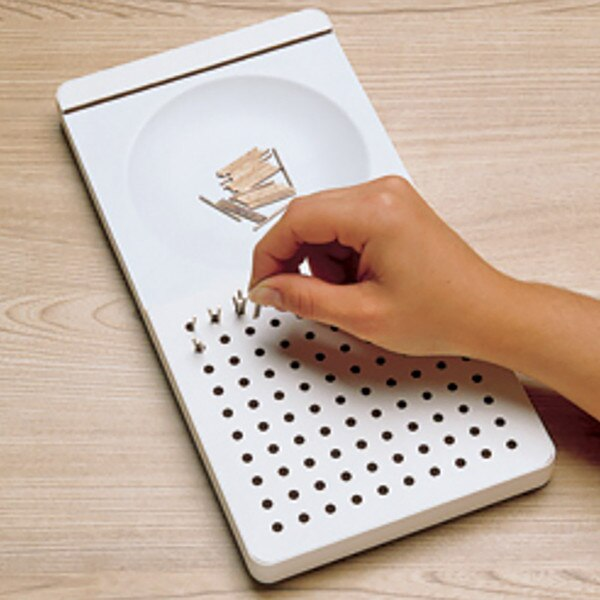
psycho-motor test
Test that assesses dexterity and/or coordination. Includes agility and dexterous movements in fingers, hands, or body.
Test takers might be asked to move pegs in a board or correctly use a tool
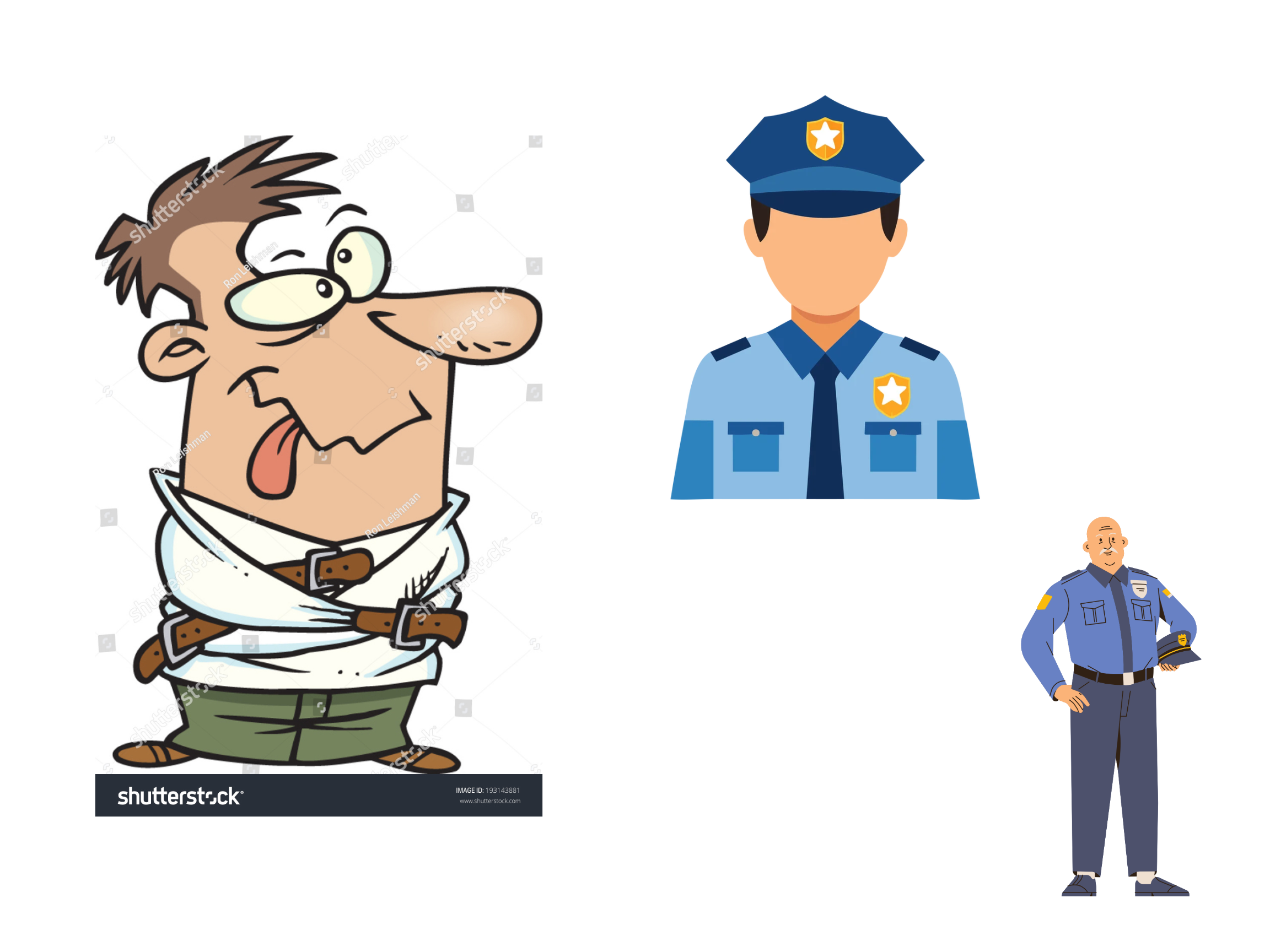
Minnesota multiphasic personality inventory (MMPI)
Showed different dimensions of clinical diagnosis like schizo or paranoia. More for psychiatric populations. Only acceptable for high risk jobs like a cop or juvenile probation officer.

Five-Factor Model (FFM) or “Big Five” Personality
Openness: Interested in learning and cultures → Predicts performance in training
Conscientiousness: Achievement-oriented, detail-oriented, dependable → Best predictor of all jobs
Extraversion: Social → Predictor of sales and management
Agreeableness: compliant or kind
Neuroticism: Gets easily upset or anxious

3 reasons personality test get used
Related to job performance. Specifically organizational citizenship behavior and counter productive work behavior
A dimension like conscientiousness is related to work motivation / job performance
This U.S test has external validity with Europe in predicting job performance.
4 Issues with the big 5 personality test
Has an “at-work” frame of reference. Test takers need to think about how they behave at work to increase test validity
The focus on sub straits. Ex: Conscientiousness has 2, Achievement and orderliness. While orderliness might be good for a specific job, Achievement is a better prediction for all jobs.
People can fake their answers to appear a certain way.
Sometimes a personality trait might not be a good predictor. Someone can be too conscientious.
Proactive Personality
Emerged from the big 5. The tendency to recognize and act on opportunities in the environment. Strong in Conscientiousness and extraversion

Adaptability
Emerged from the big 5. Adapting to new situations. Learning, interpersonal, cultural
Emotional Intelligence (EI):
Emerged from the big 5. People argue if it is a cognitive skill or a non-cognitive skill. It can predict social skills at work
Name the two types of integrity test
Overt Integrity
Personality based integrity (Covert)
Core Self Evaluations (CSE)
Emerged from the big 5. Made up of 4 traits
Self esteem
locus of control
self efficacy
neuroticism

Integrity test
Test to find counter productive employee behavior like theft, aggression, or drug use.
Ex: Polygraph or lie detector test.

Overt Integrity Test
test that straight up asks the test taker about issues with theft, illegal drug use or fighting.

Personality based integrity test (Covert)
Predicts negative work behaviors based on personality type questions. Not obvious.

Realistic job preview (RJP):
When an interview shows an applicant a preview of the job (good and bad)

Unstructured interview
Casual conversations during interview. Sometimes, not with job-related questions.
Situational interview
Applicant is asked hypothetical questions during interview
Ex: What would you do if a customer yelled at you over a bad product?
Behavioral Interview
Applicant is asked questions based on previous job experience
Ex: “Tell me about a time when you made a mistake at work? How did you handle it?”
How to add some structure to selection interviews
Use same questions for all applicants
Develop rating scales
Take notes on applicants answers
Have multiple raters
Train raters

Work Sample test
On the work test trial. Asked to do a job for mechanical skills.
Ex: Nandos
Assessment Center
A work sample test site for managers to provide them with the experience of manager exercises.
Ex:
In-box/in-basket exercise
Role Play
Leaderless group discussion

In-box / in-basket exercize
When a manager is given a series of emails to see 1.) Priority and 2.) how to respond
Leaderless group discussion
Group is given a problem they are tasked to solve. They will be evaluated for team work, leadership, decision making skills, prioritizing, and interpersonal skills.
Pros and Cons of Assessment Centers
Pros:
Gives realistic context of candidate strategies
Work samples are appealing to candidates
Job Sampling
Help to determine who to promote
Cons:
Costly
Applicant can guess what dimension is being assessed and perform better
Small amounts of adverse impact
Bio data
Questions about applicants education, past work and life experience. This helps to determine job performance

Physical ability test
A test to assess physical dimensions like endurance or muscular strength for physically demanding jobs.
"Big Five" Personality Test notes:
Notes:
*Inexpensive
*fairly modest validity
*Low adverse impact against protected groups