Ancient Greek Temple Midterm
 Call Kai
 Learn
 Practice Test
 Spaced Repetition
 Match
 Flashcards
 Knowt Play
1/40

There's no tags or description
Looks like no tags are added yet.
41 Terms
Ground plan of the Temple of Amun-Ra in Karnak

Reconstruction of the Temple of Amun-Ra in Karnak

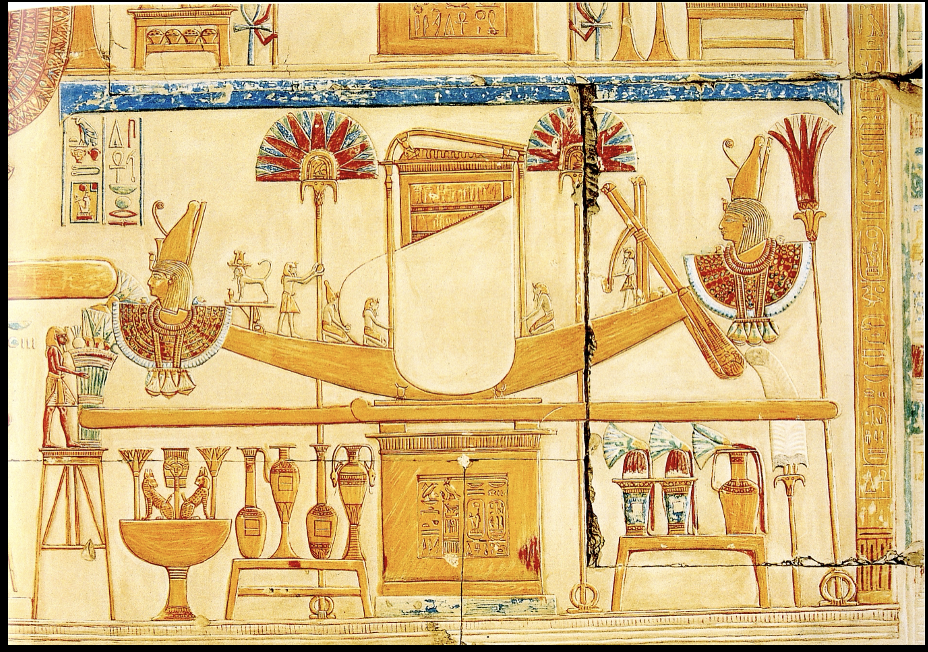
Detail of the painted relief depicting the chapel of Amun-Ra, from the mortuary temple of Sety I in Abydos, early 13th century BCE
Statuette of Amun, made of gold, ca. 945-712 BCE

The Uruk Head, Marble, ca. 3300 BCE, 21.2cm (8.3in) in height, Excavated in the sacred Eanna district ofUr

Ziggurat Etemenanki at Babylon, mudbrick architecture, ca. 600 BCE

City layout of ancient Babylon, 6th century BCE

In-antis temples of Syria and the Levant: second and first millennia BCE

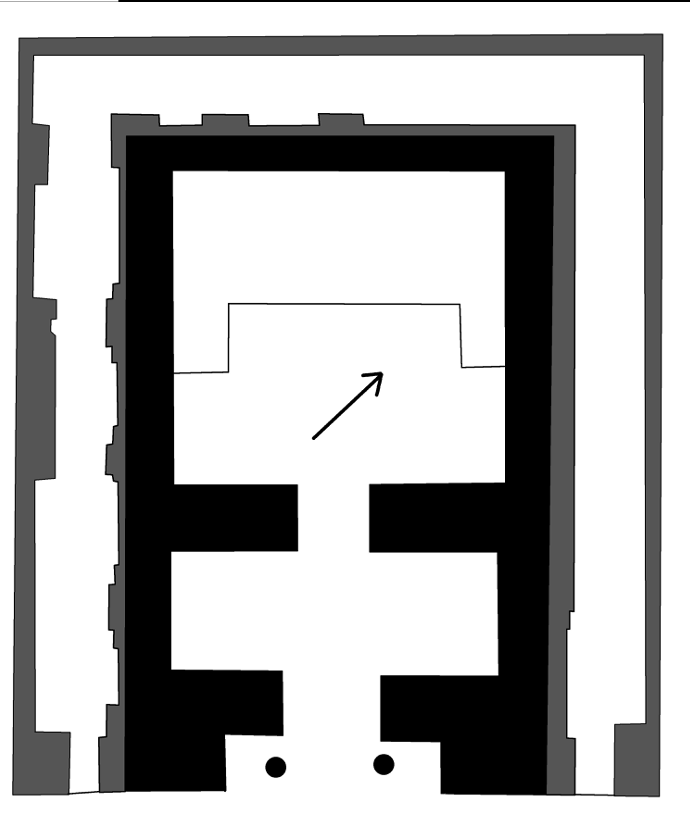
The Temple of ‘Ain Dara: The ground plan, ca. 1200-740 BCE.
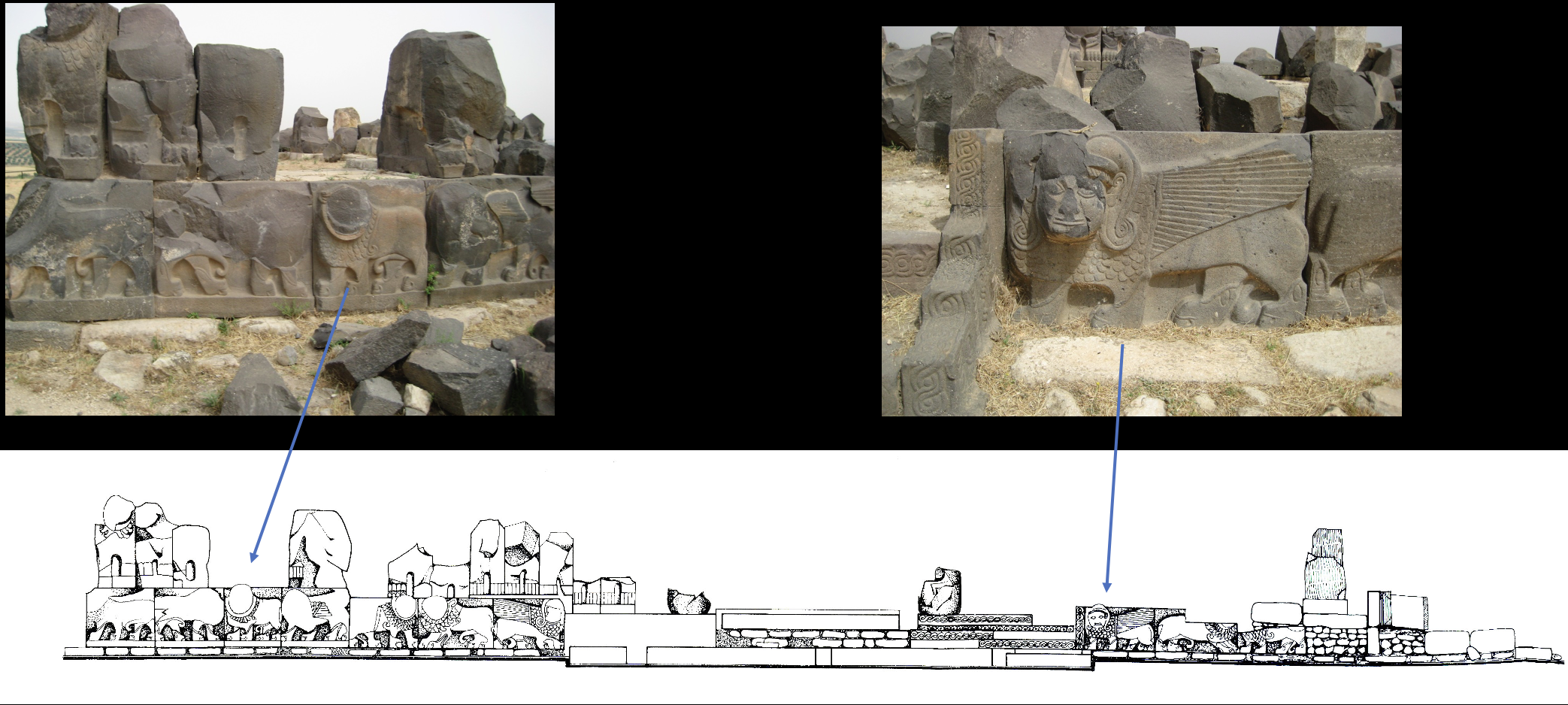
The Temple of ‘Ain Dara: ca. 1200-740 BCE. elevation of the SE façade with the locations of the sculptural decorations

The Temple of ‘Ain Dara: ca. 1200-740 BCE. Stone foundations, with mudbrick and wooden superstructure

Basalt sphinx and lion orthostats from the southeast façade of the ’Ain Dara temple
Minoan: The throne room and the lustral basin

Ground plan of Palace in Knossos in Crete, ca. 1800-1200 BCE Construction: combination of stone, wood and mudbrick

Palace in Knossos in Crete, ca. 1800-1200 BCE Construction: combination of stone, wood and mudbrick

Idean Cave (Minoan Cave Sanctuary)

The Cave of Melidoni (Minoan Cave Sanctuary)

Reconstrution of the Minoan peak sanctuary ca. 1500-1450 BCE.

Petrofas Peak Sanctuary overlooking Palaikastro. Chlorite ryton from the palace at Zakros, Depicting a peak sanctuary, ca. 1500-1450 BCE

Palace in Pylos (the so-called palace of Nestor) (14th-13th century BCE) Ground plan
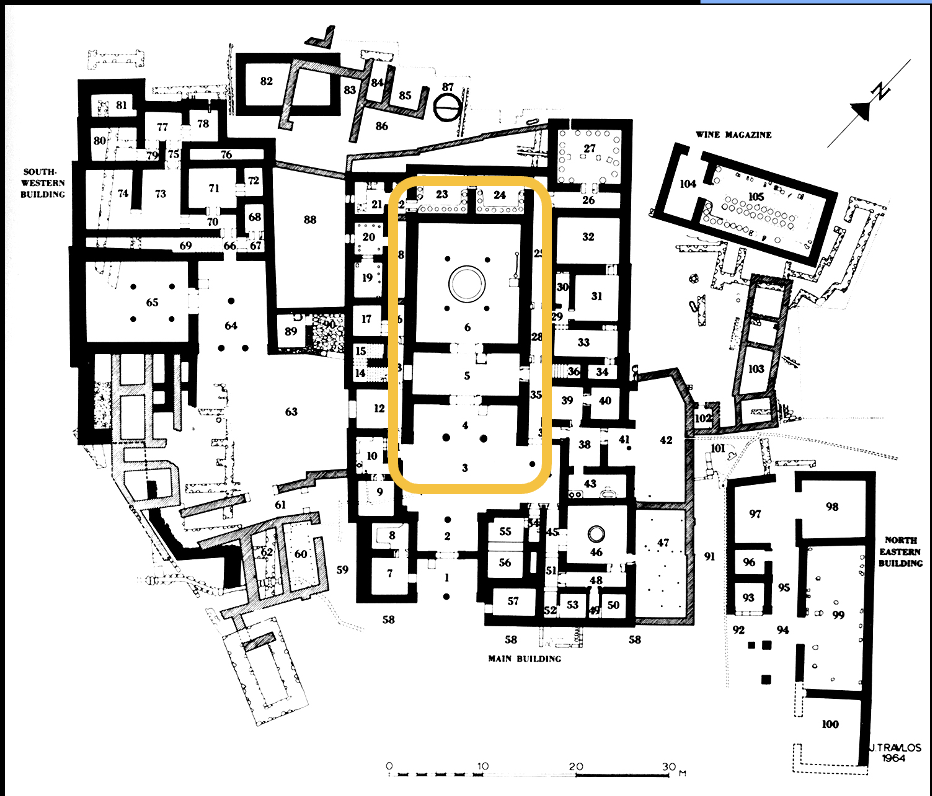
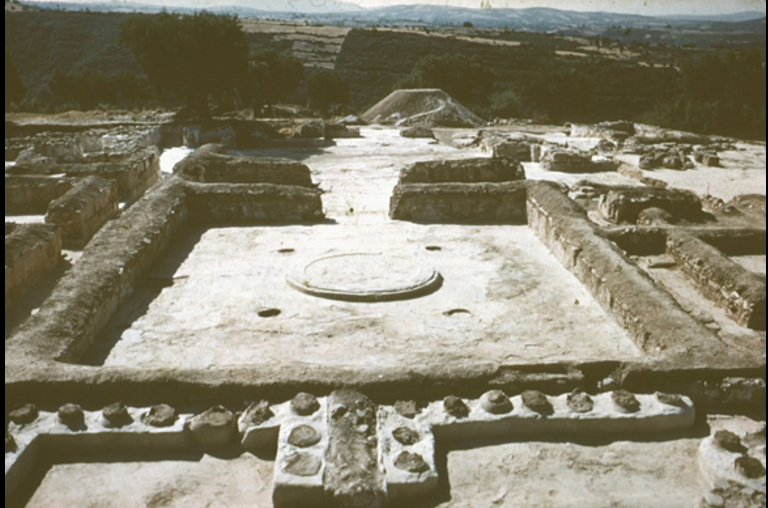
Palace in Pylos (the so-called palace of Nestor) (14th-13th century BCE) Ruins
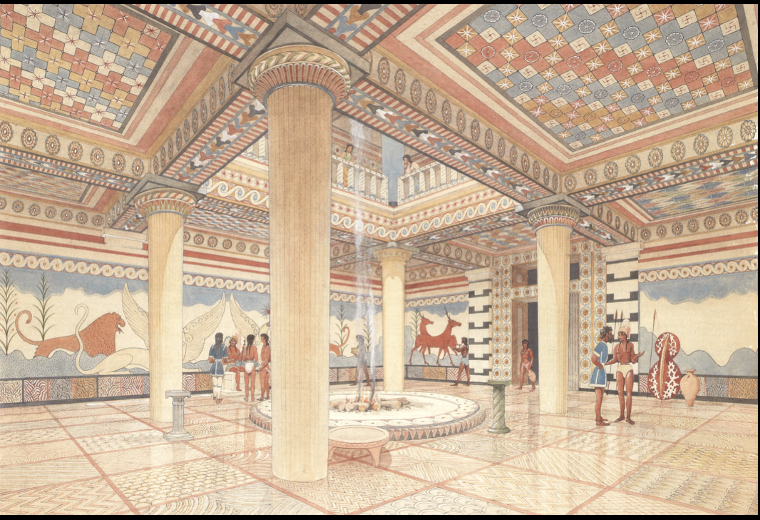
Palace in Pylos (the so-called palace of Nestor) (14th-13th century BCE) Reconstruction, The megaron & hearth of the palace in Pylos
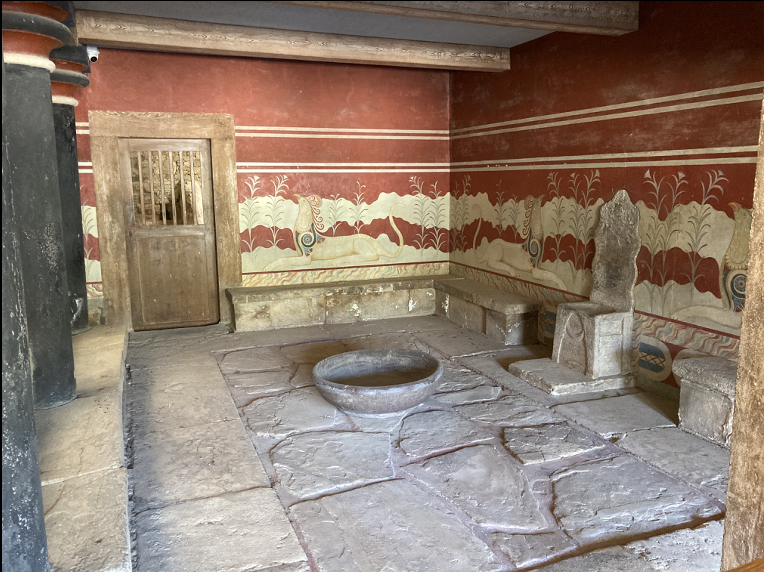
Throne room in Knossos, 15th-14th centuries BCE
Throne room in Knossos, 15th-14th centuries BCE, Ground Plan

Troy II : Reconstruction ca. 2300 BCE, mudbrick, stone and wood construction

Troy II : Ground Plans ca. 2300 BCE, mudbrick, stone and wood construction

reconstruction The apsidal hall at Lefkandi, Euboia, 10th century BCE, Mudbrick and wooden architecture

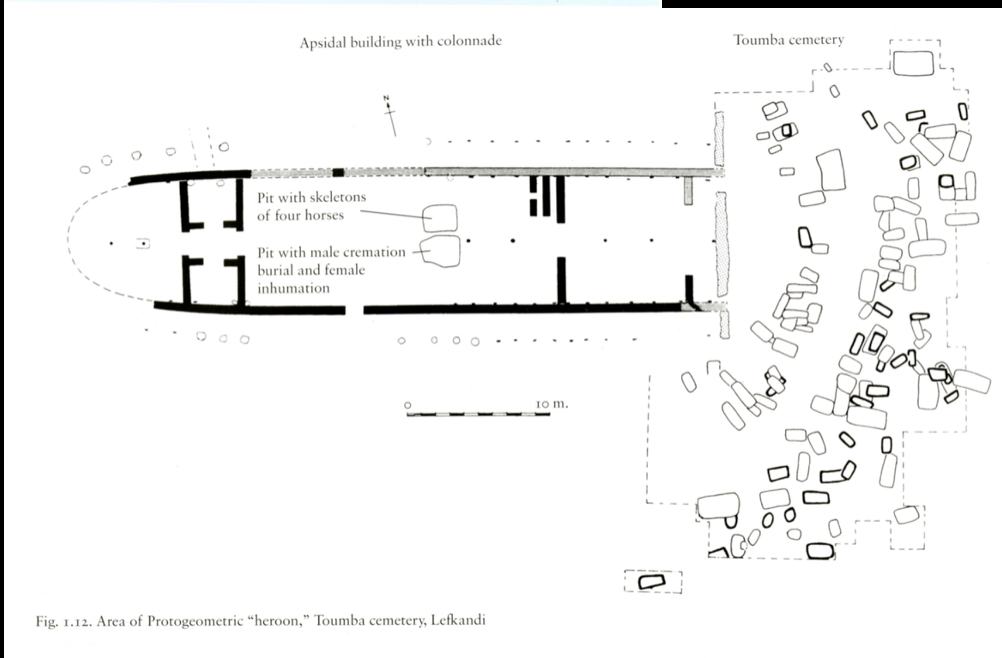
ground plan of the apsidal hall at Lefkandi, Euboia, 10th century BCE, Mudbrick and wooden architecture
North Syrian style bronze horse frontlet from the Heraion in Samos, ca. 9th century BCE

Kuros Statue, 6th century BCE, marble

Kore Statue, 6thcentury BCE, marble

Humbaba head in terracotta, Sippar in Mesopotamia, c. 700 BCE

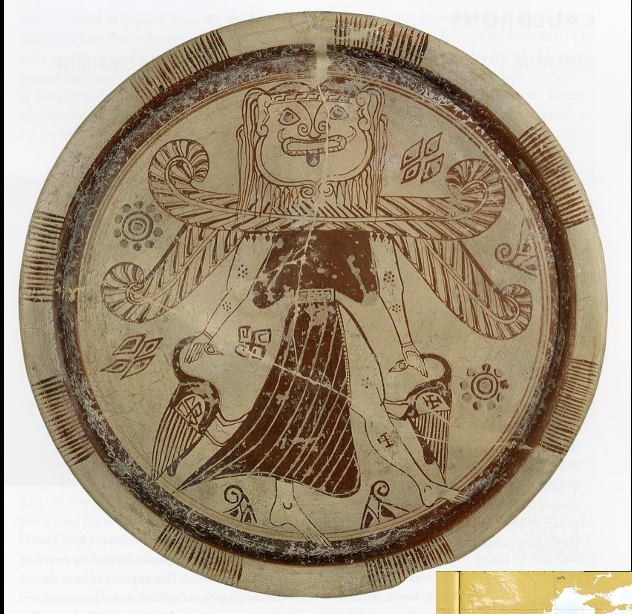
Plate with Gorgon Medusa, Ceramic from Rhodes, Ca. 610-580 BCE
Relief terracotta plaque with the face of Humbaba, Sanctuary of Gortyn on Crete, ca. 7th century BCE

elevation of Temple A at Prinias in Crete, ca. 630–620 BCE, Construction: stone foundations, mudbrick and wooden superstructure

The ground plan of Temple A at Prinias in Crete, ca. 630–620 BCE,
Construction: stone foundations, mudbrick and wooden superstructure

Limestone sculptures of Temple A at Prinias

Bronze statues of Greek divinities discovered at Dreros

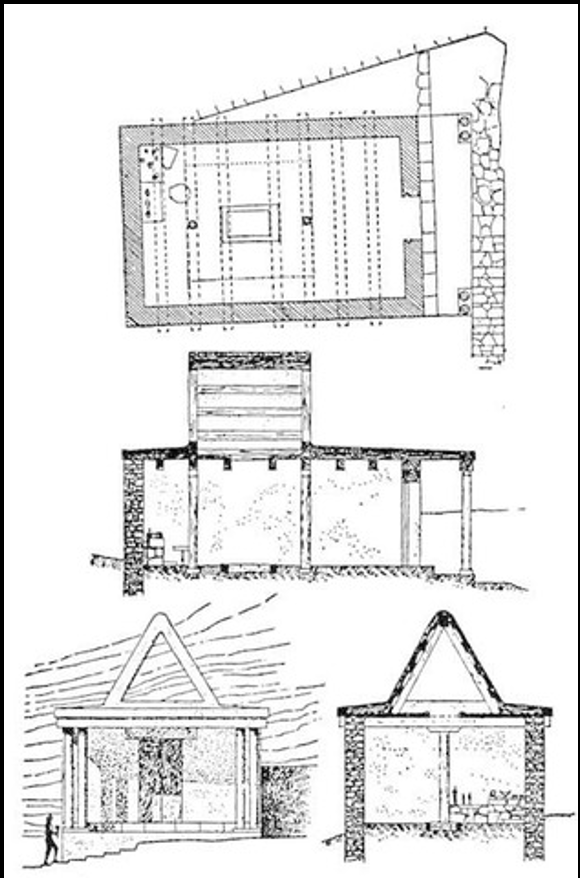
Plan and elevantion of the temple of Apollo at Dreros on Crete, ca. 750-700 BCE Construction: stone foundations, mudbrick and wooden superstructure
Clay model of temple (?) dedicated in Hera Sanctuary in the Argive, early 7th century BCE

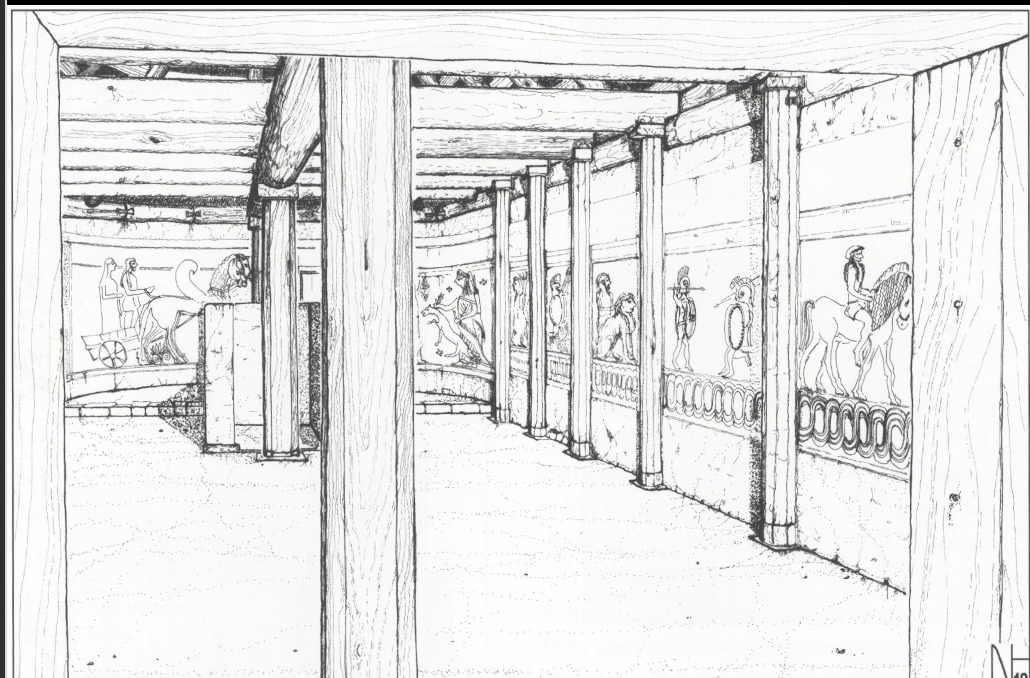
Interior of the Apollo temple at Kalapodi, reconstruction, ca. 700-650 BCE