The range of biological control agents
 Call Kai
 Learn
Learn Practice Test
 Spaced Repetition
 Match
Match Flashcards
 Knowt Play
1/59

Earn XP
Description and Tags
60 Terms
Natural Enemies
Predators
Parasites
Pathogens
what are natural enemies
kill pests
decrease pest reproduction potential
compete with pest organisms for use of plants
How is Biological Control Implemented
Conservation, use what you have
Augmentation, add what you need
Characteristics of Predators
bigger, fewer, faster, big mouthparts
Characteristics of Parasites
small, not easily seen, many flies and wasps
Characteristics of Pathogens
cause disease in insects, not harmful to other organisms
why flowers attract natural enemies
to attract natural enemies and to provide shelter/ shade
Example of predators
Mantids
Spined solider bug
Minute pirate bug
The green lacewing
The yellow jacket wasp
Spiders
Adult Lady beetle
The black and orange insect
The ground beetle
Adult flower fly
hover fly
mites
Mantids Modification
Big legs, big eyes, grasping forearms to grab, and big mandibulate
How does the praying mantis kill
rips the head off of its prey, and eats it alive
Pests attacked by mantids
they eat whatever they can catch
Solider bug modification
its bigger, has legs to run, and a piercing - sucking mouthparts to attack its prey
how does the spined soldier bug kill
injurs its prey and injects it with digestive enzyme to dissolve the inner body cavity. then, it will suck out the contents and toss the “outer shell” away
how does a pirate bug kill
by jabbing its beak into its prey and sucking out the contents
Pest attacked by minute pirate bug
control many soft-bodied insects, like mites, aphids, eggs or small caterpillars in gardens and landscapes
seasonality and habitats of minute pirate bug
late in the fall or late summer season
The green lacewing modification
the big jaws used to catch and consume prey
Why do they lay eggs on stalks - stems
to protect them from predation
what do lacewings eat
feed on aphids or other soft-bodied prey, pollen, and honey
how does the lacewing kill
by grasping the prey with its jaws and sucking out the contents
yellow jacket wasp modification
chewing mouth parts and theyre shaped like bees
what do yellow jackets wasps eat
eat some insects and some spiders
Spider Modification
Spinning strings
what do spiders eat
they eat flies and anything else that comes into their field of vision
Adult Lady Beetle Modification
Chewing mouth parts and warning colors
Bigger =
fewer predator
lady adult feeds on?
aphids, scale insects, mealy bugs, mites, and insect egg
why lady beetle is an effective predator
one beetle can get rid of many aphinds
Black and orange insect
lady beetle larvae
Black and orange insect modification
strong jaws, moves fast and feed on aphids
the ground beetle
is a big and fast- moving insect that feeds at night and hides in the day
what do ground beetle modification
many insects that dare to cross their path but mainly caterpillar
adult beetles are called
caterpillar hunters
Adult Flower fly modification
a fly with two wings and is found hovering around flowers to eat pollen
where do adult flower fly lay their eggs
in colony of aphids
what do adult flower fly eat
larvae feed on soft-bodies insects and adults feed on nectar pollen
How do you distinguished a predatory mite from a pest mite
predatory mite run fast , theyre bigger and fewer than pest mites
passive predators
sit and wait for prey to come close
example of passive predators
mantids
Active predators
usually search or hunt for their prey
example of active predators
dragonflies and robber flies
the fringed jumping spider specializing in
eating other spiders
Predators oviposition strategy is determined by
bottlenecks in the availability of prey that occur during development of predators offspring
if the existence of a patch of prey is limited
then it is advenatougeous for the predator to lay eggs early in existence of a patch, as future prey availabilty is uncertain
the risk of cannibalism
predators tend to lay fewer eggs in a patch, but continue to oviposit until cues indicate highly unlikely that their eggs will be eaten
cannibalism regulates
the numbers of predators per patch

Praying Mantids

Solider bug

Predator solider bug

Pest solider bug

Minute Pirate bug

The green lacewing

Yellow jacket
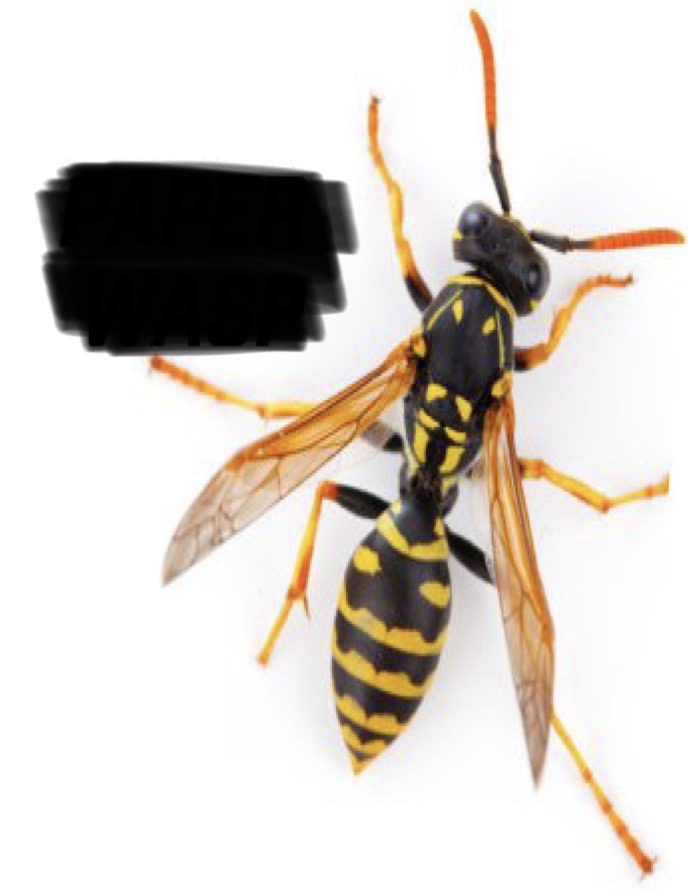
paper wasp

Spiders
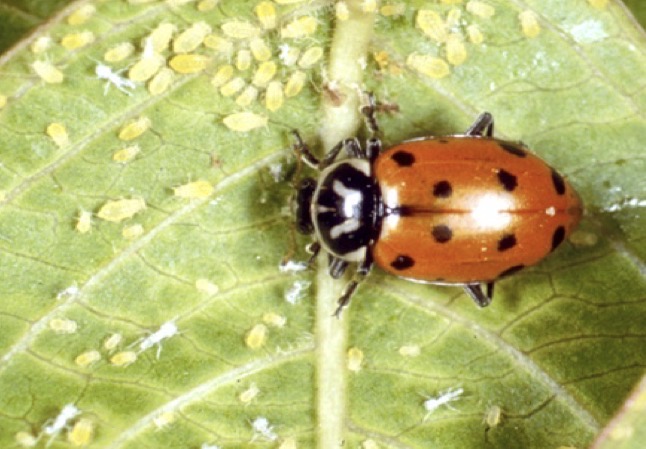
Lady beetle

The black and orange insect

the ground beetle

flower fly

fringed jumping spider