Allied Exam 2
 Call Kai
 Learn
 Practice Test
 Spaced Repetition
 Match
 Flashcards
 Knowt Play
1/120

There's no tags or description
Looks like no tags are added yet.
121 Terms
health
physical, mental, and social well being not merely absence of disease
disease
an abnormality in body function that threatens health
etiology
study of the factors that cause disease
idiopathic
refers to a disease with an unknown cause
signs
objective (temperature, rash, BP, pulse)
symptoms
subjective (headache, pain, blurred vision, nausea)
pathogenesis
pattern of a disease development
epidemiology
study of occurrence, distribution, and transmission of diseases in human population
endemic
disease are native to a local region
epidemic
occur when a disease affects many people at the same time
pandemic
a wide spread global epidemic (discovering the cause is difficult because many factors affect disease transmission)
John snow
most people thought that cholera was carried in the air through miasma but John Snow (epidemiologist) proved cholera was waterborne by mapping the location of each death and revealed a tight cluster around a public water pump
Florence Nightingale
nurse at hospital on top of a cesspool with rotting organic waste, got soldiers to scrub the floor to disinfect (reduced death by disease rate by 2/3)
pathophysiology
the study of underlying physiological aspects of disease
infectious mechanisms
pathogenic organisms and particles
neoplastic mechanisms
tumors and cancer
traumatic mechanisms
physical and chemical agents
metabolic mechanisms
endocrine imbalances, malnutrition
inflammatory mechanisms
autoimmunity, inflammation, degeneration
mechanism of transmission
person to person contact, prevented by education and aseptic techniques
environmental contact
can be prevented by avoiding contact and safe sanitation practices
genetic risk factors
if your pale, more susceptible to sunburn which leads to skin cancer
age risk factors
older people more likely to get arthritis or fractures
lifestyle risk factors
work in the sun, more likely to develop melanoma
stress risk factors
depression, heart disease
environmental risk factors
pollution leads to lung issues
viruses
SMALLEST PATHOGEN, microscopic, intracellular parasites that consist of a nucleic acid core with a protein coat (classified by shape, nucleic acid type, method of reproduction) (invade host cells and pirate organelles)
examples of viruses
flu, covid, RSV, HIV
HIV
attaches CD4 cells so body can’t fight off infections, transmitted by sexual contact and sharing needles (first case in US in1981)
normal CD4 amount
500-1600 cells
too low CD4 amount
less than 200 cells (leads to AIDS)
viral load
amount of HIV present in blood sample
prions
pathogenic protein molecules that convert normal proteins to abnormal proteins, causing abnormal functions that produce disease (can be passed by offspring)
mad cow disease
prions cause rare, degenerative disorders of the nervous system such as BSE (mad cow disease)
bacteria
tiny cells without nuclei that secrete toxins, parasitize, host cells, or form colonies (classified by growth requirements, aerobic and anaerobic)
aerobic
require oxygen
anaerobic
require no oxygen
bacteria classification
by staining properties (gram positive, gram negative) shape and size
bacilli
rod shaped cells (salmonella)
cocci
round cells (strep)
small bacteria
obligate parasites, only reproduce in other cells
spores
non reproducing forms of bacteria that resist unfavorable environmental conditions
fungi
simple organisms similar to plants but lacking chlorophyll
yeast
small single celled fungi
molds
large multicellular fungi
mycotic infections
produced by fungi (yeast and mold) and often resist treatment
protozoa
large one celled organisms that have organized nuclei, may infect human fluids are parasitize or destroy cells
amoebas that possess pseudopodia
arm like (fake feet)

flagellates that possess flagella
flagella are whip like extensions that move flagellates along

ciliates that possess cilia
cilia are short hair like extensions that move ciliates along
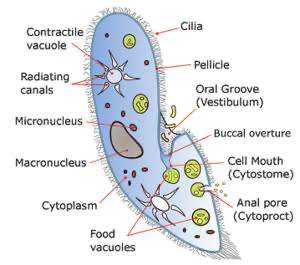
sporozoa
parasitic protozoa that do not have independent movement (cilia and flagella)
pathogenic animals
large complex multicellular organism, parasitize or otherwise damage human tissues or organs
nematodes
roundworms, pinworms, hookworms
roundworms
live in the intestines, can be up to 13 inches long (in areas of poor hygiene)
pinworms
small, live around anus and rectum (common in little kids) scotch tape test
arthropods
vectors of disease (parasitic mites, ticks, lice, and fleas)
platyhelminths
flatworms and flukes
hookworms
in ground, human feces that travel straight to intestines
infectious agent
#1—-microorganism that can cause harmful infection and make you ill
reservoir
#2—-this is where the germ lives and grows
portal of exit
#3—-the germ then needs to find a way out of the infected person so it can spread
mode of transmission
#4—-once the germ is out it can spread from one person to another by hands or on equipment such as a commode, in the air by coughing or contact with body fluids and blood
portal of entry
#5—-the germ then needs to find a way into another person
susceptible host
#6—-this is the person who is at risk of infection because they are unable to fight the infection. This could be residents, staff, or visitors
isolation
separation of potentially infectious people or materials from non-infected people
antisepsis
inhibition or inactivation of pathogens on living skin
disinfection
destruction of most or all pathogens on inanimate objects but not necessarily harmless microbes
sterilization (most effective)
destruction of all living organisms
opportunistic invasion
can be prevented by avoiding changes in skin and mucous membranes and cleansing wounds
transmission by vector
prevented by reducing the population of vectors and reducing contact with vector
vaccination
stimulates immunity
drug therapy
destroy or inhibit pathogens
antibiotics
natural compounds derives from living organisms
antibiotic resistance
important consideration
antiviral drugs
inhibit viral reproduction and slow down progression of viral infections
benign
localized, slow growing, non cancerous
malignant
form secondary tumors, fast traveling and growing
neoplasms
abnormal growth cells
benign epithelial
papiloma (fingerlike projection), adenoma, nevus (small tumor)
benign connective
lipoma (adipose tumor), osteoma (bone tumor), chondroma (cartilage tumor)
malignant epithelial (carcinoma)
melanoma, adenocarcinoma
malignant connective (sarcoma)
lymphoma, osteosarcoma, myeloma
inflammatory response
reduces injury to tissues, maintaining homeostasis (redness, swelling, pain)
metastasis
cells leave primary tumor and start a secondary tumor at a new location
causes of cancer
not fully understood but factors include genetic factors, carcinogens, age, environment, viruses
CAUTION UP
cancer early warning signs
Caution up
changes in bowel or bladder
cAution up
a sore that does not heal
caUtion up
unusual bleeding or discharge
cauTion up
thickening or lump in breast
cautIon up
ingestion or difficulty swallowing
cautiOn up
obvious changes in warts/moles
cautioN up
nagging couch
caution Up
unexplained weightloss
caution uP
pernicious (harmful) anemia
methods of detecting cancer
self examination, diagnostic imaging, biopsy, blood tests
staging
classify tumor by size and extent of spread
grading
compare cells, assess likely pattern of tumors development
cachexia
syndrome including appetite loss, weight loss, weakness
cause of death by cancer
secondary infections, organ failure, hemorrhage, undetermined factors