CSI exam 3 lecture 1
 Call Kai
 Learn
 Practice Test
 Spaced Repetition
 Match
 Flashcards
 Knowt Play
1/82

There's no tags or description
Looks like no tags are added yet.
83 Terms
propellant
powder charge inside a shot shell or cartridge case that provides thrust to projectile
black powder
first propellant, comprised of charcoal sulfur, KNO3
disadvantages: difficult to produce because components were not easy to mix, unclean, highly volatile, degradation of powder w/ military use
modern formulation:
25 pts charcoal, 10 pts sulfur, 75 pts KNO3, useful for specialized purposes such as booster charge in large military applications
disadvantages: limited art of total energy per unit volume, black powder produces dense smoke cloud, black powder residue corrosive to steel
smokeless powder
single-base propellants (nitrocellulose sole energy source)
double-base propellants (NC and nitroglycerin are energy sources)
triple-base propellants (NC, NG, and nitroguadinine are energy sources)
smokeless powder shapes
ball, flattened ball, flattened ball & balll, flattened ball and irregular, perforated cylinder, non-perforated cylinder, perforated disk, non-perforated disk, irregular, and lamel

ball

flattened ball
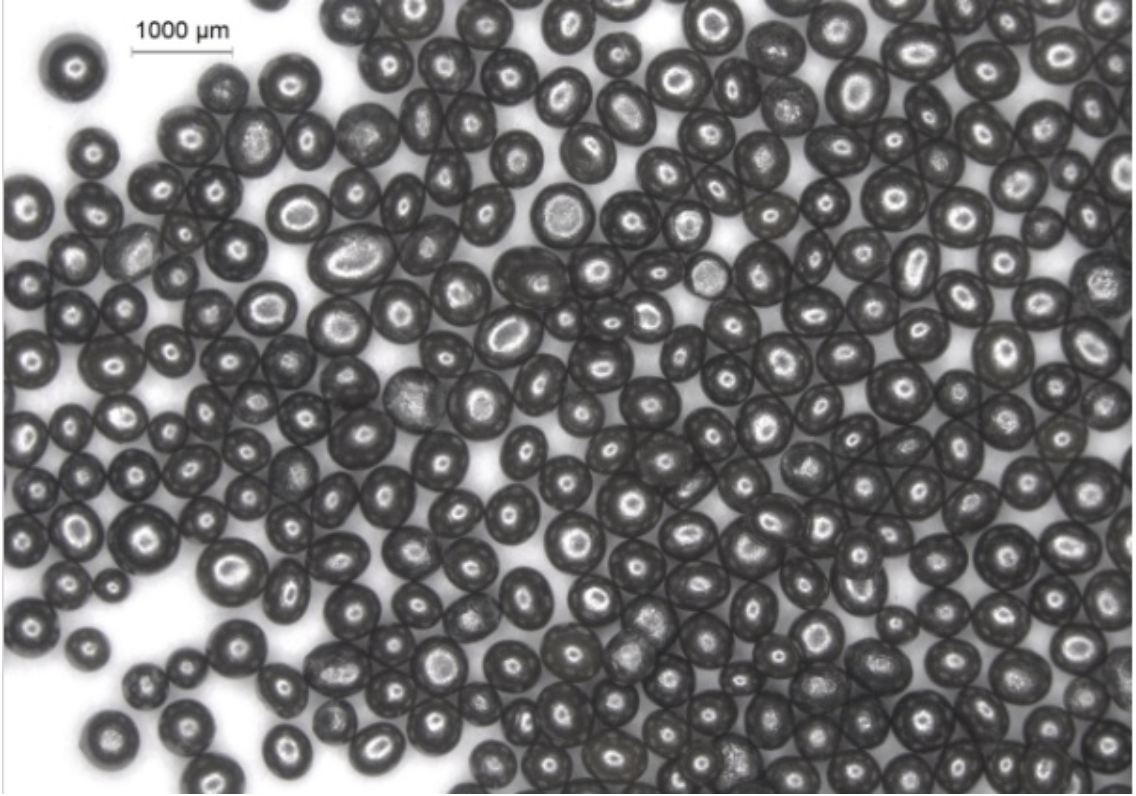
flattened ball and ball

flattened ball and irregular

perforated cylinder

non-perforated cylinder
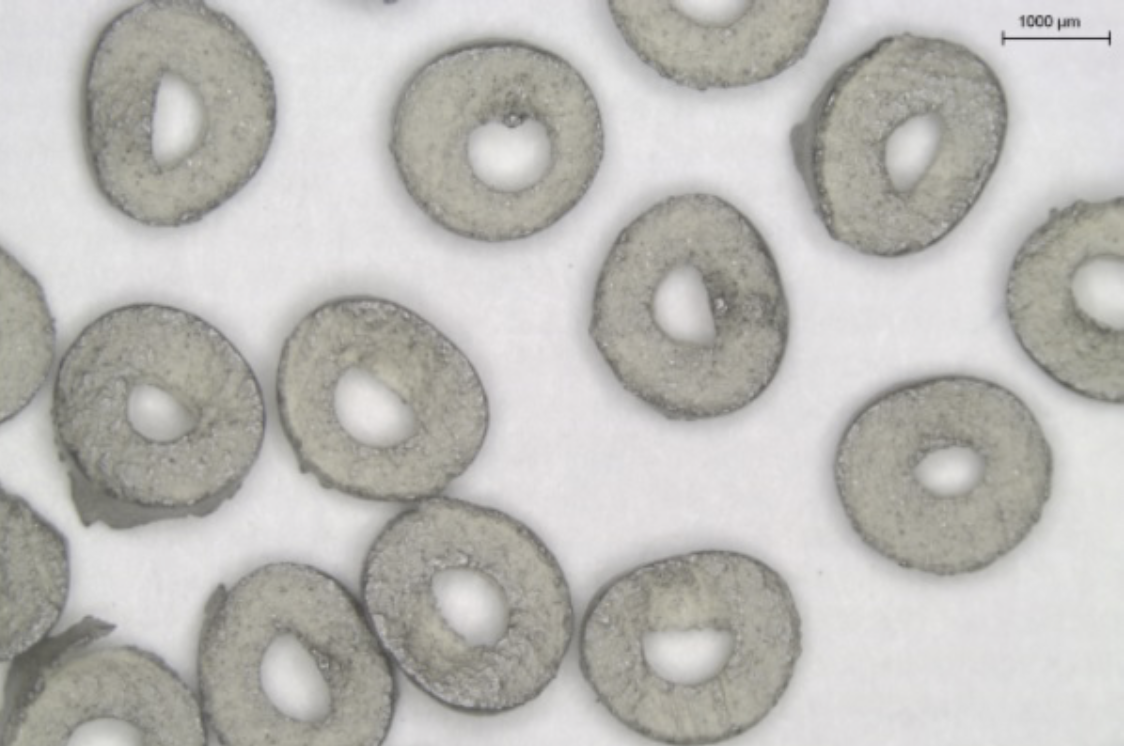
perforated disk

non-perforated disk

irregular

lamel
ammunition consists of 4 components
propellant
projectile
cartridge case
primer
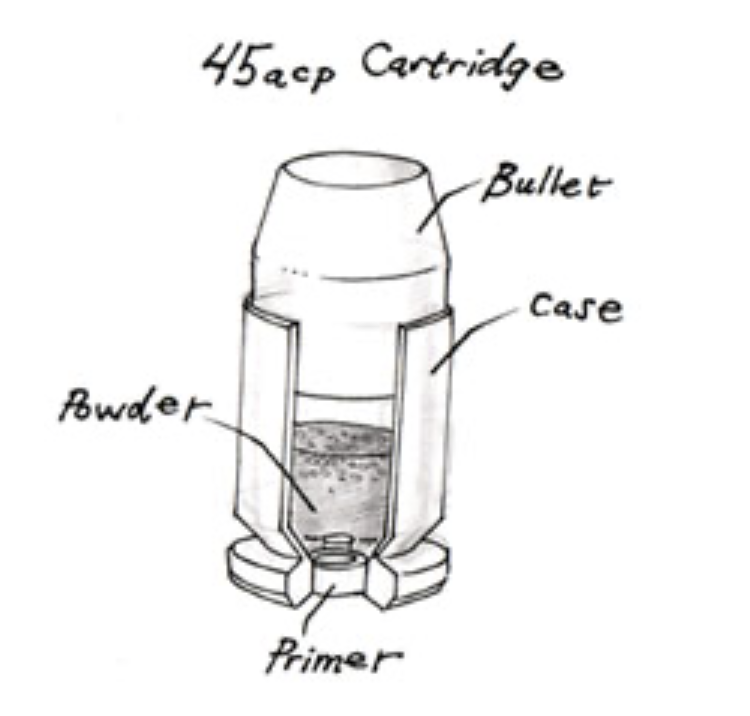
two types of ammunition
fixed ammunition- self contained, propellant, projectile, and primer held together by cartridge case
semi-fixed ammunition-has separate components, requires assembly
modern propellants
NC based explosives that produce very little smoke, single and double based are commercially available while triple-based is not.
single base used for ammunition handload/reload, double base used for ammunition handload/reload and most common in commercial cartridge cases, triple case used for military
projectile (bullets)
bullet- object propelled by force of rapidly burning gases or other means
projectile- component that does the work required of a firearm
modern bullets have metal jackets used to:
preserve physical integrity of bullet
facilitate engagement of rifling
allow rapid fire of cylindrical bullet
2 types of metal jackets
semi jacked- bullet has partial jacket exposing nose of bullet
full jacketed- bullet has jacket that encloses the entire bullet (also called full patch or full metal case bullets)
primer
shock sensitive explosive mixture that initiates burning of propellant
provide an initial spark of flame, establish pre-ignition pressure of main charge, provide gas seal for cartridge
primers comprised of:
lead styphnate, antimony sulfide, barium nitrate
styphnate priming compounds may also contain
sensitizer (makes material more shock sensitive)
finely powdered aluminum (added fuel used to protect incandescent particles into propellant)
organic binder (keeps dried primer pellet consolidated
dye(facilitates visual inspection)
cartridge case
container encasing individual components of a round or fixed ammunition, cylindrical piece of brass or nickel-plated brass
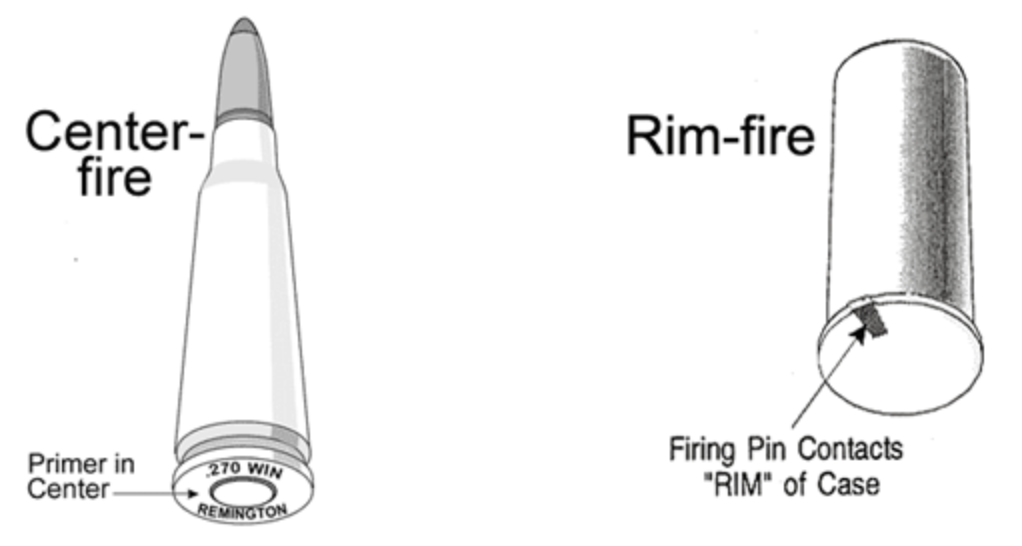
2 types of cartridge cases
center fire: primer compound is contained in a centrally positioned primer cup
rim fire: rolled primer compound placed around rim of cartridge case
hand loading
process of assembling ammunition from individual components, typically for personal use
reloading
process of assembling ammunition using previously fired cartridge cases, as well as new components (propellants, projectiles, primers)
firearm
small arms weapon, such as rifle or pistol, from which a projectile is expelled by means of propellant
firearm requires:
1. some means of predictability igniting propellant
some device to facilitate the weapon being held and controlled
hollow tube through which projectile can travel
firearms classified broadly into two groups
handgun and long gun
barrel bore
interior of the barrel forward to the chamber , through which profile travels, after firearm is discharged
can be rifled
rifling
consists of series of helical grooves cut into the inside surfaces of the barrels bore which function to impart spin to bullet
twist
number of inches of the barrel required for rifling to prescribe one complete spiral
lands
raised areas inside barrel
grooves
indented areas inside rifled bore
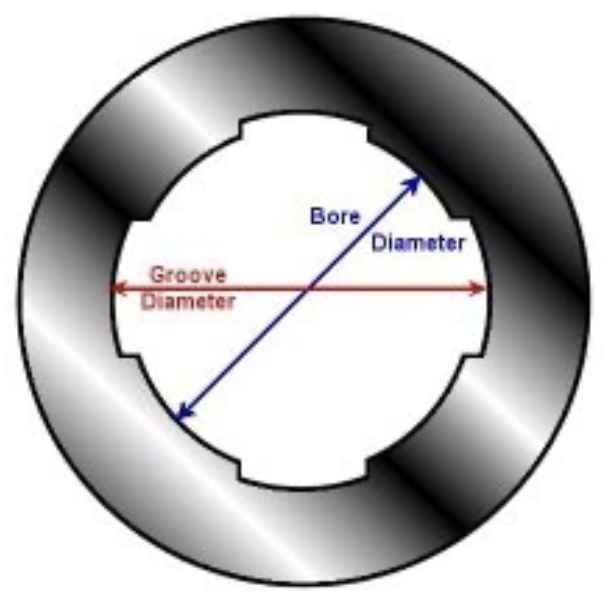
in US, firearms and associated requirements are regulated by who?
bureau of alcohol, tobacco, firearms, and explosives (ATF or BATFE)
ATF dictates markings required fro domestic and imported firearms
USA guns are manufactured to have the following markings
serial marker
manufacturer
caliber
model
imported guns are marked to have the following in addition to domestic guns
country of origin
name of importer
city and state of importer
class characteristics
general rifling characteristics of the bore barrel of the firearm, characteristics of the bore are imparted to surface of the projectile as it travels length of bore before exiting muzzle (general rifling characteristics)
groove and land impressions which can be associated w/f firearm brand and models
number of lands and grooves equation

individual characteristics
marks produced b \y random imperfections of tool surfaces, produced incidental to manufacture and/or caused by use, corrosion, damage
sub-class characteristics
discernable surface features of an object more restrictive than class characteristics in that they are:
produced incidental to manufacture
significant because they relate to a smaller group source. that is a subset of the class to which they belong
identifiable w/in a time frame since manufacturing processes change over time
real to limited resemblances that could appear in consecutively manufactured barrels that are rifled using same tool
typically appear on groove impressions
AFTE theory of identification
identification, inconclusive, elimination, unsuitable
identification
agreement of combination of individual characteristics and all discernible class characteristics
inconclusive
some agreement of individual characteristics and all discernible class characteristics but insufficient for identification
agreement of all discernible class characteristics w/o agreement/disagreement of individual characteristics due to absence, insufficiency, or lack of reproducibility
agreement of all discernible class characteristics and disagreement of individual characteristics, but insufficient for elimination
elimination
significant disagreement of discernible class characteristics and/or individual characteristics
elimination is normally based on observed differences in any one of the general rifling characteristics

unsuitable
appropriate for fired bullet fragments that do not bear microscopic marks of value for comparison purposes
ghost gun (un-serialized firearms, privately manufactured firearms)
firearm made by individual without serial numbers, thus rendering it untraceable
80% recievers
sld online as separate components or kits, no purchase restrictions, no background checks, no quality standard for home builds
kits include:
80% of receiver/frame, jig, drill bits, pins, remaining part to complete frame
3D printed firearms
process of 3D printing- additive manufacturing/additive layer manufacturing
strength o product significantly less than traditional manufactured parts, compromises accuracy and precision of product
first 3D printed gun
The Liberator, manufactured by Defenses Distributed found by Cody wilson
.380 auto caliber single shot pistol, in2013 parts were made available for purchase and download
physical characteristics examined w/ suspected gunshot residue
hole in material
presence/absence of bullet wipe
stellate pattern
apparently burned or singed material, such as around suspected bullet hole
melted tips of artificial fibers
smoke
burned, partially burned or melted gunpowder adhered to surface
types of particles present
particulates other than powder
GSR comprised of the following
primer residues
propellant residues
particulates from barrel bore
unburned/partially burned powder
modified griess test
chemically specific chromophoric test for presence of nitrite compounds which are produced by the burning of smokeless powder
a positive test for presence of nitrite compounds results in an orange color change
NOT nitrate
dithiooxamide test
chromophoric test for the presence of copper-bearing material which may be present based on type of ammo used
positive result for presence of copper results in a dark green color change
positive result for presence of nickel results in a purple color change

sodium rhodizonate test
test for presence of lead present in any form:
vaporous lead
particulate lead
lead in primer residue
lead bullet wipe
shot pellet wipe
test must be performed on light colored surfaces
a positive result for presence of heavy metals turns pink
a positive result for presence of lead turns purple

angle of impact
interior angle of the axis of an impinging bullet with a target
concentric fracture
form after radial fractures, appearing as curved lines that encircle the impact point
frangible
breaking apart upon impact
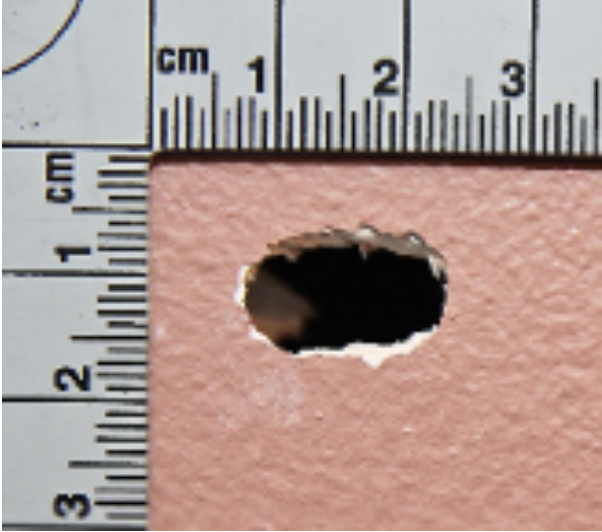
keyhole defect
elongated or irregular shaped bullet hole that indicates projectile was not traveling straight on, but rotating on its center axis at impact
leading edge
portion of a defect produced by initial contact between projectile and target surface; provides information for directionality
non-yielding
surface not significantly affected upon appellation of force
shooting reconstruction
development of a likely probable sequence of events in shooting incident
trajectory
path of bullet or shot pellet in flight
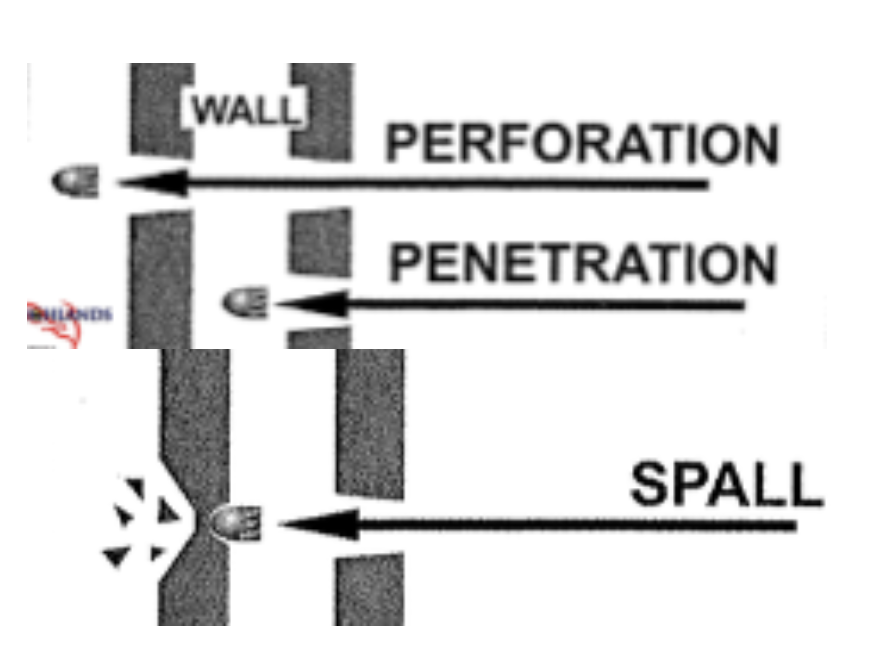
penetration
projectile impacts and stays within target
perforation
projectile impacts and passes completely through target
radial fracture
first to form when a projectile hits glass; radiate outward from point of impact
ricochet
projectile impacts but does not perforate or penetrate material
yielding
surface which gies way or tends to bend or stretch upon application
characteristic features of bullet holes that should be noted
bullets penetrating targets approx. 90 degrees tend to produce circular entry holes/wounds
bullets penetrating targets less than 90 degrees produce oval entry wounds/ holes
smaller angle of impact, longer oval entry hole/ wound
bullets striking intermediary targets tend to produce irregular entry holes/ wounds in secondary target due to destabilization
bullet holes can be distinguished from exit holes by visible presence of bullet wipe, abrasion rings, beveling and leading-edge characteristics
beveling
internal and external beveling, material pushed in or out of target
leading edge
portion of defect produced by initial contact between the bullet and target surface. provides info to directionality, indicative of entry holes
penetration defect
projectile impacts and stays w/in material
perforation defect
projectile impacts and passes completely thru material
spall defect
projectile crate that causes damage upon impact to target surface without perforating or emerging, usually on exit side
keyhole defect
elongated or irregular shaped holes that indicate the projectile as destabilized/deformed during flight prior to impact
ricochet
ricochet marks and creases may be produced on virtually any surface
the harder the surface the smaller the ricochet angle
the lower the angle of impact, the longer the ricochet mark/crease
the lower the impact of angle the more likely a mark rather than a crease will be produced
ricochet
tree effect and pear effect

defects in glass
radial, concentric, and conchoidal fractures with each impact in laminate glass, radial fractures caused by initial stress. concentric fracture caused by secondary stress

ricochet in glass
jellyfish effect
documentation
locate evidence
photograph overall, midrange, and closeup in situ and w/ markers and scale
holes and defects scaled and measured, first measurement is up and over, then angle measurements are taken w dowel and protractor
notes of holes or defects should include:
shape of hole/type of defect
entry/exit justification
up and over measurements
angle measurements
possible pathway descriptions
packaging
projectiles and casings can be placed into individual containers such as coin envelopes, before placed into larger packaging material. con envelopes marked with marker scale number.
firearms packaged in gun boxed and secured w zip ties
ammunitions should be removed form firearms and magazine prior to packaging