MAP Unit 5: Bones Part 4 - Axial and Appendicular Skeleton
 Call Kai
 Learn
 Practice Test
 Spaced Repetition
 Match
 Flashcards
 Knowt Play
1/23

There's no tags or description
Looks like no tags are added yet.
24 Terms
Axial Skeleton
The bones that lie along the central axis of the body; includes the skull, vertebral column, ribs, sternum, and hyoid bone.

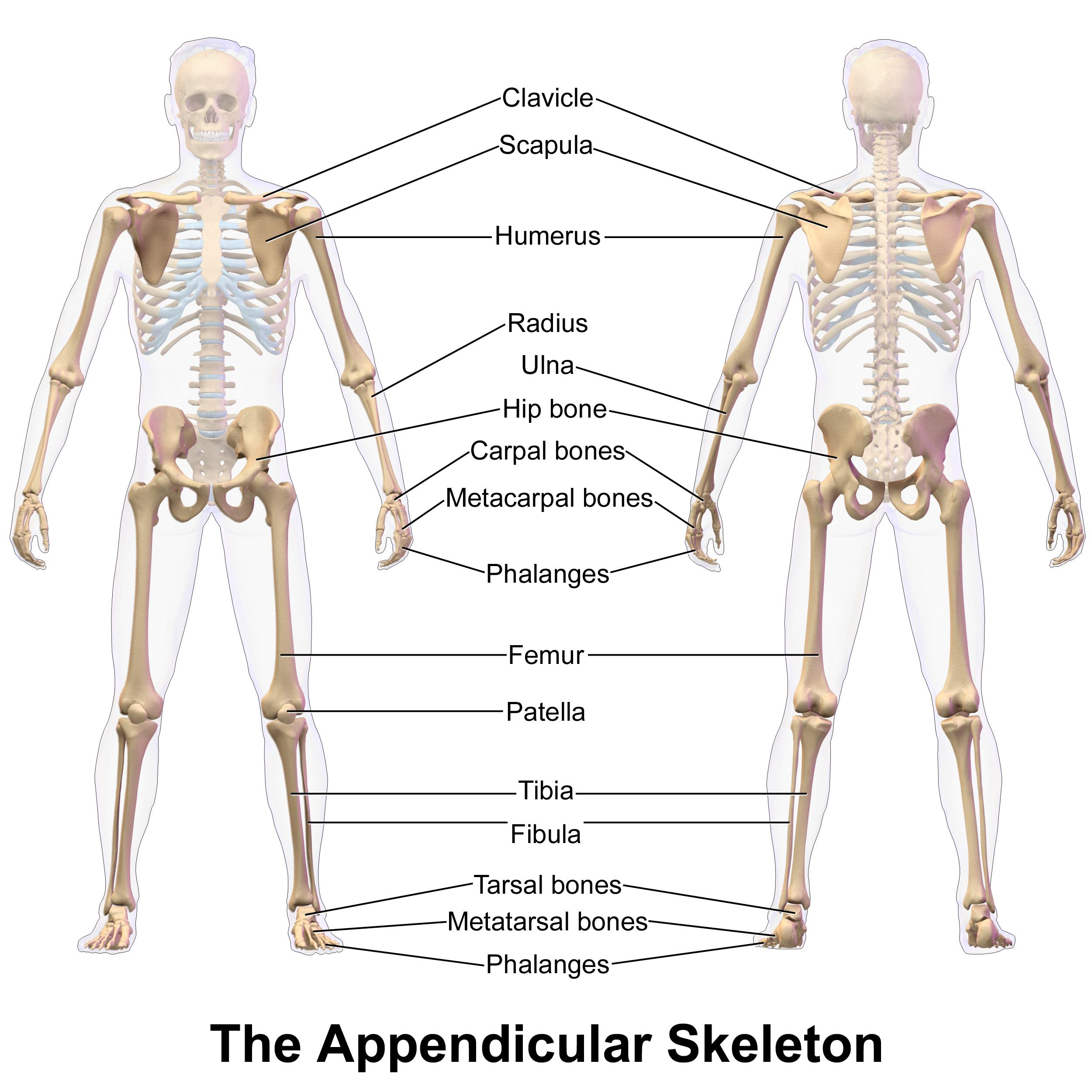
Appendicular Skeleton
The bones of the arms, legs, shoulders, and hips that help with movement.
Skull
The bones of the head that protect the brain and support the face.

Vertebral Column
The backbone or spine; supports the body and protects the spinal cord.

Ribs
Curved bones that form the rib cage and protect the heart and lungs.
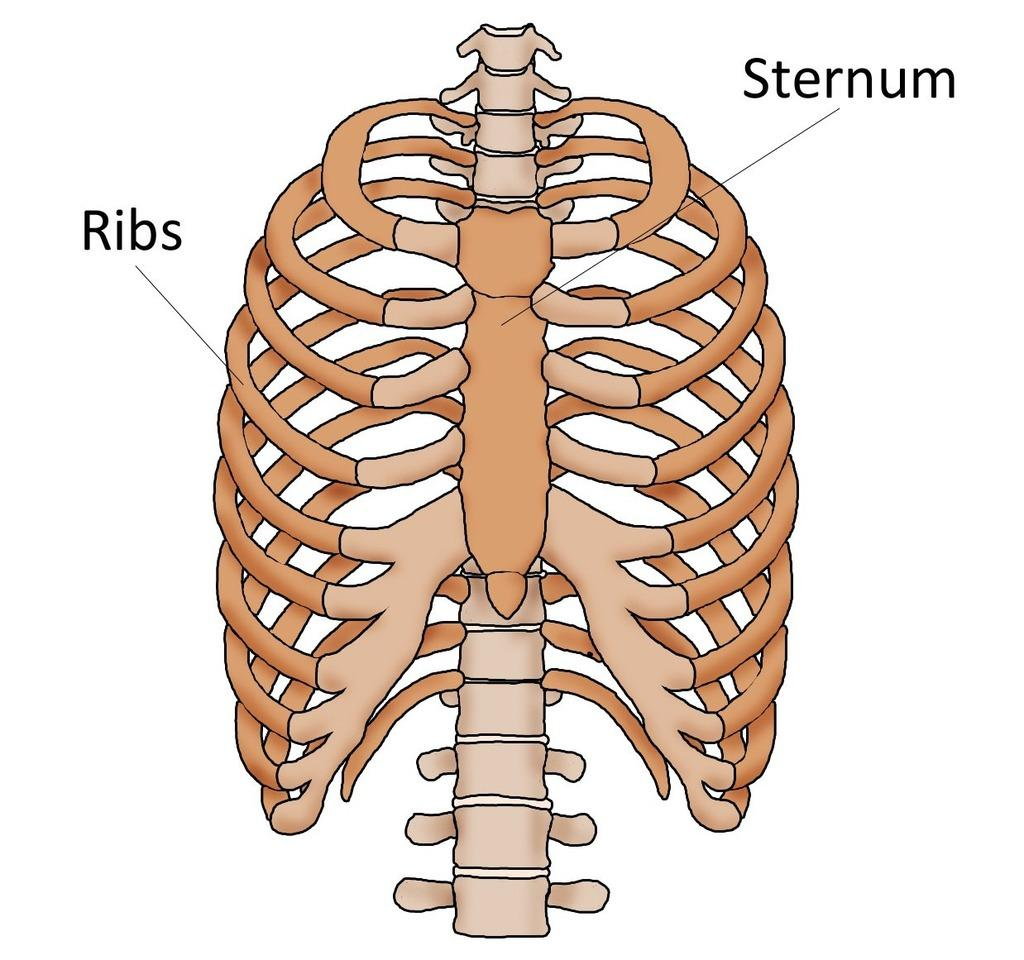
Sternum
The breastbone; the flat bone in the middle of the chest that connects to most of the ribs through cartilage.

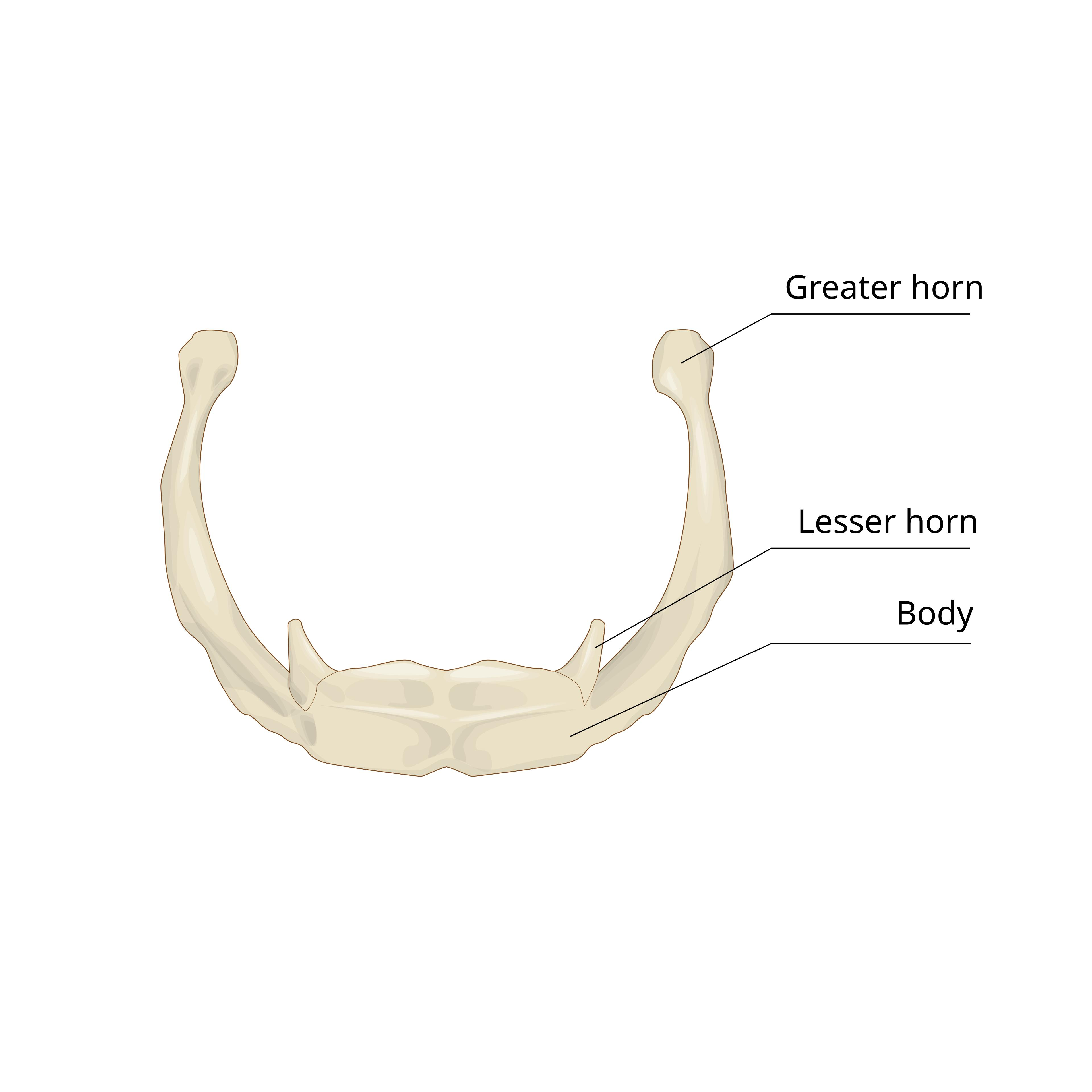
Hyoid Bone
A small, U-shaped bone in the neck that helps with speaking and swallowing.
Upper Extremities
The bones of the shoulders, arms, wrists, and hands.

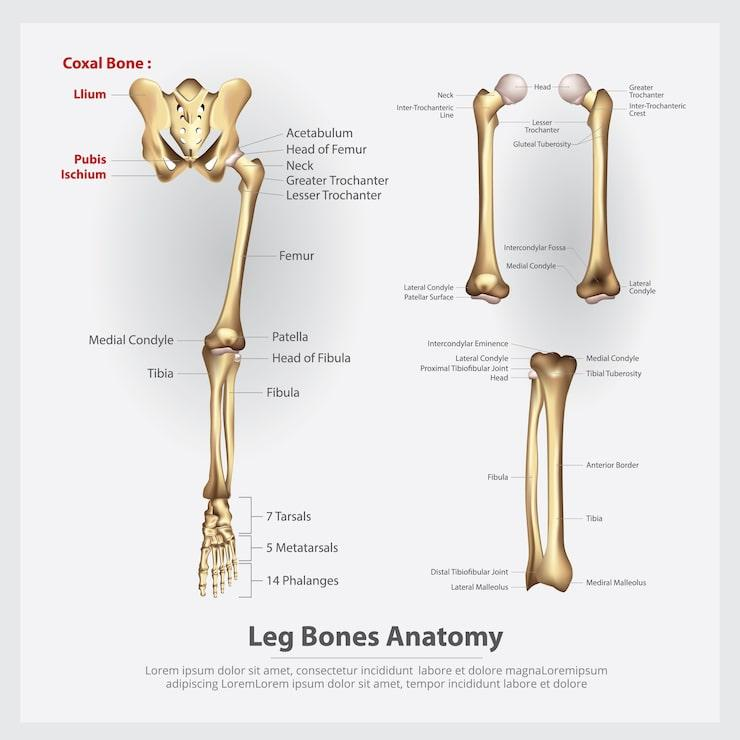
Lower Extremities
The bones of the hips, legs, ankles, and feet.
Clavicle
The collarbone; connects the sternum to the scapula.

Scapula
The shoulder blade; a flat, triangular bone that helps with shoulder movement.

Humerus
The long bone in the upper arm, extending from the shoulder to the elbow.

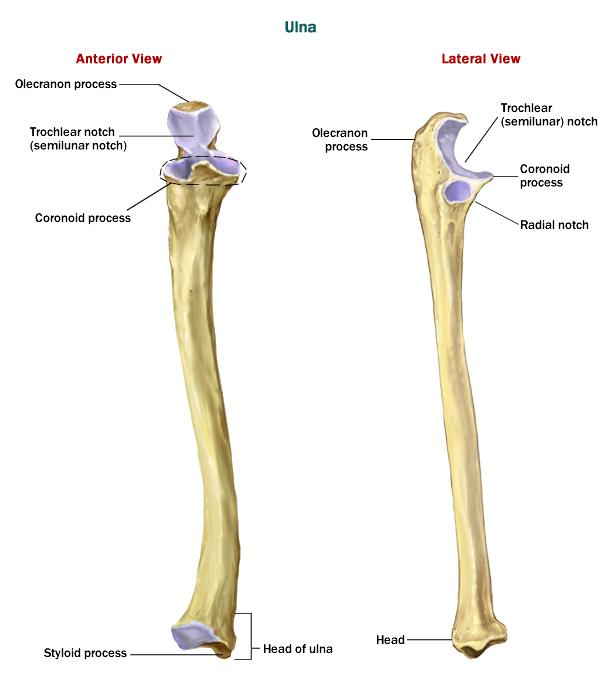
Ulna
The forearm bone located on the pinky-finger side.
Radius
The forearm bone located on the thumb side.

Carpals
The eight small bones that make up the wrist.

Metacarpals
The five long bones that make up the palm of the hand.
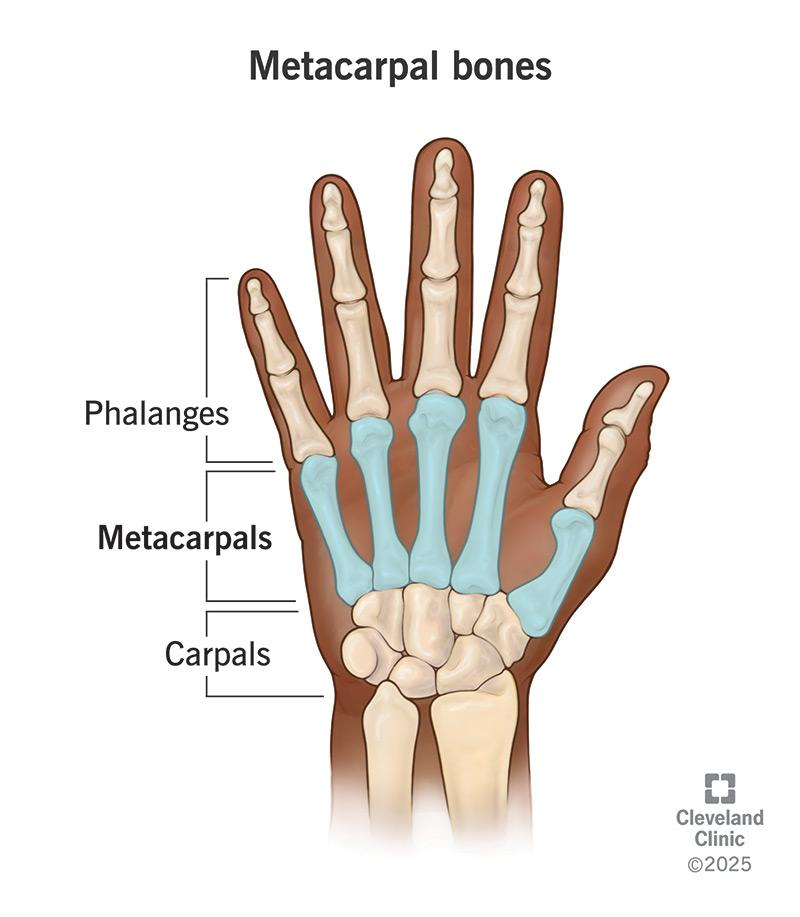
Phalanges
The bones that make up the fingers and toes.

Pelvis
The group of bones forming the hip region; supports the upper body and protects pelvic organs.

Femur
The thigh bone; the longest and strongest bone in the human body.

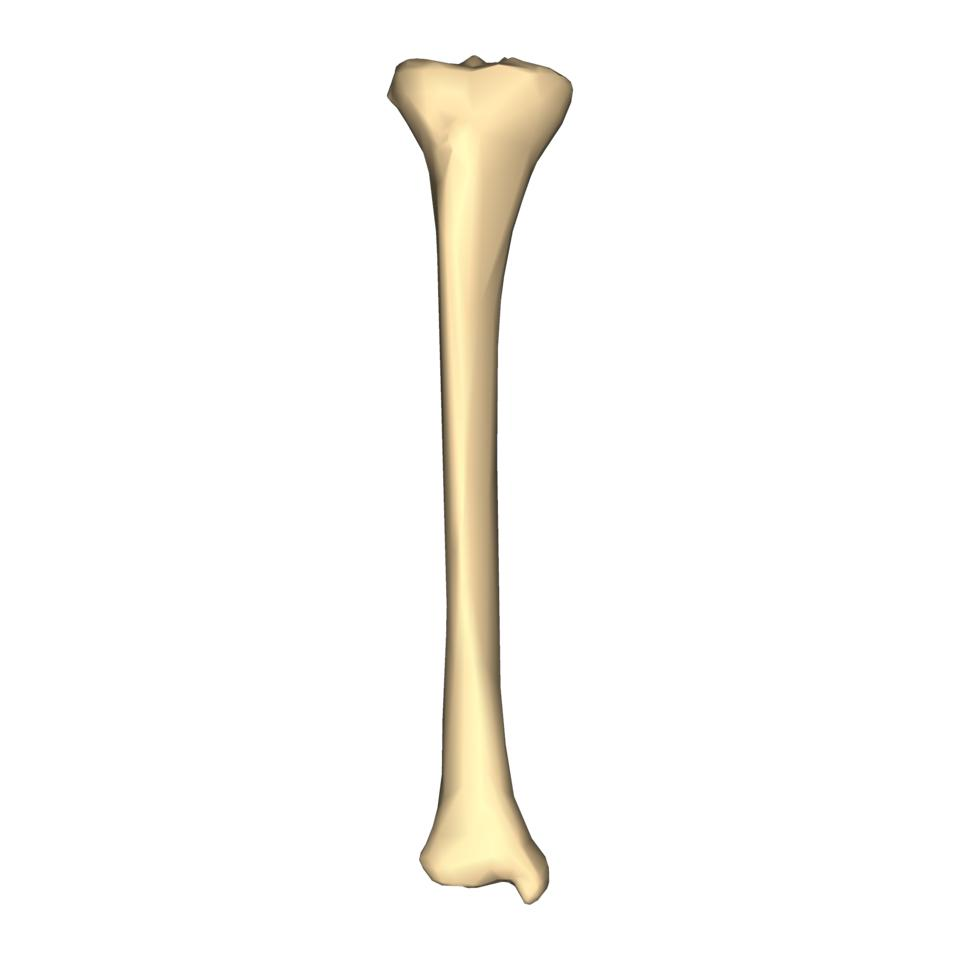
Tibia
The larger bone in the lower leg, also called the shinbone.
Fibula
The thinner bone on the outer side of the lower leg.

Patella
The kneecap; protects the knee joint.

Tarsals
The seven bones that make up the ankle and back part of the foot.

Metatarsals
The five long bones located in the middle of the foot.
