new content for lecture exam 3
 Call Kai
 Learn
 Practice Test
 Spaced Repetition
 Match
 Flashcards
 Knowt Play
1/82

Earn XP
Description and Tags
fuckkk i am scared
83 Terms
ganglion
a swelling or enlargement of a nerve where the soma are
sensory pns
receives information and transmits it to the cns (afferent neurons)
motor pns
sends signals from the cns (efferent neurons)
somatic
skin, muscles, joints, bones

viceral
internal organs

autonomic ns
viceral sensory and motor, organ function regulation
sympathetic
fight or flight
parasympathetic
rest and digest
cerebrum
upper part of brain

cerebellum
mini brain
gyri
folds of brain

sulci
grooves in tissue

longitudinal fissure
separates left and right cerebral hems

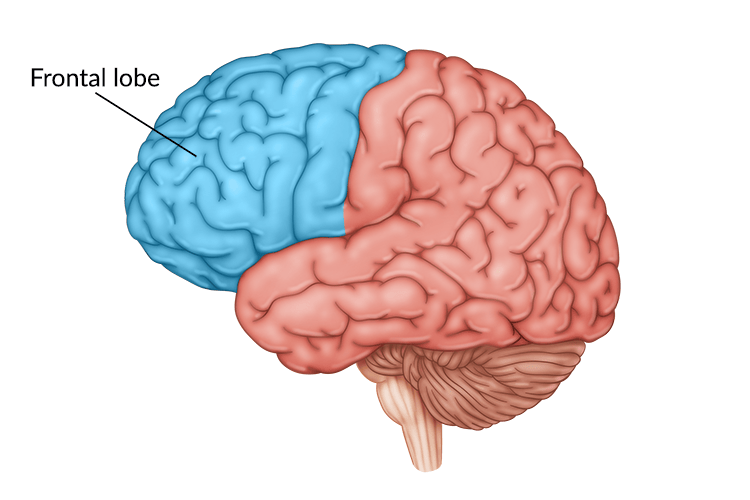
frontal lobe
voluntary motor, mood, memory, emotion, planning
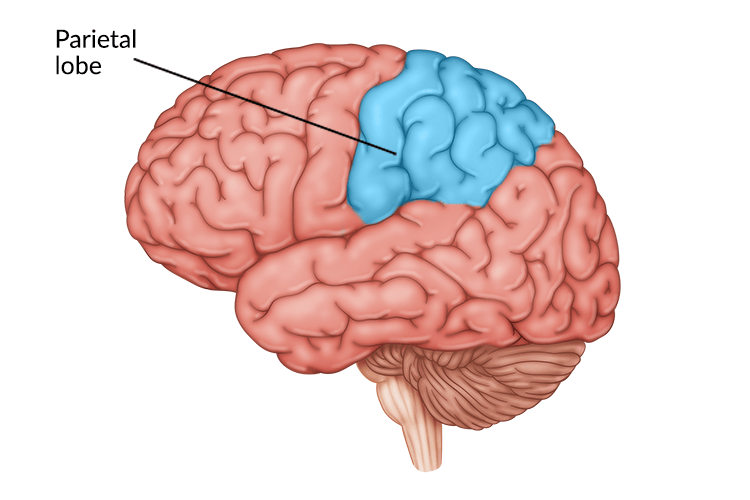
parietal lobe
sensory reception, taste
temporal lobe
hearing, smell, learning, memory, emotion

occipital lobe
vision

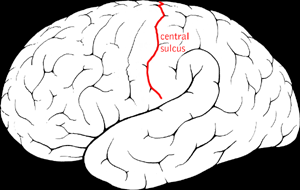
central sulcus
separates frontal lobe from parietal lobe
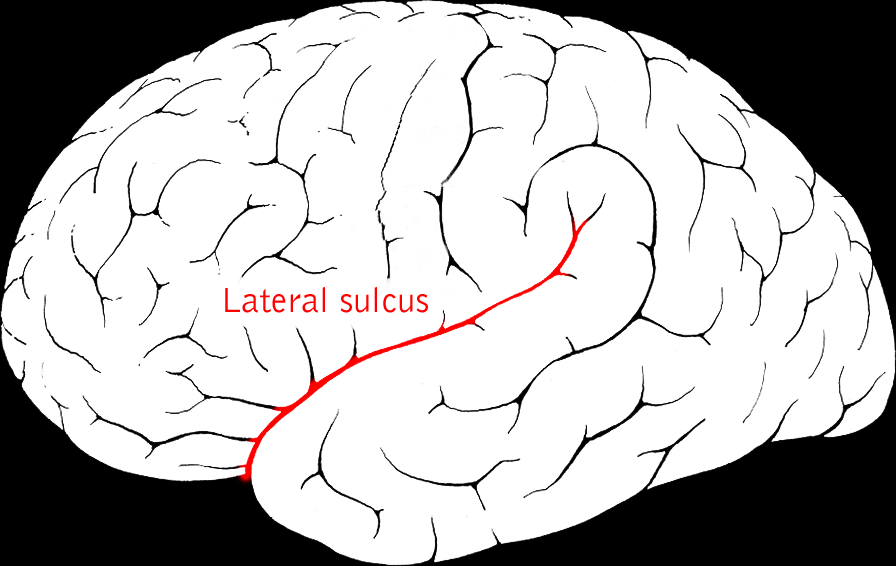
lateral sulcus
separates temporal lobe from frontal and parietal lobes above it
Parieto-occipital sulcus
separates parietal lobe from occipital lobe

Precentral gyrus
anterior to central sulcus – important for initiating motor movements when you move

Postcentral gyrus
posterior to central sulcus, sensory information when its warm or shrap just feeling

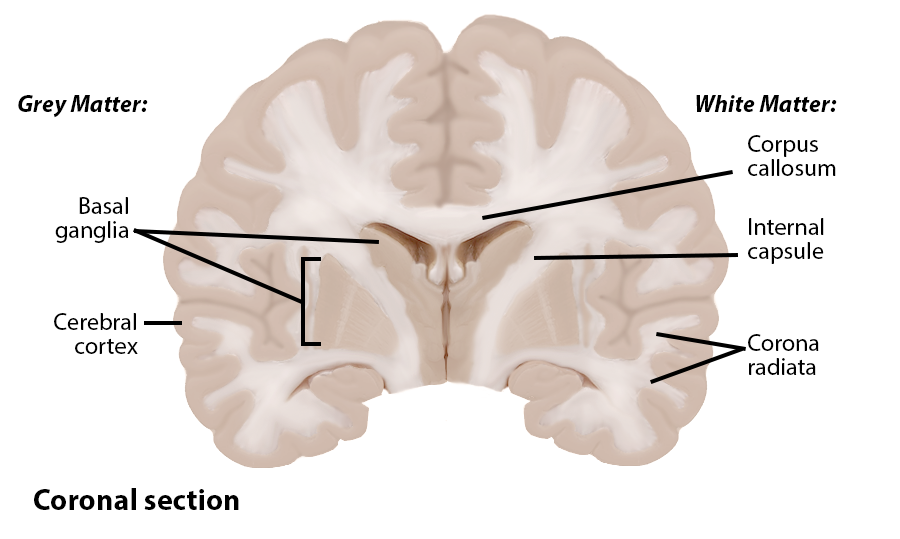
gray matter
neuronal dendrites, soma, synapses

white matter
bundles of neuronal axons (Tracts)

cerebral cortex
Outer layer of gray matter of cerebrum (critical thinking)
damage to cerebellum
visual, motor, auditory, time
corpus callosum
linking left and right cerebrum

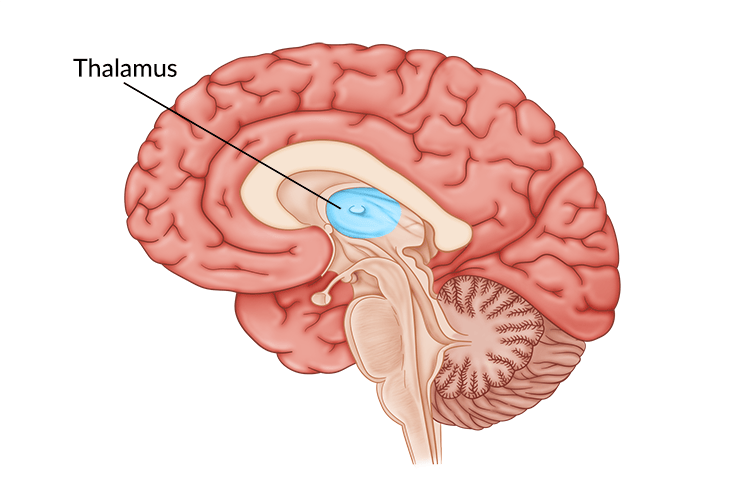
thalamus
relay center in the brain that receives information and directs it to the different areas of the cerebrum
hypothalamus
major control center 4 autonomic ns and relays messages TO PTG
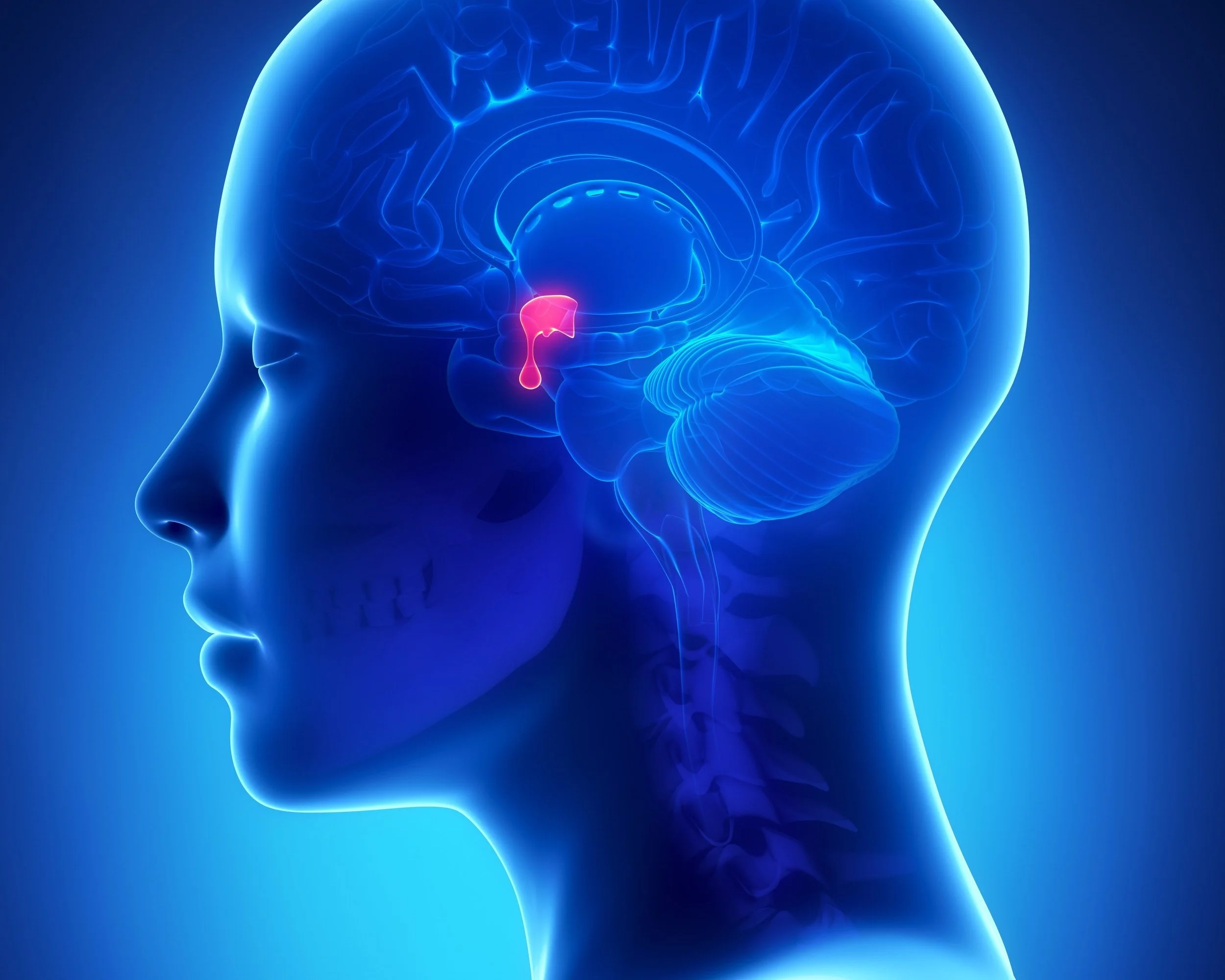
pituitary gland
master gland- secretes hormones to control other glands
midbrain
connects the cerebrum and cerebellum, pons, and medulla oblongata,

pons
conducts signals between cerebrum and cerebellum. Sends sensory messages to thalamus.

Medulla oblongata
translator of spine and brain also cough and sneeze
Reticular Formation
network of nuclei scattered throughout brainstem. Important for motor control, sleep/consciousness, cardiovascular function, pain perception
meninges
3 layers of CT surrounding brain

dura mater
thickest, outest

falx cerebri
separates right and left hemispheres of cerebrum

tentorium cerebelli
separates cerebellum from cerebrum

arachnoid mater
middle spider layer brain cushion

pia mater
innermost, thinnest layer of meninges

functions of CSF
buoyancy, protection, chemical stability
arachnoid villi
small extensions of the arachnoid mater where CSF is absorbed into bloodstream

pairs of spinal nerves
31
cauda equina
L1 when nerves follow downward

medullary cone
end of spinal cord (L1)

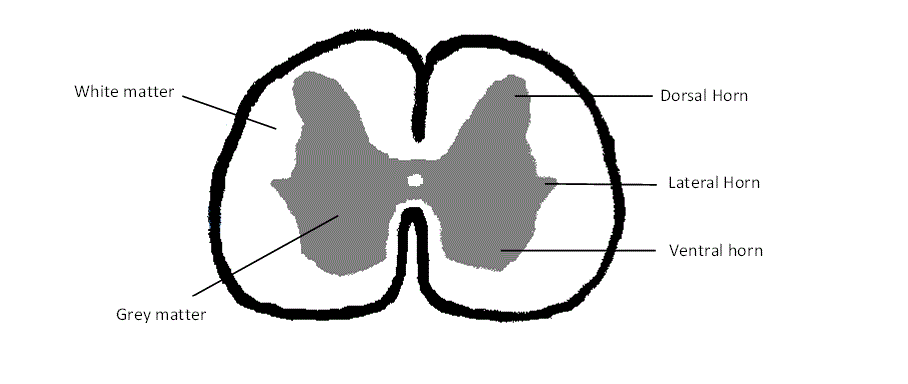
white matter spine
myelinated axons bundled (columns with ascending and descending tracts)

gray matter spine
soma, dendrites, site of synapses
ascending tracts 3
sensory info to brain

descending tracts 2
motor information FROM the brain

decussation
crossover spinal tracts
ipsilateral
same side
contralateral
the tracts decussate
Posterior roots
SENSORY information back to the CNS
Anterior roots
MOTOR information away from the CNS

POSTERIOR RAMUS
local muscles and joints and skin of the back
ANTERIOR RAMUS
ventral and lateral skin and muscles of trunk and limbs
communicating ramus
allows for flow of nerve fibers to/from CNS and sympathetic chain (part of autonomic nervous system)
cervical
C1-C5
BRACHIAL
C1-T1
LUMBAR
L1-L4
SACRAL
L4, L5, S1-S4
sensory afferent neurons
detecting touch, pressure, heat, light info to cns
Interneurons – located exclusively in the CNS
link sensory and motor, process
motor efferent neurons
triggering an action in a muscle, gland, or organ, FROM CNS
schwann cells
surround PNS axons

oligodendrite cells
surround CNS axons

Ependymal cells (CNS)
cuboid-shaped cells (not epithelial) with cilia that line the internal cavities of the brain and spinal cord

microglia (CNS)
phagocytose to protect neuron from infection

astrocytes (CNS)
blood brain barrier

satellite cells (PNS)
nourishment
nodes of ranvier
unmyelinated areas on axon
internodes
are myelinated
Acetylcholine
motor neurons communicate with muscle fibers
diffusion
neurotransmitters diffuse away and get taken by astro
reuptake
taken back up by presynaptic neuron via endocytosis
degration/metabolism
enzymes break neurotransmitters down
temporal summation
one neuron sending signals fast enough to trigger action potential in another
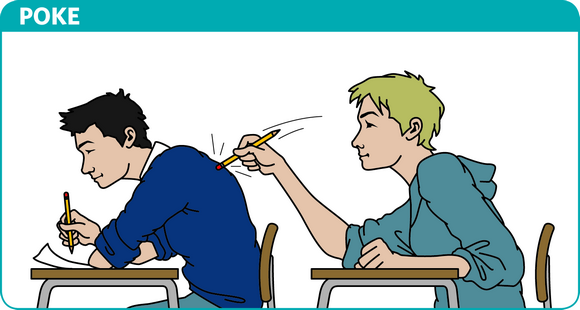
spatial summation
many neurons sending chill signals to trigger another

somatic reflexes
react to physical stimuli
visceral reflexes
altering function of organs (heartbeat fast when low BP)
vagus nerve CN10
preganglionic, digestive, heart, lungs
cholinergic fibers
neurons that release ACh (preganglionic)
adrenergic fibers
neurons that release norepinephrine (postganglionic)