Marine Eco Exam 4
 Call Kai
 Learn
 Practice Test
 Spaced Repetition
 Match
 Flashcards
 Knowt Play
1/62

There's no tags or description
Looks like no tags are added yet.
63 Terms
arctic
polar environment found at the north pole

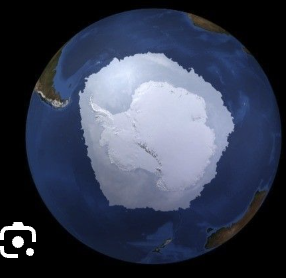
antarctic
polar environment found at the south pole
semi-enclosed by land, wide shelves, river input, permanent pack ice
geography of the arctic (4)
away from land, shallow shelves, no river input, seasonal pack ice
geography of the antarctic (4)
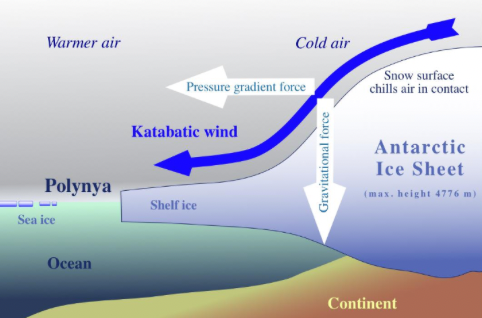
katabatic winds
descending winds in the antarctic due to pressure gradients
polynya
gap between ice and coast due to katabatic winds
Antarctic Circumpolar Current (ACC)
huge current that circles Antarctica that makes movement around Antarctica difficult

well mixed, no thermoclines, cold
properties of polar water (3)
less diverse and fish based
Arctic food web
more diverse and krill based
antarctic food web
pelagic communities
in surface water
krill dominate as the feed off of sea ice
high sea ice years
salps dominate as they have better fitness in ice-free water
low sea ice years
benthos
bottom dwelling organisms
soft sediment, physical and biological disturbance, low endemism
geography of benthos arctic
hard bottom, physical disturbance, high endemism
geography of benthos antarctic
endemism
state of a species being native and restricted to one area
anchor ice
forms on seafloor and can rip up bottom
ice scour
iceberg slowly scraping along bottom
melting ice
adding freshwater
forming ice
adding salinity
oxygen availability hypothesis
surplus of oxygen for animals to grow larger
silica chemistry hypothesis
high silica abundance for animals to grow larger
carbonate chemisty hypothesis
high carbon dioxide harms and limits growth of calcified organisms
biogeographic and ecological hypothesis
animals arn’t native to cold water environments
holobionts
interactive assemblages of species that form ecological units
more area, higher temp, climate stability, geography
traits that make the tropics best for coral reefs (4)
biogenic structure
structure build by living things
more surface area, hiding places, environment variety, less wave exposure
benefits of biogenetic structures (4)
nich partitioning
similar species dividing resources to reduce competition
grazers
consume early algae growth from substrate
browsers
consume large algae growth
consumer complementarity
different species use resources in a way that helps the environment
interspecific competition
between different species
infraspecific competition
between the same species
shading, overgrowth, tentacles, releasing chemicals
Ways species compete in coral reefs (4)
acidification, overfishing, runoff
reasons for algae outbreaks (3)
hysteresis
dependence of an area’s current state on its past history
algal reef
coral reefs alternate state
Discovery Bay, Jamaica
example of major overfishing and constant disturbances leading to an alternate state of an algae reef
disturbance
event that disrupts an area and changes the environment
disturbance regime
type/frequency/magnitude of disturbances of an ecosystem over long term
resistance
how little the ecosystem changed from its OG state
resilience
how quickly the ecosystem returns to its OG state
early colonizers of disturbed habitats
r-selected species that can survive in disturbed habitats
competatively superior species
k-selected species that like stabilized habitats
primary sucession
begins with a lifeless blank slate of rock/cement
intermediate disturbance hypothesis
intermediate disturbances allow for multiple competing species and high diversity
frequent disturbances
stressed and low biodiversity communities
infrequent disturbances
one species becomes the only competitor and lowers biodiversity
weather
temperature and precipitation at a place and time (swings)
climate
long-term pattern of weather (trends)
natural climate change
solar variations, el nino and volcanoes
greenhouse effect
heat gets trapped and re-emitted due to more greenhouse gases in the atmosphere
greenhouse gases
co2, ch4, water vapor
global climate change ranges
co2 taken up in the spring and summer by plants and released in the fall and winter
marine heatwaves
period of 5 or more days where the sea temp is above 90th percentile
stratification loss
warmer surface layers lead to stronger thermocline and less mixing
deoxygenation
warmer water holds less oxygen and strong thermocline stops mixing of oxygen
ocean acidification
ocean absorbes more co2 that lowers the pH
tropicalization
tropical species expand into colder zones
phenological
timing of seasonal life events are shiften
body size
organisms become smaller as there is less nutrients