Lecture 12 - Deep sea
 Call Kai
 Learn
 Practice Test
 Spaced Repetition
 Match
 Flashcards
 Knowt Play
1/86

There's no tags or description
Looks like no tags are added yet.
87 Terms
two parts of deep sea
pelagic and benthic
pelagic
open ocean water column
benthic
at the bottom of the ocean floor
coverage of pelagic dark ocean
largest habitat on earth, covers 66% of earth’s surface, 95% of total ocean volume
what percent of the ocean is deeper than 1000m
79%
what percent of ocean microbes are in the pelagic dark ocean
75%
what percent of ocean microbes production is in the pelagic dark ocean
50%
what is considered dark ocean pelagic
>200m
what does the cold and pressurized dynamics of the dark ocean do
affects reaction kinetics, metabolic processes, enzyme activity, and membrane fluidity
why is the deep pelagic oxygenated
thermohaline circulation and cold water holds more oxygen
what is the volume distribution of water with depth
bathypelagic water is highest volume
why is hadal the lowest for volume distribution
very few trenches
main 4 sources of energy of deep sea/dark ocean organisms
fluxes of particulate matter
DOM that builds up in surface ocean waters during calm, stratified seasons and is then mixed, redistributed, and exported into deeper ocean layers
vertical migration of zooplankton and micronekton
chemoautotrophic production
what is the largest source of energy for deep sea organisms
fluxes of particulate matter
what percent of energy is fluxes of particulate matter used by deep sea organisms
80-90%
how does DOM do overturning convection
thermohaline circulation
overturning convection
vertical mixing and circulation process where surface water becomes dense and sinks deep into the ocean
what percent of energy for deep sea organisms is DOM from overturning circulation
10-20%
what is chemoautotrophy in the pelagic
deep sea microbes using inorganic carbon to organic
example of chemoautotrophy in pelagic
ammonia oxidation, sulfide oxidation, hydrogen oxidation
what is chemoautotrophy in benthic communities
hydrothermal vents
largest migration in terms of biomass
vertical migration of zooplankton and micronekton
what is the largest benthic habitat
abyssal plane
what percent of benthic habitat is the abyssal plane
60%
average depth of abyssal plane
4500m
what percent of surface production reaches abyssal plane
1-2%
average temp of abyssal plane
<3C
average salinity of abyssal
33-35ppt
most common invertebrates in abyssal plane
echinoderms: brittle stars, sea stars, sea cucumbers, sea urchins, crinoids
characteristics of abyssal plane
mostly sediment, no rocks, epifauna and epiphyte desert, high density of protists
other important invertebrates in abyssal plane
sea pens, stalked sea squirt, amphipods, isopods, polychaetes
order of organisms from 1000m onwards
sponges < sea cucumber < brittle stars and sea pens in coral reef < sea anemones < corals < polychaetes < echiurids < mollusca < crustaceans <others
what happens to biomass of benthic animals the deeper you go
decreases to < 0.01
deepest depth in ocean
mariana trench and second is tonga trench right outside mariana, very different characteristics
endemic species in deep ocean
many endemic to deep ocean
potential sources of food for deep sea organisms
sea grass detritus
zooplankton/fish migrations
plankton sinking
fecal pellet sinking
fish dumping
large fish and mammals dying
sargassum deitritus
adaptations of deep sea animals
camouflage by countershading
attracting prey with biolumnescent
avoiding prey with bioluminescence
finding food with large mouths
finding a mate
explain camouflage in deep sea
bioluminescence on belly makes fish body blend in with light above
example of camouflage
hatchet fish
explain attracting a prey in deep sea
use bioluminescence to lure prey
example of attracting a prey in deep sea
lanterns of angler fish
explain avoiding being prey in deep sea
using bioluminescence to startle predators
example of avoiding being prey in deep sea
copepods
explain finding food in deep sea
having a large mouth
example of finding prey in deep sea
gulper eel
explain how to find a mate in the deep ocean
tiny anglerfish male fuses with female, nurtured through female blood stream
how does the hatchetfish work
countershading using bioluminescence on the belly to look like light from above, microbes live in belly

hatchetfish

anglerfish

gulper eel

anglerfish male and female
two types of hydrothermal vents
warm diffuse flow (white smoker)
superheated plumes with dissolved minerals (black smoker)
temperature of two hydrothermal vents
white smoker is 5-100C and black smoke is 250-400C
why are there no bubbles with black smoke hydrothermal vents
due to pressure
characteristics of hydrothermal vents
low oxygen, high hydrogen sulfide, acidic (low pH), H2S toxic to cytochromes
what does it mean that H2S is toxic to cytochromes
the gas binds to a vital iron-containing enzyme in the mitochondria and shuts down normal cellular energy production
what does H2S do to cytochromes
stop cell respiration and causes irritation to humans at very high concentrations
where are vestimentifera not found
atlantic
when were hydrothermal vents first discovered
1977 galapagos with lots of vestimentifera
what is found in hydrothermal vents in atlantic instead of vestimentifera
shrimp!
explain cold water sinking into crust in hydrothermal vents
Cold, dense seawater sinks deep into the oceanic crust through rock fractures, where it is heated by magma and chemically transformed before rising back to the seafloor as a mineral-rich hydrothermal vent
explain dissolved metals and hydrogen sulfide in hydrothermal vents
superheated, acidic seawater leaches dissolved heavy metals and toxic hydrogen sulfide from the oceanic crust, which then erupt into the freezing deep ocean to build mineral chimneys and fuel entire chemosynthetic ecosystems
explain how hydrothermal vents are sites of chemosynthesis
Deep-sea microbes use the chemical energy from hydrogen sulfide in vent fluids—instead of sunlight—to convert carbon dioxide into nutrients, fueling entire food webs without photosynthesis.
who grazes on filamentous bacteria in hydrothermal vents
limpets and suspended bacteria from filtered water

riftia, vestimentifera
how are rifteria grouped
in annelida
morphology and size of rifteria
85cm/year, 3m long, no mouth but trophosome with symbiotic bacteria, bacteria live in trophosome
trophosome of rifteria
tubeworm captures dissolved oxygen, carbon dioxide, and highly toxic hydrogen sulfide,the resident bacteria use chemosynthesis—oxidizing the hydrogen sulfide to generate energy (ATP) and using it to fix carbon dioxide into organic molecules (carbohydrates)
bacteria in trophosome of riftia
make up 60% of dry weight of riftia
characteristics of pompej worm
lives in tubes close to hot vent, can sustain 80C small periods of 100C, bacteria live on surface, hottest animal on earth

pompeg worm
calyptogena magnifica
The red hemoglobin serves a dual purpose: it binds oxygen from the surrounding water, and it safely binds highly toxic hydrogen sulfide (H₂S). It transports both gases to the intracellular bacteria living in its tissues. The bacteria then use the sulfide via chemosynthesis to produce carbon compounds and sugars, effectively feeding the clam from the inside out
meiofauna in vents
nematods and copepods
macrofauna in vents
molluscs, annelids, crustacean
lifespan of hydrothermal vents
several years to decade, buried under lava

hot vent invertebrates

furry lobster
characteristics of furry lobster
bacteria that grow in fur may detoxify metals from vents or cultivate bacteria for food

lost city made of calcium carbonate, type of hydrothermal field
characteristics of lost city
found in 2003 ATL, 60m tall, lower temp than hot vents, methane and hydrogen rich, high pH, H2 and CH4 release, small amounts of CO2 and sulfide,
what happens with methanotrophs in lost city
methanotrophs with sulfate reduction deposit carbonate
characteristics of cold seeps
in subduction zones, discovered in GOM, sulfur and methane, shallower water, chemosynthetic production, limpets graze on bacterial mats
similarities of hot vents and cold seeps
biomass is high but species diversity is low
what does highbiomass but low species diversity do to hot vents and cold seeps
influences metal content in water
what do hydrothermal vent plumes do in pacific
supply micronutrients to water column, when they are upwelled we see phytoplankton blooms

fossil made by??? thought to have been extinct
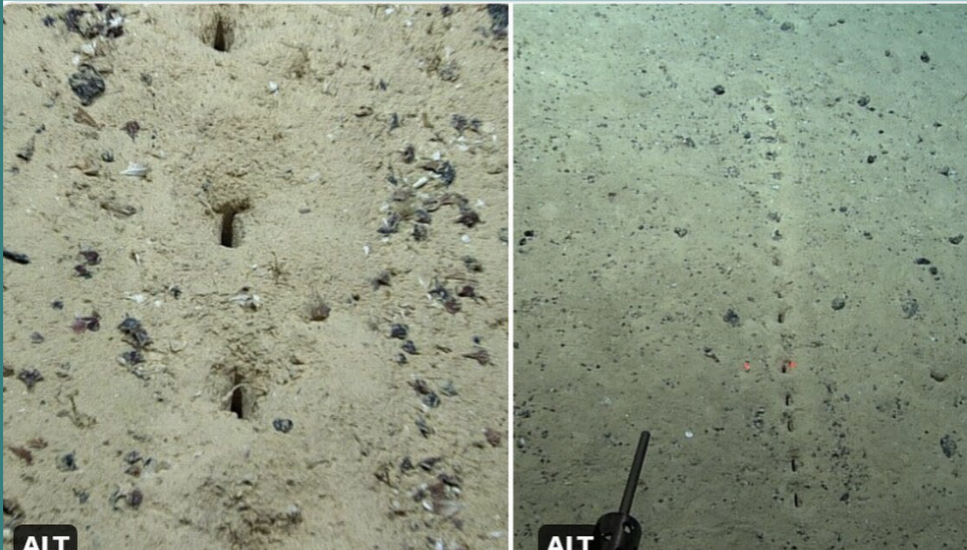
another unknown feature in deep sea sediments