Exam 3 Pathophysiology: Neurology and Endocrine
 Call Kai
 Learn
 Practice Test
 Spaced Repetition
 Match
 Flashcards
 Knowt Play
1/216

Earn XP
Description and Tags
no AI used
217 Terms
Examples of neurodegenerative diseases
Alzheimer’s Disease
Parkinson’s Disease
Huntington’s Disease
Amyotrophic Lateral Sclerosis (ALS)
Neural degeneration
True neuronal death
Neurodegeneration primarily affects the ____ matter.
gray
Shared histological features of neurodegeneration
Neurofibrillary tangles
Intracellular or intranuclear inclusions
Abnormal protein aggregation
Dementia
Chronic, progressive failure of cerebral function
Cerebral functions affected by dementia include
Orientation
Memory
Language
Judgment
Decision making
Behavior
Dementia occurs in ____ people but is not a normal aging process
older
What best describes the onset of dementia
The onset of dementia is insidious, aka slow and gradual progression
Dr. K states the dementia is not a disease, rather a group of symptoms that are caused by an underlying disease. Is he factually correct?
Yes
Pathogenesis of dementia
Neurodegeneration
Brain trauma
Compression of brain tissue
Genetics
Chronic inflammation
Atherosclerosis
CNS infections
Alzheimer’s Disease
Progressive neurological deterioration that affects memory, thinking, and ability to carry out simple tasks
Which disease is the most common cause of dementia in older people
Alzheimer’s Disease
Key risk factor for Alzheimer’s Disease
Increasing age
Two types of Alzheimer’s Disease
Late-Onset
Early-Onset
Late-Onset Alzheimer’s Disease makes up how much percent of Alzheimer’s cases?
90-95%
Late-Onset Alzheimer’s
Sporadic
Affects ApoE gene in chromosome 19
Early-Onset Alzheimer’s Disease makes up how much percent of Alzheimer’s cases?
5-10%
Types of Early-Onset Alzheimer’s Disease
Familial
Non-familial
Which inheritance pattern causes early-onset familial Alzheimer’s Disease
Autosomal dominant
This inherited condition can increase the risk of developing non-familial early onset Alzheimer’s disease
Down Syndrome
Pathophysiology and Alzheimer’s Disease
Deposition of amyloid plaques (primary) and accumulation of tau proteins
Symptoms of Alzheimer’s Disease
Amnesia (memory loss)
Agnesia (difficulty recognizing objects/people)
Asphasia (speech/language difficulty)
Anosognosia (loss of self-awareness/inability to recognize illness)
Apraxia (loss of learned movements)
Symptoms of Alzheimer’s Disease: Amnesia
Memory loss
Symptoms of Alzheimer’s Disease: Agnesia
Difficulty to recognize familiar objects or people
Symptoms of Alzheimer’s Disease: Asphasia
Difficulty with speech and language
Symptoms of Alzheimer’s Disease: Anosognosia
Loss of self-awareness or inability to recognize own illness (physical or mental)
Symptoms of Alzheimer’s Disease: Apraxia
Loss of learned movements
Diagnosis of Alzheimer’s Disease
Complete historical assessment, ruling out other disorders
No single definitive test, only confirmatory after death
Parkinson’s Disease
Progressive neurodegenerative disease of the basal ganglia with loss of dopamine producing neurons
Pathogenesis of Parkinson’s disease
Defective alpha-synuclein proteins
Types of Parkinson’s Disease
Primary
Secondary
Types of Parkinson’s Disease: Primary
Idiopathic (unknown origin)
Increases with age (over 60 years)
Associated with genetics
Types of Parkinson’s Disease: Secondary
Environmental causes
Antipsychotic medications
Vascular
Caused by repeated head trauma
Parkinson-like disorders
Part of the brain affected by Parkinson’s Disease
Substantia nigra
Parkinson’s Terminology: Idiopathic Parkinson’s Disease
Current term for true neurodegenerative Parkinson’s marked by dopamine deficiency in the substantia nigra
Parkinson’s Terminology: Drug-Induced/Secondary Parkinsonism
Reversible type of Parkinson’s caused by drugs, usually antipsychotic drugs

Symptoms of Parkinson’s Disease
Stone faced
Resting tremor
Parkinson’s shuffle
Treatment of Parkinson’s Disease
Drugs
Therapy (physical, speech, occupational)
Monitor respiratory and urinary infections
Huntington’s Disease (chorea)
Progressive, debilitating disease caused by an autosomal dominant inheritance pattern
Which gene is affected by Huntington’s disease
HTT gene on chromosome 4
Huntingtin protein
Protein used for cell signaling and transport, anti-apoptosis, and DNA repair
Huntington’s Disease usually does not manifest until after 40 (True/False)
True
Pathophysiology of Huntington’s Disease
Loss of GABAergic neurons in the caudate and putamen
Huntington’s Disease is a hyper/hypo kinetic disorder
hyperkinetic
Symptoms of Huntington’s Disease
Mood swings, personality changes
Restlessness, choreiform movements
Dementia
People who have this disease are more likely to commit suicide, or succumb to infections and heart disease
Huntington’s Disease
Inheritance pattern of Huntington’s Disease
Autosomal dominant

Amyotrophic Lateral Sclerosis (ALS) or Lou Gehrig’s Disease
Rapidly progressive and fatal neurodegenerative disease of the upper and lower motor neurons
Spastic paralysis
Damage to upper motor neurons
Flaccid paralysis
Damage to lower motor neurons
In this disease, cognition is not worsen to the degree seen in other neurodegenerative diseases, even though it is not universally spared
Amyotrophic lateral sclerosis (ALS)
Pathogenesis of ALS
A mutation of the SOD1 gene damages glutamate channels in astrocytes
Mostly idiopathic
What type of neuron cells are primarily affected in ALS
Astrocytes
Risk factors for ALS
Repeated head trauma
Military veterans
What is the most common cause of death among ALS patients?
Respiratory failure
Symptoms of ALS
Limb cramping/weakness
Incoordination
Slurred speech
Dysphagia (difficulty swallowing foods)
Mean survival of ALS
3-5 years
Cerebrovascular Disease definition
Neurological disorders caused by pathologic processes in blood vessels
Causes of cerebrovascular diseases
Ischemia
Hemorrhagic
Vascular malformation
Increased intracranial pressure
Transient Ischemic Attack (TIA)
Transient focal neurologic deficit from brain, spinal cord, or retinal ischemia without infarction
Symptoms of transient ischemic attacks are usually
acute and resolves within 1-24 hours
Causes of transient ischemic attacks
Atherosclerosis
Vascular spasm
Arteritis
Mass lesions
Symptoms of transient ischemic attack
Muscle weakness in arm/leg
Vision disturbance
Numbness
Confusion
Cerebrovascular Accident (CVA) / Stroke
Infarction of brain tissue from hypoperfusion
What is the leading cause of disability?
Stroke
__% of strokes are recurrent
25%
Which racial group is at a higher risk for strokes
African Americans
Types of Strokes
Ischemic
Hemorrhagic
Types of Strokes: Ischemic Stroke
Blood vessel occlusion by a thrombus or an embolus (blockage)
Types of Ischemic Strokes
Thrombolic: narrowing blood vessels
Embolis: segment of thrombus that broke off
Risk factor for ischemic strokes
Atherosclerosis
Types of Strokes: Hemorrhagic Stroke
Rupture of a cerebral blood vessel
Has high morbidity and mortality
Types of Hemorrhagic Strokes
Intracerebral
Subarachnoid
Risk factor for hemorrhagic strokes
Hypertension
Modfiable risk factors for stroke
Hypertension
Diabetes
Smoking
Sedentary lifestyle
Non-modifiable risk factors for stroke
Age
Sex
Family history
Ethnicity

Symptoms of stroke (BE FAST)
Balance (loss of)
Eyes (vision changes)
Face drooping
Arm weakness
Speech difficulty
Time (call 911 ASAP)
Initially, stroke starts off as _____ paralysis, but changes to _____ paralysis in later weeks
flaccid, spastic
Acute complications of stroke
Increased ICP/cerebral edema, herniation
Hemorrhagic transformation of ischemic stroke
Seizures
Aspiration pneumonia
Chronic complications of stroke
Post stroke disability
Asphasia, dysphagia
Depression
Vascular dementia
Meningitis
Inflmmation of the meninges, the membrane that surrounds the brain and spinal cord
Difference between viral and bacterial meningitis
Viral meningitis is more common but less severe
Bacteria meningitis is less common but more severe
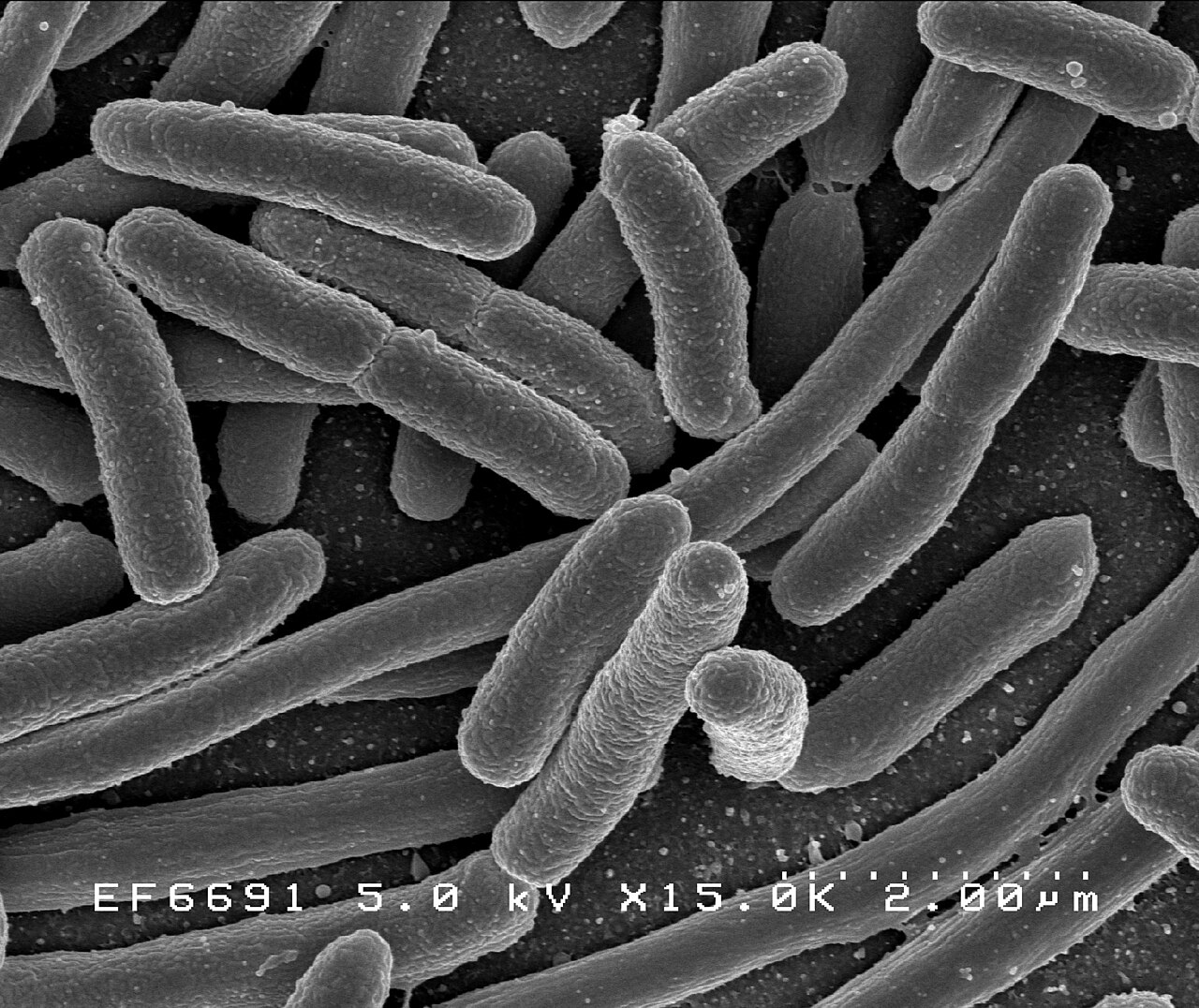
Types of bacteria that cause bacterial meningitis in newborns
Group B streptococci
E. coli
Listeria monocytogenes

Types of bacteria that cause bacterial meningitis in children and teens (primary cause)
Streptococcus pneumoniae
H. influenzae
N. meningitidis
Routes of Inoculation for meningitis
Pathogen enters blood stream and crosses blood-brain barrier
Direct spread: organisms enter CSF via structures or foreign objects
Symptoms of meningitis
Headache
Fever
Stiff neck
Nausea
Vomiting
Lethargy
Levels of glucose, proteins, and type of immune cell found in Bacterial Meningitis
Low glucose, high proteins, neutrophils
Levels of glucose, proteins, and type of immune cell found in Viral meningitis
Normal glucose, mildly high proteins, lymphocytes
Levels of glucose, proteins, and type of immune cell found in Fungal/TB meningitis
Low glucose, high proteins, lymphocytes
Autoimmune diseases that target the nervous system
Multiple sclerosis
Myasthenia gravis
Multiple sclerosis (MS)
Chronic, progressive, and immune mediated inflammatory disease with progressive demyelination of CNS neurons
Occurs in relapses
What type of neurons cells are primarily affected in multiple sclerosis (MS)
Oligodendrocytes
Women are more likely to develop multiple sclerosis than men (True/False)
True
Type age of onset for multiple sclerosis
20-40 years
Pathophysiology of Multiple Sclerosis
Damage of the myelin sheath slows action potential of neurons
Symptoms of Multiple Sclerosis
Paresthesia
Numbness
Weakness
Poor coordination
Loss of bowel control
Myasthenia Gravis
Acquired, chronic, autoimmune disease that attacks acetylcholine receptors
Which immunoglobulin bodies attack acetylcholine receptors in myasthenia gravis?
IgG
Diagnostic test for Myasthenia Gravis
Serum AChR test
Progressive muscle weakness is a hallmark for myasthenia gravis (True/False)
True